
Did you know that the average lifespan of a Pitbull is between 12 to 14 years? Understanding the longevity of your beloved pet is crucial for any responsible owner, as it directly impacts their care, health, and happiness throughout their lives. As you navigate through the joys and challenges of Pitbull ownership, knowing what to expect in terms of age can help you provide the best environment possible for your furry friend. Factors such as genetics, diet, and preventive health measures all play vital roles in determining how long your Pitbull will be by your side. This exploration into the lifespan of Pitbulls aims to arm you with knowledge that will not only deepen your bond with your pet but also inspire you to make informed choices that enhance their quality of life. Join us as we delve into the details of what affects the lifespan of these loyal companions and how you can ensure they live their lives to the fullest.
What Affects Pitbull Lifespan? Key Factors to Consider
One of the most captivating aspects of Pitbulls is their resilience and capacity for companionship, often leading to a lifespan that many dog owners cherish. The average Pitbull can live between 12 to 14 years, but several factors influence this range. Understanding what affects your dog’s lifespan is crucial for enhancing their quality of life.
Health and Genetics
Genetics plays a significant role in determining a Pitbull’s life expectancy. Similar to humans, a Pitbull’s family history can shed light on their potential health issues. Selecting a reputable breeder who prioritizes genetic health can help you avoid various inherited conditions. Moreover, regular veterinary check-ups can facilitate early detection of health problems, potentially extending your dog’s life.
Nutrition and Diet
The role of diet cannot be overstated. A balanced, nutritious diet tailored to your dog’s age, size, and activity level is essential. High-quality dog food rich in proteins, vitamins, and minerals supports overall health and helps prevent obesity, which is a known risk factor for many diseases in Pitbulls. Consulting with your vet about the best diet for your Pitbull will set the foundation for a long and healthy life.
Exercise and Lifestyle
Another critical aspect is exercise. Pitbulls are energetic dogs that thrive on regular physical activity. Engaging your Pitbull in daily walks, playtime, and mental stimulation not only keeps them fit but also reduces behavioral issues. A well-exercised Pitbull is less likely to experience anxiety or destructive tendencies, contributing to a better quality of life.
By taking these factors into account-genetics, nutrition, exercise, and regular vet visits-you can significantly enhance the lifespan and overall wellness of your beloved Pitbull. Each step you take towards responsible ownership reflects your commitment to giving your dog the happy and healthy life they deserve.
Average Lifespan of Different Pitbull Breeds
Understanding the lifespan of various Pitbull breeds can help potential owners make informed decisions and clarify any misconceptions about these remarkable dogs. While the average lifespan for many Pitbull types typically falls between 12 to 14 years, some factors, including breed variation, can influence longevity.
Breed Variations and Their Lifespans
The term “Pitbull” often refers to a group of breeds, including the American Pit Bull Terrier, American Staffordshire Terrier, and Staffordshire Bull Terrier, each with their own characteristics and health profiles. Here’s a closer look at some of these breeds:
| Breed | Average Lifespan (Years) |
|---|---|
| American Pit Bull Terrier | 12-16 |
| American Staffordshire Terrier | 12-14 |
| Staffordshire Bull Terrier | 12-16 |
Each breed’s lifespan is influenced by factors such as genetics, health issues, and preventive care. For instance, American Pit Bull Terriers tend to have a slightly longer average lifespan than their American Staffordshire cousins, which may relate to their breeding histories and associated health conditions. Staffordshire Bull Terriers often enjoy a similar lifespan to that of the American Pit Bull but can occasionally exceed average expectations due to their robust build and fewer breed-specific health concerns.
Factors Affecting Lifespan Across Breeds
Regardless of breed, individual health and lifestyle significantly impact longevity. Factors such as genetics, nutrition, and exercise remain constant across all Pitbull types. Regular veterinary care can lead to early detection of any potential health problems, allowing for timely treatment.
By understanding the average lifespans and influences for each breed within the Pitbull category, you can appreciate the unique qualities of these dogs and take steps to ensure they live long, happy lives. With responsible ownership, including diligent health care and a balanced lifestyle, your beloved Pitbull can thrive and be a cherished companion for many years.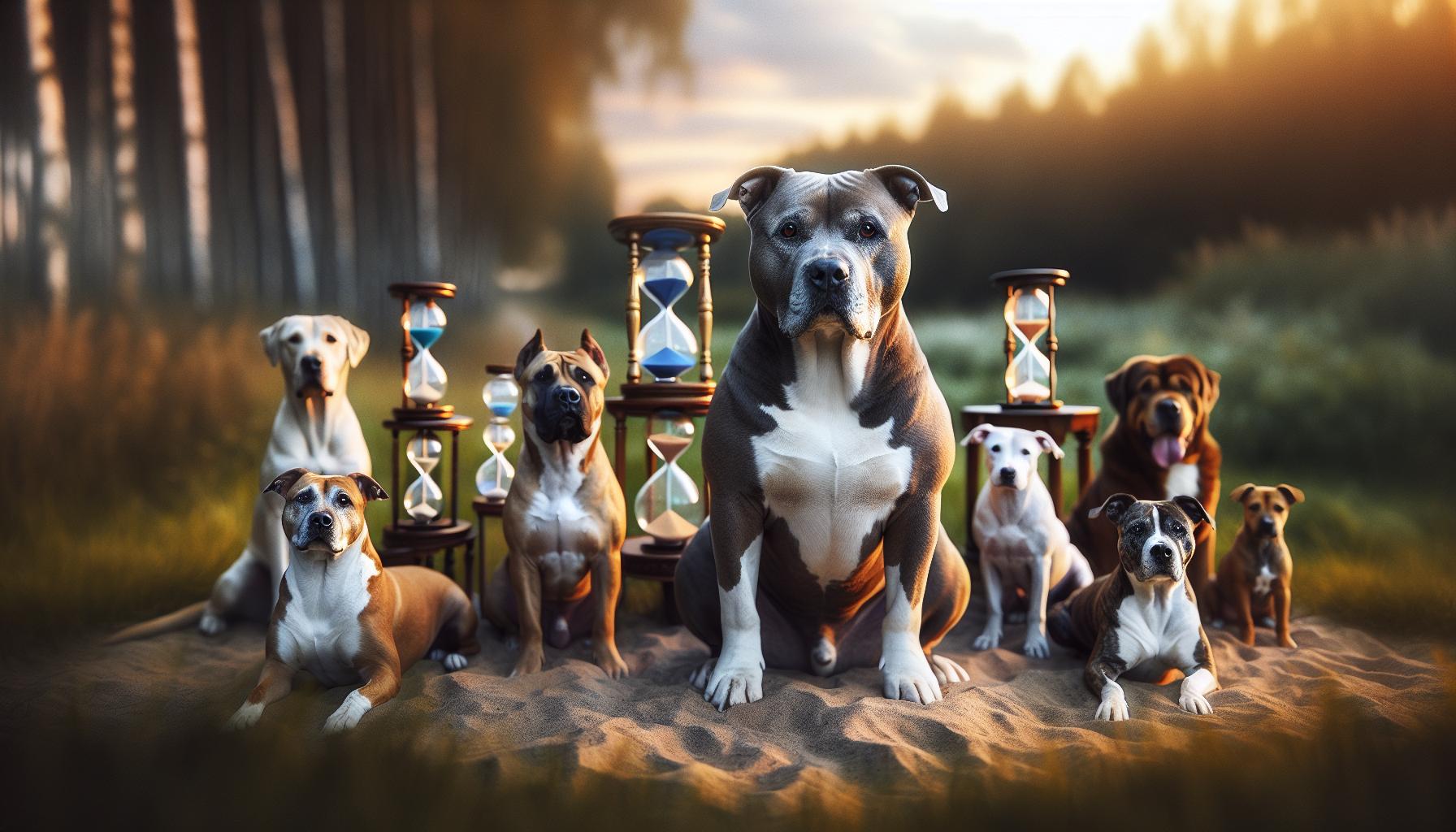
How Genetics Impact Pitbull Age Expectancy
Genetics play a pivotal role in determining the lifespan of Pitbulls, reflecting the health, resilience, and characteristics passed down from their ancestors. Each breed within the Pitbull category embodies specific genetic traits that can significantly influence their longevity. For instance, the American Pit Bull Terrier and the Staffordshire Bull Terrier may share common ancestry, but their individual breeding lines could lead to variations in health susceptibility and lifespan expectations.
One of the main genetic factors impacting age expectancy is hereditary conditions. Some breeds are predisposed to certain health issues; for example, American Staffordshire Terriers may face higher odds of developing hip dysplasia or certain heart conditions. It’s crucial for potential owners to research the lineage of their pup to understand potential health risks. You can also request health screenings for the parents, which provide insight into the likelihood of hereditary diseases being passed on.
Additionally, the overall genetic diversity within a breed can affect its vitality. Breeding practices that focus on maintaining a diverse gene pool can reduce the chances of congenital defects and improve overall health. Responsible breeders typically perform genetic testing and health assessments, thus aiming to prioritize the health and well-being of their puppies. By opting for a dog from a reputable breeder who prioritizes genetic health, you increase the likelihood of bringing home a pet that will enjoy a longer, healthier life.
In your journey as a Pitbull owner, recognizing how genetics can influence lifespan is essential. It empowers you to make informed decisions regarding your dog’s health care, nutritional needs, and lifestyle, laying the foundation for a longer, fulfilling life together. Understanding your Pitbull’s genetic background not only enhances your appreciation for their unique traits but also fosters a stronger, more harmonious relationship between you and your furry companion.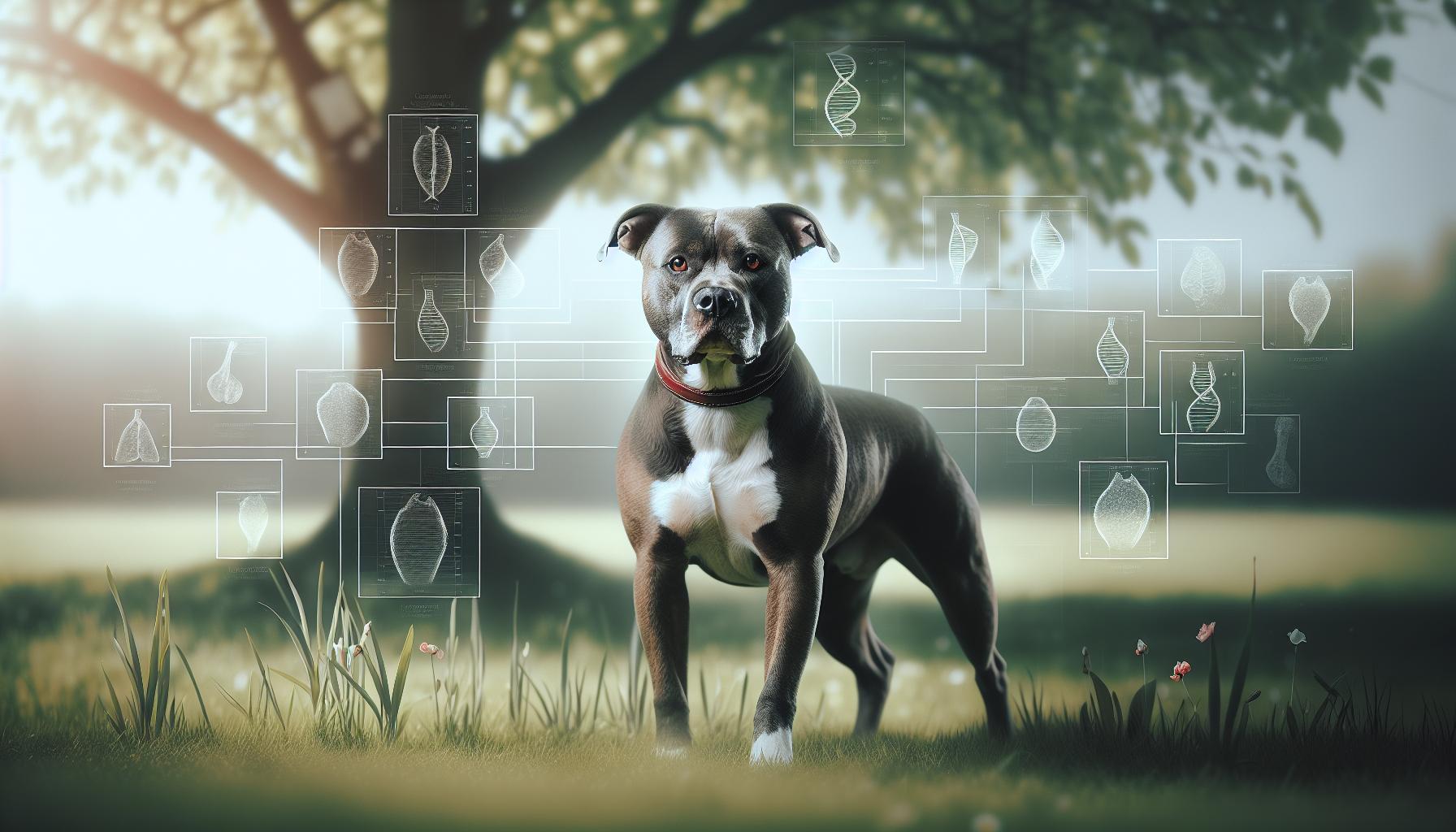
Common Health Issues in Pitbulls and Prevention
Understanding the common health issues that affect Pitbulls is crucial for any owner dedicated to ensuring a long and healthy life for their furry companion. While these dogs are known for their strength and resilience, they are not immune to certain health conditions that can impact their lifespan. By being aware of these issues and taking preventive measures, you can significantly enhance the wellbeing of your Pitbull.
One prevalent concern among Pitbulls is hip dysplasia, a genetic condition where the hip joint doesn’t fit properly into the hip socket. This malformation can lead to arthritis and pain, limiting mobility. Regular veterinary check-ups can help identify this condition early. Ensuring your dog maintains a healthy weight is also vital, as excess weight can exacerbate joint issues. Additionally, incorporating joint supplements into their diet might be beneficial.
Another health risk to consider is heart disease, particularly in American Staffordshire Terriers. Signs may include coughing, difficulty breathing, and lethargy. Engaging in regular exercise and monitoring your dog’s behavior can aid in early detection. It’s also wise to discuss a heart health screening with your veterinarian, especially if your dog shows any concerning symptoms.
Skin problems are also common in this breed. Pitbulls can suffer from dermatitis, allergies, and other skin conditions due to environmental factors or food sensitivities. A proper diet, coupled with regular grooming, can help minimize these issues. You can also consider hypoallergenic food if your dog is prone to allergies.
Lastly, being vigilant about diet and exercise is crucial for preventing obesity, which can lead to a myriad of health problems including diabetes and decreased longevity. Daily activities not only keep your dog fit but also provide mental stimulation, enhancing overall quality of life.
By staying informed about these potential health challenges and fostering a proactive approach to veterinary care and lifestyle choices, you can significantly improve your Pitbull’s chances for a long, healthy life filled with joy and companionship.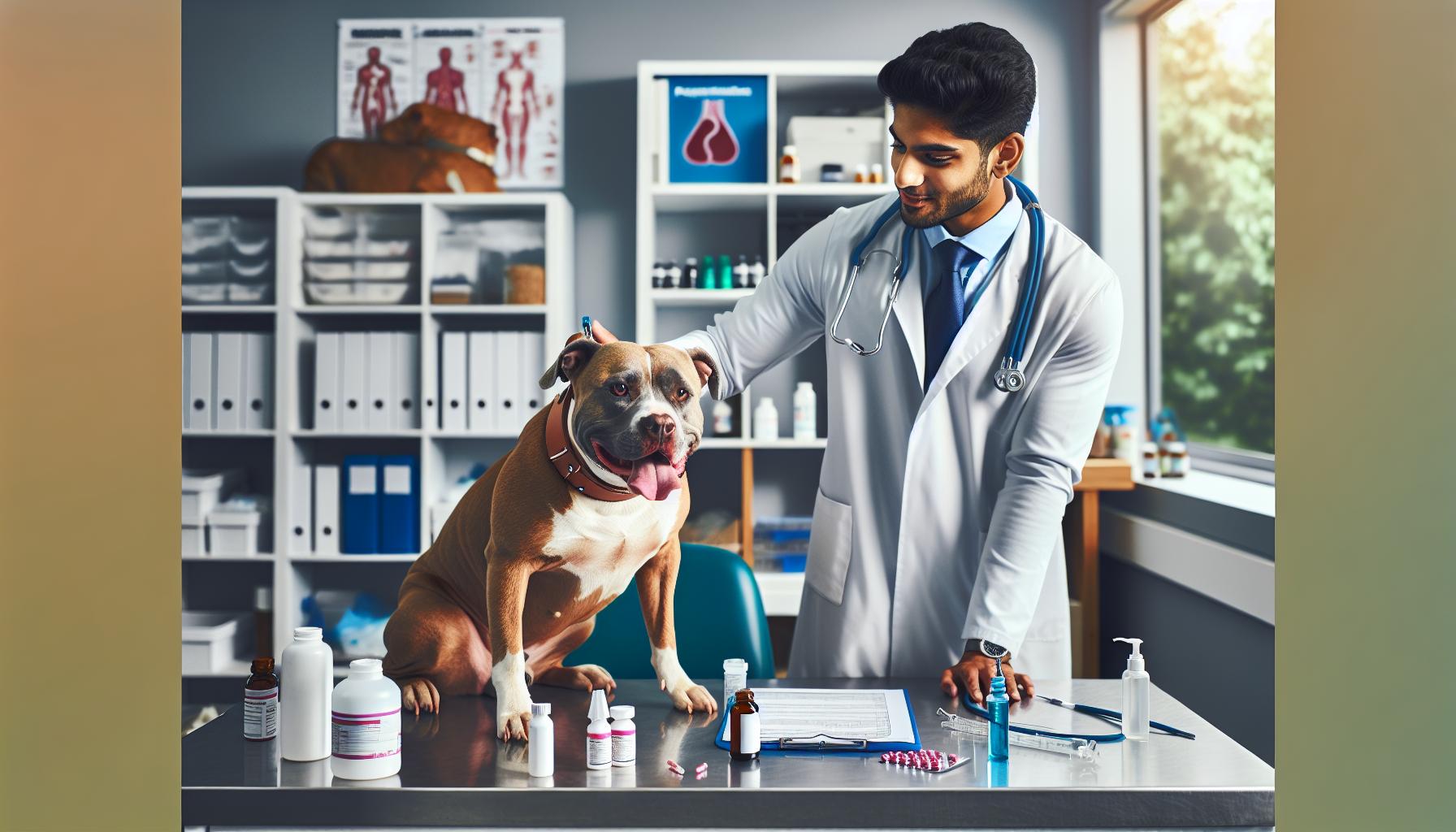
The Role of Diet in Your Pitbull’s Longevity
A nutritious diet is one of the cornerstone elements in ensuring your Pitbull lives a long and healthy life. The foods you choose not only provide the necessary energy for their daily activities but also play a vital role in preventing various health issues that could shorten their lifespan. By focusing on high-quality ingredients, you can significantly improve your dog’s health, energy levels, and overall quality of life.
When selecting a diet for your Pitbull, it’s essential to prioritize balanced nutrition that includes a variety of proteins, healthy fats, and carbohydrates. Lean meats like chicken, beef, and fish are excellent protein sources that help maintain muscle mass, which is particularly important for this strong breed. Additionally, incorporating quality carbohydrates such as sweet potatoes and brown rice can provide sustained energy throughout the day. Some owners find that adding fruits and vegetables, like blueberries and carrots, offers essential vitamins and antioxidants that contribute to overall health.
Portion Control and Weight Management
Maintaining an appropriate weight is crucial for your Pitbull’s longevity. Obesity can lead to serious health complications, including diabetes, joint problems, and heart disease. To manage weight effectively, measure your dog’s food portions based on their age, weight, and activity level. Consulting with your veterinarian can help you determine the right amount to keep your dog in an ideal weight range. You might also consider using a feeding schedule rather than free-feeding, which can help regulate their calorie intake.
Special Dietary Needs and Supplements
As Pitbulls age, their nutritional needs may change. Older dogs often benefit from diets formulated for seniors, which can support joint health and reduce calorie intake. Adding supplements, such as omega-3 fatty acids, glucosamine, and probiotics, can further enhance their diet, promoting better skin health, digestion, and joint function. Always consult with a vet before introducing new supplements to ensure they are suitable for your dog.
Finally, keeping your Pitbull hydrated is just as important as their dietary choices. Always provide access to fresh, clean water, especially during and after exercise. Dehydration can seriously impact their health, especially in active dogs. By taking a comprehensive approach to your Pitbull’s diet, you can significantly impact their longevity and enhance their overall quality of life, giving them many happy years by your side.
Exercise Requirements for a Healthy Pitbull
Ensuring your Pitbull gets the right amount of exercise is crucial for their health, happiness, and longevity. This breed is known for their incredible energy levels and muscular build, which means they thrive on regular physical activity. Engaging your Pitbull in daily exercise not only helps maintain a healthy weight but also prevents behavioral issues that can arise from boredom or pent-up energy. For optimal health, aim for at least 60 to 90 minutes of exercise each day.
Hiking, jogging, or simply going for brisk walks can be excellent ways to fulfill your Pitbull’s exercise needs. These activities not only provide physical benefits but also stimulate their mental faculties. Incorporating games like fetch or tug-of-war can also be enjoyable and help strengthen your bond. If you’re a fan of agility training or obedience courses, these are fantastic ways to challenge your dog both physically and mentally, making it a win-win situation for both of you.
Factors Influencing Exercise Needs
Different factors can impact how much exercise your Pitbull requires, including age, health status, and individual temperament. Puppies often have bursts of energy and may require shorter, more frequent play sessions, while older Pitbulls might benefit from less intense activity to accommodate their advancing age and potential joint concerns. Paying attention to your dog’s cues is important; if they seem tired or reluctant, it might be a sign that they need a break or a different type of activity.
Moreover, the type of exercise matters. Pitbulls enjoy varied activities: some love swimming, while others excel in activities requiring more physical exertion, like running or agility sports. Rotate among various activities to keep your dog engaged and excited, preventing monotony and ensuring a well-rounded fitness routine.
In conclusion, keeping your Pitbull active and engaged through regular exercise not only promotes a healthy lifestyle but also significantly contributes to their overall well-being and lifespan. Make exercise a fun and integral part of your daily routine, and you’ll likely see a happier, healthier Pitbull by your side for years to come.
Importance of Regular Vet Check-Ups
Regular veterinary check-ups are not just a routine; they are an essential aspect of maintaining your Pitbull’s health and ensuring a long, happy life. Just like humans, dogs can suffer from a variety of health issues that might not be immediately obvious. Routine visits to the vet allow for early detection of potential problems, which is crucial in preventing serious health concerns down the line. In fact, preventive care can often be the difference between a treatable condition and a life-threatening illness.
During these check-ups, your veterinarian will perform a thorough examination, which includes checking your dog’s weight, heart rate, and overall condition. They will also discuss vaccination schedules, parasite control, and dental care. Staying on top of vaccinations is particularly vital for pitbulls, as they can be susceptible to contagious diseases. Regular vet visits also provide you with an opportunity to ask questions about your dog’s behavior, diet, and any changes you may have noticed. This proactive approach helps tailor a healthcare plan specific to your Pitbull’s needs.
Moreover, older Pitbulls particularly benefit from frequent vet visits. As dogs age, they may develop health issues such as arthritis, diabetes, or heart disease. The vet can recommend appropriate diets, exercise routines, and medications to alleviate symptoms and improve quality of life. By establishing a regular check-up schedule, you and your vet can create a comprehensive health plan that addresses the unique needs of your aging dog.
In summary, prioritizing regular veterinary visits fosters a healthier, happier life for your Pitbull. These check-ups are your best defense against unexpected health issues and provide peace of mind knowing you’re giving your canine companion the best possible care. By keeping communication open between you and your veterinarian, you’re creating a solid foundation for your Pitbull’s health and longevity.
How Training Influences a Pitbull’s Lifespan
Training is more than just a way to teach your Pitbull commands; it’s a crucial factor that can profoundly influence their lifespan. A well-trained Pitbull is not only more manageable, but training also promotes mental stimulation, socialization, and physical activity, which are essential for a dog’s overall health and longevity. Interestingly, studies show that dogs that engage in regular training and mental challenges tend to live longer, healthier lives. This makes training an investment in your dog’s future.
One of the key aspects of training is the socialization process. When Pitbulls are exposed to various environments, people, and other animals from an early age, they develop better coping mechanisms, reducing stress and anxiety. Stress in dogs is often linked to various health issues, including heart conditions and gastrointestinal problems. By fostering a confident and well-adjusted Pitbull through socialization, you can help minimize these risks, allowing your dog to thrive well into their senior years.
Additionally, training strengthens the bond between you and your Pitbull, leading to a more harmonious relationship. A well-bonded dog is typically happier and less prone to destructive behavior, which can stem from boredom or lack of guidance. Engaging your Pitbull in regular obedience drills, trick training, or even agility exercises ensures they remain active, both mentally and physically. This activity not only helps maintain a healthy weight, reducing the risk of obesity-related diseases, but also encourages a more active lifestyle for you both.
Incorporating fun training sessions into your routine can significantly enhance your dog’s quality of life. Here are a few tips to keep in mind:
- Start Early: Begin training as a puppy to instill good habits early on.
- Use Positive Reinforcement: Reward-based training methods are effective and strengthen your bond.
- Keep Sessions Short: Dogs have short attention spans; aim for 5-10 minute sessions.
- Incorporate Variety: Mix in new tricks and activities to keep your Pitbull engaged and excited.
By recognizing the vital role of training in your Pitbull’s life, you can foster an environment that promotes health, happiness, and a longer lifespan. The benefits of effective training extend far beyond obedience; it is a foundation that supports your dog’s overall well-being.
Living Conditions: Indoor vs. Outdoor Pitbulls
Creating the right living conditions for your Pitbull can significantly impact their lifespan, health, and overall happiness. Whether your dog resides primarily indoors or outdoors, each environment has its strengths and challenges. Understanding these can help you make informed decisions about your dog’s care.
Indoor living often offers numerous advantages for your Pitbull. Homes provide a controlled environment that shields dogs from harsh weather conditions and environmental hazards like extreme temperatures and wildlife encounters. An indoor Pitbull benefits from the companionship of family, which can lead to improved mental health and reduced anxiety. Moreover, having your dog indoors promotes regular interaction, training opportunities, and the routine medical check-ups every pet needs. Indoor spaces can be enriched through toys, puzzles, and designated play areas, ensuring your Pitbull remains mentally stimulated and physically active, which are crucial for longevity.
On the other hand, outdoor living presents different opportunities. If you have a secure yard, spending time outside allows your Pitbull to exercise freely and engage in natural behaviors like digging and exploring. Sunshine and fresh air are essential for any dog. However, outdoor living requires diligent management to keep your Pitbull safe from external threats such as predators, loud noises, and the risk of escaping. Always ensure they have access to shade and water and provide shelter to protect against inclement weather. Additionally, outdoor dogs benefit from training that includes recall commands and safety protocols to keep them secure.
Ultimately, the best living condition for your Pitbull often combines the benefits of both spaces. Allowing your dog indoor access for bonding and relaxation while also providing opportunities for outdoor exercise can create a balanced lifestyle that enhances their health and lifespan. Remember that regardless of where they live, your dog should always feel like part of the family, enjoying love, attention, and the freedom to thrive in a safe environment.
Understanding Pitbull Aging: Signs and Stages
As your beloved Pitbull ages, recognizing the signs of aging can help you provide the best care possible. Just like with humans, dogs go through various stages of life, each bringing different needs and challenges. Understanding these stages enables you to adapt to your Pitbull’s evolving health requirements and lifestyle changes, ensuring a high quality of life throughout their years.
In the early stages of a Pitbull’s life, typically from puppyhood to about three years old, they are full of energy and curiosity. This is the prime time for socializing and training, establishing the foundations for good behavior and a happy temperament. During this stage, you will notice that your puppy is playful, active, and quick to learn commands. Regular exercise and mental stimulation are essential, as they help to shape a well-rounded adult dog who thrives on interaction and exploration.
As your Pitbull transitions into adulthood (approximately 3 to 6 years), they reach physical and mental maturity. This is when they typically exhibit their peak strength and agility. During this phase, your Pitbull may become more settled, with a deeper bond forming between you and them. It’s crucial to maintain a consistent routine of exercise, balanced nutrition, and veterinary visits to monitor for any emerging health issues. Be alert for subtle changes in behavior or energy levels, as these can be early indicators of health concerns.
Aging becomes more prominent as your Pitbull enters their senior years (around 7 years and older). You might notice that they may become less active, sleep more, and require adjustments in their diet and exercise. It’s common for senior dogs to develop certain age-related health conditions, such as arthritis or dental issues, which can affect their mobility and overall comfort. Regular vet check-ups are vital during this stage to catch any potential health problems early. Familiarize yourself with signs of discomfort or changes in behavior, such as difficulty in rising, reluctance to engage in activities they once loved, or changes in appetite.
You can support your aging Pitbull through gentle exercise tailored to their abilities, a quality diet rich in necessary nutrients, and ample mental stimulation to keep their minds sharp. Regular check-ins with the veterinarian will also aid in managing any health concerns promptly. By closely monitoring the signs of aging and adapting your care approach, you can enhance your Pitbull’s quality of life, ensuring they enjoy their golden years as happily and healthily as possible.
Tips for Enhancing Your Pitbull’s Quality of Life
Enhancing your Pitbull’s quality of life can significantly contribute to a longer, happier existence. From understanding their unique needs to making small changes in daily routines, you can create an enriching environment that promotes both physical health and emotional well-being.
Prioritize Regular Physical Activity
Pitbulls are energetic and playful dogs that thrive on exercise. Aim for at least 30 to 60 minutes of vigorous activity each day. Activities like brisk walks, runs, or engaging in playtime with fetch can keep their bodies fit and their minds sharp. Consider mixing up their routine with agility training, swimming, or dog sports to keep things exciting and to cater to their strong build and athletic nature.
Focus on Nutritious Feeding
A well-balanced diet is essential for maintaining your Pitbull’s health and longevity. Choose high-quality dog food tailored to their age, size, and activity level. Look for options rich in protein and essential nutrients while avoiding excessive fillers. Consult your veterinarian about specific dietary needs, as some Pitbulls may have sensitivities or require special diets for optimal health. Regularly monitor their weight to ensure they maintain a healthy body condition, adjusting food portions as needed.
Ensure Mental Stimulation
Pitbulls are intelligent dogs that require mental challenges to prevent boredom. Incorporate puzzle toys, training sessions, and interactive games into their daily routine. This not only stimulates their minds but also strengthens your bond through positive reinforcement and shared experiences. Teaching new commands or tricks can be particularly rewarding for both you and your dog.
Maintain Regular Vet Visits
Routine veterinary check-ups are key to keep your Pitbull healthy. Regular vaccinations, dental cleanings, and wellness checks help catch potential issues before they escalate. Discuss any behavioral changes or health concerns with your vet, allowing for timely interventions. By staying proactive with their health care, you can address problems early, ensuring your Pitbull remains in optimal condition throughout their life.
Create a Loving Home Environment
A secure and loving home plays a vital role in your dog’s emotional well-being. Provide a comfortable space where they can relax and feel safe, coupled with plenty of affection and social interaction. Ensure that they have access to toys, safe spaces for play, and quiet areas for rest. Socializing your Pitbull with other dogs and people can also be beneficial, promoting well-rounded behavior and reducing anxiety.
By taking these proactive steps, you can significantly enhance your Pitbull’s quality of life, ensuring they enjoy many happy years by your side. Each action not only contributes to their health but also fosters a deeper bond between you and your beloved furry companion.
Frequently asked questions
Q: What is the typical lifespan of a Pitbull?
A: The typical lifespan of a Pitbull is around 12 to 15 years. However, individual lifespans can vary based on factors such as genetics, diet, exercise, and overall care. Ensuring proper health check-ups and a balanced diet can help your Pitbull live a longer, healthier life.
Q: How can I improve the lifespan of my Pitbull?
A: To improve your Pitbull’s lifespan, focus on providing a balanced diet, regular exercise, and frequent vet check-ups. Additionally, training and mental stimulation are crucial for their well-being. For more information on enhancing your Pitbull’s quality of life, check the relevant section of the article.
Q: What health issues are common in Pitbulls?
A: Pitbulls are susceptible to several health issues including hip dysplasia, skin allergies, and heart disease. Regular veterinary check-ups are essential for early detection and prevention. Understanding these issues can guide you in maintaining your dog’s health effectively.
Q: Do male and female Pitbulls have different lifespans?
A: Generally, there is little difference in lifespan between male and female Pitbulls. However, females often live slightly longer due to lower risks of certain health problems associated with breeding. Proper care and health monitoring are vital for both genders.
Q: At what age is a Pitbull considered a senior?
A: A Pitbull is typically considered a senior by the age of 7 to 8 years. At this stage, they may require changes in their diet and exercise routines to accommodate their aging needs. Observing changes in behavior and health is important during this transition.
Q: How does diet affect a Pitbull’s lifespan?
A: Diet plays a crucial role in your Pitbull’s lifespan. A nutrient-rich diet helps prevent obesity, which can lead to serious health issues. Consult your vet for dietary recommendations tailored to your Pitbull’s age, weight, and activity level for optimal health.
Q: How can I recognize signs of aging in my Pitbull?
A: Signs of aging in Pitbulls include decreased energy, weight changes, and mobility issues. You may also notice changes in their coat and increased sensitivity to temperature. Regular vet visits can help monitor these signs and maintain your Pitbull’s health as they age.
Q: What role does exercise play in a Pitbull’s longevity?
A: Regular exercise is vital for a Pitbull’s longevity as it helps maintain a healthy weight and prevents obesity-related health issues. Aim for at least 30 to 60 minutes of exercise daily, incorporating both physical and mental activities to keep your Pitbull engaged and fit.
The Conclusion
As we wrap up our exploration of the lifespan of a Pitbull, it’s clear that understanding your furry friend’s age expectancy is essential for providing the best care and companionship. Remember, with proper health management and ample love, your Pitbull can thrive well into their golden years. For more tips on enhancing your dog’s quality of life, check out our articles on Pitbull health best practices and training techniques tailored to this vibrant breed.
Don’t hesitate to join our community by signing up for our newsletter for more insights, and feel free to share your thoughts or questions in the comments below. Your engagement helps us create a wealth of resources for all Pitbull enthusiasts! Continue exploring and let’s celebrate the joy these incredible dogs bring into our lives together!