
Preparing for your pitbull’s pregnancy and labor can be an exhilarating yet overwhelming experience. As a responsible pet owner, it’s essential to recognize the signs of labor to ensure a safe and healthy delivery for your dog and her puppies. Understanding these signs not only empowers you to provide the best care during this critical time, but it also strengthens the bond between you and your beloved pet.
Did you know that pitbulls, despite their tough exterior, can experience a range of emotions leading up to labor? It’s common for them to seek more attention, exhibit nesting behaviors, or even become unusually affectionate. By staying informed and vigilant, you can create a supportive environment that addresses both your needs and your pitbull’s during this significant transition. Join us as we explore the key signs of labor and what you can do to prepare for this momentous occasion. Your attentive care is vital to ensuring a positive outcome for your furry family member!
Signs Your Pitbull is About to Give Birth
As your Pitbull approaches the time for labor, there are several unmistakable signs that indicate she is about to give birth. Understanding these cues will not only help you prepare for the imminent arrival of puppies but also ensure the process is as smooth and safe as possible for your dog.
One of the primary signs that labor is near is a distinct change in behavior. You may notice your Pitbull becoming restless or anxious. She might start to pace, dig, or rearrange her nesting area. This nesting behavior can be instinctual, as she prepares a safe space for her puppies. Additionally, her appetite may decrease significantly right before labor, so don’t be alarmed if she turns her nose up at her food bowl.
Physical signs will also become more evident as the time approaches. Her body temperature may drop slightly, typically below 99°F (37.2°C), about 24 hours before labor begins. Keep an eye on her belly; it will likely drop as the puppies move into position for birth. Furthermore, you may see her vulva become swollen or discharge a clear or slightly colored fluid; these are all strong indicators that labor is imminent.
It’s crucial to create a calm and supportive environment for your Pitbull during this time. Being observant and allowing her to feel safe and secure can make all the difference in how she handles the birthing process. With these signs in mind, you’ll be well-prepared to assist her when the big moment arrives.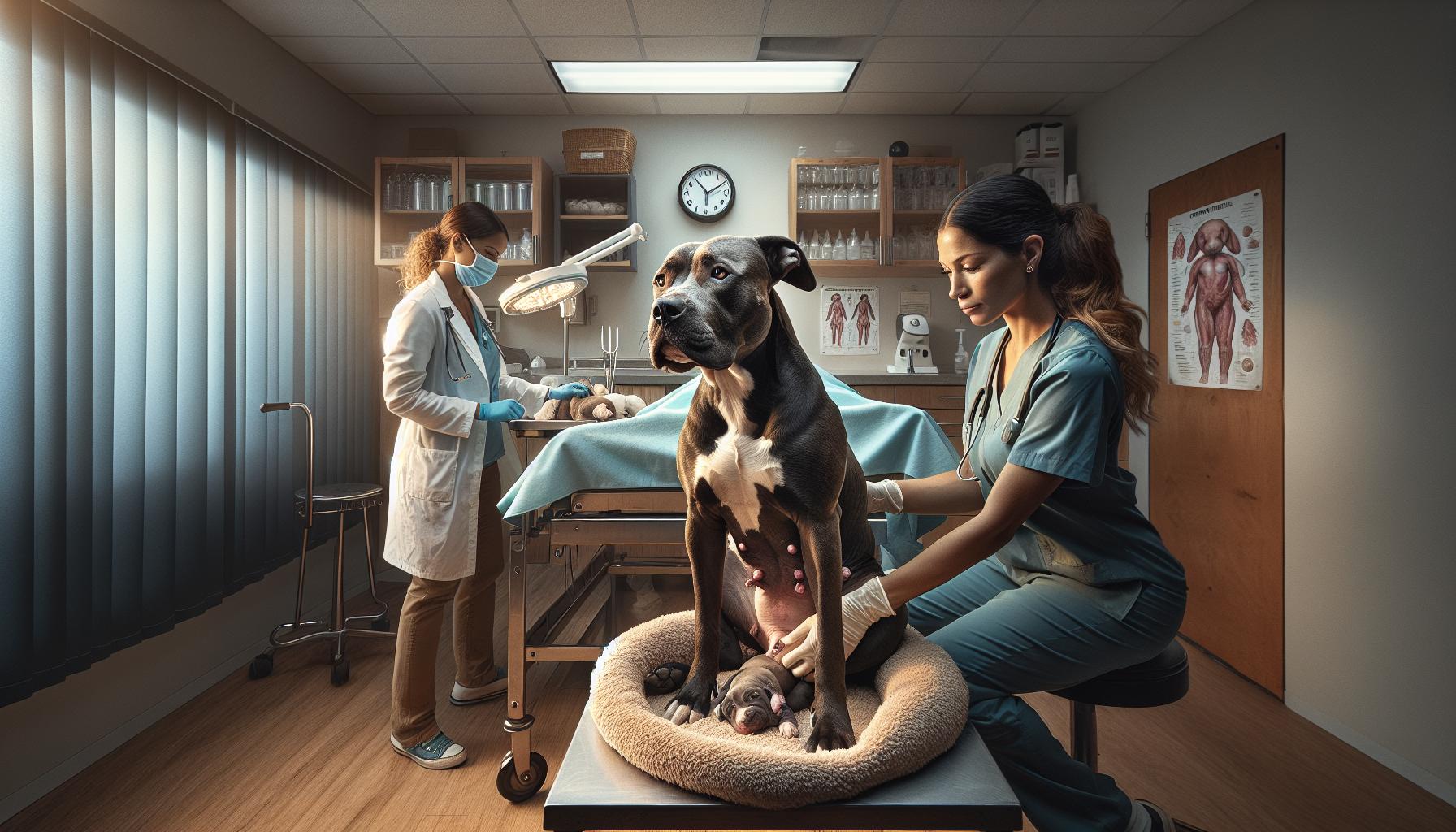
Understanding the Stages of Pitbull Labor
Understanding the stages of labor in your Pitbull can be a fascinating journey, highlighting the incredible strength and instincts of your canine companion. As your dog prepares to bring new life into the world, it’s essential to be aware of the phases of labor, which typically occur in three stages. Each stage has its own distinct signs and characteristics, so let’s break them down to ensure you are well-prepared.
The first stage of labor is often the longest, as it involves your Pitbull’s body preparing for delivery. During this period, you may notice her nesting behavior intensifying, which includes digging or seeking a comfortable spot. This stage can last anywhere from a few hours to a couple of days. While she may seem restless, focus on providing a quiet environment where she feels secure. Pay attention to her physical signs, such as an increase in vocalizations and slight panting, as her body gears up for the impending arrival of puppies.
When the first stage culminates, your Pitbull will enter the second stage of labor, which is more intense and much shorter, typically lasting between 30 minutes to a few hours. Here, contractions will become more evident, and you may witness the first puppy being born. It’s crucial to keep calm during this stage. Your dog may look to you for reassurance; offering gentle strokes and a calm voice can help ease her anxiety. Be patient-each puppy may arrive minutes apart.
Finally, the third stage of labor involves the delivery of the placenta. This may happen immediately after each puppy is born or in larger intervals. It’s important to note that each placenta should be accounted for after the birth; retaining any part of it can lead to serious health issues. As the labor process concludes, ensure that your Pitbull is comfortable and has water available. Keep a watchful eye on her and the puppies, and be prepared for any signs of distress or unusual behavior.
By understanding these stages and what to expect, you can provide the support and love your Pitbull needs during this transformative experience. Engaging with her during labor can strengthen your bond, ensuring that both she and her puppies receive the care they deserve.
Preparing Your Home for Pitbull Puppies
Creating a welcoming and safe environment for your Pitbull to give birth is vital for both her comfort and the health of her puppies. As the big day approaches, setting up a designated whelping area can help ease her anxiety and ensure she has a quiet space to focus on the task at hand. Ideally, this area should be in a low-traffic part of your home, away from loud noises and distractions.
Consider using a large, clean box lined with soft bedding such as blankets or towels that can be easily washed. This nesting area should provide comfort and security, making her feel protected during labor. Remove any items that could pose a danger, such as sharp objects, small toys, or access to areas where she might feel trapped or vulnerable.
It’s also essential to keep essential supplies close at hand, so you can quickly assist her during the birthing process. Gather items like clean towels, a heating pad (to keep the newborn puppies warm), and a digital thermometer to monitor her temperature and ensure she stays relaxed and healthy. Having a vet’s contact information readily available can be reassuring in case of emergencies.
Lastly, be attentive to her behavior as she approaches her due date. Providing a quiet environment with minimal disturbances not only helps her feel secure but also allows you to monitor her closely for any signs of complications during labor. Remember, this is a significant moment for both you and your Pitbull, so ensuring she feels safe will foster a positive birthing experience.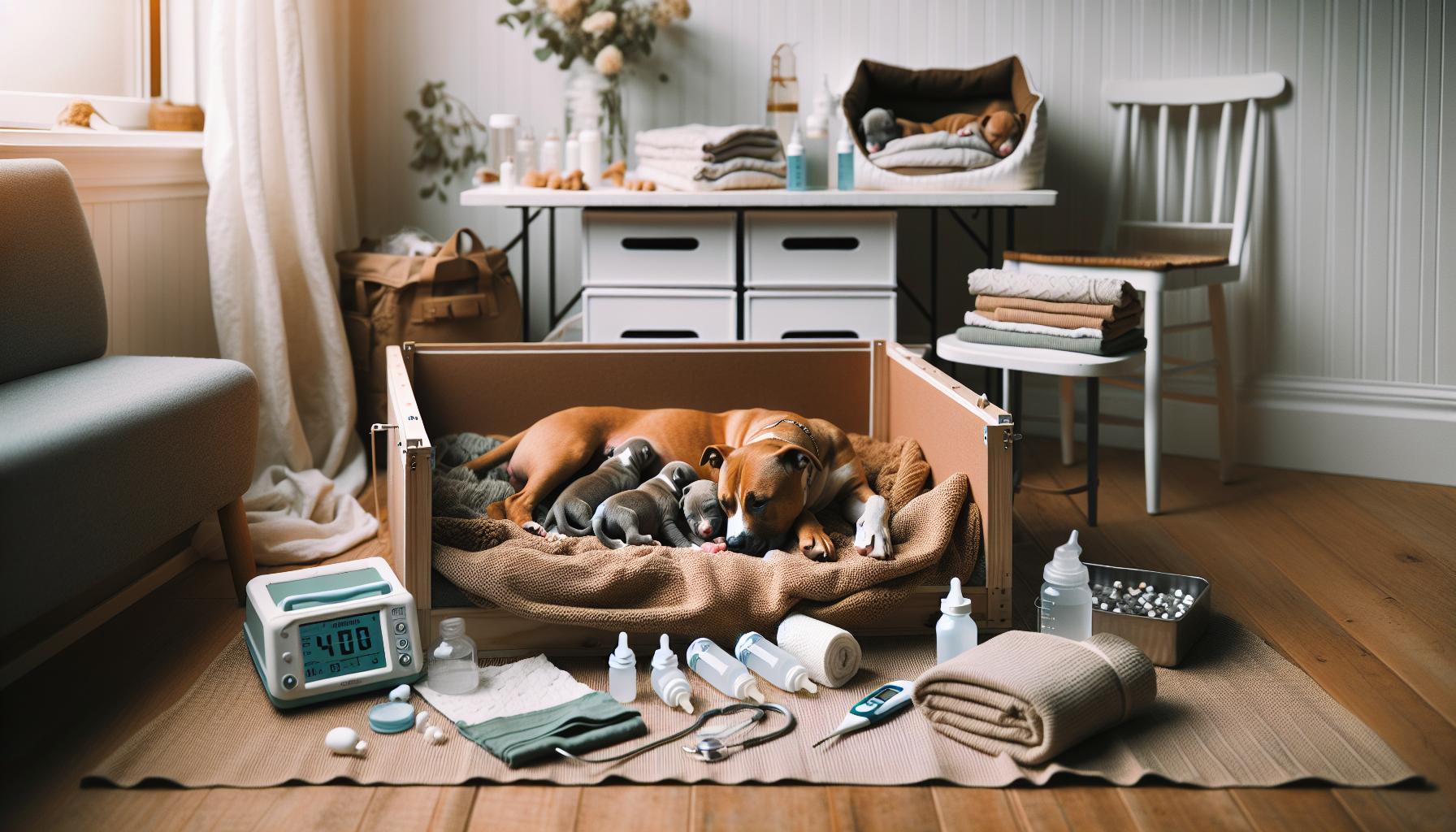
Essential Supplies for Pitbull Whelping
Creating the right environment and gathering the necessary supplies for your Pitbull’s whelping process is crucial for ensuring a safe and smooth delivery. As the big day approaches, being well-prepared can make all the difference for both you and your pregnant pitbull. Here are some key supplies you should have ready.
Essential Supplies
To make the birthing experience as seamless as possible, you should consider gathering the following items:
- Whelping Box: A spacious, clean area for your Pitbull to give birth is essential. A whelping box can be made from sturdy materials and should be lined with clean, soft bedding. This will provide her a comfortable and secure space.
- Towels: Have plenty of clean, absorbent towels readily available. These are essential for drying off the puppies immediately after birth and for helping your dog clean them.
- Heating Pad: Newborn puppies are unable to regulate their body temperature, so it’s important to provide warmth. A heating pad set on low can help keep them cozy.
- Digital Thermometer: Monitoring your dog’s temperature is crucial, especially in the 24 hours leading up to labor. A drop in temperature can indicate that labor will start soon.
- Gloves: Wearing disposable gloves while assisting in the birthing process is a good hygiene practice to prevent any infection or complications.
- Veterinarian Contact Information: Keep the phone number of your veterinarian handy for any emergencies or questions that may arise during the whelping process.
- Puppy Scale: If you have a scale to weigh the puppies after birth, it can help you check that they are all healthy and gaining weight properly.
- Cleaning Supplies: Have cleaning supplies on hand for post-whelping cleanup to ensure the area remains hygienic.
Preparing Your Space
Having a designated, quiet whelping area will reduce stress for your dog during labor. Choose a location that is low in traffic and distractions, allowing her to focus on the task at hand. Make sure to frequently check on her, as she may appreciate your presence and reassurance during this significant time.
By equipping yourself with these essential supplies and creating a nurturing environment, you’ll be setting the stage for a successful delivery and healthy puppies. Remember, preparation is key, and your attentiveness will greatly contribute to the overall well-being of your Pitbull and her new family.
Common Concerns During Pitbull Pregnancy
During your Pitbull’s pregnancy, it’s normal to have concerns regarding her health and the well-being of her puppies. A healthy pregnancy is crucial for a successful delivery, and being informed can help you provide the best care possible. One common issue is nutritional needs; pregnant Pitbulls require a diet that supports their increased caloric and nutrient demands. Ensure you’re feeding her high-quality dog food formulated for pregnant or nursing mothers, which typically offers higher protein and fat levels. Gradually transitioning your dog to this diet will help prevent gastrointestinal upset.
Another concern is health monitoring. Regular veterinary check-ups are essential during her pregnancy to monitor her overall health and detect any potential issues early on. Be alert for any signs that could indicate complications, such as excessive vomiting, lethargy, or difficulty in breathing. In such cases, immediate veterinary attention is crucial. Moreover, keeping track of her weight gain is important; while some weight gain is expected, excessive weight can lead to complications during labor.
You might also worry about behavioral changes. It’s common for pregnant dogs to experience mood swings, becoming more affectionate at times or seeking solitude during others. Providing a calm and comfortable environment will help her feel secure. It’s beneficial to prepare her space well in advance, ensuring she has a snug area for whelping and plenty of mental stimulation through toys and gentle interaction to keep her engaged without overwhelming her.
Monitoring for signs of impending labor, such as nesting behavior or a drop in body temperature, will also help you anticipate the arrival of her puppies and ensure you are prepared for the whelping process. By staying attentive and engaged with your Pitbull during this time, you’ll not only ease her stress but also help ensure a smooth transition into motherhood.
Recognizing Emergency Signs in Pitbull Labor
Recognizing emergency signs during Pitbull labor is vital to ensuring a smooth delivery for your beloved canine companion. While many dogs experience natural birthing processes, awareness of potential complications can make a significant difference. For instance, if labor far exceeds the expected timeframe or if your Pitbull is straining without delivering a puppy, these could be signs of a dystocia, or difficulty in giving birth. It’s crucial to understand that active labor typically begins after the first stage, where your dog may appear restless and start nesting.
Another pivotal sign to monitor is the health of the puppies during labor. If your Pitbull is in distress-exhibiting heavy panting, pacing, or excessive whining-it can signal trouble. Additionally, look out for a strong odor or abnormal color in the discharge during contractions. A green or foul-smelling discharge indicates a possible infection or that a puppy has died within the womb, necessitating immediate veterinary attention.
If your dog is pushing for more than 20-30 minutes without producing a puppy, this is an urgent signal to seek veterinary help. Similarly, if she gives birth to multiple puppies but then appears to be straining without delivering any more and you suspect there may still be puppies inside, this situation requires prompt action. The health of both the mother and the puppies is at stake, so being proactive can potentially save lives.
In case of any abnormal signs during labor, keep your veterinarian’s contact information handy. It’s not just about monitoring the time but also closely observing your Pitbull’s overall condition. Recognizing these emergency signs can empower you to make informed decisions and help ensure a safe delivery for your Pitbull and her new puppies. Always remember, preparation and vigilance are your best tools in supporting your furry friend through this critical stage.
Post-Birth Care for Your Pitbull and Puppies
Caring for your Pitbull and her newborn puppies after birth is crucial for ensuring their health and well-being. The immediate period following delivery is a vital time for your dog to bond with her pups and for you to monitor their health. You’ll likely find joy in observing the puppies’ interactions and the nurturing instincts of their mother. But remember, adequate care and attention are essential during this phase.
One of the first priorities is to ensure your Pitbull has a comfortable, quiet space for her and her puppies to recover. Keep the whelping area clean, warm, and away from the hustle and bustle of daily activities. Utilize soft bedding to support her as she rests and nurses. This will provide a calming environment for both her and the puppies, reducing stress and promoting successful nursing and bonding.
Nutrition and Hydration
Proper nutrition is paramount during this time. Your Pitbull will require a higher calorie diet to support her energy needs while nursing. Consult your veterinarian about a high-quality, nutritionally balanced dog food designed for lactating mothers. Additionally, ensure she has access to plenty of fresh water, as hydration will support milk production. Offering her small meals multiple times a day can also help maintain her energy levels.
Puppy Health Monitoring
As the puppies begin to grow, keep a close eye on their health. Ensure they are nursing frequently and gaining weight daily. Newborn puppies should consistently gain around 5-10% of their body weight each day. Pay attention to their behavior; if any puppy appears lethargic or is not nursing effectively, it could indicate an issue that requires veterinary advice. Ideally, puppies should start opening their eyes around two weeks old, and you may notice them beginning to interact with each other as they gain strength.
Furthermore, after a few days, check your Pitbull for any signs of complications such as excessive bleeding or signs of infection, which could manifest as fever or malaise. Be vigilant about her health as well, since the postpartum period is critical for her recovery.
You are embarking on a beautiful journey with your Pitbull and her new litter. By prioritizing care and attention in the post-birth period, you contribute significantly to their well-being, setting the foundation for healthy, thriving puppies. This phase is not just about survival; it’s about nurturing a bond that will last a lifetime. Creating a loving and supportive environment is key to helping your Pitbull excel in her role as a mother.
Nurturing Newborn Pitbull Puppies: First Days
The first days of a newborn Pitbull puppy’s life are filled with discovery and development, making this a critical time for both the puppies and their mother. During these initial hours and days, you’ll witness remarkable changes and behaviors as the puppies adapt to their new world. This is not just an ordinary phase; it sets the foundation for their health, growth, and behavioral traits.
One of the most crucial aspects is ensuring that each puppy is nursing well. Colostrum, the first milk produced by your Pitbull, is rich in antibodies and vital for the puppies’ immune systems. Monitoring their nursing habits is essential. Each puppy should seek out a teat and start suckling within the first few hours after birth. If any are struggling to latch on or appear weak, gentle intervention may be necessary. You might find yourself providing temporary assistance by guiding a puppy to the mother, but be sure that your presence does not disrupt the natural bonding process.
Another important consideration is the environment. Create a warm, quiet space away from noise and disturbances, allowing the mother and her puppies to rest and bond comfortably. Use soft bedding, and ensure the area is clean to prevent any risk of infection. A stable temperature helps maintain the puppies’ warmth, as they are unable to regulate their body temperature during this stage. Blanket boxes or whelping pads can help create a snug den-like feel.
As the days progress, you should focus on nutrition and hydration for the mother. She will require a high-calorie diet to replenish her strength and support her puppies. Consult your veterinarian for their recommended diet during lactation. It’s beneficial to provide multiple small meals throughout the day, enhancing her recovery and milk production. Always keep fresh water available, as hydration is key for milk supply.
Finally, be observant. Watch for health indicators among the puppies; they should be gaining weight steadily and displaying signs of vitality. Newborns typically gain about 5-10% of their body weight daily. Alert your vet if any puppy appears lethargic, fails to thrive, or if the mother exhibits signs of distress or complications such as swelling or excessive bleeding. The first week is a transformative journey for your Pitbull and her puppies, establishing the bonds that will last a lifetime. Cherish these moments of growth and ensure you provide the love and care they need to flourish.
Health Checks for Your Pitbull after Birth
After the excitement of welcoming new puppies into the world, it’s essential to focus on the health of your Pitbull mother. Just like humans, dogs undergo significant physical changes during pregnancy and labor, so monitoring her well-being post-birth is crucial for her recovery and the overall health of her puppies.
The first step is to conduct a thorough check-up of your Pitbull mother. Observe her for any signs of complications, such as excessive bleeding, swelling in her abdomen, or lingering discharge following the birth. These can indicate potential health issues that need addressing. It’s important to note that while some discharge is normal, a foul odor or a significant increase in volume could signal infection. If you notice anything concerning, don’t hesitate to contact your veterinarian.
Additionally, you’ll want to ensure she’s eating and drinking adequately. Her caloric needs significantly increase after giving birth, as she needs to produce milk for her puppies. Opt for high-quality, nutritious food recommended by your vet, and provide fresh water at all times. Keep an eye on her appetite-if she refuses food for more than 24 hours, it’s essential to seek veterinary advice.
Another critical aspect of her post-birth health is monitoring her mental well-being. New mothers can experience stress or anxiety, especially if they are unfamiliar with the whelping process. Create a calm and comfortable environment for her, with a cozy space to rest and nurse her puppies without the stress of noise or interruptions. This supportive atmosphere can help her bond with her puppies and recover more quickly.
Finally, keep an eye on the puppies’ needs as their health is intertwined with their mother’s. Observe her nursing habits to ensure each puppy is feeding adequately, as a well-nourished mother leads to healthy puppies. Frequent check-ups with your veterinarian during this period will help you catch any potential issues early, ensuring a smooth transition into motherhood for your Pitbull. Embracing this nurturing phase not only supports her but also fosters a healthy beginning for her new puppies.
Legal Considerations for Pitbull Breeding
While breeding can provide the joy of new puppies, it also brings important legal considerations that every responsible Pitbull owner should be aware of. Understanding local laws and regulations surrounding breeding practices is essential, not just for the wellbeing of your pets but also to ensure a smooth and legal process.
Many regions have specific laws regarding the breeding of dogs to prevent overpopulation and encourage responsible ownership. For instance, there may be requirements for licensing breeders, mandatory health screenings for breeding stock, and restrictions on the number of litters a dog can produce. Familiarize yourself with your local animal control ordinances and state laws to avoid potential fines or legal issues.
In addition, certain areas may classify Pitbulls as a breed that requires special permits due to their perceived risks. Be proactive in researching whether any breed-specific legislation (BSL) affects your ability to breed Pitbulls. This often includes registration with local authorities, proof of liability insurance, and adherence to proper care standards for both mother and puppies.
Contracts and Agreements
If you plan to sell or place puppies into homes, it can be wise to draw up a contract that outlines the terms of sale, care expectations, and return policies if the new owner cannot keep the dog. This not only protects your interests but also promotes responsible pet ownership and ensures that the puppies go to loving homes.
Lastly, consider the ethical implications of breeding. Being a responsible breeder means not only complying with legal requirements but also prioritizing the health and temperament of your dogs. Engage in reputable breeding practices that respect the breed standard and contribute positively to the Pitbull community. This approach can help counteract negative stereotypes often associated with Pitbulls and promote a healthier image of this loving breed.
In summary, being well-informed about your local breeding laws, creating thorough contracts, and adhering to ethical breeding practices will ensure that you navigate the complexities of Pitbull breeding responsibly. Your role as a breeder isn’t just about bringing new life into the world-it’s about doing so with care and consideration for the long-term impacts on each puppy and the broader community.
Choosing Forever Homes for Pitbull Puppies
When the time comes to find loving homes for your Pitbull puppies, it’s essential to focus on their future while ensuring their health and temperament are prioritized. Responsible breeding goes beyond the act of bringing puppies into the world; it involves a commitment to their well-being and finding them suitable environments where they can thrive. Every puppy deserves a forever home that understands the unique needs of the breed and is ready to offer a stable, nurturing environment.
Begin by identifying potential adopters who demonstrate knowledge and respect for the breed. It’s important to have conversations around breed characteristics, including the potential challenges and joys of owning a Pitbull. Ask questions that delve into their experience with dogs, their lifestyle, and how they plan to integrate a puppy into their family. This helps to filter out those who might not be fully prepared for the responsibility. Creating an adoption application that includes questions about their home environment, past pet ownership, and understanding of breed traits can be a great first step.
To ensure that your puppies go to caring families, consider implementing a contract that outlines expectations for both parties. This contract should clearly state the responsibilities of the new owner, including providing routine veterinary care, training, and making a lifetime commitment to the dog. Additionally, you might want to include a clause that encourages owners to contact you first if they ever need to rehome the dog, ensuring that the puppy doesn’t end up in an unpredictable situation.
Lastly, it’s beneficial to conduct follow-ups after the puppies have gone to their new homes. This not only helps you stay informed about their development but also provides an opportunity for the new owners to seek guidance or share their experiences. This ongoing relationship fosters a community of responsible Pitbull owners and reinforces the positive image of the breed, as each thriving dog reflects the care and consideration you put into your breeding practices. Remember, your goal is not just to place puppies but to ensure they begin their lives securely and happily in homes that respect them for the wonderful companions they are.
Frequently asked questions
Q: What are the physical signs that my Pitbull is going into labor?
A: Look for physical signs like nesting behavior, increased restlessness, or specific changes in breathing patterns. These may indicate that your Pitbull is starting the labor process. Monitor her closely and prepare your whelping area as labor approaches.
Q: How can I tell if my Pitbull is experiencing false labor?
A: False labor can present similar signs to real labor, including nesting and mild contractions. However, if the contractions aren’t productive after several hours and not leading to the birth of puppies, it’s likely false labor. Keep her comfortable and consult your vet if you have concerns.
Q: When should I start preparing for my Pitbull’s whelping?
A: Prepare for your Pitbull’s whelping approximately 2-3 weeks before her expected due date. Gather supplies, set up a comfortable whelping area, and ensure you have contact information for your vet handy in case of emergencies.
Q: What should I do if my Pitbull shows signs of distress during labor?
A: If your Pitbull shows signs of distress, such as excessive barking, whining, or discomfort, consult your veterinarian immediately. It could indicate complications requiring professional assistance. Always prioritize her health and safety during this time.
Q: Are there specific temperature changes to monitor in my pregnant Pitbull?
A: Yes, monitor your Pitbull’s temperature closely. A drop in temperature below 99°F (37.2°C) can indicate that labor will begin within 24 hours. Keep a thermometer handy to track these changes as part of your birth preparation.
Q: How long does a Pitbull labor typically last?
A: Pitbull labor can last anywhere from 6 to 12 hours, although it may vary. The first stage involves mild contractions and can take several hours. Be patient and ensure your Pitbull has a supportive environment during this period.
Q: Can I assist my Pitbull during the birthing process?
A: You can assist by providing comfort and ensuring a clean, safe environment, but avoid interfering with the actual birthing process unless necessary. Observe quietly and be ready to help if complications arise or if your Pitbull needs assistance.
Q: What is the best way to help my Pitbull after she gives birth?
A: Post-birth, provide your Pitbull with a quiet, comfortable space to bond with her puppies. Ensure she has access to fresh water and nutritious food. Monitor her health closely and seek veterinary advice if you notice any issues.
Insights and Conclusions
As you prepare for the arrival of your little one, understanding the signs of labor is crucial, and we hope this guide has equipped you with the knowledge you need. Remember, being proactive and informed can make all the difference during this exciting time. If you have lingering questions or concerns, don’t hesitate to reach out to your healthcare provider for personalized advice.
For more valuable insights, explore our articles on newborn care and postpartum recovery. Keep in mind that every pregnancy journey is unique-don’t miss our resources on birth plans and essential baby gear to ensure you’re fully prepared.
Join our community today by signing up for our newsletter, where you’ll receive more tips and guides directly to your inbox. Your journey is just beginning, and we’re here every step of the way! Share your own experiences in the comments; we love hearing from you, and your story could inspire another soon-to-be parent.