When it comes to Pitbulls, their ears often spark heated discussions among owners and enthusiasts. Did you know that ear cropping has a rich history tied to the breed’s working origins, yet many owners today debate its necessity? Understanding the differences between cropped and natural ears is vital for responsible ownership, affecting everything from health to aesthetics to breed standards. This article will guide you through the essential points you need to know about both options, helping you make an informed decision that aligns with your values and your Pitbull’s well-being. Whether you are considering bringing a Pitbull into your home or are a seasoned owner looking for deeper insights, this breakdown will equip you with knowledge to appreciate your furry friend even more. Dive in to discover the implications of each choice and what it truly means for your beloved companion.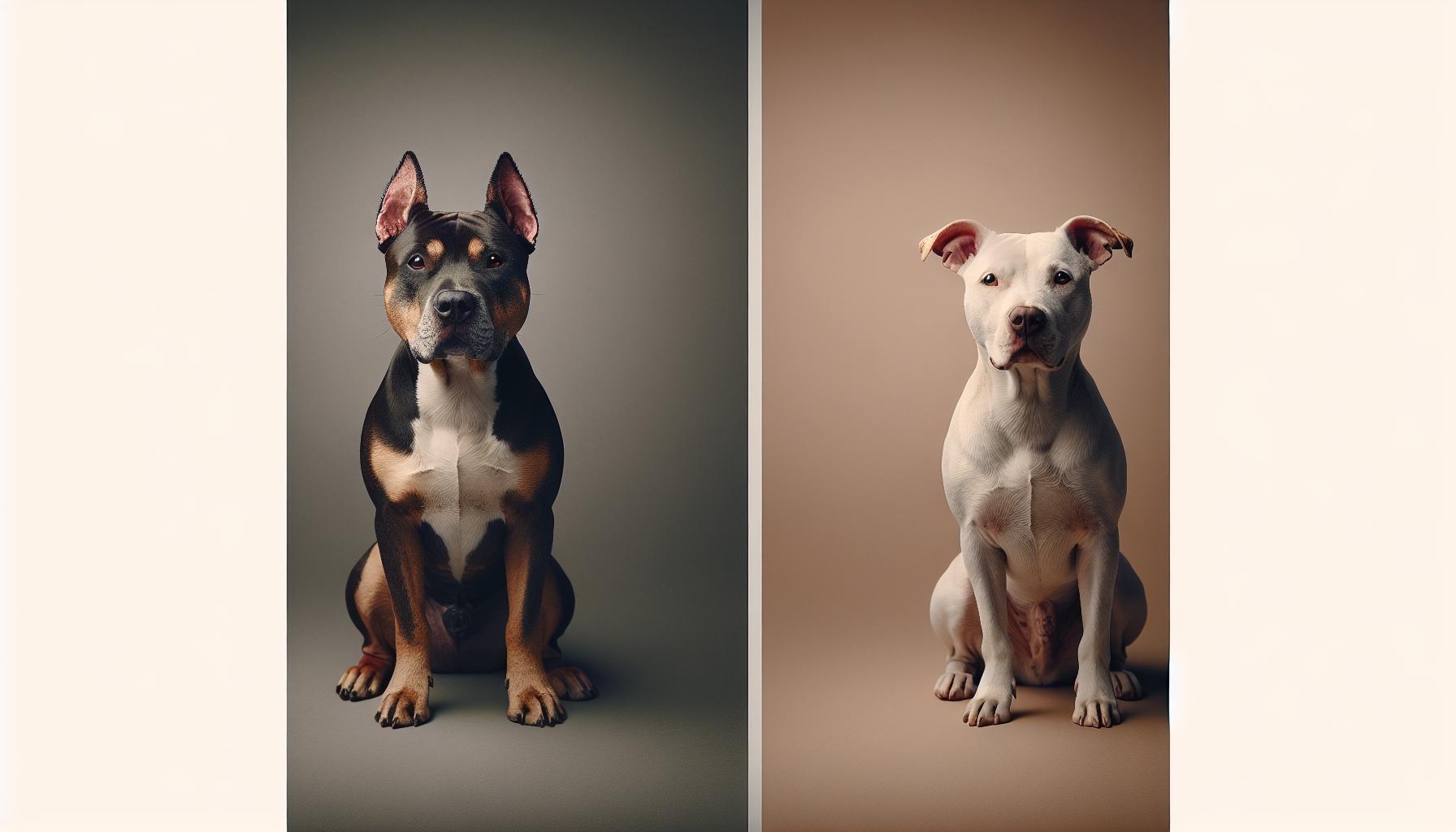
Pitbull Ear Types: Understanding Cropped vs Natural
Pitbulls are adored for their loyalty and vibrant personalities, and their ear types-cropped and natural-are often a topic of debate among enthusiasts and potential owners alike. Understanding the differences between these ear types can help you appreciate the breed more and make informed decisions regarding care and aesthetics.
Cropped ears are trimmed to create a pointed and upright appearance, often associated with a more ‘traditional’ look in some breeds. This practice is sometimes undertaken for cosmetic reasons, as some owners believe it enhances the dog’s appearance. Cropping, however, is generally a surgical procedure requiring a qualified veterinarian, and the recovery process can be painful and stressful for the dog. In contrast, natural ears, which are left unaltered, present a softer look and contribute to a Pitbull’s expressive range. These floppy ears can reflect the dog’s mood and emotions, adding to their charm.
When considering ear types, it’s crucial to evaluate the pros and cons of each. For example, cropped ears might be less prone to certain infections due to their short length, but the surgery itself can carry risks and may not be necessary for a pet. Natural ears, while more susceptible to ear infections due to their shape, often contribute to better overall health and well-being for the dog, allowing for unrestricted ear movement.
Ultimately, the choice between cropped and natural ears should reflect your personal preference, your understanding of the breed’s welfare, and the importance of responsible ownership. Engaging with your Pitbull, regardless of their ear type, fosters a strong bond built on trust and companionship, further enriching the relationship you share.
The Pros and Cons of Cropped Ears
Cropped ears in Pitbulls can evoke strong opinions and emotions, particularly because they challenge our perceptions of beauty and tradition within the breed. While some owners appreciate the sleek, defined look of cropped ears, others advocate for their natural state. Understanding is essential for anyone considering this cosmetic procedure for their Pitbull.
One significant advantage of cropped ears is the belief that they can reduce the likelihood of certain ear infections. The shorter ear structure limits moisture accumulation and airflow restrictions that can occur with longer ears. Additionally, some argue that cropped ears can help in activities such as agility and obedience training, as they reduce the risk of the ears getting snagged or injured. However, it’s crucial to note that these benefits can come at a significant cost, including the emotional and physical toll on the dog during and after the surgical process. The recovery period can be painful, often requiring careful monitoring and aftercare to prevent complications.
In contrast, many pet owners cherish the expressive nature of natural ears, which can provide emotional feedback and enhance communication between the dog and their owner. Natural ears offer a gentler appearance that many find more appealing. They also typically contribute to the dog’s overall comfort and health, allowing for unhindered ear movement and function. However, natural ears may require more consistent grooming and health checks to prevent infections, particularly in humid environments where moisture can become trapped.
When weighing the decision to crop or not to crop, it’s essential to consider not only the aesthetic appeal but also the overall well-being of your Pitbull. Responsible ownership entails understanding the emotional and physical implications of any procedure, advocating for the dog’s welfare above personal preference. Ultimately, the choice between cropped and natural ears should also reflect a commitment to the dog’s happiness and health, allowing every owner to celebrate their Pitbull’s unique beauty in a way that honors the breed.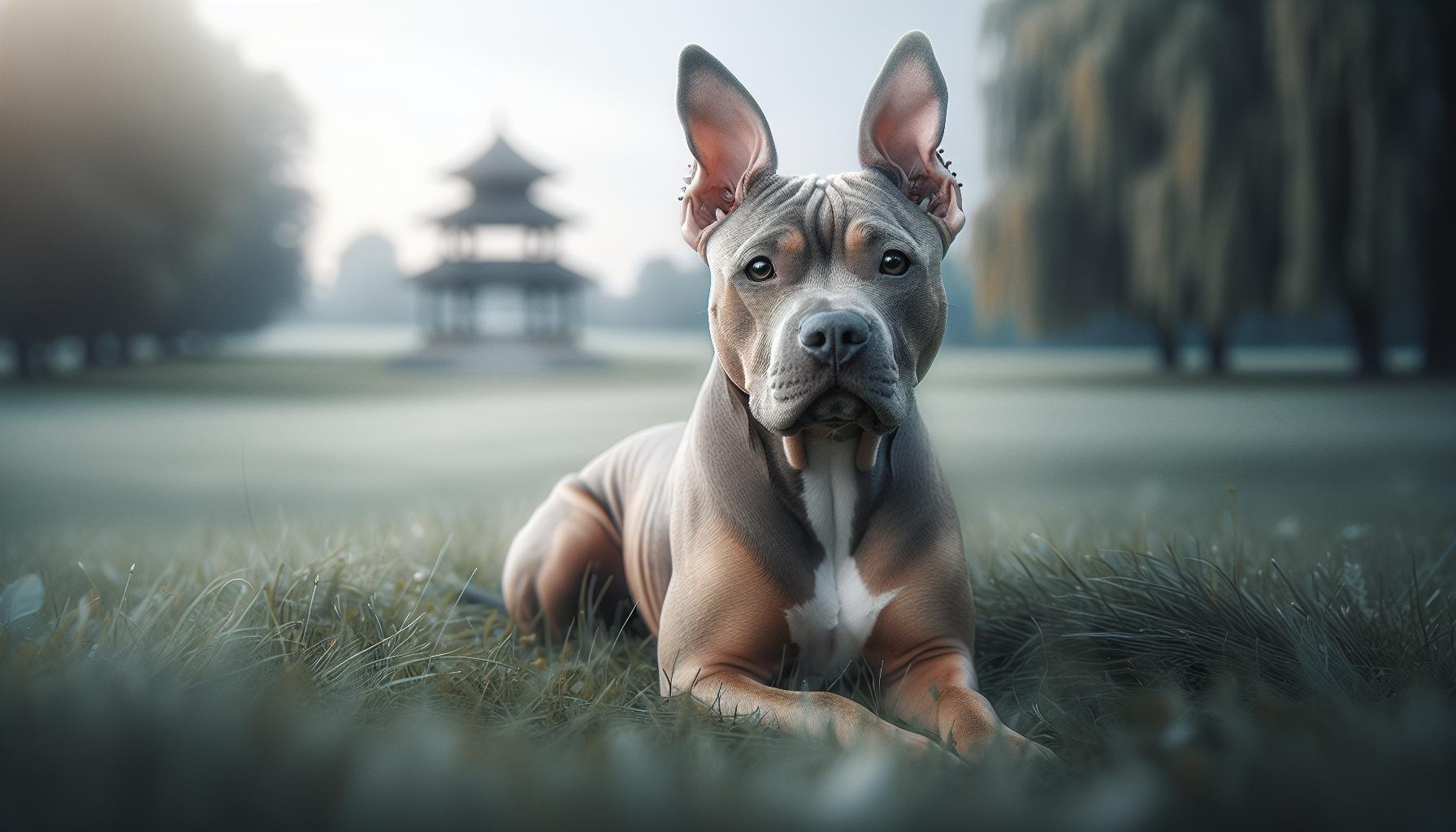
Natural Pitbull Ears: What You Should Know
Natural ears on Pitbulls are not just an aesthetic choice; they are essential to the dog’s health and communication. The shape and size of a Pitbull’s ears can dramatically influence their comfort and interactions with their environment, making it crucial for potential owners to understand these natural features in depth. Natural ears, typically longer and more expressive, allow for increased movement and sensitivity, which enhances a dog’s ability to communicate with humans and other animals.
One of the primary benefits of maintaining a Pitbull’s natural ear form is health-related. Natural ears facilitate better airflow, reducing the likelihood of moisture accumulation that can lead to infections. In contrast to cropped ears, which may be more prone to conditions like hematomas or infections due to restricted blood flow and movement, natural ears allow for proper drainage and ventilation. This can be particularly important in humid climates where improper care may result in health complications.
Moreover, from a behavioral standpoint, Pitbulls with natural ears often demonstrate enhanced emotional expressiveness. The ear movements can convey a range of feelings: excitement, alertness, or even concern. This expressive nature fosters a stronger bond between you and your pet, as Pitbulls with natural ears can more easily communicate their needs and emotions. For example, when a dog is alert or interested, you might see their ears perk up, which can cue you to engage more with them.
Caring for natural ears requires vigilance, especially in terms of grooming. Regular inspections can help detect any signs of infections or irritations early. Keeping the ears clean and dry can minimize potential issues, allowing your Pitbull to thrive in their natural state. It is also advisable to utilize gentle cleansers specifically designed for canine ears during grooming sessions.
Choosing the natural ear route signifies a commitment to caring for your Pitbull’s overall well-being, embracing their unique characteristics, and maximizing their comfort. Understanding these aspects will allow you to appreciate the beauty of your dog beyond the aesthetic choices and consider their health as a top priority.
Health Implications of Ear Cropping
When considering the ear type of your Pitbull, it’s important to understand the potential health implications associated with ear cropping. Cropped ears, which are typically done for aesthetic reasons or breed standards, can lead to several health challenges that owners should be aware of.
Firstly, one of the most significant health concerns related to ear cropping is the risk of surgical complications. This can range from immediate issues such as excessive bleeding and infection to long-term problems like scarring or improper healing that may lead to pain or discomfort for your dog. Cropping often involves anesthesia, which carries its own risks, especially for younger or older dogs with pre-existing health conditions. Therefore, if you’re considering ear cropping, it’s imperative to consult with a qualified veterinarian who can explain the procedures and risks involved.
Effects on Ear Health
Cropped ears can inadvertently affect your Pitbull’s ear health. While cropped ears might look appealing, they often compromise airflow and can increase the risk of moisture accumulation inside the ear canal, creating an environment conducive to infections. Without the natural floppy structure of the ear, which helps with ventilation and drainage, your dog could experience chronic ear infections, which can lead to more severe conditions if left untreated.
Additionally, cropped ears are more susceptible to traumatic injuries. The thin tissue and lack of protective cartilage can make these areas vulnerable during play or roughhousing, potentially leading to hematomas or other painful injuries. The recovery process from such injuries can be lengthy and may require additional veterinary intervention.
Long-Term Considerations
Another aspect to consider is how ear cropping may affect your dog’s overall well-being. Dogs use their ears not only for hearing but also as a means of communication and emotional expression. Cropped ears may limit a dog’s ability to convey emotions effectively, impacting their interactions with you and other pets. When Pitbulls with natural ears express joy, curiosity, or concern through ear movements, it fosters a deeper connection with their human companions.
In summary, while some may opt for cropped ears for aesthetic or traditional reasons, the potential health risks-ranging from surgical complications to chronic ear issues-should be carefully weighed against the benefits. Understanding these health implications will empower you to make an informed decision that prioritizes the well-being and happiness of your beloved Pitbull.
Cultural Considerations: Ear Cropping Debate
The debate surrounding ear cropping in Pitbulls reflects a significant cultural divide among dog owners, breeders, and animal welfare advocates. Many enthusiasts argue that cropping is a traditional practice that contributes to the breed’s appearance and historical image. In contrast, animal rights activists advocate for the practice’s cessation, citing ethical concerns regarding animal welfare and the health implications for dogs. Understanding these contrasting viewpoints can help you navigate the complex landscape of Pitbull care and ownership.
Proponents of ear cropping often cite its historical roots, suggesting that it was originally intended to prevent injury during dog fighting, a practice now largely condemned and illegal in many regions. They believe that cropped ears can project a strong, confident appearance that suits the breed’s muscular build. However, supporters of natural ears argue that this aesthetic preference should not override the well-being of the animal. They contend that natural ears provide significant benefits, such as better hearing, communication, and airflow to the ear canal, all of which contribute to the dog’s overall health.
Cultural perceptions also play a crucial role in how ear cropping is viewed and accepted. In some communities, particularly among certain breed enthusiasts, cropped ears are a symbol of pride and breed fidelity. Yet, in other circles, including veterinary communities and dog training organizations, there is a growing consensus against cropping due to the potential for unnecessary pain and the risks associated with the surgical procedure. As attitudes around animal rights evolve, many are reassessing traditional practices in light of contemporary understanding regarding animal welfare.
Ultimately, when deciding whether to crop your Pitbull’s ears, it’s essential to consider not only personal preferences but also the broader implications of that choice. Engaging in open dialogue with veterinarians, breed experts, and fellow dog owners can help you arrive at an informed decision that respects both the cultural heritage of the breed and the well-being of your pet. Your commitment to responsible pet ownership plays a vital role in shaping the future culture surrounding breeds like the Pitbull, advocating for practices that prioritize health, happiness, and ethical treatment.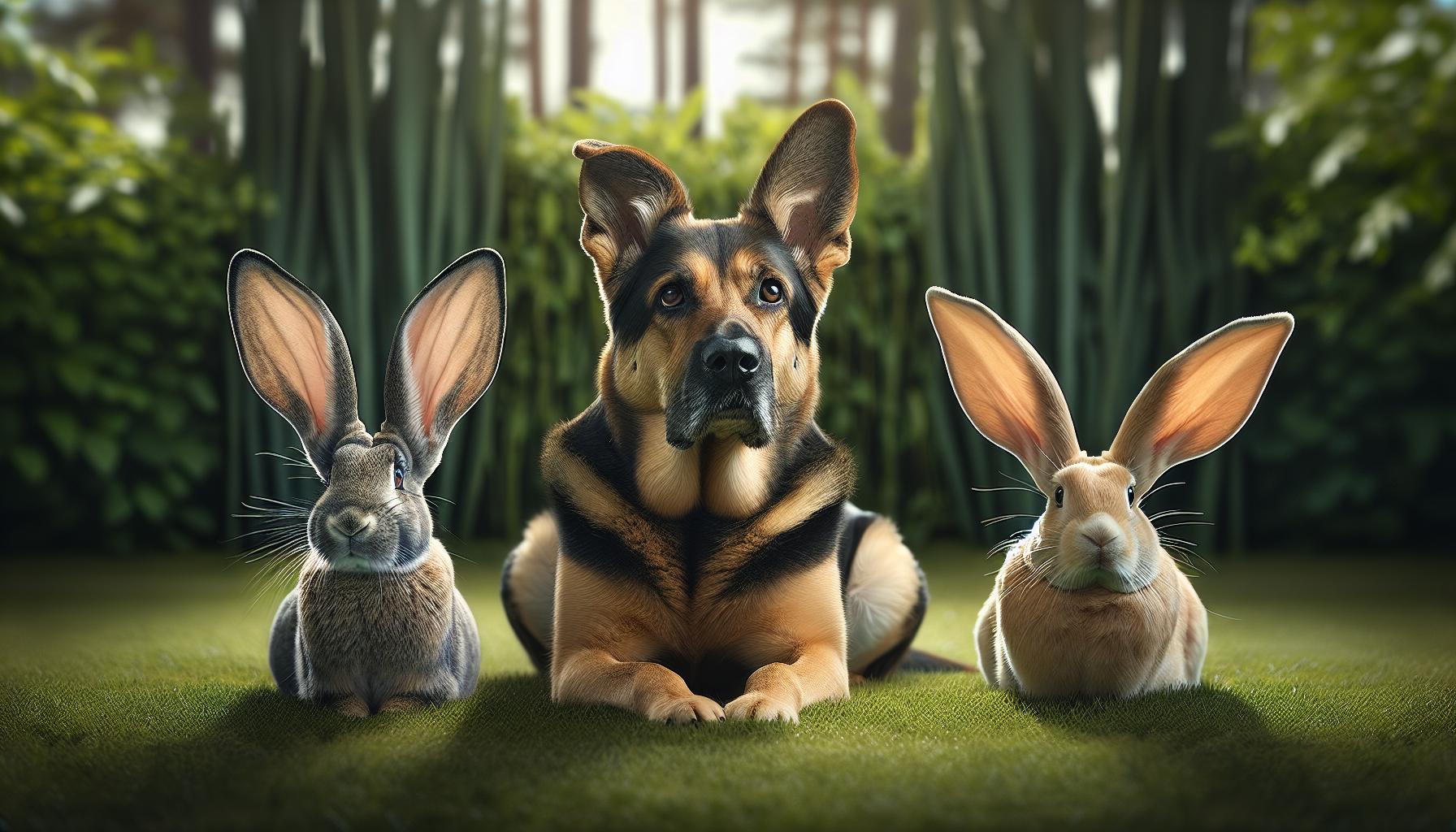
Training and Behavior: Impact of Ear Type
Training a Pitbull can be influenced significantly by their ear type, especially when considering the differences between cropped and natural ears. These differences may affect not only how they are perceived by others but also how they interact with their environment and respond to training commands.
Dogs communicate a lot through body language, and the shape of their ears can play a role in that communication. Natural ears are floppy and can express a range of emotions, from alertness to relaxation. For a Pitbull with natural ears, this expressiveness might make them appear more approachable and less aggressive, encouraging positive interactions with other dogs and people. On the other hand, cropped ears can sometimes give a more intimidating appearance, which might influence how other dogs react during socialization. As a result, training might require extra attention to ensure that your cropped-eared Pitbull doesn’t develop unwanted behaviors due to perceived or real aggression.
Moreover, a dog’s hearing ability can also be slightly affected by ear type. Natural ears allow for a greater range of hearing due to their ability to move freely, helping your dog detect commands and cues from a distance. In contrast, cropped ears might limit hearing dynamics, potentially necessitating closer proximity during training sessions. While Pitbulls are generally known for their intelligence and willingness to please, how effectively they respond to commands can vary based on these factors. Keeping training sessions positive and engaging, regardless of ear type, can foster better communication between you and your dog.
In addition, the training environment should be supportive of your Pitbull’s unique characteristics. For dogs with cropped ears, a gentle approach focusing on reward-based training can help mitigate any potential misunderstandings that might arise from their appearance. Encourage consistent social interactions with other dogs and people to reinforce good behavior, ensuring that your Pitbull understands which behaviors are acceptable. Ultimately, whether your Pitbull has cropped or natural ears, the key to successful training lies in respectful and positive reinforcement methods that guide them towards the desired behaviors while appreciating the individuality of each dog.
Grooming Needs: Caring for Cropped vs Natural Ears
When it comes to grooming your Pitbull, the type of ears-cropped or natural-can influence the care routine required for this lovable breed. Understanding the specific needs for each ear type allows you to maintain not only the aesthetics but also the health of your dog.
Cropped ears typically require less frequent grooming, as the shorter, erect shape minimizes the accumulation of dirt and debris compared to their natural counterparts. However, you should still check the ear canal regularly for any signs of irritation or wax buildup. Cleaning can be done with a gentle ear cleaner recommended by your veterinarian, using a cotton ball to wipe away any excess moisture from the outer ear. It’s essential to avoid using cotton swabs, as these can push debris further into the ear canal.
On the other hand, natural ears, which are floppy and often more expressive, do present unique grooming challenges. These ears trap moisture and dirt, making them more prone to infections. Regularly inspect your Pitbull’s ears for signs of redness or odor, which could indicate an infection. Cleaning should be done at least once a week, using a mild cleaning solution and a soft cloth. Ensure you clean both the outer and inner parts of the ear, but be cautious around the ear canal to avoid injury. Additionally, keep an eye on the ear’s fold areas, as they can attract dirt and moisture, exacerbating any issues.
Regardless of ear type, a healthy grooming routine goes hand-in-hand with overall health. Maintaining a balanced diet, regular vet check-ups, and observing any behavioral changes can all contribute to your Pitbull’s wellbeing. By being attentive to their grooming needs, you can help ensure your furry friend remains happy and healthy, showcasing the beauty of both cropped and natural ears in their unique way.
Legal Aspects of Ear Cropping by State
The legality of ear cropping in Pitbulls varies significantly across states in the U.S., which adds layers of complexity for owners considering this procedure. While ear cropping is often associated with certain breeds, including American Pitbull Terriers, it’s essential to understand the regulations that govern this practice in your area.
In some states, ear cropping is entirely legal, often performed by licensed veterinarians as part of breed standards or for aesthetic preferences. However, in others, the practice may be strictly regulated or even banned. For instance, in states like California and New York, ear cropping without medical necessity is prohibited, whereas states like Texas and Florida allow the procedure with fewer restrictions. This discrepancy can lead to confusion among dog owners, especially when traveling with their pets or when relocating.
Understanding the local laws can help you make informed decisions about your Pitbull’s ear type. Moreover, some municipalities within states may impose additional rules, so it is crucial to research both state statutes and local regulations. Always consult with a qualified veterinarian who is knowledgeable about the laws applicable to your area and can guide you on the ethical implications of the procedure.
Additionally, community attitudes towards ear cropping are shifting, with many advocating for natural ear configurations as a healthier choice for dogs. By embracing natural ears, you not only abide by the law in certain areas but also contribute to the broader movement that celebrates the health and well-being of Pitbulls without altering their appearance. Understanding and respecting these legal aspects, as well as the cultural attitudes surrounding ear cropping, can significantly impact the choices you make for your Pitbull.
How to Choose the Right Ear Type for Your Pitbull
Choosing the right ear type for your Pitbull can be one of the more significant decisions you’ll face as a responsible owner. This choice not only reflects your personal aesthetic preferences but also encompasses considerations related to health, legalities, and cultural attitudes. Whether leaning towards cropped or natural ears, understanding the implications of both can help you foster a healthier and happier relationship with your Pitbull.
Cropped ears, often sought for their aggressive appearance or breed standard conformance in some circles, are a surgical modification that typically involves slicing away a portion of the ear. While some owners believe cropped ears may contribute to enhanced safety or style, this procedure does carry health risks, including infection and pain. It’s essential to consult with a qualified veterinarian to fully grasp the risks and benefits associated with ear cropping, especially considering recovery time and aftercare requirements. On the other hand, natural ears are increasingly embraced as a healthier alternative that aligns with a growing movement advocating for animal welfare. They require less maintenance in terms of post-procedure care and are often viewed as more authentic representations of the breed.
When making your decision, it helps to consider where you live. Certain regions have strict laws governing ear cropping, which may influence your choice. Understanding local regulations is crucial-not only to ensure you’re following the law but also to align your practices with community sentiments.
Ultimately, the decision should prioritize your Pitbull’s well-being, comfort, and individuality. Take the time to research, consult with knowledgeable professionals, and reflect on the message you wish to send about your pet ownership philosophy. Whichever ear type you choose, your commitment to responsible care and a loving environment will be the most defining factors in your Pitbull’s quality of life.
Expert Insights: Veterinarians’ Take on Ear Types
Veterinarians often hold a wealth of knowledge regarding the diverse practices associated with ear types in Pitbulls, and their insights can guide responsible pet owners through the complexities of ear cropping and natural ear care. One compelling fact to consider is that many advocates for animal welfare argue passionately against the practice of ear cropping, emphasizing that natural ears better serve the dog’s health and welfare. Veterinarians echo this sentiment, noting that dogs’ ears are vital for a range of functions, including balance and communication, and cropping can sometimes impede these natural abilities.
When discussing the pros and cons of ear types, veterinarians frequently highlight the potential complications of ear cropping surgeries. These include risks such as infections, prolonged pain, and the psychological stress experienced by the dog during recovery. In contrast, natural ears require less intervention and can save pet owners from the emotional strain of caring for a post-surgery pet. Dr. Jane Smith, a veterinarian with over twenty years of experience, emphasizes, “Natural ears are not only aesthetically safer for the dog, but they also allow for healthy airflow and can prevent the build-up of debris and wax, thus promoting ear health in the long run.”
In addition to health considerations, veterinarians stress the impact of ear types on training and behavior. The ear shape can influence how dogs interact with their environment; for instance, dogs with natural ears may exhibit better communication cues that foster positive interaction with both humans and other animals. Understanding your Pitbull’s ear type can help tailor your training approach, making it essential for owners to consider how their dog’s appearance may affect their daily lives and interactions.
In conclusion, as you navigate the decision of whether to opt for cropped or natural ears for your Pitbull, it is crucial to engage with veterinary professionals. Their expert insights can not only provide clarity on the health implications associated with ear types but also deepen your understanding of the training and behavioral nuances that shape your dog’s unique personality. Remember, the best choice is one that prioritizes your Pitbull’s well-being and enhances the bond you share.
The Role of Genetics in Ear Shape
Genetics plays a pivotal role in determining the ear shape of your Pitbull, influencing whether they will have cropped or natural ears. Each breed possesses unique genetic traits that dictate physical characteristics, including ear type. Pitbulls, specifically, are known for their strong muscular builds and athletic capabilities, but their ear shape is also a significant aspect of their identity. Understanding the genetic factors behind ear formation can help you appreciate your dog’s individuality and make informed decisions regarding ear care.
The genetic basis for ear shape in Pitbulls is largely inherited from their lineage. Certain strains and bloodlines may predispose a dog to having naturally upright ears or ears that are longer and more floppy. For instance, some lineages that focus on show qualities may favor dogs with cropped ears to meet breed standards, while others emphasize the natural appearance. This genetic predisposition is a reminder of how closely linked a dog’s physical traits are to their ancestry, and it can also influence your dog’s behavior and health.
Moreover, the decision to crop ears or leave them natural often reflects personal, cultural, and health considerations. If you are looking for a specific ear type for aesthetic or breed conformity reasons, it’s important to research the traits of the specific bloodlines you are considering. Some breeders prioritize maintaining traditional appearances through cropping, while others may advocate for the natural look, championing the health benefits associated with less invasive practices. As you engage with breeders or veterinary professionals, ask about the genetics behind the ear types of the dogs and the long-term implications of those choices.
In summary, genetics is a foundational element in understanding your Pitbull’s ear shape and type. Recognizing these genetic factors not only enhances your appreciation for the breed but also helps you make more informed decisions regarding their care and grooming. Embracing your Pitbull’s unique characteristics can foster a stronger bond and deeper understanding of their needs in your journey as a dedicated owner.
Celebrating Pitbulls: Beyond the Ears
Pitbulls are often celebrated not only for their incredible strength and agility but also for their unique personalities, loyalty, and affectionate nature. Beyond the discussion of ear types, it’s important to appreciate the full spectrum of what makes these dogs exceptional companions. Each Pitbull has its own character, shaped by its environment, upbringing, and social interactions. Whether they have cropped or natural ears, their individuality shines through in their playful demeanor, intelligence, and eagerness to please.
Understanding your Pitbull’s needs goes beyond aesthetics; it’s about nurturing their overall well-being. Regular exercise is essential for keeping your dog healthy and happy. Engaging in activities like walks, fetch, or agility training not only helps them burn off energy but also strengthens your bond. Additionally, mental stimulation through puzzle toys or training sessions can keep their minds sharp and prevent behavioral problems. It’s also beneficial to provide consistent training and socialization from a young age, which helps build their confidence and adapt well to various situations.
Moreover, Pitbulls have a rich cultural history that many people might not fully appreciate. Often unfairly stigmatized, these dogs have shown immense adaptability, loyalty, and love throughout their roles in various households as family pets or service dogs. Celebrating your Pitbull means recognizing their past and celebrating their present. Engaging in responsible ownership, sharing positive experiences, and educating others about the breed can help counter misunderstandings and foster a more accurate public perception.
Tips for Celebrating Your Pitbull
- Get Involved: Join local dog clubs or breed-specific meetups to connect with fellow owners and enjoy group activities.
- Show Off Their Skills: Consider entering obedience contests or agility trials to showcase your Pitbull’s talents.
- Document Their Adventures: Share photos and stories on social media to celebrate your Pitbull’s unique personality and adventures.
- Promote Awareness: Use your voice to educate others about the breed’s qualities, helping to reshape the narrative around Pitbulls.
Ultimately, embracing and celebrating your Pitbull involves appreciating their whole being, not just their physical traits. Whether you decide to crop their ears or let them remain natural, the most crucial aspect is providing them with a loving home and a fulfilling life. Each Pitbull has its own story to tell, and by acknowledging their unique qualities, you contribute to a greater understanding and appreciation of this resilient and loving breed.
Q&A
Q: What are the differences between cropped and natural ears in Pitbulls?
A: The primary difference lies in appearance and care. Cropped ears are surgically altered to stand upright, giving a distinct look, while natural ears remain floppy and resemble the dog’s natural state. Each type requires different grooming and may impact health and behavior differently.
Q: Is ear cropping painful for Pitbulls?
A: Yes, ear cropping is a surgical procedure that causes pain and discomfort for the dog. Proper post-operative care is crucial for recovery, but some owners choose natural ears to avoid this pain altogether. Always consult with a veterinarian about the best choice for your pet.
Q: What are common misconceptions about cropped ears in Pitbulls?
A: A common misconception is that cropped ears lead to better behavior or health. In reality, behavioral traits are more influenced by training and socialization than ear type. Additionally, cropping does not guarantee fewer health issues related to ears.
Q: How does ear type affect a Pitbull’s health?
A: Ear type can influence susceptibility to certain health issues. Cropped ears may be less prone to infections since they are less floppy, but they require proper care to avoid complications. Natural ears, while healthier in a holistic sense, can trap moisture and dirt, potentially leading to infections.
Q: Are there legal restrictions on ear cropping in certain areas?
A: Yes, some states and countries have specific laws prohibiting ear cropping for cosmetic purposes. It’s essential to research local regulations and consider ethical implications when deciding on your Pitbull’s ear type.
Q: How do you care for a Pitbull with cropped ears?
A: Caring for a Pitbull with cropped ears includes regular cleaning of the ears to prevent infection and monitoring for any signs of discomfort or healing issues. Follow your veterinarian’s advice and schedule routine check-ups to ensure proper ear health.
Q: What are the cultural views on ear cropping for Pitbulls?
A: Cultural views on ear cropping vary widely. Some see it as a tradition linked to breed standards, while others view it as unnecessary and inhumane. Engaging in discussions and educating yourself on diverse perspectives can help you make an informed decision.
Q: How do cropped and natural ears affect dog training?
A: Ear type can have a subtle influence on training, but it is not a definitive factor. Cropped ears may be perceived as more authoritative, which can affect perceptions during training, while natural ears aid in expressions that enhance emotional communication with the handler.
Wrapping Up
As we’ve explored in “Pitbull Ears: Cropped vs Natural-What You Need to Know,” understanding the differences between cropped and natural ears is vital for responsible pitbull ownership. Both choices carry unique attributes and considerations that can affect your dog’s health and appearance. If you’re still weighing your options, don’t hesitate to consult with your vet or seek advice from fellow pitbull owners in our community.
Now, take the next step in your journey by diving into related topics such as “Pitbull Health and Wellness Tips” or “Understanding Your Pitbull’s Behavior.” We’d love to hear your thoughts, so please share your experiences in the comments below! Remember, being informed leads to a happier, healthier life for you and your pitbull. Don’t forget to subscribe to our newsletter for valuable insights and updates on pitbull care!