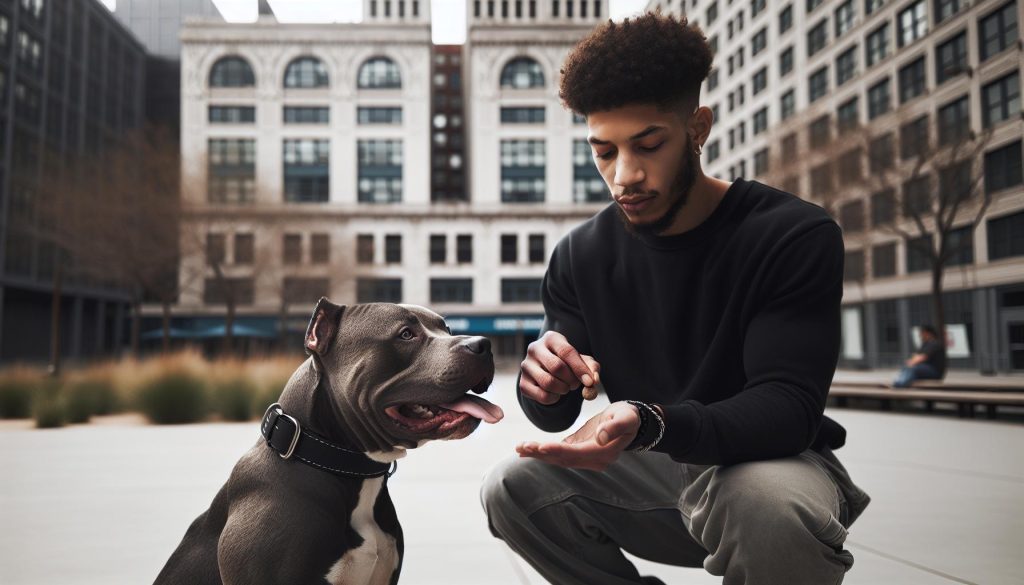
Did you know that pitbulls are often misunderstood and misrepresented? Despite their reputation, they can be incredibly affectionate and loyal companions when trained properly. In this guide, “How to Train a Pitbull: Proven Methods Revealed,” you’ll discover effective techniques tailored specifically for this unique breed. Understanding your pitbull’s temperament is key to fostering a strong bond and ensuring they grow into a well-mannered adult. This guide will help you navigate the challenges of training, addressing common concerns such as aggression and behavior issues, while celebrating the qualities that make pitbulls remarkable. By using positive reinforcement and consistent communication, you can unlock your dog’s potential and nurture a harmonious relationship. Whether you’re a first-time owner or looking to enhance your training skills, keep reading to unveil methodologies that work and transform how you connect with your pitbull.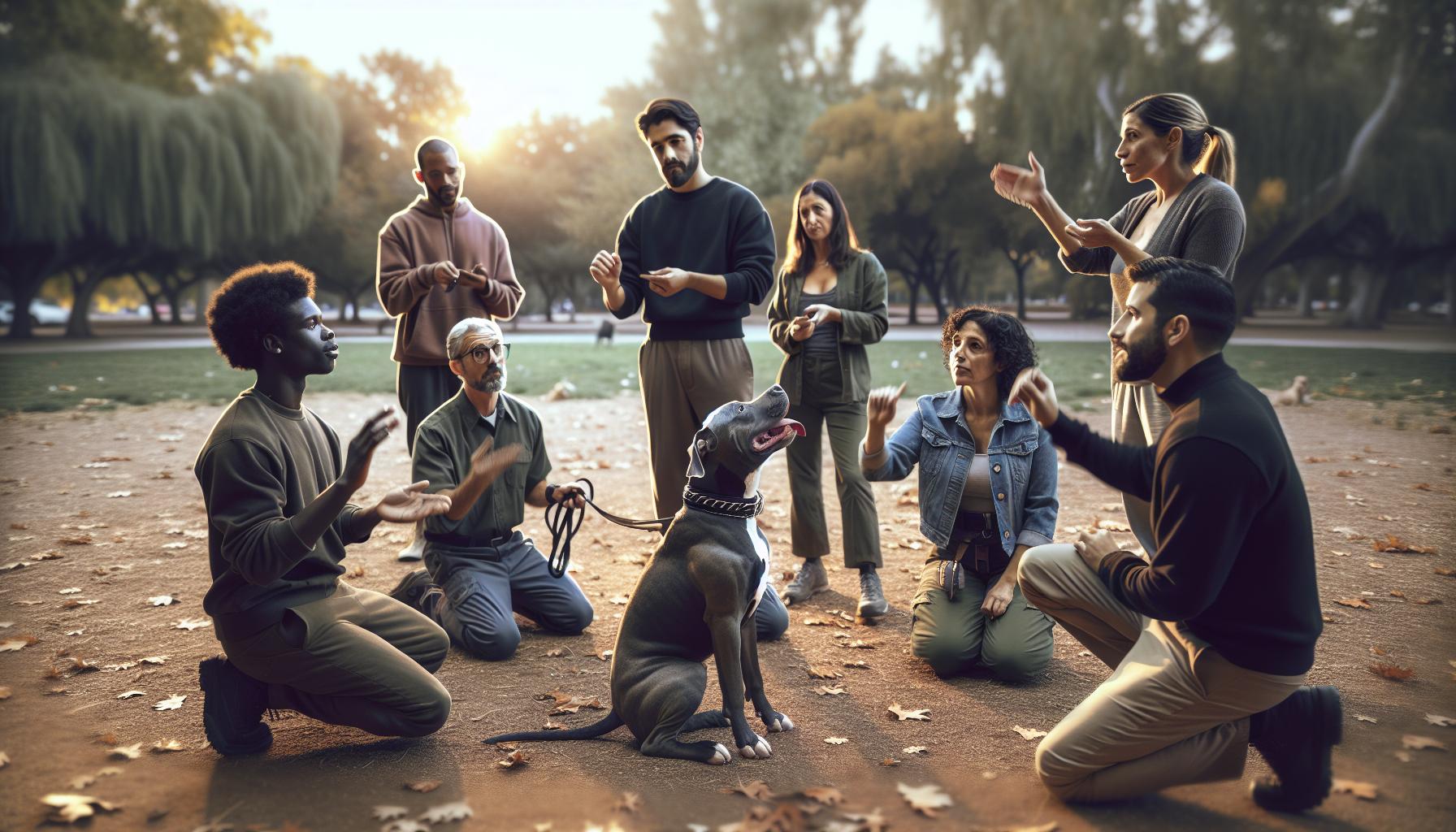
How Pitbulls Learn: Understanding Their Behavior
Understanding how pit bulls learn is essential for effective training and nurturing their well-rounded behavior. These intelligent dogs possess a keen sense of observation, which allows them to pick up on cues from their environment and their human companions. For instance, you might notice that your pit bull pays attention to your mood-if you’re excited, they may perk up and mirror that energy, whereas a calm demeanor often encourages relaxation in them. This responsiveness highlights the importance of creating a training atmosphere that is both positive and engaging.
Pit bulls thrive on consistency and repetition, making structured training sessions crucial. Less about rigid rules, this approach emphasizes forming a routine where specific commands and behaviors become second nature to your dog. For example, if you consistently reinforce the command “sit” followed by positive reinforcement like treats or affection, your pit bull will start to associate that action with rewards. This concept aligns with operant conditioning principles, where behavior followed by pleasant consequences is likely to be repeated.
Moreover, understanding the breed’s unique traits allows for more tailored training methods. Pit bulls are known for their strong desire to please their owners, which can be harnessed effectively through motivational techniques. Whether it’s toys, treats, or praise, finding what drives your pit bull can transform your training sessions into an enjoyable bonding experience, rather than a chore. By recognizing these learning behaviors and preferences, you can set the stage for successful training while fostering a deep connection with your furry friend.
In summary, knowing how pit bulls learn not only helps in shaping their behavior positively but also enriches your relationship with them, ensuring a happy and harmonious household.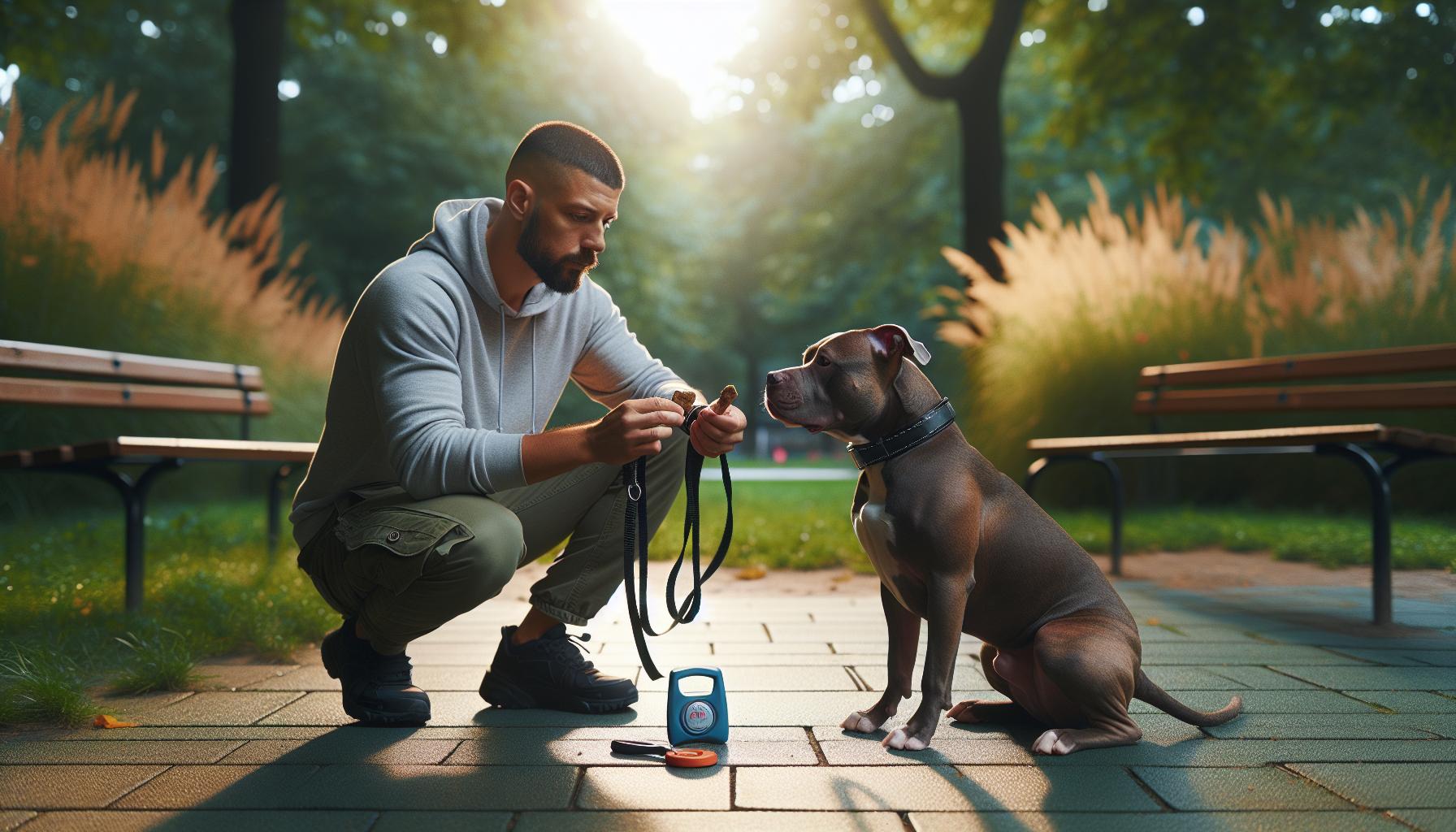
Essential Training Techniques for Pitbulls
The key to training your pit bull lies in knowing how to harness their intelligence and eagerness to please. These dogs thrive on routine and clear communication, so establishing a consistent training framework is essential. Start with short, engaging sessions that focus on a few core commands. This not only prevents your pit bull from feeling overwhelmed but also reinforces their ability to learn quickly through repetition. Techniques such as clicker training can be particularly effective, as they provide a clear signal that the desired behavior has been achieved.
Utilizing Positive Reinforcement
Positive reinforcement is perhaps the most crucial technique in training pit bulls. This method involves rewarding your dog immediately after they exhibit a desired behavior, which can include verbal praise, treats, or playtime. By associating good behavior with positive outcomes, your pit bull will be more inclined to repeat those actions. It’s important to identify what motivates your individual dog, whether it’s food, toys, or affectionate praise, and use those incentives during training sessions.
Focus on Basic Commands
Teaching essential commands such as “sit,” “stay,” “come,” and “down” lays the foundation for all future training. These commands not only enhance your control and safety but also provide your pit bull with a sense of structure and understanding. Begin with one command at a time, using hand signals in conjunction with verbal cues to solidify their learning. For example, when teaching “sit,” hold a treat above your pit bull’s nose and gently move it upwards; as they lift their nose, their bottom will naturally lower to the ground, at which point you can reward them.
Socialization and Exposure
Socialization is a vital component of training and should begin early in your pit bull’s life. Introduce them to various environments, people, and other animals to help them develop into well-rounded adults. This exposure can mitigate fear and anxiety, reducing the likelihood of behavioral issues in the future. Attend puppy classes or arrange playdates with other friendly dogs to facilitate this process in a controlled setting.
By employing these effective training techniques and fostering a nurturing environment, you’ll not only enhance your pit bull’s behavior but also deepen the bond you share. Remember that patience and consistency are key; every dog learns at their own pace, and celebrating small victories will ensure that training remains a positive experience for both you and your furry companion.
Common Training Mistakes to Avoid
Training a Pitbull can be an incredibly rewarding experience, but it’s also easy to fall into common pitfalls that can hinder your progress and damage your relationship with your canine companion. Many owners may unknowingly reinforce undesirable behaviors, which can lead to confusion and frustration for both parties. Here are some mistakes to avoid to ensure that your training journey is smooth and effective.
One prevalent mistake is inconsistency in training commands or responses. If you use different words or signals for the same command, your Pitbull will become confused about what you expect. For instance, if you sometimes say “come” and at other times say “here,” this inconsistency can hinder their understanding. Make sure to establish a consistent vocabulary and stick to it during every training session. Additionally, ensure that all family members use the same commands to avoid mixed signals.
Another common error is neglecting the importance of positive reinforcement. Some trainers mistakenly resort to punishment when a Pitbull doesn’t respond correctly, which can lead to fear, anxiety, and aggression. Instead, focus on rewarding desirable behaviors with treats, praise, or playtime. This encourages your dog to repeat the positive behavior. Remember, effective training is built on trust; your Pitbull needs to feel safe and valued to learn and grow.
Overtraining is also a mistake that many owners make. While it’s essential to practice regularly, excessively long training sessions can lead to fatigue and disinterest for your Pitbull. Aim for shorter, more focused training periods that last 5-10 minutes. You can repeat these sessions multiple times throughout the day. This keeps your dog engaged and excited about learning and helps reinforce what they’ve learned without overwhelming them.
Lastly, failing to socialize your Pitbull during their formative months can lead to behavioral issues later on. Socialization is crucial for helping your dog become a well-adjusted adult. Introduce them to different people, pets, and environments early in their lives. This exposure prevents fearfulness and aggression, which are often byproducts of isolation. By addressing these common mistakes, you pave the way for a fruitful and enjoyable training experience with your beloved Pitbull.
The Importance of Socialization in Puppyhood
Socialization is one of the most crucial aspects of raising a well-rounded Pitbull. It lays the foundation for your dog’s temperament, helping them grow into a confident and well-adjusted adult. Did you know that a lack of socialization during the first few months of a puppy’s life can lead to lifelong behavioral problems? Studies indicate that dogs who aren’t exposed to various environments, people, and animals during their formative weeks are at a higher risk for developing fears or aggression later on. Therefore, initiating socialization early can make a world of difference in your Pitbull’s overall behavior.
When socializing your Pitbull puppy, aim for exposure to a variety of experiences. This includes different types of people, other animals, and various environments. For example, take your puppy on walks in busy parks, visit friends’ homes, or participate in puppy training classes. These experiences teach your puppy how to react to various stimuli, promoting confidence and curiosity rather than fear. Consider using positive reinforcement-rewarding your puppy with treats and praise when they encounter new experiences calmly. This approach fosters a positive association with social situations.
Start small by introducing your puppy to one new experience at a time. As they become more comfortable, gradually increase the complexity of their social interactions. For instance, allow your Pitbull to play with other dogs or meet children in controlled scenarios. Supervised playdates can enhance their social skills, teaching them how to properly interact and communicate with others. Remember, the key is to ensure these encounters are positive and stress-free; overwhelming your puppy can lead to negative associations with social situations.
Finally, it’s important to stay consistent. Socialization should be an ongoing part of your puppy’s life beyond the critical early months. Continue exposing them to new experiences even after they reach adulthood. By embracing the importance of socialization, you not only enhance your Pitbull’s quality of life but also strengthen your bond, paving the way for a loyal and loving companion for years to come.
Effective Commands Every Pitbull Should Know
When it comes to training your Pitbull, mastering a set of effective commands can make all the difference in fostering a well-behaved and obedient companion. Unlike some breeds that may take longer to catch on, Pitbulls are known for their intelligence and willingness to learn, which opens the door for you to introduce essential commands early on. These commands not only help manage your dog’s behavior but also strengthen the bond between you and your furry friend.
One of the first commands to teach is “Sit.” This simple command is not just a foundational skill, but it also reinforces your Pitbull’s focus on you. Start by holding a treat close to their nose, then move your hand upward; as their head follows the treat, their bottom will lower. As soon as they sit, say “Sit,” and reward them. Alongside “Sit,” the command “Stay” is critical for keeping your dog safe and well-mannered. Once your Pitbull is sitting, open your palm in front of them and say “Stay” firmly but calmly. Gradually back away, and if they remain in place, reward them.
Another essential command is “Come.” This command can potentially save your dog’s life, especially in situations where they might wander off. Begin practicing this command indoors using a leash to control their movements. Call their name followed by “Come,” and gently pull them towards you if they hesitate. As they approach, reward them with praise or treats. For a bit of fun and effectiveness, unleash the power of play by incorporating toys into your training once they understand the command.
Last but not least, don’t overlook “Down.” Teaching your Pitbull to lie down on command not only shows off their obedience but also helps minimize excitement and promotes calmness. Start again with a treat, guiding it downwards toward the ground while saying “Down.” When they follow the treat and lie down, reward them immediately.
Incorporating these commands into daily routines can lead to better behavior and greater ease during outings. Practice consistently and within different environments to help your Pitbull generalize the commands. This not only reinforces their learning but also helps acclimate them to various situations, making your walks or public outings more enjoyable for both you and your dog. By establishing a clear command structure, you set the foundation for a well-trained Pitbull who is eager to engage and respond to your cues.
Positive Reinforcement Strategies for Success
Using positive reinforcement is one of the most effective approaches to training your Pitbull, allowing you to build trust and good behavior while making the process enjoyable for both of you. Instead of relying on negative punishment or physical corrections, focus on rewarding your dog for the behaviors you want to see repeated. This could be through treats, praise, or playtime-whatever motivates your Pitbull the most.
When implementing positive reinforcement, it’s crucial to reward your Pitbull immediately after they perform the desired behavior. This immediate feedback helps them make the connection between the action and the reward. For example, if your Pitbull sits on command, give them a treat right after they comply, along with lots of verbal praise like “Good boy!” This immediate response reinforces the behavior you wish to instill and encourages them to repeat it in the future.
To enhance your training sessions, try mixing up the rewards. While treats are an excellent incentive, incorporating playtime can be just as effective, especially for active breeds like Pitbulls. If your dog is motivated by their favorite toy, use it as a reward after completing a command. This not only holds their interest but also makes training more dynamic and fun. Furthermore, keep training short and engaging-around 5 to 10 minutes at a time-so your Pitbull stays focused and enthusiastic.
Remember, consistency is key. Use the same commands and reward system every time, and soon your Pitbull will begin to associate these commands with positive outcomes. Positive reinforcement builds a solid foundation for training and contributes to establishing a stronger bond between you and your furry companion. When your Pitbull feels loved and understood, they’ll be more eager to learn and engage, turning training sessions into a rewarding experience for both of you.
Advanced Training: Tricks and Obedience
Training your Pitbull to master tricks and obedience can be an incredibly rewarding experience, deepening the bond between you and your furry friend while showcasing their intelligence and versatility. A Pitbull is a highly trainable breed, known for their eagerness to please and energetic nature. By engaging in advanced training, you not only challenge your dog mentally but also provide them with activities that reduce boredom and help to channel their energy positively.
To start, consistency remains a vital aspect of effective training. Ensure you use the same commands for tricks and obedience training every time. This helps your Pitbull understand what is expected of them. For instance, if you are teaching them to roll over, use phrases like “roll over” consistently. Pair your verbal commands with hand signals to enhance understanding. Many Pitbulls respond well to visual cues, making the learning process smoother. It can be helpful to break down tricks into smaller, achievable steps. For instance, when teaching “play dead,” start with the “down” command, then gradually roll your dog onto their side while using verbal encouragement and treats to reinforce progress.
Furthermore, it’s crucial to keep training sessions engaging and short-about 10 to 15 minutes at a time-especially for higher-energy breeds like Pitbulls. This ensures they remain focused and motivated. Training should feel like play; use games, challenges, and plenty of praise. Incorporating play not only makes the learning enjoyable but also allows breaks between commands. For instance, after a successful training session, engage your Pitbull in a fun game of fetch or tug-of-war to reinforce the positive association with learning.
Lastly, remember to celebrate achievements, no matter how small. Positive reinforcement, like treats, toys, or verbal praise, motivates your Pitbull to continue progressing. As they master basic commands, gradually introduce more complex tricks such as “take a bow” or “dance.” Advanced training not only serves to impress friends and family but also fosters a deeper connection, building trust and respect within your partnership. With patience and persistence, your Pitbull can become a well-mannered companion who’s as skilled at showing off tricks as they are at being your loving friend.
Addressing Behavioral Issues: Solutions for Pitbulls
Understanding how to address behavioral issues in your Pitbull can significantly shape their development into a well-adjusted companion. Recognizing that these dogs are often misinterpreted due to their strong physique and energetic nature is key. Behavioral issues, whether they stem from anxiety, lack of socialization, or previous negative experiences, can be effectively managed with the right techniques.
One effective strategy is to identify the root cause of the behavior. For example, if your Pitbull displays aggression or anxiety around unfamiliar individuals or other pets, it may be beneficial to gradually expose them to these situations in a controlled and positive manner. This exposure can be done using gradual desensitization, where you start at a distance from the trigger and slowly decrease that distance as your dog becomes more comfortable. Always pair this exposure with positive reinforcement – treats, praise, or play – to help foster a positive association with the previously anxiety-inducing factors.
Consistency is crucial in addressing problematic behaviors. Establish clear and consistent boundaries that your Pitbull can understand. For instance, if jumping on guests is an issue, consistently redirect them with commands like “off” every time they attempt to jump. If needed, consider using a leash indoors to control their movements until they consistently demonstrate the desired behavior. It’s also important to avoid punishment, as negative reinforcement can exacerbate behavioral problems and damage the bond of trust between you and your dog.
In addition to behavioral training, providing ample mental and physical stimulation can mitigate many issues. Engage your Pitbull in interactive games and puzzle toys that challenge their minds, alongside regular physical exercise to expend their energy. A tired dog is often a well-behaved dog. Consider incorporating training into playtime, using commands or tricks to keep their mind active while having fun.
Ultimately, patience, understanding, and a commitment to training will yield rewarding outcomes. Each Pitbull is unique, possessing distinct personality traits that can influence their behavior. By adapting your approach to fit your dog’s individual needs, you foster not only a well-behaved pet but also a deep and trusting relationship built on respect and affection.
Building a Strong Bond Through Training
Establishing a strong bond with your Pitbull is not only rewarding but also essential for effective training and a harmonious relationship. This bond is built through trust, understanding, and shared experiences, allowing you to communicate effectively with your canine companion. Did you know that dogs, much like humans, thrive on positive interactions? This is particularly true for Pitbulls, who are known for their loyalty and affection towards their families.
One of the foundational aspects of building this bond is through consistent training sessions. These not only teach your Pitbull valuable commands and behavioral expectations but also define a routine that they can rely upon. When training becomes a regular part of your day, it transforms from a chore into an enjoyable activity for both of you. Imagine turning training into a game of fetch where you incorporate commands! This approach reinforces learning while simultaneously deepening your connection through shared fun.
Another crucial component is the use of positive reinforcement techniques. Celebrate each small victory with treats, praise, or playtime. Whether it’s mastering a new trick or simply obeying a command, acknowledging these achievements helps your Pitbull associate training with positive outcomes. For instance, after your Pitbull successfully sits on command, offering a favorite toy or a few moments of belly rubs can enhance that experience. The more you celebrate together, the more your Pitbull seeks to please you, fostering a deeper bond built on mutual affection.
It’s also important to spend quality time beyond training. Engaging in outdoor activities like walking, running, or playing fetch not only provides necessary physical exercise but also enhances emotional connections. These interactions allow your Pitbull to see you as a leader, a protector, and a friend, ensuring they feel secure and valued. Remember, a well-exercised dog is often a happy dog, who is more likely to respond positively during training sessions.
Ultimately, nurturing the bond with your Pitbull is an ongoing journey filled with love and patience. As you navigate the challenges and joys of training, your commitment to understanding and connecting with your pup will yield a well-mannered companion and a lifelong friendship. Enjoy the process, embrace the learning curves, and cherish the moments that strengthen your unique relationship.
Tailoring Training for Individual Pitbull Personalities
Understanding that each Pitbull has its own personality is essential for effective training. These dogs are not a monolith; rather, they exhibit a range of temperaments and behaviors influenced by genetics, environment, and individual experiences. For instance, some Pitbulls are naturally energetic and excitable, while others might be more sedate and laid-back. Recognizing these differences allows you to tailor your training methods for optimal results.
When training your Pitbull, consider their energy levels and responsiveness. High-energy dogs may benefit from more intense and active training sessions that engage their enthusiasm. Incorporate sports or interactive games that require physical exertion, such as agility training or fetch, which can serve dual purposes of exercise and command practice. On the other hand, a calmer Pitbull might thrive in a quieter, more predictable training environment where repetition and patience are prioritized. This approach can help maintain their focus without overwhelming them.
Another important factor is the dog’s response to various types of rewards. Some Pitbulls are highly motivated by treats, while others might find more joy in toys or praise. Experiment with different reward systems to discover what resonates best with your dog. For example, if your Pitbull is toy-oriented, use their favorite ball or tug toy as a reward for completing commands. Tailoring your reinforcement method not only makes training more effective but also reinforces the bond you share with your dog.
Finally, take time to read your dog’s body language and adjust your approach accordingly. A Pitbull that appears anxious or disinterested may need a different method, such as shorter training sessions or a shift in the commands being taught. Adapting your style to meet your Pitbull’s unique personality will not only enhance their willingness to participate but will also create a positive training experience that fosters trust and cooperation between you and your furry companion.
Training Pitbulls for Specific Activities: Agility and Beyond
Engaging in activities like agility training provides an excellent outlet for Pitbulls’ intelligence and energy, making it an ideal choice for both fun and fitness. Studies show that physical exercise is not just beneficial for a dog’s health; it also enhances their overall behavior and mood. If you’re looking for a way to channel your Pitbull’s enthusiasm, agility training can be a rewarding venture that strengthens your bond while teaching valuable skills.
To start training your Pitbull for agility, it’s essential to establish a solid foundation of basic obedience commands. Your dog should respond reliably to commands such as sit, stay, come, and down. These basics will be crucial as you introduce them to agility equipment, like jumps, tunnels, and weave poles. Begin with low obstacles to help your Pitbull build confidence and gradually increase the complexity of the tasks as they improve. Remember, patience is key; allow your dog to learn at their own pace to promote a positive experience.
Incorporating play into training sessions can also significantly enhance your Pitbull’s engagement. Use toys or treats that your dog loves to motivate them as they navigate through different agility courses. A playful approach to agility training not only promotes learning but also helps reduce any anxiety your dog may feel around new equipment or challenges. Make each session a mix of fun and exercise, so your Pitbull associates agility training with a positive, rewarding experience.
Lastly, consider joining an agility class or a local dog sports club. These environments provide valuable support, guidance from experienced trainers, and a community of fellow dog owners to share tips and techniques. Training for specific activities like agility not only enriches your Pitbull’s life but also allows you to discover their strengths and interests, ensuring that every training session feels like a playful adventure instead of a chore.
Maintaining Training Results: Tips for Long-Term Success
Maintaining consistency in training is crucial for your Pitbull to retain the skills they’ve learned. Just like humans, dogs naturally forget things over time, especially if they are not reinforced regularly. One effective way to keep your Pitbull engaged and ensure skills stick is through daily practice. This doesn’t mean long, tedious sessions; short bursts of training, around 5 to 10 minutes a few times a day, can reinforce commands and keep your dog’s attention. Incorporate training during playtime to weave important cues into fun activities, making the reinforcement more memorable.
Another key aspect of maintaining training results is to always reward good behavior. This can be through treats, praise, or play. The more positive reinforcement your Pitbull receives, the more they will associate desired actions with good outcomes. It’s essential to note that rewards should be immediate; this helps your dog understand exactly which behavior earned them the reward. Switch up the rewards to keep your Pitbull motivated-sometimes use a favorite toy, other times a treat, or an enthusiastic “Good boy/girl!” praise.
As your Pitbull matures, their focus and energy levels might shift, which means training should adapt accordingly. What worked great during puppyhood might not hold their attention as much later in life. Keep training sessions fresh and exciting by introducing new tricks or challenges. This not only stimulates their mind but also brings variety into their routine, which can prevent boredom and behavioral issues down the line.
Lastly, consider joining a local training class or dog group. This is another wonderful opportunity for socialization, which benefits your Pitbull immensely. Being around other dogs and people can reinforce positive behaviors while providing you support and advice from fellow owners and trainers. These classes typically renew focus on obedience and can introduce new training techniques that fit your specific goals for your dog. Plus, the camaraderie and encouragement from others can be a fantastic motivation for both you and your Pitbull.
By following these strategies, you can create a lasting environment where your Pitbull thrives, ensuring that the skills and commands they’ve learned remain sharp and effective throughout their life.
Faq
Q: What are the key characteristics that affect a Pitbull’s trainability?
A: Pitbulls are intelligent and eager to please, which makes them generally easy to train. However, their energy levels and strong-willed nature can influence their responsiveness. Understanding these characteristics is essential for effective training. Refer to the section on How Pitbulls Learn for more insights.
Q: How long does it take to train a Pitbull?
A: Training a Pitbull can take anywhere from a few weeks to several months, depending on the consistency of training sessions and the complexity of commands. Regular short sessions are more effective than infrequent long ones. For tips on maintaining training progress, see Maintaining Training Results: Tips for Long-Term Success.
Q: Can you train a Pitbull to be a good family pet?
A: Yes, with proper training and socialization, Pitbulls can be excellent family pets. Early exposure to different environments, people, and pets is crucial. The section on The Importance of Socialization in Puppyhood provides guidance on how to implement this effectively.
Q: What are some effective leash training tips for Pitbulls?
A: Start with short walks and use positive reinforcement to encourage your Pitbull to walk nicely on a leash. Avoid pulling; instead, stop walking when they pull and resume when the leash is loose. This helps reinforce good leash manners while enhancing your bond.
Q: How can I stop my Pitbull from jumping on people?
A: To prevent jumping, teach an alternative behavior such as sitting when greeting. Use positive reinforcement by rewarding them when they remain seated. For more on addressing behavioral issues, check the Addressing Behavioral Issues: Solutions for Pitbulls section.
Q: What are some recommended dog training tools for Pitbulls?
A: Recommended tools include training collars, leashes, and clickers. These can enhance communication and reinforce desired behaviors. Proper use of tools is critical; refer to Essential Training Techniques for Pitbulls for more details on effective methods.
Q: How often should I train my Pitbull?
A: Regular training sessions should be conducted at least 5 times a week, ideally for 15-20 minutes each time. Consistency and repetition reinforce learning, making it easier for your Pitbull to master commands. For maintaining results, see the Maintaining Training Results: Tips for Long-Term Success section.
Q: Are there specific breeds of Pitbulls that are easier to train?
A: Training ease largely depends on individual temperament, rather than breed variants. Some Pitbulls may be more receptive due to their background and experiences. Understanding your dog’s personality is key; check Tailoring Training for Individual Pitbull Personalities for more.
Insights and Conclusions
Thank you for joining us in exploring effective strategies for training your Pitbull. Remember, consistency and positive reinforcement are key to building a strong bond with your pup while ensuring they thrive as a beloved part of your family. If you’re ready to take the next step, check out our guides on Pitbull health essentials and common training mistakes to avoid for additional insights.
Don’t forget to share your training successes in the comments-your experiences can inspire others! For ongoing tips and resources, subscribe to our newsletter or explore our product recommendations tailored for Pitbull owners. Together, let’s continue to celebrate and appreciate this remarkable breed. Your journey with your Pitbull is just beginning, so dive in and start implementing these proven methods today!