
Did you know that the Red Nose Pitbull is not just a striking breed, but also one of the most misunderstood? This guide is your go-to resource for understanding the full-grown Red Nose Pitbull, focusing on their unique genetics, health needs, training tips, and care strategies. If you’re considering welcoming one of these loyal companions into your home, you’re likely seeking guidance that empowers you to nurture their exceptional qualities while addressing common concerns about the breed. Whether you’re a first-time owner or looking to enrich your knowledge, this comprehensive guide will reveal the secrets to achieving excellence with your adult Red Nose Pitbull. Dive in to discover how you can foster a strong bond, ensure their well-being, and celebrate the incredible attributes that make Pitbulls such beloved pets. Your journey toward becoming a responsible and informed owner starts here!
The Unique Traits of Full Grown Red Nose Pitbulls
Red Nose Pitbulls stand out not just for their striking appearance but also for their remarkable personality and behavior traits. One captivating aspect of this breed is their unwavering loyalty, which often manifests in their strong attachment to their families. As a full-grown Red Nose Pitbull, you can expect a confident yet affectionate dog, eager to please and defend their loved ones. Their loving nature makes them excellent companions, especially for active families or individuals looking for a friendly, intelligent canine partner.
In terms of physical traits, a typical adult Red Nose Pitbull boasts a robust muscular build, giving them an impressive presence. Their signature red nose is complemented by other unique features, such as a short coat that can vary in shades from light tan to deep red. This limited color variation comes from their genetic background, which primarily traces back to the American Pitbull Terrier lineage. The distinct coloration of their coat does not just enhance their aesthetic appeal; it also connects them to a rich history, harkening back to their roots as working dogs known for their strength and endurance.
Understanding these traits allows you to appreciate the breed more profoundly. Red Nose Pitbulls thrive on human interaction and are often happiest when they are included in family activities. This breed is known for its energetic demeanor, making regular exercise and engaging activities essential for their well-being. Whether it’s a game of fetch, agility training, or simply going for long walks, these dogs flourish when given the opportunity to channel their energy positively.
Additionally, their keen intelligence makes training a rewarding experience for both you and your Pitbull. They tend to respond well to consistent training methods based on positive reinforcement, allowing them to develop appropriate behaviors while strengthening the bond between you. In essence, embracing the unique traits of a full-grown Red Nose Pitbull can lead to a fulfilling and joyful relationship that enriches both your lives.
Understanding the Genetics of the Red Nose Pitbull
provides insight into not only their physical characteristics but also their temperament and health. These dogs are a specific type within the American Pitbull Terrier breed, distinguished predominantly by their unique coloration. The striking red nose, along with a short coat that can range from light tan to deep red, is a result of a homozygous recessive gene for coat color. This genetic trait not only contributes to their admired appearance but also connects them to a long lineage of working dogs known for their strength, agility, and endurance.
The Red Nose Pitbull inherits traits from its ancestors, which were bred for specific purposes, such as herding, guarding, and participating in dog sports. This breed typically exhibits a robust and muscular build, showcasing the powerful qualities they’ve been known for throughout their history. Understanding the genetics behind these physical traits is crucial, as it can influence everything from potential health issues to behavioral tendencies. For instance, because they come from a lineage often crossed with other breeds to enhance their functionality, Red Nose Pitbulls may sometimes show different characteristics based on their specific genetic background.
It’s also essential to consider the impact of responsible breeding practices on the health and development of your Red Nose Pitbull. Poor breeding can lead to inherited health problems such as hip dysplasia, heart issues, and skin conditions. When you choose to adopt or purchase a Red Nose Pitbull, it’s important to seek reputable breeders who prioritize the health and well-being of their dogs over looks alone. Good breeders will conduct genetic testing to mitigate these risks, aiming to produce dogs with the best possible health outcomes.
Finally, fostering a strong emotional connection with your Red Nose Pitbull can greatly enhance their overall well-being. Understanding their genetic predisposition for loyalty and strong attachment enables you to engage in training and socialization practices that harness these traits positively. By being informed about their genetics, you can be proactive in ensuring your Red Nose Pitbull remains healthy and happy throughout their life, ultimately leading to a rewarding companionship.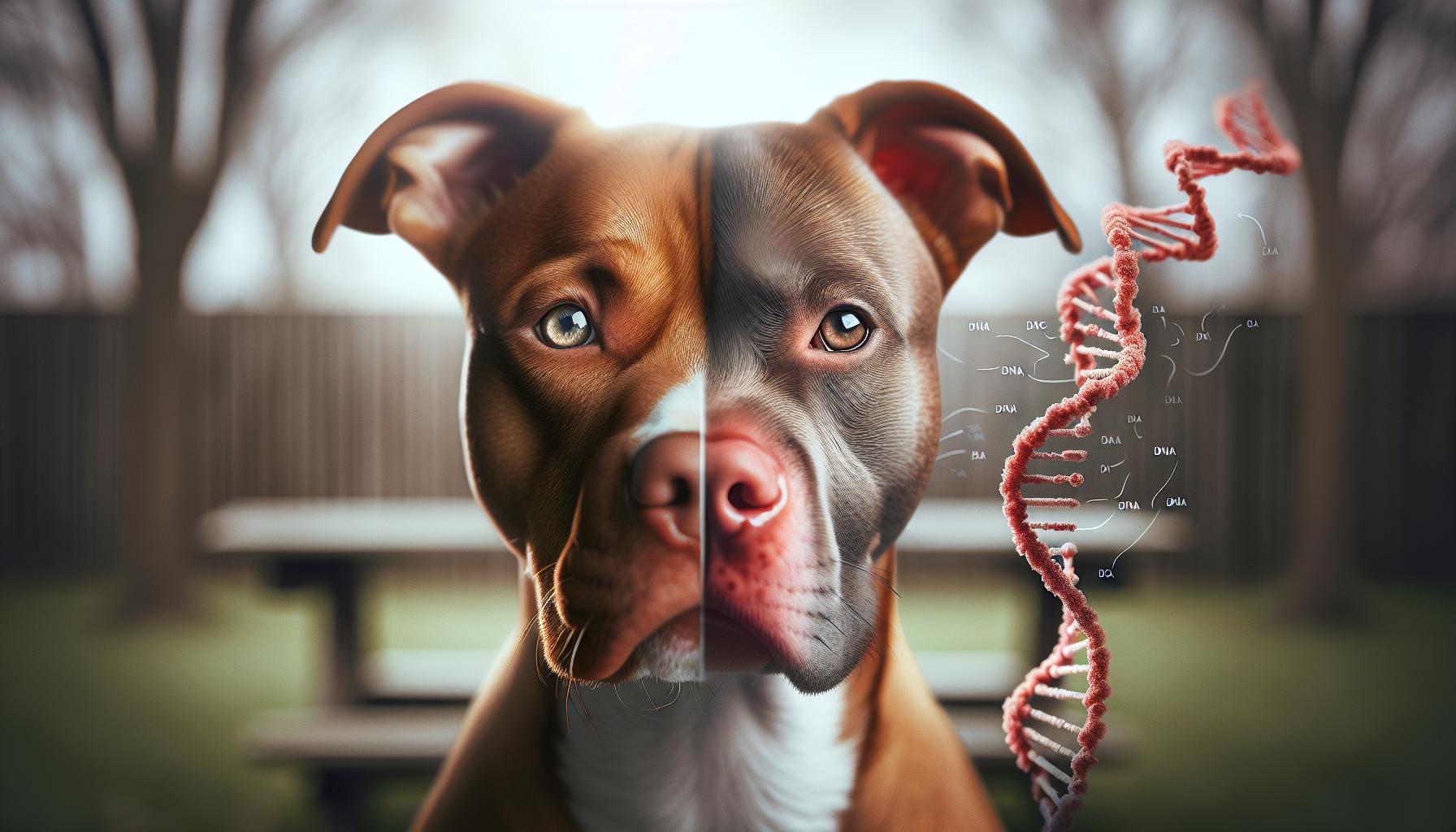
Essential Health Care Tips for Adult Pitbulls
Providing excellent health care for your full-grown Red Nose Pitbull is crucial to ensuring a long, happy, and healthy life. These dogs, known for their affectionate nature and strong loyalty, thrive when given proper attention to their health needs. Just like any breed, adult pitbulls can be prone to certain health conditions, so staying vigilant about their wellness is essential.
Regular veterinary check-ups are a fundamental aspect of health care. These visits allow you to monitor your pitbull’s overall health, get vaccinations, and detect any potential issues early. Common conditions in pitbulls that may require attention include hip dysplasia and skin allergies, so a proactive approach is key. Make sure to discuss preventive measures with your vet, including heartworm medication and flea/tick treatments.
Nutrition plays a vital role in your pitbull’s health. A balanced diet formulated for high-energy dogs can help maintain their weight and provide the necessary nutrients. Look for high-quality dog foods that list real meat as the first ingredient and avoid those laden with fillers or artificial additives. Depending on their activity level, your Red Nose Pitbull may require a diet that is higher in protein and healthy fats to support their robust musculature.
Physical activity is another critical component. Red Nose Pitbulls are energetic dogs that need regular exercise to keep them physically fit and mentally stimulated. Aim for at least an hour of activity each day, which can include walks, runs, play sessions, or agility training. Engaging in various activities not only supports their physical well-being but also helps prevent behavioral issues that often arise from boredom or lack of exercise.
Lastly, ensure your pitbull’s grooming needs are met. Regular brushing will help minimize shedding and keep their short coat healthy. Pay attention to their ears, teeth, and nails; routine dental care and nail trimming are crucial for preventing health problems. By maintaining these health care practices, you can foster a strong, vibrant, and loving bond with your Red Nose Pitbull that will last a lifetime.
Nutritional Needs for a Healthy Adult Pitbull
Providing the right nutrition for your Red Nose Pitbull is essential for maintaining its health, energy levels, and overall well-being. These dogs, known for their robust build and high energy, require a diet that not only meets their caloric needs but also supports their muscular structure and active lifestyle. Feeding your adult Pitbull a balanced diet tailored to its specific needs can significantly impact its longevity and quality of life.
To ensure your Red Nose Pitbull thrives, look for high-quality dog food that lists real meat as the primary ingredient. Protein is crucial for building and maintaining muscle mass, especially in such a strong breed. A diet high in protein (around 20-30% for adult dogs) combined with healthy fats (about 8-15%) helps promote energy while supporting their skin and coat health. It’s beneficial to include ingredients like chicken, beef, and lamb, while avoiding fillers such as corn and soy, which offer little nutritional value. Furthermore, consider supplementing their diet with fresh fruits and vegetables such as carrots or blueberries, which can provide essential vitamins and antioxidants.
Hydration is equally important. Always provide your dog with fresh, clean water, as hydration plays a critical role in digestion and overall health. Adult Pitbulls typically need about one ounce of water per pound of body weight daily, but this may increase with activity levels or in hot weather.
For those considering homemade diets, consulting your veterinarian or a pet nutritionist is highly recommended. They can help formulate a well-balanced meal plan that meets all nutritional requirements. Additionally, monitor your dog’s weight and adjust portion sizes accordingly to prevent obesity, which can lead to various health issues. Regular exercise, combined with proper nutrition, creates a holistic approach to caring for your beloved Red Nose Pitbull. By paying attention to their dietary needs, you set the foundation for a happy, healthy life filled with energy and vitality.
Training Techniques for Red Nose Pitbulls
Training a Red Nose Pitbull can be an incredibly rewarding experience, not only for you but also for your dog. Known for their intelligence and eagerness to please, these dogs often excel in training when given the right approach. A well-trained Pitbull is not only obedient but also enjoys a better relationship with their owner, creating a bond based on trust and mutual respect.
To effectively train your Red Nose Pitbull, start with the basics. Utilizing positive reinforcement techniques is key. This involves rewarding your dog with treats, praise, or playtime when they successfully follow commands. For example, when teaching essential commands like “sit,” “stay,” or “come,” it’s important to remain patient and consistent. Begin in a quiet environment with minimal distractions, slowly introducing new commands and practicing them during short, engaging sessions. The goal is to make learning fun and productive, which will help keep your dog motivated.
Consistency is Key
Consistency in commands, rules, and routines cannot be overstated. Ensure that all family members use the same commands and that rules are uniformly enforced; for example, if you allow your dog on the couch sometimes but not others, it can create confusion. Maintain a clear and structured training regimen, and consider using a clicker to mark desired behaviors precisely before rewarding them. This can sharpen your dog’s understanding of what you are expecting.
It’s also crucial to provide mental stimulation and physical exercise to prevent boredom, which could lead to behavioral issues. Red Nose Pitbulls thrive on activity; thus, incorporating obedience training with fun exercises like agility courses or interactive games like fetch can be highly beneficial. Not only does this keep them physically fit, but it also provides opportunities for you to reinforce training in a stimulating environment.
Lastly, socialization should be a core part of your training regimen. Provide your Pitbull with a variety of social experiences, including meeting new people and other dogs. This exposure will help decrease the likelihood of fear-based behaviors and promote confidence. Engage in obedience classes or group play sessions where your dog can interact with others under controlled circumstances.
By employing these training techniques, you will nurture a well-rounded and respectful Red Nose Pitbull who is a pleasure to be around, equipped with the skills needed to navigate the world with confidence. Ultimately, training is an ongoing journey, requiring patience and dedication, but the rewards-an obedient and happy companion-are well worth the effort.
Socialization Strategies for Your Pitbull
To ensure your Red Nose Pitbull grows into a well-adjusted and confident adult, effective socialization is essential. These dogs are naturally inclined to be friendly and affectionate, but without proper exposure to various environments, people, and other animals, they can develop fear or anxiety in unfamiliar situations. Engaging in diverse socialization experiences will not only help prevent behavioral issues but also enhance their ability to react positively to various stimuli throughout their lives.
Start by exposing your Pitbull to different environments as early as possible. Take your dog for walks in different neighborhoods, parks, and pet-friendly stores to expose them to various sounds, sights, and smells. Each outing offers an excellent opportunity to meet new people and pets. You can arrange playdates with other vaccinated dogs to help your dog learn appropriate social cues through interaction. When meeting new people, ensure that your Pitbull is calm, allowing them to approach at their own pace. Rewarding them with treats or praise when they show calm behaviors can reinforce positive interactions.
Structured Classes and Events
Participating in training or obedience classes is another effective way to socialize your Red Nose Pitbull. These classes not only teach essential commands but also provide controlled environments for your dog to interact with other dogs and humans. Look for puppy classes that focus on socialization or consider more advanced classes that encourage engagement with a variety of stimuli. Additionally, consider attending community events such as dog fairs or agility competitions. These occasions expose your dog to different breeds, noises, and activities, fostering confidence in bustling environments.
Maintaining regular socialization practices is vital as your Pitbull matures. You might think that socialization is primarily a puppy phase, but adult dogs also benefit from meeting new people and experiences. Continue integrating your Pitbull into family gatherings, community trips, or even simple visitors to your home. If your Pitbull appears anxious at any point, remain calm and supportive-never force them into situations where they’re uncomfortable. Instead, gradually introduce them at their own pace, ensuring each encounter remains positive.
By committing to consistent socialization, you’ll cultivate a well-rounded and resilient Red Nose Pitbull, capable of navigating the world with confidence and zest. Remember, the goal is to create a joyful and trusting relationship between you and your beloved canine companion, making their adult years fulfilling for both of you.
Common Behavioral Traits of Red Nose Pitbulls
The vibrant personality of a full-grown Red Nose Pitbull is truly captivating. Known for their affectionate nature, these dogs often form deep bonds with their families. They thrive on social interaction and display loyalty that can be unmatched among other breeds. Understanding their common behavioral traits can greatly enhance your experience as a responsible owner.
One key trait of Red Nose Pitbulls is their high energy levels. They are playful and require regular physical activity to keep them happy and healthy. Engaging them in daily exercise, such as walks, runs, or play sessions, not only helps to satisfy their physical needs but also prevents behavioral issues born from boredom or pent-up energy. Pitbulls are also known for their intelligence; training them can be a rewarding experience as they often pick up commands quickly. Using positive reinforcement techniques-like treats and praise-can make learning enjoyable and strengthen your bond.
Red Nose Pitbulls are typically very people-oriented. They often seek attention and can be quite expressive, using body language and vocalizations to communicate their feelings. Early socialization is vital for them, as it helps them become well-adjusted adults who are comfortable around both people and other animals. If they are not adequately socialized, they may exhibit protective instincts or anxiety when faced with unfamiliar situations.
Moreover, these dogs are known for their playful and sometimes goofy nature. They love to engage in activities with their family members and often display a sense of humor that can brighten your day. Their affectionate behavior-like snuggling or following you around the house-can be a source of great joy. Recognizing these traits allows you to better cater to their emotional and physical needs, ensuring a harmonious home where both you and your Red Nose Pitbull can thrive together.
In summary, the may include:
- High Energy Levels: Regular exercise is essential.
- Strong Bonding: They thrive on social interaction and affection.
- Intelligent and Trainable: They respond well to positive reinforcement.
- Playful Personality: Their goofy nature can be a delight.
Understanding and embracing these characteristics will not only make your life with a Red Nose Pitbull more fulfilling but also enrich the quality of their lives.
Grooming Essentials for Adult Pitbulls
When it comes to maintaining the health and appearance of your Red Nose Pitbull, grooming is a crucial aspect of their care routine. These dogs have short, smooth coats that require minimal upkeep, but regular grooming contributes greatly to their overall well-being and can keep their skin and coat in top shape.
One of the most important grooming tasks is brushing. Although Red Nose Pitbulls shed less than some other breeds, brushing once a week can help remove loose hairs and distribute natural oils, keeping their skin healthy. Using a slicker brush or a rubber grooming mitt will not only make this process effective but also provide a pleasant experience for your dog, as they usually enjoy the attention and the sensation of being brushed.
Bathing your Pitbull should be done as needed-typically every few months, unless they get particularly dirty or develop an odor. When bathing, it’s essential to use a mild dog shampoo to avoid skin irritation. Be sure to rinse thoroughly to prevent any residue that might cause itching or discomfort. After a bath, towel-drying or using a pet-safe blow dryer on a low setting can help keep them comfortable.
Regular ear cleaning and nail trimming are also vital components of your dog’s grooming regimen. Check your Pitbull’s ears weekly for any signs of dirt or infection, and clean them gently with a vet-approved solution. Nail trimming can be done every few weeks; keep an eye on their nails, as overgrown nails can cause pain and mobility issues. If you’re unsure how to trim their nails safely, consult your veterinarian or a professional groomer to avoid injuring the quick.
Finally, dental care shouldn’t be overlooked. Regular tooth brushing and dental chews can help prevent periodontal disease, which is common in dogs but often overlooked by owners. A healthy mouth contributes significantly to your pet’s overall health, so incorporating dental hygiene into your grooming routine is essential.
By following these grooming essentials, you’ll not only enhance the appearance of your Red Nose Pitbull but also promote their health, ensuring a happy and vibrant life together.
Living Space Requirements for Red Nose Pitbulls
When considering the living arrangements for a full-grown Red Nose Pitbull, it’s essential to create an environment that accommodates their unique needs and energetic spirit. These dogs thrive in spaces where they can be active, socialize, and feel secure. While they can adapt to various living conditions, certain factors should be taken into account to ensure they lead happy and healthy lives.
First and foremost, sufficient space is crucial. Red Nose Pitbulls require room to romp and play. If you live in an apartment, regular access to a nearby park or open area is important for daily exercise. Ideally, homes with fenced backyards provide an excellent setting for them to play safely while you supervise. A minimum of 30 minutes to an hour of exercise every day is vital for their physical and mental well-being. Activities like fetch, runs, or agility training not only keep them fit but also offer mental stimulation.
Moreover, the living environment should promote a sense of security. Red Nose Pitbulls are highly social and form strong bonds with their families. They don’t fare well if left isolated for long periods, so ensuring they have access to family areas is advisable. Creating a comfortable space within the house-a cozy bed in a high-traffic area-can help them feel included. Additionally, make sure the environment is safe. This means removing any potentially harmful items, securing trash bins, and ensuring that small items that could be swallowed are out of reach.
Lastly, consider their temperature sensitivity. Pitbulls can be prone to overheating due to their short coats, so air conditioning in warm months is essential. During winter, providing a warm, sheltered place indoors is necessary, as they are not suited to extreme cold. Overall, the goal is to furnish a loving, safe, and enriching environment for your Red Nose Pitbull, allowing them to flourish as the loyal companion they are known to be.
Myths and Facts About Red Nose Pitbulls
Despite their charming looks and loving nature, Red Nose Pitbulls are often subjected to myths and misconceptions that mischaracterize this wonderful breed. One of the most persistent myths is that they are inherently aggressive. In reality, a dog’s behavior is primarily influenced by its upbringing and environment rather than breed alone. With proper training, socialization, and a loving home, a Red Nose Pitbull can be one of the most loyal and affectionate companions.
Understanding Aggression
Many people associate Pitbulls with negative stereotypes, often stemming from media portrayals that focus on isolated incidents rather than the bigger picture. It’s crucial to remember that aggression can manifest in any breed, and responsible ownership plays a pivotal role in nurturing a well-adjusted dog. Consistent training, early socialization, and positive reinforcement can help mitigate aggressive tendencies, making these dogs friendly and well-adjusted family members. Research shows that Pitbulls show similar levels of aggression as many other popular breeds, including Labrador Retrievers and Golden Retrievers, when raised properly.
Health Myths
Another common myth is that Red Nose Pitbulls are unhealthy or prone to serious genetic conditions. While all breeds can have health issues, it is false to claim that Pitbulls are universally unhealthy. When sourced from reputable breeders who prioritize health testing, Red Nose Pitbulls can live long, healthy lives. Regular vet check-ups, a balanced diet, and appropriate exercise are vital components of maintaining their health.
- Myth: Red Nose Pitbulls are dangerous.
- Fact: They are as safe as any other breed with proper care and training.
- Myth: They are prone to serious health conditions.
- Fact: With responsible breeding and care, they can be quite healthy.
- Myth: Pitbulls are not good family pets.
- Fact: They are known to be affectionate, loyal, and excellent with children.
The awareness and dismantling of these myths can lead to a better understanding of Red Nose Pitbulls. Through responsible ownership, education, and advocacy, you can help change the perception surrounding this breed and celebrate their many positive traits. When understood and treated right, these dogs can thrive, embodying the very essence of devotion, strength, and companionship.
The Emotional Bond Between You and Your Pitbull
The bond between you and your Red Nose Pitbull can be one of the most fulfilling relationships in your life. Known for their loyalty and affection, these dogs thrive on interaction and companionship, making them excellent family pets. Establishing a strong emotional connection with your Pitbull starts with understanding and appreciating their unique personality traits. They are not just pets; they often become cherished members of your family, sharing in both the joy and challenges of daily life.
To foster this bond, consistent engagement is key. Spend quality time with your dog through activities like play, training, and exercise. Regular walks not only provide physical stimulation but also serve as an opportunity for bonding. Red Nose Pitbulls are intelligent and eager to please, so incorporating training sessions can strengthen your relationship. Using positive reinforcement methods helps your dog to feel secure and loved while encouraging good behavior. This creates a cycle of trust and respect-essential components of your emotional connection.
Another important aspect of cultivating this bond is recognizing your dog’s emotions. Red Nose Pitbulls are sensitive creatures that thrive on affection and attention. Acknowledge their moods and respond appropriately; for instance, if your Pitbull seems anxious or restless, they may need extra comfort or playtime. Providing a nurturing environment that caters to their emotional needs not only improves their happiness but also deepens your relationship.
Moreover, the emotional connection with your Red Nose Pitbull reflects in their behavior and well-being. Dogs that feel secure and loved are generally more confident and sociable. You may notice that they display more playful and affectionate behaviors, such as cuddling or seeking your attention. As you build this bond, your Pitbull becomes more than just a pet; they turn into a loyal companion, always at your side through life’s ups and downs. Investing in this relationship not only enhances your life but also enriches their experience as a beloved member of your household.
Celebrating Red Nose Pitbulls in Popular Culture
While often overshadowed by negative stereotypes, Red Nose Pitbulls have made quite an impact in popular culture, challenging perceptions and showcasing their affectionate nature. From being lovable family pets to starring roles in films and music videos, these dogs are celebrated for their loyalty and playfulness.
In cinema, Red Nose Pitbulls have appeared in various films that highlight their roles as fearsome protectors and gentle companions. Their physical prowess and loyal demeanor make them perfect for action films, but it’s their gentle nature that often steals the show. Films featuring Pitbulls, like “The Call of the Wild,” help to humanize these dogs, presenting them as desirable companions rather than the aggressive stereotype that is often portrayed.
Furthermore, music artists, particularly in genres like hip-hop, often use Red Nose Pitbulls to symbolize loyalty and street credibility. Many artists proudly display their Pitbull companions in music videos and on social media, celebrating their bond. This cultural representation serves not only to raise awareness about the breed but also to promote a narrative of love and camaraderie between humans and Pitbulls.
As you explore the idea of owning a Red Nose Pitbull, it’s important to embrace this positive representation and educate others about the breed. Share your love for your Pitbull through engaging stories and responsible ownership. By fostering a deeper understanding of their nature in popular culture, you can play a significant role in shifting the narrative and helping others see what fantastic companions these dogs can be.
FAQ
Q: What is the average lifespan of a full grown Red Nose Pitbull?
A: The average lifespan of a full grown Red Nose Pitbull is typically between 10 to 15 years. Proper care, nutrition, and regular veterinary check-ups can help ensure they live a long, healthy life.
Q: How much exercise does a full grown Red Nose Pitbull need daily?
A: A full grown Red Nose Pitbull requires at least 1 hour of exercise each day. Activities like walks, playtime, and training sessions are essential to keep them physically fit and mentally stimulated.
Q: Are full grown Red Nose Pitbulls good with children?
A: Yes, full grown Red Nose Pitbulls are known to be good with children when properly trained and socialized. They are loyal and protective, making them affectionate family pets. Supervision is recommended during playtime.
Q: How should I groom my full grown Red Nose Pitbull?
A: Grooming a full grown Red Nose Pitbull involves regular brushing to remove loose hair, monthly baths, and checking ears and nails. Maintaining their coat and hygiene is crucial for their health.
Q: What are common health issues in full grown Red Nose Pitbulls?
A: Common health issues in full grown Red Nose Pitbulls include hip dysplasia, allergies, and heart conditions. Regular vet visits can help detect these issues early on and keep your dog healthy.
Q: What are the feeding guidelines for a full grown Red Nose Pitbull?
A: A full grown Red Nose Pitbull should be fed 2 to 3 cups of high-quality dog food daily, divided into two meals. Ensure the diet includes proteins, vitamins, and minerals suitable for their age and activity level.
Q: How can I train my full grown Red Nose Pitbull effectively?
A: To train your full grown Red Nose Pitbull effectively, use positive reinforcement methods. Consistency, patience, and engaging training sessions will help your dog learn commands and good behavior more efficiently.
Q: What socialization techniques work best for full grown Red Nose Pitbulls?
A: Effective socialization techniques for full grown Red Nose Pitbulls include exposing them to different people, environments, and animals at a young age. Positive experiences will help them develop good social skills and confidence.
Final Thoughts
As you conclude your journey through the “Full Grown Red Nose Pitbull: Adult Excellence Guide,” remember that owning a Red Nose Pitbull can be deeply rewarding when you have the right knowledge. With understanding their unique genetics, health needs, and training nuances, you’re well on your way to nurturing a loyal, happy companion. Don’t wait to enhance your bond-explore our related articles on Pitbull Training Techniques and Health Care Essentials to further enrich your experience.
Take action today by signing up for our newsletter for exclusive tips and updates on breed care. Don’t hesitate to reach out with comments or questions; your engagement helps foster a community that celebrates responsible ownership and appreciation for these incredible dogs. Let’s continue this journey together-your Red Nose Pitbull will thank you!