When you welcome a Red Nose Pitbull into your life, you’re not just gaining a pet; you’re gaining a loyal companion who will touch your heart for many years. Understanding their lifespan-typically ranging from 12 to 16 years-can help you provide the best care possible throughout their life stages. Proper nutrition, exercise, and regular veterinary check-ups play a crucial role in maximizing their longevity. Discovering how you can contribute to their health and happiness is essential for every owner who wants to forge a lasting bond with their furry friend. Join us as we delve into the factors that influence the lifespan of Red Nose Pitbulls and how you can ensure they thrive as cherished members of your family.
Red Nose Pitbull Lifespan Overview: What to Expect

Red Nose Pitbulls, with their striking appearance and loving temperament, are a cherished breed among dog enthusiasts. Understanding what to expect regarding their lifespan can enhance the joy of ownership and help you provide the best care possible. On average, you can expect your Red Nose Pitbull to live between 12 to 15 years, a lifespan comparable to many medium to large dog breeds. However, individual factors can influence this time frame significantly.
One crucial factor affecting lifespan is health; like all breeds, Red Nose Pitbulls can be prone to certain genetic conditions. Issues such as hip dysplasia, skin allergies, and heart conditions may need monitoring. A proactive approach to health management not only extends their life but also improves its quality. Regular veterinary check-ups and vaccinations, along with a healthy lifestyle, serve as foundational pillars for your pet’s longevity.
Notably, the environment plays a pivotal role too. A loving home with ample space and stimulation will greatly enhance your dog’s happiness and well-being. Engaging them in exercises-whether vigorous play or leisurely walks-can help mitigate health issues related to weight gain and inactivity. Fostering an environment where your Red Nose Pitbull feels safe and challenged will contribute to a more fulfilling life.
Ultimately, being informed about the expected lifespan of your Red Nose Pitbull and the factors influencing it empowers you as an owner. This knowledge equips you to take proactive steps in maintaining their health and happiness while creating lasting memories. With the right care and attention, you can help ensure those precious years together bring joy to both you and your furry companion.
Understanding the Genetics Behind Red Nose Pitbulls
Red Nose Pitbulls are not just adored for their striking appearance; they also possess a rich genetic background that deeply influences their characteristics and, ultimately, their lifespan. These dogs are part of the American Pit Bull Terrier breed, which has been shaped by a mix of genetics from various ancestral breeds, including Bulldog and Terrier lines. Understanding the genetic makeup of Red Nose Pitbulls can provide vital insights into their health, behavior, and longevity.
One key aspect of genetics that impacts lifespan is the breed’s susceptibility to certain inherited health conditions. Understanding these predispositions can be crucial for any owner looking to ensure a long, healthy life for their furry companion. For instance, Red Nose Pitbulls are prone to genetic disorders such as hip dysplasia and certain skin conditions, which can lead to chronic pain and discomfort if not properly managed. By being aware of these potential issues, you can take proactive measures, such as regular health screenings and targeted exercise routines, to mitigate risks associated with their genetic traits.
Moreover, the genetic diversity found within the breed can also produce varying temperaments and energy levels among individual dogs. Some Red Nose Pitbulls may inherit a calmer disposition, while others are more energetic and playful. This variability can influence their overall well-being and longevity. Dogs that are well-socialized, trained, and engaged in appropriate physical activities tend to lead happier lives, which can positively affect their lifespan.
In addition to genetic factors, responsible breeding practices play a critical role in the health of Red Nose Pitbulls. Reputable breeders prioritize health and temperament over aesthetics, which can lead to a healthier gene pool. When considering adding a Red Nose Pitbull to your family, it’s essential to choose a breeder who conducts health testing and is committed to the welfare of their dogs. By understanding the genetic foundations of this beloved breed, you are better equipped to make informed decisions that will enhance their quality of life and longevity.
How Health Factors Impact Lifespan

Health is a vital determinant in the lifespan of Red Nose Pitbulls, influencing not just how long they live but also how well they thrive throughout their lives. Understanding the connection between health factors and longevity helps you become a more responsible pet owner. For instance, your commitment to regular vet visits, a balanced diet, and appropriate exercise can dramatically extend your dog’s life expectancy and improve their quality of life.
One of the primary health issues facing this breed is the predisposition to genetic disorders. Conditions like hip dysplasia, heart issues, and certain skin allergies can significantly impact not just the health but also the lifespan of your Red Nose Pitbull. Being proactive about these risks includes routine health screenings, early detection measures, and diligent attention to any changes in behavior or mobility. Early intervention often leads to better outcomes, ensuring your furry companion stays as healthy as possible for as long as possible.
In addition to genetic factors, lifestyle choices play a crucial role in health and longevity. Diet is fundamental-ensuring your dog receives high-quality nutrition can help ward off obesity-related diseases, which are common in this breed. Incorporating age-appropriate exercise routines tailored to their energy levels can maintain their health and happiness. These dogs thrive on physical activity, not only to burn energy but also to keep their joints and muscles healthy.
Lastly, the environment contributes significantly to a Red Nose Pitbull’s health and, by extension, their lifespan. Providing a safe, clean, and stimulating environment, coupled with socialization and training, fosters psychological well-being and reduces stress-related health issues. With proper care and attention, your Red Nose Pitbull can live a full, vibrant life, celebrating the unique joys they bring to your home.
Essential Care Tips for Long-Lasting Life

To ensure your Red Nose Pitbull enjoys a long and healthy life, it’s essential to focus on tailored care practices that address their specific needs. These dogs are known for their energy, intelligence, and loyalty, but like any breed, they require appropriate care and management to thrive. By implementing the following strategies, you can enhance your pup’s lifespan while fostering a deep bond.
Balanced Nutrition
One of the most significant factors in your Red Nose Pitbull’s health is their diet. Feeding them a balanced, high-quality diet is crucial to prevent obesity and related health issues. Aim for food that lists real meat as the first ingredient and is free from fillers and artificial additives. Consult your veterinarian to determine the right portion sizes and ensure you’re meeting their nutritional needs based on age, activity level, and any specific health issues.
Regular Exercise
Pitbulls are energetic dogs that need regular physical activity to stay healthy and happy. Daily walks, playtime, and interactive games will not only help keep their weight in check but also provide mental stimulation. Aim for at least 60 minutes of exercise each day, adjusting the intensity based on your dog’s age and health. Activities like agility training or obedience classes can be beneficial, offering both physical workout and mental engagement.
Routine Veterinary Care
Keeping up with regular veterinary check-ups is vital for your dog’s long-term health. Routine exams enable early detection of potential issues such as hip dysplasia or heart problems, common in many Pitbulls. Vaccinations, flea and tick prevention, and regular dental cleanings are essential components of their healthcare regimen. Your vet can also provide personalized recommendations based on your dog’s specific requirements.
Comfortable Living Environment
Creating a safe and stimulating environment can significantly affect your Red Nose Pitbull’s well-being. Ensure your home is free from hazards and provide comfortable resting areas. Mental enrichment, such as puzzle toys or training exercises, can also reduce stress and prevent behavioral issues. Remember, a happy dog is a healthy dog!
By adopting these essential care tips, you not only contribute to the longevity of your Red Nose Pitbull but also enrich the quality of their life. With a little dedication, you can enjoy countless joyful moments with your furry friend, celebrating their unique spirit and unwavering loyalty for years to come.
Common Health Issues in Red Nose Pitbulls
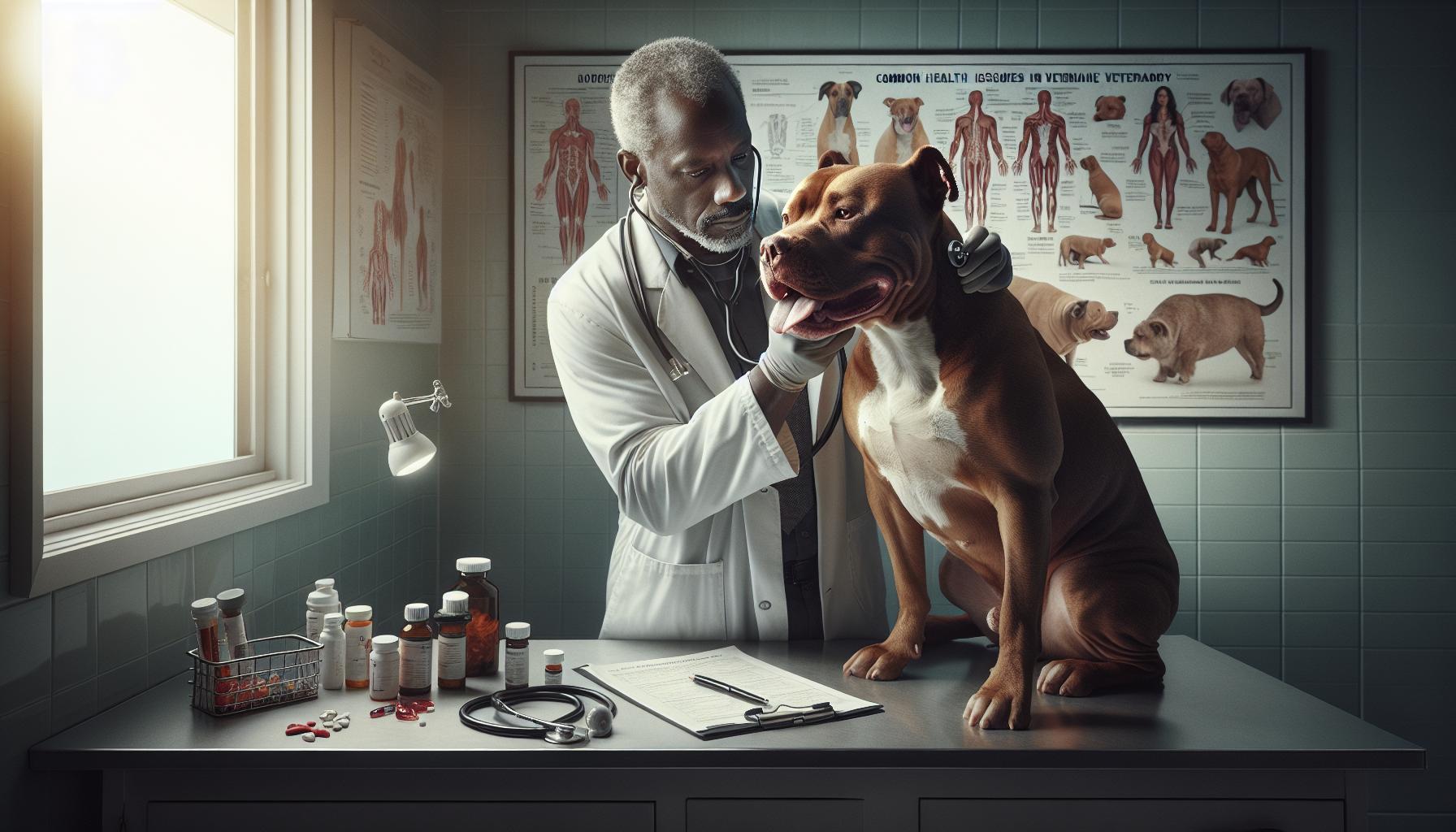
When it comes to the health of Red Nose Pitbulls, being proactive is key. This breed, celebrated for its strength and loyalty, can be prone to a range of health issues that could impact their lifespan. Understanding these common health challenges can help you take the necessary preventive measures to ensure your furry companion leads a long, healthy life.
One prominent concern is hip dysplasia, a genetic condition where the hip joint doesn’t fit perfectly into the hip socket. This can lead to arthritis and pain, especially as your dog ages. Regular veterinary check-ups and maintaining a healthy weight can help mitigate the risk. Another issue is skin allergies, which may manifest as itching, redness, or inflammation. Identifying allergens-be it food, pollen, or environmental factors-and getting appropriate treatments or dietary adjustments is crucial.
Furthermore, Red Nose Pitbulls can be susceptible to heart disease and respiratory issues. It’s essential to monitor your dog’s breathing during exercise and report any changes to your veterinarian. Ensuring they receive a balanced, nutritious diet and keeping their weight in check can also help prevent these conditions.
A noteworthy point to mention is certain cancers, such as lymphoma, which can be a concern in this breed. Regular monitoring for any unusual lumps or changes in behavior can lead to early detection and treatment. This emphasizes the importance of routine health examinations, not just vaccinations but also comprehensive health checks that screen for these potential concerns.
Ultimately, being informed and vigilant about these common health issues allows you to take a proactive approach to your Red Nose Pitbull’s care, enhancing both their quality of life and longevity. Regular veterinary visits and a supportive home environment will go a long way in nurturing their vibrant spirit.
Best Nutrition Practices for Longevity
Providing your Red Nose Pitbull with the right nutrition is essential not only for maintaining their overall health but also for extending their lifespan. A well-balanced diet helps bolster their immune system, supports healthy weight management, and significantly influences their energy levels and mood.
To start, prioritize high-quality proteins such as chicken, beef, or fish, as they are crucial for muscle maintenance and overall energy. Dogs, especially active breeds like Pitbulls, thrive on diets that are rich in animal-based proteins. Look for dog food where these proteins are listed as the first ingredient. Additionally, incorporating healthy fats, such as omega-3 and omega-6 fatty acids, can promote a shiny coat and maintain skin health, which is particularly important for breeds prone to skin issues.
Understanding Macronutrients
A balanced diet for your Pitbull should ideally consist of:
- Protein: 30-40% of their diet should come from protein sources.
- Carbohydrates: While dogs do need some carbohydrates for energy, they should be limited to about 30% of their diet. Opt for whole grains like brown rice or oats.
- Fats: Around 10-20% of their diet should consist of healthy fats, which support brain development and provide energy.
It’s crucial to avoid filler ingredients and additives often found in lower-quality dog foods. Check labels for ingredients like corn, wheat, and soy, which can contribute to allergies and digestive issues. Instead, focus on whole foods that contribute to a balanced diet tailored to their specific needs.
Common Supplements
In addition to their regular diet, certain supplements can further enhance your Red Nose Pitbull’s health and longevity:
- Glucosamine and Chondroitin: These supplements help support joint health, which is especially vital for active breeds.
- Probiotics: These can promote digestive health and improve nutrient absorption.
- Fish Oil: Rich in omega-3 fatty acids, it can help reduce inflammation and support skin health.
Always consult your veterinarian before introducing new foods or supplements into your dog’s diet. They can help you tailor a feeding plan that meets your Red Nose Pitbull’s unique health profile and lifestyle. By making mindful choices regarding their nutrition, you can significantly enhance their quality of life and longevity.
Importance of Regular Veterinary Checkups
Regular veterinary checkups are one of the most crucial elements in ensuring that your Red Nose Pitbull lives a long, healthy, and happy life. Just like us, dogs benefit from routine health evaluations, which can catch potential problems early, before they develop into more serious conditions. These visits allow veterinarians to do thorough assessments, from basic wellness exams to vaccinations, all tailored to meet the specific needs of your Pitbull.
During these appointments, your vet will typically perform a physical examination that checks vital factors such as weight, dental health, and coat condition. They can also conduct tests that screen for common breed-specific health issues, such as hip dysplasia and heart problems. In addition to physical exams, your vet may suggest regular blood work to monitor your dog’s organ function and detect any underlying issues early on. Early detection dramatically increases the success rate of treatments, leading to a longer lifespan and better quality of life for your canine companion.
It’s important to remember that the frequency of these checkups can vary based on your dog’s age, health status, and lifestyle. Generally, puppies should have a checkup every few weeks until they are about six months old, while adult dogs benefit from annual checkups. Senior Pitbulls might require more frequent visits to adjust their care plan as they age. Your vet will guide you on the best schedule based on your dog’s unique needs.
Beyond physical health, these visits are also a chance to discuss concerns you might have about behavior, training, or nutrition. A veterinary professional can provide personalized advice on how to maintain and enhance your dog’s quality of life, ensuring that your Red Nose Pitbull remains a happy, well-adjusted member of your family for years to come.
Training Tips to Enhance Quality of Life
Training your Red Nose Pitbull is not just about teaching commands; it’s a fundamental aspect of enhancing their quality of life. These intelligent and energetic dogs thrive on mental stimulation and structure. Engaging in consistent training sessions can lead to a well-behaved companion, which in turn fosters a deeper bond and contributes to their overall happiness and longevity.
To start, positive reinforcement is your best friend. Reward-based training encourages your Pitbull to respond to commands and reinforces good behavior without the stress of harsh corrections. Use treats, praise, and playtime as motivators. For example, if your dog sits on command, immediately reward them with a treat and affectionate praise. This reinforces the behavior and makes training a positive experience.
Socialization is another critical aspect of training that directly impacts your dog’s quality of life. Exposing your Red Nose Pitbull to a variety of environments, people, and other pets helps them develop confidence and reduces anxiety in unfamiliar situations. Aim for gradual introductions to new experiences, ensuring these encounters are enjoyable. A well-socialized dog tends to be calmer and more adaptable, which can prevent behavioral issues down the line.
Structured activities should also be part of your training regimen. Consider engaging in obedience classes, agility training, or even dog sports such as lure coursing or weight pulling. These activities provide not just an outlet for their abundant energy but also mental challenges that can boost their confidence and overall well-being. As you work together, your bond strengthens, and your Pitbull learns that training is fun!
Remember to be patient and consistent throughout your training journey. Celebrate small victories and don’t hesitate to revisit foundational skills as needed. With love, structure, and a commitment to ongoing training, you’ll set your Red Nose Pitbull up for a happier, healthier life for many years to come.
Exercise Needs for a Healthy and Happy Pitbull
For your Red Nose Pitbull, exercise is not just a way to burn off energy; it’s a crucial element for their overall health and longevity. These dogs are known for their muscular build and high energy levels, necessitating regular physical activity to keep them fit and mentally stimulated. A well-exercised Pitbull is not only happier but also less prone to behavioral issues that can arise from pent-up energy, such as chewing or excessive barking.
Engaging your Red Nose Pitbull in various activities can contribute to a fulfilling lifestyle. Daily walks are essential, typically totaling 60 minutes or more, divided into two or three sessions. Incorporating some jogs or runs can be beneficial, as these dogs are built for endurance. In addition to walks, consider activities like fetch, tug-of-war, and agility training. These not only provide physical stimulation but also strengthen your bond through interaction and teamwork.
Exercise Activities to Consider:
- Long walks or runs: Aim for at least 60 minutes each day.
- Fetch: A great way to engage their playful instincts and practice recall.
- Agility training: Set up a small course in your yard to keep their minds active.
- Swimming: An excellent low-impact exercise, particularly good for hot days.
Socialization shouldn’t be overlooked as part of their exercise regimen. Taking your Red Nose Pitbull to parks or dog-friendly events allows them to interact with other dogs and people, which is vital for their mental health. Remember, each dog is unique, so pay attention to their energy levels and adjust accordingly. Building a regular exercise routine not only enhances their physical condition but contributes to a more balanced and joyful life, ultimately impacting their lifespan positively. By providing ample opportunities for physical activity, you can help ensure that your Red Nose Pitbull enjoys a long, vibrant life filled with happiness and companionship.
The Role of Environment in Lifespan
Creating a suitable environment is paramount for the overall well-being and lifespan of your Red Nose Pitbull. Studies show that dogs thrive in environments that stimulate their physical and mental needs while also ensuring their emotional health. A dog’s quality of life is deeply influenced by its surrounding conditions-whether it’s the space they have to roam, the activities they engage in, or the social interactions they experience.
One of the most critical aspects of an appropriate environment is space. Your Red Nose Pitbull needs ample room to run and play, especially given their high energy levels. If you live in a small apartment, consider if you have access to a dog park or a large, safe area where your dog can exercise regularly. Additionally, a securely fenced yard can provide a safe haven for your pup to engage in self-directed play and explore their surroundings.
Moreover, the emotional environment is just as significant. Providing a loving atmosphere helps reduce stress, which can adversely affect health. Ensuring that your Pitbull has a comfortable space to retreat-including cozy bedding, toys, and engaging activities-contributes to their happiness and reduces anxiety. Exposure to a variety of experiences, such as meeting new people and dogs, can also aid in developing a well-rounded temperament, thereby promoting longevity.
Environmental stability is crucial as well. Red Nose Pitbulls can be sensitive to extreme weather conditions, requiring shelter and temperature control to avoid heat exhaustion or cold-related health issues. Additionally, avoiding exposure to potentially harmful substances-like hazardous plants, chemicals, and heavy traffic-can prevent injuries and health complications that may shorten their lifespan.
In summary, a nurturing, safe, and stimulating environment can significantly enhance your Red Nose Pitbull’s quality of life. By being mindful of their physical and emotional surroundings, you can help ensure they enjoy a long, healthy, and happy life.
Myths vs. Facts About Red Nose Pitbulls
Many misconceptions surround the Red Nose Pitbull, particularly regarding their behavior and health. Understanding these myths can help you make informed decisions about their care and well-being, ultimately contributing to a longer, healthier lifespan.
One prevalent myth is that all Pitbulls are inherently aggressive. In truth, a dog’s temperament is heavily influenced by socialization, training, and environment rather than breed alone. Red Nose Pitbulls, when raised in a loving and stimulating environment, can be incredibly affectionate and sociable. Positive reinforcement training and early social experiences can help them develop into well-mannered companions.
Another common belief is that Red Nose Pitbulls are at a higher risk for specific health problems than other breeds. While all breeds have unique health predispositions, Red Nose Pitbulls are generally healthy dogs. They can live between 12 to 16 years with proper care, attention, and regular veterinary check-ups. It’s crucial to remain vigilant about their health, as they’re prone to issues like hip dysplasia and skin conditions, which can be managed with veterinary guidance and a healthy lifestyle.
Additionally, people often assume that due to their muscular build and high energy levels, Red Nose Pitbulls require excessive exercise. In reality, their exercise needs are manageable. Regular walks, playtime, and mental stimulation are usually sufficient to keep them fit and happy. Over-exercising can even lead to injuries, underscoring the importance of balance in their activity levels.
By debunking these myths, we pave the way for a more informed and responsible approach to Pitbull ownership. This not only enhances the quality of life for these remarkable dogs but also fosters respect and appreciation for the breed as a whole.
Celebrating Red Nose Pitbulls: Stories & Impact
Celebrating the resilience and companionship of Red Nose Pitbulls offers a glimpse into the remarkable bond these dogs forge with their humans. Known for their loyalty and affection, many families have invaluable stories of joy, support, and unforgettable moments shared with their pitbull companions. For you, this breed can not only bring love into your home but also redefine your outlook on pet ownership, loyalty, and responsibility.
These dogs thrive in environments where they receive consistent training and loving care. Many Red Nose Pitbull owners share heartwarming anecdotes of how their pets have positively impacted their lives. For instance, one owner recalls how her Red Nose Pitbull, Bella, became her emotional support during tough times, showcasing the profound bond that can develop between breed and owner. This connection illustrates a broader reality-that when cared for and loved, these dogs are as capable of offering companionship and comfort as any other breed.
In addition to personal stories, the breed’s presence in popular culture has also significantly influenced attitudes toward pitbulls. Numerous organizations advocate for the fair treatment and recognition of these dogs, dispelling myths about aggression and emphasizing their gentle nature. Documentaries and social media campaigns often highlight how shelter dogs, including Red Nose Pitbulls, can transform the lives of their adopters, contributing further to the narrative of redemption and love.
It’s important to remember that every Red Nose Pitbull has the potential to be both a beloved companion and a vital member of your family. Their lifespan, typically ranging from 12 to 16 years, emphasizes the need for proper care and awareness of health issues. By prioritizing your dog’s well-being through regular veterinary check-ups, a balanced diet, and plenty of exercise, you can help ensure that they live a fulfilling and long life, continuing to inspire with their unique stories.
As you learn and grow alongside a Red Nose Pitbull, you not only enhance their life but also your own. Embrace the journey, share your experiences, and celebrate the positive impact your pitbull can have, fostering a widespread appreciation for this remarkable breed.
Faq
markdown
Q: What is the average lifespan of a Red Nose Pitbull?
A: The average lifespan of a Red Nose Pitbull is typically 12 to 14 years. This can vary based on factors such as genetics, health care, and living conditions. Providing proper nutrition and regular veterinary visits can help maximize their lifespan.

Q: How can I improve my Red Nose Pitbull's lifespan?
A: To improve your Red Nose Pitbull's lifespan, focus on high-quality nutrition, regular exercise, and routine veterinary checkups. Establish a healthcare plan that includes vaccinations, dental care, and parasite prevention to support overall well-being.

Q: Do Red Nose Pitbulls have health issues that affect their lifespan?
A: Yes, Red Nose Pitbulls can be prone to health issues like hip dysplasia, skin allergies, and heart disease. Being aware of these conditions and seeking early veterinary intervention can significantly enhance their quality of life and longevity.

Q: At what age is a Red Nose Pitbull considered a senior?
A: A Red Nose Pitbull is typically considered a senior around 7 years old. At this stage, it's essential to adjust their care routine to address changing health needs, including more frequent vet checkups and adjustments in diet and exercise.

Q: Can exercise impact the lifespan of a Red Nose Pitbull?
A: Yes, regular exercise can positively impact the lifespan of a Red Nose Pitbull by maintaining a healthy weight and supporting cardiovascular health. Aim for daily walks and playtime to keep your dog active and engaged, which can prevent obesity-related health issues.

Q: How does diet affect the lifespan of a Red Nose Pitbull?
A: A balanced diet plays a crucial role in the lifespan of a Red Nose Pitbull. Provide high-quality, breed-specific food rich in essential nutrients to support their health, energy levels, and immune system, which can contribute to a longer, healthier life.

Q: What are some common myths about Red Nose Pitbulls and their lifespan?
A: Common myths include the belief that Red Nose Pitbulls have exceptionally short lifespans due to their breed. In reality, with proper care and attention, they can live as long as other breeds, often up to 14 years or more. Understanding their needs helps dispel these myths.

Q: What precautions should I take to enhance my Red Nose Pitbull's lifespan?
A: Precautions include regular veterinary visits, a proper diet, and adequate exercise. Additionally, creating a safe environment and being cautious of extreme weather conditions can greatly help in keeping your Red Nose Pitbull healthy and extending their life.
Insights and Conclusions
Understanding the lifespan of your Red Nose Pitbull-typically between 12 to 16 years-empowers you to provide the best care possible to enhance their health and happiness. Remember, factors like nutrition, exercise, and regular veterinary visits play a crucial role in maximizing their longevity. If you’re eager to learn more about the care specifics and health concerns for Pitbulls, don’t miss our guides on proper nutrition and exercise routines.
Take action today! Consider subscribing to our newsletter for expert tips and resources to keep your furry friend thriving. Have questions or personal experiences to share? We’d love to hear from you in the comments below. Explore our related posts on the differences between Pitbull breeds and training techniques to deepen your understanding and bond with your loyal companion. Your journey with your Pitbull is just beginning-let us help you make it the best it can be!