Did you know that just like humans, dogs can also be born with genetic conditions that affect their health and behavior? The topic of pitbulls with Down syndrome is particularly significant, as it emphasizes the importance of understanding our furry friends’ unique genetic makeup. This article will delve into what Down syndrome looks like in pitbulls, shedding light on their specific needs and how you can support them. By exploring the genetics behind these conditions and the implications for care and training, we hope to foster a deeper appreciation for pitbulls and encourage responsible ownership. Join us on this journey to learn about these remarkable dogs and how to ensure they thrive in their homes. Your understanding and compassion can make a world of difference in their lives.
Understanding Down Syndrome in Dogs
Understanding that dogs, including pitbulls, can exhibit symptoms often likened to human Down syndrome is a topic of growing discussion among pet owners and animal behaviorists. While it’s important to clarify that what people refer to as “Down syndrome” in dogs does not exactly mirror the genetic condition in humans, certain genetic and developmental disorders can lead to similar characteristics. If you notice that your pitbull exhibits features such as unique facial structures, delayed development, or behavioral challenges, it’s crucial to consult with a veterinarian.
A key aspect in understanding these canine conditions is to recognize that they often arise from genetic mutations or abnormalities. For instance, certain breeds, including pitbulls, can be more prone to specific inherited disorders, which may result in physical and behavioral traits that could be reminiscent of Down syndrome in humans. However, these traits can stem from a range of conditions, such as congenital disabilities or developmental delays, rather than a direct equivalent to human genetics. These conditions might include heart problems, skeletal issues, or even behavioral challenges that can influence the dog’s interaction with their environment and owners.
When considering a pitbull with genetic conditions, it’s essential to provide tailored care and support. Regular veterinary check-ups and appropriate health screenings can help identify any potential issues early on. Additionally, engaging in proper training and socialization from a young age can significantly enhance a pitbull’s ability to thrive. Use positive reinforcement techniques to motivate your dog, and maintain a consistent routine to help establish a sense of security and predictability in their daily life.
Supporting a pitbull with unusual genetic traits can also involve modifications in their environment and lifestyle. This means creating an inclusive atmosphere where your dog can feel comfortable and confident. Frequent gentle exercise, mental stimulation through puzzles or interactive toys, and proper nutrition tailored to their health needs play vital roles in promoting overall well-being. Remember, the bond you create through understanding and patience with your dog is invaluable, paving the way for a fulfilling companionship that celebrates their unique qualities.
Genetic Conditions Affecting Pitbulls
While the idea of “Down syndrome” in dogs, particularly pitbulls, may capture your attention, it’s important to remember that the genetic disorders affecting dogs differ significantly from human conditions. However, pitbulls can be predisposed to a variety of genetic health issues due to their unique genetic makeup. Understanding these conditions can help you provide the best possible care for your furry companion.
Pitbulls are known for their strength and friendly nature, but they can inherit specific genetic disorders that may affect their physical and mental well-being. Some common conditions found in pitbulls include hip dysplasia, skin allergies, and certain heart problems. Genetic testing and regular veterinary check-ups can help identify these issues early, allowing for proactive management and treatment.
Moreover, behavioral disorders may also arise in pitbulls, potentially influenced by genetics and environmental factors. Dogs with genetic predispositions to anxiety or aggression might require additional training and socialization. Implementing a well-structured training routine using positive reinforcement can be beneficial for these dogs. Establishing consistency in your training methods not only helps your pitbull learn but also strengthens the bond you share.
To highlight the challenges and triumphs faced by pitbulls with genetic conditions, some owners have shared remarkable stories of their pets overcoming obstacles through dedicated care and patience. Providing a safe, loving environment is crucial, as is ensuring that your pitbull receives a balanced diet tailored to their specific health needs, which can play a significant role in managing their conditions.
As responsible owners, it’s our duty to educate ourselves about the genetic health issues that may affect our beloved pets and ensure they live happy, fulfilling lives. Being well-informed allows you to celebrate the unique qualities of pitbulls while actively supporting their health and well-being.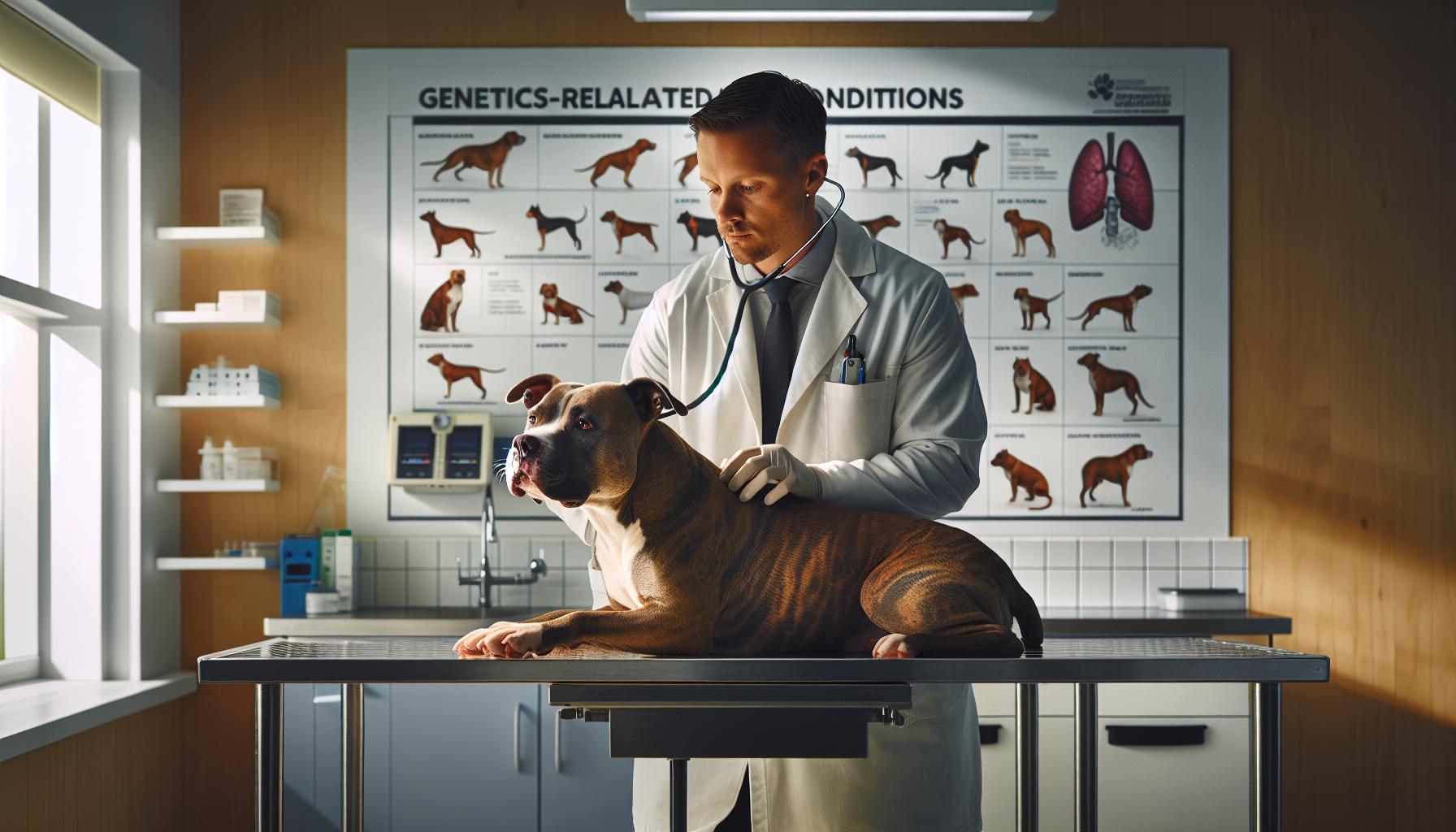
Identifying Signs of Genetic Disorders
Identifying genetic disorders in pitbulls, or any breed, can sometimes be a challenging task for owners, especially since symptoms may not always be apparent or can mimic other conditions. Early recognition is crucial for effective management and ensuring a good quality of life for your dog. Understanding what to look for is a vital step in this process.
A few common signs might indicate a genetic disorder in your pitbull. Physical symptoms can include unusual growth patterns, such as stunted growth or disproportionate body parts. You might notice behavioral changes as well, like increased aggression, anxiety, or difficulty in social interactions, which could suggest underlying genetic issues. Regular health check-ups with your veterinarian can reveal many of these subtle signs through routine examinations or genetic testing.
Here are some specific signs to keep an eye on:
- Persistent Lethargy: If your pitbull seems less active than usual or lacks interest in play, it could indicate a potential health issue.
- Skin and Coat Changes: Noticeable changes like excessive scratching, bald patches, or unusual odors can signify skin conditions, which may be hereditary.
- Physical Limitations: Difficulty in jumping or climbing stairs might be a sign of hip dysplasia or other joint issues often seen in the breed.
- Weight Fluctuations: Sudden weight loss or gain can signal underlying health problems that may have a genetic basis.
Regular communication with your veterinarian about any changes you observe is essential. They may recommend genetic testing to better understand your pitbull’s predisposition to certain conditions. Keeping a detailed journal of your dog’s health and behavior can aid you and your vet in tracking any changes over time, ensuring that any emerging issues are addressed promptly. By being vigilant and proactive, you can help your pitbull lead a happier and healthier life.
The Science Behind Canine Down Syndrome
While the term “Down syndrome” is primarily associated with humans, the concept of a similar condition in dogs, particularly pitbulls, is a topic stirring both interest and confusion. Canine genetics is complex, and while dogs do not exhibit Down syndrome in the same way humans do, they can encounter a range of genetic disorders that affect their development and behavior. It’s crucial to understand the fundamentals of genetics when discussing potentially related conditions in our beloved pets.
Canine Down syndrome is not officially recognized in veterinary medicine. However, dogs can have chromosomal abnormalities much like humans. These genetic inconsistencies may lead to developmental issues and certain physical features reminiscent of those observed in Down syndrome, such as a distinct appearance due to skeletal abnormalities or developmental disabilities. This is primarily a result of inheriting mutations or undergoing chromosomal deletions or duplications rather than a direct parallel to human Down syndrome.
In addition, some genetic disorders carry symptoms that may appear similar to those displayed by humans with Down syndrome. For instance, certain conditions characteristic of specific breeds, including pitbulls, can manifest as cognitive delays or physical irregularities. As an owner, you might observe signs such as:
- Behavioral Challenges: Increased anxiety, difficulty in training, or behavioral quirks.
- Physical Traits: Unusual facial features or body proportions that don’t align with typical breed characteristics.
- Health Complications: Issues related to mobility or growth that may impact quality of life.
To differentiate these conditions, a comprehensive veterinary examination is paramount. Genetic testing can provide insights into your pitbull’s specific health risks, helping guide treatment and training options. Additionally, enriching your pitbull’s environment with appropriate mental and physical stimuli can significantly improve their quality of life, regardless of any genetic predisposition they may have.
Understanding these genetic foundations empowers you to provide the best care for your pitbull. Each dog is unique, and with the right attention and love, dogs with genetic conditions can lead fulfilling lives, reminding us of the resilience and strength seen in both canines and their owners.
Differences Between Down Syndrome and Other Disorders
Understanding the nuances between Down syndrome and other disorders affecting dogs is crucial for responsible ownership and effective care. While the term “Down syndrome” is not applicable to canines, many genetic conditions can lead to similar behavioral and physical characteristics. It’s important to differentiate these disorders to ensure proper diagnosis and treatment, allowing your pitbull to thrive.
Genetic abnormalities like chromosomal abnormalities can manifest in dogs through a range of conditions-including those that might cause cognitive or physical challenges. For instance, inbreeding within certain breeds, including pitbulls, can lead to inherited health issues such as hip dysplasia, skin disorders, and heart problems. These conditions may produce symptoms akin to those seen in humans with Down syndrome, such as cognitive delays or distinct physical features, yet they stem from different genetic causes and mechanisms.
Understanding the Differences: Below is a comparative overview of key differences between genetic conditions that might mimic Down syndrome in dogs and recognized canine disorders:
| Feature | Down Syndrome (Human) | Similar Canine Conditions |
|---|---|---|
| Genetic Basis | Trisomy 21 (extra chromosome 21) | Chromosomal abnormalities (e.g., deletions or duplications) |
| Behavioral Symptoms | Intellectual disability, social challenges | Cognitive delays, anxiety, or training difficulties |
| Physical Symptoms | Distinct facial features, growth issues | Unusual body proportions, skeletal abnormalities |
| Health Complications | Higher risk of congenital health issues | Breed-specific conditions (e.g., hip dysplasia) |
While some conditions present similar behavioral traits, each disorder has distinct genetic origins and health implications. When faced with concerns about your pitbull’s development, consulting with a veterinarian who understands the breed’s unique genetic predispositions is vital. They can guide you through the testing and assessment processes, helping you to discern between different disorders and providing a path for suitable management strategies.
As a loving owner, your role is to advocate for your pitbull’s health by being observant and proactive. By educating yourself about the differences among these conditions and seeking the right support, you can create an enriching environment that celebrates your dog’s uniqueness, ensuring they lead a happy and healthy life.
Myths and Misconceptions About Down Syndrome
Although many people may have heard of “Down syndrome” in the context of human genetics, applying this term to dogs, including pitbulls, has led to many myths and misconceptions. One of the most significant misunderstandings is that dogs can have true Down syndrome, similar to humans. In reality, there is no direct equivalent in dogs; instead, various genetic disorders can present symptoms reminiscent of Down syndrome, but they arise from different genetic mechanisms.
Many individuals assume that a dog diagnosed with a condition similar to Down syndrome has no potential for a fulfilling life. This could not be further from the truth. Dogs with genetic disorders can lead happy and enriched lives with the proper care, environment, and support. It is crucial for dog owners to understand that while these dogs may face challenges, they can thrive with the right training, socialization, and veterinary care. These dogs often exhibit unique personalities and can form deep bonds with their human companions, showcasing resilience and charm.
Another common myth is the belief that dogs with genetic conditions are less intelligent or incapable of learning. While cognitive challenges may be more pronounced in some dogs, many can learn and perform commands effectively, especially when approached with patience and positive reinforcement. Tailoring training methods to accommodate individual needs not only helps the dog but also strengthens the bond between the pet and its owner.
Given these misconceptions, effective education is key to responsible ownership. Engaging with communities that celebrate dogs with genetic conditions, reading reputable resources, and consulting with veterinarians can offer tremendous support and insight. By driving awareness on this topic, you can help dismantle stigma and ensure that every pitbull-regardless of its genetic makeup-receives the love and care it deserves.
Training and Socializing Dogs with Genetic Conditions
Training a dog with genetic conditions requires a thoughtful approach tailored to their unique needs. Understanding that each dog is an individual with their own personality, training style, and pace of learning is the first step towards successful training and socialization. Pitbulls, known for their intelligence and eager-to-please nature, can thrive with the right methods, fostering both their confidence and skills.
A positive reinforcement-based training strategy is the most effective way to encourage desired behaviors in dogs, particularly those facing challenges due to genetic conditions. This involves rewarding good behavior with treats, praise, or playtime, which can help to build a trusting relationship between you and your dog. Here are some practical tips to enhance your training approach:
- Start with Basic Commands: Focus on essential commands such as “sit,” “stay,” and “come.” These foundation skills can help establish a routine and a sense of security for your dog.
- Be Consistent: Use the same commands and gestures each time to avoid confusing your dog. Consistency is key to helping them understand your expectations.
- Keep Sessions Short: Limit training sessions to 5-10 minutes to hold your dog’s attention and prevent frustration, gradually increasing the length as they become more comfortable.
- Use Visual Cues: Dogs often respond well to visual cues along with verbal commands. Pairing a hand signal with a command can reinforce understanding.
Socialization is another critical aspect of your dog’s development. Exposing your pitbull to new environments, people, and other animals when they are young can lead to a well-adjusted adult dog. For dogs with genetic conditions, gradual introduction to social situations is crucial to prevent overwhelm. Here’s how you can approach this:
Steps for Effective Socialization
- Introduce New Experiences Gradually: Take your dog to quiet parks or less crowded places at first, allowing them to acclimate slowly.
- Monitor Interactions: Always supervise interactions with other dogs and people. Look for signs of stress, and know when to step in and provide a break.
- Celebrate Small Wins: Reward your dog for calm behavior around new stimuli. Positive associations will help them feel secure and confident.
Incorporating these strategies not only benefits your dog’s training and social skills but also strengthens the bond between you. With patience, love, and dedication, you will enjoy a fulfilling relationship with your pitbull, irrespective of their genetic makeup. Remember, the goal is to create a nurturing environment where your dog feels secure and understood, enabling them to thrive and showcase their incredible personality.
Health Care for Pitbulls with Genetic Disorders
For Pitbulls with genetic disorders, including conditions loosely likened to Down syndrome in humans, a proactive approach to healthcare is essential. Understanding your dog’s specific condition enables you to provide tailored care that enhances their quality of life. Regular veterinary visits are imperative; these check-ups allow for early detection of health issues that are more common in dogs with genetic predispositions. Depending on their symptoms, your vet may suggest various screenings or tests to assess organ function, blood profiles, or genetic testing that can inform your dog’s care plan.
Regular Monitoring and Vet Visits
Keeping a close eye on your pitbull’s health helps identify any changes that could indicate underlying problems. Schedule biannual check-ups to monitor their development and address any emerging issues quickly. Communication with your vet about any changes in your dog’s behavior, appetite, or energy levels is vital. You can expect your veterinarian to conduct physical examinations and may recommend additional tests like x-rays or ultrasounds based on observed symptoms.
Nutritional Needs
Diet plays a crucial role in managing the health of dogs with genetic disorders. Providing high-quality, breed-appropriate nutrition can help support their overall health and mitigate some genetic issues. Consult with your vet to develop a feeding plan that may include:
- High-Quality Proteins: Necessary for muscle maintenance and overall health.
- Balanced Fats: Essential fatty acids can support skin and coat health.
- Vitamins and Minerals: Specific supplements might be recommended to target health needs.
Always avoid feeding your pitbull human foods that can be toxic, such as chocolate, grapes, or onions. A specialized diet may also be recommended for weight management or to alleviate stress on joints, particularly for dogs prone to orthopedic issues.
Therapeutic Options
Some dogs might benefit from alternative therapeutic options, such as physical therapy or acupuncture, which can help to improve mobility and overall well-being. For pitbulls with severe genetic conditions, considering interventions like medication for pain management or anxiety may be necessary. Always discuss these options with your vet to create a comprehensive care plan tailored to your dog’s needs.
By being informed and involved in your pitbull’s healthcare journey, you can foster a supportive environment for your dog. Remember, the goal is to ensure they lead a happy, fulfilling life despite any genetic challenges they may face. With your commitment and care, your pitbull can thrive, showcasing their unique personality and charm.
Responsible Ownership of Pitbulls with Special Needs
Being a responsible owner of a pitbull with special needs requires a deep commitment to understanding and meeting their unique requirements. Did you know that pitbulls, despite facing a myriad of misconceptions, are incredibly resilient and adaptable dogs? When you welcome one of these dogs into your home, particularly those with genetic conditions, you’re entering a rewarding journey filled with the opportunity to provide a better life for a very special companion.
To start, educating yourself about your pitbull’s specific needs is crucial. Special conditions may mean that your dog requires extra attention in areas such as medical care, socialization, and behavioral training. Regular veterinary visits become even more essential, as your pitbull may face challenges that those without genetic disorders do not. This proactive approach allows for timely interventions and helps foster a bond built on trust and mutual understanding. Look for vets who are familiar with genetic disorders in dogs; they can offer valuable insights and personalized care plans.
Creating a supportive environment is also vital. This means investing in training programs specifically designed for dogs with disabilities and being patient as your pitbull navigates their world. Techniques often used for socializing and training standard pitbulls may need to be adapted to suit your dog’s unique learning pace. Additionally, ensure your home is safe and accessible. For instance, consider using ramps if mobility is an issue, and remove potential hazards that could lead to injury.
Nutrition tailored to your dog’s condition also plays a key role in their overall well-being. Collaborate with a vet to identify a diet that not only supports their physical health but also enhances their energy levels and mood. Nutritional choices can significantly impact how they manage their condition, making it essential to be well-informed and vigilant about what you’re feeding them.
Ultimately, responsible ownership goes beyond just meeting basic needs; it encapsulates an understanding of the love, patience, and enthusiasm you invest in your pitbull’s life. Engage with communities and support groups to learn from other owners experiencing similar challenges. Connecting with others can provide not just resources but also emotional support, reinforcing the idea that you are part of a community of loving pitbull advocates. Your pitbull can thrive under your care, becoming a cherished member of your family who fills your life with joy.
The Role of Nutrition in Genetic Health
Nutrition plays a crucial role in supporting the overall health and well-being of pitbulls, particularly those who may have genetic conditions like Down syndrome or similar disorders. Just like in humans, a well-balanced diet can significantly influence a dog’s quality of life, energy levels, and ability to manage their unique health challenges. Being mindful of what you feed your pitbull can help address specific needs and contribute to their longevity.
To ensure optimal nutrition, it’s essential to collaborate closely with a veterinarian who understands your pitbull’s genetic condition. They can recommend a diet rich in high-quality proteins, healthy fats, and essential vitamins and minerals tailored to support not only their physical health but also their cognitive function. Foods that are high in omega-3 fatty acids, for example, can be beneficial for brain health and inflammation reduction. When selecting dog food, look for options that list real meat as the first ingredient and avoid fillers that offer little nutritional value, such as corn and soy.
Additionally, consider incorporating fresh fruits and vegetables into your pitbull’s diet. Items like blueberries, sweet potatoes, and carrots can serve as excellent sources of vitamins and antioxidants. Not only do these foods support immune function, but they can also enhance overall energy levels and provide a satisfying way to treat your dog without overloading them with calories. Always remember to introduce any new foods gradually and monitor how your pitbull reacts to them, as some dogs may have sensitivities or allergies.
Ultimately, a thoughtful approach to nutrition can pave the way for a happier and healthier life for your pitbull. By prioritizing dietary choices and remaining vigilant about their intake, you’re playing an active role in managing their genetic health and ensuring they thrive in your care. Embrace this opportunity to celebrate their uniqueness by crafting a diet that caters to their needs while showing them just how much you care.
Famous Pitbulls with Unique Conditions
When it comes to exceptional dogs that have captured the hearts of many, a few pitbulls with unique conditions stand out as inspirational examples. For families who may have a pitbull that exhibits characteristics similar to Down syndrome or other genetic disorders, these famous dogs illustrate the joy and love that can flourish within this breed, regardless of their challenges.
One well-known example is Punky, a pitbull who gained fame on social media for her distinctive features often associated with what some refer to as a canine version of Down syndrome. Punky’s endearing expressions and playful demeanor have earned her a wide following, helping to raise awareness about genetic conditions in dogs. Her owners promote messages of acceptance and love, championing the idea that dogs with special needs can lead fulfilling lives and bring immense joy to their families.
Another remarkable pitbull is Coco, who also has a genetic condition that affects her physical development. Coco’s story is one of resilience; despite her challenges, she participates regularly in dog shows and community events, dazzling spectators with her spirited personality. The engagement of her owner and the supportive environment they create together emphasizes the importance of social interaction, training, and unconditional love in nurturing a pitbull with special needs.
Beyond highlighting individual stories, it’s essential to acknowledge that these famous pitbulls serve a broader purpose in changing perceptions of dogs with genetic conditions. By showcasing their unique qualities and vibrant personalities, they underline the importance of responsible ownership and advocacy for all dogs, regardless of their health challenges. Their lives reflect the idea that, with proper care and love, any dog can thrive and inspire others.
Ultimately, the stories of these pitbulls illustrate not just the challenges that can accompany genetic conditions but also the remarkable spirit and capability of these dogs. For you, as a pitbull owner of a special needs dog, it’s a heartening reminder that your furry friend has the potential to be a beacon of hope and positivity, much like Punky and Coco. Embracing their uniqueness can lead to a deeply rewarding and loving relationship that transcends any obstacles they may face.
Resources for Support and Advocacy in Canine Genetics
Navigating the world of canine genetics, especially when it involves conditions akin to Down syndrome in dogs, can be both challenging and rewarding. For owners of pitbulls or any breed with genetic disorders, having access to the right resources can make a significant difference in providing the best care and support for your furry friend.
Many organizations and online communities offer support for pet owners dealing with genetic conditions in dogs. Websites like the American Kennel Club (AKC) and The Dog People provide extensive resources on breed health and genetic testing. They often feature articles on understanding genetic disorders, training tips, and health care tailored to dogs with special needs. Additionally, local shelters and breed-specific rescue groups can offer guidance, advice, and sometimes even foster programs for dogs with unique conditions.
Social media platforms also serve as invaluable tools for connection and advocacy. Following accounts that share stories of pitbulls and other dogs with genetic challenges can provide inspiration and community support. Instagram and Facebook groups dedicated to special needs pets often facilitate discussions about training methods, nutrition, and health care options. Sharing your experiences and learning from others can create a supportive environment that fosters a deeper understanding of your dog’s needs.
Finally, consider reaching out to professional organizations such as The Canine Health Foundation or veterinary genetics specialists. These resources contribute valuable research and practical advice on managing health issues associated with genetic conditions. They can help you stay informed about the latest advancements in genetic testing and treatment options, empowering you to make educated decisions for your pitbull’s care.
In summary, leveraging these resources not only helps improve the quality of life for your pet but also builds a community of supportive fellow owners who share a common goal of advocating for and celebrating the unique qualities of dogs with genetic conditions.
Frequently asked questions
Q: Can Pitbulls with Down Syndrome lead a normal life?
A: Yes, Pitbulls with Down Syndrome can lead fulfilling lives. With proper care, training, and attention to their unique needs, they can thrive and integrate well into family environments. Focus on providing a structured routine and social interactions to enhance their quality of life.
Q: What are the common behavioral issues in Pitbulls with genetic disorders?
A: Common behavioral issues in Pitbulls with genetic disorders may include difficulty with socialization, impulsivity, and challenges in learning commands. Early and consistent training, combined with patience and positive reinforcement, can help address these behaviors effectively.
Q: How does nutrition impact the health of Pitbulls with Down Syndrome?
A: Nutrition is crucial for Pitbulls with Down Syndrome, as a balanced diet supports their overall health and can help manage any related health issues. Consult with a veterinarian to develop a tailored diet plan that meets their specific needs, focusing on high-quality ingredients.
Q: Are there specific health tests for Pitbulls at risk of genetic disorders?
A: Yes, health tests can identify genetic disorders in Pitbulls. Common tests include hip evaluations, cardiac screenings, and genetic testing for conditions like degenerative myelopathy. Early detection allows for timely management and can significantly improve their quality of life.
Q: How can I find support for my Pitbull with special needs?
A: Support for owners of Pitbulls with special needs can be found through local animal welfare organizations, breed-specific rescues, and online forums. Connecting with others in similar situations can provide valuable resources and emotional support.
Q: What strategies can help train a Pitbull with a genetic condition?
A: To train a Pitbull with a genetic condition, apply consistent routines, use positive reinforcement techniques, and break tasks into small, manageable steps. Patience is key, and incorporating play into training can make the process enjoyable for both you and your dog.
Q: What are myths about Pitbulls that may affect special needs dogs?
A: Common myths include beliefs that Pitbulls are inherently aggressive or unsuitable as family pets. These misconceptions can lead to limited adoption options for special needs Pitbulls. Educating others about the breed’s true temperament can help ensure they receive the love and support they deserve.
Q: How can I socialize my Pitbull with Down Syndrome effectively?
A: Socializing a Pitbull with Down Syndrome requires gradual exposure to new environments and other dogs. Begin in controlled settings, ensuring positive experiences through treats and praise. Slowly expand their interactions while monitoring their comfort levels to build confidence.
Concluding Remarks
Understanding pitbulls with Down syndrome enriches our appreciation for these incredible dogs and the unique challenges they face. It’s essential to acknowledge that although they may require additional care, their capacity for love and joy is boundless. If you’re passionate about responsible pitbull ownership, dive deeper into our resources on breed genetics and training techniques to ensure a happy, healthy life for your furry friend.
Don’t wait-subscribe to our newsletter for the latest insights, stories, and tips that keep you informed about your beloved pitbull. Feel empowered to share your experiences or ask questions in the comments below. Together, let’s celebrate these remarkable dogs and advocate for their well-being. Continue exploring our site for more valuable content related to pitbull health and care, and remember, every shared story amplifies our community’s voice and strengthens our commitment to these loving companions.