Did you know that breed-specific legislation (BSL) often targets pit bulls based on misconceptions rather than actual behavior? Understanding the implications of laws governing this beloved breed is crucial for responsible dog owners. In “Pitbull Tax: Understanding Breed Liability Laws,” we delve into the nuances of BSL, exploring how these regulations can affect your ability to own a pit bull and what it means for your responsibilities as a caregiver. Whether you’re a seasoned pit bull enthusiast or considering adopting one, it’s essential to grasp the legal landscape that shapes your ownership experience. Join us as we unravel these laws, empowering you to make informed decisions that ensure the welfare of your pet and the safety of your community.
Understanding Breed Liability: What Is the Pitbull Tax?
Understanding breed liability, particularly when it comes to pit bulls, encompasses a complex interplay of legal responsibilities and societal perceptions. Often referred to colloquially as the “Pitbull Tax,” this term signifies the additional financial and legal burdens that pit bull owners may face due to the breed’s reputation and historical scrutiny. By knowing and addressing these implications, you can better navigate the responsibilities that come with owning a pit bull.
In many regions, owners of certain breeds, including pit bulls, are subject to unique insurance requirements that reflect the increased perceived risk associated with these dogs. This can manifest in higher premiums, specific exclusions in policies, or even difficulty in obtaining coverage altogether. Many insurance companies may levy additional fees for pit bull owners or deny coverage based on breed stereotypes, which, while often unfounded, directly influence the cost of ownership. For example, while traditional pet insurance typically covers veterinary expenses, those looking for liability coverage for their pit bulls may need specialized policies that specifically address breed-related risks [[3]](https://www.xinsurance.com/blog/pit-bull-liability-insurance/).
Moreover, legal frameworks around breed-specific legislation (BSL) can add layers of responsibility for pit bull owners. Some states or municipalities impose stricter liability laws on certain breeds, holding owners financially accountable in the event of an incident involving their dog. For instance, if a pit bull were to injure someone, the owner might be required to cover medical costs and other damages, reflecting a broader trend toward increasing liability on breeds perceived as dangerous [[2]](https://www.malmlegal.com/blog/holding-pit-bull-owners-liable-after-attack/). This environment can lead to anxiety among owners about maintaining compliance with local laws and ensuring their dog is adequately secured and trained.
To mitigate these challenges, responsible ownership plays a crucial role. Engaging in positive training practices, ensuring proper socialization, and understanding your dog’s specific needs can significantly reduce the likelihood of incidents that might lead to liability claims. Additionally, being proactive in understanding local laws related to breed liability can empower you to advocate for your pet while also promoting a more informed perspective among the community regarding pit bulls. By adopting these practices, you can contribute to a more positive narrative around the breed, reducing the stigma and financial implications often associated with pit bull ownership.
The Legal Landscape: Breed-Specific Legislation Explained
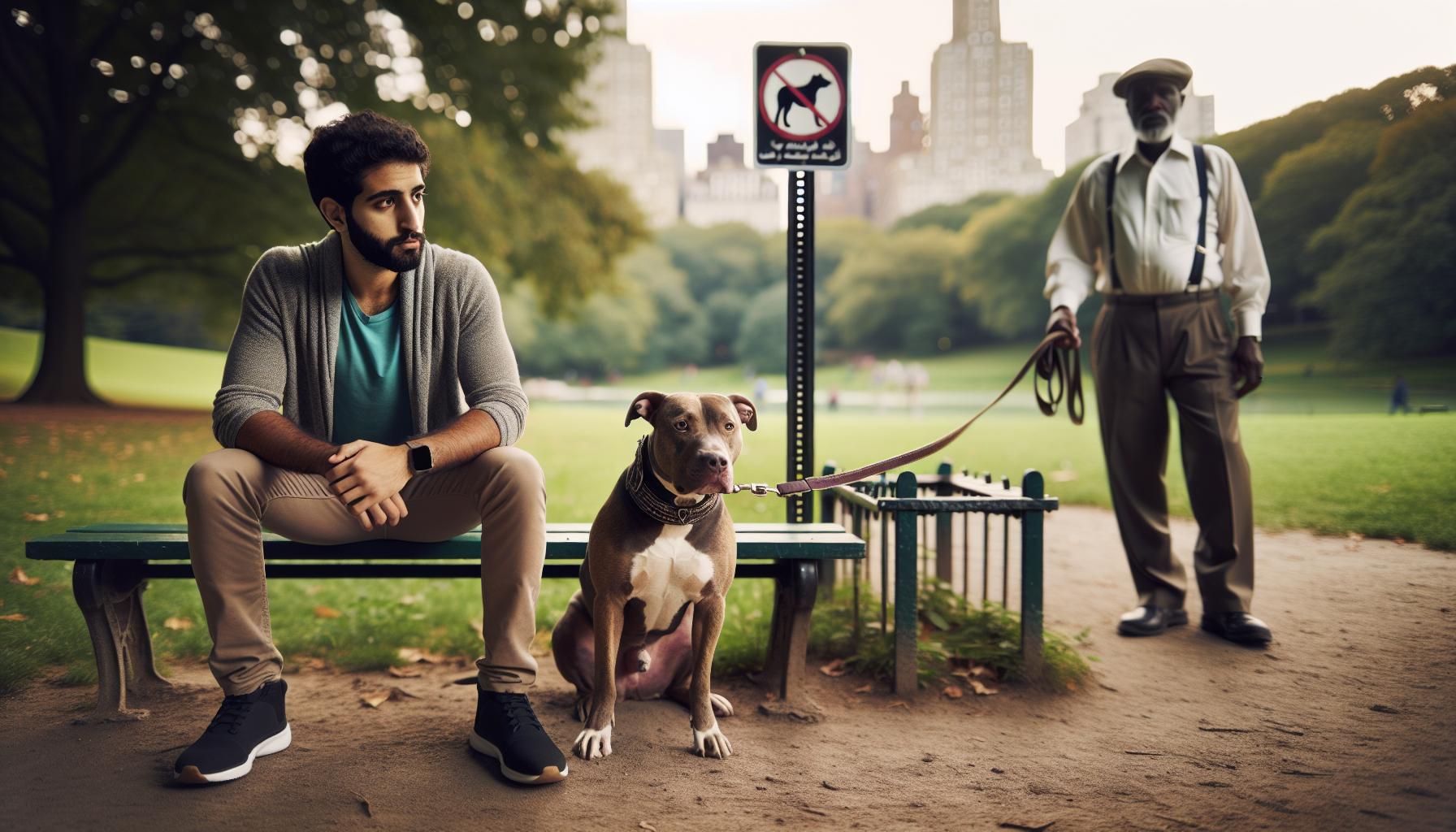
The conversation surrounding breed-specific legislation (BSL) has gained significant momentum in recent years, particularly for breeds like pit bulls, often deemed to be at higher risk for aggressive behavior. This legislation can take various forms, from outright bans to restrictions on ownership, like mandatory muzzling or containment requirements. As an owner, understanding the nuances of these laws is crucial not just for compliance, but for the broader responsibility of fostering a safer environment for both your dog and the community.
BSL laws vary widely from one jurisdiction to another, reflecting local attitudes towards dogs perceived as dangerous. Some states have enacted comprehensive laws that specifically target certain breeds, which can impose severe penalties on owners in the event of an incident. For example, if a pit bull were to bite someone, the owner might face steep fines, increased insurance premiums, or even legal action to recover medical costs and damages-a scenario that exemplifies the so-called “Pitbull Tax.” On the other hand, some areas have rejected BSL in favor of more general dangerous dog laws that apply to all breeds based on individual behavior, aiming to promote responsible ownership without stigmatizing specific breeds.
It’s also valuable to be aware that advocacy groups have played a pivotal role in the discourse surrounding BSL. Organizations dedicated to animal welfare often argue against breed-specific laws, asserting that proper training, responsible ownership, and socialization are far more indicative of a dog’s behavior than its breed. These groups seek to educate the public about the true nature of pit bulls and challenge stereotypes that contribute to discriminatory laws. By staying informed about the legislative landscape and engaging with advocacy efforts, you not only protect your rights as a pit bull owner but also help shift the narrative towards a more equitable understanding of all breeds.
As you navigate these complex legal waters, consider establishing connections with local dog training organizations or breed advocacy groups. Their resources can help you understand your rights and responsibilities while equipping you to advocate for more inclusive legislation that emphasizes responsible ownership over breed discrimination. This proactive stance not only aids in compliance but fosters a community that recognizes the positive traits of pit bulls, celebrating their potential as loving and loyal companions.
How Breed Liability Laws Affect Pitbull Owners

The financial implications of breed liability laws can be significant for pit bull owners, often manifesting in what many refer to as the “Pitbull Tax.” This term encompasses not just the financial costs associated with compliance to specific regulations but also the broader economic impact stemming from potential liabilities. In areas with breed-specific legislation (BSL), owners may face higher insurance premiums, mandatory special coverage, or even outright bans on certain breeds, all of which can strain household budgets.
Many states impose stringent regulations that require pit bull owners to hold specific licenses or insurance policies, a direct response to perceived risks associated with the breed. For instance, if a pit bull is involved in an incident resulting in injury or property damage, the owner may face hefty fines, legal fees, and increased insurance costs. This scenario can put considerable financial pressure on owners, who might already be perceived as responsible for their dog’s behavior. The fear of hefty penalties often leads to heightened vigilance and proactive measures that can mitigate these liabilities, but it may also reinforce negative stereotypes.
Moreover, the burden of liability laws isn’t purely financial. Pit bull owners may experience emotional and psychological stress, feeling isolated due to changing perceptions in their communities. Some may even find themselves struggling to secure housing or rentals-a reflection of growing fears about breed types, despite a dog’s individual behavior. Advocacy groups are increasingly working to counter these stigmas by promoting education about responsible ownership and highlighting the positive traits of pit bulls, which can foster a more supportive environment for owners.
Understanding these dynamics is crucial for responsible pit bull ownership. By familiarizing yourself with local laws and the specific requirements for pit bulls in your area, you can better navigate potential pitfalls. Engaging with community resources, connecting with local advocacy organizations, and investing in your dog’s training and socialization can not only reduce risks but also enable you to celebrate the loveable and loyal nature of pit bulls in a world too often focused on fear and misunderstanding. Being informed is your greatest asset in ensuring your beloved companion can thrive in any environment.
Common Myths About Pitbulls and Liability Laws

Many misconceptions surround pit bulls, especially in relation to liability laws and breed-specific legislation (BSL). One prevalent myth is that all pit bulls are inherently aggressive and more prone to attack than other breeds. However, studies have shown that behavior is influenced far more by an individual dog’s upbringing, socialization, and training than its breed. In fact, dogs across all breeds can display aggression if they are not properly socialized or if they are mistreated. By understanding this, you can appreciate that the majority of pit bulls are well-mannered and loving companions.
Another common misunderstanding is that owning a pit bull automatically results in higher legal liabilities or insurance premiums. While it’s true that some insurance companies impose restrictions or higher rates for policies covering specific breeds, many dog owners are unaware that they can often find more accommodating insurers. By educating yourself, you can secure insurance that fairly assesses your dog’s risks based on individual behavior rather than breed alone. Moreover, investing in training and proper socialization for your pit bull can further mitigate potential liabilities, showcasing that responsible ownership significantly influences a dog’s behavior.
It’s also essential to recognize that the rules regarding pit bulls can vary drastically depending on local laws. Some regions may enforce strict BSL and penalties for pit bull ownership, while others may have more lenient regulations. Always check your local legislation to understand your rights and responsibilities fully. By staying informed and involved in your community, you can aid in dispelling myths and promoting a better understanding of pit bulls. Engaging with advocacy groups, attending local meetings, and sharing your experiences can help reshape perceptions and foster a more supportive environment for all dog owners.
Finally, it’s crucial to acknowledge that breed-specific legislation does not effectively enhance public safety; instead, it often deepens stigma and misconceptions surrounding the breed. Education is key in countering these myths. By celebrating the positive attributes of pit bulls, such as their loyalty, intelligence, and affection, you can contribute to a culture that values understanding over fear, ultimately promoting responsible ownership and appreciation for these misunderstood dogs.
Navigating Insurance Implications for Pitbulls

Navigating the world of insurance as a pit bull owner can feel like wandering through a maze filled with pitfalls and uncertainties. Many people are surprised to learn that insurance implications for pit bulls can vary widely, depending on numerous factors, including the dog’s behavior, the policies of individual insurance companies, and local regulations. While some insurers may stereotype certain breeds, it’s important to remember that your pit bull’s temperament and training play a crucial role in determining your liability and coverage options.
To make the best out of your insurance journey, consider the following strategies:
- Research Insurance Providers: Not all insurance companies treat pit bulls the same way. Start by seeking out pet-friendly insurers. Some companies specialize in insuring high-risk breeds, and their policies might carry fewer restrictions than mainstream insurers.
- Understand Breed-Specific Provisions: Be aware of the specific clauses in your policy regarding dog bite liability. Some homeowners’ insurance policies may have breed exclusions or increased premiums associated with pit bulls. Familiarizing yourself with these terms can save you from potential surprises.
- Invest in Training: Demonstrating that your pit bull is well-trained and socialized can not only foster positive behavior but also strengthen your case when applying for insurance or disputing higher premiums. Providing proof of training can help mitigate risk assessments by insurers.
- Document Behavior: Keep a record of your pit bull’s behavior, including obedience training certificates and any socialization efforts. This documentation can be invaluable when discussing your policy with insurers or advocating for fair treatment.
Insurance should reflect the true risk posed by your individual pet, not merely their breed. It’s essential that you address any misconceptions head-on by effectively communicating and showcasing your pit bull’s positive traits. Additionally, be proactive in staying informed about ongoing legislative changes and how they might affect insurance policies in your area.
By prioritizing responsible ownership practices and engaging with your insurance providers, you can navigate the complexities of dog ownership with confidence. Advocate not only for your beloved pit bull but also for a more informed and compassionate view regarding breed liability in the insurance realm. Your efforts can play a significant role in breaking down the stigma and fostering a culture of appreciation for these loyal companions.
The Role of Breed Characteristics in Liability Risks
Understanding how specific breed characteristics play into liability risks is crucial for any pit bull owner. While many perceive pit bulls as inherently dangerous, this stereotype often overlooks important nuances within the breed and individual dogs. Like any breed, a pit bull’s behavior and temperament are shaped by its environment, training, and socialization rather than breed alone. It’s essential to recognize that each dog is unique and that their individual behavior patterns significantly influence liability risks.
Many insurance companies and local laws take breed traits into account when determining coverage and liability. Pit bulls are often viewed through a lens of fear due to their muscular build and strength. However, attributes such as intelligence, loyalty, and high energy levels can be harnessed positively through proper training. Ensuring your pit bull is well-trained and socialized can greatly mitigate liability risks, as it not only demonstrates to insurers and the community that you are a responsible owner but also reduces the chances of incidents occurring. Furthermore, keeping a detailed record of your dog’s temperament and training achievements can be beneficial if questions about liability arise.
Understanding the breed-specific nuances can also help in advocating for fair treatment by insurers. Many policies contain clauses that limit coverage for certain breeds based solely on public perception rather than factual risk assessment. By presenting factual evidence of your pit bull’s good behavior and training to insurers, you create a more compelling argument for responsible pet ownership. This proactive approach not only protects you legally but also challenges misconceptions about pit bulls in broader discussions about breed liability.
In conclusion, the characteristics of pit bulls, when understood holistically, can help owners navigate liability risks effectively. Recognizing that these traits are influenced by various factors can go a long way in changing public perception and insurance practices. It empowers you as an owner not only to protect your interests but also to contribute to a more informed view of this often-misunderstood breed.
Defending Against Liability Claims: Your Rights as an Owner
To navigate the complexities of liability claims as a pit bull owner, it’s crucial to understand your legal rights and the steps you can take to defend yourself. Dog attacks or bites can lead to significant legal consequences, particularly for breeds perceived as dangerous. However, as an owner, you have more rights and defenses at your disposal than you might think.
Know the Law
Familiarize yourself with local statutes regarding dog liability. Most places operate under a strict liability rule, meaning you may be held responsible for injuries caused by your pit bull regardless of the circumstances. However, certain defenses can reduce or eliminate liability, such as proving that the victim provoked the dog or was trespassing on your property at the time of the incident.
Document Everything
Maintaining a comprehensive record of your dog’s behavior, training, and any incidents can be invaluable. Documentation can include:
- Training certificates and assessments.
- Veterinary records showing good health and temperament.
- Witness statements corroborating your dog’s friendly nature.
Having this evidence on hand not only assists in your defense but also challenges the perception that pit bulls are inherently dangerous.
Secure Liability Insurance
Investing in liability insurance can protect you financially in the event of a claim. Some insurers offer policies specifically tailored for dog owners, particularly those with breeds often labeled as high-risk. This insurance can help cover legal fees, medical expenses, and damages if a claim is made against you. When shopping for insurance, be upfront about your dog’s breed and training to ensure you receive adequate coverage.
Engage with the Community
Being an active member of the dog-owning community can also work in your favor. Attend local events or groups focused on responsible pit bull ownership. Building a network of support not only strengthens your defense but also fosters a favorable view of pit bulls in your community. Communities that celebrate responsible ownership can influence local sentiment and potentially impact legislation.
In defending against liability claims, proactive measures, informed understanding of legal rights, and a commitment to responsible ownership can make all the difference. By taking these steps, you not only protect your interests but also promote a positive image of your beloved pit bull.
Responsible Ownership and Pitbull Safety Practices
Understanding the responsibilities that come with pit bull ownership is essential to fostering a safe environment for your pet and the community. Pit bulls, while often misunderstood, can be affectionate and loyal companions when trained properly. By adhering to a few key safety practices, you not only enhance your dog’s well-being but also help mitigate potential liability issues associated with breed perceptions.
Effective Training Techniques
Training your pit bull should start early and be consistent. Positive reinforcement methods, such as treats and praise, effectively encourage good behavior. Socialization is also crucial; exposing your dog to various environments, people, and other animals helps to reduce anxiety and aggression. Consider enrolling in obedience classes where your dog can learn commands and you can establish a strong bond built on trust and leadership.
Supervised Interactions
Always supervise your pit bull during interactions with children and other pets. Many incidents are preventable with close monitoring. Educate your family and visitors on appropriate ways to interact with your dog. For instance, teach them not to disturb your pit bull when it is eating or sleeping, as this can sometimes trigger a negative reaction. Setting boundaries helps establish a safe space for both your dog and those around it.
Proper Socialization
Taking your pit bull to parks, doggy daycare, or other pet-friendly events can vastly improve their social skills. The experience of meeting other dogs and people helps develop good behavior and reduces the likelihood of fear-induced reactions. The more socialized your pit bull is, the better equipped it will be to handle diverse situations without resorting to aggressive behavior.
Health and Well-being
Regular veterinary check-ups are vital to monitor your dog’s health and temperament. Pit bulls can be prone to certain health issues, so it’s essential to maintain a healthy diet, provide ample exercise, and stay on top of vaccinations. Being attentive to your dog’s physical needs can contribute significantly to their overall demeanor, making them less prone to anxiety or aggression.
By embracing responsible ownership practices, you can enjoy a fulfilling relationship with your pit bull while ensuring their safety and the safety of others. Remember, informed and compassionate care not only benefits your dog but also challenges the misconceptions about this remarkable breed.
Trends in Breed Liability Laws Across Different States
Across the United States, trends in breed liability laws reflect a growing discourse around the adoption and ownership of specific breeds, particularly pit bulls. These laws often arise from public sentiment and concern over dog attacks, leading to varying levels of restrictions and requirements depending on the jurisdiction. Understanding these trends is vital for pit bull owners and advocates alike, as they can significantly impact the responsibilities and protections afforded to dog owners.
In many states, the legal climate surrounding breed specific legislation (BSL) is shifting. Some states have leaned towards stricter regulations, leading to outright bans or restrictions on pit bulls and similar breeds. For example, in parts of Ohio and Miami-Dade County in Florida, ownership of certain breeds may require permits, enhanced insurance policies, or adherence to specific safety measures. Conversely, other states such as California have moved to eliminate BSL altogether, promoting education and responsible ownership over breed discrimination. This trend emphasizes a more individualized assessment of a dog’s behavior rather than blanket bans based on breed.
Moreover, insurance companies are increasingly responding to these legislative trends with tailored policies. If you own a pit bull, it’s crucial to communicate with your insurance provider to understand any breed-specific exclusions or requirements related to coverage. Some companies may charge higher premiums or categorically deny coverage for homeowners with certain breeds. Being proactive in discussing this with your provider can help you navigate these challenges effectively and ensure your home is adequately protected.
Understanding the evolving laws surrounding breed liability is also essential for maintaining a positive community perception of pit bulls. Advocacy groups are tirelessly working to combat misconceptions about these breeds, encouraging education and emphasizing the importance of responsible ownership. This combined effort can spark changes in legislation, ultimately fostering an environment where pit bulls are recognized not just by their breed but by their behavior and the qualities of their owners. Engaging with these advocacy groups can empower you to be part of this positive shift, celebrating your pit bull’s character while advocating for fair laws.
The Impact of Advocacy Groups on Breed Legislation
Advocacy groups play a pivotal role in shaping the landscape of breed legislation, particularly regarding breeds often stigmatized like pit bulls. These organizations work tirelessly to educate the public and lawmakers about the facts surrounding dog behavior, combatting the negative stereotypes that can lead to discriminatory laws. For instance, groups such as the American Society for the Prevention of Cruelty to Animals (ASPCA) and Best Friends Animal Society strive to promote responsible pet ownership and humane treatment of animals, emphasizing that a dog’s behavior is more influenced by training and environment than by breed alone.
One significant impact of these advocacy efforts is the push for legislation that favors education and training over breed-specific bans. Many groups advocate for laws that require owners of all breeds to take responsibility for their pets, rather than targeting specific types. This shift recognizes that any dog can exhibit aggression without proper training, socialization, and care. By supporting community education programs, advocacy groups help pet owners understand the importance of training techniques that mitigate potential liability risks, fostering a more informed public and safer environments.
Furthermore, advocacy groups often mobilize public opinion to influence local and state legislation. Grassroots campaigns have successfully overturned breed bans in various municipalities. When communities rally together to stand against unfair legislation, they send a clear message to lawmakers about the importance of viewing dogs as individuals rather than simply by their breed. For example, after strong community opposition and advocacy efforts, several regions have adopted breed-neutral laws that focus on responsible ownership, allowing pit bull owners to keep their pets without the burden of breed-specific restrictions.
By engaging with these organizations and participating in their initiatives, pit bull owners like you can contribute to the momentum for change. Involvement can take many forms, from attending local meetings and rallies to advocating for fair legislation through social media campaigns. Your support can help amplify the voices of those fighting against breed discrimination, ensuring that legislation reflects the realities of responsible pet ownership rather than outdated stereotypes. Together, we can celebrate the unique qualities of pit bulls while working toward a more just legal framework for all dog owners.
Training Tips to Mitigate Liability Risks with Pitbulls
One of the most effective ways to mitigate liability risks associated with owning a pit bull is through comprehensive training. A well-trained dog is not only a joy to have but also less likely to exhibit problematic behavior that could lead to liability claims. Proper training emphasizes socialization, obedience, and positive reinforcement, which cultivates a strong bond between you and your pet while enhancing their behavioral responses to various situations.
Start Early with Socialization
Socialization is crucial, especially during the early stages of a pit bull’s life. Exposing your puppy to different environments, people, and other animals can help them become well-adjusted adults. Utilize local parks, dog-friendly events, and obedience classes to introduce your dog to new experiences. This exposure helps reduce fear and anxiety, which can lead to aggressive behavior if left unchecked.
Use Positive Reinforcement Techniques
Training techniques that focus on positive reinforcement are highly effective. Rewarding your pit bull with treats, praise, or playtime when they exhibit good behavior encourages them to repeat those actions. This method can be particularly beneficial in reinforcing commands like “sit,” “stay,” and “leave it,” which are essential for preventing undesirable behaviors in potentially stressful situations. Avoid harsh disciplinary measures, as they can result in fear or aggression, further complicating training efforts.
Incorporate Regular Exercise and Mental Stimulation
Pit bulls are energetic dogs that require plenty of physical activity and mental engagement. Regular exercise not only keeps your dog physically healthy but also reduces pent-up energy that could manifest as hyperactivity or aggression. Activities like agility training, fetch, or interactive puzzle toys can keep their minds sharp and provide an outlet for their energy. Engaging with your dog in these activities can strengthen your relationship and reinforce their training.
Educate Yourself and Your Family
As a pit bull owner, it’s essential for you and your family to commit to ongoing education about breed characteristics and effective training strategies. Understanding the nuances of your dog’s behavior can significantly impact your ability to manage them successfully. Consider attending seminars or workshops hosted by professional dog trainers or behaviorists to gain insights on the best practices in canine training and behavior management.
By focusing on these training tips, you can not only reduce the likelihood of incidents that could result in liability claims but also celebrate the wonderful traits of pit bulls as loyal and loving companions. Embracing responsible ownership through training and socialization fosters a positive environment for your pit bull while contributing to broader efforts against the stigma often placed on this remarkable breed.
Celebrating Pitbulls: Overcoming Stigma Through Education
Pit bulls, often misunderstood, are as diverse in personality and ability as any other breed. Despite the stigma often attached to them, a significant number of pit bulls are gentle, loving companions who thrive in family settings. You have the power to reshape perceptions about this breed through education and responsible pet ownership. By sharing facts and personal stories, you can help counteract the misconceptions that fuel fear and misinformation.
Understanding the history and heritage of pit bulls is crucial to changing the narrative. Originally bred for their strength and loyalty, many pit bulls were used as farm dogs and family protectors. They are renowned for their intelligence and eagerness to please, which makes them highly trainable. Emphasizing these positive traits can help others see beyond the stereotypes. Programs that highlight success stories of pit bulls as therapy dogs, service animals, and beloved family pets can effectively challenge the negative images often portrayed in the media.
Community Engagement and Education
Community involvement is another powerful way to promote a better understanding of pit bulls. Organizing or participating in local events, such as adoption drives or breed-specific training workshops, can showcase the loving nature of these dogs. Consider hosting educational sessions at schools or community centers where you can discuss responsible ownership, share training tips, and highlight the importance of proper socialization. The more people interact with well-behaved pit bulls, the more likely they are to appreciate their positive qualities.
Additionally, collaborating with advocacy groups can amplify your message. Many organizations work tirelessly to educate the public and lobby against breed-specific legislation. Supporting these initiatives not only benefits pit bulls but helps create a more informed and compassionate community towards all dog breeds.
Lean on Social Media
Leveraging social media platforms can further extend your reach. Sharing videos and photos of pit bulls engaging in everyday activities, from playing fetch to going for a walk, can humanize the breed and foster empathy. Use hashtags to join broader conversations, capitalizing on the popularity of positive pit bull content to capture the attention of a wider audience.
In celebrating pit bulls, you contribute to a growing movement that highlights their unique qualities and the joy they bring to families. By focusing on education and positive advocacy, we can collectively dismantle the stigma surrounding pit bulls, ensuring they are viewed as the loving and loyal companions they truly are.
Faq
Q: What are the typical insurance requirements for Pitbull owners under breed liability laws?
A: Typically, Pitbull owners may be required to carry specific dog liability insurance due to breed-specific legislation in various states. This insurance often covers potential injuries caused by the dog, ensuring victims are compensated. Always check your local laws to confirm specific requirements.
Q: How can I find dog liability insurance for my Pitbull?
A: To find dog liability insurance for your Pitbull, compare providers that specialize in pet insurance. Look for companies that cover high-risk breeds and check reviews to ensure reliability. Research resources like EINHORN INSURANCE, which offers policies tailored for breed-specific needs [[3]].
Q: What factors contribute to the “Pitbull Tax” in liability cases?
A: The “Pitbull Tax” often arises from breed perception and historical aggression stereotypes. Factors influencing it include previous incidents involving Pitbulls, local regulations, and insurance underwriting criteria. These can increase premiums and limit coverage options for owners.
Q: How are Pitbull attacks legally classified in liability cases?
A: Legally, Pitbull attacks are often classified under strict liability laws, meaning the owner is held responsible for any damages, regardless of the dog’s history or owner’s precautions. This creates heightened accountability for Pitbull owners compared to other breeds in many jurisdictions.
Q: What can I do to minimize my liability as a Pitbull owner?
A: To minimize liability, adopt proactive measures including obtaining comprehensive insurance, ensuring proper training and socialization for your Pitbull, and adhering to local laws regarding leash and muzzling requirements. Regular training helps build a well-behaved and safe companion.
Q: How do local laws affect Pitbull liability cases?
A: Local laws vary significantly and can impact liability in Pitbull cases through breed-specific legislation, mandatory insurance, and zoning regulations. Understanding your local laws helps in managing risks and ensures compliance with legal responsibilities as a Pitbull owner.
Q: Are there any misconceptions about Pitbulls and liability issues?
A: Yes, common misconceptions include the belief that all Pitbulls are aggressive. In reality, many factors influence a dog’s temperament, such as training and environment. Education can dispel these myths and promote responsible ownership practices, ultimately enhancing community perception.
Q: Why is advocacy important for changing breed liability laws?
A: Advocacy plays a crucial role in changing breed liability laws by promoting responsible Pitbull ownership and dispelling myths about the breed. Engaging with advocacy groups can help enhance public awareness, reduce stigma, and potentially influence legislative changes toward more balanced regulations.
In Summary
As we wrap up our exploration of “Pitbull Tax: Understanding Breed Liability Laws,” remember that knowledge is your best tool in navigating the complexities of owning a pitbull. Understanding breed-specific regulations not only empowers you as an owner but also helps to promote responsible pet ownership. If you’re considering bringing a pitbull into your life, now is the time to familiarize yourself with local laws and best practices for training and care.
Curious about the specifics of California’s strict liability laws or how to effectively manage potential risks? Be sure to check out our articles on California’s dog bite laws and landlord liability for tenants’ dogs. These resources provide invaluable insights that can help you make informed decisions.
Don’t hesitate to reach out for a consultation or join our newsletter for the latest updates on breed regulations and responsible ownership tips. Let’s work together to celebrate and advocate for the incredible qualities that pitbulls and their owners bring to our communities! Your journey toward responsible pet ownership starts now-get engaged, share your thoughts, and stay informed!