Navigating the world of Pitbull tail docking can be confusing for many dog owners. While some believe it enhances appearance or prevents injury, the practice raises important health and ethical considerations. Did you know that tail docking is illegal in several countries, including the UK, due to the pain it inflicts on puppies? This guide aims to provide you with a comprehensive understanding of tail docking, including its implications for your Pitbull’s health and well-being. Whether you are a new owner or an experienced enthusiast, it’s essential to educate yourself on responsible care practices. By making informed decisions about your dog’s tail and overall care, you can ensure a happy, healthy life for your beloved companion. Join us as we dive into the facts, effects, and best practices for caring for your Pitbull’s tail and beyond!
Understanding Tail Docking in Pitbulls
Understanding the practice of tail docking in Pitbulls involves looking at its historical context, its implications for health and behavior, and the ongoing debates around its necessity. Traditionally, tail docking was performed for various reasons, including reducing the risk of injury in working and hunting dogs. While some argue that this practice can prevent certain injuries caused by active tail movement, contemporary understanding strongly emphasizes the potential harm and stress it may cause to the animal.
Many advocates against tail docking argue that the practice is largely unnecessary for indoor or companion dogs like Pitbulls, primarily because modern pets do not face the same risks that necessitated these alterations in the past. Additionally, the physical and social well-being of dogs can be compromised by such procedures, as docking can lead to discomfort, pain, or even behavioral issues stemming from the traumatic experience of the procedure itself. Research has suggested that dogs with docked tails may be perceived as more aggressive, which can affect their treatment by others and their social interactions with both people and other dogs.
An important aspect of understanding tail docking also includes recognizing its legal status. In many places, there are strict regulations governing the practice, often prohibiting it unless it’s done for medical reasons. This regulatory landscape is influenced by a growing understanding of animal welfare and the belief that animals should be allowed to express their natural behaviors as much as possible. For Pitbull owners and enthusiasts, embracing the natural features of the breed-including their tails-can foster a deeper emotional connection and promote a more authentic representation of these beloved companions.
In summary, it’s crucial for current and prospective Pitbull owners to consider both the physical implications and the emotional bonds associated with tail docking. As you navigate your journey with your furry friend, take time to learn about their natural behaviors and how you can best support their wellbeing in a way that honors their full identity as dogs.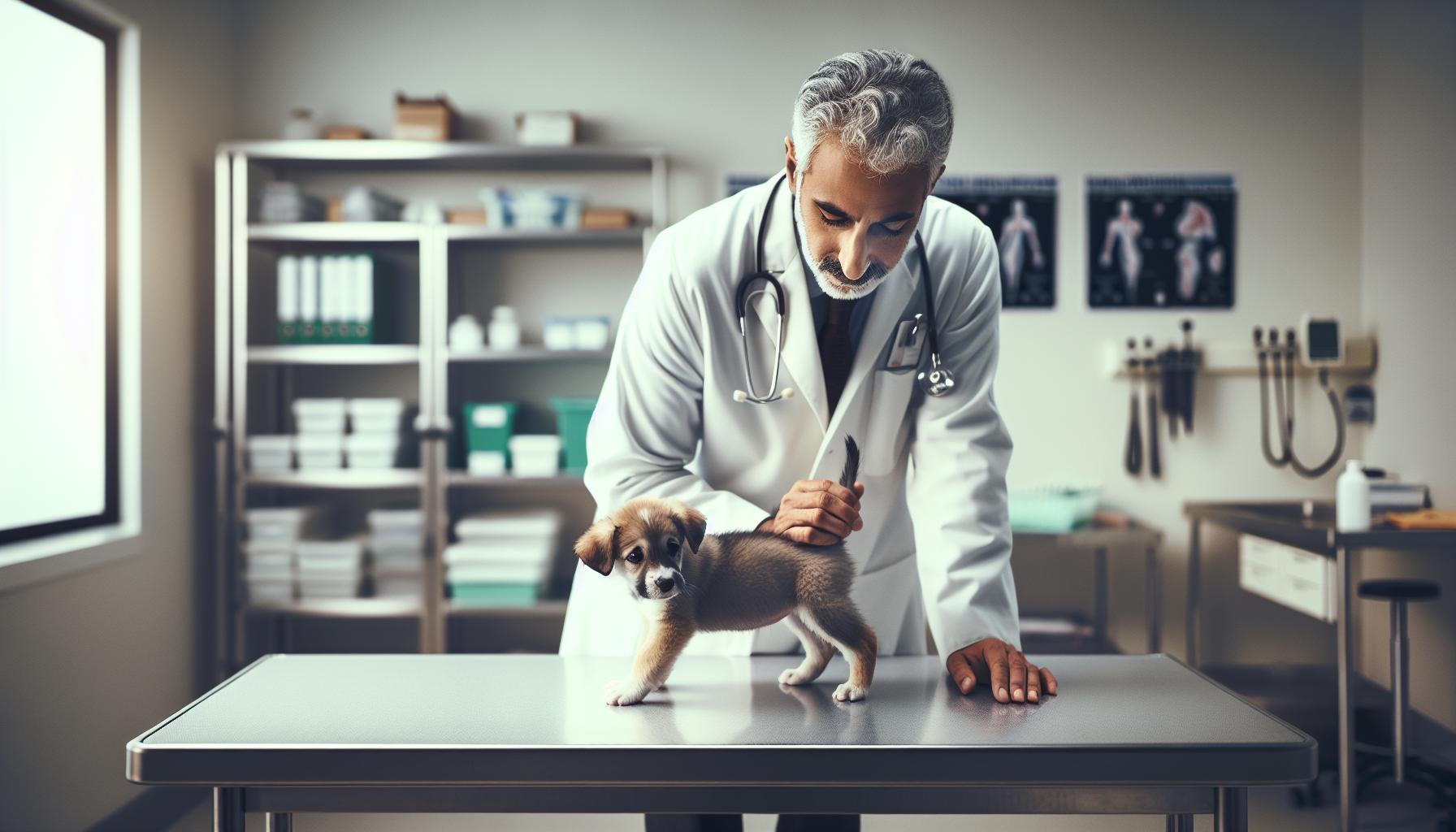
The Health Implications of Tail Docking
The debate around tail docking in Pitbulls often centers on its health implications, which cannot be overlooked. While some proponents argue that docking can prevent injuries, especially in working dogs, the majority of veterinarians and animal welfare experts contend that the procedure can lead to more harm than good. Intense pain, infection risks, and the potential for long-term physical and psychological consequences are critical factors to consider before pursuing this practice.
A study published by PetMD emphasizes that tail docking is performed primarily for cosmetic reasons and is often done without anesthesia on puppies [[2]](https://www.petmd.com/dog/procedure/tail-docking-in-dogs). This raises ethical concerns, highlighting the brutal nature of the procedure. For an adult dog, attempting to dock a tail later in life is particularly fraught with difficulty; it not only increases the risk of complications but also denies the dog the chance to communicate fully through its natural behaviors. Dogs rely on their tails for balance and expression, and a docked tail may hinder their ability to socialize properly and articulate their emotions.
Moreover, it’s essential to recognize the social implications of tail docking. Research indicates that dogs with docked tails may be perceived as more aggressive, impacting their interactions with both humans and other animals [[2]](https://www.petmd.com/dog/procedure/tail-docking-in-dogs). This stigma can lead to a host of behavioral issues, as these dogs might not receive the same level of understanding and acceptance as their undocked counterparts.
As a Pitbull owner, it’s crucial to assess the long-term health and emotional well-being of your pet. A docked tail may not only strip away a part of your dog’s identity but also contribute to anxiety and behavioral changes that challenge the bond you share. Instead of opting for tail docking, consider investing in proper training and socialization to help your Pitbull navigate the world safely and confidently, allowing them to thrive while celebrating their natural features.
Why Do People Choose Tail Docking?
Many owners who consider tail docking for their Pitbulls do so with a mix of tradition, aesthetic preferences, and perceived practicality. Historically, tail docking was rooted in the functionality for working and hunting dogs. In certain cultures, this practice was believed to help avoid injuries from brush, thorns, or during fights, particularly in active breeds like Pitbulls. However, as our understanding of animal welfare has evolved, many of these reasons have been called into question.
One driving factor behind the choice for tail docking is cosmetic preference. Some people are drawn to the look of a docked tail, believing it enhances the breed’s strong and muscular appearance. This aesthetic view is often influenced by breed standards in various dog registries that may still accept or encourage tail docking as part of the breed’s visual identity. Unfortunately, this cosmetic rationale often overlooks the ethical implications and health risks involved with the procedure, which can be painful and traumatic for the puppy.
Another common rationale is a misunderstanding of breed characteristics. Some owners may falsely believe that docking contributes positively to temperament or behavior. There’s a misconception that docked tails lead to less aggressive dogs or reduce anxiety, which is not supported by scientific evidence. In reality, dogs use their tails for communication and balance; thereby, docking can actually hinder their ability to express themselves and interact with their environment effectively.
Ultimately, the choice to dock or not should stem from a deep understanding of your dog’s well-being. As a responsible owner, it’s essential to weigh these reasons critically against the comprehensive evidence that highlights the natural beauty of your Pitbull’s tail. Embracing their full, natural selves not only affirms their identity but can also foster a stronger emotional connection between you and your dog. Exploring alternatives to tail docking-such as training, socialization, and proper care-can significantly contribute to the well-being and happiness of your Pitbull.
Legal Regulations Surrounding Tail Docking
Laws regarding tail docking vary significantly across the United States, reflecting a growing awareness of animal welfare and differing cultural attitudes towards this practice. In several states, regulations have been established to restrict or outright ban tail docking, particularly in pets like Pitbulls. For instance, according to Pennsylvania law, tail docking is prohibited after a dog reaches five days of age, but this regulation only applies to non-veterinarians, allowing licensed veterinarians to perform the procedure regardless of the dog’s age. This inconsistency highlights a broader debate about veterinary practices and animal rights.
Many states have enacted laws prohibiting the docking of tails unless it is deemed medically necessary. It’s important for Pitbull owners to understand their local laws because practicing tail docking in states where it is banned can lead to legal repercussions. For example, some regions consider non-therapeutic tail docking as an act of animal cruelty, potentially resulting in fines or other penalties for breeders and owners who choose to dock their dog’s tail.
In addition to state laws, there are also breed-specific regulations and kennel club standards that influence decisions around docking. Some organizations may advocate for docked tails as part of traditional breed standards, leading to further confusion among dog owners. Conversely, many animal welfare organizations, including the American Veterinary Medical Association (AVMA), oppose the practice, arguing that it offers no medical benefit and causes unnecessary pain and trauma.
To ensure responsible pet ownership, it’s essential to stay informed about the in your area. Many owners are finding that embracing their Pitbull’s natural tail not only adheres to evolving animal welfare standards but also enhances the bond between them and their pet. Understanding and respecting these laws can help promote a culture of responsible pet ownership while advocating for the well-being and happiness of the breed.
Common Misconceptions About Tail Docking
Common misconceptions surrounding tail docking in Pitbulls often stem from a blend of cultural norms, misinformation, and an emotional connection to aesthetics. Many believe that docking a dog’s tail is primarily done for health reasons or to create a specific appearance. However, the truth is that tail docking is a cosmetic procedure that provides little to no medical benefit. In fact, many animal welfare organizations, including the American Veterinary Medical Association (AVMA), have denounced the practice, highlighting that it can lead to unnecessary pain and trauma for the dog without any clear advantage to health or function.
Another prevalent myth is that docked tails are less prone to injury. While it’s true that certain working dog breeds had their tails docked historically to prevent injuries in specific environments, this rationale does not apply universally, especially to dogs kept as pets, such as Pitbulls. In a domestic setting, the risk of tail injury can often be mitigated with proper supervision and a safe environment. Additionally, it’s essential to note that dogs express emotions and communicate through their tails; docking can inhibit natural behavior and social interaction, which can adversely affect a Pitbull’s overall well-being.
Many also incorrectly assume that a docked tail will impact a dog’s temperament or trainability. Research shows no definitive correlation between tail length and a dog’s behavior or capacity to learn. In fact, owners may find that the expressive nature of a Pitbull’s tail-whether docked or undocked-plays a crucial role in understanding their dog’s moods and responses. Embracing their natural features often leads to better emotional connections between owners and their pets.
Moreover, some people might believe that docking aligns with breed standards or enhances appearance. While certain breed organizations may still support docking as a traditional practice, there is a significant shift toward preserving the natural characteristics of all breeds, including Pitbulls. Emphasizing the unique features of your Pitbull, such as their full tail, can foster a deeper appreciation for their individuality, aligning with contemporary views on responsible pet ownership and animal rights. Understanding these misconceptions not only promotes informed decisions but also encourages a culture of empathy and respect for our four-legged companions.
Caring for a Docked vs. Undocked Tail
When it comes to pit bulls and their tails, whether docked or undocked, it’s essential to understand the differences in care and the implications of each. A dog’s tail serves not only as a tool for balance but also as a vital means of communication. Therefore, recognizing how to care for each type can enhance your understanding and improve the well-being of your furry friend.
### Caring for an Undocked Tail
An undocked tail is a natural extension of your pit bull’s body and requires regular care to prevent injuries and ensure it’s healthy. Effective care includes:
- Regular Grooming: Keep the tail well-groomed by brushing it regularly to remove dirt, debris, and loose fur. This will help prevent matting and skin irritation, ensuring that the area remains clean and healthy.
- Monitoring for Injuries: Be vigilant about potential injuries that can occur, especially if your pit bull enjoys playing outdoors or has a tendency to wag its tail vigorously. Supervise playtime and create a safe environment to mitigate risks.
- Health Checkups: During routine vet visits, ask your veterinarian to examine the tail for any signs of infections or abnormalities, ensuring that it remains in optimal condition.
### Caring for a Docked Tail
On the other hand, caring for a docked tail involves different considerations. Although a docked tail is often perceived as easier to care for, it requires attentive care post-surgery, along with ongoing maintenance. Here are some key practices:
- Post-Surgical Care: If your pit bull has recently undergone tail docking, follow your veterinarian’s aftercare instructions closely. This may include keeping the area clean and preventing your dog from licking the wound to avoid infections.
- Monitoring Behavior: Pay close attention to your dog’s behavior. A docked tail may limit some tail-wagging expressions, so you may need to observe other body language cues to understand their emotions.
- Adjusting Play Activities: Introduce gentle play that doesn’t require tail involvement. Since a docked tail is shorter, ensure that your dog is engaging in safe activities that do not put undue stress on it.
### Comparing Care Needs
While the needs for caring for docked and undocked tails differ, both require love and attention. Here’s a quick comparison:
| Care Aspect | Undocked Tail | Docked Tail |
|---|---|---|
| Grooming | Regular brushing and cleaning | Post-surgery care and regular checks |
| Injury Prevention | Supervise to prevent injuries | Monitor the docking site for any issues |
| Behavior Monitoring | Watch for emotional indicators | Understand cues beyond tail movement |
By embracing the natural qualities of pit bulls and providing proper care for their tails-docked or undocked-you foster a stronger bond and promote their overall health. Observing and responding to their needs allows you to celebrate their individuality, ensuring they’re happy, safe, and thriving.
How Tail Docking Affects Pitbull Behavior
The tail of a pit bull plays a crucial role in their social interactions and communication. While tail docking is traditionally viewed as a cosmetic modification, it significantly impacts how these dogs express themselves. An undocked tail is a highly expressive feature that allows pit bulls to convey emotions such as happiness, excitement, or anxiety through tail wags and positions. In contrast, a docked tail, which is typically shorter and less mobile, may limit these forms of communication. This can lead to misunderstandings between your pit bull and other dogs, as well as between your dog and humans, who rely on tail movement as a cue for emotional states.
One of the first things many owners notice after tail docking is that their pit bull may appear less expressive. With a docked tail, your dog might not wag as vigorously or in the same patterns they would with a full-length tail. For example, a dog with an undocked tail might wag it in circles to show excitement, whereas a docked tail might limit that expressive behavior, leading to potential frustrations or miscommunications during play or interactions. Owners will need to pay extra attention to other body language signs, like ear position and facial expressions, to fully understand their dog’s feelings.
Moreover, the behavior of some pit bulls may alter after tail docking. Increased sensitivity to stimuli is noted, as they may feel more vulnerable in social situations without their natural tail defense mechanism. This could manifest in increased anxiety or defensive behaviors, particularly if the dog feels unsure or threatened. Maintaining a calm environment and introducing your pit bull to others gradually can help alleviate some of these behavioral changes.
Understanding these behavioral nuances helps foster a deeper bond with your pit bull, regardless of their tail status. You can engage in more supportive training modalities and provide reassurance through positive interactions. For instance, rewarding calm behavior with treats or praise when encountering new situations can help build confidence in your dog. Embracing the natural tendencies of your pit bull and recognizing how tail docking affects their behavior enables you to love and support them more fully throughout their life.
Tail Docking Alternatives: Understanding Your Options
Exploring alternatives to tail docking for Pitbulls is crucial for promoting their natural physical traits and ensuring their well-being. Many pet owners seek to avoid the procedure due to its associated risks and ethical concerns. Fortunately, several alternatives exist that can enhance your dog’s comfort and appearance without resorting to docking.
One effective option is to focus on training and socialization techniques that help mitigate any management issues you might associate with a full tail. Encouraging positive interactions with other dogs can help your Pitbull express themselves through their natural tail movements. For example, exposing your dog to various social environments where they can interact with other dogs can bolster their confidence, allowing them to use their tail as a communication tool. Additionally, playing games that promote tail movement, like fetch or tug-of-war, can keep your dog active and engaged.
For cosmetic purposes, consider grooming options that celebrate your Pitbull’s natural tail. Regular brushing and maintenance can enhance your dog’s overall appearance, making their tail a proud part of their identity. Tail braiding or decorative adornments can also be fun ways to showcase this feature during special occasions or events.
Moreover, if your dog has specific health issues that might lead to a consideration of docking (like tail injuries), consult your veterinarian for alternative therapeutic treatments. Options such as protective tail coverings or specialized ointments can prevent further injury while still allowing your dog to maintain their tail. These alternatives not only protect but also provide the opportunity to embrace their natural features confidently.
In summary, there are numerous ways to celebrate and care for your Pitbull’s tail without resorting to docking. By understanding your options, prioritizing socialization and training, and exploring creative grooming, you can ensure that your dog remains healthy, expressive, and true to their breed characteristics.
Post-Docking Care: What You Need to Know
Caring for your Pitbull after tail docking is crucial to ensure a smooth recovery and long-term well-being. While the procedure may seem straightforward, proper post-operative care can make all the difference in your dog’s comfort and health. It’s essential to keep an eye on your dog’s healing process and be proactive about any potential complications.
Immediately after the docking procedure, your veterinarian will typically advise keeping the area clean and dry. It’s important to monitor the site for any signs of infection, such as excessive redness, swelling, or discharge. If you notice any of these symptoms, contact your vet promptly. Depending on your dog’s age at the time of docking, the need for postoperative care can vary. For puppies docked within the first few days of life, care is minimal, but older dogs may require more attention, including:
- Restricting Activity: Limit your dog’s physical activity for at least two weeks post-surgery to allow proper healing. This includes avoiding vigorous play and jumping.
- Wound Care: Your vet may suggest a specific cleaning routine for the docked area to prevent infection. Use a gentle antiseptic solution as recommended.
- Managing Pain: If your veterinarian prescribes pain relief medication, ensure you follow the dosage instructions diligently to help your dog feel more comfortable.
Maintaining a serene environment is also key to your dog’s recovery. Minimizing stressors can help your Pitbull adjust to the changes in its physical state. After the initial recovery period, gradually reintroduce normal activities while observing your dog’s behavior. Pay attention to how they interact with others and use their body language to ensure they don’t seem uncomfortable or in pain.
It’s worth celebrating your Pitbull’s unique personality and charm during this transition. Use this time to bond with your dog through gentle play and affection, reinforcing positive behaviors and ensuring they feel secure. With the right care and attention, your Pitbull will bounce back and continue to thrive, proud of its unique traits whether docked or undocked.
Breed-Specific Considerations for Tail Docking
Considering the practice of tail docking in Pitbulls requires an understanding of how it may influence various aspects of the breed. Pitbulls, renowned for their tenacity and loyalty, have been subjected to tail docking for both aesthetic and traditional reasons, yet this procedure can raise numerous questions for owners about its implications.
It’s important to recognize that the breed’s anatomy also plays a role in the rationale behind tail docking. Many owners believe that a shorter tail can reduce the risk of injuries, especially for dogs that are highly active. However, it’s imperative to understand that a tail serves essential functions, including balance and communication. Docking can therefore impact a Pitbull’s ability to express emotions and interact with other dogs, potentially leading to misunderstandings in social settings.
Cultural Influences
The cultural context in which you live can greatly influence attitudes toward tail docking. In regions where the practice is commonplace, you may find more acceptance among the community and risk fewer questions about your dog’s appearance. Conversely, in places where docking is frowned upon or banned altogether, you might encounter negative perceptions of docked Pitbulls. Understanding these cultural sentiments can help you navigate conversations and advocate for your dog more effectively.
Overall Health Considerations
From a health perspective, it’s wise to weigh the benefits and risks. While some argue that docking prevents potential tail injuries, it is critical to note that the procedure can result in pain and complications, especially if not performed with proper care. Ensuring that your veterinarian follows humane practices with anesthetics is essential to your dog’s well-being. Additionally, factors like breed genetics can influence how your Pitbulls cope with potential injuries or nuisances that tail docking intends to prevent.
When considering tail docking, it’s also beneficial to look at the diverse characteristics of the breed. Each Pitbull individual is unique, possessing distinct temperaments and behaviors. Understanding that your dog’s personality may profoundly shape how they handle trauma or change will guide your decision-making process. Seek to embrace your Pitbull’s natural form while providing them with the best possible support for a happy and healthy life.
The Emotional Connection: Owning a Pitbull with a Docked Tail
Owning a Pitbull with a docked tail can evoke a mix of emotions and reflections on the relationship between you and your dog. For many, the bond transcends physical features, emphasizing the joy and companionship that these loyal friends bring to our lives. While some may view tail docking as a cosmetic procedure, it’s crucial to understand that the emotional connection with your dog goes beyond appearances. A docked tail doesn’t diminish their spirit; rather, it sparks important conversations about welfare, identity, and acceptance within the community.
One significant aspect of this emotional connection is recognizing how physical traits impact social interactions. Tail docking can alter how your Pitbull communicates, leading to potential misunderstandings in doggy socialization. For instance, a shorter tail may limit a dog’s ability to express excitement or approachability, which are often conveyed through tail movements. As a responsible owner, being aware of these nuances helps you advocate for your dog and navigate social situations effectively. It also opens up discussions about the individuality of each dog, teaching us that each Pitbull, docked or not, has its unique personality and ways of interacting with the world.
Furthermore, celebrating your dog despite the docking can enhance your bond. Focus on their strengths, quirks, and the love they bring into your life. Engage in activities that emphasize their skills, such as obedience training or agility exercises, which foster confidence and strengthen your relationship. By pouring your passion into nurturing their natural abilities and providing enriching experiences, you reaffirm that your Pitbull is valued for who they are, not just what they look like.
In the end, whether your Pitbull has a docked tail or not should not define your relationship. Instead, embrace the uniqueness of your dog, fostering an environment of love that encourages them to thrive regardless of cosmetic features. This perspective not only honors your individual pet but also contributes to a broader understanding of what it means to be a responsible and empathetic dog owner.
Celebrating Your Pitbull: Embracing Natural Features
Embracing the natural features of your Pitbull, whether docked or undocked, can be a rewarding journey that deepens your bond with this amazing breed. Every Pitbull has its own unique look and personality, and appreciating these traits can enrich your relationship. For instance, a Pitbull’s expressive eyes, muscular build, and lively demeanor can all shine through regardless of tail status. Giving attention to what makes your dog special fosters a sense of pride and companionship that goes beyond superficial appearances.
When we shift our focus to the individual characteristics that define your Pitbull, it opens up opportunities for connection and joy. Engage in activities that highlight their inherent abilities, such as agility courses or obedience training, which not only enhances their skills but boosts their confidence as well. Celebrate their quirky habits, whether it’s their playful antics or their gentle nudges for attention. These moments help reinforce the bond you share and promote a culture of acceptance and love, highlighting that your Pitbull is valued for their personality and loyalty rather than just their physical traits.
Furthermore, understanding the rich history and culture surrounding Pitbulls can also enrich your experience as an owner. Participating in breed-specific events or community dog shows can foster an appreciation for the breed’s heritage and connect you with fellow owners who share your admiration. This not only builds a supportive community but emphasizes the beauty of all Pitbulls, highlighting the diversity within the breed itself.
In the end, your Pitbull’s natural features-docked tail or otherwise-serve as a testament to their individuality. By embracing these traits, you not only celebrate your dog but also participate in a broader narrative of love, responsibility, and understanding for all pets. When owners recognize and honor the unique qualities of their dogs, it sets a precedent for a positive, enriching pet ownership experience that speaks to the heart of what it means to truly cherish your canine companion.
FAQ
Q: What are the risks associated with Pitbull tail docking?
A: Pitbull tail docking can lead to several risks, including pain, infection, and poor healing. Many studies indicate that removing a dog’s tail can interfere with their ability to communicate effectively with other dogs and can result in behavioral issues. Owners should consider these risks before deciding on this procedure.
Q: How does tail docking affect the behavior of Pitbulls?
A: Tail docking may impact a Pitbull’s social interactions. Dogs rely on their tails for communication; a docked tail can lead to misunderstandings with other dogs, potentially causing anxiety or aggression. Understanding these effects is crucial for responsible ownership and training.
Q: Are there legal restrictions on tail docking for Pitbulls?
A: Many countries and some states have banned tail docking, viewing it as an unnecessary procedure. It’s essential to check your local laws to ensure compliance before considering docking, as violating these regulations can result in legal consequences.
Q: What alternatives exist to tail docking for Pitbulls?
A: Alternatives to tail docking include preventive care and training. Instead of docking, focus on providing a safe environment and proper training to minimize the risk of injury. Consider consulting a vet for tailored advice on tail safety and alternative assertive gestures.
Q: How can I care for a Pitbull with a docked tail?
A: To care for a Pitbull with a docked tail, ensure proper hygiene to prevent infection. Use gentle cleaning methods and monitor for signs of irritation. Regular vet check-ups can help maintain their health post-docking. For details, refer to the “Post-Docking Care” section of the guide.
Q: How does tail docking impact a Pitbull’s physical health?
A: Tail docking can lead to physical health issues, such as impaired balance and coordination. Because the tail plays a role in maintaining equilibrium, the absence of a tail might affect your Pitbull’s ability to navigate various environments safely.
Q: What are some common misconceptions about Pitbull tail docking?
A: Common misconceptions include the belief that tail docking is necessary for safety or that it’s a standard breed practice. In reality, most vets advocate against it due to the associated health risks and the fact that a dog’s tail is vital for communication and balance.
Q: How can I advocate for my Pitbull’s natural tail if it’s docked?
A: To advocate for your Pitbull’s natural tail, educate others on the benefits of keeping tails intact and promote empathy towards their inherent features. Share resources that highlight the health and behavioral impacts of tail docking, such as this guide, to foster informed discussions.
In Summary
Thank you for exploring our “Pitbull Tail Docking: Complete Health & Care Guide.” You’ve learned that tail docking, while historically common, is increasingly viewed as unnecessary and controversial, urging a deeper consideration of your pet’s welfare. If you have questions or concerns about tail docking or how it affects your Pitbull’s health and behavior, take action now-consult with a veterinarian to discuss the best options for your furry friend.
For more insights on responsible Pitbull ownership, check out our articles on “Pitbull Training Tips” and “Understanding Pitbull Health Issues,” which offer valuable resources for nurturing a happy and healthy pet. Join our community by signing up for our newsletter to stay updated on essential care tips and expert advice tailored for Pitbull lovers. Your journey toward informed and compassionate pet ownership starts today-let’s continue exploring together!