
Did you know that the lifespan of a female Pitbull can vary widely, typically ranging from 8 to 16 years? Understanding the life expectancy of your Pitbull is essential for ensuring she lives a healthy and fulfilling life. Factors like genetics, diet, exercise, and preventive care all play crucial roles in her overall well-being. As a devoted owner, knowing what’s ahead can help you prepare for her health needs, celebrate her milestones, and make informed choices to enhance her quality of life. In this article, we’ll explore the key elements that influence a female Pitbull’s lifespan and offer insights into how you can support her throughout the different stages of life. So, let’s dive in and discover how to ensure your beloved Pitbull enjoys many happy years by your side!
Understanding the Pitbull Lifespan: Key Factors
Understanding the lifespan of a Pitbull requires considering a combination of factors that influence overall health and longevity. On average, Pitbulls can live between 10 to 16 years, with individual lifespans often varying based on genetics, lifestyle, and care. It’s vital for potential owners and current guardians alike to understand these influencing elements to maximize their furry companions’ well-being.
Genetics play a crucial role in determining how long your Pitbull will live. Breeding practices can lead to hereditary health issues that may impact lifespan. Common concerns in Pitbulls include hip dysplasia, heart disease, and certain skin conditions. These inherited health problems tend to arise from poor breeding choices, making it essential to focus on acquiring puppies from responsible breeders who prioritize health testing.
Equally important is the day-to-day care of your Pitbull. Regular veterinary check-ups, vaccinations, and preventive care can help detect potential health issues early. Nutritional choices significantly influence health; a balanced diet tailored to their life stage encourages better physical condition, while maintaining an ideal weight can prevent obesity-related complications. Additionally, providing consistent exercise is crucial, as it supports not just physical health, but also mental stimulation. You should aim to engage your Pitbull in daily activities that challenge them both physically and mentally, fostering a happy and fulfilled life.
In conclusion, the key to a long and healthy life for your Pitbull lies in understanding these factors. By committing to responsible ownership, prioritizing their nutritional and medical needs, and ensuring they have an active and engaging lifestyle, you can enhance your Pitbull’s longevity and quality of life, allowing for more joyful years together.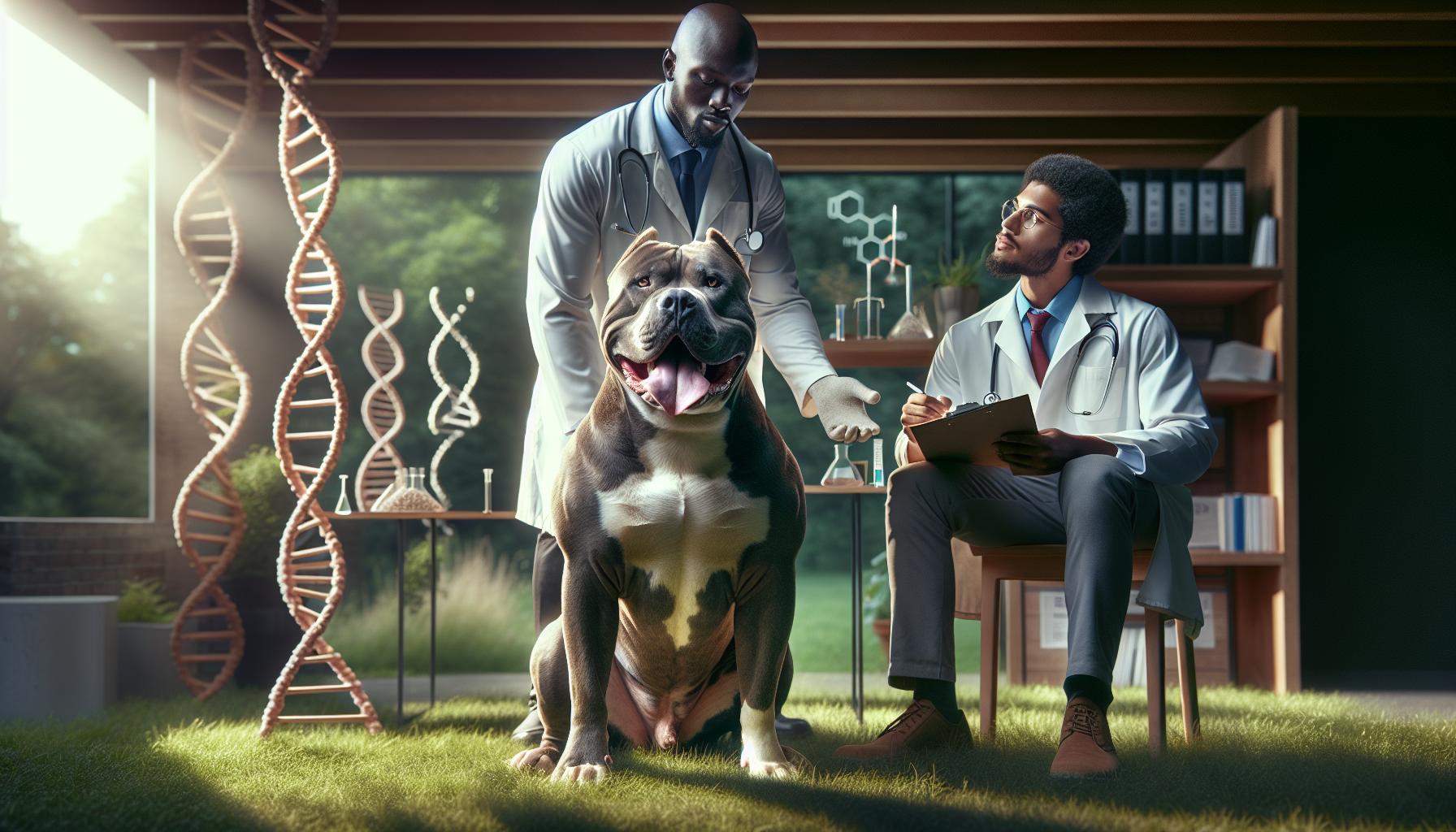
How Genetics Impact Pitbull Longevity
Understanding the genetic makeup of your Pitbull can be pivotal in maximizing her longevity and overall health. Just like in humans, genetics dictate a range of health traits that can significantly impact the lifespan of these loyal companions. For instance, certain genetic lines are prone to hereditary health issues that can lead to shorter lifespans. Recognizing these factors can help you make informed decisions about breeding, purchasing, and caring for your Pitbull.
Hereditary Health Issues
Many common health problems in Pitbulls, such as hip dysplasia, heart disease, and specific skin conditions, can be attributed to genetic factors. These issues often stem from irresponsible breeding practices that do not prioritize health screening and responsible genetics. Therefore, it’s crucial to choose a reputable breeder who conducts thorough health testing for hereditary conditions. Puppies from such breeders are likely to have healthier bloodlines, reducing the risk of inherited health issues as they mature.
Another aspect of genetics influencing longevity is the physical characteristics tied to different Pitbull variants. For instance, the American Pit Bull Terrier, American Staffordshire Terrier, and Staffordshire Bull Terrier each have different genetic predispositions that can affect their health. Some variants may struggle more with certain conditions due to their unique genetic makeup. Understanding these differences can help you identify health risks more promptly.
In addition to hereditary conditions, genetics can also impact your Pitbull’s response to diet, exercise, and stress. Certain genetic traits can determine how well your dog metabolizes food, responds to training, and interacts with their environment. Therefore, a tailored approach to nutrition and exercise that considers these genetic factors can greatly contribute to a longer, healthier life.
In summary, knowing the genetic background of your Pitbull is essential not only for prevention but also for optimizing care that can enhance her longevity. By prioritizing responsible breeding and being proactive about her health, you can ensure that your Pitbull enjoys a vibrant life filled with wonderful moments and memories.
Optimal Care for a Long-Lasting Pitbull
While Pitbulls are known for their strength and loyalty, understanding how to provide optimal care is essential for maximizing their lifespan and overall health. Typically, with proper care, a Pitbull can live anywhere from 10 to 16 years, and some exceptional individuals may even reach 18 years. Your proactive role in their daily lives can significantly influence how long they thrive.
One of the key components of optimal care is regular veterinary check-ups. These visits allow for early detection of potential health issues, ensuring that any problems are addressed promptly. Routine vaccinations, dental care, and parasite prevention are vital elements of preventative health care for your Pitbull, as they can prevent serious diseases that might shorten your dog’s lifespan.
Another critical aspect is nutrition. Feeding your Pitbull a balanced diet, tailored to their age, weight, and activity level, can make a profound difference. High-quality dog food formulated for medium-sized breeds is recommended. Always consult with your veterinarian to determine the best diet plan that meets your dog’s specific needs. Avoid feeding them table scraps or foods that are toxic to dogs such as chocolate, grapes, and onions, as these can lead to serious health issues.
Additionally, maintaining a healthy weight is crucial. Obesity can lead to numerous health complications like joint problems, diabetes, and heart disease. Combining a nutritious diet with regular exercise will help keep your Pitbull fit. Daily walks, playtime, and engaging activities stimulate both their physical and mental well-being.
Creating a Healthy Environment
Ensure your pit bull lives in a safe and hygienic environment. Regular grooming, including baths and brushing, helps prevent skin problems while promoting a healthy coat. Keeping your home free of harmful substances and maintaining a clean living space are also vital for preventing accidents and ensuring your pit bull’s safety.
Finally, never underestimate the impact of love and socialization on your dog’s longevity. Pitbulls thrive in environments where they receive attention, training, and affection. Engaging activities that allow for socialization with other dogs and people can reduce anxiety and stress, leading to a happier and healthier life.
In summary, holistic care encompassing regular vet visits, proper nutrition, exercise, a safe environment, and emotional attention plays a significant role in enhancing the lifespan of your beloved Pitbull. Prioritizing these elements will help ensure your dog enjoys a long, healthy life filled with cherished moments.
Common Health Issues That Shorten Lifespan
While Pitbulls are often celebrated for their energetic spirit and loyalty, they can be prone to certain health issues that can significantly impact their lifespan. Understanding these common health problems is crucial for any owner looking to ensure their furry companion lives a long and healthy life.
One prevalent health concern is hip dysplasia, a genetic condition where the hip joint doesn’t fit properly into the hip socket. This can lead to arthritis and mobility issues, especially in older dogs. Furthermore, Pitbulls are at risk for skin allergies and infections due to their short coats and sensitive skin, which can cause discomfort and require ongoing management to avoid chronic issues. Regular vet check-ups and monitoring for skin irritations can help catch these problems early.
Another issue is cardiovascular conditions, including dilated cardiomyopathy, which can affect a Pitbull’s heart function. Early detection is key, and you should be aware of any signs of lethargy or coughing. Their susceptibility to obesity can exacerbate many health issues; hence, it is crucial to keep an eye on your dog’s weight and ensure they have a balanced diet and regular exercise.
Furthermore, Pitbulls can experience a range of dental health problems due to their strong jaws and tendency to chew. Poor dental hygiene can lead to periodontal disease, which can have serious repercussions on overall health. Regular brushing and dental check-ups can help maintain their oral health. By being aware of these potential health issues and staying proactive with check-ups and preventative care, you can play a significant role in enhancing your Pitbull’s quality of life and longevity.
Nutrition Guidelines for a Healthy Pitbull
Ensuring your Pitbull receives proper nutrition is one of the most direct ways to support a long and healthy life. Feeding a balanced diet tailored to your dog’s specific needs not only helps maintain their energy levels and physical health but also plays a crucial role in preventing obesity and related health issues-which can significantly shorten a Pitbull’s lifespan.
When selecting food for your furry friend, look for options that are high in quality protein, as Pitbulls are muscular dogs requiring ample protein to support their muscle maintenance and overall vitality. A good rule of thumb is to choose a diet that lists meat as the first ingredient, whether it’s chicken, beef, or fish. It’s also beneficial to incorporate some healthy fats, such as omega-3 fatty acids found in fish oil or flaxseed, which can promote healthy skin and a shiny coat.
What to Include in Your Pitbull’s Diet
- High-Quality Protein: Chicken, beef, lamb, and fish.
- Healthy Fats: Sources like fish oil and flaxseed.
- Whole Grains: Brown rice, oatmeal, and barley for fiber and energy.
- Fruits and Vegetables: Carrots, blueberries, and spinach provide essential vitamins and antioxidants.
It’s crucial to avoid foods that are toxic to dogs, such as chocolate, grapes, and onions, as well as highly processed human foods. The right calorie intake also matters-your Pitbull’s age, weight, and activity level will influence how much food they need. Regularly consulting with your veterinarian can help you fine-tune their diet and keep an eye on any potential weight gain.
Portion Control and Feeding Schedule
Adopting a consistent feeding schedule is equally important. Dividing their daily food intake into two or three meals can help reduce the risk of bloat, a serious condition that can affect Pitbulls. Make sure to measure out food portions to avoid overfeeding, which can lead to obesity-a common issue that can exacerbate health problems and shorten lifespan.
By providing a well-rounded diet that addresses your Pitbull’s unique needs, you set the foundation for a healthier, longer life. Remember that feeding is also an opportunity for bonding, so take the time to enjoy meal prep and feeding with your companion!
Essential Exercise Routines for Pitbulls
Engaging your Pitbull in regular exercise is not just beneficial for their physical fitness; it plays a crucial role in extending their lifespan and enhancing their overall well-being. These energetic dogs thrive on activity, and a stimulating exercise routine can significantly contribute to a healthier, happier life. With an average lifespan ranging from 12 to 16 years, ensuring your Pitbull remains active is key to achieving those years in good health.
Start with daily walks, which should ideally last at least 30 to 60 minutes. This not only provides necessary physical exercise but also mental stimulation as your dog encounters new sights and smells. A leash is essential for safety, particularly in public spaces, and training your Pitbull to walk well on a leash can transform walks into enjoyable bonding time.
In addition to walks, consider including activities that boost their energy levels and excite their playful nature. Playtime in a secure yard or a dog park can be an excellent way to let your Pitbull socialize and burn off energy. Utilizing toys designed for heavy chewers can also engage their minds and bodies-games like fetch or tug-of-war effectively combine exercise with mental challenges.
Another option is to incorporate agility training, using tunnels, jumps, and weave poles. This can not only serve as an excellent workout but also strengthens the bond between you and your dog as they learn and perform new skills.
Substantial play and workout routines are especially crucial for young and active Pitbulls. However, as they age, you may need to adjust their exercise routine to accommodate any limitations. For senior Pitbulls, shorter walks, gentle play, and interactive games that don’t strain their joints can keep them active without overexertion.
Ultimately, the goal is to create a balanced and enjoyable exercise regimen that meets your Pitbull’s individual needs while promoting their overall health. By ensuring they stay active, you not only enhance their physical fitness but also boost their mental health, leading to a more fulfilled life.
Emotional Well-Being and Lifespan Connection
Understanding the emotional landscape of your Pitbull can greatly influence their lifespan and overall quality of life. Just like humans, dogs experience a range of emotions, and maintaining their emotional well-being is crucial for a long, healthy life. A happy, secure dog is often more resilient to stress and less prone to the health issues that can arise from anxiety and depression.
Building a solid bond with your Pitbull through consistent social interaction, training, and play enriches their emotional health. They thrive on companionship and structure, so engaging in regular activities together fosters a sense of stability. Activities such as training sessions or interactive games stimulate not only their bodies but also their minds, which is essential for their emotional growth. For example, try using puzzle toys or teaching new tricks to keep their minds active and engaged, which alleviates boredom and anxiety.
Moreover, your Pitbull’s living environment plays a significant role in their emotional state. A safe, secure space where they can retreat when feeling overwhelmed is vital. Providing a cozy bed, safe toys, and socialization opportunities with other dogs helps create a nurturing atmosphere. Remember, an emotionally fulfilled Pitbull is more likely to be physically healthy, contributing to a longer lifespan.
By recognizing the connection between emotional well-being and physical health, you can take proactive steps to enhance your Pitbull’s quality of life. Nurturing their emotional needs not only deepens your bond but also sets the stage for a longer, happier life together.
Training Techniques to Enhance Longevity
Training your Pitbull with positive techniques not only fosters good behavior but also significantly enhances their quality of life and longevity. Engaging your dog in structured training sessions can lead to better physical health and emotional well-being, both vital for a longer lifespan. Pitbulls are intelligent and eager to please, making them wonderful candidates for training; however, how you approach this training can have lasting effects on their overall health.
Using positive reinforcement methods, such as treats and praise, encourages your Pitbull to learn and remain motivated. This technique builds a solid bond between you and your dog while simultaneously promoting a calm and secure environment. For instance, if your Pitbull learns basic commands like “sit,” “stay,” and “come,” these skills not only ensure their safety but also provide mental stimulation which is crucial for their longevity. Training should be consistent but enjoyable. Regular short training sessions of about 10-15 minutes are more effective than lengthy, infrequent ones.
Incorporating socialization into your training regimen is also crucial. Exposing your Pitbull to various environments, people, and other dogs can reduce anxiety and improve their overall temperament. A well-socialized dog is typically more relaxed and adaptable, which can minimize stress-related health issues. Moreover, engaging in group training classes can provide both socialization and training opportunities, further enriching your dog’s life.
Maintaining an attitude of patience and encouragement is essential. Pitbulls, while strong and energetic, can also be sensitive. Ensuring that training is a positive experience helps prevent anxiety and builds confidence. Implementing tricks or agility exercises can also help channel their energy positively, leading to better physical fitness which correlates with a longer, healthier life.
Ultimately, the key lies in nurturing your Pitbull’s mental and physical needs through effective training and socialization, creating a robust and resilient companion who thrives in their environment. A well-trained, confident, and socialized Pitbull is more likely to enjoy a longer, happier life with you.
Average Lifespan of Different Pitbull Variants
When it comes to understanding the lifespan of different Pitbull variants, it’s essential to realize that while all Pitbulls share common characteristics and traits, their lifespans can vary based on breed-specific factors. On average, Pitbulls typically live between 10 to 14 years, with the American Pit Bull Terrier generally falling on the higher end of that spectrum, providing owners with the rewarding companionship of these affectionate creatures for many years.
One of the most recognized variants is the American Pit Bull Terrier, which enjoys a lifespan of about 12 to 14 years. Their vibrant energy and strength, coupled with proper care, can contribute to reaching these upper age limits. In contrast, the American Staffordshire Terrier, often seen as a close cousin, also shares a similar lifespan ranging from 12 to 16 years. This slight increase in average lifespan can be attributed to their genetic makeup and overall health tendencies.
- American Pit Bull Terrier: 12-14 years
- American Staffordshire Terrier: 12-16 years
- Staffordshire Bull Terrier: 12-14 years
- American Bully: 10-12 years
Another variant is the Staffordshire Bull Terrier, known for its affectionate nature and strong bond with families, which also typically lives between 12 to 14 years. However, the American Bully, bred for a more robust appearance and muscular build, tends to have a slightly shorter lifespan of around 10 to 12 years. This can be reflective of some health issues that arise due to their structure.
Understanding these nuances in lifespan across the various Pitbull types is crucial for prospective owners. It encourages a commitment to responsible breeding practices and informed choices when selecting a Pitbull variant, enhancing the chances of enjoying many happy years together. Furthermore, the life’s health conditions, genetic predispositions, and lifestyle factors will directly influence how long your canine companion will remain active and vivacious.
Preventative Healthcare for Pitbulls
Taking proactive steps in healthcare can significantly enhance the lifespan of your beloved Pitbull. Preventative care involves a series of strategies aimed at maintaining your dog’s health and catching potential issues early. By prioritizing regular veterinary check-ups, vaccinations, and screenings, you can help ensure that your Pitbull remains vibrant and youthful for as long as possible.
One of the cornerstones of preventative healthcare is routine veterinary visits. These check-ups allow your vet to monitor heart health, weight, and overall wellness, making it possible to catch any health concerns early. In particular, Pitbulls can be prone to certain conditions, such as hip dysplasia and skin allergies. By scheduling check-ups every six months, you not only stay ahead of potential problems but also establish a trusted relationship with your veterinarian, which is essential for long-term health strategies.
In addition to regular vet visits, maintaining up-to-date vaccinations is crucial. Vaccinations not only protect against common illnesses but can also prevent potentially serious diseases that may impact your dog’s longevity. For example, core vaccines include rabies, distemper, and parvovirus which are essential in keeping your Pitbull safe. Discuss with your veterinarian the appropriate vaccinations based on your dog’s lifestyle and environment.
Proper dental care is another critical aspect of preventative health. Dental disease is common in dogs and can lead to serious health issues if left untreated. Regular brushing, dental chews, and professional cleanings can help maintain your Pitbull’s oral hygiene, which in turn supports their overall health. Healthy teeth and gums contribute to a healthy heart and better overall longevity.
Lastly, don’t underestimate the importance of spaying or neutering your Pitbull if you haven’t done so already. This procedure not only helps mitigate certain health risks but also can reduce behavioral issues, making them more enjoyable companions. Together, these elements of preventative healthcare create a solid foundation for a long, happy life for your furry friend. Remember, your efforts in this area are a key factor in enhancing your Pitbull’s lifespan and overall well-being.
Signs of Aging in Female Pitbulls
As your female Pitbull enters her senior years, you may notice some subtle changes that signify the natural aging process. Recognizing these signs early can help you provide the appropriate care to enhance her quality of life. Aging in dogs can present itself in various ways, and understanding what to look for allows you to support her needs effectively.
One of the most common indicators of aging is a change in mobility. You might observe that your dog is less enthusiastic about long walks or may have trouble jumping onto the couch or into the car. Joint stiffness, especially in the hips or elbows, can become more pronounced. If your Pitbull shows signs of discomfort when moving or reluctance to engage in her usual activities, it may be time for a veterinary visit to discuss options such as joint supplements or pain management.
Another noticeable sign of aging is weight changes. Senior dogs may experience weight gain due to decreased activity levels, or, conversely, they may lose weight if they have dental issues or other health problems that make eating difficult. Keeping a close eye on her weight can help ensure that she remains within a healthy range, which is vital for her overall health.
Behavioral changes are also common as female Pitbulls age. You may find her more anxious or less tolerant of younger dogs. She could become more vocal or display changes in appetite and energy levels. Each dog’s personality is unique, so any shifts in her usual behavior warrant your attention and may require adaptations in her routine to keep her comfortable and happy.
Lastly, changes in coat and skin health are often noticeable. You may see a graying of the muzzle, thinning fur, or increased dryness. Regular grooming can assist in maintaining her coat and provide you with an opportunity to check for other age-related issues like lumps or skin irritations, enabling prompt responses to potential problems. By being observant and proactive, you can help your beloved female Pitbull navigate her golden years with grace and happiness.
Celebrating the Life of Your Pitbull: Memories and Milestones
Reflecting on the special moments you’ve shared with your female Pitbull can be one of the most rewarding aspects of pet ownership. Each milestone-from her first day at home to her countless adventures-shapes the bond you share and fills her life with joy. Celebrating these memories is essential, not just for honor her life but also for recognizing the love and warmth she has brought into yours.
One of the best ways to celebrate your Pitbull’s life is by creating a scrapbook or digital album filled with photos and stories of your cherished memories. Include moments that showcase her personality-like the time she splashed in a puddle during a walk or the silly faces she makes when she’s excited. You might also jot down special notes about her behavior through the years: the way she greets you at the door, her favorite toys, or how she interacts with family and friends. This not only strengthens your bond but also serves as a lovely reminder of the beautiful life she leads.
Moreover, consider organizing small celebrations for her milestones, such as birthdays or “gotcha days.” These occasions can include special treats-like a homemade dog-friendly cake-fun activities, or even a gathering with other dogs she enjoys being around. Not only will this bring a smile to her face, but it’ll also reinforce her emotional well-being. Pitbulls thrive on social interactions, and sharing happiness during these moments can have a significant impact on her overall health and longevity.
Ultimately, each year with your Pitbull is a gift, filled with unique experiences that deserve to be celebrated. You are her world, and by honoring her life through memories and milestones, you’ll affirm the special place she holds in your heart. So, take the time to reflect, celebrate, and cherish every moment together, making sure that her life is as rewarding as the love she gives you.
Frequently asked questions
Q: What factors influence the lifespan of female Pitbulls?
A: The lifespan of female Pitbulls can be influenced by several factors including genetics, diet, exercise, and healthcare. Regular vet check-ups, a balanced diet, and consistent physical activity can significantly enhance their longevity.
Q: Are female Pitbulls more prone to certain health issues?
A: Yes, female Pitbulls can be prone to specific health issues like hip dysplasia, heart disease, and certain reproductive health concerns. Regular veterinary care and preventative measures can help mitigate these risks.
Q: How can I increase my female Pitbull’s life expectancy?
A: To enhance your female Pitbull’s life expectancy, ensure she receives proper nutrition, regular vet visits, and daily exercise. Engaging her mentally and emotionally also contributes to a healthier life.
Q: What are the signs of aging in female Pitbulls?
A: Signs of aging in female Pitbulls may include decreased energy, graying fur, changes in appetite, and joint stiffness. Monitoring these changes can help you adapt your care as she ages.
Q: What is the average lifespan of a female Pitbull?
A: The average lifespan of a female Pitbull typically ranges from 12 to 16 years. With optimal care, some may even live up to 18 years or more, depending on their health and genetics.
Q: Do spayed female Pitbulls live longer than intact females?
A: Generally, spayed female Pitbulls may enjoy a longer lifespan compared to intact females, as spaying can reduce the risk of certain diseases, including reproductive cancers. It’s best to consult your vet for personalized advice.
Q: At what age do female Pitbulls usually start showing signs of aging?
A: Female Pitbulls typically begin showing signs of aging around 7 years old. This can vary by individual, with some dogs displaying earlier signs based on their health and lifestyle.
Q: How does socialization affect the lifespan of female Pitbulls?
A: Proper socialization can positively impact the lifespan of female Pitbulls by reducing stress and anxiety, which are linked to various health issues. Happy, well-adjusted dogs tend to be healthier and live longer.
The Way Forward
As we’ve explored, the lifespan of female Pitbulls typically spans between 12 and 16 years, influenced by factors like genetics, diet, and proper care. It’s essential to prioritize their health through regular veterinary check-ups and a balanced diet. The more informed and proactive you are, the better you can ensure a long, happy life for your furry companion.
If you’re eager to learn more about maximizing your Pitbull’s well-being, check out our articles on “Pitbull Nutrition Tips” and “Top Exercises for Your Pitbull.” And don’t forget to subscribe to our newsletter for regular insights and advice tailored to Pitbull owners like you.
Have questions or want to share your experiences? Feel free to drop a comment below! Your input can foster a vibrant community of Pitbull enthusiasts, dedicated to celebrating and supporting this remarkable breed. Together, we can ensure our beloved Pitbulls thrive for years to come.