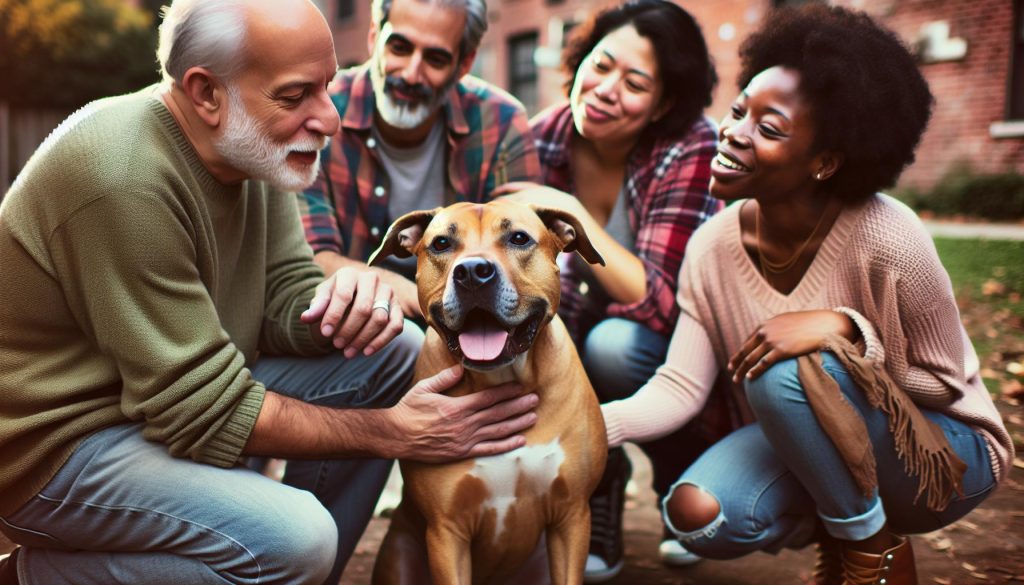
Did you know that the Pitbull Lab mix is not only a beloved companion but also tends to enjoy a surprisingly long lifespan? Understanding the longevity expectations for this hybrid breed is key for prospective dog owners who want to ensure a healthy, happy life for their pets. With a mix of the friendly, affectionate nature of Labs and the strong, loyal temperament of Pitbulls, these dogs bring joy and companionship to countless families. However, factors such as genetics, health, and proper care play a crucial role in their lifespan. By exploring these elements, you can better prepare for a rewarding journey with your Pitbull Lab mix and make informed decisions that promote their wellbeing. Join us as we dive into the lifespan expectations for this delightful mix and discover how you can maximize the years you share together.
Pitbull Lab Mix Lifespan Overview
For anyone considering bringing a Pitbull Lab mix into their home, understanding their expected lifespan is a vital starting point. On average, these dogs can live between 10 to 14 years, which is fairly standard for medium to large breeds. Both pit bulls and Labrador Retrievers are generally robust dogs, and their mix tends to inherit this durability. However, longevity is influenced by various factors, including genetics, environment, and the quality of care they receive throughout their life.
It’s essential to recognize that mixed breeds like the Pitbull Lab can sometimes benefit from hybrid vigor, potentially leading to fewer health issues compared to purebreds. Nevertheless, this isn’t a guarantee. Regular veterinary care, proper nutrition, and a healthy lifestyle contribute significantly to their overall well-being and longevity. The key is to be proactive about health monitoring and care practices. By staying informed and involved in your dog’s health journey, you can help ensure they lead a long, happy life by your side.
Factors Influencing Lifespan
When you bring a Pitbull Lab mix into your life, it’s important to recognize that several factors can impact their lifespan. Genetics plays a significant role; the combined traits of both breeds can influence overall health and longevity. If a Pitbull Lab mix inherits favorable genetics from both parent breeds, it can lead to fewer inherited disorders, potentially increasing their lifespan. Conversely, if they inherit genetic predispositions to certain health issues, this could shorten their life expectancy.
Environmental factors also significantly contribute to a dog’s lifespan. Dogs that live in safe, enriching environments with regular mental stimulation tend to thrive longer than those in less favorable conditions. This includes access to clean air, safe outdoor spaces for exercise, and a stress-free household. Nutrition is another critical aspect; providing high-quality dog food rich in essential nutrients can improve your dog’s health and longevity. Overweight dogs are at greater risk for health problems, so maintaining a healthy diet is crucial.
Regular veterinary check-ups are key to catching potential health issues early on, making them an integral part of your dog’s care routine. Vaccinations, parasite control, and dental care can all contribute to a longer, healthier life for your Pitbull Lab mix. Additionally, lifestyle choices such as adequate exercise, mental stimulation, and socialization with both humans and other dogs are vital. Engaging in regular physical activities can enhance their overall health and deter obesity-related conditions, ultimately impacting their lifespan positively.
In summary, understanding and addressing these influencing factors-genetics, environment, nutrition, and regular vet care-empowers you to provide your Pitbull Lab mix with the best possible chance for a long and vibrant life. Being proactive about their health needs not only extends their lifespan but enhances the quality of the years you share together.
Common Health Issues in Pitbull Lab Mixes
It’s important to be aware of the common health issues that can affect your Pitbull Lab mix, as this knowledge plays a crucial role in managing their well-being and longevity. These lovable dogs are generally spirited and healthy, but like any breed, they can be predisposed to particular health problems. Proper understanding and vigilance can help you catch potential issues early, creating the best chance for a long and happy life together.
One significant concern is hip and elbow dysplasia, conditions that occur when the joints do not fit into their normal position. This can lead to arthritis and significantly impact your dog’s mobility. Regular vet check-ups and maintaining a healthy weight can reduce the risk and severity of these conditions. You’ll want to ensure your dog is exercising appropriately without overexertion, particularly during their growth phases.
Another common issue is allergies, which can manifest as skin irritations or digestive problems in Pitbull Lab mixes. Environmental allergens, food sensitivities, and fleas are frequent culprits that you should be proactive about addressing. Paying close attention to any changes in your dog’s behavior, coat, or skin can help you respond quickly to potential allergens. Your vet might recommend hypoallergenic foods or specific tests to identify triggers.
Obesity is also a prevalent concern, particularly due to the mix’s enthusiasm for food and treats. Excess weight can lead to various health complications, such as diabetes and heart disease. It’s important to monitor your dog’s diet closely and engage them in regular exercise. Interactive play and structured walks can keep their weight in check while also enhancing their mental stimulation.
Lastly, never overlook the potential for heart disease, which can be hereditary in some breeds and may surface in your Pitbull Lab mix. Recognizing symptoms like coughing, lethargy, or difficulty breathing early will allow you to consult your vet for preventive care or treatment options.
By being aware of these common health issues and setting a proactive health management plan, you can ensure your Pitbull Lab mix lives a full, happy life, thriving with you every step of the way. Regular veterinary visits, attentive care, and a healthy lifestyle can make all the difference in your furry companion’s longevity and overall well-being.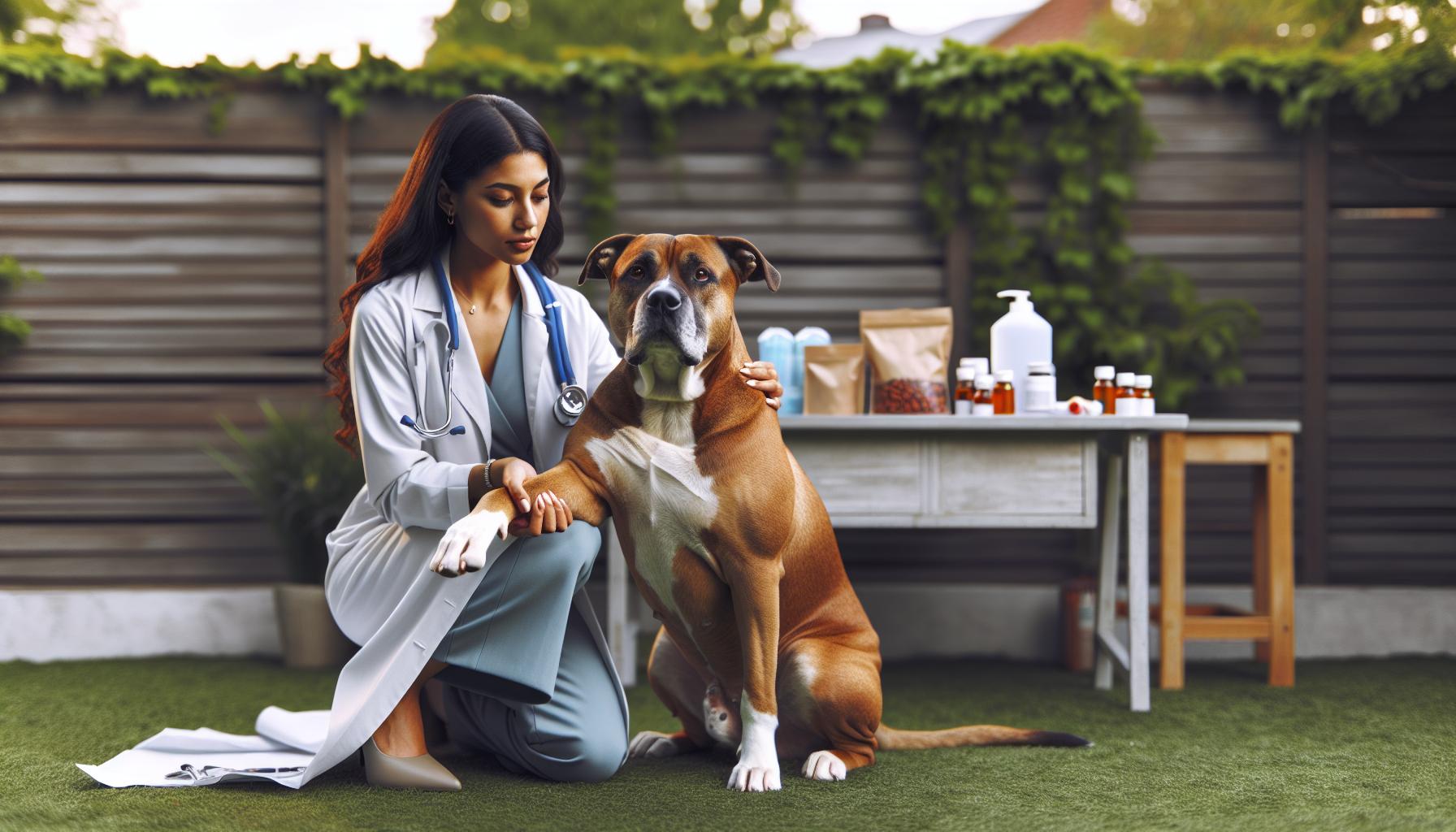
Nutrition for Longevity: What to Feed Your Dog
Feeding your Pitbull Lab mix the right nutrition can significantly influence their lifespan and overall health. Balanced meals not only provide the necessary energy for their active lifestyle but also help prevent common health issues associated with both breeds. It’s crucial to focus on high-quality ingredients, tailored to your dog’s unique needs, to ensure they thrive throughout their life.
A well-rounded diet for a Pitbull Lab mix should include:
- High-Quality Protein: Look for dog foods that list meat (like chicken, beef, or fish) as the first ingredient. Protein is essential for muscle maintenance and energy.
- Healthy Fats: Omega-3 and Omega-6 fatty acids are crucial for healthy skin and coat. Ingredients like fish oils and flaxseed can help improve their coat quality and may reduce allergy symptoms.
- Whole Grains and Fruits: Ingredients such as brown rice, sweet potatoes, and blueberries provide fiber, antioxidants, and essential vitamins. Fiber aids in digestion and helps maintain a healthy weight.
- Controlled Caloric Intake: Since obesity is a common concern for this mix, monitor their calorie intake and adjust portions based on their activity level. Feeding guidelines on dog food packaging can serve as a starting point.
Brand Recommendations and Homemade Options
While many commercial dog foods meet nutritional guidelines, it’s beneficial to consult with your veterinarian for specific brand recommendations. Brands like Blue Buffalo, Wellness, and Taste of the Wild offer high-quality kibble options that focus on meat-rich formulas. If you prefer home-cooked meals, make sure to balance proteins, carbohydrates, and veggies appropriately. However, be cautious of ingredients that can be toxic to dogs, such as onions, garlic, and chocolate.
Hydration and Treats
Don’t forget the importance of hydration. Always provide fresh water to keep your Pitbull Lab mix hydrated, especially after playtime or walks. Additionally, limit treats to healthy options such as carrot sticks or apple slices to reinforce good behavior without adding unnecessary calories.
By prioritizing a balanced diet rich in quality ingredients, you can help your Pitbull Lab mix lead a happy, healthy life. This commitment to proper nutrition not only enhances their physical well-being but can also contribute to extending their lifespan, allowing for more cherished moments together.
Exercise Needs and Their Impact on Lifespan
Regular exercise is essential for maintaining the health and longevity of your Pitbull Lab mix. These breeds are known for their energetic and playful nature, making it crucial to provide them with sufficient physical activity to keep them fit and mentally stimulated. Engaging your dog in daily exercise not only helps to combat obesity-an issue that can lead to various health problems-but also supports their overall well-being and happiness.
Establishing a routine that includes a mix of activities can be beneficial. For instance, a combination of walks, runs, and playtime-such as fetch or agility training-can keep your Pitbull Lab mix satisfied and engaged. Aim for at least 60 to 90 minutes of exercise a day, adjusting based on your dog’s age, energy level, and health status. Not only does regular exercise help improve cardiovascular health and muscle tone, but it also plays a significant role in reducing behavioral problems, such as anxiety or aggression, often stemming from pent-up energy.
Moreover, consider the mental aspect of exercise. Activities that challenge your dog mentally, like puzzle toys or training sessions, can significantly enhance their quality of life. Engaging your Pitbull Lab mix in these types of activities can help stave off cognitive decline as they age, promoting both mental sharpness and emotional stability. Remember, a tired dog is a happy dog, and creating a balanced exercise routine is one of the best gifts you can give your furry friend to ensure a long, healthy life together.
The Importance of Regular Vet Check-Ups
Regular vet check-ups are a cornerstone for ensuring your Pitbull Lab mix enjoys a long and healthy life. These visits offer more than just vaccinations; they are vital opportunities for preventative care that can catch potential health issues before they escalate. For instance, routine examinations can identify early signs of common problems such as hip dysplasia or skin allergies, allowing for timely intervention and management, which can significantly impact your dog’s quality of life and longevity.
During each visit, your veterinarian will conduct a thorough physical examination, discussing your dog’s diet, behavior, and any concerns you may have. This holistic approach not only addresses immediate health but also sets the stage for ongoing wellness. Additionally, regular check-ups allow for updated vaccinations and preventative treatments, which are essential in warding off diseases that can threaten your pet’s health.
Taking your Pitbull Lab mix to the vet gives you a chance to stay informed about their specific health needs, considering their unique genetic backgrounds. For example, both Pitbulls and Labs can be predisposed to certain genetic disorders. Your vet can offer tailored advice on nutrition, exercise, and lifestyle adjustments to mitigate these risks. Moreover, building a strong relationship with your vet can foster an environment where you feel comfortable discussing any behavioral or health concerns that arise, ensuring comprehensive care for your furry friend.
Lastly, consider the impact of regular vet check-ups on your dog’s mental health. Consistent visits help acclimate your pet to the veterinary environment, reducing stress and anxiety during appointments. This comfort can lead to better cooperation during examinations and treatments, enhancing the overall experience for both you and your dog. By prioritizing these vet visits, you’re not just caring for your dog’s physical well-being; you’re also cultivating a reassuring routine that promotes their emotional stability and trust in you as their caretaker.
Genetics and Lifespan: Understanding the Mix
Understanding the genetic makeup of your Pitbull Lab mix can provide valuable insights into their potential lifespan and overall health. Both parent breeds have unique traits that can influence not just their physical attributes, but also their susceptibility to certain health issues. Interestingly, the combination of a Pitbull and a Labrador Retriever often yields a dog that is both energetic and affectionate, qualities that many owners cherish. This mix brings together the robustness of the Pitbull and the intelligence and friendliness of the Lab, but the health implications are worth noting.
The genetics of your Pitbull Lab mix may expose them to certain hereditary conditions prevalent in both breeds. For instance, Pitbulls are known to face risks related to hip dysplasia and skin allergies, while Labradors are often affected by obesity and certain heart diseases. By being aware of these genetic tendencies, you can take proactive measures such as implementing a healthier diet, maintaining an active lifestyle, and scheduling regular veterinary check-ups to monitor their health. It’s important to recognize that genetics can play a significant role in how long your dog will thrive, but it is just one piece of the puzzle.
One actionable step you can take is to invest in genetic testing for your pet. These tests can reveal potential genetic predispositions and help you tailor their care specifically to their needs, which could positively influence their lifespan. Pairing this information with a balanced diet and regular exercise tailored to their energy levels and health conditions can make a considerable difference in their quality of life. Additionally, understanding the genetics of your mixed breed may shed light on their behavior, temperament, and training needs, allowing for a more harmonious life together.
In summary, recognizing the traits and health risks associated with the parent breeds of your Pitbull Lab mix can empower you to make informed choices about their care. By focusing on both genetic predispositions and responsible ownership practices, you are not only promoting their longevity but also enhancing their overall well-being, ensuring that your beloved companion can enjoy a happy, fulfilling life by your side.
Training and Socialization for a Healthy Life
Training your Pitbull Lab mix is not just about teaching commands; it’s an essential part of ensuring a long, healthy, and fulfilled life together. These dogs are known for their intelligence and eagerness to please, which makes them highly trainable when approached with the right methods. Proper training and socialization can prevent behavioral issues and contribute significantly to your dog’s overall happiness and well-being.
One of the most effective strategies is to start training early. Puppies are like sponges, soaking up everything from their surroundings, so early exposure to different environments, people, and other animals is crucial. Introduce your Pitbull Lab mix to various sights, sounds, and experiences to help them develop confidence and reduce anxiety as they grow older. Utilize positive reinforcement techniques, rewarding good behavior with treats and praise, to foster a trusting relationship and build a solid foundation for obedience.
Socialization is equally important. Consider enrolling your dog in a puppy kindergarten class or arranging playdates with other dogs. This not only helps curb potential aggression or anxiety but also enriches their social skills, making outings enjoyable. A well-socialized dog is typically more adaptable, which can ease transitions during life changes, such as moving homes or welcoming new family members.
Finally, don’t underestimate the power of mental stimulation. Mental exercises, such as puzzle toys or training sessions that challenge their intelligence, can keep your Pitbull Lab mix engaged and prevent behavioral issues stemming from boredom. The calmer and more obedient your dog is, the less stress you’ll experience, further contributing to their lifespan and quality of life.
By committing to consistent training and proper socialization, you’re not only enhancing your dog’s behavior but also paving the way for a longer, healthier, and happier life together.
Environmental Factors That Affect Lifespan
The environment in which your Pitbull Lab mix lives can significantly impact its overall health and lifespan. Dogs are sensitive to their surroundings, and factors such as housing conditions, climate, and exposure to toxins can affect their well-being. For instance, a stable, secure environment can reduce stress levels, which is known to correlate positively with a longer life. Conversely, an unstable or unsafe setting might lead to anxiety and behavioral issues, which could shorten their lifespan.
Home Environment
A clean, safe living space is essential. Ensure your home is free from harmful chemicals and substances that could be ingested. Common household items like cleaning products, certain plants, and even certain foods can be toxic to dogs. Furthermore, maintaining a structured routine can provide your Pitbull Lab mix with a sense of security, reducing anxiety-related behaviors that may arise from unpredictability.
Climate Considerations
Climate also plays a crucial role. If you live in an area with extreme temperatures, it’s vital to ensure your dog has access to appropriate shelter and climate control. For example, during hot weather, provide adequate shade and water, while in colder regions, cozy indoor spaces or insulated outdoor shelters can keep your dog comfortable. Remember, both extreme heat and cold can pose health risks leading to complications like heatstroke or hypothermia.
Social Environment
Additionally, the social environment is equally important. Regular interaction with people and other dogs enhances mental stimulation and social skills, contributing to a healthier lifestyle. Engaging your dog in local parks or dog-friendly events helps forge positive experiences and reduces stress, impacting their emotional health and longevity.
In conclusion, by creating a safe, stimulating, and supportive environment for your Pitbull Lab mix, you’re actively contributing to their overall health and extending their lifespan. Investing time in ensuring they are comfortable, secure, and engaged in their surroundings will pay off in the form of a happier, healthier companion.
Popular Myths About Pitbull Lab Mix Lifespan
Many people hold misconceptions about the lifespan of Pitbull Lab mixes, often extending these myths to the breed as a whole. One common belief is that Pitbulls have a significantly shorter lifespan compared to other breeds. In reality, Pitbull Lab mixes can live anywhere from 10 to 14 years, similar to many medium-sized dogs. Factors such as proper care, nutrition, and exercise can greatly influence their longevity, making it essential for potential owners to debunk these myths for a better understanding of their furry friends.
Another myth suggests that mixed breeds are automatically healthier than purebreds. While diversity in genetics often reduces the likelihood of certain hereditary conditions, it’s important to note that Pitbull Lab mixes can still inherit health issues from both parent breeds. Conditions such as hip dysplasia and skin allergies have been noted in the mix. Therefore, regardless of breeding, all dogs benefit from regular veterinary care and health screenings to identify potential issues early.
Additionally, there’s a belief that older dogs are unable to adapt to new training and environmental changes. This is simply not true. Older Pitbull Lab mixes are very capable of learning new skills and adjusting to changes if approached with patience and consistent training. Providing mental and physical stimulation through training helps to keep them engaged and can positively impact their overall health and lifespan.
In conclusion, breaking down these popular myths about the lifespan of your Pitbull Lab mix can foster a better relationship between you and your pet. By understanding the truth about what influences their longevity and health, you can implement more effective care strategies that ensure your canine companion lives a full, happy life.
Tips for Caring for an Aging Pitbull Lab Mix
As your Pitbull Lab mix ages, providing the right care becomes increasingly important to ensure their happiness and longevity. One of the most vital aspects is to maintain a balanced diet tailored to their specific age-related needs. Senior dogs often benefit from food lower in calories but higher in fiber to prevent obesity, along with added nutrients like omega fatty acids to support joint health. Consider consulting your veterinarian for recommendations on the best senior diet options tailored to your dog’s needs.
Regular, low-impact exercise is crucial to keep your older Pitbull Lab mix healthy while being cautious not to overstrain them. Adjusting their activity level to include shorter, more frequent walks or gentle play sessions can help maintain their physical fitness without causing fatigue or stress. Mental stimulation is equally essential; consider puzzle toys or basic training exercises to keep their mind sharp and engaged.
Another important aspect of caring for an aging dog is regular veterinary check-ups, which can help catch potential health issues before they become serious. Your vet can guide you on vaccinations, dental care, and screenings for common age-related ailments such as arthritis or heart conditions. Don’t hesitate to share any changes in your dog’s behavior, appetite, or energy levels-these insights can help your veterinarian provide tailored care.
Finally, creating a comfortable living environment for your aging Pitbull Lab mix will greatly enhance their quality of life. Provide them with a soft, supportive bed and consider non-slip surfaces to prevent falls, especially as their mobility may be compromised. A cozy, warm space to rest, along with your love and attention, can make a world of difference in their well-being as they enter their golden years.
Real-Life Lifespan Stories and Experiences
Many Pitbull Lab mixes have inspiring stories of longevity that remind us how much the right care can influence a dog’s lifespan. One notable case is that of Max, a Pitbull Lab mix who lived to the age of 15. His owner attributed Max’s impressive longevity to a combination of regular vet check-ups, a healthy diet tailored for seniors, and daily exercise adapted to his age. Max enjoyed daily walks and engaging play sessions, which were essential in keeping him active and mentally stimulated. His owner also emphasized the importance of maintaining a loving environment that encouraged Max’s engagement with family, further contributing to his happiness and health.
Another remarkable example is Bella, who surpassed the average lifespan for her breed mix by several years, living to be 14. Bella’s owner shared that she noticed a significant improvement in her dog’s energy levels after switching to high-quality, grain-free food. This change not only addressed Bella’s skin sensitivities but also enhanced her joint health, allowing her to continue her much-loved hikes with minimal discomfort. Regular visits to the vet for health screenings, particularly as Bella aged, helped identify and address minor issues before they became major health concerns, demonstrating the positive impact of proactive veterinary care.
There are also heartwarming tales like that of Charlie, who, despite being diagnosed with arthritis in his early senior years, thrived with an adapted exercise regimen that included gentle swimming sessions. His mom described how these sessions not only helped Charlie maintain a healthy weight but also offered him therapeutic benefits for his joints. Charlie remained active until his passing at the age of 13, showcasing how tailored physical activity can enhance quality of life, even when health challenges arise.
In these stories, we see a common thread: love, attention, and a commitment to health and well-being make a significant difference in the lives of Pitbull Lab mixes. By learning from these experiences, you can celebrate the unique journey of your own furry friend and potentially extend their years through attentive care and understanding.
Faq
Q: How long do Pitbull Lab mixes typically live?
A: Pitbull Lab mixes generally have a lifespan of 10 to 15 years. Their longevity can be influenced by genetics, health, diet, and overall care. Regular vet visits and a healthy lifestyle can help maximize their lifespan.
Q: What can I do to increase the lifespan of my Pitbull Lab mix?
A: To increase your Pitbull Lab mix’s lifespan, provide a balanced diet, ensure regular exercise, maintain a healthy weight, and schedule annual vet check-ups. Engaging with your dog through training and socialization can also improve their quality of life.
Q: Are there specific health issues that can shorten the lifespan of Pitbull Lab mixes?
A: Yes, common health issues like hip dysplasia, obesity, and certain heart conditions can shorten the lifespan of Pitbull Lab mixes. Regular vet check-ups and attention to their diet and exercise can help manage these risks.
Q: Does spaying or neutering affect a Pitbull Lab mix’s lifespan?
A: Spaying or neutering can positively impact a Pitbull Lab mix’s lifespan by reducing the risk of certain cancers and other reproductive health issues. It also helps in managing behaviors that can lead to accidents or injuries.
Q: What is the impact of diet on the lifespan of a Pitbull Lab mix?
A: A proper diet is crucial for a Pitbull Lab mix’s health and longevity. Feeding high-quality, balanced dog food tailored to their age and energy level helps prevent obesity and related health issues, ultimately contributing to a longer life.
Q: How much exercise does a Pitbull Lab mix need to live a long life?
A: Pitbull Lab mixes require at least 1 hour of exercise daily. Regular physical activity helps maintain their weight, promotes cardiovascular health, and provides mental stimulation, which can contribute to a longer, healthier life.
Q: Do genetics play a role in the lifespan of Pitbull Lab mixes?
A: Yes, genetics significantly influence the lifespan of Pitbull Lab mixes. The health history of their parent breeds (Pitbull and Labrador Retriever) can indicate potential health problems. Responsible breeding practices can enhance genetic health and longevity.
Q: What age-related issues should I watch for in an aging Pitbull Lab mix?
A: As your Pitbull Lab mix ages, watch for signs of arthritis, obesity, dental issues, and cognitive decline. Regular vet assessments become increasingly important to manage these age-related challenges effectively.
Concluding Remarks
Understanding the lifespan and longevity expectations of the Pitbull Lab Mix is essential for every owner. With proper care, these affectionate companions can thrive for many years. Remember, regular exercise, a balanced diet, and routine vet check-ups play pivotal roles in enhancing your dog’s health and well-being. If you have more questions about training or health tips, check out our guides on Pitbull Health and Training Techniques for Mixed Breeds for in-depth insights.
Now is the time to take action! Explore our community forum to connect with other Pitbull Lab Mix owners who share their experiences, or subscribe to our newsletter for ongoing updates and helpful resources. Your journey with your beloved pet deserves all the insights to ensure a happy, fulfilling life together. Share your thoughts in the comments below-let’s celebrate these amazing dogs together!