Did you know that Pitbulls are among the most misunderstood breeds, often facing stigma despite their loving nature? “Happy Pitbull: Proven Methods for Joy & Wellness” delves into effective strategies for nurturing not just your dog’s happiness but also their overall well-being. By understanding their unique genetics and behaviors, you can build a strong bond based on trust and joy.
This guide offers you practical insights into the world of Pitbulls, focusing on health, training, and care, while celebrating the joy they bring to families everywhere. If you’re a proud Pitbull owner or are considering bringing one into your home, you’ll discover how these amazing dogs can thrive with the right support. Get ready to unlock the secrets to a happy, healthy life for your furry friend and create a lifetime of joyful memories together.
Understanding the Pitbull: Breed Characteristics and Genetics
Understanding the unique characteristics and genetics of the Pitbull breed is essential for fostering a happy and healthy companion. One of the most captivating aspects of Pitbulls is their versatility; they are not a single breed but rather a group of breeds that share similar ancestry. This group typically includes the American Pit Bull Terrier, American Staffordshire Terrier, and Staffordshire Bull Terrier, each with its own distinct traits yet sharing a common lineage that contributes to their strong physicality and loyal temperament.
Their physical characteristics often include a muscular build, broad head, and powerful jaws, which may intimidate some. However, these features also contribute to their strength and endurance-traits which make them excellent working dogs in various roles such as search and rescue, therapy, and service animals. Understanding these traits is crucial when choosing a Pitbull as a pet, as it influences your decisions around exercise, training, and socialization needs.
Genetically, Pitbulls are often misunderstood due to negative media portrayals. This misconception leads to biases against them despite a strong potential for being gentle, affectionate, and family-oriented dogs. Responsible breeding practices focus on health and temperament, emphasizing genetics that prioritize sociability and mental well-being. When you adopt or purchase a Pitbull, ensuring you’re dealing with responsible breeders or rescue organizations can significantly affect the dog’s temperament and health.
By familiarizing yourself with these breed characteristics, you empower yourself to provide your Pitbull with the understanding and care they need, allowing them to thrive in a loving environment. Remember, the bond you build with your Pitbull is enhanced by your knowledge of their background and genetics, ensuring a joyful and rewarding companionship.
Creating a Joyful Environment for Your Pitbull
Creating a joyful space for your Pitbull is essential for enhancing their well-being and enriching their quality of life. An inviting home environment combined with outdoor activities can significantly contribute to your furry friend’s happiness. Imagine a day filled with tail-wagging joy as you explore numerous ways to create an atmosphere where your Pitbull can thrive.
To kick off, consider your dog’s comfort and safety at home. Ensure they have a cozy bed in a quiet area where they can retreat and relax. Pitbulls are intelligent and affectionate, so they thrive on social interaction. Make a point to establish a separate space for toys that stimulate their minds and keep them engaged. Interactive toys, such as puzzle feeders or treat-dispensing balls, are excellent for this purpose and can help alleviate boredom, especially when you’re not at home.
Outdoor Adventures
Pitbulls are energetic and require regular physical activity to stay healthy. Incorporate outdoor adventures into your routine. Whether it’s a brisk walk in your neighborhood, a trip to a dog park, or an invigorating hike, these activities provide mental stimulation and socialization opportunities. Not only does this foster a sense of adventure, but it also strengthens your bond as you explore together.
- Daily Exercise: Aim for at least 30 to 60 minutes of active play each day.
- Social Interactions: Engage with other dogs and humans to build social skills.
- Training Sessions: Incorporate play into training as a rewarding experience.
It’s also important to recognize the value of structure in your Pitbull’s environment. Consistency in routines related to feeding, walks, and playtime fosters a sense of security. Regularly scheduled activities will help them anticipate what to expect, reducing anxiety and promoting a calmer demeanor.
In this welcoming environment, your Pitbull will not only feel loved but also truly flourish. By prioritizing their comfort, engagement, and safety, you create an enriching atmosphere that celebrates their personality and enhances their overall happiness. The bond you nurture with your Pitbull is a testament to mutual respect and understanding, opening the door to a fulfilling companionship that both you and your dog will cherish for years to come.
Essential Physical and Mental Health Practices
To ensure your Pitbull thrives, a balanced combination of physical activity and mental stimulation is crucial. These dogs are notably energetic and require more than just a daily walk. Engaging in various forms of exercise not only maintains their physical health but also enriches their mental well-being. Did you know that a well-exercised dog is generally more behaved and calmer at home? This is because regular activity helps burn off excess energy, reducing destructive behaviors and anxiety.
Physical Health Practices
For optimal physical health, you should aim for at least 30 to 60 minutes of exercise each day. This can include walks, runs, and more spirited activities like playing fetch or tug-of-war. Incorporating different terrains, like trails or parks, can also provide your dog with new scents and sights, enhancing their sensory experiences. Remember, varying the routine not only keeps your Pitbull engaged but also prevents monotony in their exercise regimen.
- Daily Walks: A minimum of 30 minutes, twice a day if possible.
- Interactive Games: Play fetch, frisbee, or agility courses to develop physical strength and coordination.
- Controlled Socialization: Visiting dog parks or arranging playdates with well-socialized dogs can help improve their social skills.
Mental Health Practices
Equally important to their physical wellness is their mental health. Pitbulls are intelligent and thrive when challenged. Incorporate interactive puzzle toys, obedience training, and scent games to stimulate their minds. You can even teach them new tricks to keep the learning curve interesting. Engaging your dog in training sessions or fun activities that use their abilities, like agility or flyball, not only enriches their life but also strengthens your bond.
Furthermore, routine and structure contribute significantly to your dog’s mental stability. Establishing consistent feeding, exercise, and play schedules allows your Pitbull to anticipate what comes next, which breeds a sense of security. When your dog feels secure, they are less likely to exhibit anxiety-driven behaviors.
In summary, by focusing on both physical and mental health practices tailored to the unique needs of your Pitbull, you foster a happier, healthier companion. Not only will they appreciate the attention and care, but you’ll also enjoy a more rewarding and engaging relationship with your furry friend.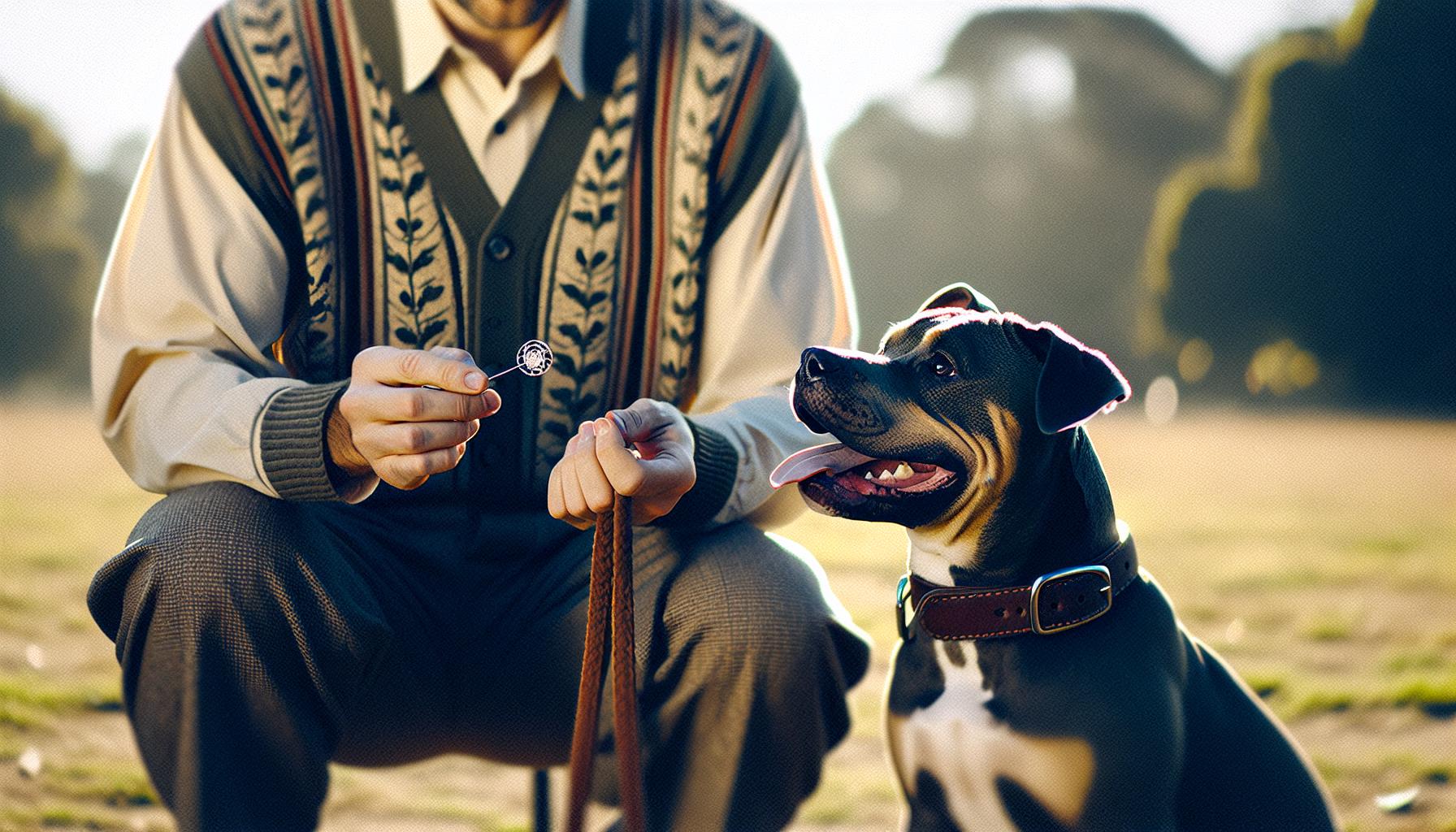
Effective Training Techniques for a Happy Pitbull
Training a Pitbull is not just about correction; it’s about building a relationship based on trust, respect, and joy. These intelligent and eager-to-please dogs thrive on positive reinforcement and structured training. With their high energy and keen minds, effective training techniques can transform your Pitbull into a well-mannered companion who enjoys learning and engaging with you.
Start with basic commands, as they lay the foundation for more complex behaviors. Commands like “sit,” “stay,” and “come” are essential for safety and communication. Use treats or praise as rewards-this not only helps establish desirable behaviors but strengthens your bond too. For instance, when your Pitbull responds to a command correctly, celebrate the success with enthusiastic praise or a tasty treat, reinforcing that good things happen when they listen to you.
Consistency is Key
Consistency in training is vital. Use the same commands and reward system every time you interact with your dog. This helps your Pitbull understand precisely what you expect from them. If your training sessions vary too widely, they can become confused, leading to frustration for both you and your pet. Short, frequent training sessions-about 5 to 10 minutes-are often more effective than longer sessions, particularly for maintaining focus and enthusiasm.
Socialization Matters
Socialization should also be an integral part of your training routine. Expose your Pitbull to a variety of environments, people, and other dogs early on. This exposure helps reduce anxiety and fear of new situations-qualities that can lead to behavioral problems if neglected. Arrange playdates with friendly dogs or visit local parks where they can interact with other dogs. This not only builds good behavior but also makes your Pitbull feel more comfortable in different social settings.
Creative and Engaging Training Methods
To keep training exciting and engaging, incorporate games that challenge your Pitbull mentally and physically. Activities like hide-and-seek can stimulate their mind, while agility training can enhance their physical skills. Puzzle toys that dispense treats or require solving are excellent tools for mental enrichment. These activities challenge them in a fun way, channeling their energy productively and keeping their minds active, which is crucial for their overall happiness.
In summary, the right training techniques embrace positivity, consistency, and creative engagement, transforming your Pitbull into a happy and well-adjusted member of your family. By prioritizing their training with love and structure, you’re not just teaching them obedience; you’re also ensuring they lead a fulfilling and joyful life alongside you.
Nutritious Diets for Optimal Wellness and Energy
A nutritious diet is essential for your Pitbull’s overall health and happiness. These dogs are known for their muscular build and high energy levels, which means they require a balanced diet that supports their active lifestyle. Proper nutrition not only keeps their energy levels up but also plays a critical role in their growth, development, and longevity. Selecting the right food, understanding the nutritional needs of your Pitbull, and knowing what to avoid are all key components of maintaining their health.
When choosing a diet for your Pitbull, focus on high-quality proteins, healthy fats, and essential vitamins and minerals. These dogs thrive on protein sources such as chicken, beef, lamb, or fish, which are vital for muscle development and maintenance. Look for dog food that lists a specific meat as the first ingredient, indicating that it provides the necessary protein to fuel their energetic lifestyle. It’s also essential to incorporate healthy fats, such as omega-3 and omega-6 fatty acids, which promote a shiny coat and healthy skin. These can be found in fish oil or flaxseed oil supplements.
In addition to proteins and fats, your Pitbull’s diet should include a variety of carbohydrates and fiber. Ingredients like brown rice, sweet potatoes, and peas not only provide energy but also aid digestion and prevent obesity. Remember, a well-rounded diet will keep your dog both mentally and physically engaged, enhancing their overall wellness.
Portion Control and Feeding Schedule
To avoid overeating, establish a feeding schedule with portion-controlled meals. Keep in mind the following points:
- Younger puppies may require more frequent meals, while adults typically thrive on two meals a day.
- Consult with your veterinarian to determine the proper portion sizes based on your dog’s weight, age, and activity level.
- Be mindful of calorie intake, especially if your Pitbull is prone to weight gain.
Foods to Avoid
Certain foods can be harmful to your Pitbull’s health and should be avoided entirely. These include:
- Chocolate: Toxic to dogs and can cause severe health issues.
- Grapes and raisins: Can lead to kidney failure in some dogs.
- Onions and garlic: These can damage red blood cells and lead to anemia.
- Foods high in fat: Such as greasy leftovers, which can lead to obesity and pancreatitis.
Understanding what to feed your Pitbull, as well as what to avoid, is crucial for keeping them happy and healthy. By prioritizing nutritious diets tailored to their specific needs, you’ll help ensure that your beloved companion enjoys a long, active life filled with vitality and joy.
Importance of Socialization: Building Good Behavior
Socialization is a crucial component in the development of a well-rounded Pitbull. These dogs, often misunderstood due to their muscular build and reputation, thrive when they are exposed to various environments, people, and situations from a young age. Proper socialization helps prevent behavioral issues and ensures that your Pitbull is comfortable and confident in all settings. Without this critical exposure, even the most gentle-natured Pitbull might become anxious or fearful, leading to challenges in public and at home.
One of the best times to socialize your Pitbull is between the ages of 3 weeks and 3 months, a period when they are particularly receptive to new experiences. Engaging them in puppy classes, group walks, or playdates with other friendly dogs can lay the foundation for good behavior. Incorporating fun activities like trips to the park or visits to pet-friendly stores exposes them to new smells, sounds, and sights that broaden their understanding of the world. It’s important to ensure these experiences are positive; using treats and praise can reinforce their good behavior.
You might also consider exposing your Pitbull to various types of people-children, elderly individuals, other pet owners, and those with disabilities. The more diversity in their interactions, the better they will manage their behavior around different individuals. This variety not only helps your dog feel more secure but allows them to learn appropriate responses to new stimuli, which is vital in avoiding fear-based reactions later in life. Remember, this isn’t just crucial for puppies; older dogs can also benefit from socialization at any age.
Ultimately, creating a well-socialized Pitbull enriches their life and ensures a harmonious relationship with you and others in your community. Take the time to invest in their social skills, and you’ll reap the rewards of a happy, confident, and well-adjusted companion. Your efforts in socializing and training your Pitbull can profoundly impact their joy and well-being, illustrating how both responsibility and enjoyment are integral to the experience of owning this vibrant breed.
Fun and Engaging Activities for Mental Stimulation
Engaging your Pitbull in fun and mentally stimulating activities is key to ensuring they remain happy and healthy. These intelligent dogs thrive on challenges that tap into their problem-solving abilities and sensory skills. Incorporating a variety of stimulating exercises can help prevent boredom and destructive behaviors while fostering a stronger bond between you and your furry friend.
Interactive Toys and Puzzle Games
One of the most effective ways to keep your Pitbull’s mind sharp is through interactive toys and puzzle games. These engaging tools not only provide entertainment but also require your dog to think critically to access treats or toys hidden inside. Look for options designed for moderate to advanced levels to match your dog’s skill set. For example:
- Kong Classic: This durable toy can be stuffed with peanut butter or treats, encouraging your Pitbull to work for their snack.
- Outward Hound Hide-A-Squirrel: A plush puzzle game that challenges your dog to find and remove squeaky toys hidden within the plush tree trunk.
Training and Agility Games
Training sessions can be fantastic mental exercises for your Pitbull while reinforcing good behavior and obedience. Consider engaging in basic obedience training or teaching new tricks. You can also set up an agility course in your backyard using cones, jumps, and tunnels. Not only does this provide physical exercise, but it also stimulates your dog’s mind as they learn to navigate the obstacles. This type of training is especially beneficial for high-energy Pitbulls, helping to channel their energy into a productive and enjoyable activity.
Outdoor Exploration and Sensory Walks
Don’t underestimate the power of nature in providing mental stimulation! Take your Pitbull on different walking routes or hiking trails to expose them to new smells, sights, and sounds. Consider incorporating sensory walks where you encourage your dog to sniff various plants, trees, and objects along the way. This kind of exploration not only satisfies their natural curiosity but also helps keep their senses sharp. You can carry a small bag of treats to reward them for engaging with their environment, making the experience even more rewarding.
Incorporating diverse activities into your Pitbull’s routine can significantly enhance their overall well-being. By keeping their mind engaged through interactive toys, training sessions, and outdoor adventures, you not only contribute to their happiness but also strengthen the bond you share. Remember, a mentally stimulated Pitbull is a happy Pitbull!
Spotlight on Health Issues: Prevention and Care
Understanding and addressing health issues is crucial for ensuring your Pitbull leads a long, happy, and vibrant life. As responsible dog owners, it’s essential to stay informed about the potential health concerns that can affect this breed, alongside proactive measures for prevention and care. Did you know that Pitbulls are predisposed to certain genetic conditions, such as hip dysplasia and skin allergies? By being aware of these issues and implementing preventive strategies, you can significantly enhance your dog’s quality of life.
Common Health Concerns
Pitbulls, like many breeds, have specific health vulnerabilities. Here are some common issues to be aware of:
- Hip Dysplasia: This genetic condition affects the hip joint, leading to arthritis and painful movement. Regular veterinary check-ups and maintaining a healthy weight can help manage this risk.
- Skin Allergies: Pitbulls frequently suffer from allergies, which can lead to skin irritation. Identifying triggers, whether environmental or food-related, allows you to make necessary adjustments in diet or living conditions.
- Heart Disease: Some Pitbulls may develop heart conditions. Controlling their diet and ensuring regular exercise can help mitigate these risks.
Preventive Measures
Prevention is the best approach to managing health concerns. Here are several actionable steps you can take:
- Regular Veterinary Visits: Schedule annual check-ups to monitor your Pitbull’s health. These visits should include vaccinations, heartworm testing, and dental check-ups.
- Balanced Diet: Feeding your Pitbull high-quality, balanced nutrition tailored to their age and activity level is crucial. Discuss dietary options with your veterinarian to address any specific health concerns.
- Exercise and Weight Management: Keep your Pitbull active with a routine that includes daily walks, play sessions, and mental stimulation. A healthy weight reduces stress on their joints and overall strain on their body.
- Hygiene and Grooming: Regular grooming not only keeps your Pitbull looking well but also prevents skin issues. Regular baths with appropriate shampoo and brushing can help remove allergens.
By prioritizing these preventive measures and staying informed about your Pitbull’s health, you can enhance their well-being and longevity. Remember, an ounce of prevention truly is worth a pound of cure. Engaging with your veterinarian as a partner in your Pitbull’s health journey will empower you to give your furry friend the best life possible.
The Role of Play in Your Pitbull’s Happiness
Engaging in play is not just a fun pastime for your Pitbull; it is a vital component of their overall happiness and well-being. Dogs, particularly active breeds like Pitbulls, thrive on physical activities that stimulate their body and mind. Playtime provides an excellent opportunity for you to bond with your furry friend while fulfilling their innate need for mental and physical exercise. Did you know that over time, regular play can lead to reduced behavioral issues, improved social skills, and a stronger overall bond with your dog?
Incorporating a variety of play activities helps to keep your Pitbull mentally stimulated and physically fit. Activities like fetch, tug-of-war, and agility exercises can enhance their cognitive abilities and reinforce training commands in a fun way. Moreover, social playdates with other dogs not only fulfill their need for companionship but also help them develop essential social behaviors. Each play session can serve as a rewarding experience, aiding in physical health, which is crucial for preventing obesity and related health issues prevalent in the breed.
Furthermore, utilizing toys that challenge your Pitbull mentally can enrich their playtime experience. Puzzle toys or treat-dispensing options are fantastic for keeping your dog engaged, as they require problem-solving skills to earn their reward. Regular interaction during play also allows you to gauge your dog’s energy levels and health, ensuring they are fit and happy. Remember, the more varied the play, the more opportunities your Pitbull has to express their natural behaviors, helping them lead a fulfilling life.
Ultimately, prioritizing play not only brings joy into your Pitbull’s life but also deepens the bond you share. It’s an essential aspect of their happiness, offering countless benefits that go beyond mere entertainment. Whether you are tossing a ball or engaging in tug-of-war, every moment spent in play is a step toward providing your Pitbull with the joyful life they deserve.
Fostering a Strong Bond: Communication with Your Pitbull
Building a strong bond with your Pitbull is not only essential for their happiness but also crucial for effective training and mutual understanding. One of the most captivating aspects of being a dog owner is the ability to communicate with your furry friend on a deeper level. Dogs, including Pitbulls, are incredibly intuitive creatures who can pick up on your emotions and body language. Understanding how to effectively communicate with your Pitbull can enhance your relationship in profound ways.
To foster this bond, consistency is key. Utilize clear commands and signals, whether verbal or hand gestures, that your Pitbull can associate with specific actions. For instance, using the same word for “sit” every time, coupled with a hand motion, will help your dog learn and respond better. Pitbulls thrive on routine and predictability, so establishing a set of commands and cues can also make them feel more secure and confident in their environment.
Engaging in positive reinforcement is another potent method to communicate your affection while guiding behaviors. Reward your Pitbull with treats, praise, or playtime when they respond correctly to your commands. This not only reinforces good behavior but also encourages them to associate your presence with positive experiences. Remember, patience is essential; building a strong bond takes time, especially with breeds that may have been misunderstood or mistreated in the past.
Consider incorporating more sensory elements into your communication. Use varying tones of voice to express excitement or calmness. A cheerful tone can signal playtime, while a gentle voice can indicate it’s time to settle down. Furthermore, physical touch is an effective way to communicate love and reassurance. Simple actions like petting, brushing, or cuddling can convey your emotional state and build trust.
Ultimately, the foundation of a solid relationship with your Pitbull lies in understanding and communication. By taking the time to learn what works best for your dog and being consistent in your approach, you create an environment where your Pitbull can thrive, be happy, and feel a sense of belonging in your family. Each interaction can be a step towards a stronger, more joyful bond, making every day together an adventure in growth and connection.
Rescue and Adoption: Giving a Pitbull a Second Chance
Many Pitbulls find themselves in shelters due to unfortunate circumstances, but every dog deserves a second chance at a loving home. Adopting a Pitbull can be a rewarding experience for you and the animal, fostering a connection that enriches both of your lives. By opening your heart and home to a rescue, you not only provide the pup with a safe space but also gain a loyal companion eager to learn, love, and thrive.
Understanding the unique challenges and traits of Pitbulls is essential when considering adoption. These dogs are known for their resilience, loyalty, and affection. However, they often come with their own set of needs-emotional support, physical activity, and mental stimulation. Many rescues can match you with a Pitbull that fits your lifestyle and experience level. It’s crucial to ask questions about the dog’s background, behavior, and health history to prepare adequately for their integration into your home.
Benefits of Adopting a Pitbull
- Companionship: Pitbulls are incredibly loyal and form strong bonds with their families. You’ll find that they thrive on social interaction and love being part of the household.
- Behavioral Training Opportunities: Rescued dogs often benefit from structured training; your investment in their education will pay off in well-behaved companions.
- Health Benefits: Studies show that pet ownership can reduce stress, lower blood pressure, and promote overall mental health.
- Saving a Life: By adopting, you’re not just gaining a pet; you’re making a profound difference in the life of a dog that deserves a chance to live joyfully.
While the adoption process may seem daunting, it’s a journey filled with potential. Start by visiting local shelters or rescue groups, or consider volunteering to get to know different Pitbulls available for adoption. Foster programs are also a fantastic way to build experience with the breed and assess if you’re ready for a long-term commitment. By educating yourself and approaching adoption thoughtfully, you can transform the life of a Pitbull while enriching your own.
Remember, adopting a rescue is not just about giving them a home; it’s about embracing their spirit and celebrating the joy they can bring into your life. Each day with your Pitbull gives you the opportunity to shape their happiness and well-being, while also receiving unconditional love in return.
Celebrating Pitbull Culture: Artists and Advocacy
The celebration of Pitbull culture extends far beyond just the dogs themselves; it encompasses a vibrant community of artists, advocates, and enthusiasts dedicated to promoting the breed’s positive image and welfare. This section highlights how creative expression and advocacy work hand in hand to uplift and protect these affectionate companions, while also educating the public about their true nature.
Artists play a pivotal role in reshaping perceptions around Pitbulls. Through various forms of art-be it painting, photography, or music-they capture the heart and soul of this breed. For instance, many photographers focus on showcasing the playfulness and loyalty that defines Pitbulls, presenting them not as aggressive fighters but as loving family members. Similarly, musicians have embraced Pitbulls in their lyrics and videos, using their platforms to tell stories about resilience, companionship, and the importance of love and support in overcoming adversity.
In addition to personal expressions of love for the breed, advocacy groups are essential in championing the rights and welfare of Pitbulls. These organizations work tirelessly to combat breed-specific legislation (BSL) and misconceptions that label Pitbulls as dangerous. By organizing community events, providing training resources for responsible ownership, and facilitating adoptions, advocates demonstrate the breed’s potential for joy and wellness when given the right environment. They emphasize educational programs that teach people how to interact with and care for these dogs, breaking down barriers of fear and misunderstanding.
Moreover, the intersection of art and advocacy can inspire social change. Projects that feature Pitbulls in uplifting narratives and positive imagery not only promote responsible ownership but also encourage adoption from shelters. Engaging campaigns that tell the stories of individual dogs who overcame hardships can move potential adopters emotionally, fostering a compassionate understanding of Pitbulls’ true character.
Ultimately, celebrating Pitbull culture involves recognizing the bonds these dogs create with their humans and the broader community’s role in ensuring their safe and joyful lives. By supporting artists and advocates who elevate the Pitbull narrative, we can contribute to a future where these dogs are cherished, respected, and loved unconditionally.
Q&A
Q: How can I create a safe space for my Pitbull at home?
A: To create a safe space for your Pitbull, designate a quiet area with comfort items like a bed and toys. Ensure it’s free from hazards and distractions. Utilize gates or crates to limit access to unsafe regions. This promotes a calm environment and helps your Pitbull feel secure.
Q: What are the best exercises for keeping a Pitbull happy and healthy?
A: The best exercises for a Pitbull include daily walks, play sessions, and activities like fetch or agility training. Aim for at least 60 minutes of moderate exercise each day to maintain their physical and mental health. Engaging them in both physical and mental activities reduces boredom and promotes overall happiness.
Q: How can I introduce my Pitbull to other dogs safely?
A: Introduce your Pitbull to other dogs gradually and in a neutral setting. Start with short interactions on leashes, maintaining a calm demeanor. Monitor body language, and increase familiarity slowly. This helps ensure a positive experience that builds social skills and reduces anxiety.
Q: Why is socialization important for my Pitbull?
A: Socialization is crucial for your Pitbull as it helps them develop confidence and reduces anxiety in unfamiliar situations. Exposing them to diverse environments, people, and other animals fosters good behavior and prevents issues like aggression. Start socialization early to yield the best results.
Q: What should I look for in a nutritious diet for my Pitbull?
A: A nutritious diet for your Pitbull should include high-quality proteins, healthy fats, and essential vitamins. Look for foods that list real meat as the first ingredient and avoid fillers like corn or soy. Consult your vet for recommendations tailored to your dog’s specific needs and energy levels.
Q: How do I recognize health issues in my Pitbull early?
A: Early recognition of health issues in a Pitbull includes observing changes in behavior, appetite, or energy levels. Regularly check for unusual lumps, skin irritations, or breathing difficulties. Schedule routine vet visits for preventative care and monitoring, ensuring you catch potential problems early.
Q: What are some fun activities to engage my Pitbull’s mind?
A: Fun activities to engage your Pitbull’s mind include puzzle toys, scent games, and obedience training. Rotate toys to keep things fresh and consider introducing new tricks to challenge them mentally. These activities enhance focus and strengthen your bond, keeping your Pitbull happy and stimulated.
Q: How can rescue and adoption improve a Pitbull’s life?
A: Rescue and adoption provide Pitbulls with second chances at life, stability, and love. Adopted Pitbulls can thrive in nurturing environments that meet their needs. Supporting shelter organizations and choosing to adopt promotes responsible ownership and helps reduce overpopulation.
To Conclude
Thank you for exploring “Happy Pitbull: Proven Methods for Joy & Wellness.” You’ve discovered effective techniques to enhance your Pitbull’s happiness and health, ensuring they thrive in your home. Remember, the bond you create with your furry friend is essential, and adopting a proactive approach to their care will pay off for years to come.
Ready to take the next step? Dive deeper into our resources on [[healthcare tips for Pitbulls]](link) and discover engaging training methods that can make a difference in your daily routine. Don’t miss out on our exclusive newsletter, where you can receive expert advice and connect with other Pitbull enthusiasts!
Your journey doesn’t have to stop here-leave a comment below sharing your experiences, or explore more articles about the breed to keep learning. Together, let’s celebrate and empower the joy and wellness of our beloved Pitbulls!