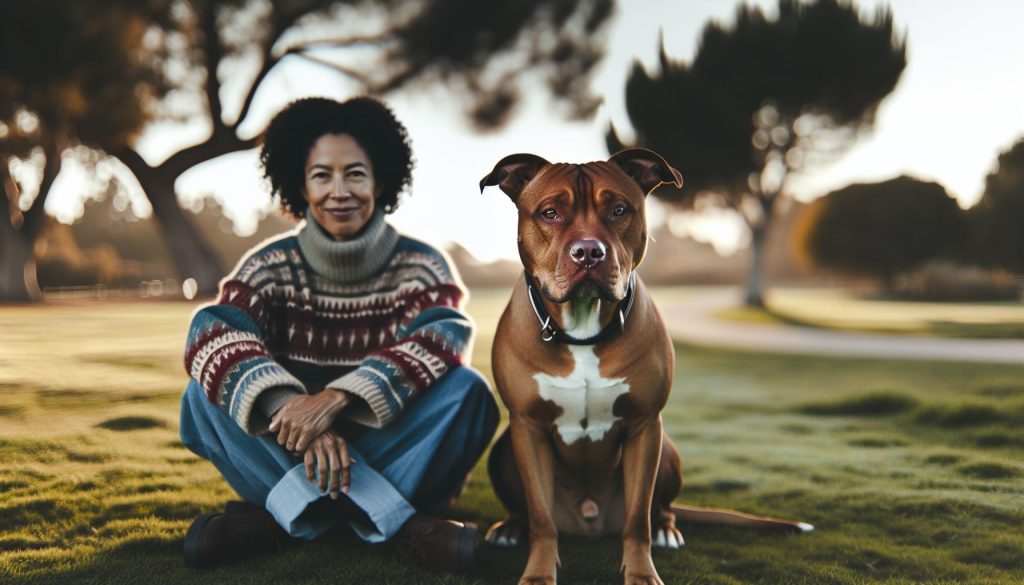
Did you know that the Red Nose Pitbull is not a separate breed but rather a specific variation of the American Pit Bull Terrier? These dogs are celebrated for their stunning red coats and unique personalities, making them a popular choice among dog lovers. However, misconceptions about their temperament and capabilities often lead people to overlook their potential as loving family pets.
In “Red Nose Pitbull: The Complete Truth About This Iconic Breed,” we’ll explore the characteristics that make Red Nose Pitbulls truly special-from their intelligence and loyalty to their training needs and health considerations. If you’ve ever considered welcoming one of these incredible dogs into your home or simply want to understand more about their fascinating lineage, this guide is for you. Prepare to uncover the truth behind these remarkable companions and discover why they hold a beloved place in the hearts of so many. Whether you’re a seasoned owner or just curious about this breed, let’s dive into the world of the Red Nose Pitbull together!
Understanding the Red Nose Pitbull: Origins and Traits
Pitbulls, especially the Red Nose variant, have a rich history that captivates many dog lovers. Originally bred in the United States for their strength and tenacity, Red Nose Pitbulls are a specific bloodline of the American Pit Bull Terrier. Their name derives from the distinctive reddish-pink coloration of their noses, which often matches their fur. Aside from their unique appearance, these dogs are often sought after for their affectionate nature and trainability, making them exceptional companions for many families.
In terms of traits, the Red Nose Pitbull boasts a sturdy build and vibrant personality. They are medium-sized dogs with muscular bodies, showcasing a confident stance. The coat colors in Red Nose Pitbulls can include shades of red, fawn, brown, copper, or amber, providing a beautiful palette of options for potential owners. Beyond their physical features, these dogs are renowned for their loyalty and protective instincts, making them excellent guardians. They thrive when given ample love and social interaction, often forming strong bonds with their human families.
This breed is not without its challenges; however, proper training and socialization can mitigate issues often associated with stereotypes about Pitbulls. Red Nose Pitbulls are intelligent and eager to please, which greatly aids in training. Their unique genetics play a crucial role in their disposition, combining a passionate loyalty with a propensity for playfulness. Understanding these origins and traits can pave the way for responsible ownership, highlighting the positive qualities that make the Red Nose Pitbull a beloved breed.
The Unique Genetics of the Red Nose Pitbull
The genetics of the Red Nose Pitbull offers fascinating insights into why this breed exhibits such distinct physical traits and behavioral tendencies. These dogs stem from a specific bloodline known as the Old Family Red Nose (OFRN), which was primarily developed in Ireland in the mid-19th century. The unique reddish nose color, often seen on Red Nose Pitbulls, is a key trait that has emerged from selective breeding, emphasizing not only their individual appearance but also their temperament. This distinct bloodline is not just about looks; it encompasses a lineage of dogs that were historically bred for their strength, loyalty, and intelligence.
Understanding the genetic background of Red Nose Pitbulls can help you appreciate their responsive nature. They typically display a robust musculature and an intelligent expression, traits that reflect their breeding for physical prowess and companionability. As a medium-sized breed, they usually weigh between 30 to 70 pounds, with females generally being slightly smaller than males. Their athletic build not only contributes to their agility but also makes them proactive in engaging play, showcasing their high energy and playful spirit.
Moreover, the genetic diversity within the Pitbull lineage can contribute to variations in health and temperament. While Red Nose Pitbulls are generally healthy, like any breed, they can be predisposed to certain health issues, such as hip dysplasia or skin conditions. Being aware of these genetic health factors is essential for responsible ownership. Ensuring that you source your Red Nose Pitbull from reputable breeders who prioritize genetic health in their breeding programs can significantly enhance the likelihood of adopting a healthy dog.
In conclusion, embracing not only deepens your understanding of their physical attributes and behavior but also enhances the bond you share with them. Their rich heritage, combined with responsible breeding practices, lays the foundation for a loyal and energetic companion. By appreciating the genetics behind your Red Nose Pitbull, you can make informed decisions about their care, training, and overall well-being.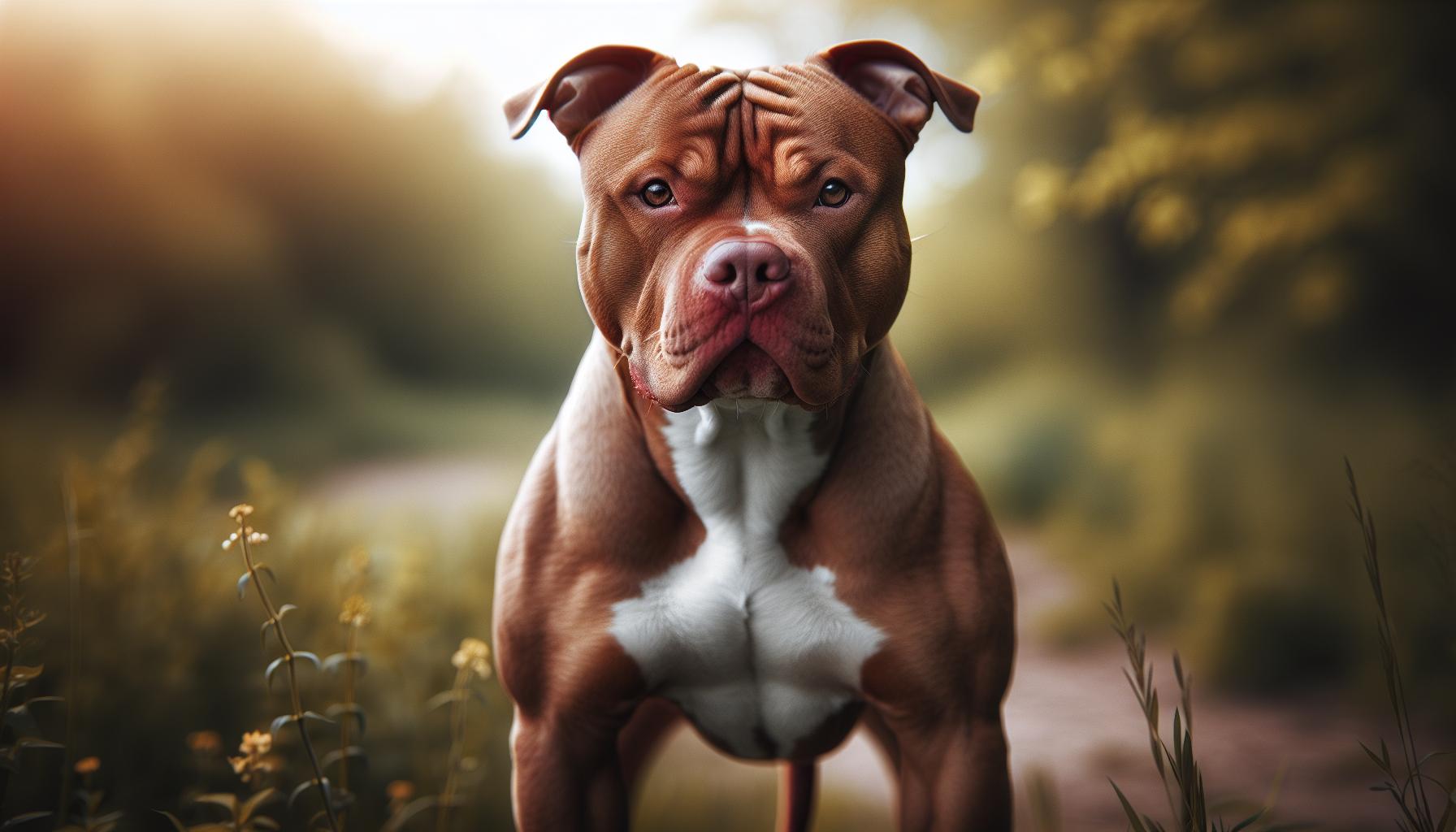
Physical Appearance: What Sets Them Apart?
Red Nose Pitbulls are often recognized for their striking physical features, which set them apart from other variants of the Pitbull breed. One of the most defining characteristics of this breed is the unique color of their nose. The red or reddish-pink nose not only complements their vibrant coat colors but also symbolizes their heritage. Their coats can range from shades of red and fawn to brown and copper, which can further enhance the visual appeal of their athletic build.
These dogs boast a muscular and robust physique, reflecting their history as working dogs. Typically standing between 17 to 21 inches at the shoulder, Red Nose Pitbulls exhibit a well-defined structure with broad chests and strong limbs. Their bodies are built for agility and endurance, allowing for impressive play and exercise capabilities. The breed’s expressive eyes, which often come in a variety of brown shades, convey intelligence and alertness, making them not only beautiful companions but also highly trainable.
It’s noteworthy that the distinctive features of Red Nose Pitbulls are not merely for aesthetics. Their physical traits were purposefully bred into them, emphasizing not just strength and agility, but also loyalty and a loving nature. As medium-sized dogs weighing between 30 to 70 pounds, their combination of size and strength makes them suitable for various activities, from family companionship to participation in dog sports.
To appreciate a Red Nose Pitbull fully, it’s essential to recognize how their unique appearance plays a role in their personality and role as a companion. Celebrating their looks alongside their energetic and loving nature allows for a deeper bond between owner and pet. Understanding their physical traits provides invaluable insight for prospective owners regarding their care, training, and overall lifestyle needs.
Temperament and Personality Traits of Red Nose Pitbulls
Red Nose Pitbulls are celebrated not just for their striking appearance but also for their rich personalities that make them remarkable companions. Often referred to as “people-oriented,” these dogs are known for their loyalty, affection, and playful demeanor. A true family dog, they thrive on interaction and enjoy being part of the household activities, demonstrating a strong desire to bond with their human family members.
Affectionate and Loyal
One of the standout traits of Red Nose Pitbulls is their affectionate nature. They tend to form deep bonds with their owners and often exhibit a protective instinct towards their family. You’ll find them eager to please, making them highly trainable. They respond well to positive reinforcement and love to engage in activities with their humans. This makes them not only excellent companions but also fantastic participants in training exercises and dog sports.
Playfulness and Energy
These dogs have an exuberant spirit, filled with energy and enthusiasm. Red Nose Pitbulls require regular exercise, so be prepared for daily walks, play sessions, or agility training. Their playful attitude can lighten any atmosphere, and they often become the heart of family activities. Engaging them in fetch or even simple tug-of-war games can help channel their energy constructively, ensuring they stay happy and healthy.
Intelligent and Trainable
Interestingly, their intelligence is matched only by their eagerness to learn. Red Nose Pitbulls are known for their ability to grasp commands quickly, making training sessions enjoyable and productive. They excel in obedience training and are often noted for their quick problem-solving abilities. However, consistency and patience in training are key-you want to ensure they know what is expected of them, especially since they can exhibit stubbornness if they don’t see the value in a task.
Social and Friendly
While they have a strong protective nature, well-socialized Red Nose Pitbulls are typically friendly with both humans and other animals. Early socialization is crucial, as it helps them learn how to interact safely and confidently with various people and pets. If you introduce them to different environments and experiences as puppies, they are more likely to grow into well-adjusted adults.
In summary, Red Nose Pitbulls are much more than just a breed with a unique appearance; they embody a mix of loyalty, playfulness, intelligence, and social characteristics that make them incredibly special companions. By investing time in training and socialization, you’ll not only deepen your bond but also foster a happy, well-rounded dog.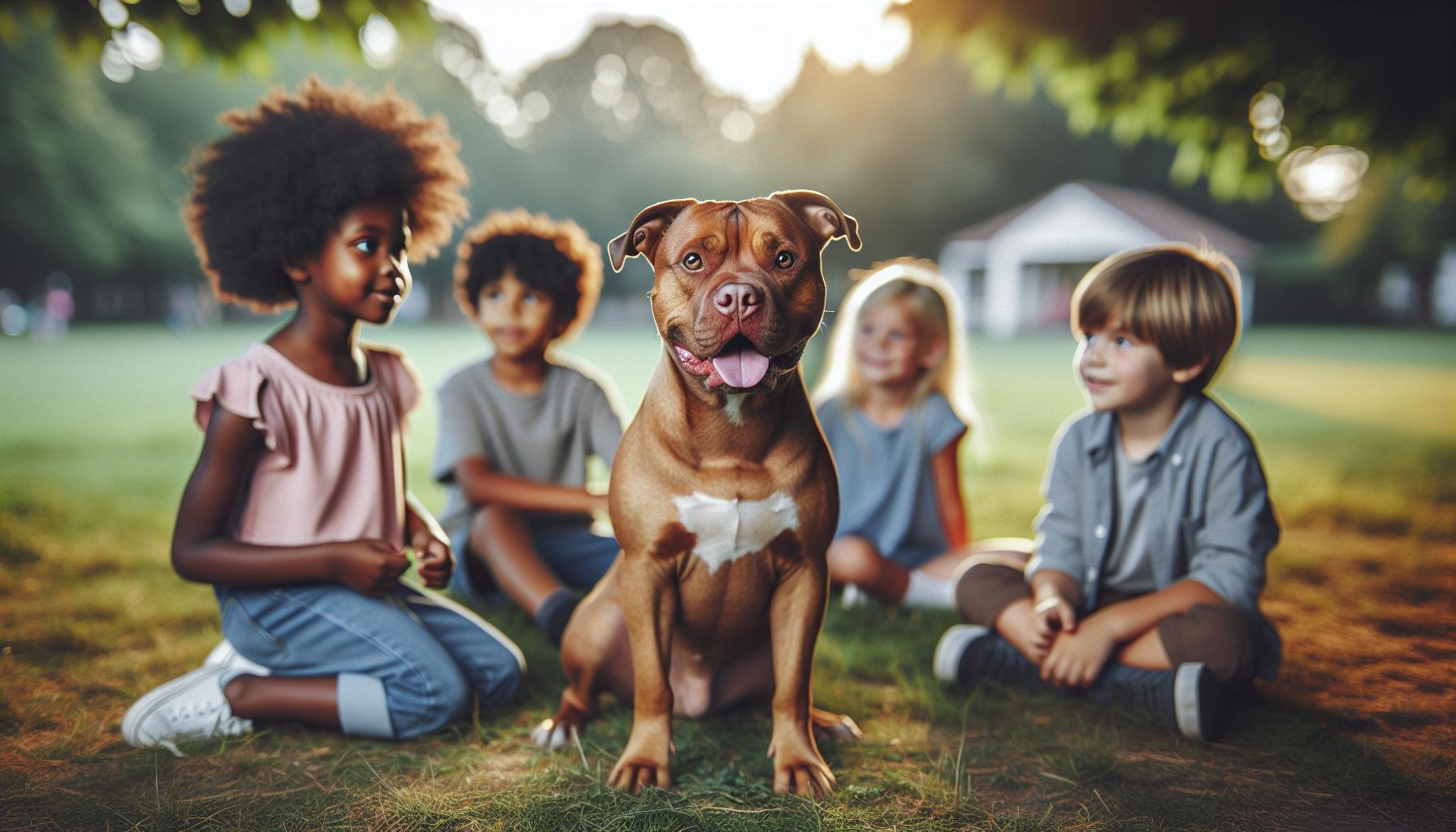
Common Health Issues in the Red Nose Pitbull Breed
Red Nose Pitbulls, like any breed, have specific health issues that prospective owners should be aware of to ensure their pet lives a long and healthy life. Understanding these common health concerns can help you take proactive steps in your pet’s care and prevent potential problems from arising.
One of the most common health issues faced by Red Nose Pitbulls is skin allergies. These can manifest as itching, redness, and inflammation, often caused by environmental allergens such as pollen, dust, or certain food ingredients. Regular vet check-ups and possibly allergy testing can help identify triggers, allowing you to make informed choices about your dog’s environment and diet.
Hip dysplasia is another concern, particularly due to the athletic nature of the breed. This genetic condition results in malformation of the hip joint, leading to arthritis and discomfort. Symptoms might include limping, difficulty rising, or reluctance to exercise. Keeping your Red Nose Pitbull at a healthy weight, combining moderate exercise with joint-friendly activities, can help manage this condition. Supplements such as glucosamine are often recommended, but it’s best to consult your veterinarian.
Additionally, heart disease can be a significant issue for all breeds, including Red Nose Pitbulls. Early signs may be subtle, such as reduced exercise tolerance or occasional coughing. Regular veterinarian visits are important for heart health monitoring, especially as your dog ages. Preventive measures, including a balanced diet and proper exercise, can help maintain overall heart health.
It’s worth noting that Red Nose Pitbulls can also experience musculoskeletal problems, largely due to their extreme energy and athleticism. Engaging in high-impact activities without adequate warm-up can lead to strains or injuries. To prevent these, ensure your dog receives proper training routines and plenty of recovery time between activities.
Overall, while Red Nose Pitbulls are generally healthy dogs, being aware of these common health issues can prepare you better as a responsible owner. Regular veterinary check-ups, a balanced diet, proper exercise, and a watchful eye for any changes in your pup’s behavior will go a long way in helping them thrive.
Training Tips for a Happy and Obedient Pitbull
Training your Red Nose Pitbull can be an incredibly rewarding experience, fostering a strong bond between you and your canine companion. These dogs are often known for their intelligence and willingness to please, which makes them highly trainable when approached with the right techniques and mindset. Begin with basic obedience training, as this not only instills essential commands but also reinforces your position as the pack leader. Commands like “sit,” “stay,” and “come” should be the foundation of your training routine. Using positive reinforcement-like treats, praise, or playtime-can greatly enhance their willingness to learn.
Establishing Consistency and Routine
Consistency is key when training a Red Nose Pitbull. Establishing a regular routine helps your dog understand what to expect and reinforces good behavior. Make sure to conduct training sessions in a distraction-free environment at first, gradually introducing more challenging situations as your dog becomes more comfortable with commands. Keep training sessions short-around 10 to 15 minutes-so that your dog doesn’t lose interest. Incorporate play and exercise into your routine as a reward for completing tasks; this not only keeps them engaged but ensures they burn off excess energy that may lead to misbehavior.
Socialization is Essential
Socialization plays a vital role in training Red Nose Pitbulls. Exposing your dog to different environments, people, and other animals from a young age helps them develop into well-rounded adults. Arrange for controlled interactions with other dogs and take them on varied outings to public spaces, ensuring positive experiences. This will not only help prevent potential behavioral issues but also build their confidence. You might also consider enrolling in puppy socialization classes, which can provide a structured environment for learning.
Addressing Common Behavioral Concerns
If your Red Nose Pitbull tends to knock things over or is overly enthusiastic during play, implementing specific training strategies can help. For instance, utilizing commands like “gentle” or “easy” can teach your dog to modulate their behavior around people and objects. If pulling on the leash is an issue, try basic leash training techniques, encouraging your dog to walk by your side with frequent rewarding moments for maintaining pace.
Remember, patience is crucial. Training a Pitbull is a journey rather than a race. Celebrate small victories along the way, and keep in mind that your positive energy will reflect in your dog’s behavior. With your commitment and their eagerness to learn, you will foster a happy, obedient, and well-adjusted Red Nose Pitbull that thrives on the love and discipline you provide.
Socialization Strategies for Your Red Nose Pitbull
To cultivate a well-adjusted Red Nose Pitbull, successful socialization is crucial. This process involves exposing your puppy to various environments, people, and experiences while ensuring these interactions are positive and controlled. Starting early-ideally during the critical socialization period from 3 to 14 weeks-can set the foundation for a confident and friendly dog. Remember, well-socialized dogs are often more adaptable, making them easier to manage in different situations.
Begin by introducing your Red Nose Pitbull to safe, friendly dogs. Select venues where dogs are known to be non-aggressive, like dog parks during quiet hours or organized playgroups. Allow your puppy to explore and play, but always supervise these interactions to prevent any negative experiences. When introducing your dog to people, encourage gentle petting and treat-sharing to create positive associations. Different experiences, like walks in busy urban areas or visits to pet-friendly stores, will help your pitbull become comfortable with various sights, sounds, and smells.
Positive puppy classes can also serve as a fantastic trampoline for socialization. These classes teach essential skills while providing structured social time with both humans and other dogs, minimizing the chance of overwhelming your puppy. If attending a class isn’t feasible, regular outings to parks, sidewalks, or even backyards can work wonders. Each new outing is an opportunity for learning and enjoying new sights, sounds, and interactions.
In addition to exposure, building your dog’s confidence is part of socialization. Positive reinforcement through treats and praise during new experiences can go a long way. By reassuring your Red Nose Pitbull during social situations, you help reinforce a sense of safety and ease, laying the groundwork for a well-adjusted and sociable adult dog. Don’t rush this process; observe your dog’s behavior and pace the experiences according to their comfort level. This thoughtful approach not only nurtures a happier pet but also strengthens your bond as their trusted owner.
Daily Care Essentials: Nutrition and Exercise
To keep your Red Nose Pitbull thriving, two crucial elements are paramount: proper nutrition and regular exercise. These dogs are known for their high energy levels and strong muscular build, so meeting their dietary and exercise needs plays a significant role in their overall health.
When it comes to nutrition, red nose pitbulls do best on a balanced diet rich in protein and healthy fats. Ingredients such as high-quality poultry, beef, and fish should make up the bulk of their meals. It’s important to also include fiber-rich carbohydrates like rice and sweet potatoes, which can help maintain digestive health. Avoid high-carbohydrate diets that can lead to obesity, as these dogs are prone to weight gain if not properly managed. Always consult with your veterinarian to tailor a diet plan that’s suitable for your pitbull’s specific needs, considering their age, size, and activity level.
Regular exercise is just as important as nutrition. These dogs are highly energetic and require ample physical activity to stay fit and mentally stimulated. A combination of daily walks, playtime in the yard, and engaging activities like fetch or agility training can keep them healthy and satisfied. Aim for at least 1 to 2 hours of exercise per day, tailored to their energy levels and preferences. Socializing them at dog parks or participating in dog sports can also provide great outlets for their energy while reinforcing positive behaviors.
In summary, by focusing on a balanced diet and ensuring consistent exercise, you’ll be setting the foundation for a happy, healthy, and well-adjusted Red Nose Pitbull. Remember that your engagement and interaction during these activities are equally vital in building a strong bond with your pet, making both their nutrition and exercise an enjoyable experience for both of you.
Grooming Needs for Red Nose Pitbulls
Maintaining your Red Nose Pitbull’s coat and skin health is essential not only for their appearance but also for their overall well-being. This breed, admired for its muscular physique and playful demeanor, requires a grooming routine tailored to their unique needs. Understanding how to groom your pup will enhance their happiness and strengthen the bond between you.
Start by brushing your Red Nose Pitbull regularly to combat shedding and keep their coat looking shiny and healthy. While they have a short coat, they do shed, particularly during seasonal changes. A simple yet effective bristle brush or a rubber curry brush can work well, and you should aim to brush them at least once a week. This not only helps reduce loose fur around your home but also stimulates the skin and promotes oil distribution, keeping their coat looking vibrant.
Bathing is another key aspect of grooming. Given their active nature, Red Nose Pitbulls may need a bath every 4 to 6 weeks, depending on how dirty they get. Use a gentle dog shampoo to avoid skin irritation; many pitbulls have sensitive skin, and harsh chemicals can exacerbate issues. To make bath time easier, consider using a detachable showerhead or a sponge to wet and rinse them thoroughly. After bathing, ensure that you dry them well, particularly between their toes and in any skin folds, to prevent moisture buildup and potential infections.
Additionally, pay attention to your pup’s ears, teeth, and nails. Keeping their ears clean will help prevent infections-check them weekly and use a vet-recommended cleaner if they appear dirty. Dental care is also crucial; brush their teeth on a regular basis with toothpaste designed specifically for dogs to maintain oral health. Lastly, regular nail trimming is necessary; aim to trim their nails every 3 to 4 weeks or as needed, keeping their paws healthy and allowing them to walk comfortably.
By incorporating these practices into your grooming routine, you’ll foster not only a beautiful coat but also a healthy and happy Red Nose Pitbull. Remember, grooming is not just about appearances-it’s a crucial part of comprehensive care that reflects your dedication as a responsible owner.
The Red Nose Pitbull in Pop Culture and Media
In recent years, the Red Nose Pitbull has gained significant recognition in pop culture and media, serving as both a beloved pet and a symbol often portrayed in various contexts. Their muscular build, loyalty, and playful disposition have made them recurring subjects in films, television shows, and music, where they are frequently depicted as companions, protectors, or even heroes. This breed’s visibility in media plays a crucial role in shaping public perception, often challenging prevalent stereotypes about pit bulls as dangerous animals.
One notable example is the portrayal of pit bulls in films such as The Little Rascals and The Sandlot, where they are shown as friendly, family-oriented dogs. These representations help to counterbalance the unfair stigma these breeds face, depicting them instead as affectionate and loyal companions. Additionally, the rise of dog influencers on social media has further contributed to the breed’s positive image. Owned by various public figures and influencers, Red Nose Pitbulls are often showcased in cute and endearing videos, emphasizing their playful antics and loving nature, thereby fostering a sense of community and shared appreciation among pit bull enthusiasts.
Moreover, the world of music has embraced the aesthetic and cultural significance of the pit bull. Artists like Pitbull (the musician) not only share a name with the breed but also draw inspiration from its tenacity and spirit. This connection to the breed resonates with fans and serves as a reminder of the value of resilience and celebration in both life and music. The metaphor of ‘going hard’ and thriving against the odds is echoed in the way both the artist and the breed are often portrayed, reflecting the broader themes of transformation and celebration of identity.
As a responsible owner and admirer of the breed, it’s crucial to engage with these narratives thoughtfully. They offer a unique opportunity to educate others about the true nature of Red Nose Pitbulls: loving, loyal, and deserving of a place in your heart and home. Embracing both the positive and nuanced portrayals of this breed in pop culture can help shift the narrative towards appreciation and respect, fostering a more informed understanding of what it means to share your life with a Red Nose Pitbull.
Responsible Ownership: Myths vs. Facts
Responsible ownership of a Red Nose Pitbull involves debunking harmful myths and embracing the facts about this affectionate breed. One common misconception is that pit bulls, including Red Nose Pitbulls, are inherently aggressive and dangerous. In reality, aggression is not a trait that is specific to this breed; it is more about an individual dog’s upbringing, training, and socialization. A well-cared-for and socialized Red Nose Pitbull can be a loving and loyal companion.
Another myth is that Red Nose Pitbulls require extensive training due to their so-called “fighting history.” While it’s true that this breed has been misused in the past, with inappropriate training techniques, this does not dictate their potential as family pets. In fact, with positive reinforcement training methods, you can foster good behavior and happiness in your Red Nose Pitbull. Engaging activities, socialization with other pets, and a stable environment will help cultivate a well-behaved dog.
Health concerns are also clouded by misinformation; many believe that all pit bulls suffer from hereditary health problems. While they can be predisposed to certain conditions, such as hip dysplasia or skin allergies, proper veterinary care, a balanced diet, and regular exercise can significantly mitigate these risks. Regular check-ups and preventive care can keep your Red Nose Pitbull healthy and happy.
Finally, responsible ownership means understanding the breed’s needs in terms of exercise and socialization. Pit bulls are energetic and require consistent physical activity and mental stimulation. This leads to a happier dog and a stronger bond with you as their owner. Whether through daily walks, playtime, or even dog sports, keeping your Red Nose Pitbull engaged is crucial.
In summary, addressing myths versus facts surrounding Red Nose Pitbulls brings clarity to what it means to be a responsible owner. Instead of focusing on stereotypes, honoring the breed’s unique characteristics and understanding their needs can facilitate a rewarding relationship filled with love and companionship. By championing for this breed’s true nature, you help to reshape perceptions and encourage responsible ownership practices.
Finding a Red Nose Pitbull: Adoption vs. Breeders
When considering adding a Red Nose Pitbull to your family, you’ll face an important decision: should you adopt one from a shelter or rescue, or purchase one from a breeder? Each option has distinct advantages and considerations, making it crucial to understand what aligns best with your lifestyle and values.
Adopting a Red Nose Pitbull from a rescue organization or shelter not only gives a dog a second chance at life but also helps combat the stigma surrounding the breed. Many Red Nose Pitbulls end up in shelters due to displacement, neglect, or uninformed ownership. By choosing adoption, you’re not only gaining a loyal companion but also participating in a broader movement to lessen the number of dogs in shelters. Rescues often have volunteer foster families who can provide insights into a dog’s temperament, training history, and compatibility with different households, ensuring a better fit for your family.
On the other hand, buying from a breeder may appeal to those seeking a specific lineage or particular traits. A responsible breeder will prioritize the health and temperament of their dogs, providing a clean environment and necessary health screenings for genetic issues common within the breed. However, it’s essential to do thorough research; not all breeders uphold ethical standards. Look for breeders who are transparent about their breeding practices, willing to show you the puppy’s parents, and can provide health clearances. This transparency can help ensure that you are welcoming a well-socialized and healthy puppy into your home.
Ultimately, the choice between adoption and purchasing a Red Nose Pitbull comes down to personal preference, values, and circumstances. Whether you decide to adopt or buy, ensure you are prepared for the responsibility of dog ownership. Both options can lead to the rewarding experience of welcoming a Red Nose Pitbull into your life, filled with love, loyalty, and companionship.
FAQ
Q: What is the average lifespan of a Red Nose Pitbull?
A: The average lifespan of a Red Nose Pitbull is typically 10 to 15 years. Providing proper care, nutrition, and regular veterinary check-ups can help ensure that your Pitbull lives a long and healthy life. For more on health, check our section on Common Health Issues in the Red Nose Pitbull Breed.
Q: Are Red Nose Pitbulls good with children?
A: Yes, Red Nose Pitbulls are known for being affectionate and loyal companions, often forming strong bonds with children. Supervision and proper training are essential to ensure safe interactions. Explore our guide on Socialization Strategies for Your Red Nose Pitbull for tips on fostering positive relationships.
Q: How do I train my Red Nose Pitbull effectively?
A: Effective training for a Red Nose Pitbull involves positive reinforcement, consistency, and patience. Start with basic commands and gradually introduce more complex tasks. Engage your dog with fun training sessions to keep them motivated. Check our Training Tips for a Happy and Obedient Pitbull for more strategies.
Q: What health issues are common in Red Nose Pitbulls?
A: Common health issues for Red Nose Pitbulls include hip dysplasia, skin allergies, and heart problems. Regular veterinary check-ups and a balanced diet can help manage health risks. For detailed insights, refer to our section on Common Health Issues in the Red Nose Pitbull Breed.
Q: How much exercise does a Red Nose Pitbull need?
A: A Red Nose Pitbull requires at least 1 hour of exercise daily. Engaging activities like walks, runs, or playtime in a secure area will help meet their energy levels. Visit our section on Daily Care Essentials: Nutrition and Exercise for more information on keeping your Pitbull active.
Q: Can Red Nose Pitbulls live in apartments?
A: Yes, Red Nose Pitbulls can adapt to apartment living, provided they receive adequate exercise and mental stimulation. Regular outdoor activities are crucial to prevent boredom and maintain their health. Explore our Daily Care Essentials for tips on managing life in an apartment with your dog.
Q: What should I feed my Red Nose Pitbull for optimal health?
A: Feeding your Red Nose Pitbull a high-quality dog food that meets its nutritional needs is essential. Choose formulas with real meat, whole grains, and vegetables. For more details on nutrition, check our section on Daily Care Essentials: Nutrition and Exercise.
Q: What are some myths about Red Nose Pitbulls?
A: Common myths about Red Nose Pitbulls include assumptions about their aggressiveness and inability to be trained. In reality, with responsible ownership and training, they can be loving and gentle companions. For debunking misconceptions, refer to our section on Responsible Ownership: Myths vs. Facts.
To Wrap It Up
As we wrap up our exploration of the Red Nose Pitbull, we hope you’ve gained a deeper understanding of this remarkable breed’s unique characteristics, health needs, and the importance of responsible ownership. Remember, owning a Red Nose Pitbull comes with the joy of companionship but also the responsibility of proper training and care. Want to learn more? Check out our detailed guides on Pitbull Training Tips and Understanding Pitbull Genetics.
Don’t hesitate-join our community by subscribing to our newsletter for the latest insights on breed care and much more! If you have questions or want to share your experiences, we’d love to hear from you in the comments below. Together, let’s celebrate the loyalty and strength of the Red Nose Pitbull. Your engagement not only enriches our community but also helps elevate awareness about this iconic breed. Keep exploring, and let’s continue this journey together!