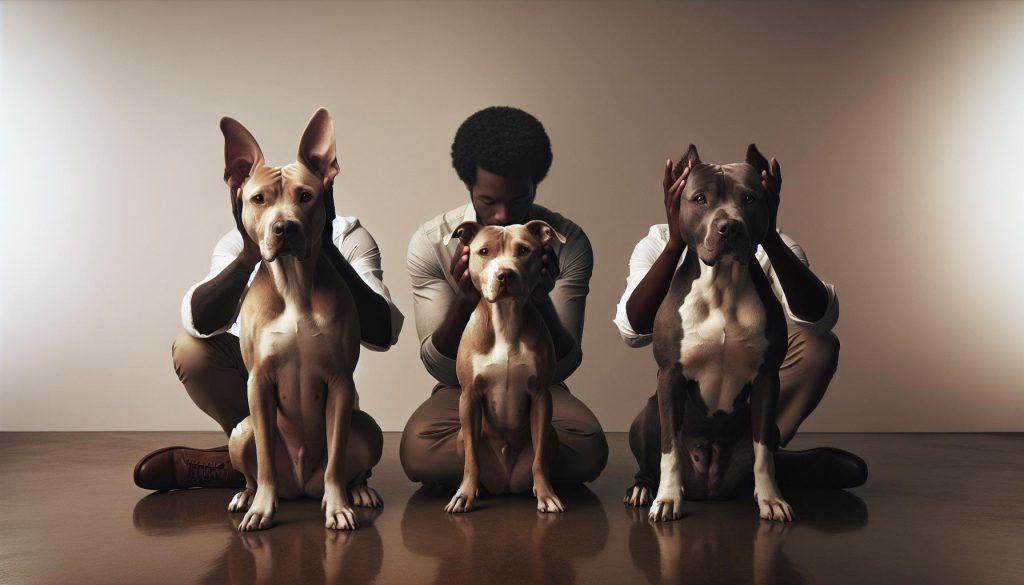
The debate over “Pitbull Cropped Ears vs. Natural: Which is Better?” is more than just a matter of aesthetics; it touches on aspects of health, breed standards, and individual identity. Many potential owners may wonder about the implications of cropping ears-not only concerning appearance but also the potential impact on behavior and well-being. Understanding these differences is crucial for responsible pet ownership. As you consider what’s best for your future furry friend, you might find yourself questioning not only what looks good but what aligns with the love and care every pet deserves. This exploration helps you make an informed choice that resonates with your values while advocating for what’s best for pitbulls. Join us as we dissect the facts, myths, and personal stories surrounding this important topic, ensuring you feel confident in your decisions as a dedicated pitbull lover.
Pitbull Ear Cropping: Understanding the Basics
Pitbull ear cropping is a topic that often sparks passionate debate among dog enthusiasts and prospective owners. This practice, which involves surgically altering a dog’s ears, has historical roots in various breeds, including the American Pit Bull Terrier. Understanding the basics of ear cropping is essential to making an informed decision regarding your pet’s appearance and health.
The primary reasons for ear cropping in Pitbulls stem from traditional beliefs about aesthetics and functionality. Many admired the look of cropped ears in shows and competitions, as they provide a striking profile that some find appealing. Additionally, cropped ears were historically thought to prevent injuries in working or fighting dogs by minimizing the surface area that could be grabbed or torn. However, with the ongoing shift toward prioritizing animal welfare, many are reconsidering the necessity and ethics of this procedure.
When considering ear cropping, it’s vital to recognize that the practice is controversial. Some veterinarians and organizations argue that it offers no medical benefits and can lead to unnecessary pain and complications. On the flip side, advocates for ear cropping often cite personal preference for aesthetics and the breed’s historical image. It’s essential for potential Pitbull owners to understand their local laws and regulations, as some regions have banned the practice altogether.
Ultimately, the choice between cropped and natural ears should reflect responsible ownership, focusing on the health, well-being, and comfort of your Pitbull. Engaging in discussions with veterinarians and experienced breeders can provide a clearer perspective, enabling owners to honor their dog’s history while ensuring a happy and healthy life.
The Ethics of Ear Cropping for Pitbulls
The debate surrounding ear cropping for Pitbulls goes beyond aesthetics; it speaks to broader ethical considerations about animal welfare and responsible pet ownership. For many, the practice of cropping ears derives from long-standing traditions intended to enhance the breed’s appearance or to prevent injuries in working environments. However, as our understanding of animal rights evolves, so too does the scrutiny of such practices. When making a decision about ear cropping, it’s essential to weigh personal beliefs against the needs and well-being of your dog.
Many advocates against ear cropping highlight that the procedure often inflicts unnecessary pain and suffering on the animal. The American Veterinary Medical Association has stated that there are no medical benefits to ear cropping, which raises the question: Should tradition trump the welfare of the pet? Many ethical pet owners argue that a dog should not have to undergo surgery for cosmetic purposes alone. Instead, they advocate for natural ear structure, celebrating each dog’s unique look, which can enhance their individuality and strengthen the bond between pet and owner.
For those who still lean towards ear cropping, it’s crucial to ensure that the procedure is performed by a qualified veterinarian in a safe and humane manner. Doing extensive research and considering alternatives for maintaining your dog’s wellbeing is vital, ensuring you respect the dog as an individual rather than merely a canvas for desired aesthetics. Ultimately, responsible ownership is grounded in the understanding that dogs, including Pitbulls, thrive when they feel comfortable, loved, and accepted, regardless of how their ears appear.
Health Implications of Cropped vs. Natural Ears
When considering the health implications of cropped versus natural ears for Pitbulls, it’s important to weigh the short-term and long-term impacts of these choices on your dog’s well-being. The debate extends beyond aesthetics; it touches on significant physical and psychological aspects of your pet’s health. Cropping is a procedure that can result in various complications and recovery issues, while leaving the ears natural may promote better overall health.
Dogs with cropped ears often face immediate challenges during the healing process. This surgical intervention can lead to complications such as infection, excessive pain, and even behavioral changes. Post-surgery, your Pitbull might exhibit signs of discomfort, which can be difficult to manage. In the best-case scenario, if the procedure is performed correctly, your dog may still require extensive aftercare and potential re-visits to the veterinarian to ensure proper recovery.
On the other hand, natural ears offer several health benefits. Dogs with unaltered ears are less predisposed to issues like ear infections caused by trapped moisture and debris that can accumulate in cropped ear folds. Additionally, maintaining a dog’s natural ear structure supports their ability to communicate and express emotions through subtle ear movements, which is essential for their overall well-being. Natural ears also typically do not require the same level of maintenance post-surgery, leading to a more stress-free experience for both the dog and owner.
Ultimately, the decision you make regarding ear cropping should prioritize your dog’s health and comfort. Engaging with your veterinarian to understand the full scope of implications for both options can provide clarity. Your Pitbull deserves a nurturing environment where their health is at the forefront, empowering you to celebrate their natural beauty and unique personality.
Comparing Aesthetics: Cropped Ears vs. Natural Ears
When you envision a Pitbull, the first thing that might come to mind is their powerful physique and expressive features. One of the most distinguishable aspects that varies among Pitbulls is their ears, which can be either cropped or left natural. This difference significantly influences not just their appearance but potentially how they are perceived within society. While cropped ears might give a more formidable look, it’s important to delve deeper and consider both aesthetics and implications surrounding these choices.
Cropped ears, often associated with a more traditional or “tough” aesthetic, can create a striking silhouette that some owners prefer. This appearance, historically tied to specific uses like hunting or protection, may give the impression of strength and alertness. However, it’s essential to recognize that this is largely a cultural perspective, as many breeds have natural ear structures celebrated for their uniqueness and beauty. On the other hand, natural ears allow for more expressiveness. With their floppy, soft shapes, unaltered ears can convey a wide range of emotions, from curiosity to joy, adding to your Pitbull’s personality.
The discussion around aesthetics often delves into perceptions in the community. Many advocates for the breed argue that natural ears contribute to a more approachable and friendly image, which can help dispel negative stereotypes associated with Pitbulls. Natural ears can foster a more relaxed demeanor, reinforcing the idea that your beloved companion is not just a powerful breed but also a loving and gentle member of the family.
Ultimately, whether you choose cropped or natural ears, what matters most is that your Pitbull is healthy and well cared for. Engaging with local communities can provide insights and personal stories that help shape your perspective on what looks best while still honoring the integrity of this amazing breed. Remember, every Pitbull, regardless of ear type, deserves a loving home and an owner who appreciates their unique traits.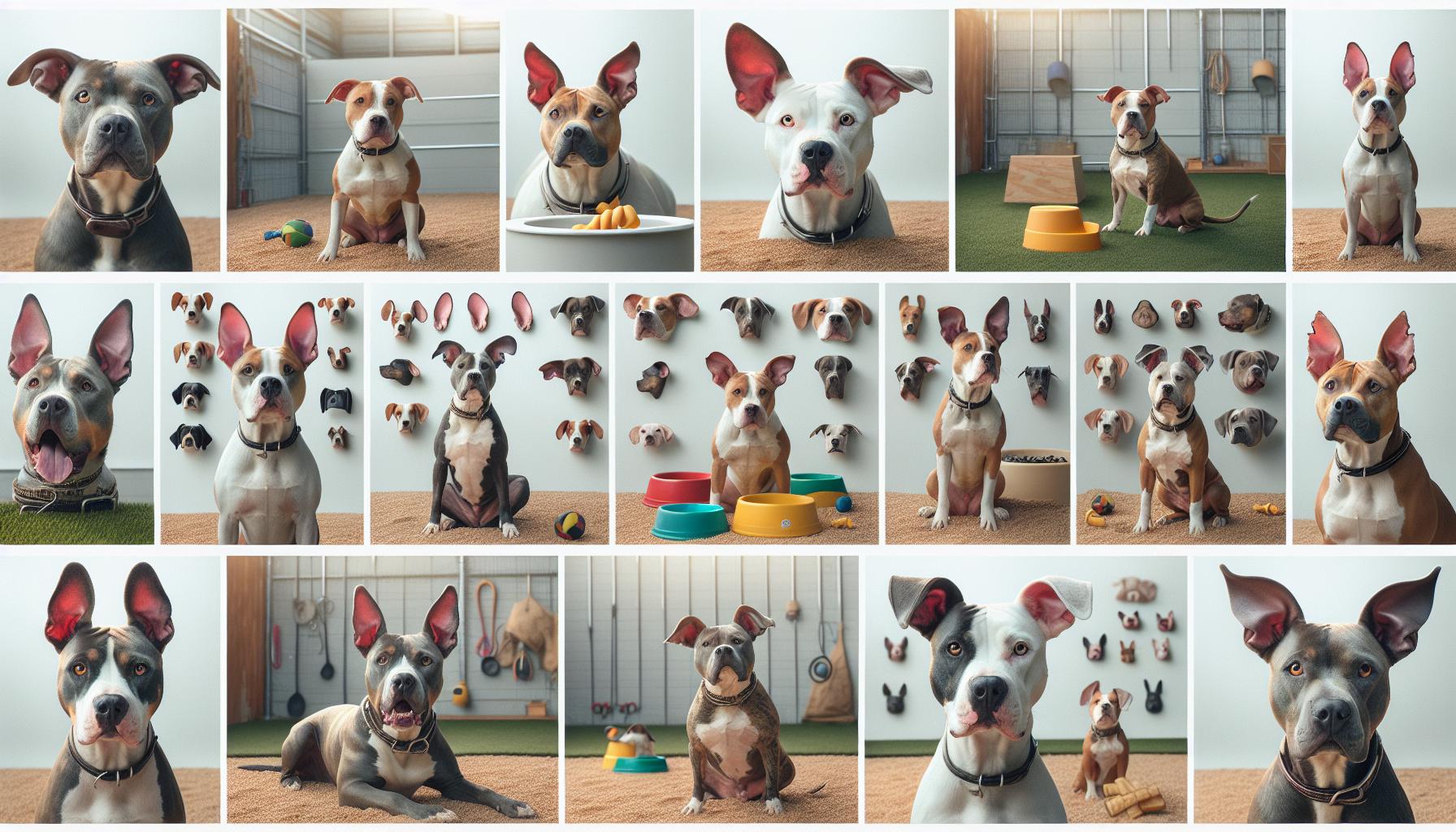
Impact of Ear Type on Pitbull Behavior
The type of ears a Pitbull has-whether cropped or natural-can influence not just their physical appearance but also their behavior and interactions with the world around them. Understanding these differences is essential for any prospective or current Pitbull owner who wants to foster a positive environment for their pet.
Research has shown that dogs with natural ears often display a wider range of expressiveness in their body language. With floppy ears, your Pitbull may be more approachable and less intimidating to strangers, which can lead to more positive social interactions. This is particularly important as Pitbulls frequently face bias; a dog with natural ears may help counteract the stereotypes that can lead to negative perceptions. In contrast, cropped ears, while aesthetically striking, can sometimes contribute to a more aggressive or fearful image, potentially impacting how other dogs and people respond to your pet.
Furthermore, ear type can be tied to comfort and communication. Dogs utilize their ears to express emotions-from curiosity to anxiety. Natural ears allow for more nuanced communication of these feelings, making it easier for both the dog and its owner to understand emotional states. For example, a relaxed Pitbull with natural ears may convey their calmness clearly, while a cropped ear Pitbull might be perceived differently in social settings, possibly causing unnecessary misunderstandings.
Ultimately, the choice between cropped and natural ears should consider not only the aesthetic preferences of owners but also the potential effects on behavior and social dynamics. Whether you choose to celebrate your Pitbull’s natural beauty or opt for a cropped look, ensuring a loving and supportive environment will cultivate the best behavior from your four-legged friend. Investing time in socialization and understanding their needs, regardless of ear type, will help reinforce a positive image of the breed and foster a compassionate relationship.
Legal Considerations for Ear Cropping
The decision to crop a Pitbull’s ears is not only a matter of aesthetics but also intersects with important legal considerations that potential owners should be aware of. Laws surrounding ear cropping vary significantly by location, reflecting a growing awareness of animal welfare and public opinion on the practice. In some regions, ear cropping is permissible, while in others it is banned outright or allowed only under specific conditions, such as medical necessity. Failing to comply with local regulations can lead to legal repercussions, fines, or even the confiscation of the animal.
For instance, in the United States, many states allow ear cropping, but some municipalities have enacted laws that prohibit the practice altogether. This inconsistency can create confusion for dog owners looking to make informed decisions. It’s crucial for you to research the laws specific to your area before considering ear cropping for your Pitbull, ensuring that you’re following legal guidelines and advocating for the welfare of your pet.
Additionally, the qualifications of the individual performing the procedure matter immensely. In places where ear cropping is legal, it must be done by a licensed veterinarian to ensure the health and safety of the dog. It’s essential to avoid unlicensed practitioners, as improper techniques can lead to complications and pain for the animal. Ethical veterinarians will also discuss the implications of ear cropping with you, helping you weigh the aesthetic benefits against the potential for distress and the long-term impact on your dog’s wellbeing.
Understanding the legal landscape and adhering to ethical practices are paramount in the decision-making process. Remember, responsible ownership includes not only meeting the physical needs of your pet but also ensuring their legal and emotional safety. If you have lingering doubts about the legality of ear cropping or its necessity, consulting with veterinarians, reputable dog trainers, or animal welfare organizations can provide you with guidance tailored to your specific situation.
Grooming and Care: Cropped vs. Natural Ears
Caring for your Pitbull’s ears, whether cropped or natural, requires specific attention to ensure their health and comfort. It’s essential to understand the unique grooming and care needs associated with each ear type to enhance your dog’s wellbeing and to address potential issues effectively.
For Pitbulls with cropped ears, keeping the area clean is of utmost importance. After the cropping procedure, the ears will initially require some specialized care to help prevent infection and ensure proper healing. This includes gently cleaning the edges of the ears with a vet-recommended saline solution and keeping the area dry to avoid any moisture buildup, which can lead to problems like infections or irritation. Additionally, regular monitoring of your dog’s ears is essential to watch for any signs of discomfort, redness, or unusual discharge.
In contrast, natural ears also need attention, though the approach differs. You should periodically check for wax buildup and debris, as well as any signs of ear infections or allergies. Cleaning natural ears typically involves using a gentle canine ear cleaner and cotton balls to avoid inner ear complications. It’s crucial to be gentle during this process, as many dogs may be sensitive around their ears.
Comparison of Grooming Needs
| Feature | Cropped Ears | Natural Ears |
|---|---|---|
| Cleaning frequency | Regular checks post-surgery until fully healed; then as needed | As needed, based on wax buildup |
| Possible issues | Infections, irritation, improper healing | Infections, allergies, wax buildup |
| Recommended cleaning method | Vet-recommended saline solution | Gentle canine ear cleaner |
Ultimately, regardless of ear type, positive experiences during grooming will help your Pitbull feel comfortable with the process. Use treats and praise to create positive associations, which can make what might be an uncomfortable experience much more enjoyable for your dog. Regular grooming sessions can also serve as an opportunity to bond with your pet, reinforcing trust and affection between you.
In summary, whether your Pitbull has cropped or natural ears, attentive and appropriate care is essential. By understanding the specific needs of each ear type and incorporating gentle grooming practices into your routine, you will help ensure your furry friend remains happy and healthy.
Training Tips for Pitbulls with Cropped Ears
Training a Pitbull with cropped ears can present unique challenges and advantages, all rooted in understanding your dog’s specific needs and enhancing their training experience. It’s fascinating to consider how the physical appearance, including ear type, can influence a dog’s interaction with the world around them. Regardless of whether your Pitbull has cropped or natural ears, focusing on positive reinforcement and addressing their specific characteristics will pave the way for a strong, trusting bond.
First and foremost, consistent socialization is crucial for all Pitbulls, especially those with cropped ears. The sight of cropped ears can sometimes elicit strong reactions from others, both positive and negative. To help your dog thrive, expose them to various people, pets, and environments early on. This not only aids in building your dog’s confidence but also promotes appropriate behavior in different situations. Engage in playdates, group training classes, or community events to create a well-rounded social experience.
Incorporating positive reinforcement techniques during training will yield the best results. Dogs respond exceptionally well to rewards, be it treats, praise, or playtime. For instance, when teaching commands like “sit” or “stay,” reinforce your Pitbull’s success with enthusiastic affirmation. This not only encourages good behavior but also strengthens your bond. Remember, patience is key; if your dog exhibits reluctance or distraction-perhaps influenced by their cropped ears’ perception-take a step back and adjust your approach. Sometimes a softer voice or the use of a favorite toy can reignite their focus.
Additionally, keep in mind that some Pitbulls with cropped ears may display heightened sensitivity around their head. Gentle handling during training sessions can help them feel secure. Incorporate sessions that involve touching their ears or head lightly to desensitize them gradually. This can help prevent any potential anxiety related to their cropped appearance and promote a more cooperative training experience.
Lastly, setting realistic training goals that cater to your dog’s pace is essential. Every dog is unique, and their experiences shape their learning curves. Work with your Pitbull at their level, celebrating small victories along the way. Utilizing distracting toys or engaging in fun, exercise-based training games can break monotony, keeping your sessions lively and encouraging.
Ultimately, your attitude and approach will significantly impact your Pitbull’s training success. By embracing their individuality and creating a nurturing training environment, you’ll not only empower your dog with important life skills but also enjoy the rich companionship that a well-trained Pitbull provides.
Personal Stories: Owners’ Experiences with Both Ear Types
The debate over cropped versus natural ears for Pitbulls is a significant subject among dog owners, and personal stories illustrate just how varied these experiences can be. Owners often express deep connections to their dogs, and these connections can be influenced by ear type, shaping everything from training strategies to public perception.
Many owners of Pitbulls with cropped ears report a sense of pride in their dog’s appearance. One owner, Sarah, shared that her cropped Pitbull, Max, often garners attention and compliments, particularly in dog parks. She notes that Max’s cropped ears give him a “tougher” look, which some people find intimidating. This reaction, she says, can lead to mixed interactions with other dogs and their owners. However, Sarah appreciates how Max’s ear shape often leads to conversations about breed misconceptions, giving her the opportunity to educate others that looks don’t determine temperament.
On the other hand, there are those like Kevin, who embrace the natural ear look for their Pitbull, Bella. He believes Bella’s natural ears contribute to her friendly and approachable demeanor. In fact, Kevin feels that there’s a community aspect tied to natural ears, as fellow dog owners frequently stop to ask about her background and breed rather than immediately assuming aggression. He explains that Bella’s floppy ears seem to enhance her playful image, making people more eager to engage with her. This acceptance has enabled him to build bonds with other pet owners and foster a sense of inclusivity.
While these individual stories highlight the varying advantages and challenges associated with ear types, they also underscore a universal truth: each dog, regardless of their ear shape, has unique needs and traits that influence their upbringing. The decisions surrounding cropping often come down to personal taste, lifestyle, and the individual dog’s well-being. Engaging with Pitbulls, whether with cropped or natural ears, showcases the importance of responsible ownership-taking the time to understand and embrace each dog’s distinct personality and characteristics makes all the difference in nurturing a loving and confident companion.
Popularity of Pitbulls: Trends and Misconceptions
The popularity of Pitbulls has surged in recent years, making them one of America’s most recognizable dog breeds. Yet, this fame is often shadowed by misconceptions that can affect how they are perceived by the public. Many people still associate Pitbulls with aggression due to a historical focus on their utility in fighting and protection, despite increasing awareness about their temperament and suitability as family pets.
Understanding the true nature of these dogs is crucial. The American Kennel Club characterizes Pitbulls as loyal, loving, and intelligent companions. Their resilience and adaptability make them suitable for a wide range of households. In fact, statistics show that actively socialized Pitbulls are just as friendly and well-adjusted as any other breed. Educating others about their temperament can help dispel lingering fears and prejudices.
Moreover, the aesthetics of a Pitbull-whether they sport cropped or natural ears-can influence public perception. A cropped ear can give the appearance of toughness, potentially reinforcing stereotypes. Conversely, natural ears often allow for a softer look that promotes a more approachable image. Depending on the ear type, you might find that interactions with others vary significantly, as some may react more favorably to the appearance of natural ears.
In your journey with your Pitbull, consider sharing your personal experiences to help bridge the gap between facts and misconceptions. Engage with your community, participate in discussions, and advocate for the breed to foster a more informed and accepting environment. By doing so, you not only celebrate the unique qualities of Pitbulls but also contribute to a broader understanding that these dogs deserve respect and love, regardless of their ear type.
Expert Opinions: Veterinarians Weigh In
Veterinarians play a crucial role in the conversation surrounding ear cropping for Pitbulls, as their insights are grounded in extensive training and experience with canine health. Many vet professionals continue to express that the practice of ear cropping, while historically associated with certain breeds for aesthetic or functional purposes, may not be in the dog’s best interests from a health standpoint. Contrary to popular belief, cropped ears do not provide any significant medical benefits or improvements in hearing, which leads many veterinarians to advocate for keeping a dog’s ears natural.
Not only does ear cropping involve a surgical procedure that carries inherent risks such as pain, infection, and anesthesia complications, but it also signifies a loss of the dog’s natural expression. Vets emphasize the importance of an animal’s welfare, arguing that natural ears allow for proper communication through body language. An unaltered ear structure enables dogs to express their emotions more freely, making them more relatable and approachable in a home environment.
Additionally, a growing number of veterinarians are aligning with the perspectives of animal welfare organizations that advocate against non-therapeutic surgeries. They suggest that potential Pitbull owners consider the psychological impact of ear cropping-not just the physical changes. Vets recommend educating yourself about the breed’s characteristics and temperaments outside of aesthetics. They encourage new owners to focus on training, socialization, and proper care to cultivate well-adjusted dogs that reflect the loving nature of Pitbulls rather than potential stereotypes tied to cropped appearances.
Ultimately, these expert opinions guide responsible pet ownership, emphasizing a holistic approach to caring for your Pitbull. By considering the guidance of veterinarians, you can make informed and compassionate choices regarding your dog’s health and appearance, respecting their individuality and promoting their welfare in society.
Responsible Ownership: Making the Right Choice
Choosing how to present your Pitbull, whether through cropped or natural ears, is often as much about personal preference as it is about responsibility. Owning a Pitbull comes with the duty to respect and nurture their well-being, helping you make informed choices. It’s essential to grasp not just the visual implications of ear cropping, but also the broader impact it can have on your dog’s health and social interactions.
When considering ear cropping, weigh the physical and emotional ramifications. Cropped ears may be aesthetically pleasing to some, but they can also mask a dog’s abilities to communicate effectively with other canines and humans. Dogs use their ears to express a range of emotions-curiosity, fear, or happiness. Natural ears enhance this communication, allowing your Pitbull to navigate social environments more successfully and preventing misunderstandings with other dogs. This interactivity is paramount since Pitbulls, known for their affectionate and energetic nature, thrive on positive interactions.
It’s also crucial to contemplate the ethics of ear cropping. Many veterinarians and animal welfare organizations advocate for natural ear structures, viewing the procedure as unnecessary surgery that poses risks without medical justification. If you choose to crop, ensure it is done by a qualified professional and that you are prepared for the potential recovery challenges, including pain management and infection prevention. Understanding your responsibilities as an owner means prioritizing your dog’s comfort and happiness over aesthetic choices.
Beyond the physical aspects, education plays a central role in responsible ownership. Familiarize yourself with the breed’s distinct traits, needs, and temperaments. Focus on fostering a strong bond through training and socialization. A well-adjusted Pitbull, regardless of ear type, shines through attributes like loyalty, playfulness, and affection, which often dispel negative stereotypes associated with the breed. Engaging with other dog owners or joining Pitbull communities can provide valuable insights and support as you navigate your responsibilities.
Ultimately, making the right choice regarding your Pitbull’s ears involves balancing personal preference with empathy, understanding, and a commitment to their overall well-being. Your decision should reflect a love for the breed and a desire to showcase their individuality while ensuring they receive a fulfilling, compassionate life.
Q&A
Q: What are the main differences between cropped and natural ears in Pitbulls?
A: The main differences between cropped and natural ears in Pitbulls lie in appearance and health implications. Cropped ears are often viewed as more aesthetically pleasing in some circles but require surgical intervention, which can pose risks. Natural ears are more common, easier to care for, and are believed to contribute positively to the dog’s hearing and overall wellbeing.
Q: Does ear cropping affect a Pitbull’s hearing ability?
A: Yes, ear cropping can impact a Pitbull’s hearing ability. While many owners report no significant issues, the surgery may potentially lead to complications that can affect hearing. It’s essential to consult with a veterinarian to understand the potential risks before deciding on ear cropping.
Q: Are there legal restrictions on ear cropping for Pitbulls?
A: Yes, there are legal restrictions regarding ear cropping for Pitbulls in many regions. Certain countries and states have banned or limited the practice due to animal welfare concerns. Always check local regulations to ensure compliance before considering ear cropping for your dog.
Q: How does ear type influence a Pitbull’s behavior?
A: Ear type can influence a Pitbull’s behavior, often affecting how they communicate with humans and other dogs. Cropped ears may give off a different signal than natural ears, which can result in varied social interactions. However, much of a dog’s behavior is more directly influenced by training and socialization than ear type.
Q: What are the grooming needs for Pitbulls with cropped vs. natural ears?
A: Grooming needs for Pitbulls with cropped ears typically involve regular cleaning to prevent infection, as the surgery site requires maintenance. Natural ears require routine cleaning to avoid wax buildup and odor. Overall, both types require attentive care but might differ slightly in specific maintenance practices.
Q: How much does ear cropping surgery typically cost for a Pitbull?
A: The cost of ear cropping surgery for a Pitbull varies widely depending on location and the veterinarian’s expertise, typically ranging from $150 to $600. It’s essential to factor in additional costs for pre-surgery consultations and follow-up care.
Q: What are common reasons for choosing cropped ears over natural ears?
A: Common reasons for choosing cropped ears over natural ears include the desire for a specific aesthetic, adherence to breed standards in certain dog shows, or a belief that cropped ears lead to fewer ear infections. However, it is vital to weigh these reasons against ethical considerations and the potential risks involved.
Q: Are there any health risks associated with cropped ears?
A: Yes, health risks associated with cropped ears can include infection, excessive bleeding, and issues related to anesthesia. Additionally, improperly performed procedures can lead to chronic pain or other complications. Consulting with a qualified veterinarian is crucial to minimize these risks.
The Way Forward
As we wrap up this exploration of “Pitbull Cropped Ears vs. Natural: Which is Better?”, it’s clear that the choice between cropped and natural ears is deeply personal and reflects various factors such as breed standards, health, and individual preference. Remember, your Pitbull’s happiness and wellbeing come first, so consider what feels right for you and your furry companion. If you’re still undecided or have lingering questions, check out our articles on Pitbull health and responsible ownership practices; they can provide valuable insights.
Don’t hesitate to join the conversation! Share your thoughts or experiences in the comments below-your input helps build a community of informed and passionate Pitbull lovers. For more engaging content, subscribe to our newsletter for updates or explore our resources on training and care. Let’s celebrate all the unique characteristics that make Pitbulls beloved companions, whether they sport cropped ears or natural ones!