The German Shepherd Pitbull mix, often called a Sheppit, is a dynamic and powerful hybrid that embodies the best traits of both breeds: loyalty, intelligence, and energy. As a prospective owner, understanding the unique characteristics and needs of this mix is essential. With their robust nature, these puppies thrive under the guidance of a knowledgeable and confident owner willing to invest time in training and socialization.
Many people are drawn to this mix for companionship and protection, but it’s crucial to recognize that they require dedicated leadership and care to flourish. Whether you’re considering adding a Sheppit to your family or simply curious about this captivating breed, our guide will provide you with valuable insights into their behavior, health considerations, and training techniques. By the end, you’ll not only appreciate the beauty and strength of the German Shepherd Pitbull mix but also feel equipped to make informed decisions about raising one. Dive in to learn how to nurture this loyal companion and ensure a harmonious relationship for years to come!
Hybrid Traits of a German Shepherd Pitbull Mix
The German Shepherd Pitbull Mix, often affectionately called a Sheppit, brings together the best traits of two beloved breeds. Known for their intelligence and loyalty, this hybrid showcases a unique blend of characteristics that appeal to many dog lovers. One of the most fascinating aspects of this mix is its versatility; it can develop traits from either parent. Most often, you’ll notice a striking balance of the German Shepherd’s protective instincts and the Pitbull’s playful energy, making them exceptional family companions.
In terms of temperament, this mix tends to be highly active, affectionate, and intelligent. They thrive on interaction and mental stimulation, which means they can be great family dogs, provided they receive adequate training and socialization. Early exposure to various environments, people, and other pets is crucial to ensuring a well-rounded adult dog. Their strong-willed nature may pose challenges during training, but with consistent reinforcement and positive methods, you can encourage good behavior and responsiveness.
Physically, the Sheppit typically boasts a muscular build inherited from the Pitbull, alongside the longer snout and erect ears of the German Shepherd. They usually weigh between 50 and 80 pounds and can stand around 18 to 24 inches tall at the shoulder. Their coat is short to medium in length and can vary in color based on the parent breeds, often featuring a mix of black, brown, and brindle shades. Regular grooming is essential to keep their coat healthy, and you’ll find that they shed moderately throughout the year.
Adopting a German Shepherd Pitbull Mix means preparing for an active lifestyle, as these dogs require substantial exercise to prevent boredom and behavioral issues. Regular walks, playtime, and mental challenges are vital to keeping your pup happy and healthy. With the right training, socialization, and care, you’ll find that this energetic hybrid can be a joy to have in your home, offering loyalty and companionship in abundance.
Understanding the Temperament of Your Puppy

With their blend of strong genetics from both parent breeds, German Shepherd Pitbull Mix puppies are known for their unique temperament that combines intelligence, loyalty, and playfulness. One fascinating aspect of these hybrids is their versatility; they can adopt traits from either parent breed, which makes for a dynamism that is both engaging and sometimes challenging for new owners. Understanding this temperament can significantly enhance your experience and relationship with your puppy.
These puppies are often quite energetic and affectionate. They thrive on human interaction and require consistent mental stimulation and exercise to keep them healthy and content. Without proper engagement, they may become bored, leading to potential behavioral issues. This makes early training and socialization pivotal. Exposing your puppy to various environments, people, and other animals during their formative months contributes to a well-adjusted adult dog.
The German Shepherd’s protective instincts combined with the Pitbull’s energetic nature create a companion that is inherently loyal yet playful. While they can exhibit a strong-willed demeanor, especially as they mature, employing positive reinforcement techniques during training can yield remarkable results. Reward-based training not only fosters good behavior but also strengthens the bond between you and your puppy.
Incorporating early socialization is equally important. Get your Sheppit accustomed to different surroundings and experiences to nurture their adaptability. This prepares them to respond well in various situations and interactions throughout their life. Providing a structured routine and consistent boundaries helps these puppies feel secure, which is essential for their emotional well-being. With patience and effort, you can cultivate a well-rounded dog that embodies the best qualities of both parent breeds.
Physical Characteristics: What to Expect
When considering a German Shepherd Pitbull mix, also known as a Sheppit or Shepherd Pit, it’s crucial to appreciate the diverse physical traits that this hybrid breed can display. These dogs often embody the strong, athletic build of their parent breeds, resulting in a striking appearance that captures attention. Typically, you’ll find a robust, muscular frame reminiscent of the Pitbull paired with the angular features characteristic of the German Shepherd.
The size of your puppy can vary based on genetics, but they usually weigh between 30 to 80 pounds and stand about 18 to 24 inches tall at the shoulder. The mix can exhibit a range of coat colors and patterns, including combinations of black, brown, brindle, and white. Their coat is generally short to medium in length and can be dense and smooth, which is essential for protection against the elements. Grooming is relatively straightforward, as their coats require minimal maintenance but will benefit from regular brushing to reduce shedding and keep the fur healthy and shiny.
Another physical characteristic to consider is the shape of their ears, which can be especially endearing. Depending on which parent they take after more, you might see the erect alertness of a German Shepherd or the more rounded ears of a Pitbull. Eyes can also vary, often being a warm brown or even a striking hazel, conveying intelligence and a playful spirit. The overall expression is typically one of alertness and curiosity, making these dogs excellent companions.
Understanding these physical traits can help you prepare adequately for your Sheppit’s needs and ensure their comfort and happiness as they grow. With proper care and attention, your German Shepherd Pitbull mix will not only develop into a stunning adult dog but also a loyal and affectionate family member.
Grooming Needs for Your Mixed Breed
Maintaining the grooming needs of a German Shepherd Pitbull mix not only keeps them looking sharp but is also essential for their overall health and comfort. This hybrid breed typically has a short to medium-length coat that requires minimal upkeep, but there are some key points to consider to keep your furry companion healthy and happy.
Firstly, regular brushing is an important grooming task. Aim to brush your dog’s coat at least once a week to reduce shedding and prevent matting. This will help to remove loose hair and dirt while distributing natural oils throughout their coat, which can enhance its shine. During seasonal shedding periods, you might want to increase brushing frequency to daily, as this will help manage the increased amount of fur finding its way around your home.
Bathing is another necessary part of your grooming routine. Generally, you should only bathe your German Shepherd Pitbull mix every 2 to 3 months, or as needed if they become particularly dirty. Overbathing can strip their coat of natural oils, leading to dry skin and irritation. When bathing, use a high-quality dog shampoo that is formulated for sensitive skin to help maintain their coat’s health.
Don’t forget about other grooming essentials, such as nail trimming, ear cleaning, and dental care. Nails should be kept short to prevent discomfort and potential injuries; aim to trim them every 3 to 4 weeks. Check their ears weekly to ensure they are clean and free from wax buildup. If you notice dirt or odor, gently clean with a vet-recommended ear cleaner. Lastly, dental hygiene is crucial. Brush your dog’s teeth regularly and consider providing dental chews designed to promote oral health.
In summary, while the grooming needs of a German Shepherd Pitbull mix may not be overly demanding, establishing a regular routine will ensure that your dog looks great and remains healthy. By spending a little time each week on grooming tasks, you’ll help your furry friend to thrive and contribute to their overall well-being.
Health Considerations for German Shepherd Pitbull Mixes
While the German Shepherd Pitbull mix boasts a robust and energetic nature, it’s essential to be aware of specific health considerations that can affect these dogs. Like many hybrid breeds, they can inherit health issues from both parent breeds, so understanding these potential problems will help you provide the best care for your furry companion.
One prevalent concern is hip dysplasia, common in both German Shepherds and Pitbulls. This condition arises when the hip joint doesn’t fit snugly into the hip socket, leading to arthritis and discomfort. Regular check-ups with your veterinarian paired with a healthy weight management plan can help mitigate the impact of this condition. Simple home measures, such as providing non-slip surfaces for your dog, can make daily activities easier and safer for them.
Another aspect to consider is the cardiac conditions that can affect this mix, particularly dilated cardiomyopathy (DCM), which is more frequently seen in large breeds. DCM can lead to serious complications, so being attentive to your dog’s routine vet visits is crucial. Signs to watch for include lethargy, coughing, or difficulty in exercising, which merit immediate veterinary attention.
Finally, be alert for skin allergies. Both parent breeds can be prone to allergies, leading to issues like itching, rashes, or ear infections. A proper diet, regular grooming, and occasional skin checks can help manage these issues. If you notice persistent signs of discomfort, consult your veterinarian, who may recommend a dietary change or allergy testing.
Incorporating a proactive approach to these health considerations will help ensure that your German Shepherd Pitbull mix leads a long, happy, and healthy life. Keep an eye on their weight, maintain their exercise needs, and prioritize regular veterinary care. By doing so, you can enjoy many playful and protective moments with your loving companion.
Training Essentials for a Balanced Dog
Training a German Shepherd Pitbull mix requires a thoughtful approach that acknowledges the unique traits inherited from both parent breeds. Known for their intelligence and eagerness to please, these hybrid dogs thrive on structure, positive reinforcement, and socialization. With dedication and the right techniques, you can cultivate a loving, well-behaved companion.
Establishing consistent routines is crucial. Start with basic commands such as “sit,” “stay,” and “come.” These fundamental skills not only help in obedience but also build a solid foundation for more advanced training. Training sessions should be short and engaging-about 5 to 10 minutes at a time-as these breeds can become bored if the tasks are too repetitive. Use high-value treats and lots of praise to reward your pup’s achievements, creating a positive association with learning.
Socialization and Exposure
Early socialization is essential for your puppy to develop into a balanced adult dog. Expose your German Shepherd Pitbull mix to various environments, people, and other animals to build their confidence and reduce the likelihood of behavioral issues later on. Classes at a puppy training school can be particularly beneficial, as they provide controlled settings for interaction and learning. Aim to introduce them to new experiences and challenges gradually, ensuring that each encounter is positive.
Addressing Behavioral Challenges
While both German Shepherds and Pitbulls are known for their loyalty and protective instincts, they can also exhibit behavioral challenges if not trained consistently. Regular obedience training can help mitigate problems like jumping, barking, or excessive chewing. For example, if your puppy jumps on guests, practice the “sit” command before allowing people to enter your home. Being proactive about training can prevent these minor issues from turning into significant behavioral problems.
Incorporating varying training styles, such as clicker training or agility exercises, can also keep your puppy engaged and mentally stimulated. The excitement of learning new tricks or navigating an agility course caters to their need for both mental and physical exercise.
By committing to a training regimen rooted in patience, positivity, and persistence, you can ensure that your German Shepherd Pitbull mix grows into a well-adjusted and balanced companion, ready to share a joyful life with you.
Socialization Tips for a Happy Pup

To ensure your German Shepherd Pitbull mix develops into a well-adjusted and happy adult dog, early and consistent socialization is paramount. Socialization involves exposing your puppy to a variety of people, environments, and other animals, allowing them to build confidence and good manners in different situations. This early exposure can significantly decrease the likelihood of fear-based behaviors, such as aggression or excessive barking, later in life.
One effective approach is to incorporate puppy socialization classes. These sessions provide a controlled environment where your puppy can interact with other dogs and people under the guidance of an experienced trainer. Additionally, try to expose your puppy to different environments-like parks, pet-friendly stores, and outdoor events-where they can encounter new sights, sounds, and smells. Each positive experience reinforces their confidence and teaches them to navigate the complexities of the world around them.
Be patient and mindful as you introduce your pup to new experiences. Use positive reinforcement techniques, such as treats and praise, to reward calm behavior, reinforcing that new experiences can be enjoyable. Gradually increase the intensity of these encounters; for example, start with quieter places before progressing to busier, more stimulating environments. This gradual approach allows your puppy to build resilience without feeling overwhelmed.
Lastly, remember that regular playdates with other dogs can be tremendously beneficial. These interactions offer your puppy the opportunity to learn appropriate play behaviors and essential social skills. Ensure that the dogs they meet are friendly and up-to-date on vaccinations to promote a safe socialization experience. By committing to these socialization efforts, you’re setting your German Shepherd Pitbull mix on a path to becoming a well-rounded and confident companion.
Nutritional Requirements: Feeding Your Mix

Feeding a German Shepherd Pitbull mix involves understanding the unique nutritional needs that come from its heritage. This breed mix, often known as a Sheppit, typically inherits the energy and strength of both parent breeds, which means a well-balanced, high-quality diet is essential. These dogs thrive on protein-rich foods that support their active lifestyles, muscular build, and overall health.
Nutritional Guidelines
To ensure your puppy receives optimal nutrition, consider the following dietary components:
- Protein: Look for dog foods that list meat (like chicken, beef, or fish) as the first ingredient. These dogs generally require a diet containing about 20-30% protein, especially in their growth phase.
- Fats: Healthy fats, such as Omega-3 and Omega-6 fatty acids, are vital for maintaining skin health and a shiny coat. Aim for a fat content of around 8-15% in their food.
- Carbohydrates: Whole grains like brown rice and oats can be included as they provide necessary energy. However, be cautious with fillers like corn or artificial preservatives.
- Vitamins and Minerals: Essential vitamins and minerals support immune function and overall health. Look for foods that include a mix of vegetables and fruits such as carrots, blueberries, and sweet potatoes.
In addition to a balanced diet, it’s wise to consult your veterinarian for specific recommendations based on your puppy’s age, weight, activity level, and any health concerns.
Feeding Schedule
For puppies, dividing their daily food intake into three meals a day is beneficial. As they transition into adulthood (around 12-18 months), you can reduce this to two meals per day. This practice helps maintain steady energy levels and supports healthy digestion.
Portion Control
Being mindful of portion sizes is crucial to prevent obesity, which both breeds can be prone to if overfed. Follow the feeding guidelines provided by your dog food brand, adjusting based on your puppy’s activity level and metabolism. Regularly monitor their body condition and consult your vet if you’re unsure about their ideal weight.
By focusing on these nutritional aspects and understanding your German Shepherd Pitbull mix’s unique needs, you’ll be on your way to raising a strong, healthy, and vibrant companion.
Exercise Needs: Keeping Your Puppy Active
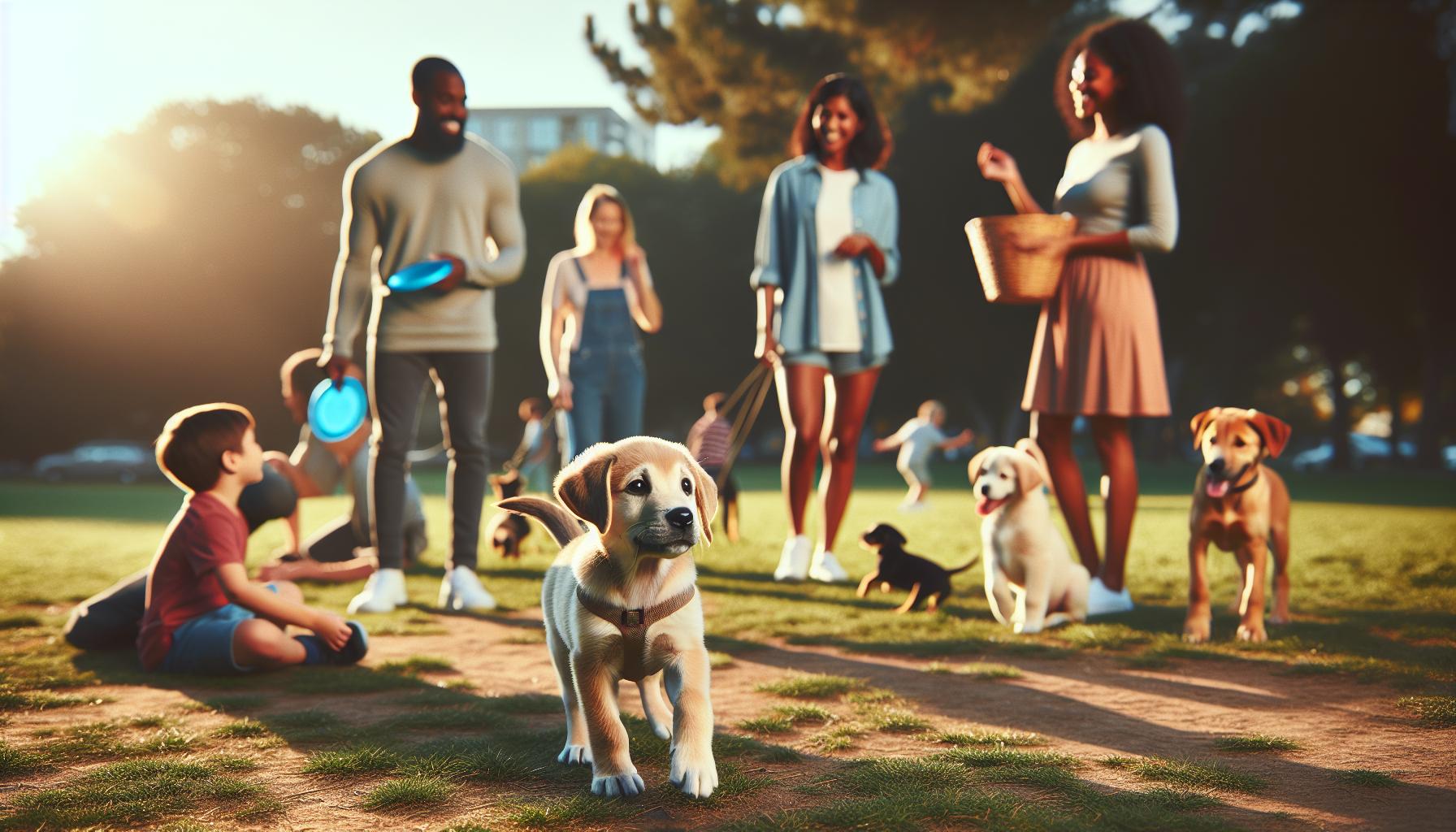
To keep your German Shepherd Pitbull mix, affectionately known as a Sheppit, healthy and happy, a robust exercise regimen is essential. Both parent breeds are known for their high energy levels, intelligence, and need for mental stimulation. This mix will inherit a coat of strong muscles and boundless enthusiasm, making regular exercise a crucial part of their daily routine.
Daily walks should be the foundation of your puppy’s exercise program. Aim for at least an hour of moderate to vigorous activity each day. This can include brisk walks, jogs, or even runs, depending on your puppy’s age and fitness level. Alongside walking, think about incorporating interactive playtime with fetch or tug-of-war games. These activities not only help burn off excess energy but also strengthen your bond with your pup.
Variety is Key
Incorporate a variety of exercises to keep things interesting. Your Sheppit will thrive on different activities, so consider introducing agility training, swimming, or even dog sports like Flyball. Mental challenges are just as important as physical exercise; puzzle toys or scent games can stimulate their mind and keep them engaged.
Socialization Opportunities
Socialization plays a pivotal role in your puppy’s development. Bringing your Sheppit to dog parks or organizing playdates with other dogs allows them to exercise while learning proper social skills. Keep an eye on their interactions to ensure they are friendly and well-behaved, fostering positive experiences during their outings.
Watch for Overexertion
While it’s vital to provide ample exercise, be mindful of not pushing your puppy too hard, especially in hot or humid weather. Signs of fatigue, such as excessive panting or reluctance to move, indicate it’s time to take a break. Proper hydration before, during, and after exercise is crucial to keeping your puppy healthy and happy.
By establishing a routine that balances physical activity with mental challenges, you can ensure that your German Shepherd Pitbull mix remains active, well-adjusted, and ready to take on the world with you by their side.
Common Behavioral Issues and Solutions
Behavioral challenges can arise with any dog, and the German Shepherd Pitbull mix-often known for its intelligence and energy-can exhibit specific issues if not properly managed. Understanding these potential behavioral problems early on can equip you with the tools to address them effectively, fostering a stable and happy partnership with your canine companion.
One common issue in this mix is separation anxiety. Given their affectionate nature, these dogs can develop strong attachments to their families. Signs of separation anxiety include excessive barking, destructive behavior, and attempts to escape when left alone. To combat this, gradually acclimate your puppy to being alone for short periods and reward them for calm behavior. Consider providing interactive toys or puzzles to keep their minds engaged while you’re away.
Another frequent challenge is aggression towards other dogs or people, a trait that can stem from protective instincts inherited from the German Shepherd side. Early socialization is crucial; introduce your puppy to various environments, animals, and people during their formative months. Safe, controlled interactions can help develop their confidence and manage any underlying anxiety. Always supervise playtime to ensure positive experiences and teach appropriate responses to new situations.
Hyperactivity is also a possibility. Thanks to their energetic lineage, these dogs may struggle with impulse control. You might notice them jumping, running in circles, or being overly excitable, particularly during play. Consistent, structured training sessions that incorporate commands, tricks, and agility exercises can help channel their energy into constructive outlets. Ensure to reward calm behavior and reinforce training regularly.
Lastly, noise sensitivity can be an issue, particularly with unexpected loud sounds such as fireworks or thunderstorms. Gradual desensitization is key. Expose your puppy to various sounds at a low volume and reward calm behavior. Creating a safe space with comforting items can also provide security during stressful situations.
By being proactive about these common concerns, you can cultivate a well-behaved and happy German Shepherd Pitbull mix. A combination of training, socialization, and understanding of your dog’s needs will not only improve their behavior but also strengthen the bond you share.
Breed-Specific Regulations: What You Should Know
Understanding the regulations surrounding your German Shepherd Pitbull mix is crucial for responsible ownership and community engagement. Many areas have breed-specific legislation (BSL) that can affect how you care for and manage your dog. Some jurisdictions may impose restrictions or even bans on certain breeds, particularly on breeds perceived as more aggressive, which often include Pitbulls and, in some cases, large working breeds like German Shepherds.
It’s essential to check your local laws regarding dog ownership. This includes understanding any licensing requirements, leash laws, and mandatory spaying or neutering regulations. Some communities may require additional insurance for owners of specific breeds or charge higher fees for licensing these dogs. It’s wise to connect with local animal control or your city’s website to gather accurate and timely information.
In addition to legalities, it’s important to be aware of neighborhood dynamics. Educating yourself and your neighbors about the traits of your German Shepherd Pitbull mix can help dispel myths associated with the breed. Engaging positively with the community can foster a safe atmosphere for everyone. Attend local dog training classes, and participate in community events to show your dog’s well-behaved nature, which can help mitigate any stigma these breeds often face.
Lastly, consider that owning a mix of breeds with differing reputations can sometimes lead to misunderstandings in social situations. Always be prepared to advocate for your dog by showcasing their good behavior and by ensuring they are well-trained and socialized. This not only helps in managing any potential regulatory issues but also creates a sense of camaraderie and community support among dog owners. Your proactive approach can contribute significantly to a positive environment for you and your canine companion.
Celebrating the Pitbull: Culture and Advocacy
Celebrating pitbulls extends beyond their robust physique and playful demeanor; it is about recognizing their profound impact on culture and community. These dogs are often misunderstood, relegated to the sidelines due to outdated stereotypes and misconceptions. Yet, owners and advocates around the world celebrate their intelligence, loyalty, and boundless affection. Understanding the significance of the pitbull in our communities can enrich your appreciation for your German Shepherd Pitbull mix and help counteract the stigma that often surrounds these amazing dogs.
One of the best ways to advocate for pitbulls is through education. Many people fear what they do not understand. By sharing factual information about their temperament and capabilities, you can positively influence perceptions. Pitbulls are known for their friendly nature, strong bond with families, and love for children. This is a breed that thrives on companionship and is often eager to be the life of the party, given the right socialization and training. Encourage your community to engage with your pitbull mix-inviting friends for playdates, participating in local dog training groups, or attending breed-specific events can foster understanding and acceptance.
Moreover, the cultural representations of pitbulls, especially in pop culture, can play a pivotal role in shaping perspectives. From television shows to music references, the portrayal of pitbulls showcases their tenderness and resilience. Celebrated figures in the entertainment industry, many of whom are pitbull advocates, use their platforms to redefine the narrative surrounding these dogs. Engaging with these cultural aspects can create a community of like-minded individuals who support responsible ownership and admiration for the breed.
Lastly, advocacy goes hand in hand with responsible ownership. As a pitbull mix owner, you have the power to set an example by showcasing proper training, socialization, and public behavior. Being proactive in your community-whether through volunteering at shelters, participating in breed-specific rescue events, or simply demonstrating good habits with your dog-makes a significant difference in how pitbulls are perceived. Your commitment not only benefits your own pet but also contributes to a larger movement that celebrates the true essence of pitbulls as loving companions and family members. By fostering these connections and understanding, we can work together to change the narrative and raise appreciation for this remarkable breed.
FAQ
Q: What is the lifespan of a German Shepherd Pitbull mix puppy?
A: The lifespan of a German Shepherd Pitbull mix typically ranges from 10 to 14 years. Regular veterinary check-ups, a balanced diet, and adequate exercise can help maximize your pup’s health and longevity.
Q: How do I socialize my German Shepherd Pitbull mix puppy?
A: Socializing your German Shepherd Pitbull mix puppy is crucial for developing their confidence and behavior. Start by introducing them to various environments, people, and other dogs from a young age. Using positive reinforcement during these experiences can foster a well-adjusted adult dog.
Q: What training methods work best for a German Shepherd Pitbull mix?
A: Positive reinforcement is highly effective for training a German Shepherd Pitbull mix. Techniques like rewarding good behavior with treats or praise can motivate them. Consistency and patience are key, as these breeds are intelligent and thrive on challenge and engagement.
Q: How much exercise does a German Shepherd Pitbull mix need?
A: A German Shepherd Pitbull mix requires at least 1 hour of exercise daily. Activities can include walks, runs, or play sessions that stimulate both their physical and mental energy. Regular exercise helps prevent boredom-related behavioral problems.
Q: What health issues should I be aware of with this mixed breed?
A: Common health issues for a German Shepherd Pitbull mix include hip dysplasia, obesity, and skin problems. Regular vet visits and a healthy diet can help monitor and prevent these conditions. Make sure to check dental health too, as it is often overlooked.
Q: Can German Shepherd Pitbull mix puppies live in apartments?
A: Yes, German Shepherd Pitbull mix puppies can adapt to apartment living if they receive enough daily exercise and mental stimulation. Ensure you have a routine that includes regular outdoor activities to meet their energy needs.
Q: What are the grooming requirements for a German Shepherd Pitbull mix?
A: Grooming a German Shepherd Pitbull mix typically requires brushing once a week to manage shedding and maintain coat health. Regular baths, nail trimming, and dental care are also important to keep your puppy clean and comfortable.
Q: Are German Shepherd Pitbull mixes good family pets?
A: Yes, German Shepherd Pitbull mixes can be excellent family pets when properly trained and socialized. They are known for their loyalty and protective instincts, making them great companions. Always supervise interactions with young children to ensure a positive environment.
To Conclude
Thank you for exploring our guide on the German Shepherd Pitbull Mix! You’ve discovered the essential traits and care requirements for this unique and loyal hybrid. Remember, owning a Sheppit means engaging in consistent training, socialization, and health monitoring to ensure a happy, well-adjusted companion. If you’re thinking about bringing one into your home, don’t hesitate-these loving dogs can become incredible family members and protectors.
For more in-depth insights, be sure to check out our articles on training techniques for mixed breeds and the benefits of hybrid dog breeds. Have questions or personal experiences to share? We invite you to leave a comment below and connect with our community of pet lovers. Your journey with your German Shepherd Pitbull Mix starts now-embrace it, and keep coming back for more valuable resources about raising and caring for your beloved pet!