When it comes to Pitbulls, the debate between Red Nose and Blue Nose can spark passionate discussions among enthusiasts. Did you know that the color of a Pitbull’s nose is tied to its genetics, influencing not just appearance but potentially temperament? While both variants share the same foundational traits of loyalty and strength, they do have unique characteristics worth exploring.
As a responsible dog owner or lover, understanding these differences is crucial not only for breed appreciation but also for making informed choices. You might be curious about which color variant dominates in terms of behavior, health, or popularity. This article will dive deep into their distinct traits, from their physical attributes to their unique challenges and benefits. Whether you’re considering bringing one into your family or simply want to learn more about these fascinating dogs, you’ll find valuable insights that will enhance your appreciation of both the Red Nose and the Blue Nose Pitbulls. Let’s uncover what truly sets them apart!
Red Nose Pitbull: Unique Traits and Characteristics
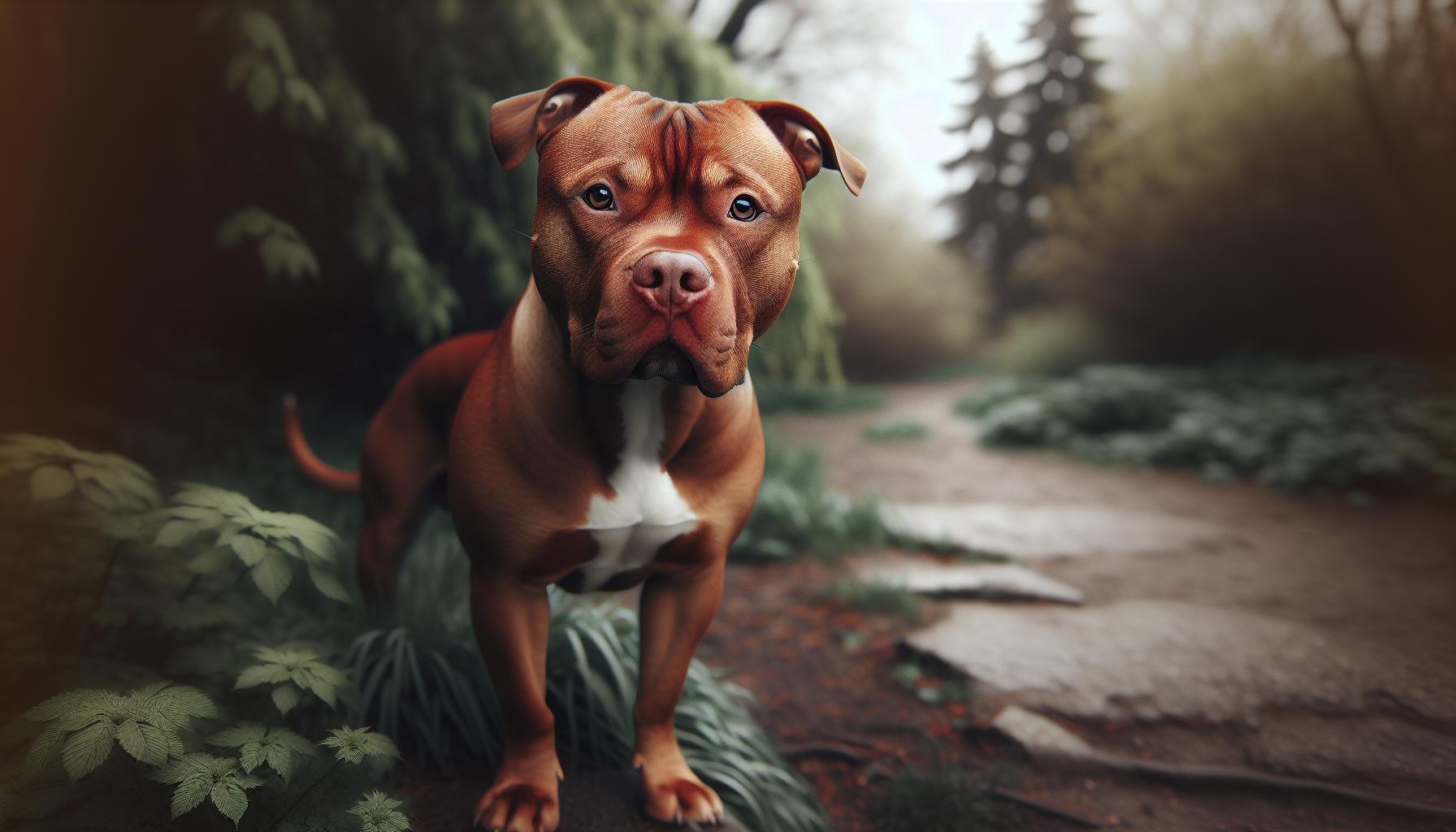
The Red Nose Pitbull is known for its distinct appearance and rich lineage. This variant is characterized by its deep red coat and a nose that matches the coat’s hue, making it visually striking. These dogs typically have a robust build and a strong, muscular physique, embodying the strength and agility that the breed is known for. In terms of temperament, Red Nose Pitbulls are often described as being friendly, affectionate, and extremely loyal to their families. They love to engage with their owners and are known to be good with children, which makes them popular as family pets.
For many enthusiasts, the Red Nose Pitbull’s unique traits go beyond appearance; they are often regarded as having excellent working abilities. Historically, these dogs were bred for their strength and tenacity in tasks like hunting and farm work. As a result, they are not only strong but also intelligent and eager to please, making them highly trainable. Their intelligence combined with their desire to make their owners happy means that they thrive in environments where they can receive consistent training and positive reinforcement.
Grooming a Red Nose Pitbull is relatively easy due to their short coat, which requires minimal upkeep. Regular brushing will help reduce shedding and keep their coat healthy. It’s also crucial to monitor their diet and exercise regime, as these dogs are prone to becoming overweight if not properly managed. Owners should prioritize socialization from a young age to cultivate their natural friendliness and ensure they develop well-rounded personalities. A well-trained and socialized Red Nose Pitbull can be a delightful companion who brings joy and loyalty to any household.
Blue Nose Pitbull: Distinctive Features Explained
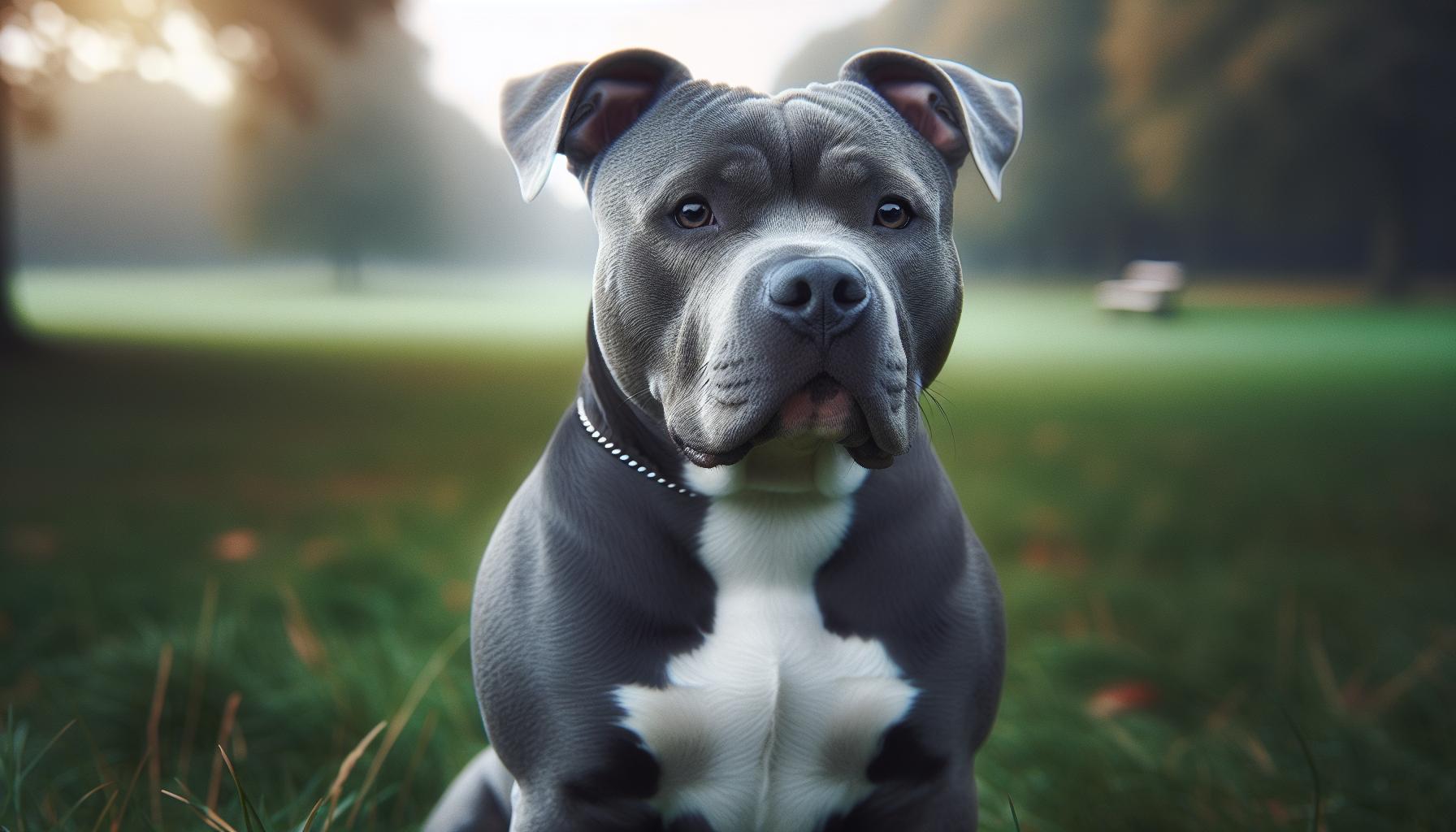
The Blue Nose Pitbull is unique not only for its striking appearance but also for the rich lineage that accompanies this distinctive color. Characterized by a bluish-gray coat and a nose that reflects this hue, these dogs capture attention wherever they go. The genetic mutation responsible for their blue coloring stems from a dilution of the black pigment, which results in their captivating and often sought-after look. For many enthusiasts, this color variation is emblematic of the breed’s strength and endurance.
When it comes to personality, Blue Nose Pitbulls share many traits with their Red Nose counterparts. They are often described as loyal, affectionate, and playful, making them excellent companions for families. Their affectionate nature and natural inclination to bond closely with humans mean they thrive in environments rich with love and attention. However, this affectionate demeanor should be coupled with proper socialization and training to ensure they grow into well-rounded individuals. Many owners find that positive reinforcement techniques work exceptionally well with this variant, further highlighting their eagerness to please.
In terms of health, both Blue and Red Nose Pitbulls generally share similar predispositions to certain conditions, but the Blue Nose variant is sometimes noted for having higher incidences of skin allergies. This aspect necessitates vigilant care from their owners, emphasizing the importance of regular vet check-ups and a proper diet to maintain skin health. Grooming is manageable due to their short coat; however, regular brushing can help minimize shedding and promote a healthy shine.
For those considering a Blue Nose Pitbull, understanding their lineage is crucial. These dogs are primarily descendants of the American Pit Bull Terrier and can often be found within the broader spectrum of the breed’s family tree. By fostering an environment of care, training, and socialization, owners can unlock the incredible potential of these dogs, ensuring they become loving and well-adjusted members of any family.
Comparing Temperament: Red Nose vs Blue Nose
When discussing the temperamental traits of Red Nose and Blue Nose Pitbulls, it’s essential to recognize that while both share many characteristics, subtle differences can relate to individual lineage and the dog’s environment. Both variants are often lauded for their loyalty, intelligence, and affectionate nature, making them excellent companions. However, cultural perceptions and training experiences can lead to unique temperament nuances between the two.
Affectionate Nature and Loyalty
Both Red Nose and Blue Nose Pitbulls exhibit an inherent eagerness to bond with their human families. Their affectionate disposition stems from their breeding as companion animals. You’ll find these dogs are often energetic, enjoying playtime and interaction with family members. Socialization from an early age is vital; it helps them develop confidence and reduces the likelihood of behavioral issues. This nurturing can foster well-rounded dogs irrespective of their nose color.
Individual Variability
While generalizations can be tempting, it’s important to remember that temperament can vary widely within any breed, influenced by factors like genetics and training. Some owners note that Blue Nose Pitbulls may display a more sensitive temperament, reacting to training cues or their environment with heightened awareness. Conversely, Red Nose Pitbulls are sometimes described as more robust and playful, with an enthusiasm that can be infectious. To find the best fit for your lifestyle, gauge the individual dog’s behavior and traits during interaction.
Socialization and Training Approaches
Training methods should be tailored to each dog’s temperament. Positive reinforcement techniques work incredibly well for both variants, as they respond particularly well to praise and rewards. For instance, Red Nose Pitbulls may thrive on vigorous play and engagement, while Blue Nose counterparts might benefit more from calm affirmations and structured routines. Consistent training not only strengthens your bond but also cultivates good behavior and social skills.
It’s clear that both Red and Blue Nose Pitbulls offer unique joys. By understanding these variations and committing to responsible training and socialization, you can appreciate the individual personality of each dog, fostering a loving and balanced home environment.
Health Considerations for Both Variants
Health is a primary concern for any dog owner, and when it comes to Red Nose and Blue Nose Pitbulls, understanding potential health issues can make a significant difference in your pet’s quality of life. While both variants are similar in many respects, certain health considerations may arise due to their genetic backgrounds, which can help you tailor your care and preventive measures.
One of the most critical aspects involves recognizing genetic predispositions to specific health issues. Both variants can be vulnerable to conditions like hip and elbow dysplasia, skin allergies, and certain heart conditions. Regular veterinary check-ups that include genetic testing can provide you with insights into your dog’s health status and risk factors, enabling early intervention if needed. For instance, if your pet exhibits signs of joint pain or mobility issues, proactive measures such as weight management, joint supplements, or even surgery can help maintain their quality of life [[1]].
Maintaining a robust dental regimen is also vital for both Red and Blue Nose Pitbulls. Just like any other breed, they can suffer from dental diseases that lead to serious health problems if left untreated. Incorporating regular dental cleanings and at-home care-like brushing and offering dental chews-can help reduce plaque buildup and promote overall health [[3]].
Nutrition plays a significant role in your Pitbull’s health as well. While both variants can thrive on high-quality dog food formulated for their age and activity level, individual preferences or sensitivities may differ. For example, some dogs might have allergies to specific proteins, leading to skin issues or gastrointestinal problems. Tailoring their diet to avoid allergens and including nutrient-rich foods can greatly assist in maintaining their health.
In summary, when caring for a Red Nose or Blue Nose Pitbull, being proactive in monitoring health, establishing good dental hygiene, and customizing their diet according to their specific needs will help you ensure a happy and healthy life for your furry friend. Each dog is unique, so understanding and responding to their health requirements can enhance their overall well-being and your shared experiences together.
Training Techniques for Red and Blue Nose Pitbulls
Training your Red or Blue Nose Pitbull can be a rewarding experience, as both variants are known for their intelligence and eagerness to please. However, to cultivate a well-mannered pet, it’s essential to approach training with the right techniques that cater to their unique traits and personalities.
One of the most effective training strategies is positive reinforcement. This is where you reward your pitbull for good behavior with treats, praise, or playtime. This method not only motivates your dog but also strengthens the bond between you. Consistency is crucial; make sure the same commands and rewards are used to prevent confusion. Establish a routine that includes basic commands like “sit”, “stay”, and “come.” Both Red and Blue Nose Pitbulls respond well to clear expectations, so practice these commands in short, engaging sessions to keep their attention.
Socialization is another critical training aspect. Exposing your pitbull to different people, environments, and other animals from a young age promotes confidence and friendly behavior. Arrange playdates with other dogs and take them to dog parks where they can interact in a controlled setting. This not only helps prevent behavioral issues but also reinforces your dog’s social skills. Always monitor their interactions and ensure they have positive experiences.
It’s also beneficial to incorporate obedience classes into your training regimen. Such classes offer structured learning and can be an excellent way for your dog to socialize with others. Look for trainers who use humane methods and understand the behavioral traits of pitbulls. Engaging in these classes helps reinforce training at home and builds a strong foundation for your pitbull.
In summary, successful training for Red and Blue Nose Pitbulls hinges on utilizing positive reinforcement, ensuring thorough socialization, and potentially enrolling in professional training programs. With patience and dedication, your pitbull can grow into a well-behaved, confident companion who enriches your life.
Physical Differences: Size and Appearance
When considering the physical traits of Red Nose and Blue Nose Pitbulls, enthusiasts often marvel at how similar yet distinct these two variants can be. Both possess a robust, muscular build typical of the pitbull lineage, which contributes to their athleticism and strength. However, there are subtle differences worth noting that can help you discern between the two.
Red Nose Pitbulls are characterized by their reddish-brown fur, often exhibiting a shiny finish that enhances their striking appearance. Their eyes are typically amber or brown, complementing their warm coat color. On the other hand, Blue Nose Pitbulls have a grayish coat with a bluish tinge, which extends to their distinctive blue-gray nose. This unique coloration can sometimes lead to variations in shade, with some Blue Nose Pitbulls having lighter or darker patches in their fur.
In terms of size, both variants usually fall within the same weight range of 30 to 85 pounds, although specific individuals may vary. Height-wise, they generally stand between 17 to 21 inches tall at the shoulder. It’s essential to recognize that these sizes can fluctuate based on factors such as genetics and diet, so individual assessments are vital. Regardless of their coloration, both breeds display a powerful and stocky physique, often making them formidable yet loving companions.
Many potential owners may wonder how these physical characteristics influence their presence within a family. While both Red and Blue Nose Pitbulls share similar temperaments and energy levels, their coat colors can sometimes affect how they are perceived socially. Unfortunately, breed stigma means that some may harbor negative biases against pitbulls, and the distinctive features of each variety may influence public perception. However, responsible ownership, socialization, and training can greatly counteract these biases and showcase their true nature as affectionate and loyal companions.
Common Myths About Pitbulls Debunked
Debunking common myths about Pitbulls is essential for fostering a better understanding and appreciation of these remarkable dogs. Despite misconceptions, both Red Nose and Blue Nose Pitbulls share similar traits that highlight their affectionate nature, loyalty, and versatility as family pets.
One persistent myth is that Pitbulls are inherently dangerous or more aggressive than other breeds. However, studies have shown that aggression is not an attribute of the breed itself but rather influenced by environment, upbringing, and individual personality. It’s critical to recognize that any dog, regardless of breed, can exhibit aggressive behavior if not properly socialized or trained. Most Pitbulls, including Red and Blue Nose variants, are loving companions who thrive in supportive and structured environments.
Another false assumption is that Pitbulls possess a “locking jaw.” This myth contributes to fears surrounding this breed, but there is no anatomical evidence to support that claim. The power of a dog’s bite is largely related to size and strength, not the breed itself. Both types of Pitbulls can be trained effectively with positive reinforcement, showcasing their intelligence and eagerness to please. This quality emphasizes the importance of informing potential owners about responsible training practices.
Finally, it’s often believed that all Pitbulls originated from dog fighting lines or are predisposed to such behaviors. In reality, the majority of Pitbulls in homes today do not come from fighting backgrounds. With proper socialization and training, both Red and Blue Nose Pitbulls can become well-adjusted and beloved family members. Promoting education about the breed can help dismantle these harmful stereotypes, encouraging a more nuanced perception that highlights their unique characteristics and real-life capabilities.
With these myths debunked, it’s clear that both Red Nose and Blue Nose Pitbulls deserve a place in our hearts and homes. By understanding the truth behind these misconceptions, you can better appreciate the qualities that make them such wonderful companions.
Understanding Breed History and Lineage
The lineage of both Red Nose and Blue Nose Pitbulls traces back to a rich history that speaks to their resilience and adaptability. These dogs originated from the crossbreeding of Old English Bulldogs and Old English Terriers in the early 19th century, specifically in the British Isles. Initially bred for bull-baiting, a cruel blood sport, they were selected for their strength and agility. Over time, as the cruel practices of bull-baiting were outlawed, these dogs evolved into companion animals, cherished for their loyalty and intelligence.
The distinct color variations, including the red and blue hues, arise from specific genetic traits. The Red Nose Pitbull, known for its striking reddish-brown coat and amber eyes, typically has a genetic background linked to the American Pit Bull Terrier and the American Staffordshire Terrier. Similarly, the Blue Nose variant is characterized by its gray coat and blue-gray nose, resulting from a dilution gene in their pigment. This genetic divergence creates not merely aesthetic differences but can also influence temperament and health traits unique to each variant.
Interestingly, the breed’s popularity surged in the early 20th century, making them beloved family pets and showcasing their versatility beyond their historical roles. Today, both Red Nose and Blue Nose Pitbulls are celebrated for their affectionate nature and are increasingly being seen as “All-American Dogs.” With proper training and socialization, their original lineage as working dogs is channeled into roles as loyal companions, therapy animals, and even in service capacities.
Understanding the history and lineage of these variants empowers you as a potential owner to appreciate the depth of character and loyalty within these dogs. Knowing their past can foster a deeper connection and commitment to responsible ownership, while also enhancing your understanding of the breed’s unique requirements, from training to health care. As you consider welcoming a Red or Blue Nose Pitbull into your home, recognizing their journey from misunderstood fighters to flourishing family members provides not just context but also celebrates the change in perception that these remarkable dogs have experienced.
Living with a Red or Blue Nose Pitbull
can be a deeply rewarding experience, filled with the joy that comes from sharing your life with a loyal and affectionate companion. These dogs, despite their past, have undergone remarkable transformations into beloved family pets, showcasing their intelligence, adaptability, and eagerness to please. Whether you choose a Red Nose or a Blue Nose Pitbull, both varieties bring unique traits and personalities to your home that can positively enrich your life.
One of the essential aspects of living with a pitbull is understanding their need for regular physical and mental stimulation. Both Red and Blue Nose Pitbulls are high-energy breeds; they thrive on activities that challenge them. Engaging them in daily exercise-like walks, runs, or play sessions-will not only help keep them physically fit but will also reduce behavioral issues that may arise from boredom. Incorporating interactive toys, training sessions, or agility exercises can stimulate their minds and foster a strong bond between you and your dog.
Proper training and socialization are key components in raising a well-adjusted pitbull. It’s crucial to start these processes early, especially since both Red and Blue Nose variants can exhibit protective instincts. Socialization should involve exposure to various environments, people, and other animals to help your pitbull become a well-rounded member of your community. Consistent training methods utilizing positive reinforcement will encourage good behavior and deepen your dog’s trust in you as their handler.
Nutrition and care are fundamental to the health and well-being of your Red or Blue Nose Pitbull. A balanced diet suited to their specific age, weight, and activity level is essential. Regular veterinary check-ups can help monitor any breed-specific health considerations, ensuring your pitbull stays healthy and happy throughout their life. Maintaining a regular grooming schedule, particularly for their coats, will also enhance their comfort and strengthen your bond through shared activities.
Ultimately, means embracing an affectionate and spirited companion. With the right environment, training, and love, these dogs can showcase their incredible potential as gentle giants and loving family members. By understanding their needs and celebrating their unique qualities, you can cultivate a fulfilling relationship that reflects the best aspects of this wonderful breed.
Nutrition and Care Guidelines for Pitbulls
Feeding your Pitbull, whether it’s a Red Nose or Blue Nose, is crucial for maximum health and vitality. Both varieties share similar dietary requirements, but the focus should always be on providing a well-balanced diet tailored to their individual needs. The ideal diet for your Pitbull should include high-quality protein sources, healthy fats, carbohydrates, vitamins, and minerals to support their active lifestyle and robust muscles.
Balanced Diet Essentials
Pitbulls typically thrive on a diet that consists of:
- Protein: Look for high-quality meat sources such as chicken, beef, lamb, or fish. Protein is vital for muscle development and overall health.
- Healthy Fats: Omega fatty acids are essential for maintaining healthy skin and a shiny coat. Sources like fish oil or chicken fat can be beneficial.
- Carbohydrates: Incorporating complex carbs such as sweet potatoes, brown rice, or oats provides the necessary energy for your active dog.
- Vitamins and Minerals: Ensure your dog receives a mix of vegetables and supplements specifically designed for canines, tailored to their life stage and activity level.
Portion Control and Feeding Schedule
Establishing a consistent feeding routine is just as important as the type of food you provide. Pitbulls can be prone to obesity, so portion control is crucial. Generally, adult Pitbulls may require about 2.5 to 3 cups of food daily, distributed across two meals to prevent bloat. Puppies require more frequent feeding, often three to four times a day, to support their rapid growth.
Hydration is Key
Always ensure your dog has access to fresh, clean water. Proper hydration supports digestion, nutrient absorption, and overall health. Monitor your dog’s water intake, especially after intense exercise, as Pitbulls tend to sweat less than other breeds.
Regular Vet Check-Ups
Lastly, regular veterinary check-ups are essential to monitor your Pitbull’s health, particularly for any breed-specific concerns. Your vet can help tailor a nutrition plan based on your dog’s age, weight, activity level, and any health issues.
By paying close attention to your Pitbull’s nutritional needs and offering a balanced diet, you can enhance their health and longevity, allowing them to be the loving and energetic companions they are meant to be.
Socialization Strategies for Your Pitbull
Socializing your Pitbull, whether it’s a Red Nose or Blue Nose, is essential for fostering a well-adjusted, confident companion. Both varieties share the same breed characteristics that require careful attention to their social needs. Early and consistent socialization helps these dogs interact positively with people, other pets, and various environments. Did you know that proper socialization can significantly reduce behavioral problems as your Pitbull matures? Let’s explore some effective strategies to ensure your furry friend thrives in diverse situations.
One of the most effective methods for socializing your Pitbull is to expose them to a variety of experiences from a young age. This can include introducing them to different types of people, such as men, women, children, and individuals of varying ages and backgrounds. Take your pitbull on outings to dog parks, pet-friendly stores, or community events where they can meet other dogs and humans in a controlled setting. Always ensure these interactions are positive; rewarding your dog with treats and praise can reinforce good behavior.
Another key strategy is to utilize training classes that focus on obedience and socialization. Classes provide a structured environment for your Pitbull to learn commands while interacting with other dogs. Look for classes that employ positive reinforcement techniques, as these encourage friendly interactions and reduce anxiety. Remember, supervised playdates with other dogs can also be beneficial, allowing your Pitbull to learn appropriate play behavior while reinforcing their social skills.
Maintaining a consistent routine can also be incredibly beneficial. Regular outings, socialization exercises, and continued exposure to new situations help your Pitbull become accustomed to change and unfamiliar environments, ultimately making them more adaptable. Incorporating short trips to the vet, walking in different neighborhoods, or visiting friends can enrich their experiences and reduce fear when encountering new people or places.
As a proud Pitbull owner, being proactive about your dog’s socialization not only fosters a balanced demeanor but also promotes a positive image of the breed. Through patience and dedication, you can help ensure that your Red Nose or Blue Nose Pitbull grows into a well-rounded and loving companion, ready to embrace the world with confidence.
Adoption and Responsible Ownership Tips
The decision to adopt a Pitbull, whether Red Nose or Blue Nose, is an exciting journey filled with love and companionship. However, it comes with significant responsibilities that every prospective owner should consider. Both variants of this breed exhibit similar traits and needs, so being prepared is key to ensuring a harmonious relationship with your new furry friend.
Start by ensuring you understand the unique characteristics of each variant. While they are both Pitbulls, Red Nose and Blue Nose can have different temperamental nuances and health concerns. Research is crucial, so allocate time to learn about their needs, exercise requirements, and potential behavioral challenges. Engaging with Pitbull-specific communities, either online or in local groups, can provide invaluable insights and support from experienced owners.
Once you’ve done your homework and feel ready to bring a Pitbull into your life, consider adopting from a reputable shelter or rescue. Many dogs in need of homes are wonderful companions waiting for your love. During the adoption process, ask about the dog’s background, health history, and any behavioral assessments. This information can help you make an informed decision and prepare for any specific needs your new pet may have.
Training is another crucial aspect of responsible ownership. Both Red Nose and Blue Nose Pitbulls thrive on positive reinforcement techniques. Enroll your dog in obedience classes, focusing on socialization and training. This not only helps establish a bond, but it also fosters good behavior, making your Pitbull a well-adjusted member of your family. Remember, consistency is key, and patience will pay off-your commitment to their training will shape their behavior positively.
Nutrition and health care are equally important. A balanced diet suited to your Pitbull’s age, weight, and activity level will keep them healthy and happy. Regular vet check-ups are essential to address any breed-specific conditions, such as skin allergies or hip dysplasia. By being proactive about their health and wellness, you ensure a long, fulfilling life together.
In summary, the journey of Pitbull ownership-especially with either a Red Nose or Blue Nose-requires dedication, education, and love. By understanding their unique traits, committing to responsible training, providing proper nutrition, and being attentive to their health, you will cultivate a rewarding relationship that thrives on mutual trust, respect, and affection.
FAQ
Q: What are the main differences in temperament between Red Nose and Blue Nose Pitbulls?
A: Red Nose Pitbulls are known for their loyal and loving nature, often being protective of their families. Blue Nose Pitbulls tend to be more laid back and friendly. While both are intelligent, individual temperament can vary widely based on training and socialization.
Q: Are Red Nose or Blue Nose Pitbulls more prone to health issues?
A: Both Red Nose and Blue Nose Pitbulls can face health issues like hip dysplasia, but they do not have significant breed-specific health disparities. Regular vet check-ups and maintaining a healthy diet can help mitigate these risks.
Q: How do training needs differ for Red Nose vs Blue Nose Pitbulls?
A: Training methods are generally similar for both types, as they are both intelligent and eager to please. However, some owners find that Red Nose Pitbulls respond better to positive reinforcement techniques due to their affectionate nature.
Q: Which Pitbull type is better for families with children?
A: Both Red Nose and Blue Nose Pitbulls can make excellent family pets. Their temperament largely depends on socialization and training. Red Nose may display a slightly more protective instinct, while Blue Nose often has a more playful demeanor.
Q: Do Red Nose and Blue Nose Pitbulls shed differently?
A: Shedding patterns are largely similar for both Red Nose and Blue Nose Pitbulls since they share the same breed characteristics. Regular grooming can help control shedding and keep their coats healthy.
Q: What is the average lifespan of Red Nose vs Blue Nose Pitbulls?
A: Both Red Nose and Blue Nose Pitbulls typically live between 10 to 15 years. This lifespan can vary based on genetics, diet, and living conditions, emphasizing the importance of responsible ownership.
Q: Are there any differences in physical appearance between Red Nose and Blue Nose Pitbulls?
A: While both breeds are similar in build, the primary distinction lies in coat color: Red Nose Pitbulls have red or fawn coats with a red nose, while Blue Nose Pitbulls feature blue-grey coats with a distinctive blue nose.
Q: Which type of Pitbull is easier to adopt or find in shelters?
A: The availability of Red Nose versus Blue Nose Pitbulls can vary by region. Often, shelters may have more Blue Nose Pitbulls due to their popularity. It’s best to check local shelters and rescue organizations.
In Retrospect
As we wrap up our exploration of the Red Nose vs. Blue Nose Pitbulls, remember that both breeds bring unique traits and characteristics that could suit different lifestyles and preferences. Whether you favor the friendly nature of the Red Nose or the playful spirit of the Blue Nose, the key takeaway here is the importance of responsible ownership, training, and care. If you’re contemplating which type is right for you, take a moment to read our articles on effective training methods for Pitbulls and essential health considerations for this breed to ensure you make an informed decision.
Now is the perfect time to deepen your knowledge! Subscribe to our newsletter for expert tips on Pitbull care, or check out our comparison tables to see how these breeds stack up against each other. Have questions or personal experiences with either breed? Share your thoughts in the comments below-we’d love to hear from you! Your insights could help another potential owner navigate their decision. Continue exploring our site for more valuable content, and let’s celebrate these incredible dogs together!