When it comes to choosing a canine companion, the debate between American Bulldogs and Pitbulls is one that deserves your attention. Both breeds offer loyalty, strength, and affection, but they also come with distinct characteristics that might make one a better fit for your lifestyle than the other. Understanding their differences-such as temperament, exercise needs, and training styles-can help you make an informed choice tailored to your family and living situation. Whether you’re drawn to the muscular build of the American Bulldog or the energetic spirit of the Pitbull, both breeds can bring joy and companionship to your home. In this article, we’ll explore key traits of each breed to illuminate their unique qualities and help you narrow down which one aligns best with your needs and environment. So, let’s dive in and discover which breed suits you best!
Differences Between American Bulldogs and Pitbulls
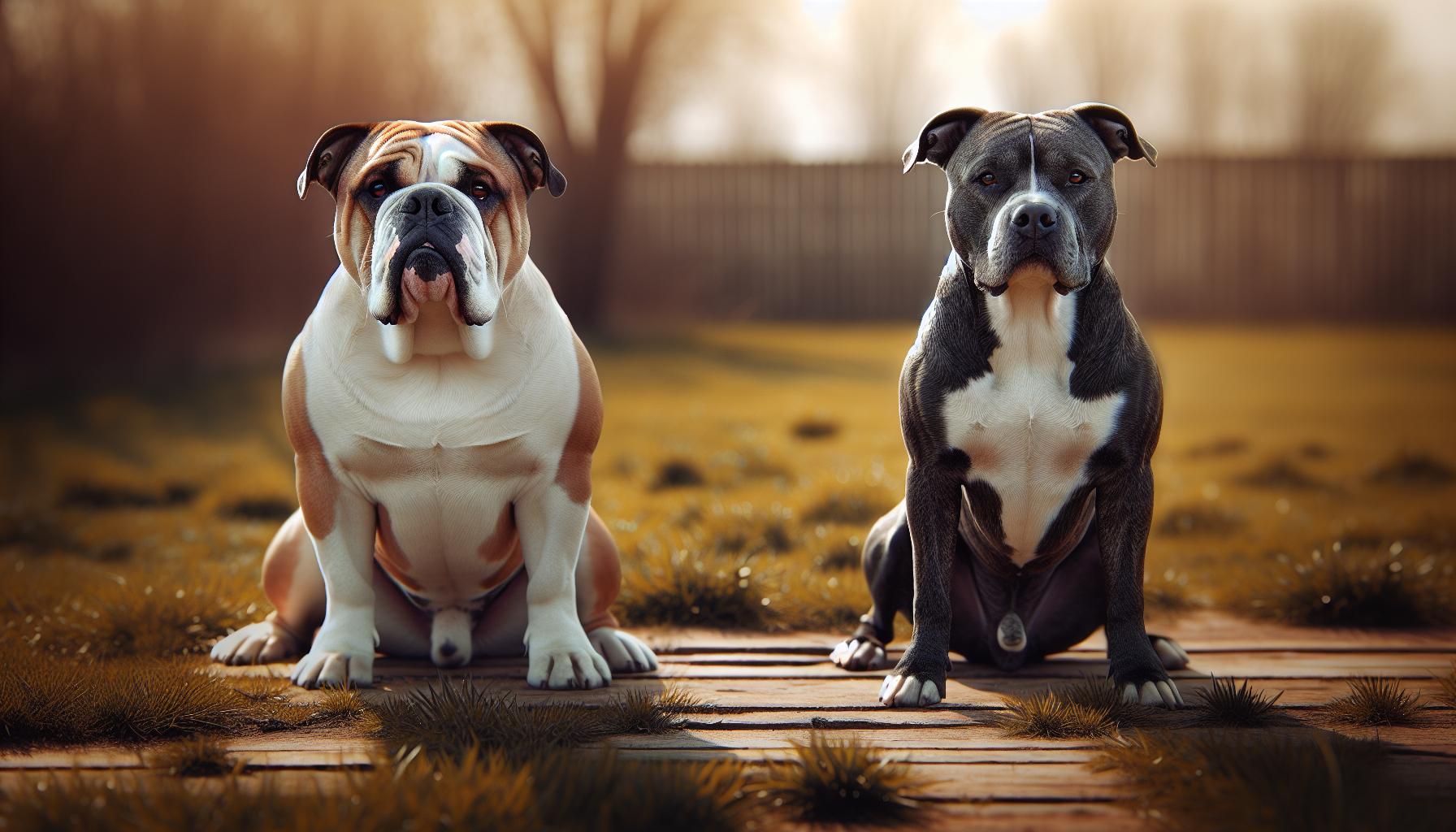
The American Bulldog and the Pitbull, while sharing some surface similarities, are different breeds with distinct characteristics that can influence your choice of pet. Understanding these differences is essential for any potential dog owner. The American Bulldog is generally a stocky, powerful breed that boasts a strong presence often described as more gentle-natured. They typically have a broader and squarer head, which adds to their imposing figure. In contrast, Pitbulls-specifically the American Pit Bull Terrier-tend to have a more athletic build, with a narrower head and a more toned physique, which is suited for agility and endurance.
When it comes to temperament, both breeds are known for their loyalty and affection toward their families, though they may express these traits differently. American Bulldogs often exhibit a calm disposition, making them well-suited for family environments where they can thrive on interaction and companionship. Pitbulls, on the other hand, might display a more energetic and playful nature that requires regular exercise and mental stimulation to keep them content. This difference in energy levels and play styles should be a critical consideration based on your lifestyle and home environment.
To highlight their differences further, consider the sizes and weight ranges of each breed. American Bulldogs are usually larger, weighing between 70-120 pounds and standing around 20-28 inches tall. Pitbulls tend to be smaller, weighing approximately 30-85 pounds and standing about 18-21 inches tall. This variance can affect not just your choice but also the space they require within your home.
Finally, misconceptions abound regarding these breeds. While both often face stigma due to their muscular appearance, responsible ownership can ensure that these dogs are well-socialized and trained, breaking down stereotypes. In essence, whether you gravitate towards the robust American Bulldog or the spirited Pitbull might ultimately come down to personal preference and lifestyle compatibility. Understanding their differences will equip you better to make a decision that aligns with your home and what you seek in a canine companion.
Understanding American Bulldog Characteristics
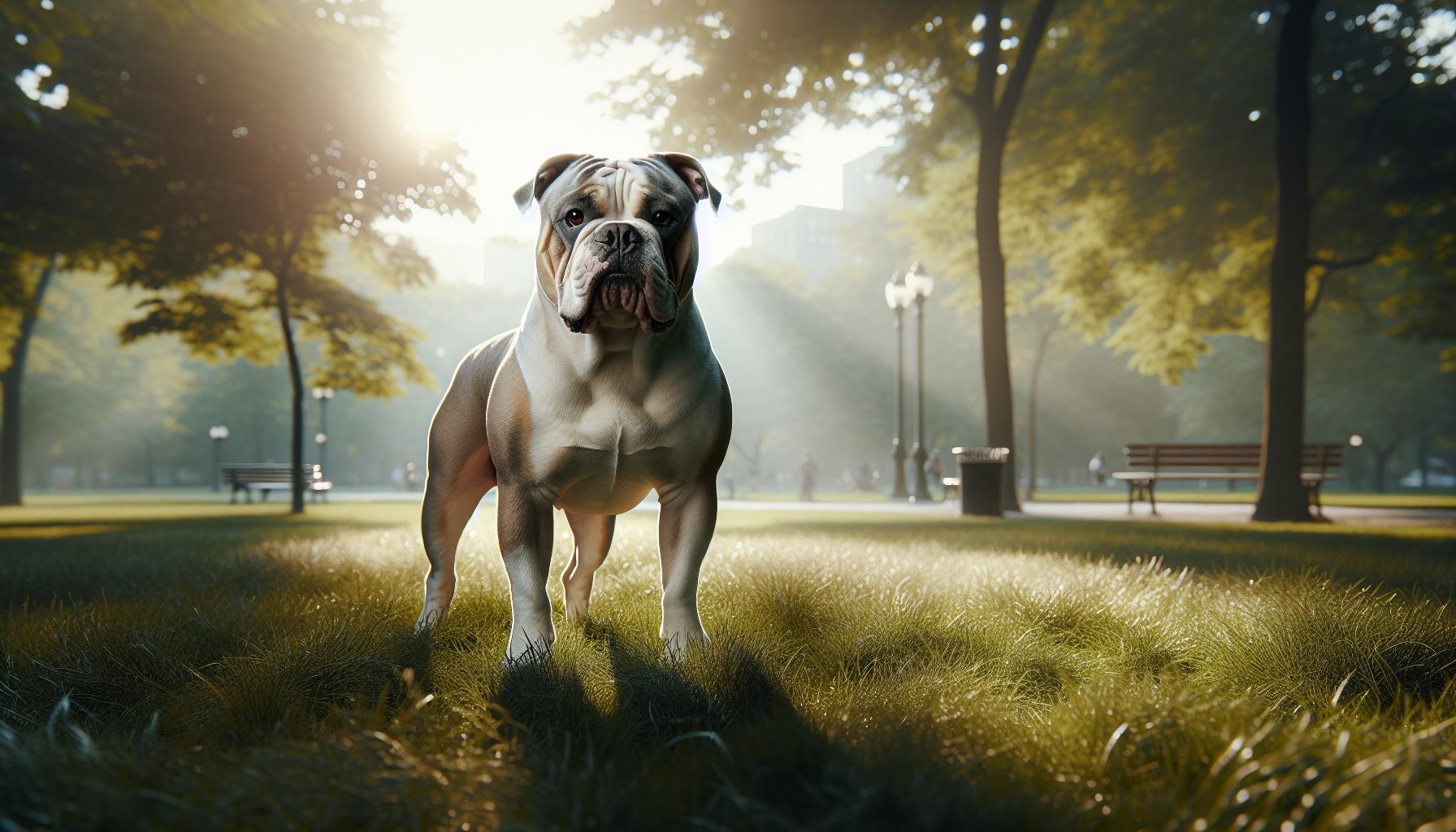
The American Bulldog is a breed steeped in history and known for its distinctive characteristics, making it a beloved choice for many dog enthusiasts. Often described as a *gentle giant*, the American Bulldog is noted for its stocky build and powerful appearance, which can be both imposing and comforting. This breed showcases a broad, square-shaped head and a muscular body, typically weighing between 70 to 120 pounds and standing about 20 to 28 inches tall. These physical traits contribute not only to their strength but also to their capability as family guardians.
Temperament and Behavior
An American Bulldog’s temperament is one of its most appealing qualities. Known for their loyalty, they often form strong bonds with their families. Despite their robust appearance, many American Bulldogs exhibit a calm and gentle demeanor, particularly when raised in a supportive environment. They thrive on human interaction and are often affectionate with children, making them excellent companions in family settings. However, like any breed, early socialization and training are crucial. They can be protective, so introducing them to various experiences, people, and environments is essential to foster a well-adjusted adult dog.
Health Considerations
When considering the American Bulldog, it’s essential to remain informed about potential health conditions. They can be prone to certain genetic health issues, including hip dysplasia and skin problems. Regular veterinary check-ups and a focus on a balanced diet can help mitigate these risks. Keeping an eye on their weight is also vital due to their stocky build, as obesity can lead to further health complications.
Living Conditions
American Bulldogs are adaptable and can thrive in various living situations, but they do require ample space to move around. While they can adjust to apartment living, having access to a yard where they can play and exercise is beneficial. This breed is active and benefits from regular physical activity, so daily walks and playtime are necessary to keep them happy and healthy. Engaging their minds through training and interactive games can also enhance their quality of life.
In summary, understanding the unique characteristics of the American Bulldog is key to successful ownership. Their gentle and loyal nature, combined with their energetic demeanor, makes them a rewarding companion for those willing to invest in their training and socialization.
Exploring Pitbull Traits and Temperament
Pitbulls are often misunderstood, but their unique traits and temperament reveal a loving and loyal nature that can be incredibly rewarding for owners. Known for their athleticism and strength, these dogs not only possess physical power but also a remarkable affection for their families. They are naturally social animals that thrive on human interaction, often forming strong bonds with children and adults alike. This affectionate aspect is complemented by a playful personality that can lighten the mood of any household.
Despite their muscular build, Pitbulls are typically very gentle and friendly, especially when properly socialized and trained from a young age. They are known for their wagging tails and goofy antics, which make them endearing companions. Their intelligence means they are quick learners, able to master commands and tricks with positive reinforcement training methods. Engaging their minds is crucial; regular exercises such as agility courses or interactive games not only keep them physically fit but also stimulate their mental capabilities.
Common Traits of Pitbulls
- Energy Level: High; requires regular exercise and stimulation.
- Temperament: Affectionate, loyal, and often gentle.
- Socialization: Needs early exposure to various environments and people.
- Intelligence: Highly trainable but needs consistent reinforcement.
The vitality of a Pitbull means they often need a lot of outlets for their energy. Regular walks, playtime in the backyard, or visits to the dog park can help satisfy their playful nature. However, it’s important to note that each dog is an individual; factors such as genetics, upbringing, and training can significantly influence temperament and behavior. Therefore, understanding your Pitbull’s unique personality will help foster a loving and harmonious relationship.
In terms of health considerations, Pitbulls are generally robust, but like all breeds, they can be prone to certain conditions including hip dysplasia and skin allergies. Regular veterinary check-ups, a balanced diet, and a healthy lifestyle can mitigate many potential issues. When you choose to welcome a Pitbull into your home, you’re not just getting a pet; you’re gaining a devoted companion that can bring endless joy and affection to your life.
Health Considerations for Each Breed
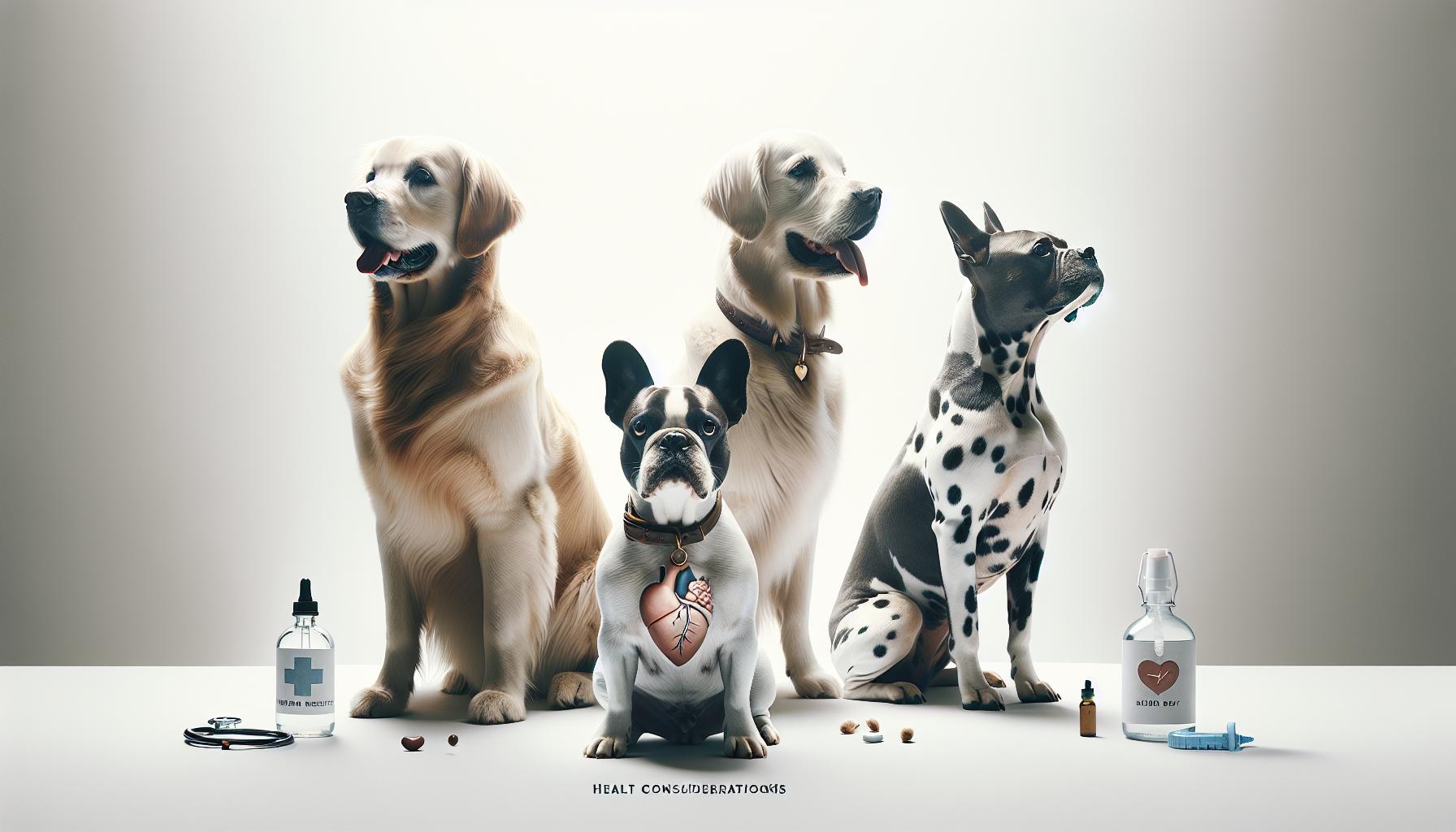
When considering the health of American Bulldogs and Pitbulls, it’s essential to understand the specific concerns related to each breed, as both can face distinct health challenges. American Bulldogs are generally robust, but they have some propensity for certain genetic conditions due to their physical stature and breeding. On the other hand, Pitbulls, while often considered a strong and healthy breed, can also be susceptible to specific health issues that potential owners should be aware of.
Health Considerations for American Bulldogs
American Bulldogs typically weigh between 75 to 100 pounds and stand around 22 to 25 inches tall, making them a heavy-set breed. This bulk can predispose them to a few common health issues, including:
- Hip Dysplasia: A genetic condition where the hip joint doesn’t fit into the hip socket properly, leading to arthritis and pain.
- Obesity: Bulldogs have a tendency to gain weight if not exercised regularly, which can exacerbate health issues like heart disease.
- Skin Conditions: Their short coats can lead to skin allergies and irritations, particularly if they’re not groomed properly.
- Respiratory Problems: Due to their brachycephalic structure (short muzzles), they can experience breathing difficulties.
To maintain their health, it’s crucial to provide American Bulldogs with a balanced diet, regular exercise, and routine veterinary care. Regular check-ups can help catch any developing issues early, ensuring a longer, healthier life.
Health Considerations for Pitbulls
Pitbulls, on average, weigh between 35 to 60 pounds and reach heights of 18 to 21 inches. While they are agile and strong, they do face several health risks as well:
- Skin Allergies: Common in many breeds, Pitbulls can be prone to allergies that manifest in skin irritations.
- Hip Dysplasia: Like American Bulldogs, this is a concern for Pitbulls, especially larger ones, leading to joint pain.
- Heart Disease: Some Pitbulls are susceptible to certain types of heart issues, which can be hereditary.
To ensure your Pitbull remains healthy, it’s vital to engage them in regular physical activity, which helps manage their weight and mental stimulation. Offering a nutritious diet tailored to their needs and conducting regular veterinary visits will help in identifying and addressing any health concerns early on.
Both breeds, while generally resilient, require attentive care and responsible ownership to thrive. By understanding their unique health considerations, you can make informed decisions that promote a long and healthy life for your new companion.
Training and Socialization Needs Explained

Training and socialization are pivotal elements in ensuring that American Bulldogs and Pitbulls grow into well-adjusted and happy companions. Both breeds, while distinct in their characteristics, share similarities in their training needs that stem from their high intelligence and energetic dispositions. Starting early with consistent training helps harness their potential, promoting good behavior and a strong bond between you and your dog.
Training Approaches
When it comes to training, positive reinforcement is the most effective method for both breeds. Treats, praise, and affection can motivate them to learn commands and behave appropriately. Given their intelligence, both the American Bulldog and the Pitbull may excel in obedience training and learn commands quickly, but they also require firm leadership. You should establish yourself as a confident and calm pack leader, which can prevent any behavioral issues that might arise from too much independence or stubbornness.
Socialization Essentials
Socialization is crucial for the well-being of these breeds. Early exposure to a variety of environments, people, and other animals can significantly improve their temperament. For instance, introducing your dog to different social settings such as parks, busy streets, and various sounds helps them become more adaptable and less anxious in new situations. You might consider enrolling in puppy classes, where they can learn to interact with other dogs and humans under controlled conditions. This can also help mitigate the common misconception of them being aggressive breeds, showing instead their capacity for friendliness and affection.
Regular Exercise and Mental Stimulation
Both American Bulldogs and Pitbulls have high energy levels that require significant physical activity. Daily walks, play sessions, and opportunities for mental stimulation-through interactive toys or training exercises-are essential. Engaging their minds with tasks or games can curb unwanted behaviors that stem from boredom while also enhancing your bond. For example, teaching tricks or using agility courses not only promotes physical fitness but also creates a fun and rewarding experience for you both.
In summary, investing time in training and socialization is essential for a well-rounded American Bulldog or Pitbull. By incorporating positive reinforcement techniques, emphasizing social experiences, and providing regular exercise, you’ll cultivate a respectful and loving relationship with your dog, allowing their true personalities to shine. Remember, your commitment to their development is vital-your dog will not only learn to be a good companion but will also thrive as a beloved member of your family.
Ideal Living Conditions for Each Dog
Finding the right environment for your dog is crucial, especially when considering breeds like American Bulldogs and Pitbulls, both known for their strength and energy. While they share some similarities, their ideal living conditions can vary significantly based on their characteristics and needs.
American Bulldogs thrive in spacious environments where they can roam and play. A home with a large, securely fenced yard is ideal, as it provides them with the room they need to burn off energy. They are social dogs that enjoy being with their families, so having access to open space for regular exercise is important. Additionally, American Bulldogs do well in homes where they can engage in physical activities, such as playing fetch or participating in agility training. If you’re considering this breed, having an active lifestyle with opportunities for outdoor adventures will greatly benefit your dog.
Pitbulls, on the other hand, are incredibly adaptable and can thrive in various living conditions, from apartments to larger homes, as long as their exercise needs are met. They tend to do well in urban environments, provided they receive enough physical activity. Daily walks, trips to the dog park, or play sessions can keep them content in smaller spaces. However, keep in mind that they also benefit from a yard where they can play and explore safely. Socialization is key for Pitbulls, so regular interaction with other dogs and people in various environments is essential for their development and happiness.
Regardless of whether you choose an American Bulldog or a Pitbull, fostering a positive living environment includes ensuring they have a comfortable space inside your home, as both breeds appreciate strong family bonds. Creating a safe and welcoming area with plenty of toys and opportunities for interaction will help these breeds flourish. With the right conditions, both can become delightful, loyal companions that enrich your life.
Comparative Care Requirements: Bulldogs vs Pitbulls
When considering the care requirements for American Bulldogs and Pitbulls, it’s vital to recognize their differences as well as some of their overlapping needs. Both breeds require a strong commitment to proper care, but their specific requirements can vary significantly due to differences in size, temperament, and health considerations.
American Bulldogs are generally larger and have a more muscular build compared to Pitbulls. This often translates into higher caloric needs and a requirement for more substantial meals to maintain their energy levels. It’s essential to provide them with high-quality dog food that meets their nutritional needs, as obesity can be a concern for this breed. Regular exercise is crucial; they thrive on activities like running or playing fetch and should ideally receive at least an hour of physical activity daily. Additionally, American Bulldogs benefit from mental stimulation like puzzle toys or agility games to keep their minds sharp.
In contrast, Pitbulls are typically smaller and more agile, which influences their care and exercise routines. They do well with structured exercises, such as brisk walks or interactive play sessions. A daily routine of about 30 to 60 minutes of structured activity is often sufficient for keeping them healthy and happy. Pitbulls are highly intelligent dogs, so training should involve not just obedience but also socialization with other dogs and people to ensure they develop well-rounded temperaments. This breed thrives on companionship and mental engagement, so incorporating positive reinforcement training games can enhance their behavior and strengthen your bond.
Both breeds can face health issues commonly associated with their genetic backgrounds. American Bulldogs may be prone to hip dysplasia and certain skin conditions, while Pitbulls might deal with heart issues or allergies. Regular veterinary check-ups are essential to monitor for these potential health issues and to keep vaccinations and preventive care up to date. Moreover, dental care through regular brushing or dental treats is important for both breeds, as they can be susceptible to oral health problems.
Ultimately, successful care for either breed requires an understanding of their unique needs and a commitment to quality time and interaction. By providing the right diet, ample exercise, and ongoing socialization, you can foster a nurturing environment that allows both American Bulldogs and Pitbulls to thrive.
Common Misconceptions About Both Breeds
Many people hold misconceptions about American Bulldogs and Pitbulls, often based on stereotypes rather than facts. One prevalent myth is that both breeds are inherently aggressive. In truth, aggression often stems from poor training and socialization rather than breed disposition. Both American Bulldogs and Pitbulls can be affectionate, loyal, and gentle companions when properly raised. It’s crucial to remember that proper training, socialization, and responsible ownership play a significant role in a dog’s temperament.
Another common misunderstanding concerns their physical appearance and classification. Some might think that all “bully breeds” share identical traits. However, American Bulldogs are generally stockier and larger than Pitbulls, which tend to have a leaner physique. This difference can influence their energy levels and exercise needs, but both breeds require regular physical activities to remain healthy and balanced. Understanding these physical and behavioral differences can help potential dog owners choose the breed that fits their lifestyle best.
Additionally, the idea that these breeds should not be around children is misguided. Both American Bulldogs and Pitbulls can be excellent family pets when raised in a nurturing environment. They often display a playful nature, making them wonderful companions for kids. It’s essential to teach children how to interact with dogs respectfully and to supervise their playtime. With the right upbringing, these breeds can exhibit patience and gentleness, debunking the myth of them being unsuitable for families.
Lastly, there’s a misconception about their ability to be service or therapy dogs. While many might think these breeds are too strong or rambunctious for such roles, they can excel in various tasks, including therapy and support work. Their intelligence and loyalty make them excellent candidates for training in this area, proving that with dedication and commitment, American Bulldogs and Pitbulls can greatly contribute to emotional and physical support roles in many people’s lives.
Pitbulls in Pop Culture: When Art Meets Canine
For many, Pitbulls evoke both admiration and controversy, playing a unique role in various facets of pop culture. Whether featured prominently in film, music, or art, they serve as symbols of strength, loyalty, and often, resilience. From celebrity endorsements to charitable campaigns, these dogs have transcended the stereotypes often associated with them, allowing for a richer narrative that showcases their gentle nature alongside their physical prowess.
One of the most notable examples of Pitbulls in media comes from the world of music. Artists like Lil B and Pitbull have not only claimed the breed in their brand identities but have also worked to demystify the negative perceptions surrounding them. In music videos and public appearances, these artists often present their Pitbulls as loyal companions, challenging the public to rethink preconceived notions about aggression and danger. This representation helps highlight a crucial point: when raised properly, Pitbulls can be loving and safe family pets.
In addition to music, cinematic portrayals have significantly shaped public perceptions of Pitbulls. Films that feature these dogs tend to emphasize their emotional depth and loyalty. Movies like “Lady and the Tramp” (2019) have shown the breed in a positive light, focusing on their affectionate nature rather than engaging with negative stereotypes. These portrayals help reinforce the idea that Pitbulls can be gentle and loving, making them suitable companions for any family dynamic.
Moreover, a variety of artists, including painters and sculptors, have embraced Pitbulls as subjects, often portraying them with dignity and grace. This artistic representation counters common misconceptions by celebrating their beauty and unique characteristics. Through art, the narrative around Pitbulls continues to evolve, inspiring discussions about breed discrimination and the importance of responsible ownership.
Ultimately, incorporating Pitbulls into pop culture not only celebrates these dogs as companions but also serves a higher purpose: challenging stereotypes and promoting understanding. As you explore the options between American Bulldogs and Pitbulls, consider how these cultural influences can shape your perception and appreciation for each breed. Your decision to welcome one into your life could contribute to the ongoing dialogue about kindness, responsibility, and the affection that these remarkable dogs can offer.
Choosing the Right Breed for Your Lifestyle
When you’re thinking about welcoming a new canine companion into your home, the choice between an American Bulldog and a Pitbull can be significant. Both breeds are known for their loyalty and affection, yet they have distinct traits that may make one more suitable for your lifestyle than the other.
To make the right decision, consider your living environment. American Bulldogs are typically larger and may require more space to roam and play. They thrive in environments where they can have access to yards or open areas. In contrast, Pitbulls tend to be smaller and more adaptable, making them well-suited for various living situations, including apartments, as long as they get enough exercise. If you live in a smaller space, a Pitbull might fit better into your lifestyle.
Another critical factor to contemplate is your activity level. Both breeds are energetic and need regular exercise, but they express this energy differently. American Bulldogs often show a more laid-back demeanor, making them good family pets and companions for leisurely outdoor activities. Alternatively, Pitbulls are sometimes more spirited and may require more vigorous exercise and mental stimulation, making them great partners for active individuals or families who enjoy outdoor adventures.
Training and socialization also play a vital role in how well these breeds integrate into your life. American Bulldogs tend to be eager to please, which can make training easier, while Pitbulls, known for their intelligence, thrive on consistent training and mental challenges. If you have experience in dog training or plan to invest time in obedience training and socialization, a Pitbull could be an ideal match. Conversely, if you’re newer to dog ownership and prefer a breed that might be slightly easier to handle, the American Bulldog may be the better option.
Ultimately, your choice should reflect both your current lifestyle and how much time and energy you’re willing to invest in a pet. Remember, both breeds deserve love, training, and socialization to become well-adjusted family members. Whichever breed you choose, be prepared for the joy and commitment a loyal dog will bring to your life.
Adopting vs. Buying: What to Know
When considering whether to adopt or buy an American Bulldog or a Pitbull, understanding the implications of each choice can significantly impact your experience as a pet owner. Both paths come with their benefits, challenges, and ethical considerations that are worth exploring.
Adopting a dog from a shelter or rescue organization can be a deeply rewarding experience. Many dogs in shelters are in desperate need of a loving home, and by adopting, you’re not just giving a dog a chance at a better life, but you’re also actively contributing to the fight against pet overpopulation. Adoption often comes with lower costs, as shelter fees usually cover initial vaccinations and spaying or neutering. Moreover, many shelters assess the temperament and health of their animals, offering a good insight into the dog’s behavior, which can help you find the right match for your household.
On the other hand, buying from a reputable breeder can provide certain assurances, particularly concerning the dog’s lineage and health. Responsible breeders can offer detailed information about the genetics of their puppies, which can be particularly important if you are concerned about breed-specific health issues. This route also allows you to choose specific traits you may desire, such as temperament, size, or color. However, it’s crucial to prioritize ethical breeding practices to avoid supporting puppy mills that often neglect animal welfare.
No matter which route you decide to take, it’s essential to do thorough research. Consider these factors:
- Availability: Are there local shelters with American Bulldogs or Pitbulls? Check breed-specific rescues as well.
- Health Guarantees: If buying from a breeder, ask about health screenings for conditions associated with the breed.
- Support and Education: Seek breeders or shelters that offer ongoing support and guidance for new owners.
- Commitment: Be prepared for the time and effort required for training and socialization, regardless of whether you adopt or buy.
Ultimately, whether you find your new companion through adoption or purchase, the focus should be on providing a loving, responsible, and caring home. Both American Bulldogs and Pitbulls have great potential to be wonderful pets when given the right environment, training, and affection. Choose the path that aligns best with your values and capabilities as a future dog owner.
FAQ
Q: What are the primary differences in temperament between American Bulldogs and Pitbulls?
A: American Bulldogs are generally known for their gentle and protective nature, often being more relaxed and loyal, while Pitbulls are typically more energetic and playful. Understanding these temperament differences can help you choose the breed that best fits your lifestyle. Check out our section on Temperament for deeper insights.
Q: Which breed, American Bulldog or Pitbull, is better for families?
A: Both breeds can be excellent family pets, but American Bulldogs tend to have a more patient demeanor, making them great with children. Conversely, Pitbulls are also dedicated companions but may require more structured training to ensure safety. Review our Living Conditions section for more details on family suitability.
Q: How do American Bulldogs and Pitbulls compare in health issues?
A: American Bulldogs are more prone to certain genetic conditions such as hip dysplasia, while Pitbulls may face issues related to skin allergies and heart disease. Proper care and regular check-ups can mitigate risks. Our Health Considerations segment provides further information on common health challenges.
Q: Do American Bulldogs or Pitbulls require more exercise?
A: Pitbulls typically need more exercise due to their high energy levels, whereas American Bulldogs enjoy moderate activity. Both breeds benefit from regular walks and playtime. Explore our article on Exercise Needs for tailored activity recommendations.
Q: Can both breeds adapt to apartment living?
A: Yes, both American Bulldogs and Pitbulls can adapt to apartment living, but adequate daily exercise is crucial. Pitbulls may require more space to burn off energy, while American Bulldogs are more adaptable to smaller living spaces. Visit our section on Ideal Living Conditions for tips.
Q: What are key training tips for each breed?
A: Consistent, positive reinforcement training works well for both breeds. American Bulldogs respond well to structured training, while Pitbulls thrive with energetic and engaging methods. Our Training and Socialization Needs segment offers detailed strategies tailored for each breed.
Q: Are American Bulldogs or Pitbulls more prone to behavior issues?
A: Without proper socialization, Pitbulls may exhibit behavior problems due to their strong prey drive. American Bulldogs may become territorial if not properly trained. Educating yourself on their specific needs in our Common Misconceptions section can help prevent issues.
Q: How do I choose between an American Bulldog and a Pitbull for my lifestyle?
A: Consider your living situation, activity level, and family dynamics. If you prefer a loyal companion with a calm demeanor, the American Bulldog might be ideal. If you want an active, playful dog, choose a Pitbull. Review our Choosing the Right Breed section for more guidance.
Insights and Conclusions
Choosing between an American Bulldog and a Pitbull is a significant decision that involves understanding each breed’s unique traits and care requirements. Remember, whether you’re attracted to the affectionate nature of Bulldogs or the energetic spirit of Pitbulls, both can make wonderful companions with the right guidance and environment. If you’re still pondering which breed matches your lifestyle, don’t hesitate to explore more about breed-specific training methods and health care tips on our site.
For more in-depth insights, check out our articles on training techniques for American Bulldogs and health care for Pitbulls. And if you’re ready to take the next step in finding your perfect furry friend, consider subscribing to our newsletter for ongoing tips, resources, and updates that will enhance your pet ownership experience. Your journey to a rewarding relationship with your new dog starts now-join our community and let’s celebrate responsible ownership together!