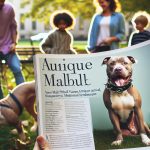
Did you know that with the right training methods, your Pitbull can achieve impressive strength and muscle definition? Understanding how to effectively build your dog’s muscle not only enhances their physical appearance but also contributes to their overall health and well-being. If you’ve ever wondered how to make your Pitbull more muscular-whether to participate in dog sports or simply for fitness-you’re in the right place.
In this guide, we’ll explore a variety of training techniques specifically designed for Pitbulls, helping you unlock their full potential. You’ll learn the importance of a balanced regimen that combines strength training, cardio, and proper nutrition. Join us as we dive into effective strategies that promote not just muscle gain but also a deeper bond between you and your beloved companion. Your journey to a healthier, stronger Pitbull begins here!
Understanding Your Pitbull’s Unique Physique
Understanding the physique of your Pitbull is crucial for any owner looking to enhance their dog’s muscular development. Pitbulls are renowned for their athletic build and strength, which can be attributed to their genetic background and breed characteristics. With a well-defined musculature, this breed naturally possesses a robust frame, making them ideal candidates for strength training and conditioning routines. Their muscular development isn’t just a result of exercise; it encompasses a blend of genetics, diet, and a balanced training regimen.
One of the most fascinating aspects of a Pitbull’s physique is their muscle composition. These dogs typically exhibit a high density of muscle mass relative to their size, thanks to a combination of fast-twitch muscle fibers, which facilitate explosive bursts of power and speed. This genetic predisposition allows them to develop strength more quickly than some other breeds when properly trained. Understanding this can help you tailor training methods that harness their natural capabilities, avoiding overexertion and ensuring a safe approach to building muscle.
Moreover, it’s essential to recognize that every Pitbull is unique. Factors such as age, weight, and health status must be taken into account when planning a training program. Establishing a foundation in basic obedience and gradually progressing to more intensive strength exercises can ensure that your dog enjoys the journey toward muscle development while minimizing injury risks. Always remember, a well-rounded approach to training will not only create a muscular Pitbull but will also foster a happier, healthier companion. Implementing strategies that respect their natural abilities will lead to lasting results, showcasing the true potential of your furry friend.
Essential Training Techniques for Muscle Development
To sculpt a muscular Pitbull, understanding effective training techniques is essential. The engaging and energetic nature of this breed makes them highly responsive to physical challenges. By implementing specific training methods, you can harness their natural prowess to build strength effectively and safely.
One of the most effective approaches is to incorporate weight pulling and resistance training. This technique is beloved by many Pitbull owners and involves using a harness to allow your dog to pull weights. Start with a light load, gradually increasing the resistance as your dog becomes stronger and more accustomed to the exercise. This method not only builds muscle but also enhances endurance. To ensure your Pitbull engages correctly, consider using equipment like a personalized harness that fits snugly and comfortably.
Another fundamental aspect of muscle development is engaging in high-intensity interval training (HIIT). With Pitbulls’ high energy levels, this structured training method proves beneficial. Alternate between bursts of vigorous activities, such as sprinting or playing fetch, followed by brief rest periods. For instance, sprint with your dog for 20 seconds, then allow them to rest for 30 seconds before repeating. This not only boosts muscle growth but also mimics the natural play behavior of dogs, keeping them mentally stimulated and physically engaged.
Consistent strength training exercises should also be part of their routine. Simple activities, such as sit-ups (where your dog lifts their front paws in response to a command), can enhance core strength. You can further diversify routines by incorporating fetch with weighted toys or even swimming, which is excellent for building muscle without the strain on their joints. Focus on making these workouts enjoyable and varied, so your Pitbull remains excited and engaged rather than bored.
Ultimately, the key to successful training lies in balancing intensity with rest and recovery. Ensuring your Pitbull has adequate downtime between workouts allows muscle recovery and growth, which is crucial. By understanding the unique attributes of your Pitbull and tailoring a training regimen that respects their limits while pushing them to grow, you’ll cultivate not just a muscular companion but also a healthier and happier pet.
Nutrition Strategies for Building Muscle Mass
To help your Pitbull gain muscle mass effectively, the right nutrition is just as crucial as a structured training regimen. A balanced, high-protein diet can support their muscle-building goals and contribute significantly to overall health. Understanding the nutritional needs of this breed allows you to craft a diet that not only meets their energy demands but also fuels their workouts and recovery.
Start by ensuring your Pitbull receives a diet rich in high-quality protein sources. Proteins are vital for muscle repair and growth, and for active breeds like Pitbulls, the recommendation can go up to 30% to 40% of their total caloric intake. Opt for animal-based proteins such as chicken, beef, turkey, or fish. These provide essential amino acids that aid in muscle development. You might also consider supplementing their diet with protein-rich foods like eggs or yogurt, which can act as tasty rewards during training sessions.
In addition to protein, healthy fats play a significant role in providing the necessary energy for your Pitbull’s workouts. Choose sources like fish oil, chicken fat, or flaxseed oil to enhance your dog’s coat and overall health while ensuring they receive enough calories to support intense training sessions. Aim for healthy fat to make up about 15% to 20% of their diet, balancing energy levels without contributing to unwanted weight gain.
Hydration cannot be overlooked either. Adequate water intake is essential, especially for active dogs. Proper hydration aids digestion and supports nutrient absorption, which are critical for any dog engaged in regular physical activity. Ensure fresh water is always available, and consider incorporating wet food or broths into their diet to boost moisture levels.
Moreover, timing meals around training sessions can greatly influence muscle recovery. Feeding your Pitbull a meal that includes protein and carbohydrates about an hour after exercise can help replenish lost nutrients, kickstart muscle repair, and promote growth. Monitor your dog’s weight and energy levels to adjust their food portions as needed to align with their activity level and health goals.
In conclusion, by focusing on a nutrient-dense diet tailored to your Pitbull’s needs, you will not only enhance their physical performance but also contribute to their overall vitality and happiness. Making nutritional choices that support muscle growth will lead to a healthier, more active companion by your side.
The Role of Consistent Exercise Regimens
To help your Pitbull achieve a strong, muscular physique, establishing a consistent exercise regimen is paramount. Regular and structured workouts not only enhance muscle development but also contribute to overall health and well-being. Your dog’s natural energy and drive can be channeled into effective exercise routines that emphasize strength-building and endurance.
For muscle development, engaging your Pitbull in a variety of exercises is beneficial. Incorporate activities like tug-of-war, fetch, and agility training, which not only stimulate muscle growth but also keep their minds active. For instance, sprinting while fetching a ball can increase explosive strength, while agility drills can enhance coordination and cardiovascular fitness. It’s crucial to keep sessions lively and varying to match your dog’s enthusiasm and prevent boredom. Remember, consistent routines lead to better results, so try to establish a schedule that fits your and your dog’s lifestyle.
Additionally, consider the importance of gradually increasing the intensity of workouts as your Pitbull becomes more fit. Start with shorter sessions and weaker impacts, allowing their body to adapt before progressing to more intense activities. This gradual buildup not only maximizes muscle gains but also reduces the risk of injury, which can be a concern with vigorous exercise. Monitor your dog’s response to each session; signs of fatigue or reluctance are crucial indicators that may suggest adjustments are needed in the training plan.
Finally, ensure that each training session ends with a cool-down period, allowing muscles to recover appropriately. Just as humans do, your Pitbull will benefit from stretching and light activity post-exercise, contributing to overall flexibility and injury prevention. Your active participation and encouragement will strengthen the bond between you and your Pitbull, making the journey to a muscular, fit dog an enjoyable experience for both of you. By dedicating time to consistent exercise regimens, you’re not only sculpting a healthier pup but also fostering a robust spirit and character in your canine companion.
Incorporating Resistance Training Safely
Incorporating resistance training into your Pitbull’s exercise routine is a fantastic way to enhance their muscle development and overall fitness. This method not only improves strength but also contributes to joint stability and endurance. However, as with any training regimen, it’s essential to approach resistance training safely to prevent injuries and ensure a positive experience for both you and your dog.
To safely include resistance training, start with your dog’s natural body weight. Activities such as uphill walking or running can serve as excellent introductions, gradually challenging your Pitbull’s muscles without the need for specialized equipment. Incorporating objects like weighted vests or pulling sleds should come only after your dog has established a solid foundation of strength and endurance. When you feel your dog is ready, limit the weight to no more than 10% of their body weight, and monitor their response closely. Look for signs of fatigue or discomfort, and adjust the intensity accordingly.
Remember to select exercises that are appropriate for your dog’s age and physical condition. Resistance training should not be overly strenuous or advanced for puppies or elderly dogs; instead, focus on low-impact exercises that promote muscle engagement without putting undue stress on their joints. Stretching before and after training, alongside proper warm-ups, can greatly reduce the risk of injuries. Engaging in a balanced routine that incorporates strength training, cardio, and flexibility work will yield the best results.
Finally, make the training sessions enjoyable and rewarding. Use toys, treats, or verbal encouragements to motivate your Pitbull during their workouts. Highlighting achievements, no matter how small, can encourage them and strengthen the bond between you both. Your commitment to their health and wellness through safe resistance training will not only foster a muscular physique but also contribute to a happier, more engaged companion.
Socialization and Its Impact on Physical Wellness
Understanding the role of socialization in your Pitbull’s physical wellness is fundamental to fostering both a strong, muscular build and a well-rounded temperament. Socialization significantly impacts not only how your dog interacts with the world but also their overall health and fitness levels. A well-socialized Pitbull is more likely to be active and engaged in a variety of environments, which in turn contributes to their physical strength.
When your Pitbull is exposed to different people, dogs, and stimuli, they become more confident and less fearful in unfamiliar situations. This increased confidence can lead to greater participation in physical activities, such as playing at the dog park, joining in on family hikes, or exploring new terrains. Regularly introducing your dog to varied environments helps develop their agility and endurance, essential for increasing muscle mass. For example, engaging in play with other dogs not only enhances their social skills but also serves as an excellent form of exercise, helping them to build muscle through active play and competition.
In addition, socialization can help alleviate potential behavioral issues that may arise from fear or anxiety, both of which can hinder physical activity. A Pitbull that is comfortable in social situations is likely to be more active and willing to participate in training sessions, walks, and adventures. Incorporating group classes or playdates into your routine can be a fun way to facilitate this process, as these experiences often lead to physical exertion and muscle development.
Lastly, keep in mind that socialization must be balanced with the proper training techniques. Positive reinforcement during interactions with other dogs and people can encourage your Pitbull to embrace these experiences, empowering them to become not just strong physically but sound emotionally as well. Ultimately, a well-socialized dog is more likely to thrive both in and out of the training environment, leading to enhanced muscle development and a healthier, happier life.
Monitoring Progress: Indicators of Muscle Growth
Monitoring your Pitbull’s muscle growth is an essential aspect of their fitness journey, combining keen observation with practical assessment techniques. One of the most straightforward indicators of muscle development is the visual change in your dog’s physique. A well-fed and well-exercised Pitbull will show increased muscle definition, particularly around the shoulders, chest, and hindquarters. Regularly taking pictures during training sessions can help you track these changes over time, allowing you to celebrate their progress and adjust your training regimen as necessary.
Another effective way to monitor muscle growth is by assessing your dog’s physical performance in exercises such as running, jumping, or playing tug-of-war. You may notice an improvement in their endurance and strength over time. If your Pitbull becomes more agile, able to leap higher or run longer distances, it’s a clear sign that muscle growth is occurring. Using a simple log to record their performance can provide insights into these gains.
In addition to physical appearance and performance, keep an eye on your dog’s weight. A gradual increase in muscle mass may coincide with slight weight gain, but it’s important to distinguish between healthy muscle development and excessive fat accumulation. Regular weigh-ins, coupled with body condition scoring, can help ensure your Pitbull is gaining muscle appropriately.
Lastly, don’t underestimate the value of veterinary check-ups. A professional can provide insights into your dog’s body composition through methods such as body fat analysis. This can be a more precise indicator of muscle mass versus fat percentage, helping you create a more tailored fitness and nutrition plan. Engaging with both your Pitbull’s visible changes and expert insights will give you a well-rounded view of their progress, ensuring a healthy and strong companion.
Common Mistakes in Training Pitbulls
Training a Pitbull can be an incredibly rewarding experience, yet it’s easy to fall into common traps that can hinder progress. One major mistake many owners make is overtraining their dogs. As a breed known for their strength and stamina, Pitbulls may seem capable of enduring rigorous routines. However, pushing them too hard without adequate rest can lead to both physical injuries and burnout. Ensure you balance exercise with sufficient recovery time to keep their spirits high and bodies healthy.
Another frequent error is neglecting proper technique during training exercises. While teaching your Pitbull strength-building activities like pulling, pushing, or jumping, it’s crucial to focus on correct form to prevent injuries. For instance, if you’re using a harness for resistance training, make sure it fits properly and allows for natural movement. Addressing form early on helps establish safe habits that benefit long-term muscle development.
Additionally, many trainers underestimate the importance of variety in training. Sticking to the same workouts can result in boredom for your Pitbull, which could affect their motivation and enthusiasm. Integrate different types of physical activities, such as agility training, obedience drills, or playful games, to keep them engaged. A well-rounded approach not only makes training more enjoyable but also promotes balanced muscle growth.
Lastly, failing to align your projects with specific goals can lead to frustration and miscommunication. Each Pitbull is unique, and what works for one may not suit another. Tailor your training plans to your dog’s current fitness level and desired outcome, whether it’s building muscle or enhancing endurance. By setting clear, manageable objectives, you create a path for success that celebrates the individuality of your Pitbull while steering them toward a fit and muscular physique.
Behavioral Considerations for a Fit Pitbull
Engaging with your Pitbull’s behavioral needs is just as critical as focusing on physical training, particularly when you’re aiming to enhance their muscular physique. Understanding your Pitbull’s unique temperament can help you tailor a training regimen that not only builds muscle but also fosters a healthy and positive relationship between you and your dog. Did you know that a well-adjusted, confident Pitbull is often more motivated and responsive during training sessions? This connection between behavior and training success is key.
One of the most effective ways to support your Pitbull’s fitness journey is through positive reinforcement. Using treats, praise, and play can significantly boost their motivation during workouts. When your dog associates training with rewarding experiences, they are likely to be more enthusiastic and engaged. This approach not only enhances the training efficiency but also strengthens your bond, making them eager to please you. Incorporating activities that are fun and interesting for your Pitbull, like tug-of-war or fetch, can ensure they enjoy their workout, reducing the risk of burnout.
Additionally, socialization plays a pivotal role in cultivating a well-rounded and fit Pitbull. Regular interactions with other dogs-and exposure to different environments-can reduce anxiety and stress, which are known to impact a dog’s overall wellness and training capabilities. Consider arranging playdates with other dogs or introducing your Pitbull to basic obedience classes, enhancing their sociability while simultaneously offering excellent physical exercise. Dogs that feel comfortable and confident in various settings are often more capable of handling diverse training routines.
Lastly, understanding your dog’s individual personality traits can guide you to avoid behavioral issues that might interfere with their training progress. For instance, some Pitbulls may be more driven and energetic, needing more frequent breaks to prevent them from becoming overwhelmed. On the other hand, if your Pitbull is more laid-back, gently encouraging them to engage in more active play can foster muscle development. Recognizing these nuances allows you to adapt training techniques and schedules to fit your dog’s behavioral needs, ultimately leading to a happier and healthier Pitbull.
Incorporating these behavioral insights not only aids in building muscle but also promotes a deeper connection and appreciation for the wonderful nature of your Pitbull.
Avoiding Injuries: Safety Tips for Training
To ensure your Pitbull remains safe and injury-free during their muscle development training, understanding and implementing specific safety precautions is essential. Pitbulls are known for their strength and athleticism, but this also means they can be prone to injuries if not properly managed. Adopting a proactive approach can help safeguard their well-being as they build muscle and stamina.
One critical aspect is recognizing the importance of a proper warm-up and cool-down routine. Just as in human fitness, warming up allows your dog’s muscles to prepare for the exertion ahead, reducing the risk of strains and sprains. Engage your Pitbull in light activities, like walking or gentle play, for about 10-15 minutes before starting more intense exercises. After your workout, a cool-down session-similar to stretching for humans-is vital. It can include walking at a slow pace and gentle stretching of their limbs. This routine helps to gradually reduce heart rate and prevent stiffness.
Another safety strategy is to pay close attention to the surfaces where you train. Hard, uneven, or slippery surfaces can lead to accidents and injuries. Ideal training areas should provide good traction and be free of hazards. Soft grass or specially designed canine mats can cushion your dog’s joints during rigorous activity. Additionally, keep an eye on weather conditions; exercising during extreme temperatures can pose significant health risks. On hot days, opt for early morning or evening sessions, while ensuring your dog stays hydrated. Even during cooler months, avoid icy or very wet surfaces to reduce the chances of slipping.
Monitoring your Pitbull for signs of fatigue or discomfort is equally vital. Every dog has its limits, and pushing beyond them can lead to serious injuries. Look for cues such as lagging behind, excessive panting, or reluctance to continue. If your dog displays any of these signs, take a break and allow them to recover fully before resuming activities. This mindfulness not only protects your dog’s physical health but also helps you build a trusted relationship where your Pitbull feels secure and cared for during training.
By implementing these safety tips, you can foster a rigorous yet safe training environment that enables your Pitbull to develop the muscle and stamina they need to thrive, ensuring a smooth and enjoyable experience for both you and your beloved companion.
Adaptable Training Plans for Different Ages
Creating effective training plans for your Pitbull is essential, especially when considering their various life stages. Dogs, like humans, have distinct physical and mental needs as they grow. The approach you take to develop muscular strength and overall fitness must adapt to their age, ensuring safe and beneficial practices that promote health and well-being.
For puppies, the focus should be on socialization and establishing a solid foundation of basic training. During this stage, your Pitbull’s bones and joints are still developing, so high-impact activities should be avoided. Instead, engage them in short periods of play, offering toys that encourage physical activity without stressing their bodies. Basic commands and tricks not only stimulate their minds but also encourage muscle engagement in a safe manner. Aim for fun, engaging mini-sessions-around 5 to 10 minutes-of training followed by rewarding them with praise or treats to reinforce positive behavior.
As your Pitbull matures into adolescence (around 6-18 months), their energy levels and physical abilities will rise significantly. At this stage, it’s crucial to introduce structured exercises that focus on muscle development, such as running, swimming, and short bursts of agility training. Continuous supervision is vital since adolescent dogs can be prone to accidents or overexertion. You can incorporate longer training sessions-up to 30 minutes, gradually increasing intensity and complexity. Focus on incorporating resistance training safe methods, like harnesses or weights, keeping in mind their specific capabilities and limits.
Once your Pitbull reaches adulthood (2 years and older), they will be physically at their peak, which is the ideal time to create an intense workout routine. You can incorporate various forms of training, including strength training through resistance exercises, more extensive cardio workouts, and healthy competition activities to enhance their muscular development. This is also the stage where consistency becomes crucial; regularly scheduled workouts coupled with a balanced diet will ensure optimal results. Aim for well-rounded training sessions that challenge your Pitbull’s strength, agility, and endurance, ideally lasting around 45 to 60 minutes per session.
Lastly, seniors still merit attention despite their reduced energy levels and need for gentler activities. Focus on maintaining their mobility and preventing muscle loss by engaging them in low-impact exercises, like leisurely walks or swimming. Tailor activities to suit their physical limitations-frequent short bursts of activity are better than long sessions that may tire them out. Aim for around 20-30 minutes of movement, emphasizing playtime and interactive games that keep their spirits high while fostering gentle muscle engagement.
Tailoring your Pitbull’s training based on their age not only promotes muscular development but also safeguards their overall health, combining physical activity with mental stimulation. By understanding and adapting your approach to their unique life stages, you create a positive, engaging fitness experience that celebrates your dog’s capabilities and contributes to their happiness and longevity.
Celebrating Your Pitbull’s Accomplishments
Celebrating the milestones and successes of your Pitbull is not just about acknowledging their physical achievements; it’s about reinforcing their bond with you and promoting their overall well-being. When your dog reaches a new fitness level, learns a new command, or simply thrives in play, those moments deserve recognition and celebration. This not only builds their confidence but also strengthens the relationship you share.
Take time to observe and appreciate the physical changes your Pitbull undergoes as you incorporate effective training methods. Noticing increased muscle definition, improved stamina, or agility can be incredibly rewarding. You can provide feedback through praise, treats, and even special outings that serve as rewards for their hard work. Celebrate those “firsts”: the first time they complete a new obstacle course, swim confidently, or master a new trick. Creating a scrapbook or a digital album with photos and notes about their progress can be a fun way to document these achievements and keep the motivation going.
Moreover, engaging in competitions or recreational activities, such as agility trials or fetch tournaments, can provide not just excitement but a platform for your Pitbull to shine. Such events help showcase their hard-earned skills while allowing them to socialize with other dogs, reinforcing their training in a fun environment. You might even discover a latent talent your Pitbull has for sports or tricks, encouraging you both to pursue further achievements together.
Always remember that celebrating accomplishments does not need to be extravagant. Simple activities, like a special play session with their favorite toy or a treat from the pet store, can be just as meaningful. The joy you share in these moments strengthens your connection and reflects the positive impact of your dedicated training efforts. Ultimately, every step forward-whether big or small-is worthy of celebration, reinforcing the bond between you and your remarkable Pitbull.
FAQ
Q: What type of exercises should I include in my Pitbull’s workout routine?
A: Incorporate exercises like running, swimming, and agility drills to keep your Pitbull engaged and muscular. Resistance activities such as weight pulling or using weighted vests can also enhance muscle development. Always tailor the intensity to your dog’s fitness level and gradually increase the difficulty for best results.
Q: How often should I train my Pitbull to build muscle effectively?
A: Aim for 3-5 training sessions per week, allowing a mix of strength training and cardio. Each session should last between 30 to 60 minutes. This balance promotes muscle growth while preventing overtraining, which can lead to injuries.
Q: Can I use specific dog food to help my Pitbull gain muscle?
A: Yes, choosing high-quality, protein-rich dog food can support muscle gain. Look for foods with meat as the first ingredient and appropriate levels of fat and carbohydrates. Consult with your vet to select the right nutrition plan tailored to your dog’s needs.
Q: How do I monitor my Pitbull’s muscle growth effectively?
A: Track your dog’s progress by regularly measuring their weight, muscle tone, and overall appearance. You can also take monthly photos to visually assess changes. Additionally, compare their performance in workouts over time to ensure improvement.
Q: Are there specific supplements that can help my Pitbull gain muscle?
A: Some useful supplements include omega fatty acids and glucosamine, which support joint health and overall vitality. Protein powders designed for dogs can also be beneficial. Always consult your veterinarian before introducing any supplements into your dog’s diet.
Q: Is it safe to train a young Pitbull for muscle building?
A: Yes, but training should be age-appropriate. Gentle exercises focused on play and basic obedience are suitable for puppies. As they grow, you can gradually introduce more intense workouts, keeping in mind their developing joints and muscles.
Q: How do weather conditions affect my Pitbull’s training and muscle building?
A: Weather can impact your dog’s exercise routine. In hot conditions, limit training to cooler hours to prevent overheating, while in cold weather, ensure they are properly warmed up. Indoor activities can help maintain consistency regardless of conditions.
Q: What are the signs of overtraining in my Pitbull?
A: Watch for signs such as excessive fatigue, lack of interest in workouts, joint stiffness, or unusual aggression. If you notice these symptoms, reduce the intensity and frequency of training sessions and consult your veterinarian if concerns persist.
Concluding Remarks
As you embark on the journey to strengthen and enhance your Pitbull’s physique through effective training methods, remember that consistency, proper nutrition, and love are your best allies. You now have the tools to initiate a rewarding transformation for your furry companion. Don’t wait-start implementing these techniques today for the healthiest, happiest version of your Pitbull!
For more insights on supporting your Pitbull’s health, check out our articles on “Nutrition Essentials for Your Pitbull” and “Understanding Pitbull Genetics” for deeper knowledge. If you have any questions or success stories, share them in the comments below! Your engagement matters, and we’re here to support you every step of the way. Subscribe to our newsletter for the latest tips and resources, because together, we can celebrate the incredible potential of your beloved breed!
Get our latest guides, news, and insights highlighted in your Google Search & AI Overviews.