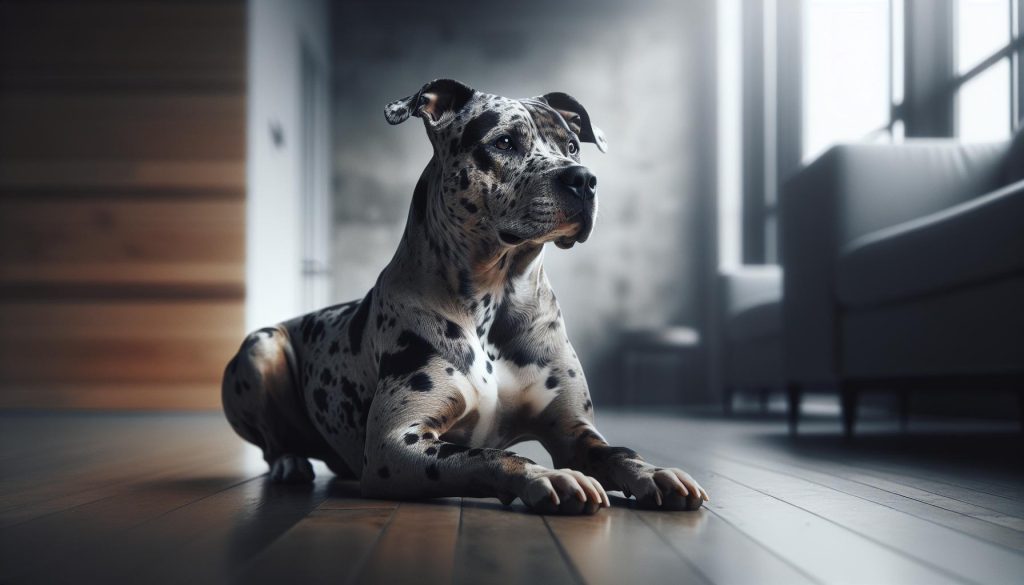
Did you know that the captivating Leopard Merle Pitbull, with its unique spotted coat, is not only striking but also reflects the fascinating complexities of dog genetics? This extraordinary breed, often misunderstood, combines the tenacity and loyalty of traditional Pitbulls with the exotic allure of the merle pattern, appealing to both dog lovers and potential owners alike. Understanding the characteristics, health considerations, and proper care for this mesmerizing dog can enhance your relationship with your pet and ensure a happy, healthy life together. In this article, we’ll delve into the genetics behind their stunning appearance, along with training insights and tips that will help you appreciate and responsibly care for this remarkable breed. Let’s explore the world of Leopard Merle Pitbulls and discover what makes them truly special!
Leopard Merle Pattern Explained: Genetics and Characteristics
The leopard merle pattern is an eye-catching and unique coat coloration found in some Pitbulls, characterized by its irregular patches of color and spots that resemble those of a leopard. This striking appearance is the result of a genetic variation known as the merle gene, which alters the distribution of pigment in the dog’s fur. The merle pattern can vary widely, with some dogs displaying large patches and others exhibiting tiny flecks. Understanding how this pattern develops is essential for prospective owners who appreciate the breed’s distinctive look.
Genetically, the merle pattern is expressed when a dog inherits one copy of the merle gene (M) from one parent. If a dog inherits two copies (MM), it may lead to severe health complications and is generally not viable. Thus, responsible breeding practices advocate for breeding a merle dog only to a non-merle to avoid this risk. The visual effect of the merle pattern can range from subtle to bold, significantly impacting the dog’s overall aesthetic appeal. It’s not just about looks; the genetics behind this pattern can inform you about potential health considerations as merle-patterned dogs may have a higher incidence of certain inherited health issues relating to vision and hearing.
While the merle pattern adds an exotic edge to the Leopard Merle Pitbull, it’s vital to note that aesthetics should never overshadow responsible ownership. Owners should prioritize a dog’s well-being by ensuring it receives proper care, including regular veterinary check-ups and a balanced diet. This understanding fosters an environment where the beauty of the leopard merle pattern is celebrated alongside the dog’s health and happiness. Always research reputable breeders and be prepared for the commitments that come with sharing your life with such a unique and charming companion.
The Allure of the Leopard Merle Pitbull
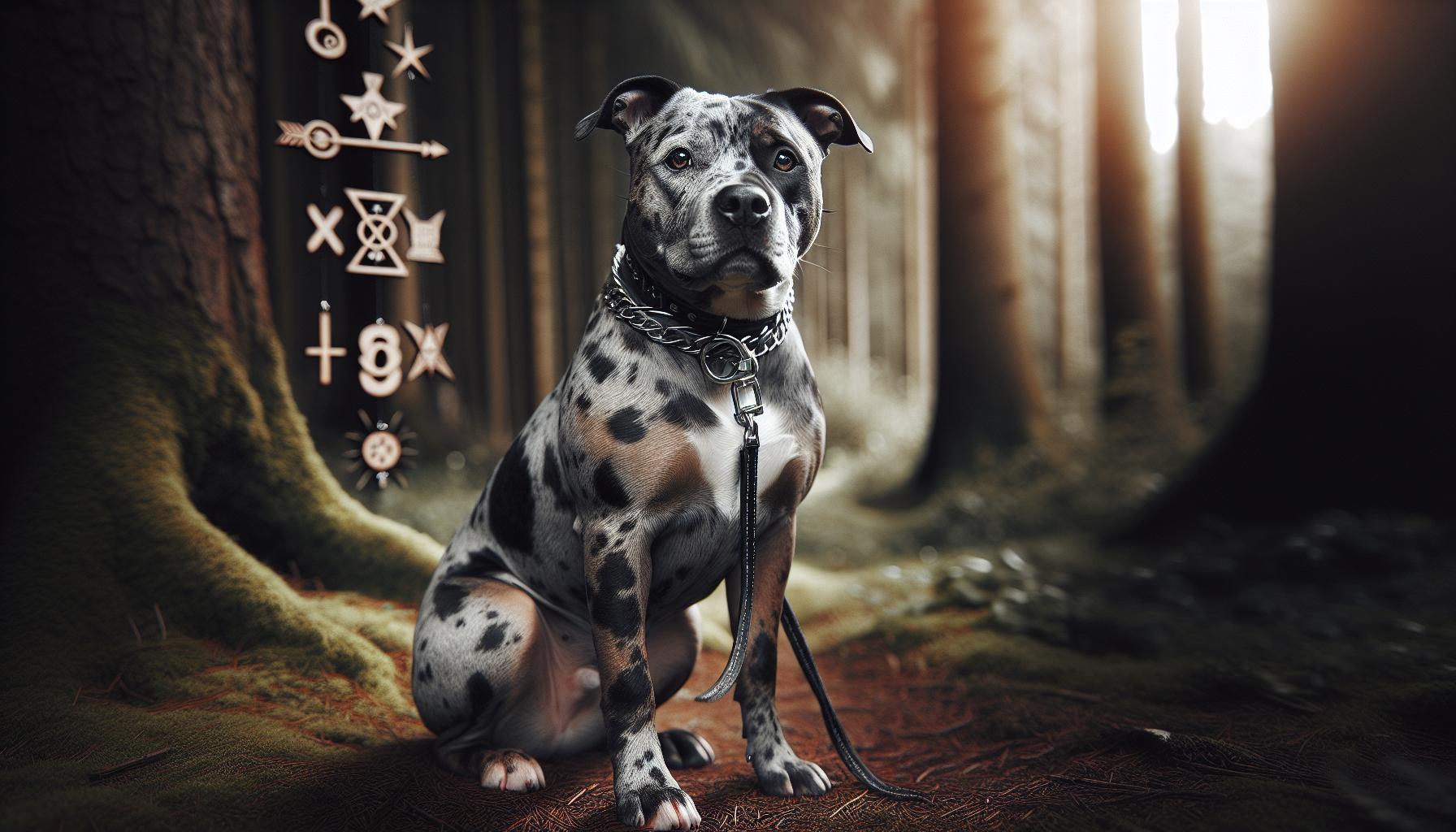
The leopard merle pattern in Pitbulls is more than just a striking visual; it encapsulates a blend of aesthetics, genetics, and the vibrant personalities that these dogs bring into our lives. Known for their bold patches and unique speckled appearance, Leopard Merle Pitbulls capture attention wherever they go. This alluring coat pattern is the result of the merle gene, which not only alters the distribution of color but also speaks to the complexity of the breed’s genetic makeup.
When you encounter a Leopard Merle Pitbull, it’s impossible to overlook its captivating design that resembles the coat of a wild leopard. This eye-catching look is celebrated in various social circles, from dog parks to online communities, where owners proudly showcase their pets. The blend of colors and forms offers a unique charm, making each Leopard Merle a one-of-a-kind companion. Beyond their looks, these dogs exhibit the typical endearing qualities of Pitbulls, such as loyalty, intelligence, and playfulness, creating a wonderful balance between beauty and personality.
Owners and admirers of the breed often find themselves fascinated by the complete package that a Leopard Merle Pitbull offers. Their playful nature and affectionate demeanor resonate deeply within families and individuals alike. This breed can thrive in various environments, from urban settings to spacious homes, adapting well as long as they receive enough exercise and socialization. As a responsible owner, ensuring your Leopard Merle gets the proper training and social experiences will not only enhance their behavior but also deepen the bond between you and your pup.
In the cultural fabric surrounding Pitbulls, Leopard Merle variants often stand out, symbolizing a blend of exotic beauty and deep loyalty. This unique position allows you to celebrate the allure of your dog while fostering community and connection with others who share your love for this remarkable breed. By understanding the genetics and characteristics of your Leopard Merle Pitbull, you empower yourself to provide the best care possible, ensuring a happy and fulfilling life for your furry friend.
Caring for Your Leopard Merle Pitbull
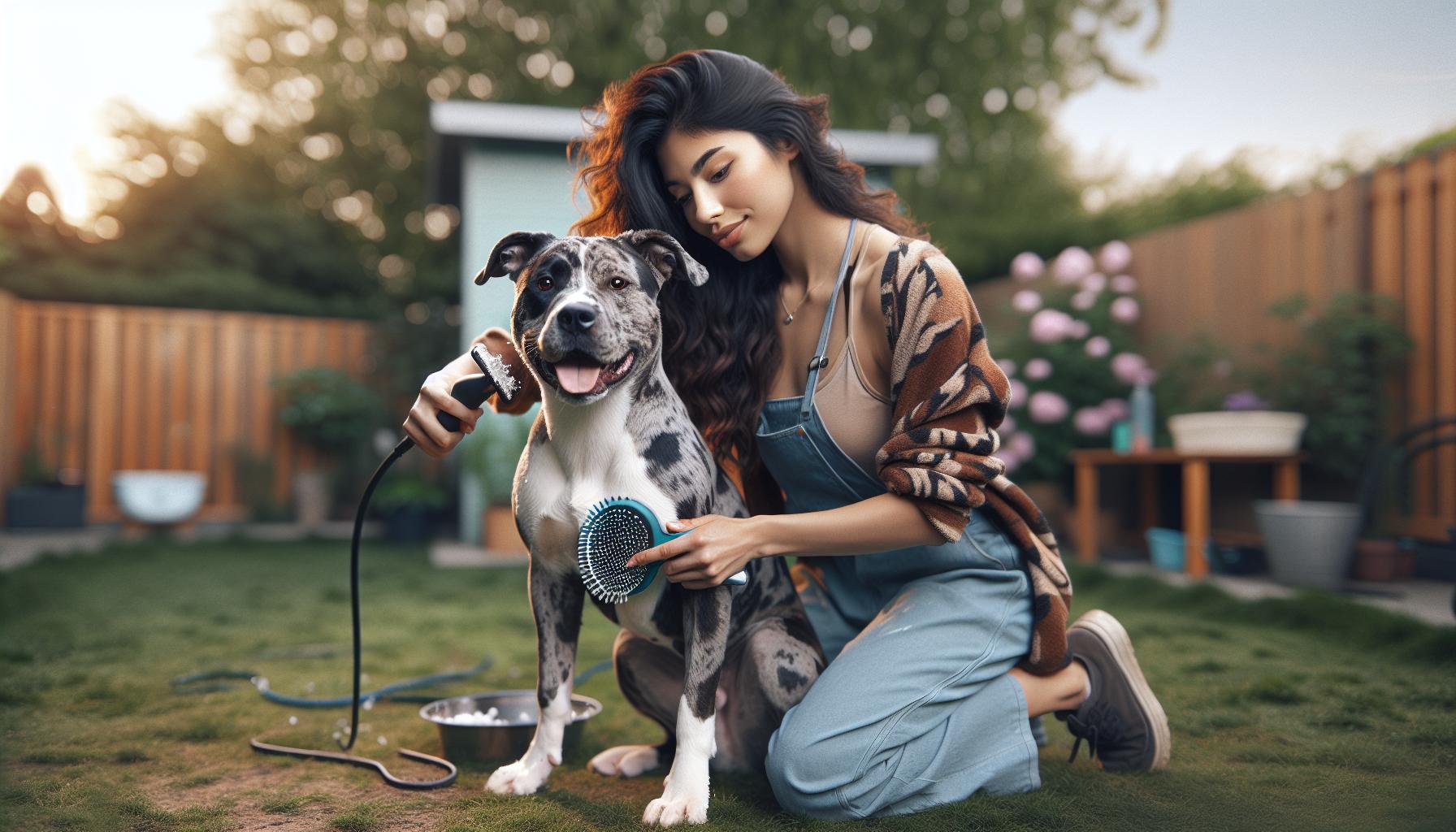
Caring for a Leopard Merle Pitbull goes beyond regular pet ownership; it involves embracing their unique traits and ensuring a fulfilling environment for your furry friend. These dogs are known not only for their distinctive spotted coats but also for their energetic and affectionate personalities. To keep your Leopard Merle happy and healthy, consider the following essential aspects of care.
Nutrition and Diet
Feeding your Leopard Merle Pitbull a balanced diet is crucial for their overall health. High-quality dog food that is rich in protein will support their muscle development and energy levels. Look for formulas specifically designed for active breeds, and consult with your veterinarian to tailor the diet to your dog’s specific needs. To enhance their diet, you can incorporate fresh fruits and vegetables as treats, remembering to avoid toxic items like grapes and onions.
Exercise and Activity
Being active is part of a Pitbull’s charm, and Leopard Merle variants are no exception. Regular exercise is vital to keep their energy levels in check and maintain a healthy weight. Aim for at least an hour of vigorous activity each day-this can include brisk walks, playtime in the yard, or even engaging in dog sports such as agility training. Mental stimulation is equally important; consider puzzle toys or interactive games to keep their minds sharp.
Grooming Practices
The stunning merle pattern of your Leopard Merle Pitbull is sure to turn heads, but to keep their coat looking its best, regular grooming is essential. Brush their coat at least once a week to remove loose hair and dirt, which also helps to distribute natural oils and keep their skin healthy. Bathing should be done as needed, usually every few months, to prevent dryness. Don’t forget about dental care and nail trimming, which are important components of their overall hygiene.
Regular Health Check-ups
Preventive health care is key for a long and happy life. Regular veterinary check-ups will help catch any potential health issues early. Discuss vaccinations, flea and tick preventive care, and spaying or neutering, if that hasn’t been done yet. Keep an eye on their weight, as obesity can lead to various health complications. Lastly, staying informed about breed-specific ailments can help you maintain your Leopard Merle’s health.
By addressing these aspects of care, not only do you enhance the quality of life for your Leopard Merle Pitbull, but you also forge a deep bond that celebrates their extraordinary essence. Providing a loving and structured environment can ensure that your pet thrives, allowing both of you to enjoy a fulfilling companionship.
Training Tips for a Well-Behaved Pitbull
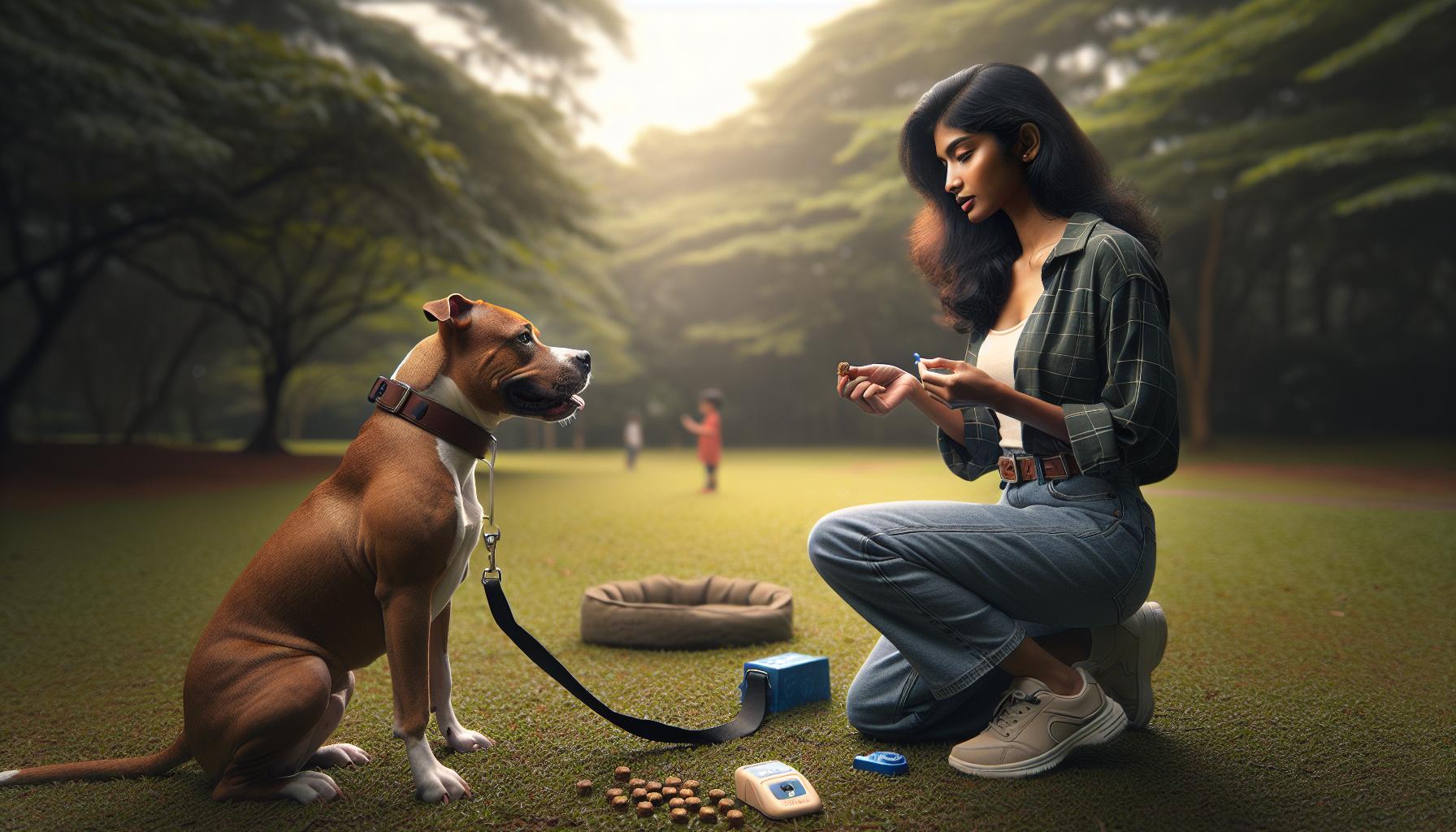
Training a Leopard Merle Pitbull can be an enriching experience that strengthens your bond and enhances their unique personality. Known for their sharp intelligence and eagerness to please, Pitbulls like the Leopard Merle variant thrive on consistent training. Establishing a solid foundation from the start will not only mold your dog into a well-behaved companion but also help in channeling their energy in positive ways.
Start by setting clear boundaries and expectations. Consistency is key when it comes to training any dog, but it’s especially important for the energetic Leopard Merle Pitbull. Use positive reinforcement techniques such as treats, praise, and playtime rewards to encourage desired behaviors. Be patient and persistent; training may require repeated sessions, but celebrating small victories will keep you motivated and your Pitbull engaged. Regular training also prevents behavioral issues, ensuring that your Pitbull develops into a balanced and well-adjusted adult.
Socialization is another critical aspect of training. Early exposure to various environments, people, and other animals will help your Leopard Merle Pitbull become well-rounded and adaptable. Take them to dog parks, on walks with different dogs, or even visit pet-friendly stores. This not only builds confidence but also minimizes anxiety in unfamiliar situations. Moreover, encourage interactions with a diverse group of friends and family to foster trust and sociability.
Finally, consider incorporating mental stimulation into your training regimen. Leopard Merle Pitbulls are highly intelligent dogs that excel in activities that challenge their minds. Engage them with puzzle toys, obedience drills, or agility courses to keep their minds sharp and active. This blended approach of physical exercise alongside mental challenges ensures that your Pitbull remains not just well-behaved but also a happy and fulfilled member of your family.
Health Considerations for Leopard Merle Pitbulls
While the exotic spotted coat of a Leopard Merle Pitbull certainly captures the eye, it’s crucial to understand the health considerations that come with this unique pattern. As with any breed, particularly those that exhibit specific color variations due to genetics, there are potential health implications worth noting.
One prominent concern relates to the merle gene itself, which can impact pigmentation and subsequently affect vision and hearing. Some Leopard Merle Pitbulls may face the risk of congenital deafness or vision problems, particularly if they inherit two copies of the merle gene, which is often linked to more severe health issues. Therefore, it’s essential to ensure that if you’re investing in a Leopard Merle Pitbull, you are sourcing from a responsible breeder who conducts thorough health screenings.
Regular veterinary check-ups should be a staple in your care routine. These visits can help in early detection of any potential health issues. A balanced diet and regular exercise are also vital for maintaining your Leopard Merle Pitbull’s overall health. This breed is known for its high energy levels, and appropriate physical activity not only aids in physical health but also supports mental well-being, combating issues like anxiety and destructive behaviors.
Another key aspect to consider is skin health. The striking coloration of a Leopard Merle may make any dermatological issues more noticeable, so keep an eye out for irritations or unusual patches. Regular grooming and baths with appropriate dog shampoos can help mitigate skin problems and keep your dog comfortable and healthy.
In summary, while the allure of the Leopard Merle Pitbull is undeniable, it is crucial to be proactive about their health. Understanding genetics, maintaining regular vet visits, providing a healthy diet, and ensuring routine grooming are all fundamental steps to enjoy a long and fulfilling companionship with your vibrant pet.
Comparing Leopard Merle to Other Pitbull Variants
The Leopard Merle Pitbull stands out among its peers not only for its stunning, unique coat but also for its complex genetic background. Understanding how it compares to other variants of the breed can enrich your appreciation and inform your decisions as a potential owner.
Genetic Variations and Patterns
At the heart of the Leopard Merle variety is the merle gene, which creates the breathtaking spotted pattern reminiscent of a leopard’s fur. This genetic feature is not commonly found in all Pitbull types. For example, the classic American Pit Bull Terrier may present in solid colors or more traditional brindle patterns without the merle variation. When comparing the Leopard Merle Pitbull to other variants such as the Blue Nose or Red Nose Pitbulls, it’s evident that merle is a distinct pattern that requires specific breeding practices.
Each of these variants can exhibit unique behavioral traits and health considerations due to their different genetic makeups. For instance, Blue and Red Nose Pitbulls are often sought after for their calm demeanor and loyal companionship, while Leopard Merle Pitbulls may require extra attention to their health due to the potential complications associated with the merle gene.
Health Considerations
It’s crucial to note that while the Leopard Merle can be visually appealing, they may also inherit health risks linked to their gene. For example, the risk of deafness and vision issues increases with the presence of the merle gene, particularly if both parents carry it. In contrast, other variants might not face the same extent of genetic health issues commonly associated with the merle pattern. Therefore, responsible breeders who specialize in Leopard Merle Pitbulls will often conduct extensive health screenings to ensure the best outcomes for these striking dogs.
Temperament and Training
When it comes to temperament, there can be notable differences between the Leopard Merle and other Pitbull variants. While all Pitbulls are generally known for their intelligence and loyalty, Leopard Merles might display spirited and energetic traits that can benefit from tailored training approaches. Ensuring adequate socialization and structured training is crucial for all Pitbulls, but especially for those with the merle pattern, as they may possess higher energy levels and, at times, a more dominant personality.
Leopard Merle Pitbull owners should embrace their beautiful uniqueness while remaining mindful of training needs and health implications. Understanding these differences allows you to provide the best care, fostering a fulfilling relationship with your vibrant companion.
The Role of Socialization in Raising a Pitbull
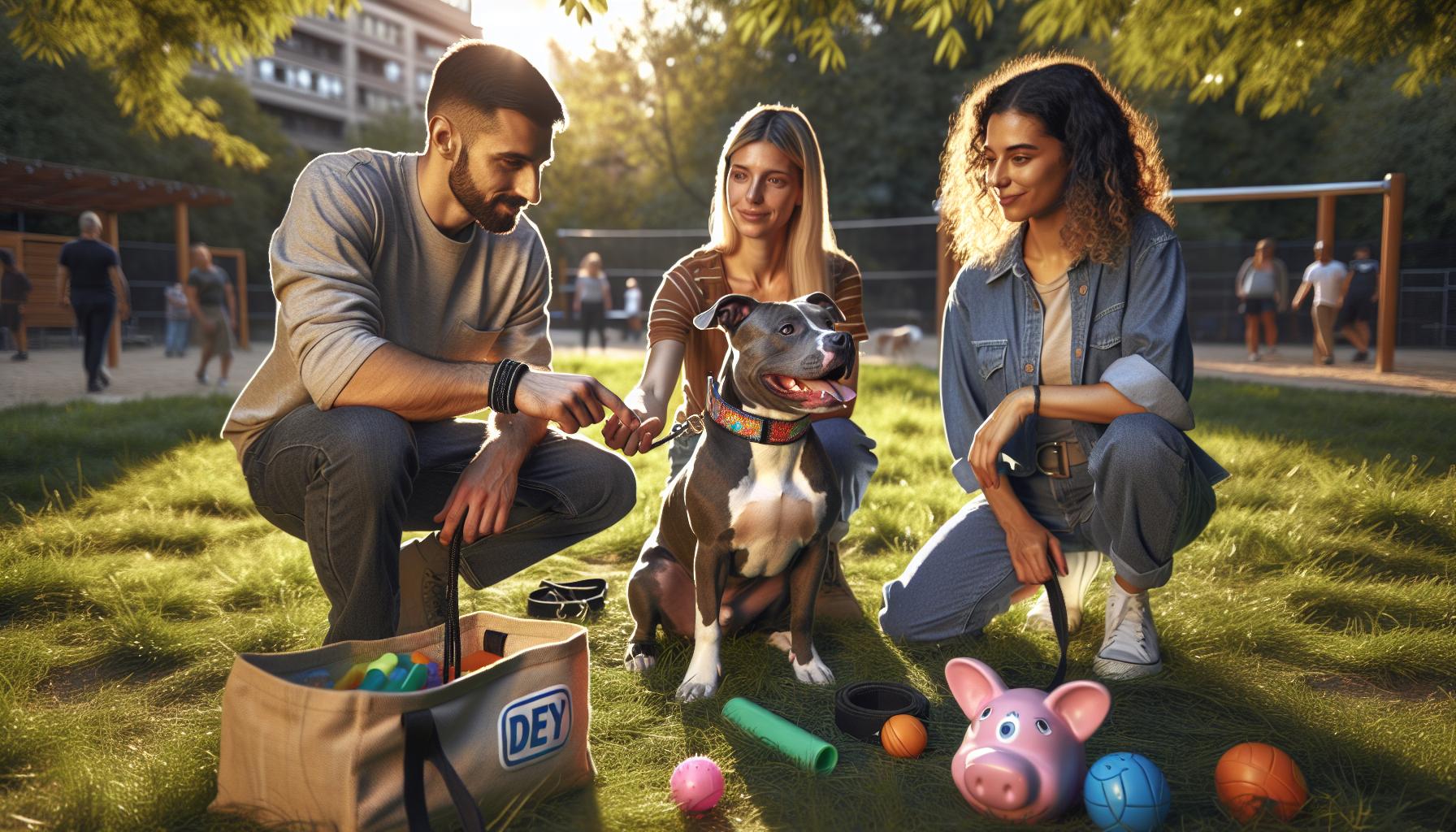
The exotic spotted pattern of the Leopard Merle Pitbull is not just a visual wonder; it also calls for thoughtful socialization practices to ensure these dogs grow into well-adjusted companions. Socialization is a critical aspect of raising any Pitbull, but it becomes especially important for the Leopard Merle due to their unique genetic heritage, which may predispose them to certain behavioral quirks. Early and consistent socialization can help mitigate potential issues, allowing your Leopard Merle to navigate the world with confidence.
Exposing your Leopard Merle Pitbull to a variety of environments, people, and other animals from a young age can greatly influence their temperament and ease of training. Take the time to introduce them to different sounds, sights, and experiences. This could include trips to the park, visits to friends’ homes, or even outings in busy urban areas. Each new experience enriches their understanding of the world and helps prevent fear-based behaviors that can lead to aggression or anxiety.
Incorporating structured socialization exercises into your routine is key. Consider organizing playdates with other well-mannered dogs and enrolling in group training classes where they can meet fellow canines and their owners. These interactions provide the opportunity for your Leopard Merle to learn appropriate social cues while having fun. Remember that patience is essential; some dogs may take longer to warm up to new situations, and positive reinforcement can foster a positive association with these experiences.
As you work on socialization, keep an eye on your Leopard Merle’s behavior. If you notice signs of anxiety or aggression during social interactions, it’s important to take a step back and reassess. Consult a qualified dog trainer or behaviorist who understands the unique needs of the breed. With the right approach, your Leopard Merle Pitbull can develop into a well-mannered and confident dog, ready to explore the world by your side.
Common Myths About Leopard Merle Pitbulls
Many people are fascinated by the striking appearance of the Leopard Merle Pitbull, but with that interest often comes a swirl of myths that can cloud understanding of this unique breed. One of the most common misconceptions is that the merle pattern indicates a health risk or genetic flaw. In reality, while merle is a coat color pattern that can be associated with some genetic conditions in certain breeds, when bred responsibly, Leopard Merle Pitbulls can be perfectly healthy and vibrant pets. It’s crucial to source these dogs from reputable breeders who prioritize health and genetic testing over aesthetics.
Another myth is that Leopard Merle Pitbulls are inherently aggressive due to their lineage and unique appearance. This stereotype stems from a broader misunderstanding of Pitbull breeds and their temperaments. Individual behavior is more influenced by genetics, upbringing, and training rather than coat color or pattern. With proper training and socialization, Leopard Merle Pitbulls can be incredibly loving and gentle companions, just like any other Pitbull. Emphasizing positive reinforcement and early social interaction plays a significant role in developing their temperament.
Additionally, some people believe that the merle pattern affects a Pitbull’s intelligence or trainability. This simply isn’t true. All Pitbulls, including the Leopard Merle, are known for their intelligence and eagerness to please, making them highly trainable. Providing consistent training and stimulation is key to harnessing their potential and ensuring they thrive both mentally and physically.
Lastly, there’s a myth that owning a Leopard Merle Pitbull is akin to owning a “status symbol” breed. While these dogs can attract attention for their unique appearance, responsible ownership involves commitment and care, regardless of how exotic their look may be. Owning any breed demands time, love, and effort to nurture a well-rounded and happy pet. By dispelling these myths and focusing on responsible pet ownership, you can fully appreciate the Leopard Merle Pitbull’s charm and enrich both your life and theirs.
Spotlight on Famous Pitbull Artists
When it comes to the extraordinary Leopard Merle Pitbull, it’s not just their unique coat pattern that draws attention; it’s also the remarkable individuals who share their lives with this breed. Across various fields-be it music, art, or activism-famous artists who are passionate about their Leopard Merle Pitbulls shine a spotlight on the breed, inspiring admiration and fostering a greater understanding of what it means to be a responsible owner.
Many artists use their platforms to advocate for animal welfare and pet adoption, reflecting the values that resonate deeply with the Pitbull community. For instance, renowned musicians and celebrities often share their experiences with their Leopard Merle companions, shedding light on the joys and responsibilities of pet ownership. These celebrities demonstrate how loyal and affectionate these dogs can be with the right care and training. Their stories often emphasize the need to dispel the myths surrounding Pitbulls as aggressive or dangerous, helping to reshape perceptions and promote a more positive image of the breed.
Beyond just raising awareness, some famous artists actively engage in charitable efforts that benefit animals. They organize events, fundraisers, and social media campaigns to support animal shelters and rescue organizations. Through these initiatives, they highlight the beauty of adopting breeds like the Leopard Merle Pitbull, showcasing how wonderful companions they can be when given the love and attention they deserve.
In conclusion, the blend of artistry and advocacy within the Leopard Merle Pitbull community not only celebrates these dogs’ striking appearances but also champions their rich personalities and potential as loving family members. By following the lead of these artists, you can appreciate the breed’s unique characteristics while supporting responsible ownership practices that ensure their well-being.
Understanding the Exotic Appeal of Merle Patterns
The Leopard Merle Pitbull captivates many with its distinctive coat pattern, often likened to the exotic designs of big cats. This striking aesthetic, characterized by its rich blend of colors and a unique, spotted appearance, doesn’t just enhance the dog’s visual appeal; it also signifies an intriguing genetic background. The merle pattern arises from a specific gene affecting pigmentation, which can create an array of eye-catching colors and patterns. This genetic trait, while enchanting, also necessitates understanding and responsible breeding practices to ensure the health and well-being of these dogs.
When you look at a Leopard Merle Pitbull, you’re witnessing a blend of beauty and complexity. The combination of merle with the traditional Pitbull physique results in a breed that stands out in any environment. Beyond their looks, these dogs often possess the quintessential Pitbull temperament-loyal, energetic, and affectionate. It’s important to note, however, that the allure of their appearance should not overshadow the necessity for proper training and socialization. A well-socialized Leopard Merle Pitbull is not only a joy but also a responsible guardian, capable of dispelling the myths surrounding Pitbulls as inherently aggressive.
Understanding the exotic appeal of the merle pattern also involves acknowledging the potential health issues linked to this genetic trait. Merle dogs can sometimes face challenges related to hearing and vision due to their genetic makeup. Thus, choosing a reputable breeder who prioritizes health testing is crucial. This choice ensures that you are not only adding a visually stunning dog to your family but also supporting ethical breeding practices that promote the overall health of the breed.
In the realm of social settings, the Leopard Merle Pitbull has found its way into popular culture and the art world, with notable figures proudly showcasing their dogs. This visibility helps to change perceptions and cultivate a deeper appreciation for these remarkable animals. It’s a blend of aesthetics, responsibility, and community engagement that fuels the growing popularity of the Leopard Merle Pitbull, making them not just companions, but also ambassadors for the breed.
Responsible Ownership of Exotic Pitbull Breeds
, like the Leopard Merle Pitbull, involves a commitment to understanding both the breed’s unique attributes and the responsibilities that come with caring for them. These dogs boast a striking appearance that mirrors the beauty of wild animals, but their care requires much more than just admiration for their looks. Let’s delve into what it means to be a responsible owner of a Leopard Merle Pitbull.
First and foremost, choosing a reputable breeder is essential. Not all breeders prioritize the health and well-being of their dogs, particularly when it comes to exotic patterns like merle. By selecting a breeder who conducts health testing and provides transparency about the dog’s lineage, you can help avoid potential genetic issues such as deafness or vision impairments that may occur more frequently in merle-patterned dogs. This choice not only ensures a healthier companion but also supports ethical breeding practices that contribute positively to the breed’s reputation.
Proper training and socialization cannot be overstated. As an owner, it’s your responsibility to provide consistent training that reinforces good behavior and helps your pet thrive in various environments. Pitbulls, including the Leopard Merle variant, are known for their loyalty and intelligence. Engaging them in training from a young age will foster their natural abilities and reinforce positive interactions with people and other animals. Regular socialization experiences are crucial, as they help shape your dog’s temperament and confidence, enabling them to navigate different social settings with ease.
Additionally, maintaining thorough health care routines will maximize your Leopard Merle Pitbull’s quality of life. Regular vet check-ups, a balanced diet, and proper exercise keep them healthy and happy. It’s also wise to be informed about common health issues in the breed, so you can take proactive measures. For instance, due to their muscular build, Pitbulls can be prone to hip dysplasia, and monitoring their weight can prevent excessive strain on their joints.
Lastly, understanding the impact of breed perception is vital. Pitbulls often face stigma due to misconceptions about their behavior. As an owner, you have the opportunity to be an ambassador for the breed by fostering positive interactions and educating others about the true nature of Pitbulls. Sharing your experiences, whether through social media or community events, helps challenge stereotypes and promotes appreciation for these exceptional dogs.
In conclusion, responsible ownership of a Leopard Merle Pitbull is about embracing your role as a caretaker and advocate. By prioritizing health, training, and social awareness, you ensure that your pet not only thrives but also serves as a positive representative of the breed. Celebrate the unique beauty and incredible spirit of your Leopard Merle Pitbull by committing to responsible ownership that enriches both your lives.
Adopting vs. Purchasing Your Leopard Merle Pitbull
Considering bringing a Leopard Merle Pitbull into your life involves an important decision: whether to adopt from a rescue organization or purchase from a breeder. Each option carries its own set of benefits and responsibilities, and understanding the implications can help you make the best choice for both you and your future companion.
Adoption can be a rewarding experience that not only provides a loving home to a dog in need but also supports the efforts of local shelters and rescue organizations. Many of these organizations work tirelessly to rehabilitate and rehome dogs, often at a lower cost than buying from a breeder. Additionally, you may find a variety of breeds, including Leopard Merle Pitbulls, available for adoption, giving you the chance to save a life while finding the perfect fit for your family. However, it’s vital to consider the dog’s background and health status, which can vary widely. Ensure you ask about any behavioral or health concerns and request any available medical history to help you prepare for any potential challenges.
On the other hand, purchasing a Leopard Merle Pitbull from a reputable breeder allows for more control over the dog’s lineage and overall health. A responsible breeder focuses on the genetic qualities of their dogs, often performing health screenings to prevent hereditary conditions common in the breed, such as hip dysplasia or certain skin issues. This route might be more expensive, but you gain insights into your puppy’s parents, which can help you predict personality traits and health needs. When selecting a breeder, look for ones who are transparent about their breeding practices and prioritizes the well-being of their dogs, as this can lead to a healthier and well-adjusted pet.
Ultimately, whether you choose to adopt or purchase, it’s important to prioritize the well-being and safety of your future Leopard Merle Pitbull. Gather as much information as possible about the dog’s background, health, and temperament, and be prepared to commit to the training and care that this unique breed requires. Your decision should reflect not only your personal preferences but also your readiness to provide a stable, loving environment for your new furry family member. By taking the time to make an informed choice, you’ll be setting the foundation for a joyful and fulfilling companionship.
Frequently Asked Questions
Q: What is a Leopard Merle Pitbull?
A: A *Leopard Merle Pitbull* is a unique color variant of the Pitbull breed, characterized by its eye-catching spotted coat resembling a leopard’s pattern. This striking appearance results from the *merle gene*, which can create various combinations of colors and spots, making each dog visually distinct.
Q: Are Leopard Merle Pitbulls considered a separate breed?
A: No, Leopard Merle Pitbulls are not a separate breed; they are a color variant within the American Pitbull Terrier breed. These dogs possess the same traits and characteristics as standard Pitbulls but showcase a unique coat coloration due to genetic variations.
Q: How do you care for a Leopard Merle Pitbull?
A: Caring for a *Leopard Merle Pitbull* involves regular exercise, a nutritious diet, and routine veterinary check-ups. Additionally, providing consistent training and socialization is crucial to ensure a well-adjusted, loving pet. Refer to the *Caring for Your Leopard Merle Pitbull* section for detailed advice.
Q: What are the health concerns of Leopard Merle Pitbulls?
A: Leopard Merle Pitbulls may face specific health issues linked to the merle gene, such as deafness or vision problems. Regular health screenings and consultations with a veterinarian can help manage these risks and ensure your dog’s overall well-being. Explore the *Health Considerations for Leopard Merle Pitbulls* section for more insights.
Q: How can I effectively train my Leopard Merle Pitbull?
A: Effective training for a *Leopard Merle Pitbull* requires patience, positive reinforcement, and consistency. Start with basic obedience commands and gradually introduce advanced tricks. Engaging in regular socialization and training classes can enhance your dog’s behavior and adaptability. Check the *Training Tips for a Well-Behaved Pitbull* section for further guidance.
Q: What makes the Leopard Merle pattern exotic?
A: The *Leopard Merle* pattern is considered exotic due to its unique spots and varying colors, which enhance its visual appeal. This distinctive coating is rare compared to traditional colors in Pitbulls, attracting attention among breeders and enthusiasts. Learn more about this in the *Understanding the Exotic Appeal of Merle Patterns* section.
Q: Are Leopard Merle Pitbulls aggressive?
A: No, Leopard Merle Pitbulls are not inherently aggressive. Like any Pitbull, their behavior is heavily influenced by training, socialization, and the owner’s approach. Properly raised and trained, these dogs are known for their loyalty and affection. Refer to the *Common Myths About Leopard Merle Pitbulls* section for more clarification on this topic.
Q: Can I find Leopard Merle Pitbulls in shelters or rescues?
A: Yes, it is possible to find *Leopard Merle Pitbulls* in shelters and rescue organizations. Adopting a dog not only provides a loving home but also helps reduce the number of homeless animals. Check out the *Adopting vs. Purchasing Your Leopard Merle Pitbull* section for valuable tips on finding your perfect pet.
The Conclusion
Thank you for exploring the fascinating world of the Leopard Merle Pitbull and its exotic spotted patterns! By understanding their unique genetics, health considerations, and training needs, you can appreciate why this breed stands out in pet culture. Don’t miss the chance to connect with fellow Pitbull enthusiasts and deepen your knowledge. Check out our article on Pitbull Training Tips and discover Health Essentials for Your Pitbull to keep your furry friend thriving.
Remember, adopting a Leopard Merle Pitbull not only enriches your life but also comes with responsibilities. Stay informed and prepared! If you have questions or want to share your experience, drop a comment below or consider signing up for our newsletter for more insights. Your journey into responsible and joyful dog ownership continues here-let’s celebrate these remarkable canines together!
Get our latest guides, news, and insights highlighted in your Google Search & AI Overviews.