Have you ever seen a dog that looks like a quirky mix of two distinct breeds? Meet the Pitbull Dachshund mix-often referred to as the Doxie-Pit. This hybrid blends the muscular charm of the Pitbull with the elongated, playful nature of the Dachshund, creating a unique companion that stands out in any crowd. Understanding this unusual mix is essential for potential dog owners who value not only the aesthetics but also the responsibilities that come with pet ownership. From health considerations to training needs, the Doxie-Pit can bring joy and challenges alike. Dive into the fascinating world of this adorable mix, and discover whether it’s the perfect addition to your family!
Unique Characteristics of the Pitbull Dachshund Mix
The Pitbull Dachshund mix is a truly unique breed that often surprises onlookers with its charming appearance and delightful personality. Imagine the stout, muscular build of a Pitbull combined with the elongated, distinctive body of a Dachshund. This remarkable mix not only offers an interesting aesthetic but also inherits a blend of characteristics from its parent breeds, making it a fascinating companion for dog lovers.
Physical Appearance
This breed can exhibit a variety of physical traits, resulting in a range of appearances depending on which parent the puppies most closely resemble. Generally, you might find a stout, beefy body with a long, low-slung silhouette. The head can be more Pitbull-like, featuring broad jaws and expressive eyes, or it can take on a more elongated Dachshund shape. Their coat texture and color can vary widely, with some having smooth, glossy fur while others might inherit a slightly wiry coat.
Temperament
One of the most endearing characteristics of the Pitbull Dachshund mix is its affectionate nature. These dogs are often described as loving companions and are known for their loyalty. You can expect them to develop a strong bond with their family members. Additionally, this mix tends to be playful, energetic, and curious, inheriting the feisty nature of the Dachshund and the eagerness to please that is often seen in Pitbulls. This blend of playfulness and affection makes them an ideal pet for families looking for a loving and engaging companion.
Trainability
When it comes to training, you might find that both parent breeds contribute positively to the Pitbull Dachshund mix’s intelligence. Pitbulls are known for their trainability due to their eagerness to please their owners, while Dachshunds, though sometimes a bit stubborn, can be trained effectively with positive reinforcement. This mix thrives with consistent training that focuses on rewards and praise. Socialization is equally important; exposing your dog to various experiences early on can help shape a well-rounded and confident adult dog.
With such a unique blend of traits, the Pitbull Dachshund mix truly stands out as a remarkable companion that can bring joy and laughter into your life. Their quirky appearance and loving disposition make them a beloved choice among mixed breeds, appealing to a wide range of dog owners looking for a special four-legged friend.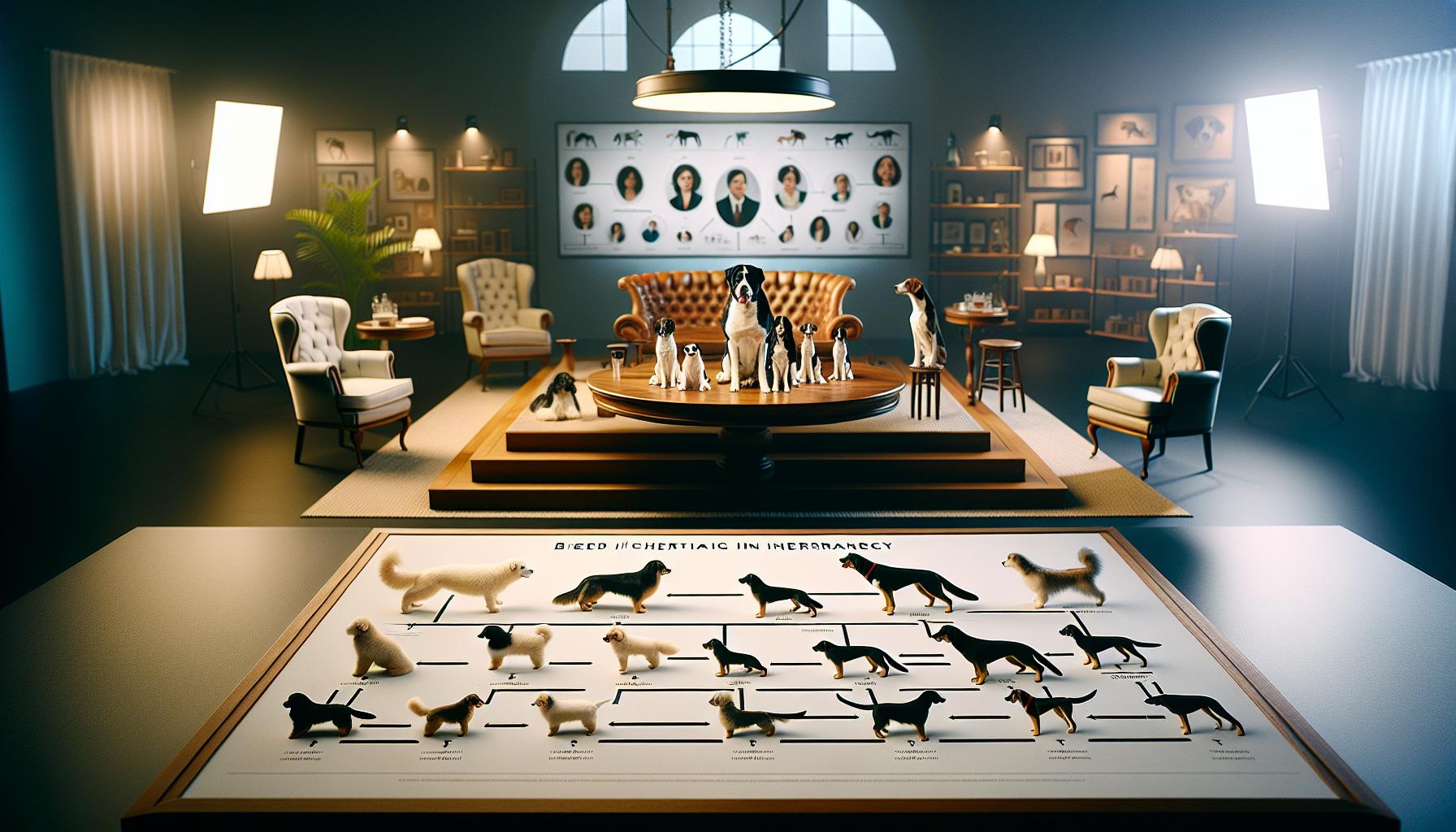
Understanding Breed Genetics and Inheritance
The fascinating world of dog genetics provides insight into the diverse characteristics seen in mixed breed dogs, such as the Pitbull Dachshund mix. This unique hybrid results from crossing two distinct breeds: the American Pitbull Terrier and the Dachshund. Each parent contributes to the genetic makeup and physical attributes of their offspring, leading to a delightful range of appearances and behaviors. Understanding how genetics function in mixed breeds can help you appreciate the marvel of your Pitbull Dachshund mix even more.
Genetic inheritance in dogs is influenced by several factors, primarily the dominant and recessive traits passed down from both parent breeds. The Pitbull, known for its muscular build and friendly demeanor, brings characteristics like strength, loyalty, and a playful spirit. Meanwhile, the Dachshund contributes its charming elongated body and curious nature. As a result, you might find that your Pitbull Dachshund mix inherits a mixture of these traits, resulting in a compact, sturdy body with some proportionally longer features. The variation in coat colors and textures is another exciting aspect, as the mix can reflect the diverse palettes found in both parent breeds.
Moreover, genetic diversity also plays a significant role in the health of mixed breeds. The hybrid vigor often seen in mixes can lead to a reduced risk of certain hereditary conditions common in purebred dogs. However, they can still be prone to specific health issues based on their lineage, such as hip dysplasia or heart conditions. By being aware of these potential health concerns, you can take proactive steps to ensure your canine companion leads a healthy and happy life.
This understanding of breed genetics can also inform your training and socialization strategies. Recognizing the propensity for intelligence and eagerness to please characteristic of both breeds allows you to tailor training methods effectively. Consistency and positive reinforcement not only tap into this intelligence but also enhance the bonds you share, making for a more rewarding experience for you and your dog. Overall, embracing the genetic heritage of the Pitbull Dachshund mix enables you to celebrate its individuality while fostering a deeper connection through responsible care and appreciation.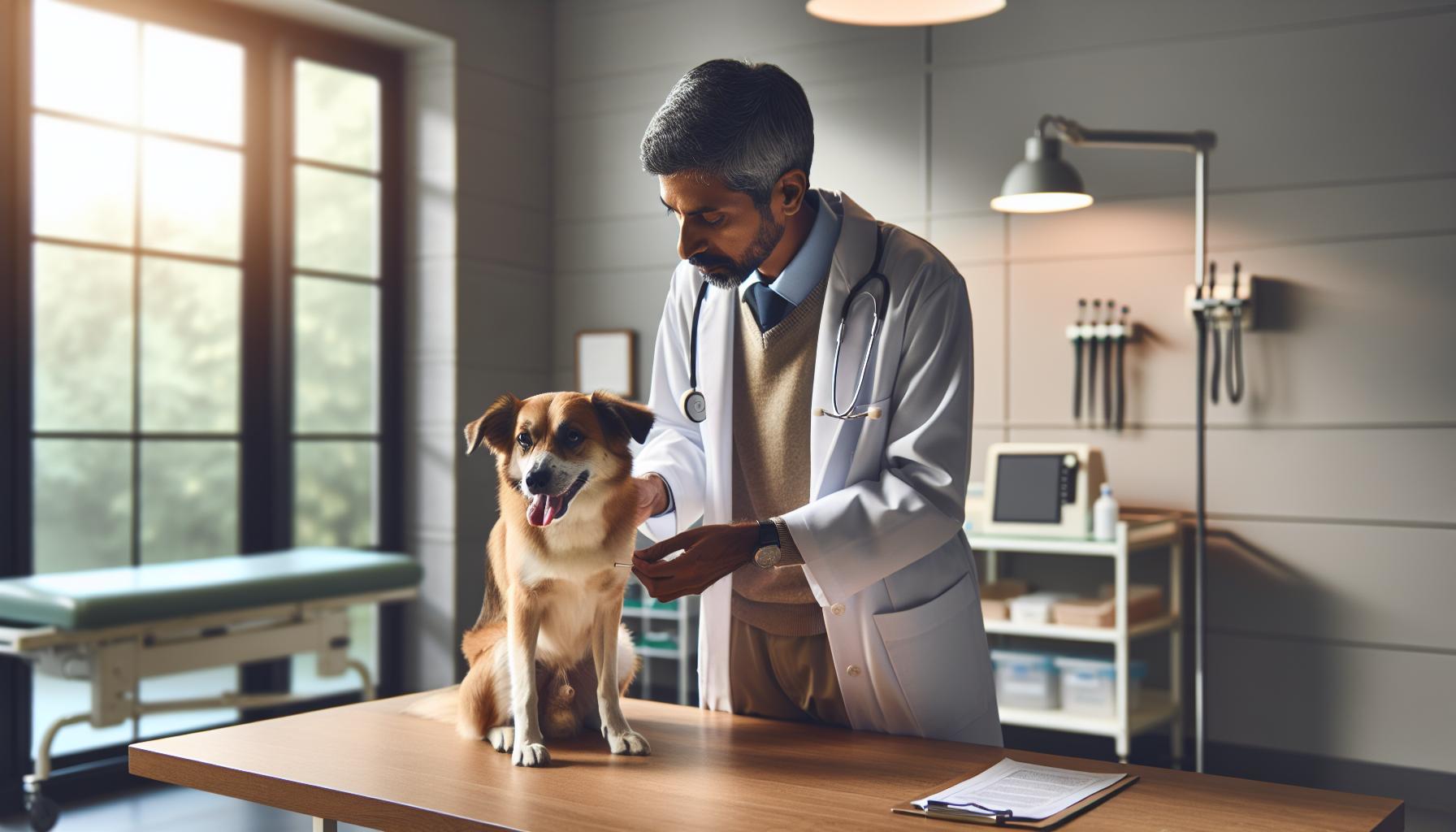
Health Considerations for Your Mixed Breed
Understanding health considerations for your Pitbull Dachshund mix is crucial for ensuring they live a long, happy life. Mixed breed dogs often benefit from hybrid vigor, which can reduce the likelihood of certain genetic health issues; however, they are not immune to health conditions that may affect their parent breeds. Being informed about potential health risks is essential for proactive care and management.
One potential health concern for this mix is hip dysplasia. This condition can affect dogs of various breeds but is especially common in breeds with a heavier body dynamic, like the Pitbull. Regular check-ups at the veterinarian can help in early detection. Looking out for symptoms such as decreased activity or discomfort while moving can prompt timely veterinary consultations.
Another important aspect to monitor is dental health. Both Dachshunds and Pitbulls can experience dental issues, so maintaining a consistent oral care routine is necessary. Try to brush your dog’s teeth several times a week and provide dental chews that can help keep their teeth clean.
While your Pitbull Dachshund mix may inherit the Pitbull’s robust health, they still can be prone to certain heart conditions, such as dilated cardiomyopathy. Recognizing the signs, such as coughing or lethargy, and addressing them promptly can make a considerable difference. Regular vet check-ups, a balanced diet, and appropriate exercise can significantly contribute to your dog’s overall heart health.
Incorporating a preventative health strategy includes a balanced diet rich in nutrients, regular exercise to maintain a healthy weight, and quality time spent engaging with your dog. By being vigilant and proactive, you can help ensure that your Pitbull Dachshund mix remains healthy, happy, and a beloved member of your family for years to come.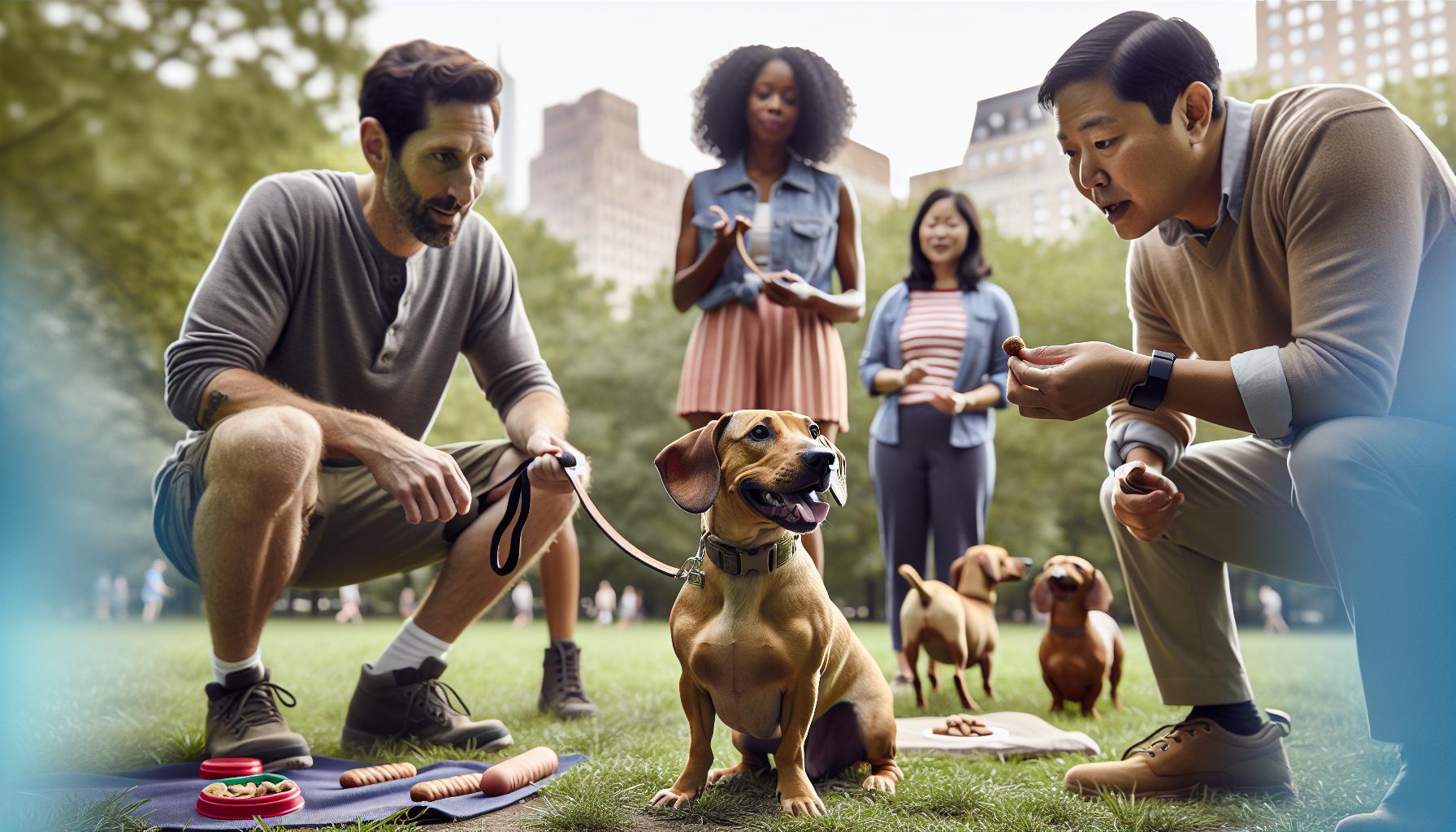
Training Tips for a Happy Pitbull Dachshund
Training your Pitbull Dachshund mix can be a rewarding experience, thanks to their unique blend of intelligence and eagerness to please. Being aware of their dual heritage-the spirited nature of the Pitbull and the clever, sometimes stubborn streak of the Dachshund-can guide your training approach. Early and consistent training is crucial; start when your puppy is young to instill good habits and prevent behavioral challenges later on.
To make training effective, incorporate positive reinforcement techniques. Use treats, praise, and playtime as rewards for good behavior. This method not only motivates your dog but also helps build a strong bond between you and your furry friend. Keep training sessions short and fun, around 5-10 minutes, to maintain their focus and enthusiasm. For example, you might start with basic commands like “sit,” “stay,” and “come,” gradually increasing the challenge as they master each command.
Socialization is Key
Socialization is particularly important for this mix, as both parent breeds benefit from interaction with diverse environments and people. Introduce your Pitbull Dachshund mix to different settings, other dogs, and various noises early on. This exposure helps reduce anxiety and fear-based behaviors, leading to a well-adjusted dog. Aim for positive experiences; for example, taking them to dog parks, dog-friendly events, or simply on car rides can be beneficial.
Always be patient and consistent with your training. If your dog exhibits stubbornness-common in the Dachshund lineage-try not to show frustration. Instead, redirect their attention or break down commands into smaller, manageable steps. Incorporating play into training can enhance engagement, making it feel less like work and more like fun.
As a final tip, remember to adjust training methods based on your dog’s individual personality. Some may thrive on competitive exercises, while others might prefer gentle play. Keeping your training flexible will help you create a happy and responsive Pitbull Dachshund mix.
Socialization Needs: Building a Friendly Dog
Socialization is the cornerstone of creating a well-behaved, confident Pitbull Dachshund mix. Given the unique traits of both breeds, early exposure to various environments, people, and other animals can foster a friendly demeanor and alleviate potential behavioral issues later in life. The sociable nature of Pitbulls combined with the sometimes cautious attitude of Dachshunds means that a balanced approach to socialization is essential.
Start socialization as early as possible, ideally when your puppy is between 3 to 14 weeks old, a prime period for learning and exploration. Gradually introduce your pup to different situations by taking them on walks in bustling areas, visiting pet stores, or attending dog-friendly events. All of these experiences will help reduce fear and anxiety, leading your dog to become more adaptable and resilient to new situations. Remember to reward your dog with treats and praise when they engage positively with their surroundings, reinforcing that these experiences are enjoyable.
Moreover, meeting various other animals is crucial. Allow your Pitbull Dachshund mix to interact with different breeds at dog parks or during playdates. Monitor their interactions to ensure they are positive; if you notice any signs of anxiety or aggression, intervene gently and redirect their attention. Consider enrolling in puppy classes, where they can learn basic commands alongside other dogs, further boosting their confidence and sociability in a controlled setting.
Ultimately, patience is key. Each dog has its own pace when it comes to socialization. Some may take longer to feel comfortable in new environments, while others may jump right in. Embrace this unique personality trait, and focus on providing a supportive and encouraging atmosphere as your pup ventures forth into the world. By fostering a strong foundation through socialization, you not only enhance your dog’s quality of life but also create a loyal companion who can thrive in diverse situations.
Common Behavioral Traits of This Mix
The combination of a Pitbull and a Dachshund may seem unusual, but it results in a mixed breed with a fascinating array of behavioral traits that reflect the characteristics of both parent breeds. This mix often exhibits a lively and spirited nature, driven by the energetic predisposition of the Pitbull and the curious demeanor of the Dachshund. As a result, these dogs tend to be playful, often requiring regular exercise and mental stimulation to keep them satisfied and healthy.
Adaptability is another hallmark of this hybrid. While Pitbulls are known for their robust and confident personalities, Dachshunds are more reserved and cautious, especially around new experiences. Your Pitbull Dachshund mix might display a blend of these traits; they might be outgoing in familiar settings but take a bit longer to warm up to new environments or people. This dichotomy can lead to a unique charm, making them both endearing and sometimes challenging to socialize effectively.
Regarding trainability, the Pitbull’s eagerness to please makes them generally receptive to command training, while the Dachshund’s intelligence means they can quickly learn tricks and commands. However, be mindful that Dachshunds have a stubborn streak, which might surface in your mix. Using positive reinforcement methods, such as treats and praise, can be particularly effective in encouraging cooperative behavior and solidifying good habits.
Lastly, your Pitbull Dachshund mix is likely to form strong bonds with family members, exhibiting a loyal and affectionate nature. Regular interaction and quality time spent together will enhance their loyalty and sense of security, resulting in a well-adjusted companion. By understanding and embracing these common behavioral traits, you can ensure that your dog leads a fulfilling life, thriving in their unique blended personality.
Best Practices for Diet and Nutrition
Proper nutrition is essential for maintaining the health and vitality of your Pitbull Dachshund mix, a breed that requires thoughtful dietary considerations due to its unique genetic background. This hybrid breed combines the energy and strength of the Pitbull with the smaller stature and sometimes stubborn nature of the Dachshund. Choosing the right diet can help ensure your furry friend thrives physically and emotionally.
One important aspect to consider is the type of food best suited for a Pitbull Dachshund mix. Look for high-quality dog food that lists meat as the first ingredient. Proteins, such as chicken, beef, or fish, are vital for muscle development and overall health. Whole grains, vegetables, and healthy fats are also crucial for a balanced diet. Aim for a diet rich in omega fatty acids for a shiny coat and healthy skin, which are common concerns in both parent breeds.
Portion control is equally significant. Since this mix can inherit the Dachshund’s propensity to become overweight, it’s essential to monitor calorie intake and maintain a feeding schedule that suits their age, size, and energy level. Consult your veterinarian for specific recommendations regarding the amount of food to give, adjusting as needed based on your dog’s activity level and weight.
In addition to their regular diet, remember to provide fresh water at all times and avoid human foods that aren’t safe for dogs, such as chocolate, onions, and grapes. It can be tempting to share treats, but moderation is key. Consider using dog-friendly snacks or creating homemade treats that are healthy and safe for your pup.
Lastly, if your dog exhibits any signs of food allergies or digestive issues, consult your vet promptly. Adopting a tailored approach to your Pitbull Dachshund’s diet not only promotes physical well-being but can also positively influence their temperament and energy levels, contributing to a happier and healthier shared life.
Grooming Requirements for Your Mixed Breed
Grooming your Pitbull Dachshund mix is an essential aspect of their care, as it not only keeps them looking great but also contributes to their overall health and happiness. This unique mix typically boasts a short and smooth coat, resembling more of the Dachshund’s texture but with the potential for the sturdiness of a Pitbull. Regular grooming can help manage shedding and prevent skin problems, making it a vital part of your dog’s routine.
Brushing
Regular brushing is important, even for short-haired breeds. Aim to brush your dog’s coat at least once a week to keep it healthy and shiny. This will help remove loose hair and dirt, reducing shedding around your home. Depending on the genetic leaning of your mix, using a combination of a bristle brush and a rubber grooming mitt can effectively remove dead hair and stimulate the skin without causing irritation.
Bathing
When it comes to bathing, less is often more. Your Pitbull Dachshund mix does not need frequent baths-about every 2-3 months is typically sufficient unless they get particularly dirty or develop an odor. Use a gentle dog shampoo to avoid stripping their natural oils and causing dry skin. Always ensure your dog’s coat is thoroughly dried after a bath to prevent any damp spots that may lead to skin issues.
Nail Trimming and Ear Cleaning
Don’t forget about their nails and ears. Regular nail clippings, typically every 3-4 weeks, are essential to prevent discomfort and potential injury. If your dog’s nails are clicking on the floor, it’s time for a trim. Additionally, check their ears weekly and clean any debris with a vet-approved ear cleaner to prevent infections, which the Dachshund breed is prone to.
Dental Care
Finally, dental hygiene should not be overlooked. Regularly brushing your dog’s teeth or offering dental chews can help prevent plaque buildup and gingivitis. Aim for daily brushing but at a minimum, try to do it a few times a week.
By staying on top of your Pitbull Dachshund mix’s grooming needs, you contribute to their quality of life and strengthen the bond you share with your furry friend. Your dog will not only appreciate the attention but will feel healthier and happier overall, showing off that unique mix of charm and character!
Living Arrangements: Ideal Space for Your Dog
Creating a comfortable and stimulating living environment for your Pitbull Dachshund mix is crucial to ensure their happiness and well-being. This unique hybrid inherits traits from both parent breeds, leading to specific space requirements and preferences. While you may think their smaller size (influenced by the Dachshund) could make them ideal for compact living spaces, these dogs have energy levels reminiscent of their Pitbull ancestry, demanding adequate room for exercise and play.
To provide the best living arrangements, consider the following elements:
Space Requirements
Even though Pitbull Dachshund mixes can adapt to apartment life, they require daily physical activity to thrive. A home with access to a secure backyard or nearby park is ideal. Having a designated play area helps satisfy their exercise needs and prevents behavioral problems associated with boredom. Aim for at least 30 to 60 minutes of activity daily, which can include walks, playtime, or agility exercises.
Indoor Environment
Inside your home, ensure that your dog has a cozy, quiet resting spot free from drafts and distractions. Since these dogs can be prone to anxiety, especially in new environments, creating a safe space with a comfortable bed and some favorite toys will help them feel secure. Additionally, maintaining a routine can provide predictability that eases any anxiety they might experience when adjusting to a new home.
Social Interaction
These dogs are known for their affectionate nature and typically thrive on human interaction. If you live in a busy household, including your dog in family activities can foster their social nature. Regularly scheduled playdates with other dogs can also provide positive socialization if they’re friendly towards other pets. Ensure that early and ongoing socialization experiences expose them to different environments, people, and other animals, as this will help reinforce their adaptability.
Safety Considerations
Regardless of your living arrangements, always prioritize safety. Keep hazardous items out of reach and ensure fencing or barriers are secure if you have outdoor space. Some dogs inherit the Dachshund’s tendency to dig, so be mindful of escape routes if your yard is the primary play area.
By thoughtfully curating the living conditions for your Pitbull Dachshund mix, you’ll be setting the stage for a happy, healthy, and well-adjusted companion who can share your life for years to come. Remember, this unique mix thrives on love, interaction, and a safe environment to explore their world!
Adopting vs. Buying: Making the Right Choice
When considering adding a Pitbull Dachshund mix to your family, you face an important decision: should you adopt from a shelter or rescue organization, or buy from a breeder? Each option has its benefits and drawbacks, and your choice can significantly impact the life of a dog and your own experience as an owner.
Adoption is a fantastic way to give a second chance to a dog in need. Shelters are often filled with lovable mixed breeds, including the Pitbull Dachshund. By choosing to adopt, you not only provide a loving home but also help combat the stigma attached to shelter dogs, particularly those of breeds like Pitbulls, which face discrimination. Moreover, shelters usually assess the temperament and needs of their dogs, which can help match you with a suitable companion. Many shelters also provide initial vaccinations, spaying or neutering, and sometimes even training, which can ease the transition into your home.
On the other hand, buying from a reputable breeder can offer specific advantages, such as knowledge of the dog’s lineage and health history. If you’re looking for certain physical traits or temperament characteristics found in purebreds, reputable breeders can provide valuable information and conditions that are essential for raising a healthy dog. However, this option often comes at a higher financial cost and might not guarantee the same level of care and socialization that a shelter dog has received.
In the end, the choice between adopting or buying should align with your family’s needs and values. If you have the time and willingness to train and socialize, adopting a mixed breed can be an incredibly rewarding experience. Conversely, if you prefer a dog with known genetic traits and are prepared for the investment, purchasing from a reputable breeder could be the right path. Whichever route you choose, remember that both adoption and responsible breeding aim to improve the lives of dogs and their humans alike.
Famous Pitbulls and Their Influence on Culture
The influence of famous Pitbulls extends far beyond their alarming appearance; these dogs have secured a significant presence in popular culture, often serving as symbols of loyalty, resilience, and love. One standout example is Petey, the beloved Pitbull from the classic television series The Little Rascals. Petey’s charming antics and gentle personality made him a hallmark of the show, helping to reshape public perception of the breed as caring and playful companions rather than just aggressive fighters. His legacy highlighted the potential for Pitbulls to bridge connections with families, encouraging adoption and responsible ownership.
Another impactful figure is the rapper Pitbull, who, while not directly representative of the breed, has drawn attention to the positive attributes of Pitbulls in his lyrics and promotional appearances. He has advocated for dog rescue and responsible ownership, using his platform to challenge stereotypes about Pitbulls. By associating his image with advocacy, he helps redefine the narrative surrounding the breed, emphasizing their loyalty and companionship rather than the stigma they often face.
Popular media portrayals have also contributed to a more nuanced understanding of Pitbulls. Films like The Secret Life of Pets and viral social media posts featuring adorable Pitbull companions have played essential roles in humanizing these dogs. Their often goofy, loving nature is showcased, engaging audiences and dispelling fears rooted in misinformation and outdated stereotypes. You may encounter countless viral videos on platforms like TikTok that depict Pitbulls as goofy, spirited, and affectionate, demonstrating their unique personalities and strong bonds with humans.
Through these influential figures and media representation, Pitbulls have emerged as cultural icons, illustrating the breed’s capacity for love, loyalty, and joy. The narrative is slowly shifting, allowing future generations to appreciate and embrace these dogs, including charming mixes like the Dachshund-Pitbull blend, for the wonderful companions they can be. As more successful depiction and advocacy unfold, the goal remains clear: to celebrate and secure a brighter future for Pitbulls everywhere, advocating for responsible ownership and appreciation of this misunderstood breed.
Resources for Responsible Dog Ownership
Responsible dog ownership is crucial for ensuring a happy and healthy life for your Pitbull-Dachshund mix. This unique breed, often characterized by its playful energy and friendly disposition, requires dedicated care and attention. As a potential dog owner, embracing your role means not only providing basic needs but also fostering a positive relationship between you and your furry friend.
One fundamental aspect of pet ownership is education. Familiarize yourself with the specific needs of your mix. Each dog inherits traits from its parent breeds; for the Doxie-Pit, this means understanding both Dachshund and Pitbull characteristics. Resources such as breed-specific training programs, online forums, and local pet clubs provide valuable insights into behavior, training techniques, and health care tailored to your mix. Engaging with your community of pet owners can offer shared experiences and troubles while reinforcing your commitment to responsible ownership.
Health and Wellness
Regular veterinary checkups are non-negotiable for the well-being of your Doxie-Pit. Mixed breeds can sometimes inherit health issues from either parent breed, such as hip dysplasia or dental problems common in Dachshunds. Staying proactive about vaccinations, parasite prevention, and dental hygiene will help mitigate potential health risks. Consider investing in pet insurance to ease the financial burdens of unexpected health issues.
Socialization and Training
Proper training and socialization are key to nurturing a well-adjusted dog. Start early, using positive reinforcement techniques to encourage desired behaviors. Since Doxie-Pits are likely to be high-energy dogs, regular exercise is essential. Activities like tug-of-war and fetch not only provide physical stimulation but also strengthen your bond. Taking your dog to parks or doggy playdates can enhance their social skills, making them more confident and easy-going around other pets and people.
In essence, the journey of dog ownership is one of continuous learning and adaptation. As you nurture your Pitbull-Dachshund mix, remember that your approach to ownership can significantly influence your dog’s happiness and health. By educating yourself, prioritizing health care, and fostering strong social skills, you will ensure your canine companion thrives in your loving home.
Q&A
Q: What are the exercise needs of a Pitbull Dachshund mix?
A: A Pitbull Dachshund mix requires at least an hour of exercise daily to maintain their physical health. Activities like walking, running, and playtime are essential. Engage in stimulating games to keep their minds sharp, as both breeds need mental and physical stimulation.
Q: How long does a Pitbull Dachshund mix typically live?
A: On average, a Pitbull Dachshund mix can live 10 to 15 years, depending on genetics and care. Regular veterinary check-ups and a healthy diet can help ensure a longer lifespan, reinforcing the need for responsible ownership.
Q: Are Pitbull Dachshund mixes good with children?
A: Yes, Pitbull Dachshund mixes can be great with children if socialized properly from an early age. They tend to be affectionate and protective, making them good family pets. Always supervise interactions to ensure safety for both the dog and children.
Q: What common health issues should I watch for in a Pitbull Dachshund mix?
A: Common health issues may include hip dysplasia, obesity, and skin allergies. Regular vet visits and a balanced diet can mitigate these risks. It’s essential to monitor your dog’s weight and overall condition as they grow.
Q: How can I train my Pitbull Dachshund mix effectively?
A: Training a Pitbull Dachshund mix is best done using positive reinforcement techniques. Be consistent, patient, and reward good behavior with treats or praise. This encourages a strong bond and promotes effective learning, leading to a well-behaved pet.
Q: What socialization practices should I follow for a Pitbull Dachshund mix?
A: Early and consistent socialization is crucial. Expose your Pitbull Dachshund mix to various environments, people, and other animals. This helps them to become well-adjusted and reduces the risk of behavioral issues. Take socialization classes or organize playdates to enhance their experiences.
Q: What dietary considerations are essential for a Pitbull Dachshund mix?
A: A balanced diet tailored to their size and activity level is vital. Ensure high-quality protein sources, moderate fats, and essential nutrients. Consult your vet for personalized dietary recommendations, particularly to avoid obesity issues common in both breeds.
Q: Is it better to adopt or buy a Pitbull Dachshund mix?
A: Adopting is often the better choice, as it provides a home to a dog in need and is typically more affordable. Shelters and rescues can match you with the right mix, ensuring better support and information on the dog’s background, while buying can sometimes overlook ethical considerations.
Closing Remarks
While we’ve explored the unique traits of the Pitbull Dachshund mix, remember this breed’s remarkable combination of energy, loyalty, and affection can truly enrich your life. If you’re considering adopting a Doxie-Pit, act fast-many are waiting for loving homes! Curious to learn more? Check out our comprehensive guides on responsible pet ownership or discover tips on training hybrid breeds.
Don’t forget to subscribe to our newsletter for the latest updates on dog care and adoption events. Your adventure with your new furry friend could start today-connect with us in the comments below or share your thoughts on this fascinating mix! Explore more about this quirky breed and the joy they can bring to your life.
Get our latest guides, news, and insights highlighted in your Google Search & AI Overviews.