
Did you know that pitbulls, often misunderstood, are among the most loyal and loving breeds when properly cared for? Unfortunately, instances of dog attacks can happen, highlighting the critical importance of responsible ownership and effective training. This article delves into the nuances of pitbull behavior, ownership responsibilities, and preventive measures that every dog owner should adopt. By understanding the unique traits of pitbulls and implementing proactive strategies, you can ensure a safe environment for both your pet and your community. Together, let’s explore how informed ownership can transform the narrative surrounding this incredible breed, fostering both safety and appreciation for pitbulls.
Understanding Pitbull Behavior and Temperament
Understanding the behavior and temperament of Pitbulls is key to fostering a positive relationship with these wonderful dogs. Known for their strength and loyalty, Pitbulls often evoke strong opinions and misperceptions. However, their behavior is heavily influenced by their upbringing, socialization, and training. These dogs are highly intelligent and eager to please, which can make them excellent companions when properly managed. It’s essential for owners to recognize that while Pitbulls possess innate traits from their breed history, individual personality and social conditioning play a significant role in their behavior.
When considering a Pitbull, you’ll find that their temperament can vary widely, shaped by genetics and environment. For instance, many people may notice behavioral changes as their pups mature. As highlighted in discussions among owners, rapid shifts from friendly to aggressive behaviors can occur, particularly during critical developmental stages, such as around six months to one year. Owners must remain vigilant and proactive in addressing these changes through consistent training and positive reinforcement. Engaging training techniques not only help mitigate potential aggression but also strengthen the bond between you and your Pitbull.
Socialization is another critical element that impacts how Pitbulls interact with the world around them. Early exposure to a variety of people, animals, and environments can help your dog develop confidence and reduce fear-based reactions. Owners should prioritize controlled social experiences where their dogs can learn to adapt and respond positively, further preventing aggressive tendencies. Understanding that a well-socialized Pitbull is often a happy and calm one can inspire owners to take the necessary steps for their dog’s emotional well-being.
Ultimately, appreciating the breed requires a commitment to responsible ownership. By investing time in training, socialization, and understanding the unique needs of your Pitbull, you can foster an environment where your dog thrives. A knowledgeable owner is a confident owner, capable of nurturing a loyal, loving companion that defies stereotypes and showcases the breed’s affectionate nature.
Common Myths About Pitbulls Debunked
Many misconceptions surround Pitbulls, often overshadowing the truth about these loyal companions. One of the most prevalent myths is that Pitbulls are inherently aggressive. In reality, a dog’s temperament is largely shaped by its environment, socialization, and training rather than its breed alone. While Pitbulls possess a strong physical presence, they are not predisposed to aggression. With the right upbringing and responsible ownership, these dogs can be friendly, affectionate, and well-adjusted members of the family.
Another common myth is that Pitbulls have locking jaws that make them more dangerous in attacks than other breeds. This notion is not supported by scientific evidence; all dogs can bite, and the severity of a bite is influenced by the individual dog’s training, socialization, and experiences. Moreover, the concept of “locking jaws” has been debunked by veterinarians and canine behaviorists. What matters more is how a dog is raised and the relationship it builds with its owner.
Some people believe that Pitbulls are not good with children or other pets. On the contrary, many Pitbulls are known to be gentle and loving with children when they are properly socialized and trained. It is crucial for any dog to have supervision around young children and to be raised in an environment that promotes positive interactions. Equally important is the introduction of a Pitbull to other pets in a controlled and gradual manner to ensure harmonious relations.
Lastly, it’s often assumed that a Pitbull’s physical strength makes them unmanageable for first-time dog owners. While they do require consistent training and socialization, they are also incredibly eager to please and responsive to positive reinforcement techniques. This willingness makes them approachable for novice owners when they are committed to learning and applying effective training strategies. When you take the time to understand and appreciate the unique qualities of Pitbulls, you can enjoy the companionship of these robust and affectionate dogs while dispelling the myths that cloud their reputation.
Essential Training Techniques for Pitbull Owners
Pitbulls are known for their intelligence and eagerness to please, making effective training essential for their development and the safety of your community. To foster a well-mannered and balanced companion, incorporating structured training techniques is not just beneficial; it’s necessary. The right training equips you with the tools to manage your Pitbull’s energy and instincts, ultimately promoting positive behaviors while building a strong bond between you and your pet.
One foundational method is positive reinforcement, which involves rewarding desired behaviors with treats, praise, or playtime. This approach encourages your Pitbull to repeat good habits and reinforces their trust in you as a leader. For instance, if your dog sits on command, offering a treat and affectionate praise strengthens that action. Additionally, consistency is key; using the same commands and signals helps your dog understand expectations clearly. You might consider creating a schedule for training sessions, ensuring they are frequent but short to maintain their interest and focus.
Another effective technique is socialization, which plays a crucial role in shaping a Pitbull’s behavior. Exposing your dog to various environments, people, and other animals helps them develop confidence and reduces the likelihood of fearful or aggressive behaviors. When socializing, start with controlled introductions to friendly dogs and gradually increase exposure over time. It’s important to monitor your dog during these interactions, rewarding calm behavior with treats to reinforce positive experiences. This process should be gradual and respectful of your Pitbull’s pace, as rushed introductions can lead to stress and anxiety.
| Training Method | Description | Benefits |
|---|---|---|
| Positive Reinforcement | Rewarding desired behaviors with treats or praise. | Builds trust and motivates learning. |
| Socialization | Exposing your dog to various stimuli and environments. | Reduces fear and promotes confidence. |
| Consistency | Using the same commands and training routine. | Enhances understanding and behavior. |
| Impulse Control Exercises | Teaching commands like “stay” or “leave it.” | Improves patience and reduces impulsive behaviors. |
Finally, incorporating impulse control exercises is essential for managing high-energy breeds like Pitbulls. Techniques that involve teaching your dog to “stay” or “leave it” can help them learn patience and self-control, which are crucial for preventing unwanted behaviors. These exercises can be practiced during walks or at home, reinforcing calmness in various situations. By being proactive in your Pitbull’s training, you not only enhance your pet’s behavior but also contribute to a safer environment for all. Remember, a well-trained Pitbull is not just a well-behaved pet, but also an ambassador for the breed, helping to change perceptions and promote understanding.
The Importance of Socialization for Pitbulls
Socialization is one of the most crucial aspects of raising a well-adjusted Pitbull, directly influencing their behavior and interactions throughout their lives. Unlike the common misconceptions that place blame solely on breed traits, the reality is that proper socialization can significantly reduce the risk of aggression and fear, both common triggers for unwanted behavior. When Pitbulls are exposed to a variety of environments, people, and other animals from an early age, they learn to navigate the world with confidence and resilience.
It’s essential to start this process early in your Pitbull’s life, ideally between 3 and 14 weeks of age, when they are especially receptive to new experiences. Gradual introductions to different sights, sounds, and smells can be facilitated through puppy classes, playdates with other dogs, and outings to various public spaces. These interactions can help your Pitbull develop positive associations, promoting calmness and understanding rather than fear or aggression. It’s vital to monitor these experiences closely; rewarding your dog for calm and friendly behavior reinforces positive interactions and boosts their confidence.
Real-World Socialization Examples
To help you visualize what effective socialization looks like, consider the following real-world scenarios:
- Meeting Other Dogs: Arrange supervised playdates with well-behaved dogs to allow your Pitbull to learn appropriate social cues.
- Public Outings: Walk your dog in neighborhoods, parks, or pet-friendly shops to expose them to varied sights and sounds, from bicycles to children playing.
- Interaction with Different People: Encourage your dog to engage with a variety of people, including men, women, and children, to foster comfort around different social interactions.
By taking these steps, you not only equip your Pitbull with valuable social skills, but you also actively contribute to a safer community. A well-socialized dog is less likely to react fearfully or aggressively in unexpected situations, enhancing their role as responsible companions and ambassadors for their breed. Ultimately, the effort put into socializing your Pitbull can yield profound benefits, paving the way for a happy, well-adjusted, and respectful pet.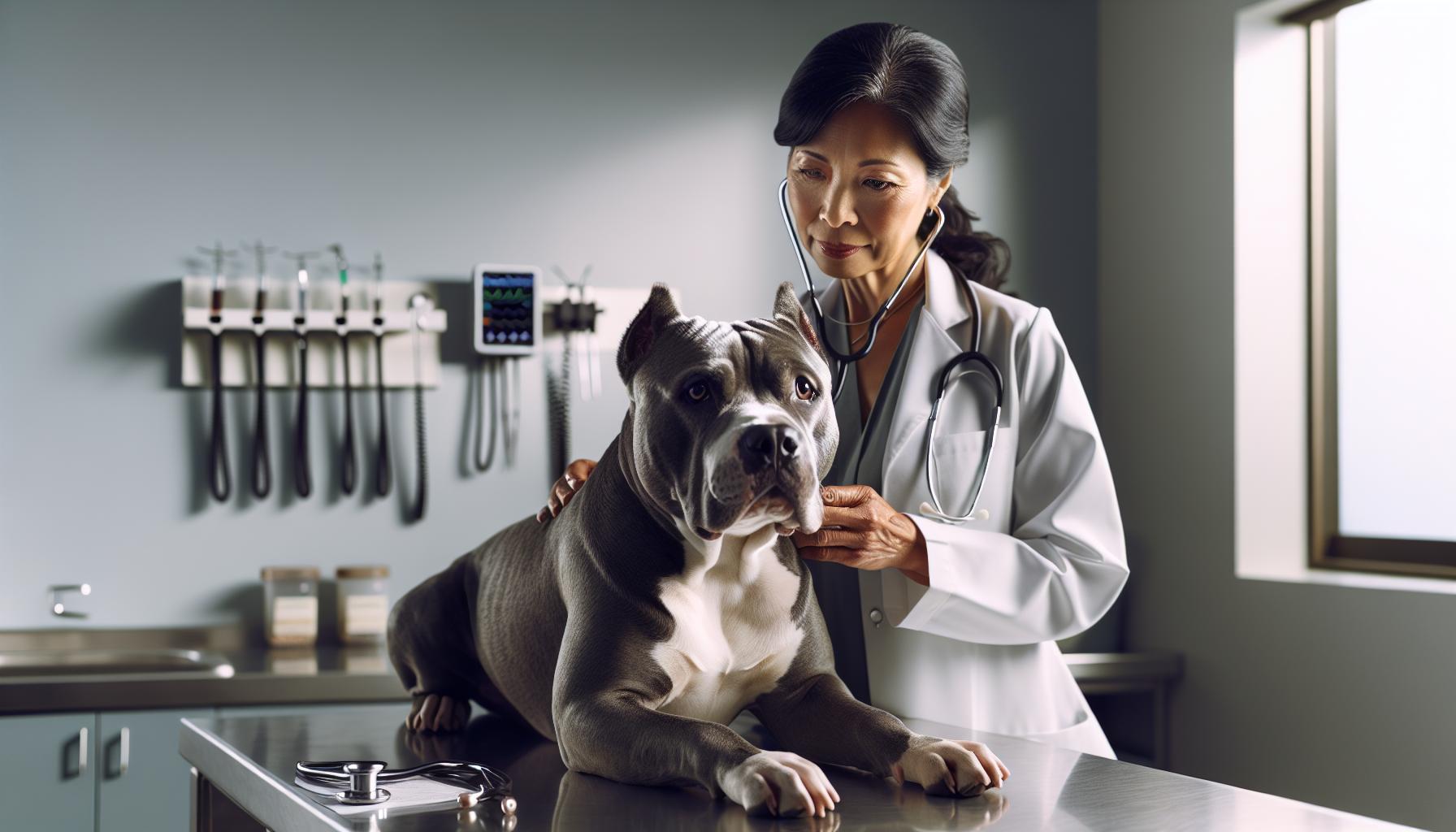
Health Considerations Unique to Pitbulls
Despite their reputation, Pitbulls are loyal and affectionate companions that require specific health considerations to thrive. Understanding the unique health issues that can affect this breed is essential for every owner. One notable factor is the breed’s predisposition to certain genetic conditions. For instance, Pitbulls are particularly susceptible to hip dysplasia, a malformation of the hip joint that can lead to pain and mobility issues. Regular vet check-ups and maintaining a healthy weight through diet and exercise can help mitigate these risks.
Another critical consideration is skin health. Pitbulls often have short coats, which means they can be more prone to skin allergies and irritations. Owners should watch for signs of excessive scratching, redness, or hair loss, which could indicate underlying issues. A balanced diet rich in Omega fatty acids can promote skin health, and regular bathing can keep their skin free of irritants.
In addition, the breed’s strong musculature makes them prone to certain injuries, especially those related to overly vigorous activities. It’s vital to supervise playtime and provide proper training to prevent accidents. Understanding the limits of your Pitbull during exercise is crucial; they thrive on regular physical activity but should not be over-exerted, particularly in extreme weather conditions.
Lastly, routine vaccinations and health screenings are vital components of responsible Pitbull ownership. By keeping up with preventative care, you not only safeguard your dog’s health but also enhance their quality of life, allowing you to enjoy all the joy and companionship they bring. Being proactive about these health considerations empowers you to responsibly care for your Pitbull and ensure a happy, fulfilling life together.
Creating a Safe Environment for Your Pitbull
Creating a secure environment for your Pitbull involves more than just providing a comfortable home; it’s about embracing your role as a responsible owner by ensuring their safety and that of others. Did you know that most dog-related incidents can be traced back to environmental factors? By assessing and optimizing your dog’s surroundings, you significantly minimize risks and foster a sense of security for both you and your pet.
Start by establishing boundaries within your home. Use baby gates or dog-proof fencing to create secure areas where your Pitbull can roam safely. This is especially important if you have visitors or young children who may not be familiar with how to interact with dogs. Additionally, providing a designated space-like a cozy bed or crate-can offer your dog a retreat when they feel overwhelmed, helping to mitigate stress and reduce anxiety.
Outdoor safety is equally crucial. Make sure your yard is securely fenced and has no escape routes. Regularly check for holes or weak spots, and consider reinforcing the fence if your Pitbull displays a tendency to dig or jump. When out and about, always use a sturdy leash and collar, especially in unfamiliar environments. Remember, even the most well-behaved Pitbull can be startled or frightened, leading to unpredictable behavior.
Finally, educate those around you about the breed’s characteristics and needs. Hosting a small gathering where friends and family can learn about responsible Pitbull care and the importance of respect in interactions with canines can create a community of understanding. The more your circle knows about your dog’s behavior and temperament, the safer and more positive your dog’s experiences will be.
Establishing a secure environment is foundational to enjoying the companionship of your Pitbull. It not only safeguards your dog but also fosters a harmonious living space that can help reduce anxiety and promote a loving relationship between your pet and the wider world.
Recognizing and Preventing Aggressive Behavior
Recognizing and understanding aggressive behavior in Pitbulls, or any breed for that matter, starts with observing their body language and social interactions. Often, aggression can be a manifestation of fear, insecurity, or territorial instincts rather than a predisposition to violence. When you know what to watch for, you can take proactive steps to mitigate these behaviors and foster a positive environment for your dog.
Pitbulls, known for their loyalty and strength, are sensitive creatures and can react aggressively when feeling threatened. Common signs of potential aggression include:
- Stiff body posture: A tense stance can indicate discomfort or readiness to defend.
- Loud barking or growling: Vocalizations can serve as warnings, highlighting unease.
- Raised hackles: Fur standing on end often signals a heightened state of alert.
- Averted gaze: When a dog turns away or avoids eye contact, it could indicate fear or discomfort.
- Direct staring: Conversely, a fixed stare may signal challenge or aggression.
To prevent aggressive behavior, start by socializing your Pitbull early and often. Introduce them to various environments, people, and other animals to help them become well-adjusted and less reactive. Consistency in training is crucial; utilizing positive reinforcement techniques encourages good behavior and strengthens your bond. Additionally, supervised playdates with other dogs can help your Pitbull learn appropriate social cues.
Creating a structured environment enhances your dog’s sense of security. Establish clear boundaries, and ensure your Pitbull has a safe space to retreat when feeling overwhelmed. This space can be a crate or a quiet corner of your home where they can relax without disturbances.
It’s also beneficial to educate yourself on the breed’s specific tendencies and to stay informed about the common triggers for aggression in dogs. For instance, some Pitbulls may have a strong prey drive, which can lead to aggressive encounters with smaller animals. Recognizing these triggers early allows you to manage situations effectively before they escalate.
As a Pitbull owner, being aware and vigilant about your dog’s behavior while ensuring they receive ample love, training, and socialization will help pave the way for a peaceful coexistence-both in and out of your home. Your responsibility as an owner is not just about managing their actions but creating an environment that fosters their well-being and promotes positive interactions with others.
Legal Responsibilities of Pitbull Owners
As a Pitbull owner, you carry a significant responsibility not just for the well-being of your dog but also for the safety of those around you. Understanding and fulfilling these legal obligations is crucial to being a good owner. Many jurisdictions have specific laws regarding dog ownership, particularly for breeds like Pitbulls, which can carry misconceptions about aggression and danger. Therefore, being informed about local regulations, breed-specific legislation, and general dog ownership responsibilities is imperative.
Firstly, many areas require Pitbull owners to comply with certain licensing and vaccination laws. Make sure your dog is registered with your local authority and up to date on vaccinations. This not only protects your dog’s health but also the health of the community. Additionally, laws may mandate liability insurance to cover any potential damages or injuries caused by your dog. Even if your Pitbull has never shown aggression, having insurance can provide you peace of mind and financial protection against unforeseen incidents.
Furthermore, as a responsible owner, it’s essential to ensure your Pitbull is securely contained at home and on walks. Many locales require that dogs be leashed in public and that your yard is adequately fenced. Failure to comply with these regulations can result in fines and, in severe cases, confiscation of your pet. To comply, consider investing in a sturdy leash and harness, and regularly maintain your fencing to prevent any escapes.
In the context of potential aggression, understanding legal definitions of “dangerous” or “vicious” dogs is vital. Each area has its own criteria, often based on past behavior rather than breed alone. Should your Pitbull be involved in an incident, such as a bite or attack, the consequences could be severe, including mandatory behavioral assessments, fines, or even euthanasia in extreme cases. Familiarize yourself with local laws to ensure you take proactive steps to prevent any situations that could lead to these outcomes.
Moreover, education plays a critical role in responsible ownership. Many communities offer training programs not only for your dog but also for owners, focusing on socialization, breed characteristics, and management techniques to prevent incidents. Engaging in these programs not only enhances your skills as an owner but also builds a positive reputation for Pitbulls in your community, helping to combat stigma.
By embracing these responsibilities, you contribute to public safety and promote a respectful and educated dialogue about Pitbulls. You can ensure a safe and enriching environment for your Pitbull while fostering community safety and acceptance. It’s not simply about following laws; it’s about setting an example of what responsible, caring ownership looks like.
How to Choose a Responsible Breeder
Choosing the right breeder is crucial when welcoming a Pitbull into your home. A responsible breeder not only prioritizes the health and temperament of their dogs but also plays a significant role in shaping the future of the breed. By selecting a reputable source, you can help ensure a positive experience with your new canine companion, facilitating an environment where responsible ownership flourishes.
Start by researching the breeder’s history and reputation. Look for those who are well-regarded in the community and can provide references from previous buyers. A responsible breeder should be transparent about their breeding practices and willing to answer your questions. Pay attention to how they interact with their dogs; you want a breeder who treats their animals with love and respect. They should be knowledgeable about the breed’s genetics, health issues, and training needs-an essential factor in preventing future aggression and behavioral problems.
Moreover, visit the breeding facility if possible. This allows you to assess the living conditions of the puppies and their parents. Observe whether the environment is clean and well-maintained, as this is a reflection of the breeder’s dedication to their animals. Puppies should be socialized and exposed to various experiences from an early age, which helps them develop into well-rounded adults. Ask to meet the puppies’ parents, as their temperament will give you insight into what to expect from your future pet.
It’s also vital to inquire about health screenings and vaccinations. A responsible breeder should provide documentation proving that the puppies have been checked for genetic disorders common to the breed, such as hip dysplasia and certain heart conditions. Additionally, they should have vaccinated the puppies and performed necessary vet checks before sending them off to their new homes. This level of care not only protects the health of your future dog but also reflects the breeder’s commitment to ethical breeding practices.
By taking the time to find a responsible breeder, you contribute to the overall well-being of Pitbulls and help combat the negative stereotypes often associated with the breed. The right breeder can provide a healthy, well-adjusted puppy that will become a loving member of your family, fulfilling the potential these remarkable dogs possess.
The Impact of Environment on Pitbulls
The environment in which a Pitbull is raised and lives plays a crucial role in its overall well-being and behavior. Just like humans, dogs are deeply affected by their surroundings, and an enriched, structured, and safe environment can lead to a confident and well-adjusted dog. In contrast, a stressful or neglectful environment can contribute to behavioral problems that may escalate into aggression, regardless of the dog’s breed. Thus, understanding how to shape a positive environment is essential for Pitbull owners.
Creating a supportive home involves several aspects:
- Physical Space: Ensure your home has enough room for your Pitbull to move around comfortably. Fenced yards are ideal for safe play and exercise. Avoid cramped spaces or small apartments without safe outdoor access.
- Calm Atmosphere: Strive for a peaceful environment with minimal chaos and sudden loud noises. This helps reduce anxiety in your dog and encourages them to feel secure.
- Daily Routine: Consistency is key. Establishing a daily routine for feeding, walks, and playtime reinforces a sense of stability and helps your Pitbull know what to expect every day.
- Social Interaction: Regular interaction with family members and exposure to various people and other pets is crucial. These interactions help build your dog’s confidence and teach them acceptable behavior.
It’s also worth noting that the impact of environment extends beyond the home. Socializing your Pitbull in different settings-from parks to dog-friendly events-can greatly influence their behavior positively. Introducing them to new experiences, sights, sounds, and scents helps develop adaptability and reduces fear-based reactions. For instance, taking your Pitbull on car rides or to pet-friendly gatherings can foster a sense of belonging while teaching them how to behave in diverse situations.
Ultimately, a responsible owner understands that a well-rounded environment contributes significantly to preventing negative behaviors and promoting a loving bond. By ensuring your Pitbull lives in a nurturing setting, you are not only enhancing their quality of life but also actively participating in breaking down the stereotypes surrounding the breed. Your dedication to creating a positive environment allows your Pitbull to thrive as a beloved family member, showcasing their loyalty, intelligence, and affectionate nature.
Empowering Owners: Resources for Responsible Care
Creating a responsible and informed environment for Pitbull owners requires an array of resources that support effective care and training. Understanding and utilizing these resources can empower you as an owner, ensuring the safety and well-being of both your Pitbull and the community around you. Many organizations and tools are available today to help first-time and seasoned owners alike cultivate a safe, loving environment.
One of the primary resources for owners is local and national breed-specific organizations. Groups such as the American Pit Bull Terrier Club or the Pit Bull Rescue Central provide valuable education on breed characteristics, training techniques, and health care specific to Pitbulls. These organizations often have workshops, training sessions, and social meet-ups, which can be beneficial in fostering positive behaviors and socialization among dogs.
Furthermore, online forums and communities can serve as excellent platforms for shared knowledge and support. Websites like Reddit’s r/Pitbulls or breed-specific Facebook groups allow owners to connect and share experiences, advice, and success stories. These forums can provide immediate help on topics like behavioral issues, health concerns, or training techniques, reducing the feeling of isolation that some owners may experience.
Additionally, investing in professional training programs can be extremely beneficial. Look for certified trainers who specialize in positive reinforcement methods, as this has been proven to be more effective and humane. Training not only enhances your dog’s skills but also strengthens your bond, providing a structured way to manage behavior and expectations.
Don’t overlook the value of educational resources such as books and videos tailored to Pitbull care. Titles like “The Pit Bull Life” by Rocco and Jenna P. offer insights into understanding your dog’s needs and behaviors. Moreover, platforms such as YouTube have numerous channels dedicated to dog training, providing visual demonstrations that can be more approachable and easily understood.
In summary, embracing available resources not only enriches your understanding and interaction with your Pitbull but also contributes significantly to the responsible ownership that can prevent attacks and reinforce the positive nature of this often-misunderstood breed. By surrounding yourself with knowledge and community support, you’re taking significant steps towards nurturing a safe and loving environment for your Pitbull.
Community Resources: Support for Pitbull Owners
Many organizations and resources exist to empower you as a pitbull owner, ensuring that you provide the best care and create a safe environment for both your furry friend and the community. Engaging with these resources not only boosts your confidence in being a responsible owner but also reinforces the positive nature of pitbulls, which are often misunderstood.
One of the most valuable resources at your disposal is local and national breed-specific organizations, such as the American Pit Bull Terrier Club and Pit Bull Rescue Central. These groups offer educational materials, workshops, and social events that help you gain a deeper understanding of your dog’s needs and behaviors. By participating in training sessions and meet-ups, you foster positive social interactions for your pitbull, creating a well-rounded companion.
In addition to formal organizations, online communities can serve as an incredible support system. Platforms like Reddit’s r/Pitbulls and various breed-specific Facebook groups allow you to connect with other pitbull enthusiasts. These forums provide a safe space to share experiences, ask questions, and receive advice on behavioral issues, health concerns, or training techniques. Engaging with fellow owners helps to combat the isolation some may feel, fostering a sense of community among those who share your passion.
For more practical, hands-on learning, consider investing in professional training programs. Seek out certified trainers who employ positive reinforcement techniques. Such methods are proven to be more effective and humane, ensuring a strong bond between you and your pitbull while managing behaviors more effectively. These training sessions not only develop your dog’s skills but also enhance their socialization with other dogs and people.
Lastly, explore a range of educational resources such as books, videos, and online courses on pitbull care. Titles like “The Pit Bull Life” offer insights into breed-specific needs, while YouTube channels provide visual demonstrations of training techniques that can be incredibly helpful. By fostering an informed and supportive environment through these resources, you’re taking essential steps in being a responsible pitbull owner while also advocating for the breed’s positive reputation.
Frequently asked questions
Q: What are the signs of aggression in Pitbulls?
A: Signs of aggression in Pitbulls can include raised hackles, growling, biting, or a rigid body posture. Understanding these signs is crucial for preventing attacks. Being proactive in training and socialization can help mitigate aggressive tendencies. Refer to our section on Recognizing and Preventing Aggressive Behavior for more details.
Q: How should you handle a dog confrontation?
A: During a dog confrontation, remain calm and avoid yelling. Distract the dogs with a loud noise or use a water spray. If safe, intervene carefully to separate them, keeping both dogs on a leash. Understanding proper handling techniques is vital for safety. Check our article on Creating a Safe Environment for Your Pitbull for more tips.
Q: Why is socialization vital for Pitbulls?
A: Socialization is essential for Pitbulls to prevent fear-based aggression and encourage good behavior around people and other animals. Exposing your Pitbull to various environments, sounds, and experiences can enhance their comfort and acceptance. For more on this, see our section on The Importance of Socialization for Pitbulls.
Q: What legal responsibilities do Pitbull owners have?
A: Pitbull owners have legal responsibilities, which include adhering to local leash laws, ensuring proper containment, and possibly obtaining liability insurance. Familiarizing yourself with your area’s regulations can help mitigate risks associated with ownership. Learn more in our section on Legal Responsibilities of Pitbull Owners.
Q: How can I train my Pitbull for good behavior?
A: Training your Pitbull for good behavior involves consistent reinforcement, positive rewards, and clear commands. Begin with basic obedience training and gradually include advanced tricks. Regular training sessions will establish structure and discipline. For more techniques, refer to our section on Essential Training Techniques for Pitbull Owners.
Q: What should I do if my Pitbull shows signs of aggression?
A: If your Pitbull exhibits signs of aggression, immediate intervention is crucial. Consult a professional dog trainer or behaviorist to assess the situation and create a tailored training plan. Early intervention can prevent potential dog attacks. More information is available in our section on Recognizing and Preventing Aggressive Behavior.
Q: How can I create a safe space for my Pitbull?
A: To create a safe space for your Pitbull, establish a comfortable and secure area free from distractions. Use gates to block off hazardous spaces and ensure ample mental stimulation with toys and activities. Check out our section on Creating a Safe Environment for Your Pitbull for more strategies.
Q: What health problems are common in Pitbulls?
A: Common health issues in Pitbulls include hip dysplasia, skin allergies, and heart conditions. Regular veterinary check-ups and a balanced diet can help mitigate these problems. Educating yourself on health considerations is vital; refer to our section on Health Considerations Unique to Pitbulls for more insights.
Closing Remarks
In closing, understanding the significance of responsible ownership can dramatically mitigate the risks associated with pitbulls, ensuring a safer environment for both the pets and the community. Remember, prevention starts with you. Prioritize training and socialization techniques to foster a well-adjusted dog, and never hesitate to reach out for professional guidance if needed.
For more insights, explore our articles on pitbull training techniques and socialization strategies to deepen your knowledge. Your journey towards a positive ownership experience doesn’t stop here; subscribe to our newsletter for the latest updates and tips, and join the conversation in the comments below. Let’s celebrate the joy pitbulls can bring while ensuring safety and responsibility. Your proactive steps today can lead to a brighter future for these beloved dogs. Engage further to become a voice for responsible ownership!
Get our latest guides, news, and insights highlighted in your Google Search & AI Overviews.