Did you know that Pitbulls, often misunderstood, are among the most trainable and loyal dog breeds? In “Pitbull Training: Expert Tips for Obedience and Behavior,” we’ll explore effective training techniques that can transform your Pitbull into a well-behaved companion while celebrating their unique personality. Many Pitbull owners face challenges regarding behavior, but with the right guidance, you can foster a strong bond built on trust and respect. This comprehensive guide is designed to address your concerns and empower you with expert strategies that cater to your dog’s needs. As you read on, you’ll discover practical tips and insights that can lead to a happier, more obedient Pitbull, enhancing both your life and theirs. Let’s dive into the world of Pitbull training and unlock the immense potential that lies within these incredible dogs!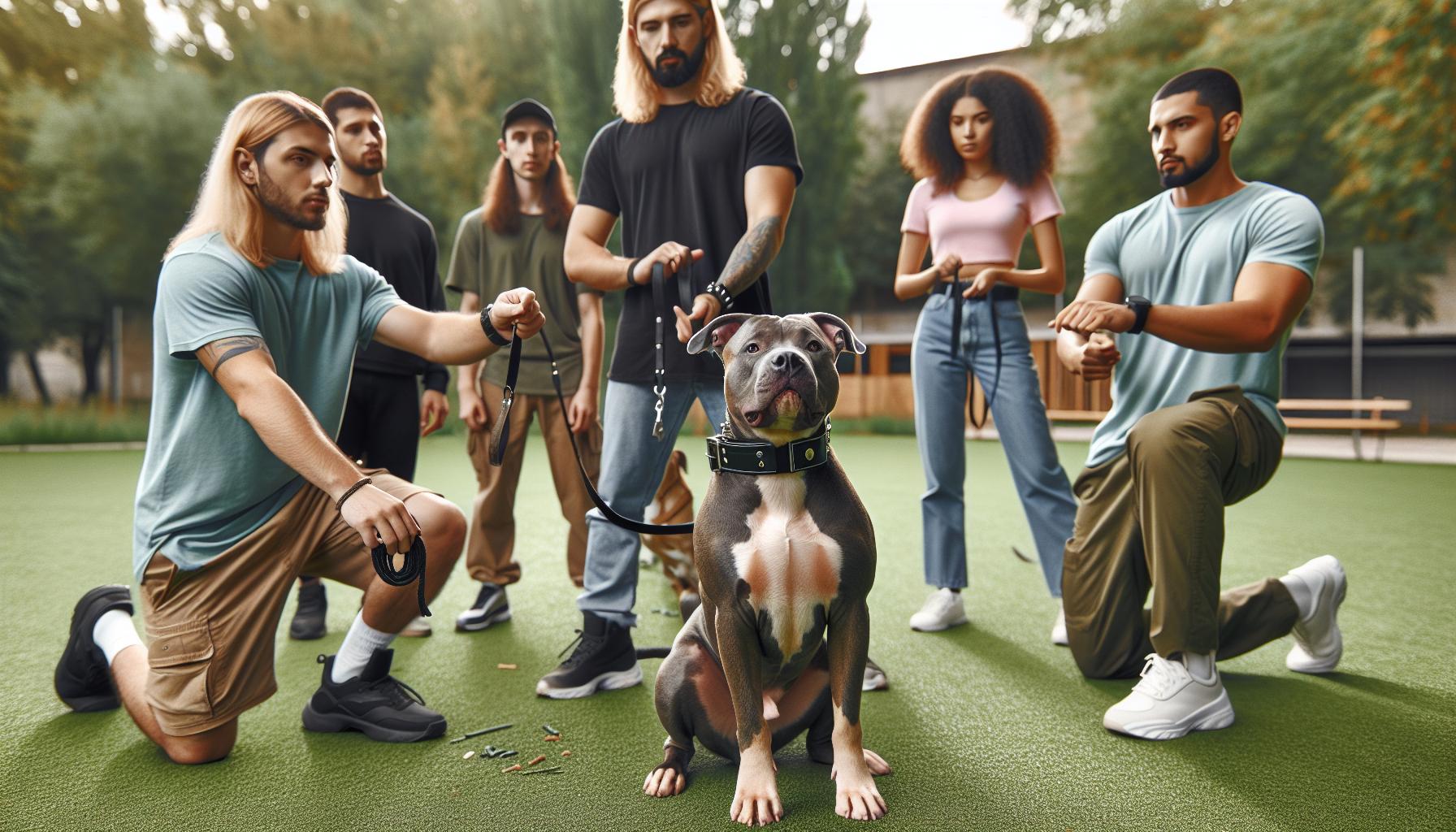
Understanding Pitbull Breed Characteristics and Temperament
Pitbulls are often misunderstood, yet they are among the most loyal and loving dog breeds you can welcome into your home. Fascinatingly, the term “Pitbull” covers several breeds, including the American Pit Bull Terrier, American Staffordshire Terrier, and Staffordshire Bull Terrier. These dogs are known for their muscular build, intelligence, and high energy levels, making them highly trainable when approached with the right techniques. Understanding their characteristics and temperament is crucial for responsible ownership and effective training.
One notable trait of Pitbulls is their strong desire to please their owners. This natural inclination makes them highly responsive to training, especially when positive reinforcement methods are utilized. They thrive in environments where they feel secure and valued, and their affectionate nature can lead to deep bonds with their families. However, one should be aware that they can also exhibit strong-willed behaviors, thus requiring consistent and clear boundaries during training sessions.
When it comes to socialization, it’s equally vital to expose your Pitbull to various environments, people, and other animals from a young age. This exposure helps mitigate any potential behavioral issues related to fear or aggression as they mature. Keep in mind that while Pitbulls are often labeled as aggressive due to media portrayals, a well-socialized and trained Pitbull is typically gentle and friendly, preferring to engage rather than confront. Understanding these characteristics not only fosters a better relationship but also promotes responsible training and ownership, ultimately transforming them into exemplary companions.
In summary, recognizing the unique attributes and temperament of the Pitbull encourages effective training and socialization, leading to a fulfilling relationship between you and your dog. Embracing the positive aspects of this breed lays the foundation for a harmonious household, reinforcing the idea that with love, patience, and understanding, these incredible dogs can truly shine.
Essential Commands for Successful Pitbull Training
Training a Pitbull is not just about teaching commands; it’s about building a strong and trusting relationship. Pitbulls are intelligent and eager to please, making them highly responsive to training, especially when you incorporate essential commands into their learning process. These commands serve as fundamental tools that can help ensure your dog is well-behaved and can respond appropriately in various situations, ultimately enriching your bond.
Start with the basics. Here are several essential commands every Pitbull should learn:
- Sit: This is often the first command taught, as it’s simple and can help establish control. When you say “sit,” gently press your dog’s rear down while rewarding them with a treat or praise when they comply.
- Stay: This command is crucial for safety, helping prevent your dog from moving into harmful situations. Use a firm but calm voice and reward your Pitbull when they hold their position.
- Come: A reliable recall is essential for your dog’s safety. Initially, use a leash to guide them towards you while calling out their name followed by “come,” ensuring treats are given for returning promptly.
- Leave it: This command prevents your dog from picking up potentially dangerous items or engaging in undesirable behavior. Start by showing them a treat, then close your hand around it and say “leave it.” When they back off, reward them with a different treat.
- Down: Teaching your Pitbull to lie down helps promote calmness. Using a treat, guide their head down and reward them when they follow through.
- Heel: This is important for walking your dog on a leash without pulling. Use treats to encourage your Pitbull to walk beside you, gradually lengthening their leash as they learn to follow.
In addition to these commands, consistency is key. Repetition reinforces learning, and practicing in different environments can help your Pitbull generalize commands to various situations. Remember to celebrate small victories with praise or treats; this positive reinforcement fuels their desire to learn and obey.
Lastly, remain patient and flexible. Every dog learns at their own pace, and some days may be better than others. By approaching training with empathy and understanding, you create a positive atmosphere that encourages your Pitbull to flourish as an enthusiastic learner. As you and your dog master these commands, you’ll find that obedience training not only enhances their behavior but also strengthens the trust and connection between you two.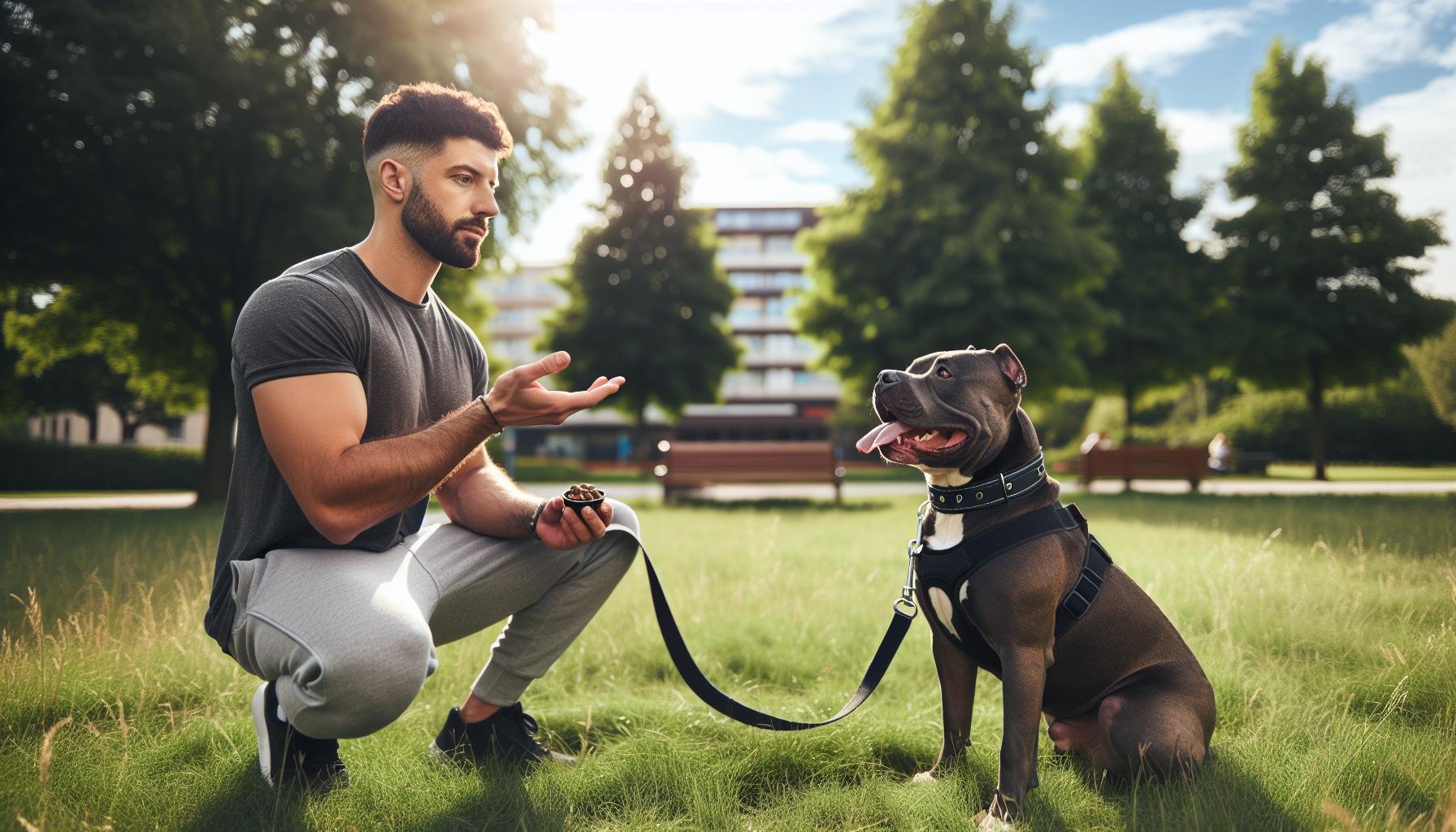
Setting Up a Positive Training Environment
Creating a nurturing and positive training environment is crucial for any Pitbull owner looking to foster a bond of trust and cooperation with their dog. Pitbulls thrive on engagement and respond best when they feel safe and supported. This means providing a space where your dog can learn and explore without distractions or stressors. Whether you’re training an eager puppy or refining the skills of an adult dog, the right surroundings can make all the difference.
To set the stage for productive learning, choose a quiet area free from interruptions. This can be indoors or outdoors-whichever suits your dog best. In an outdoor setting, a securely fenced yard is ideal to prevent distractions from other dogs or people passing by. Inside, designate a specific room where training sessions can take place consistently. This helps your Pitbull understand that it’s time to focus.
Furthermore, employing the right tools can also enhance your training sessions. Use positive reinforcement techniques, like treats or toys, to encourage good behavior. Keep the tools, such as a clicker or a favorite toy, within reach to maintain spontaneity during training. Remember to have treats that your Pitbull loves readily available, as they can significantly reinforce learning and motivate participation.
Establishing a routine can lead to greater success in training. Dogs, including Pitbulls, often thrive on predictability. Set regular training times, making it part of your daily schedule. This consistency helps your Pitbull anticipate training sessions and prepares them mentally for learning. Coupled with a calm and positive demeanor from you, your dog will feel more comfortable and eager to participate.
Incorporating these elements into your training environment fosters not only a conducive learning space but also a strong, confident relationship between you and your Pitbull. With patience and the right approach, the bond you share will grow deeper, allowing your dog to flourish as a well-mannered companion.
The Importance of Socialization in Pitbulls
Socialization is one of the most critical aspects of raising a well-adjusted Pitbull. These dogs are often misunderstood and wrongfully labeled as aggressive; however, their true nature is shaped significantly by their experiences during their formative weeks and months. When properly socialized from an early age, Pitbulls can become friendly, confident, and well-behaved companions, capable of thriving in a variety of environments and interactions.
To foster positive socialization experiences, start exposing your Pitbull to different people, animals, and environments as soon as possible, ideally during the critical socialization period, which lasts from about three weeks to three months. Introduce them to a variety of experiences, including
- different types of surfaces (grass, concrete, sand)
- a variety of sounds (vacuum cleaners, car horns, musical instruments)
- other animals and pets
- people of all ages, sizes, and ethnic backgrounds
This exposure helps reduce fear and anxiety later in life, creating a well-rounded and adaptable dog.
Engaging your Pitbull in group classes geared towards socialization can also be beneficial. These classes often focus on supervised play with other dogs and provide an opportunity for you to meet fellow dog owners while gaining insights into effective training techniques. Additionally, carefully monitored playdates with other well-mannered dogs can help reinforce positive behaviors and facilitate friendly interactions. Remember to supervise these encounters closely, as managing playtime is vital for establishing good boundaries and ensuring your dog reads social cues correctly.
Finally, rewarding your Pitbull for calm and friendly behavior during social interactions with praise or treats reinforces their positive experiences. By building these skills through socialization, you will help your Pitbull develop the confidence to navigate the world safely and comfortably, ultimately leading to a loving and respectful relationship with both you and those around you. The bond you build during these interactions will encourage them to respond positively to new experiences, forging a path toward a well-behaved, happy, and sociable canine companion.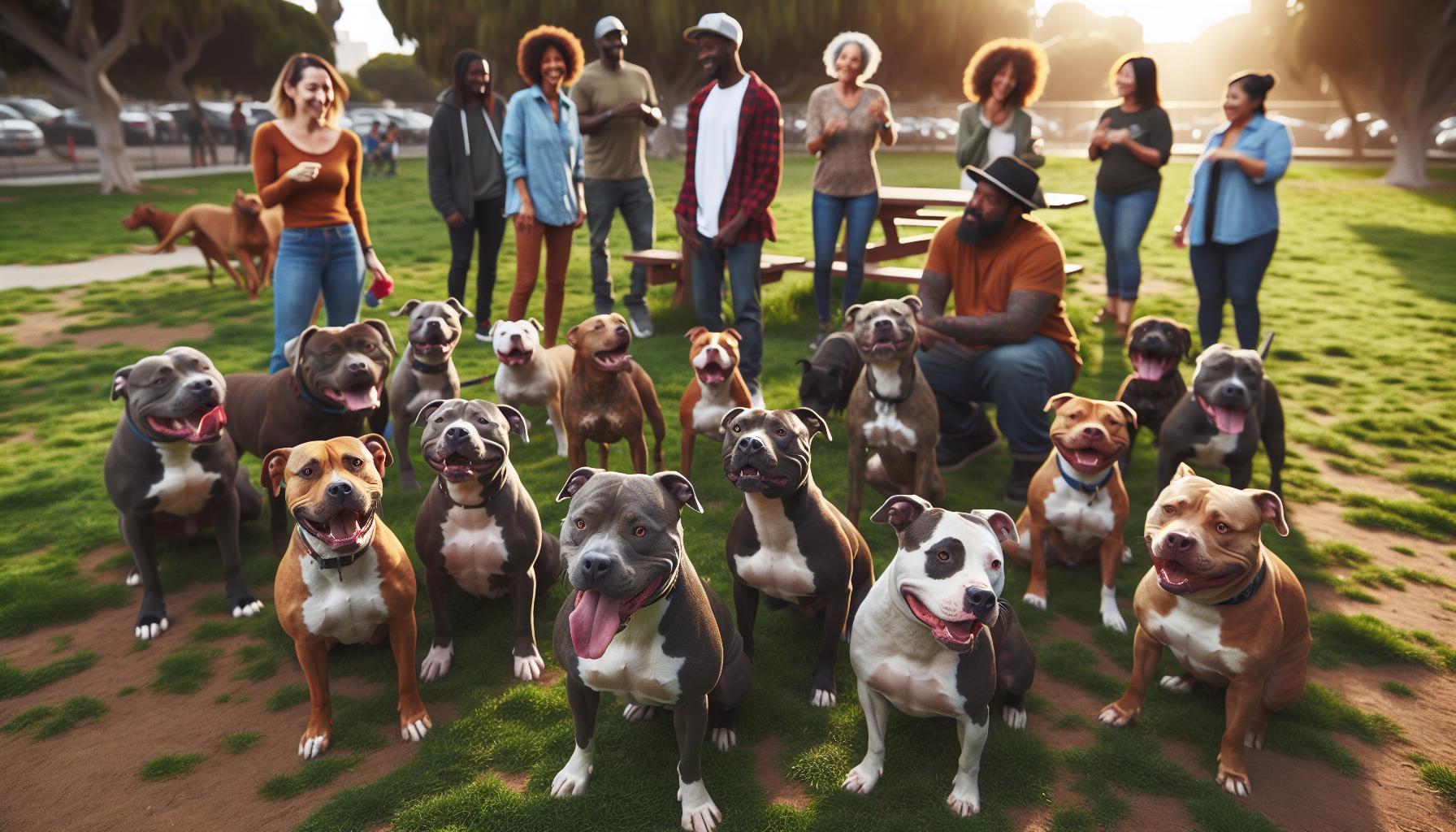
Common Behavior Issues and How to Address Them
Recognizing behavioral issues in Pitbulls is essential for fostering a harmonious relationship between you and your furry companion. Like any breed, Pitbulls can exhibit challenges that stem from anxiety, boredom, or lack of proper training. These typical behavior issues include excessive barking, chewing, jumping, and even aggression towards other animals. Addressing these problems early is crucial; it not only enhances your dog’s quality of life but also ensures a safe environment for everyone involved.
One common issue is excessive barking, which can be a sign of boredom or anxiety. You can tackle this by ensuring your Pitbull receives ample mental and physical stimulation. Engage them with interactive toys, puzzle games, and regular exercise. If barking continues, identifying the trigger-such as doorbell sounds or other dogs-can help. Redirecting their focus with commands or toys when these triggers occur can gradually reduce their barking response.
Another prevalent challenge is chewing, which often arises from both boredom and teething in younger dogs. To curb this habit, provide appropriate chew toys that cater to their natural instincts and preferences. Keep the environment enriched with different textures and smells, such as chew-resistant toys or bones. When you catch your Pitbull in the act of chewing non-approved items, calmly redirect their attention to their toys while positively reinforcing the behavior with treats or praise.
Jumping is often seen as a sign of excitement but can be overwhelming for guests. To manage this, it’s vital to teach your dog an alternative greeting behavior, like sitting or staying when greeting people. Practice this command consistently before friends or family approach, rewarding your Pitbull for remaining calm. Consistent practice will help your dog learn that staying calm leads to positive attention.
Finally, aggression issues, specifically towards other animals, can be particularly concerning. This often stems from fear or lack of early socialization. If your Pitbull has shown aggressive behavior, it’s essential to consult a professional trainer who has experience with the breed. They can offer guidance on behavior modification techniques, which often involve gradual desensitization and careful management of encounters with other dogs.
Understanding and addressing these common behavior issues will lead to a more enjoyable experience for both you and your Pitbull. Remember, training takes time, patience, and consistency, and promoting good behavior is a lifelong journey. Happy training!
Positive Reinforcement Techniques for Effective Training
Positive reinforcement is a powerful training method that leverages the Pitbull’s intelligence and eagerness to please, transforming discipline into a rewarding experience. This technique relies on rewarding desired behaviors to encourage their repetition, fostering a bond built on trust and respect. Whether you’re training a young Pitbull or reinforcing good habits in an adult, using positive reinforcement can create a more enjoyable and effective training session for both of you.
One effective strategy is to incorporate high-value treats that your Pitbull finds irresistible. These can include small pieces of chicken, cheese, or even specialized dog treats. Use these rewards immediately after your dog performs the desired behavior to create a clear connection between the action and the reward. For example, if you’re teaching your dog to sit, offer a treat right after they lower their rear to the ground. This immediate feedback reinforces the action, making your Pitbull more likely to repeat it.
In addition to treats, incorporating praise and affection can amplify the effects of positive reinforcement. Your Pitbull will thrive on your approval; enthusiastic verbal praise (“Good girl!” or “Yes!”) combined with petting or playtime can significantly enhance their motivation. Remember, the key is consistency; ensure you reward positive behavior every time until your dog has mastered the command or action.
Another valuable tip in using positive reinforcement is to implement a variable reward schedule once your Pitbull consistently performs a behavior. Instead of giving treats every time, mix in occasional treats or just verbal praise. This unpredictability can keep your dog engaged and eager to follow commands, as they won’t know when the next reward will come.
In conclusion, keeping training sessions enjoyable while consistently employing positive reinforcement techniques can lead to a well-behaved, happy Pitbull. By understanding what motivates your dog-be it food, praise, or play-you can tailor your training approach to suit their individual preferences, leading to a deeper relationship and a more obedient companion. Start implementing these techniques today, and watch how you and your Pitbull flourish together.
Advanced Training Techniques for Pitbulls
Building on your foundation of basic obedience training, advanced techniques for your Pitbull can elevate not only their skills but also deepen your bond. Pitbulls are intelligent and eager to please, making them especially receptive to new training challenges. Engaging in advanced training can also provide mental stimulation, which is crucial given the breed’s high energy levels.
One effective method to explore is clicker training, a form of positive reinforcement that employs a clicker as a consistent sound cue. When your Pitbull performs a desired behavior, you use the clicker followed by a reward. This creates a clear association between the action and the reward, making it an excellent tool for more complex commands. For example, if you’re teaching your Pitbull to perform agility tasks, you can click as they navigate obstacles perfectly. This clarity helps them understand precisely what is being reinforced.
Incorporating distraction training can also sharpen your Pitbull’s focus. Begin in a controlled environment, gradually introducing distractions-such as toys or other dogs-while you practice commands. This not only prepares them for real-world scenarios but also reinforces their ability to concentrate on you amidst chaos. A solid example could be practicing the “stay” command while friends or family walk by, rewarding your dog for maintaining their position despite the distractions.
To further enhance your training regimen, consider incorporating scent work. This taps into your Pitbull’s natural instincts and replaces standard training sessions with scent detection games. Start by hiding treats around your home and encouraging your dog to find them, gradually increasing the complexity of the hiding spots. Not only is this mentally stimulating, but it also encourages problem-solving skills and can turn training into an exciting game for both you and your dog.
Ultimately, the journey of advanced training with your Pitbull is about creativity and engagement. Trial new techniques, be patient, and always celebrate the small victories. The exhilaration of watching your Pitbull master new skills will reinforce your bond, showcasing just how wonderful and capable this breed can be.
Utilizing Professional Help: Trainers and Classes
Engaging with a professional trainer or enrolling your Pitbull in classes can dramatically enhance both your training experience and your dog’s development. The structured environment of training courses, led by knowledgeable instructors, provides an ideal foundation for learning essential skills, socialization, and good behavior patterns. Many Pitbull owners find that a professional’s insights and techniques not only improve their dog’s obedience but also contribute to a deeper understanding of the breed’s unique characteristics.
Professional trainers can tailor their approach to suit your Pitbull’s specific needs and the dynamics of your household. For instance, if your dog exhibits excessive energy or behavioral issues, a trainer can introduce customized strategies to redirect those tendencies positively. Each session can also serve as an opportunity for you to refine your handling skills, allowing you to communicate more effectively with your dog. This teamwork is crucial in establishing trust and respect, which ultimately fosters a healthier relationship between you and your pet.
When considering training options, you may find yourself deciding between private sessions or group classes. Both formats have unique benefits.
- Private Sessions: Offer one-on-one attention, allowing the trainer to concentrate fully on your specific challenges and goals.
- Group Classes: Provide socialization opportunities, exposing your Pitbull to other dogs and people in a controlled setting, which is essential for their development.
Investing in professional help can equip you with effective techniques and strategies for everyday situations. For example, trainers often emphasize the importance of consistency and positive reinforcement. They can demonstrate how to implement effective commands empowering your Pitbull to respond reliably in diverse environments. Additionally, trainers can teach you how to recognize nuanced body language in your dog, leading to better communication and an enhanced understanding of your Pitbull’s emotions and needs.
Ultimately, seeking guidance from experienced trainers and utilizing well-structured classes can accelerate the training process and ensure that your Pitbull thrives both at home and in public.
Managing Aggression in Pitbulls: Tips and Strategies
Recognizing and addressing aggression in Pitbulls is crucial for fostering a safe and harmonious environment for both the dog and its owner. Pitbulls, while often affectionate and loyal, can display aggressive behaviors if not managed properly. Understanding the triggers of aggression can help you create strategies to mitigate these tendencies. Common triggers include fear, frustration, and perceived threats, making it essential to observe your dog’s interactions with people and other animals.
To effectively manage aggression, begin with establishing a consistent routine that includes training, socialization, and exercise. Regular obedience training reinforces positive behaviors and builds a strong bond between you and your Pitbull. During training sessions, utilize techniques that promote calmness and focus. Commands such as “sit,” “stay,” and “leave it” are foundational tools that help exert control during potentially stressful situations. Moreover, exercise is vital; it channels energy, reducing the likelihood of aggressive outbursts caused by pent-up frustration.
Socialization: The Key to Reducing Aggression
One of the most effective ways to counteract aggression is through proper socialization. Exposing your Pitbull to a variety of people, environments, and experiences from a young age can significantly reduce fear-based aggression. Aim for positive encounters on a regular basis, ensuring your dog associates new experiences with rewards and joy. Planning playdates with well-behaved dogs can also improve your dog’s comfort level around others.
Understanding Body Language
Be keenly aware of your Pitbull’s body language. Signs of discomfort, such as lowered ears, a tucked tail, or growling, indicate a dog in distress. If you notice these signals, remove your dog from the situation and redirect their focus to something positive, like a favorite toy or treat. This not only calms the dog but also teaches them how to manage their responses to stressors.
In some cases, professional assistance from a dog trainer who specializes in behavioral issues may be necessary. Trainers can provide tailored strategies to help your Pitbull navigate fear or aggression more effectively. Ultimately, owning a Pitbull requires a commitment to understanding their unique needs and behaviors. By fostering positive interactions and ensuring structured training and socialization, you can build a trusting relationship that mitigates aggression over time.
Health and Wellness Considerations in Training
Training a Pitbull goes hand in hand with prioritizing their health and wellness. A well-rounded training approach isn’t just about commands and behaviors; it’s also about ensuring your dog is in peak physical and mental condition. This holistic perspective fosters a training environment where your Pitbull can thrive and learn more effectively.
Regular veterinary check-ups are crucial. Health issues can significantly affect a dog’s behavior and willingness to engage in training. If your Pitbull is feeling unwell, their training sessions may become less productive or more challenging. Ensure vaccinations are up to date and address any specific health concerns, such as hip dysplasia or skin conditions, which are often seen in the breed. Additionally, a balanced diet tailored to your dog’s specific age, weight, and activity level supports overall health and helps maintain an optimal energy level for training.
Physical Fitness and Mental Stimulation
An exercise routine is indispensable for your Pitbull’s well-being. These dogs are naturally energetic and require substantial physical activity to keep them happy and healthy. Daily walks, play sessions, and interactive games not only provide physical benefits but also serve as excellent opportunities for training reinforcement. Incorporate activities like agility training or fetch to offer both physical exercise and mental challenges. This dual approach can prevent behavioral issues related to boredom or excess energy.
Nutrition and Behavior
Diet plays an important role in the demeanor and training effectiveness of your Pitbull. A nutritious diet rich in high-quality proteins, healthy fats, and essential vitamins contributes directly to their general behavior. Dogs that are improperly fed may exhibit signs of irritability or lack focus during training. Consulting with a veterinarian about the best food options can ensure your dog receives the nutrients necessary to support their training journey. Consider discussing any dietary supplements that may benefit your dog, especially for joint health if they’re particularly active.
By focusing on every aspect of your Pitbull’s well-being, you not only prepare them for training success but also enhance the bond you share. Training becomes a joyful experience rather than a chore, allowing both of you to celebrate progress together. Remember, a healthy dog is a happy dog, and happiness leads to a more responsive and eager learner.
Understanding Pitbull Genetics and Their Impact on Behavior
Understanding the genetics of the Pitbull can profoundly affect your approach to training and behavior management. These dogs, often misunderstood by the public, boast a lineage that includes the American Staffordshire Terrier and American Pit Bull Terrier, alongside other breeds known for their strength and loyalty. This genetic background imparts characteristics such as agility, intelligence, and a strong work ethic, which can be harnessed to create effective training programs that tap into their natural abilities.
One critical aspect to consider is that not all Pitbulls are created equal when it comes to temperament; individual genetics can influence behavior significantly. For example, some Pitbulls may exhibit a high drive for play and tasks, making them great candidates for advanced training techniques like agility or obedience. Others might have a more laid-back demeanor, which could alter your training approach to cater to their unique traits. Understanding your dog’s genetic predispositions can help you choose the right activities that both challenge them and keep them engaged.
Behavioral Traits Linked to Genetics
Genetics plays an essential role in shaping several behavioral traits that can impact training. Here are some commonly observed traits related to the breed:
- Intelligence: Pitbulls are highly intelligent dogs that excel in learning commands and tricks. This cognitive ability should be leveraged in training, as positive reinforcement can lead to quick learning.
- Social Nature: The breed is traditionally quite sociable, indicating that early socialization with various people and animals can mitigate potential behavioral issues.
- Stamina and Energy: Being bred for physical tasks, they require regular exercise, which helps manage excess energy and focuses it into training sessions.
By recognizing these traits, you can tailor your training methods accordingly, fostering a more fruitful relationship with your Pitbull. This genetic insight not only empowers you to modify your approach but also helps you celebrate the unique personality your dog brings to your life. Therefore, embracing these intrinsic qualities will not only enhance your training sessions but also build a deeper, more trusting bond with your furry friend.
Celebrating the Bond: Building a Strong Relationship with Your Pitbull
Building a strong relationship with your Pitbull is one of the most rewarding aspects of dog ownership. These dogs, often misunderstood due to their appearance and strength, possess an incredible capacity for love, loyalty, and companionship. Each moment spent together not only reinforces training but deepens the bond you share. Engaging with your Pitbull in diverse activities – whether it’s training sessions, playtime at the park, or simply snuggling on the couch – creates memories that enrich your connection and understanding of one another.
One effective way to celebrate this bond is through consistent positive reinforcement. Rewarding your Pitbull with treats, praise, or play for good behavior fosters trust and encourages a positive learning environment. This not only enhances their willingness to obey commands but also makes training feel less like a chore and more like a shared adventure. Incorporate playtime into your training routine; a game of fetch can be an excellent way to practice recall while having fun. Remember that Pitbulls thrive on interaction, so the time you invest in their training and engagement will yield fantastic results in terms of obedience and behavior.
Moreover, inviting your Pitbull into your daily life can significantly strengthen your relationship. Consider involving your furry friend in family outings or even participation in community events like dog shows or charity walks. These shared experiences can amplify your bond and open doors for socialization, further enhancing their comfort with different environments and people. You’ll find that your Pitbull’s confidence and happiness grow in these settings, making them more well-rounded and socially adept.
In the end, embracing the unique spirit of your Pitbull creates a nurturing environment where both of you can thrive. Celebrate their victories, cherish the quiet moments, and always be patient as they learn and grow. This partnership, marked by mutual respect and love, results in not just a well-trained dog, but a forever companion who reflects the joy that comes from a strong and loving relationship.
Frequently asked questions
Q: What are the best methods for training a Pitbull at home?
A: The best methods include using positive reinforcement, establishing a consistent routine, and ensuring short training sessions. Incorporate play and socialization to keep your Pitbull engaged. Refer to sections on Positive Reinforcement Techniques and Setting Up a Positive Training Environment in our article for detailed strategies.
Q: How long does it take to train a Pitbull?
A: Training a Pitbull can take anywhere from a few weeks to several months, depending on consistency and the complexity of commands. Early socialization is crucial; start young for better results. Explore more in our section on The Importance of Socialization in Pitbulls.
Q: What are common mistakes to avoid in Pitbull training?
A: Common mistakes include using harsh discipline instead of positive reinforcement, failing to socialize, and being inconsistent with commands. Ensure your training is structured and loving to avoid these pitfalls. Check out our section on Common Behavior Issues and How to Address Them for insights.
Q: How do you correct bad behavior in Pitbulls?
A: To correct bad behavior, redirect your Pitbull’s attention to a positive behavior and reward compliance. Be consistent in your correction methods, using time-outs or distractions if necessary. For more strategies, refer to our section on Managing Aggression in Pitbulls.
Q: When is the best age to start training a Pitbull?
A: The ideal age to start training a Pitbull is around 8 weeks to 6 months. Early training promotes good behavior and solid habits. For tailored advice, see our section on Understanding Pitbull Breed Characteristics and Temperament.
Q: What are some advanced training techniques for Pitbulls?
A: Advanced techniques include agility training, scent work, and specific task training. These enhance mental stimulation and strengthen your bond. Dive deeper into these methods in our section on Advanced Training Techniques for Pitbulls.
Q: Should I hire a professional trainer for my Pitbull?
A: Hiring a professional trainer can be beneficial, especially for behavior issues or advanced commands. Look for trainers who use positive reinforcement methods. Explore our section on Utilizing Professional Help: Trainers and Classes for recommendations.
Q: How important is exercise in a Pitbull’s training routine?
A: Exercise is crucial as it reduces pent-up energy that could lead to behavioral issues. Regular physical activity should complement training sessions for optimal results. For exercise recommendations, check our section on Health and Wellness Considerations in Training.
Wrapping Up
As you embark on your pitbull training journey, remember the key insights shared in “Pitbull Training: Expert Tips for Obedience and Behavior.” Consistency, positive reinforcement, and understanding your pitbull’s unique temperament are essential components of successful training. Don’t wait-start implementing these strategies today and witness the transformation in your dog’s behavior and obedience!
We invite you to dive deeper into related topics, such as our guide on understanding pitbull genetics and health care, or discover how to socialize your pitbull effectively. If you have questions or wish to share your training experiences, please leave a comment below. We’d love to hear from you!
For more tips and resources, consider subscribing to our newsletter or exploring our training consultation services. Your commitment to responsible ownership not only enhances your bond with your pitbull but also contributes to a positive perception of this beloved breed. Let’s continue this journey together, celebrating the wonderful world of pitbulls!
Get our latest guides, news, and insights highlighted in your Google Search & AI Overviews.