
Did you know that Pitbulls are known for their impressive vocal expressions, and while they can bark vigorously, understanding the reasons behind their noise is key to fostering a harmonious environment? In “Pitbull Barking: Noise Levels & Training Solutions,” we delve into the unique characteristics of Pitbull barking, discussing why these beloved dogs tend to be more vocal than others. Whether you’re a seasoned Pitbull owner or considering adding one to your family, addressing barking is a crucial aspect of responsible ownership. This guide will provide you with practical training solutions and insights on managing their noise levels effectively, ensuring that you’ll be equipped to enhance your Pitbull’s well-being while promoting a peaceful coexistence in your home. Join us as we explore effective techniques that not only curb excessive barking but also strengthen your bond with your Pitbull.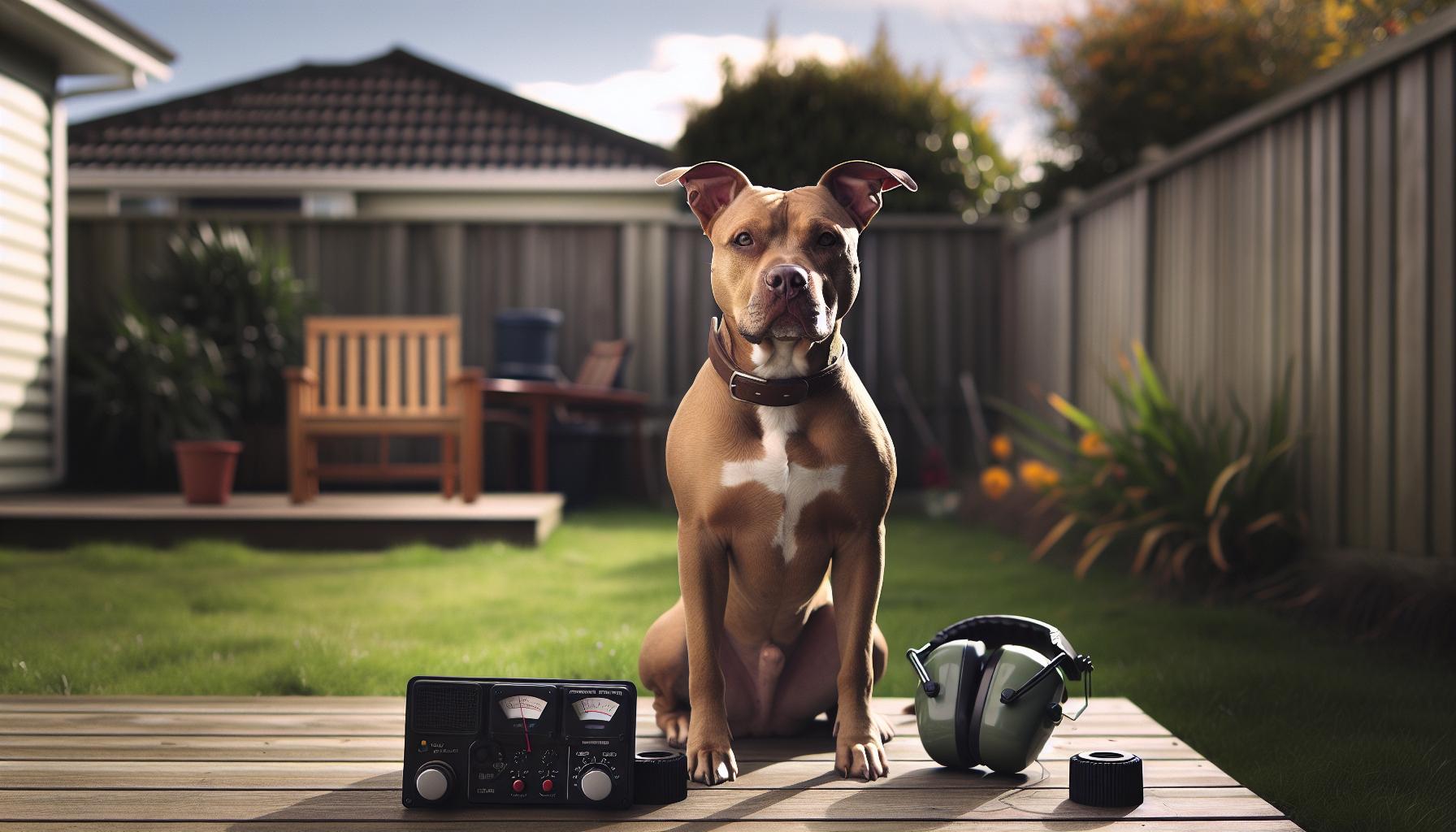
Understanding Pitbull Noise Levels: What to Expect
Pitbulls are known for their distinctive vocalizations, which can range from playful barks to more assertive sounds. Understanding what noise levels you can expect from your Pitbull is essential for potential owners and current caregivers alike. Generally, Pitbulls are not the most vocal breed; however, their noise levels can be influenced by various factors including environment, upbringing, and individual personality. You might notice that your Pitbull expresses themselves through barking when they’re excited, anxious, or alerting you to something happening around them.
It’s crucial to note that noise levels can vary significantly between individual dogs. Some Pitbulls may bark very little, while others can be quite vocal, especially if they’re not adequately exercised or mentally stimulated. Regular activity is vital not only for their physical health but also for their mental well-being, which directly affects noise levels. A bored Pitbull may resort to barking out of frustration or loneliness, so keeping them engaged with activities and social interactions is key.
Additionally, the context of the barking plays a significant role. Barking can serve different purposes-communicating excitement during playtime, expressing discomfort, or signaling a perceived threat. Understanding these triggers can help you better manage your dog’s noise levels. If you notice excessive barking, it’s worth observing the situations that provoke these responses, as that insight is critical in addressing the behavior effectively. Overall, embracing your Pitbull’s natural tendencies, while working towards a balanced approach to their vocalizations, will lead to a harmonious living situation for both of you.
Why Do Pitbulls Bark? Common Triggers Explained
Understanding why your Pitbull barks can illuminate a lot about their needs and emotions. Barking is one of the primary forms of communication for dogs, and for Pitbulls, it can convey various messages depending on the context. It’s essential to recognize these triggers to address any excessive barking effectively and create a harmonious environment for both you and your furry friend.
A common reason for barking among Pitbulls is excitement. Whether it’s playtime, greeting you at the door, or even seeing another dog, their enthusiasm often translates to vocal expressions. These barks are typically high-pitched and rapid, reflecting their happy disposition. In contrast, barking can also stem from anxiety or discomfort. If your Pitbull feels threatened, insecure, or is in an unfamiliar environment, you might notice more aggressive or prolonged barking. This type of barking serves as a warning, signaling that something is off, and it’s crucial to assess their surroundings to help alleviate their stress.
Another significant trigger for barking is boredom. Pitbulls are intelligent and energetic dogs that require a lot of mental and physical stimulation. If they aren’t getting enough exercise or engaging activities, they might resort to barking out of frustration. This behavior can often be remedied by incorporating regular walks, play sessions, and interactive toys into their daily routine. Additionally, socialization plays a vital role. Pitbulls that have not been properly socialized may bark more in the presence of new people or animals, not fully understanding how to behave.
Overall, understanding the reasons behind your Pitbull’s barking-whether excitement, anxiety, or boredom-can help you implement effective strategies to manage their vocalizations. By addressing these triggers through engagement, training, and social exposure, you can foster a more relaxed atmosphere for your dog and promote a better quality of life for both of you.
Effective Training Solutions for Reducing Barking
Effective training is essential for managing your Pitbull’s barking tendencies while fostering a loving and communicative bond between you and your canine companion. The key lies in understanding the motivations behind your Pitbull’s vocalizations and employing supportive techniques to address any unwarranted barking. Start by creating a structured routine that provides a clear framework for your dog’s day, which can significantly reduce anxiety-related barking.
One of the most effective approaches is to institute a positive reinforcement program. This encourages desired behaviors through rewards, making learning more enjoyable for your dog. When your Pitbull barks for attention, ignore the barking and only reward them with praise or treats when they are quiet. This reinforces the idea that being calm leads to positive outcomes, allowing your dog to associate silence with reward. Consistency is crucial; all family members must be on board with this method to ensure your Pitbull receives a clear and unified message.
Incorporating timeouts as a training method can also be beneficial. Whenever your Pitbull barks excessively, calmly lead them to a designated “quiet space” where they can settle down. This is not meant as a punishment but rather as a way for them to understand that barking leads to isolation. Once they have calmed down, allow them back into the main area, reinforcing the idea that calm behavior is what keeps them engaged with their family.
Another holistic technique you might explore involves increased physical and mental exercise. A tired dog is generally a quieter dog, so engaging your Pitbull with daily brisk walks, interactive toys, or agility training can help expel pent-up energy. Consider incorporating training games that stimulate their mind and strengthen your bond. For example, using a hide-and-seek game with treats can engage your Pitbull’s natural hunting instincts while keeping them occupied and less likely to bark out of boredom.
Ultimately, a combination of structured training, positive reinforcement, and adequate exercise tailored to fit your Pitbull’s unique personality will create a calming atmosphere. With patience and commitment, you can cultivate a quieter and more fulfilling environment for both you and your Pitbull.
Creating a Calm Environment to Minimize Noise
Creating a peaceful atmosphere is essential when it comes to managing your Pitbull’s noise levels. An often-overlooked fact is that a calm environment not only benefits your dog but also enhances your own experience as a pet owner. By carefully structuring your home and daily routine, you can significantly reduce anxiety-related barking and foster a serene living space for both of you.
To begin, consider the layout of your home. Designate quiet areas where your Pitbull can retreat when they feel overwhelmed. This might include a cozy bed in a less trafficked room or a space with soft lighting and calming scents. Adding elements like a white noise machine or calming music can also help drown out external noises that might trigger barking. Additionally, maintaining a consistent daily routine provides your dog with predictability, which can alleviate anxiety. Regular feeding times, daily walks, and playtime can help reinforce the sense of security in your Pitbull’s life.
Another important aspect to creating a calm environment is reducing overstimulation from external stimuli. If your Pitbull barks at people or noise outside, consider using window coverings that block their view. This can prevent excitement or anxiety from passersby and other distractions. On walks, if your dog becomes overly excited or anxious around other dogs or pedestrians, practicing attention commands can redirect their focus and build calm behavior.
Lastly, engaging in relaxation techniques with your Pitbull can be highly beneficial. Activities such as gentle massage or yoga can help reduce stress for both you and your dog. Snuggling up with a good book or practicing some light stretching together can instill a sense of calm in your home. Emphasize positive interactions; rewarding calm behaviors with treats or affection fosters a nurturing environment. By implementing these strategies, you not only support your Pitbull in feeling more secure but also enjoy a quieter, more harmonious home.
Top Training Techniques for Pitbull Barking Issues
To effectively manage barking issues in your Pitbull, it’s essential to employ a variety of training techniques tailored to their unique behavioral traits. One critical aspect to understand is that barking often stems from communication or stress, and addressing the root cause is vital for long-term solutions.
Positive Reinforcement
One of the most effective training techniques is positive reinforcement. This approach encourages desired behaviors by rewarding your Pitbull when they remain calm or quiet during times of potential barking, such as when the doorbell rings or when they see other dogs. For example, if your dog stays quiet when someone knocks, praise them and offer a treat immediately. This reinforces the idea that being quiet leads to positive outcomes. To enhance this technique, consider using a clicker. The sound marks the exact moment your dog exhibits the desired behavior, bridging the gap between the action and the reward.
Redirecting Attention
Another powerful technique is redirection. Instead of allowing your Pitbull to focus on the triggers that elicit barking (like noises outside), train them to respond to a cue or command. When you anticipate barking, say “focus” and lead them through a simple trick or command, like sitting or lying down. This not only diverts their attention but also reinforces your command skills and builds a deeper bond through structured interaction. Regular practice of this technique can significantly decrease the frequency of anxious barking.
Desensitization
Desensitization is an effective method for addressing specific triggers that lead to barking. Gradually expose your Pitbull to the source of their barking in a controlled manner, starting at a distance where they remain calm. For instance, if they bark at other dogs during walks, start by observing from a distance where they can remain quiet. Reward their calmness with treats and gradually decrease the distance over time. This method helps to create a positive association with previously anxiety-inducing stimuli.
Consistency is Key
No matter which techniques you choose, consistency is paramount. Establish a routine where your commands and rewards are predictable. This prevents confusion and builds trust between you and your Pitbull. Clear communication about what behavior you expect goes a long way in addressing barking issues effectively.
By leveraging these training techniques, you not only help reduce barking but also enhance the overall relationship with your Pitbull. Remember, training is a journey that requires patience, understanding, and a lot of love. Celebrate each small success along the way, and together, you will create a more peaceful and harmonious living environment.
The Role of Socialization in Barking Behavior
Socialization plays a vital role in shaping your Pitbull’s behavior, particularly when it comes to barking. A well-socialized dog is typically less fearful and more confident, reducing instances of reactive barking that occur due to anxiety or unfamiliar situations. Think of socialization as a lifetime introduction to various experiences, people, places, and sounds; each interaction your Pitbull has can either enhance their comfort in the world or lead to heightened sensitivity and noise levels.
To start, early and consistent exposure to different environments, social settings, and a variety of people can profoundly impact your dog’s response to perceived threats. For example, introducing your Pitbull to friendly dogs at the park or having them interact with calm children can help them learn appropriate behaviors and signals. Regular outings to places with different stimuli-like busy streets, pet-friendly shops, or dog training classes-allow your Pitbull to develop a balanced temperament. This exposure helps diminish the instinct to bark out of fear or territoriality.
Practical Steps for Socialization
- Start Early: Begin socialization during puppyhood, ideally between 3 to 14 weeks, when they are most receptive to new experiences.
- Positive Experiences: Pair socialization opportunities with treats and praise, ensuring your Pitbull associates new experiences with positive outcomes.
- Controlled Introductions: Gradually introduce your dog to loud noises and unfamiliar settings. Start at a comfortable distance, rewarding calm behavior, and progressively move closer as they become more relaxed.
- Consistent Routine: Incorporate socialization into your daily routine, ensuring diverse experiences over time rather than attempting to do too much at once.
By fostering a variety of interactions and environments, you can cultivate a more confident Pitbull who is less prone to excessive barking. Remember, each dog’s comfort level varies, so observe your dog’s reactions and adjust the pace of socialization accordingly. Ultimately, investing in socialization is a journey that ensures your Pitbull not only develops less barking behavior but also thrives in social settings, making them a more enjoyable companion.
How Breed Traits Influence Barking Frequency
The unique traits of the Pitbull breed can significantly shape how often and why they bark. Known for their loyalty and protective nature, Pitbulls can display vocal behaviors that stem from their genetics and the roles they were historically bred for. For instance, many Pitbulls were originally developed as working dogs, meant for tasks such as herding and guarding, which may predispose them to bark to alert their owners of potential threats or changes in their environment.
Understanding your Pitbull’s background can provide insight into their barking frequency. For example, breed distinctions, such as the American Pit Bull Terrier or the Staffordshire Bull Terrier, may exhibit variations in vocalization styles. While all canines communicate through barking, some lines may be more vocal due to their high energy levels and social needs. Therefore, if your Pitbull is barking excessively, it could be a reflection of their need for mental and physical stimulation, rather than a behavioral issue alone.
Another crucial factor influencing barking frequency is the dog’s environment. Pitbulls are often very social animals that thrive on human interaction. If they feel neglected or bored, barking may increase as a means of seeking attention or expressing frustration. Facilitating regular exercise and engaging activities can help mitigate unnecessary vocalizations. Implementing structured playtime, long walks, and mental challenges, such as puzzle toys or training sessions, can address both their physical and mental needs, leading to a calmer demeanor at home.
In summary, the interconnectedness of breed traits, environment, and engagement levels plays a vital role in a Pitbull’s barking behavior. Recognizing and addressing these factors can lead to a more harmonious living situation where your dog feels secure, engaged, and less prone to excess noise.
Impact of Exercise on Noise Levels in Pitbulls
Engaging in regular exercise is crucial for maintaining a balanced and happy life for your Pitbull. These energetic dogs thrive on movement, and insufficient physical activity can lead to increased barking as a form of expressing boredom or pent-up energy. When a Pitbull is under-exercised, they may resort to barking not only out of frustration but also as a way to entertain themselves. Implementing a consistent exercise regimen can significantly reduce this behavior, paving the way for a quieter home environment.
Take into account how much activity your Pitbull typically needs. Most Pitbulls require at least 60 to 90 minutes of exercise every day. This can be broken down into several shorter sessions of playtime, walks, or even engaging in dog sports like agility training. A well-exercised dog is usually a more relaxed dog. When you expend their energy through various activities such as fetch, swimming, or running, your Pitbull is less likely to bark out of boredom or excess energy. Additionally, socializing with other dogs during exercise can fulfill their social needs, further decreasing the likelihood of excessive barking.
Incorporating mental stimulation alongside physical activity can also play a key role in reducing noise levels. Puzzle toys, training exercises, and scent work can engage your Pitbull’s mind and help tire them out. This combination of physical and mental exertion doesn’t just keep them fit; it enriches their life and can lead to reduced vocalization. By addressing both the physical and mental needs of your beloved Pitbull, you can create a calmer atmosphere and a deeper bond with your furry friend.
Ultimately, understanding the direct correlation between exercise and barking behavior can empower you as a responsible owner. By committing to an active lifestyle together, you can ensure that your Pitbull becomes not only quieter but also healthier and happier.
Using Positive Reinforcement for Bark Control
To effectively manage your Pitbull’s barking, incorporating positive reinforcement in your training approach can be a game changer. This technique not only fosters a stronger bond between you and your pet but also encourages desired behaviors in a loving and supportive manner. Instead of focusing on punishment or negative responses to barking, which can be counterproductive, redirecting your Pitbull’s attention with rewards can yield impressive results.
Start by identifying the situations in which your Pitbull tends to bark excessively. This might include moments of excitement, boredom, or when they perceive a threat. For instance, if your dog barks at the postman, you can use this as an opportunity to train them. When they start barking, calmly ask for a different behavior, such as “sit” or “quiet.” When your Pitbull complies-whether immediately or even after a brief pause-reward them with a treat, praise, or affection. This not only teaches them what to do instead of barking, but they also learn that being quiet or exhibiting calm behavior results in positive outcomes.
Consistency is Key
To maximize the effectiveness of positive reinforcement, consistency is crucial. Make sure all family members are on board with the training methods you choose. Designate specific commands and rewards, and always follow through. If your Pitbull barks, redirect them consistently with the same phrase or command, followed by the appropriate reward once they comply. This reinforces learning and helps your dog understand what you expect from them. Keep training sessions short, engaging, and frequent to maintain your dog’s interest and enthusiasm.
The Power of Timing
Timing is another essential element in positive reinforcement training. The reward needs to be given immediately after the desired behavior to ensure your Pitbull connects the dots. If you wait too long, they may not understand what they’re being rewarded for, leading to confusion. For instance, if they stop barking on command, offering them a treat within seconds will solidify the connection that quietness earns rewards.
Incorporating positive reinforcement can transform barking behavior and enhance your overall relationship with your Pitbull. With patience, practice, and plenty of love, you’ll find that your pet becomes more attuned to your cues, resulting in a quieter, more enjoyable home. Whether it’s a quest for a calm environment or deeper connection, using positive reinforcement is a fulfilling and effective approach to bark control.
Crate Training: A Helpful Tool for Barking
When it comes to effective barking control, crate training can be a particularly useful strategy for Pitbull owners. This method not only fosters a sense of security but also helps establish boundaries, which can significantly reduce stress and anxiety in your dog. Often, excessive barking arises from feelings of insecurity or fear, and a crate can serve as a cozy den where your Pitbull feels safe and comfortable.
To begin crate training, it’s essential to select a crate that is appropriately sized. It should be large enough for your dog to stand up, turn around, and lie down comfortably, but not so big that they feel lost. Introduce the crate gradually, leaving the door open and placing their favorite blanket or toy inside to entice them. Encourage your Pitbull to explore the crate at their own pace. Use positive reinforcement, such as treats or praise, to reward your dog whenever they show interest in the crate.
Establishing a Routine
Creating a structured routine around crate time is key. Start by designating specific times for short periods in the crate, such as during meals or when you leave the room. This teaches your Pitbull that the crate is a normal part of their day and not a form of punishment. Gradually increase the time they spend inside, ensuring that they associate the experience with positive moments. Over time, this routine can help your dog learn to be more comfortable being alone, which in turn reduces barking when left by themselves.
Utilizing the Crate During Barking Triggers
You can also use the crate as a tool for managing barking triggered by specific situations, such as visitors or noises from outside. When you anticipate a barking episode, calmly and quickly guide your Pitbull to their crate. This preemptive action can help prevent the barking from escalating. Make sure to reward calm behavior inside the crate with treats or affection, reinforcing the idea that good things happen when they are quiet in their safe space.
In essence, crate training is not just about confinement; it is about creating a positive environment that promotes relaxation and peace. As your Pitbull begins to associate the crate with safety and comfort, you will likely notice a decrease in their barking behavior, leading to a more harmonious living space for both you and your furry friend.
When to Seek Professional Help for Barking Problems
Recognizing when to seek professional help for your Pitbull’s barking issues can be crucial not only for your dog’s well-being but also for the peace of your household. If you’ve tried various training techniques and yet your Pitbull continues to bark excessively, or if the barking is accompanied by signs of distress or behavioral problems, it might be time to consult a professional. Experts can assess underlying issues that you may not be able to identify, such as anxiety, fear, or territorial behaviors, and offer tailored strategies to address them.
A common indicator that professional intervention is needed is if the barking seems to escalate despite your best efforts. For example, if you find that your Pitbull’s barking is increasing over time, or if it occurs during situations that previously did not bother them, this could signal deeper behavioral issues. Similarly, if your dog displays aggressive barking, which might indicate fear or anxiety, it’s essential to get help. A trained animal behaviorist or a certified dog trainer using positive reinforcement methods can work with you and your dog to modify behavior effectively.
Additionally, be attentive to how the barking affects your living environment. If your dog’s barking disrupts your daily life or leads to conflicts with neighbors or other pets, this can create a stressful atmosphere not just for your dog, but for everyone involved. Professionals can help develop a comprehensive plan that addresses the barking while simultaneously fostering a happier and more balanced existence for your beloved pet.
It’s important to remember that seeking help is a sign of responsible ownership, reflecting a commitment to the health and happiness of your Pet. With the right guidance, you can transform your dog’s barking from a potential nuisance into a more manageable behavior. The goal is to ensure your Pitbull can express themselves without unnecessary strain on their emotional state or your home environment.
Understanding Barking: Communication or Behavior Problem?
Understanding barking in Pitbulls is crucial for their development and your household’s harmony. While some dogs bark as a natural form of communication, excessive barking can sometimes indicate underlying behavioral issues. Pitbulls, known for their loyalty and protective nature, may vocalize for a variety of reasons that stem from both instinct and environment.
It’s essential to first decipher whether your Pitbull’s barking is a form of communication or a behavior problem. Dogs often bark to alert their owners to perceived threats, express excitement, or seek attention. For instance, if you notice your dog barking when someone approaches the house, they could simply be alerting you to an intruder. On the other hand, if barking becomes incessant, especially when there is no obvious trigger, it could signal anxiety, frustration, or the need for more mental stimulation.
To effectively address barking issues, it’s beneficial to observe the context in which your Pitbull barks. Keeping a log of barking instances can help identify patterns or specific triggers. For example, do they bark when left alone or during periods of inactivity? Recognizing such patterns can inform whether the barking is a communication method or if it stems from stress or boredom.
Ultimately, understanding your dog’s vocalizations helps bridge the communication gap between you and your Pitbull. By addressing both the underlying causes of barking and fostering effective communication, you can create a more peaceful living environment while celebrating your Pitbull’s unique personality. With patience and proper training, you can transform barking from a potential challenge into an enjoyable aspect of your dog’s communicative nature.
FAQ
Q: How can I stop my Pitbull from barking excessively?
A: To reduce excessive barking in your Pitbull, identify the triggers and address them. Implement consistent training sessions, utilize positive reinforcement when they remain quiet, and ensure they receive adequate exercise. Creating a calm environment and engaging them mentally can also help manage barking behavior.
Q: Why does my Pitbull bark at strangers?
A: Pitbulls may bark at strangers as a form of alerting or to express territorial instincts. This behavior can stem from a need to protect their family. Encourage socialization with new people and situations to reduce their fear and improve their response to unfamiliar faces.
Q: What are the noise levels of a Pitbull compared to other breeds?
A: Pitbulls are typically moderate barkers, producing noise levels similar to breeds like Labradors or Beagles. While their bark can be loud, it’s not usually excessive compared to breeds recognized for vocalizing, such as Chihuahuas or Shetland Sheepdogs. Regular training can help manage their vocalizations effectively.
Q: Is barking a sign of stress in Pitbulls?
A: Yes, barking can signal stress for Pitbulls, often resulting from environmental factors or anxiety. If your dog barks excessively or inappropriately, it may indicate discomfort or a need for more mental stimulation. Addressing these stressors through training and exercise is essential for their well-being.
Q: How can I use playtime to reduce barking in my Pitbull?
A: Incorporating playtime into your Pitbull’s routine can significantly reduce barking. Engage them with toys or games that challenge them mentally and physically. This helps expend excess energy, leading to a calmer dog, and reinforces positive behavior during playtime to discourage barking.
Q: When should I consult a professional trainer for my Pitbull’s barking?
A: If your Pitbull’s barking is persistent and unmanageable despite your efforts, it’s time to consider consulting a professional trainer. A trainer can provide individualized strategies tailored to your dog’s needs and help you navigate deeper behavioral issues that may be causing excessive barking.
Q: Can certain diets impact my Pitbull’s barking behavior?
A: Yes, your Pitbull’s diet can impact their overall behavior, including barking. Nutritional deficiencies or imbalanced diets can lead to anxiety or hyperactivity, which may contribute to excessive barking. Consult with a veterinarian to ensure your dog is getting a balanced diet suitable for their energy levels and needs.
Q: How does crate training help manage barking in Pitbulls?
A: Crate training can be an effective tool for managing barking in Pitbulls by providing them with a safe space that minimizes overstimulation. When used correctly, a crate can help your dog learn boundaries and reduce anxiety, ultimately leading to less barking when calm and settled.
In Retrospect
As we wrap up this exploration of “Pitbull Barking: Noise Levels & Training Solutions,” remember that understanding your Pitbull’s vocal tendencies is vital for effective communication and training. Implementing the techniques discussed can significantly reduce unwanted barking and enhance your bond with your furry friend. Don’t delay-start applying these solutions today for a more harmonious home environment!
For further insights, check out our articles on “Positive Reinforcement Techniques for Dogs” and “Understanding Dog Behavior Patterns.” We’re here to support you every step of the way in your journey toward responsible dog ownership.
If you have lingering questions or want personalized advice, consider subscribing to our newsletter for valuable resources and updates. Join our community and share your experiences-your feedback is essential as we celebrate the unique qualities of Pitbulls and empower responsible caregivers like you!
Get our latest guides, news, and insights highlighted in your Google Search & AI Overviews.