
Did you know that Pitbulls are among the most misunderstood dog breeds? Despite their often fearsome reputation, these loyal and intelligent companions possess a wealth of personality traits that make them truly unique. In “Pitbull Traits: Personality & Behavior Insights,” we’ll delve into the key characteristics that define this breed, from their affectionate nature to their remarkable trainability. Understanding these traits is essential not just for current and prospective owners, but for anyone looking to appreciate the essence of Pitbulls beyond stereotypes. Whether you’re seeking guidance on care, training, or simply wishing to foster a deeper connection with your furry friend, this guide is designed to empower you with knowledge and insights. Join us as we celebrate the true spirit of these incredible dogs and uncover the joys and challenges of owning a Pitbull.
Pitbull Personality Traits: Understanding Their Nature
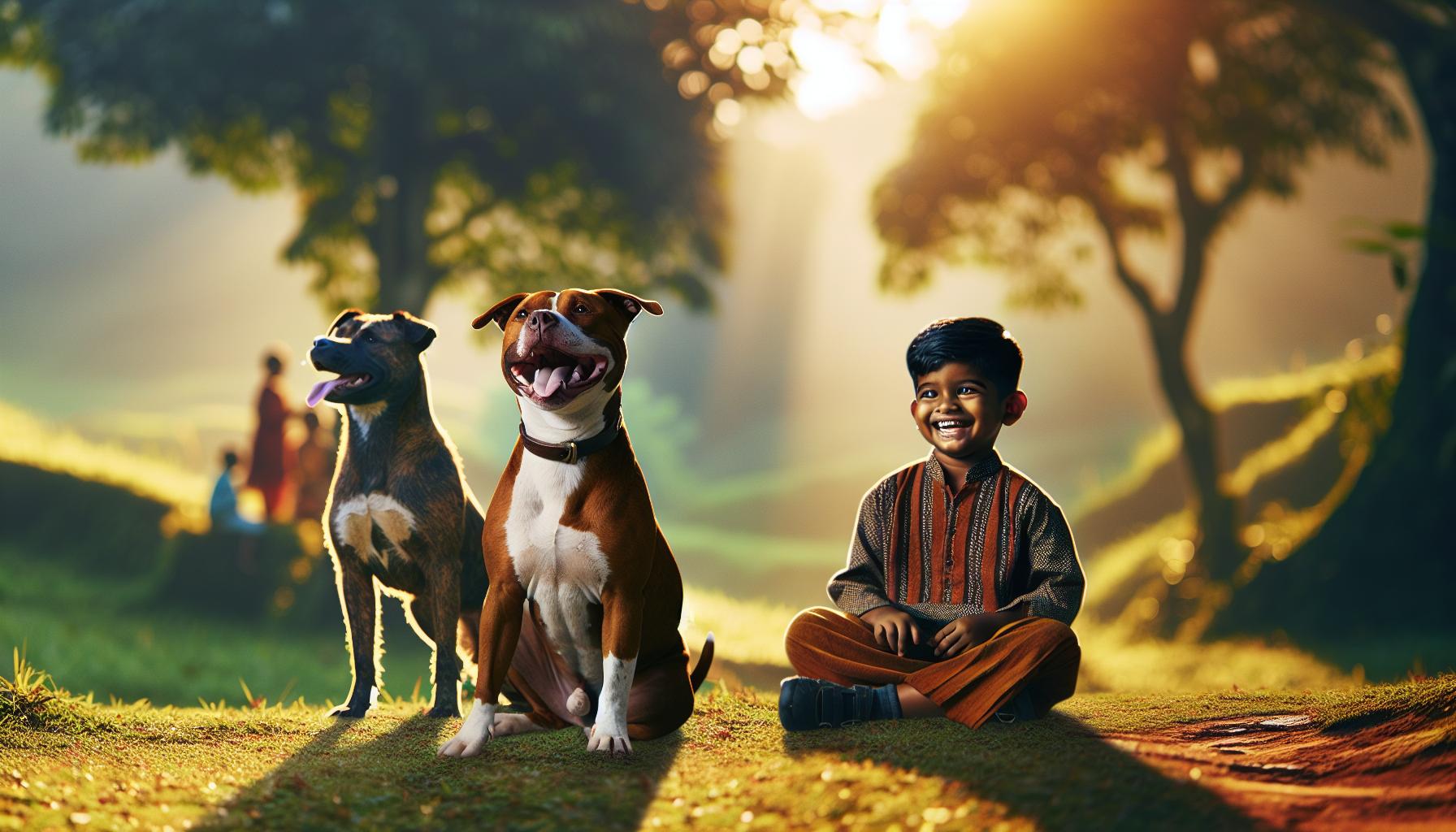
Pitbulls are often misunderstood due to their strong physical presence and the misconceptions that swirl around their breed. However, beneath that muscular exterior lies a personality that is enthusiastic, loyal, and eager to please. These dogs are known for their affectionate nature, especially with their families. They thrive on human interaction and often form strong bonds with their owners. Their playful demeanor makes them excellent companions, and many pitbulls possess a natural charm that can easily win over even the most skeptical dog lovers.
One of the most defining aspects of a pitbull’s personality is their tenacity. This breed is marked by a remarkable determination that manifests itself in various ways, from their unwavering loyalty to their willingness to take on challenges both in training and in play. Pitbulls often exhibit a zest for life and an eagerness to engage in physical activities, which makes them well-suited for active families. This energy can, however, lead to behavior issues if not properly channeled through regular exercise and mental stimulation.
Moreover, socialization is crucial in shaping the personality traits of pitbulls. Early exposure to various environments, people, and other animals can mitigate tendencies toward aggression and shyness. By providing a variety of experiences, you can help your pitbull grow into a well-adjusted adult. Implementing these socialization practices fosters not only friendly behavior but also confidence in your dog, which is essential for their emotional well-being.
In summary, understanding a pitbull’s personality involves recognizing their capacity for love, loyalty, and playfulness, along with the importance of proper training and socialization. By nurturing these traits and addressing any challenges early on, you can enjoy a fulfilling relationship with your pitbull that showcases the breed’s true nature beyond the stereotypes.
Common Behavioral Traits of Pitbulls
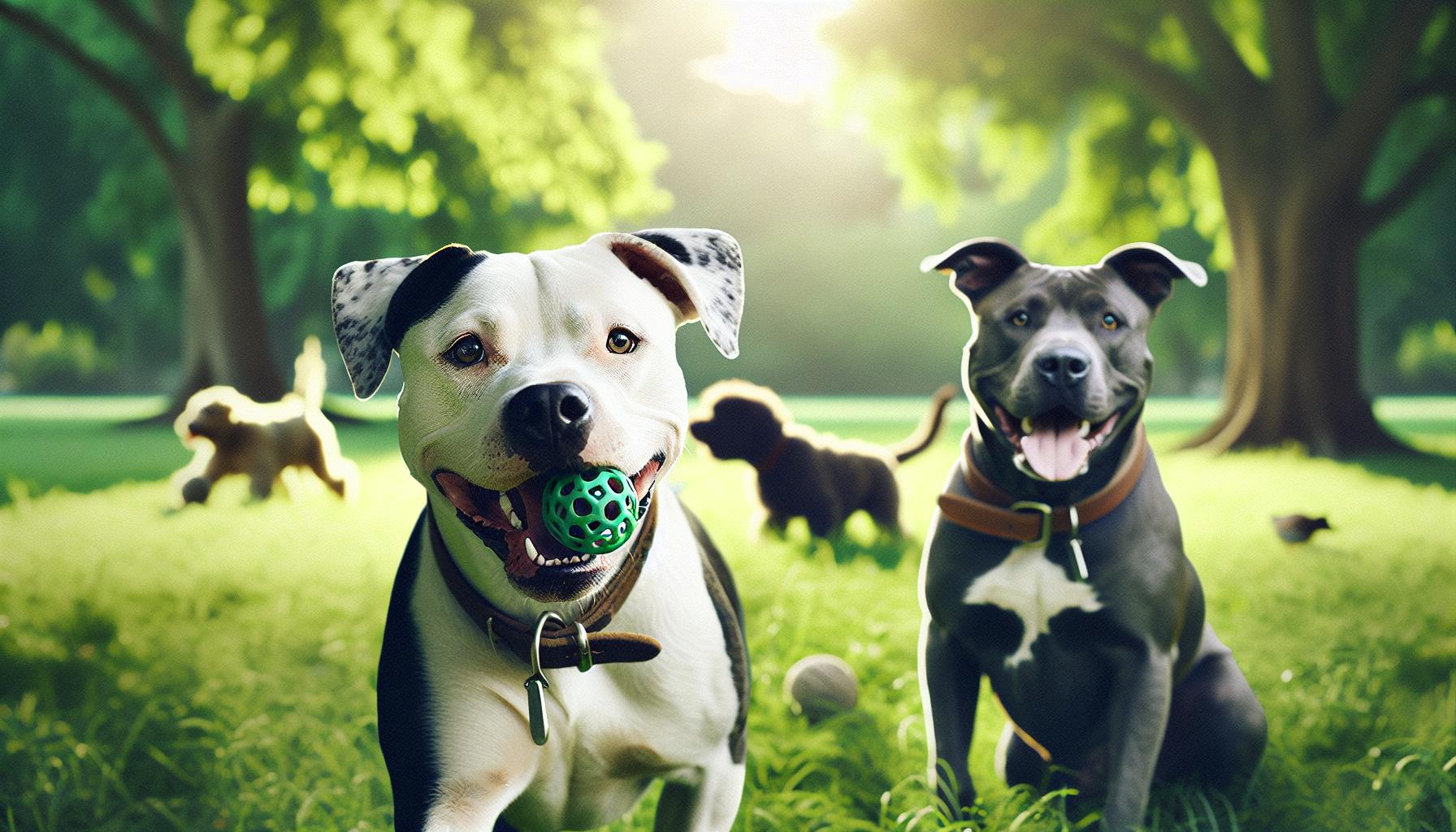
Pitbulls are often characterized by their vibrant energy, unmatched loyalty, and affectionate nature, making them a beloved choice for many families. One striking behavioral trait of these dogs is their intense drive to please their owners, often resulting in a strong bond between pet and handler. This eagerness to please is complemented by their playful demeanor, which encourages engagement in fun activities, whether it’s fetch, agility training, or simply goofing around in the yard. If you’re seeking a companion who thrives on interaction and affection, a pitbull may be the perfect match for you.
Another notable aspect of pitbull behavior is their high energy level. These dogs have an innate desire to stay active, which can translate into some less-desirable behaviors if not properly managed. Lack of physical exercise or mental stimulation can lead to boredom, resulting in destructive behaviors. To harness their energy positively, it’s essential to incorporate regular exercise into their routine. Activities like long walks, running, or playing interactive games not only burn off excess energy but also keep your pitbull mentally sharp and well-behaved.
Socialization is critical in shaping the behavioral traits of pitbulls. Early exposure to a variety of situations, people, and animals helps the dog become a well-rounded adult. When pitbulls are properly socialized, they tend to exhibit friendly behavior and confidence, reducing the likelihood of fear-based reactions that could lead to aggression. Engaging your pitbull in obedience classes or group playdates can significantly enhance their social skills while developing their ability to navigate the world confidently.
Lastly, pitbulls are known for their intelligence, which can be both an asset and a challenge. They thrive on learning and enjoy mental challenges that stimulate their problem-solving skills. Incorporating puzzles and enrichment activities into their routine fosters their mental growth and keeps them content. Whether through obedience training or interactive toys, ensuring that your pitbull remains stimulated is crucial for their emotional and behavioral health. So, by understanding and nurturing these behavioral traits, you ensure that your pitbull doesn’t just exist but truly thrives as a cherished member of your family.
Socialization Needs for Pitbulls
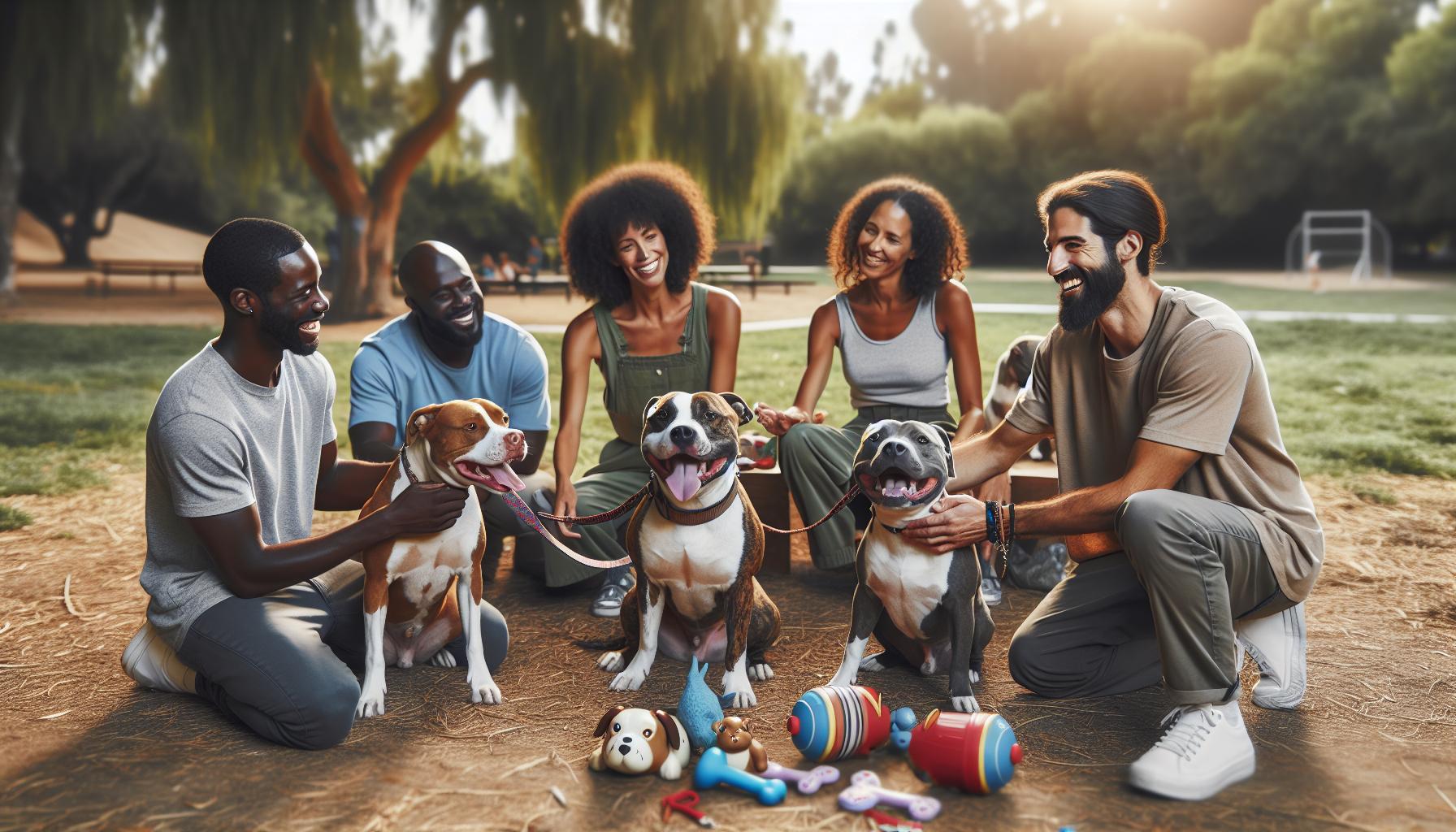
Understanding the socialization needs of your pitbull is crucial for fostering a well-adjusted and confident companion. Studies show that early and consistent socialization can significantly mitigate behavioral issues, making it one of the most important aspects of raising a healthy pitbull. By exposing them to a variety of experiences, you help shape their personalities and build a foundation for positive interactions with other pets and people.
One way to begin socializing your pitbull is by introducing them to different environments, sounds, and smells early in life. This can include visits to parks, dog-friendly cafes, or pet stores. Each of these experiences teaches your dog how to behave in various settings and helps develop their comfort level with different stimuli. Additionally, playing with other dogs can significantly enhance their social skills and confidence. Look for opportunities to engage your pitbull in controlled environments, such as puppy classes or organized playgroups, where they can interact safely with other dogs.
Teaching your pitbull to be well-mannered around others is also essential. Start by encouraging positive interactions through rewarding good behavior with treats or praise. When they meet new people or dogs, observe their reactions and gently guide them to behave appropriately. If they show signs of anxiety or over-excitement, training techniques such as desensitization and positive reinforcement can help ease their fears and improve their responses. For instance, if your pitbull tends to jump on guests, training them to sit calmly before receiving attention can create a more pleasant experience for everyone.
Finally, it’s vital to remember that socialization is an ongoing process. Regular exposure to different situations throughout their lives will reinforce your pitbull’s training and help maintain their social skills. As they age, encouraging interactions with new people and dogs can keep them friendly and adaptable. Commitment to socialization not only enhances your pitbull’s behavior but also deepens the bond between you and your pet, resulting in a more enjoyable companionship.
The Impact of Environment on Pitbull Behavior
Pitbulls are known for their resilience and adaptability, but the environments they inhabit play a crucial role in shaping their behavior and temperament. Dogs, including pitbulls, are highly sensitive to their surroundings, and the influences of social settings, stimulation, and even the routines established by their owners can lead to significant differences in personality and responses. Understanding how these environmental factors impact your pitbull can help you create a nurturing atmosphere that enhances their well-being.
Home Environment
The home setting is paramount for pitbulls, as it serves as their primary domain. A stable and enriching environment can promote feelings of security. A well-organized home with dedicated spaces for rest, play, and training encourages positive behaviors. Incorporating routine activities-like regular feeding and exercise times-helps your pitbull feel grounded. Conversely, chaotic environments filled with random noises or frequent changes can lead to anxiety or fearfulness, potentially escalating into behavioral issues. Creating a calm atmosphere with safe spaces, such as a designated crate or mat, can help alleviate stress.
Social Interactions
Pitbulls thrive on social interaction. Exposure to a variety of people and other dogs enhances their social skills and builds confidence. Environments that consistently provide positive interactions-like dog parks or supervised playdates-allow your pitbull to learn appropriate behaviors and boundaries. However, negative experiences, such as aggressive encounters with other dogs or harsh training methods, can engender fear or aggression. It’s essential to monitor these social settings and intervene positively, teaching your pitbull how to engage in healthy ways.
Mental Stimulation
An environment lacking mental stimulation can lead to boredom and undesirable behaviors. Pitbulls are intelligent and energetic-requiring both physical and mental engagement. Offering puzzle toys, interactive games, and varied training exercises can keep their minds sharp and engaged. Regular outings to different environments, such as hiking trails or beach trips, expose your pitbull to new sights, sounds, and smells, further enriching their life experiences.
In summary, creating an environment that is predictable, socially engaging, and mentally stimulating is key to promoting positive behaviors in your pitbull. By understanding how various aspects of their surroundings influence their personality, you can foster a supportive space that encourages a well-adjusted and happy companion.
Training Techniques for Pitbulls: What Works Best?
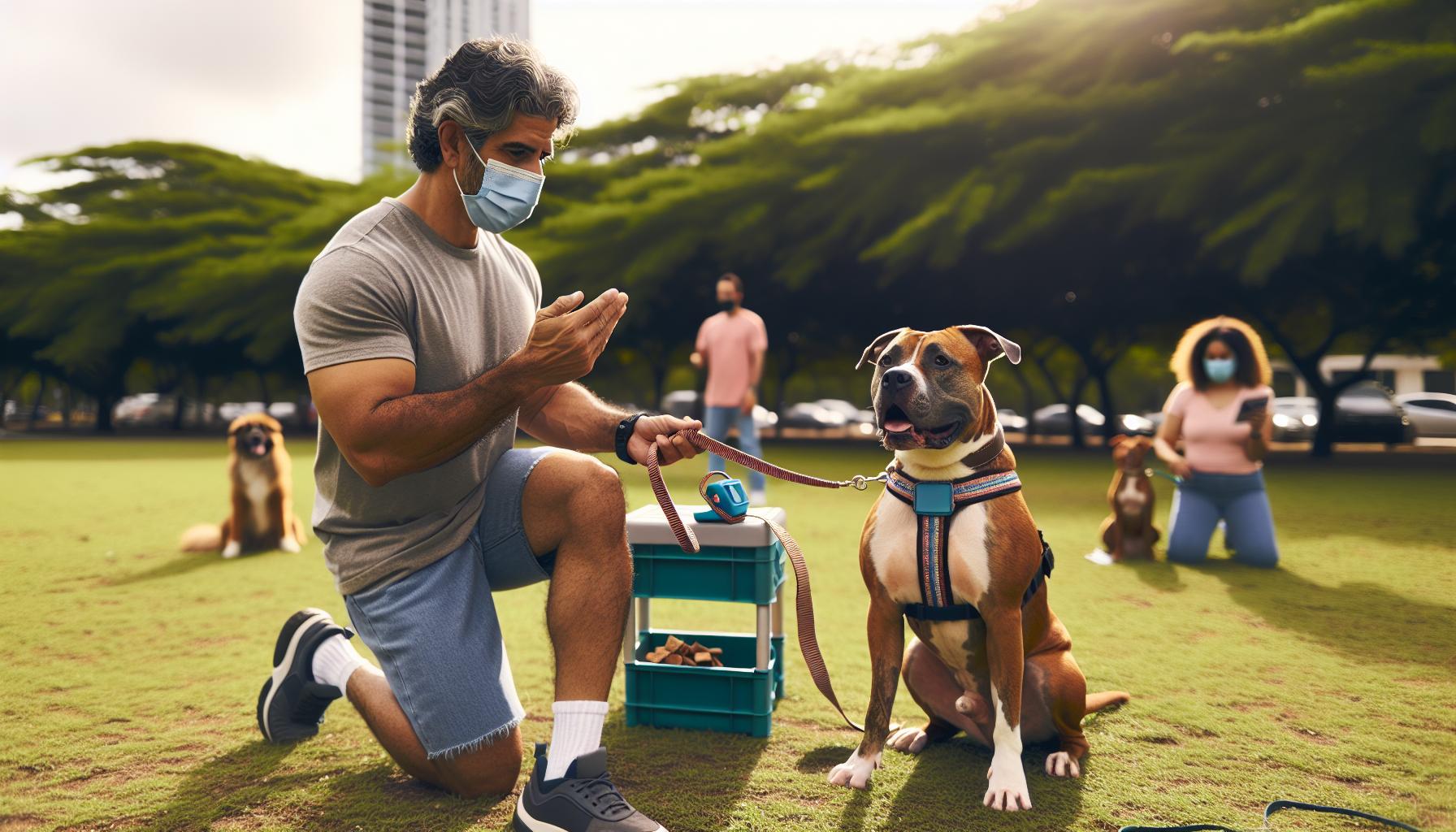
Training your pitbull can be one of the most rewarding experiences for both you and your furry friend. Not only are these dogs incredibly intelligent and eager to please, but they also thrive on structure and guidance. Implementing effective training techniques can harness their natural abilities and foster a deep bond built on trust and understanding.
One of the most successful methods for training pitbulls is positive reinforcement. This approach involves rewarding your dog for desired behaviors, which encourages them to repeat those actions. You can use treats, praise, or playtime as rewards. For example, if your pitbull sits on command, offer a treat immediately following the action. This reinforces the behavior and helps your dog associate the command with a positive outcome. Positive reinforcement fosters a cooperative training environment, as pitbulls respond well to encouragement rather than harsh corrections.
Consistency is crucial in your training regimen. Establishing a clear set of commands and maintaining the same cues during training allows your dog to understand what is expected of them. Use simple and distinct commands such as “sit,” “stay,” or “come.” Repetition is key, so practicing these cues regularly, even during playtime, can solidify their understanding. Incorporating short, frequent training sessions can help maintain your pitbull’s focus without overwhelming them.
Socialization is another important aspect of pitbull training. From a young age, exposing your pitbull to various environments, people, and other dogs is essential. This not only helps mitigate behavioral issues in adulthood but also fosters a friendly and confident disposition. Arrange playdates with other dogs, visit local parks, or attend puppy classes to ensure your pitbull develops the necessary social skills and becomes well-adjusted.
Finally, consider integrating interactive training tools into your routine. Puzzle toys and obedience games can provide mental stimulation while reinforcing learning in a fun way. For instance, hide treats in a puzzle feeder to challenge your pitbull mentally while encouraging problem-solving skills. This combination of physical and mental enrichment will keep your pitbull engaged and happy, reducing the likelihood of boredom-related behavioral problems.
Training your pitbull takes time and patience, but with the right techniques, you’ll see immense progress. Remember to celebrate small victories, remain patient during setbacks, and, most importantly, enjoy the journey of learning together.
Pitbull Health Considerations That Affect Behavior
Maintaining a pitbull’s health is essential not just for their physical well-being but also for their behavioral stability. Many health issues can directly influence how your pitbull behaves, leading to changes in temperament, anxiety levels, and overall demeanor. For instance, conditions like allergies or skin infections can make a dog irritable and less social. Similarly, chronic pain from conditions such as hip dysplasia can lead to anxiety or aggression, as your dog may feel threatened or vulnerable.
Regular veterinary check-ups are crucial to catch potential health issues early. It’s important to monitor your dog for any signs of discomfort, unusual aggression, or withdrawal behavior, as these can be indicators of underlying health problems. If your pitbull is exhibiting unusual behaviors, consider scheduling an appointment with your vet to rule out any medical causes. Issues such as thyroid problems can alter a dog’s mood and energy level, often resulting in significant behavioral changes.
Nutrition also plays a vital role in your pitbull’s personality and health. A balanced diet that meets their specific needs not only supports their physical health but can improve mood and energy levels. For example, high-quality protein sources support muscle health and energy, while omega-3 fatty acids, found in fish oil, have been shown to improve skin condition and cognitive function. Regularly assess your dog’s weight and dietary intake; obesity can lead to health problems that further exacerbate behavioral issues.
In addition to physical health, mental stimulation is critical for your pitbull’s behavioral health. Engaging your pitbull in interactive games or training can keep their mind sharp and reduce anxiety, which in turn can lead to a more stable temperament. Mental fatigue can result in less destructive behavior and decreased tendencies towards aggression, showcasing the profound link between health and behavior in this breed. By offering a holistic approach to your pitbull’s well-being, encompassing both health care and mental engagement, you’ll nurture a well-adjusted and happy companion.
Recognizing and Managing Aggression in Pitbulls
Understanding how to recognize and manage aggression in Pitbulls is crucial for responsible ownership and ensuring a safe environment for both the dog and those around them. It’s important to remember that aggression in dogs can stem from various factors, including genetics, past experiences, environment, health issues, and lack of proper training or socialization. By delving into these aspects, you can foster a healthy relationship with your Pitbull and help mitigate aggressive behaviors.
One of the first steps you can take is to become adept at reading your dog’s body language. Signs of potential aggression may include stiff body posture, growling, bared teeth, and a fixed gaze. Being alert to these signals allows you to intervene before a situation escalates. For instance, if your Pitbull is showing signs of discomfort or stress-perhaps during encounters with unfamiliar dogs or loud noises-redirecting their attention to a more positive stimulus, like a toy or engaging command, can be beneficial. It’s essential to create a safe space for them, where they can retreat and feel secure.
When it comes to training, consistency is key. Positive reinforcement techniques are highly effective in helping your Pitbull learn the desired behaviors while reducing aggression. Using treats and praise for calm behavior can help strengthen your dog’s trust and improve their response to different stimuli. Additionally, enrolling in obedience classes designed specifically for Pitbulls can provide valuable socialization and structure. In these settings, your dog can learn appropriate behavior while interacting with other dogs and people under guidance.
If you notice persistent aggressive tendencies, consulting with a professional dog trainer or a behaviorist can provide tailored strategies for your situation. They can assess your dog’s unique circumstances and help develop a plan that focuses on gradual desensitization and counter-conditioning. Taking these proactive steps not only enhances your understanding of your Pitbull’s needs but also strengthens your bond, ensuring your dog thrives emotionally and socially.
Lifespan and Aging: Behavioral Changes in Older Pitbulls
As your beloved Pitbull ages, you may notice a variety of behavioral changes that can reflect their adjusting needs and lesser physical capabilities. Older Pitbulls often experience shifts in energy levels, playfulness, and overall temperament. It’s not uncommon for a normally rambunctious Pitbull to become more reserved as they mature, needing more rest and less vigorous exercise. This transition can be surprising, especially if you’ve grown accustomed to your dog’s youthful exuberance.
One critical aspect to watch for is the potential for cognitive decline, akin to dementia in humans. Signs may include disorientation, excessive barking, or altered sleep patterns. Providing familiar routines can help ease the anxiety that often accompanies such changes. Ensuring that your older Pitbull continues to enjoy mental stimulation through interactive toys or simple training exercises can also combat cognitive decline while strengthening your bond.
Adjusting Care for Senior Pitbulls
With aging, dietary needs may alter significantly. Older Pitbulls might benefit from a specialized diet that supports joint health, digestion, and weight management. It is essential to consult your veterinarian to tailor their nutrition appropriately, as maintaining a healthy weight directly influences their energy levels and overall well-being.
Regular vet check-ups become increasingly crucial. Pre-existing health issues such as arthritis or hip dysplasia can manifest more prominently in older dogs, influencing their behavior and activity levels. By observing and responding to these changes, you not only enhance your Pitbull’s quality of life but can also identify adjustments that may improve their comfort and happiness in their golden years.
In addition, providing your senior Pitbull with a comfortable resting area that is easily accessible can make a significant difference in how they navigate their home. Consider adding ramps or soft bedding to encourage them to rest without strain, supporting their aging joints.
While these behavioral changes are perfectly natural, they can be challenging for owners. Embracing this journey with empathy and understanding can lead to a deeply rewarding experience, allowing you to celebrate each moment with your loving companion as they gracefully age.
The Role of Exercise in Pitbull Well-being
Engaging in regular exercise is paramount for your Pitbull’s overall health and happiness. These dogs possess a high energy level and require consistent physical activities to thrive. Not only does exercise help maintain a healthy weight, but it also contributes significantly to their mental well-being by reducing anxiety and preventing destructive behaviors. Research consistently shows that dogs who engage in regular physical activity exhibit fewer behavior problems, which is especially important for a breed known for its strength and drive.
To effectively integrate exercise into your Pitbull’s daily routine, aim for activities that stimulate both their body and mind. Walking, running, hiking, and playing fetch are excellent options. Consider incorporating interactive toys or puzzle games that challenge their intellect while keeping them physically stimulated. A well-exercised Pitbull is often a more balanced and calm companion, reducing the likelihood of restlessness or aggression stemming from pent-up energy.
Moreover, socialization through exercise is crucial. Taking your Pitbull to dog parks or group training classes allows them to interact with other dogs and humans, enhancing their social skills and reinforcing positive behaviors. During these interactions, always be attentive to your dog’s body language to ensure they feel comfortable and safe.
In summary, regular and varied exercise is not just a luxury for your Pitbull-it’s a necessity. By prioritizing physical activity, you contribute to a fulfilling, healthy life for your pet, fostering a deeper bond through shared experiences. Make your exercise routine enjoyable and consistent, and watch as your Pitbull thrives in both physical and emotional aspects of life.
Pitbull Variants: Differences in Personality
Different variants of the Pitbull breed display unique personality traits that can shape their behavior, temperament, and interactions with humans and other animals. Understanding these variances is key to fostering a positive relationship with your Pitbull. Commonly recognized Pitbull variants include the American Pit Bull Terrier, American Staffordshire Terrier, and the Staffordshire Bull Terrier, each with distinguishing characteristics influenced by genetics, upbringing, and individual experiences.
For instance, the American Pit Bull Terrier is known for its high energy and playful spirit. This variant tends to be eager to please and shows a strong desire for human companionship, making them extremely loyal and affectionate pets. Their playful nature demands engagement through exercise and mental stimulation, so ensuring regular activities can help you bond with them while also keeping their lively disposition in check.
In contrast, the American Staffordshire Terrier is slightly more laid-back but still exhibits a robust personality. They often display a more protective nature and can be more reserved around strangers. This breed variant requires socialization from a young age to encourage positive interactions with diverse environments and people. The development of their temperament is greatly influenced by consistent training and exposure, ultimately showing their loving and gentle side when nurtured properly.
The Staffordshire Bull Terrier, while also part of the Pitbull family, often exhibits a more robust and playful demeanor. They are known for being especially good with children, showcasing patience and a lovable disposition. This variant often thrives in family settings, and their affectionate nature makes them wonderful companions. Understanding these nuances can help you tailor your approach to training, socialization, and activity, maximizing the individual strengths and traits of your dog.
In conclusion, each Pitbull variant comes with its own unique personality traits, influenced by their breeding and life experiences. As an owner, recognizing and appreciating these differences enables you to provide the best environment for your dog, ensuring a fulfilling and harmonious relationship. Whether you’re seeking high-energy companionship or a loyal protector, understanding your Pitbull’s variant can guide you in nurturing their true potential.
Addressing Misconceptions About Pitbulls
Many people hold misconceptions about Pitbulls that can largely influence their perception and treatment of the breed. It’s essential to recognize that a dog’s behavior is typically shaped far more by its upbringing, socialization, and training than by its breed alone. Unfortunately, media portrayals often emphasize the negative, leading to biased assumptions about Pitbulls being inherently aggressive or dangerous. However, this belief fails to take into account the individual dog’s behavior, which varies considerably depending on its environment and care.
Education is key to dismantling these myths. For example, statistics show that much of the aggression attributed to Pitbulls can result from improper training and socialization. Many Pitbulls are loving, gentle, and loyal companions when they are trained and cared for correctly. Engaging with your Pitbull through positive reinforcement training can showcase their eagerness to please, which is a hallmark of their breed. It’s also essential to expose them early to a variety of people, environments, and other animals to help them develop into well-rounded adults.
Moreover, it’s crucial to compare Pitbulls to other breeds. When looking at breeds overall, data indicates that any dog can exhibit aggressive behavior if not nurtured appropriately. Breeds such as Golden Retrievers and Labrador Retrievers also showcase aggression in certain contexts. It’s not about the breed; it’s about responsible ownership. By focusing on responsible breeding, training, and socialization, we shift the narrative from bias to understanding.
In popular culture, Pitbulls often receive negative attention, but they are also celebrated in various forms of media that highlight their loyalty and intelligence. Numerous pop culture figures and athletes own Pitbulls, using their platforms to advocate for the breed and encourage adoption. These positive representations can help balance the narrative and remind potential adopters of the joy and companionship these dogs can bring when given the right environment.
By addressing and correcting these misconceptions, we can foster a more informed discourse around Pitbulls and promote responsible ownership practices that celebrate their unique personalities and capabilities. Your understanding and appreciation not only contribute to the well-being of Pitbulls but also enrich your relationships with these wonderful dogs.
The Pitbull in Pop Culture: Representation and Influence
Despite often being surrounded by controversy, the representation of Pitbulls in pop culture provides a rich tapestry of insight into their loyalty, intelligence, and companionship. From movies to music, these dogs have emerged as symbols of strength and devotion, challenging societal stereotypes and highlighting the importance of responsible ownership. For instance, several notable celebrities, including athletes and musicians, proudly own and advocate for Pitbulls, using their influence to promote positive narratives about the breed. This helps combat the negative images frequently propagated in media, creating a more nuanced understanding of what it means to share your life with a Pitbull.
Strong media figures like singer-songwriter Pitbull (Armando Christian Pérez) have also shaped the popular image of the Pitbull, aligning the breed with resilience and success. His stage persona is closely associated with themes of overcoming adversity, much like many Pitbulls who demonstrate remarkable loyalty and dedication to their families. By using his platform to highlight these traits, he contributes to a more positive perception of the breed, fostering connection and empathy among animal lovers.
Moreover, films and television shows have increasingly featured Pitbulls as beloved family pets or heroic figures. In notable series and movies, they are portrayed as steadfast companions, underscoring the bond they forge with their human counterparts. These portrayals offer a stark contrast to typical media representations that focus solely on aggression. By showcasing their affectionate nature, these stories can help dispel myths, allowing viewers to see Pitbulls as capable of love and joy, rather than just danger.
To truly appreciate a Pitbull, it’s essential to engage with their portrayal across different forms of media. Understanding their representation can inform how you perceive and raise these dogs, allowing for a deeper appreciation of their personality traits. Remember that while pop culture influences perceptions, your experience and knowledge of these dogs will ultimately shape your understanding and relationship with them. By fostering positive interactions and advocating for responsible ownership, you can contribute to a kinder narrative that empowers Pitbulls and their humans alike.
Frequently asked questions
Q: What are the differences between American Pit Bull Terriers and other breeds?
A: American Pit Bull Terriers are known for their muscular build, intelligence, and affectionate nature. Unlike some breeds, they may exhibit an eagerness to please, making them more trainable. Understanding these traits helps in fostering positive relationships and training techniques outlined in our article.
Q: How can I ensure proper socialization for my Pitbull?
A: To promote healthy behavior, early socialization is key. Introduce your Pitbull to various people, pets, and environments progressively. Engaging in puppy classes can also be beneficial. Check our socialization section for more detailed tips.
Q: Why do Pitbulls have a reputation for aggression?
A: The stigma around Pitbulls often results from media portrayal and misunderstood behaviors. While they can show aggression if not properly trained, most Pitbulls are loving and loyal companions. Educating yourself on their true nature is essential to combat these misconceptions.
Q: What are common health issues that may affect Pitbull behavior?
A: Pitbulls can be prone to conditions such as hip dysplasia and skin issues, which can impact their behavior due to pain or discomfort. Regular veterinary check-ups and preventive care described in our health section can mitigate these problems.
Q: When do Pitbulls start showing maturity in behavior?
A: Pitbulls generally reach maturity around 2-3 years of age. However, individual temperament and environmental factors play significant roles in their development. Understanding your Pitbull’s growth stages can enhance your bonding experience.
Q: How does training impact a Pitbull’s personality?
A: Positive reinforcement training significantly shapes a Pitbull’s personality, promoting good behavior and trust. Effective training techniques not only boost their confidence but also foster a deeper connection with their owners, as detailed in our training section.
Q: What role does exercise play in a Pitbull’s demeanor?
A: Regular exercise is essential for maintaining a Pitbull’s physical and mental health. It reduces anxiety and prevents behavioral issues. Engaging in activities such as daily walks or playtime strengthens their overall well-being, as mentioned in the article.
Q: How can I tell if my Pitbull is feeling stressed?
A: Signs of stress in Pitbulls include excessive barking, panting, or pacing. Understanding these signals is crucial. Creating a calm environment and recognizing triggers can help in managing your Pitbull’s stress levels effectively.
Insights and Conclusions
As we wrap up our deep dive into the captivating traits and behaviors of Pitbulls, remember that understanding their unique personality is key to nurturing a strong bond with your furry friend. These dogs are known for their loyalty, intelligence, and spirited nature, making them fantastic companions for families and individuals alike. If you’re considering adding a Pitbull to your home or want to deepen your knowledge of the breed, don’t wait-explore our resources on Pitbull training tips and health care strategies to ensure a thriving, happy environment for your pet.
Curious about more breed insights? Dive into our articles on the differences between American Pitbulls and their close relatives or discover tips for responsible ownership to enhance your experience. Engage with us in the comments below; we love hearing your stories and questions! Also, be sure to subscribe to our newsletter for the latest updates and expert guidance on all things Pitbull. Your journey to becoming a confident and caring Pitbull owner starts now-let’s keep the conversation going as you uncover all the joy these wonderful dogs bring to our lives!
Get our latest guides, news, and insights highlighted in your Google Search & AI Overviews.