Did you know that many Pitbulls can be prone to allergies, just like humans? This common issue can lead to discomfort and affect your dog’s quality of life if not properly managed. Understanding the triggers associated with Pitbull allergies is essential for ensuring your furry friend remains happy and healthy. In this article, we’ll explore various allergens that may affect your Pitbull, from environmental factors like pollen and dust mites to specific food ingredients. By identifying these triggers, you can take proactive steps to alleviate symptoms and create a more comfortable living environment for your dog. Let’s dive in and empower ourselves with knowledge that can help improve the well-being of our beloved pets!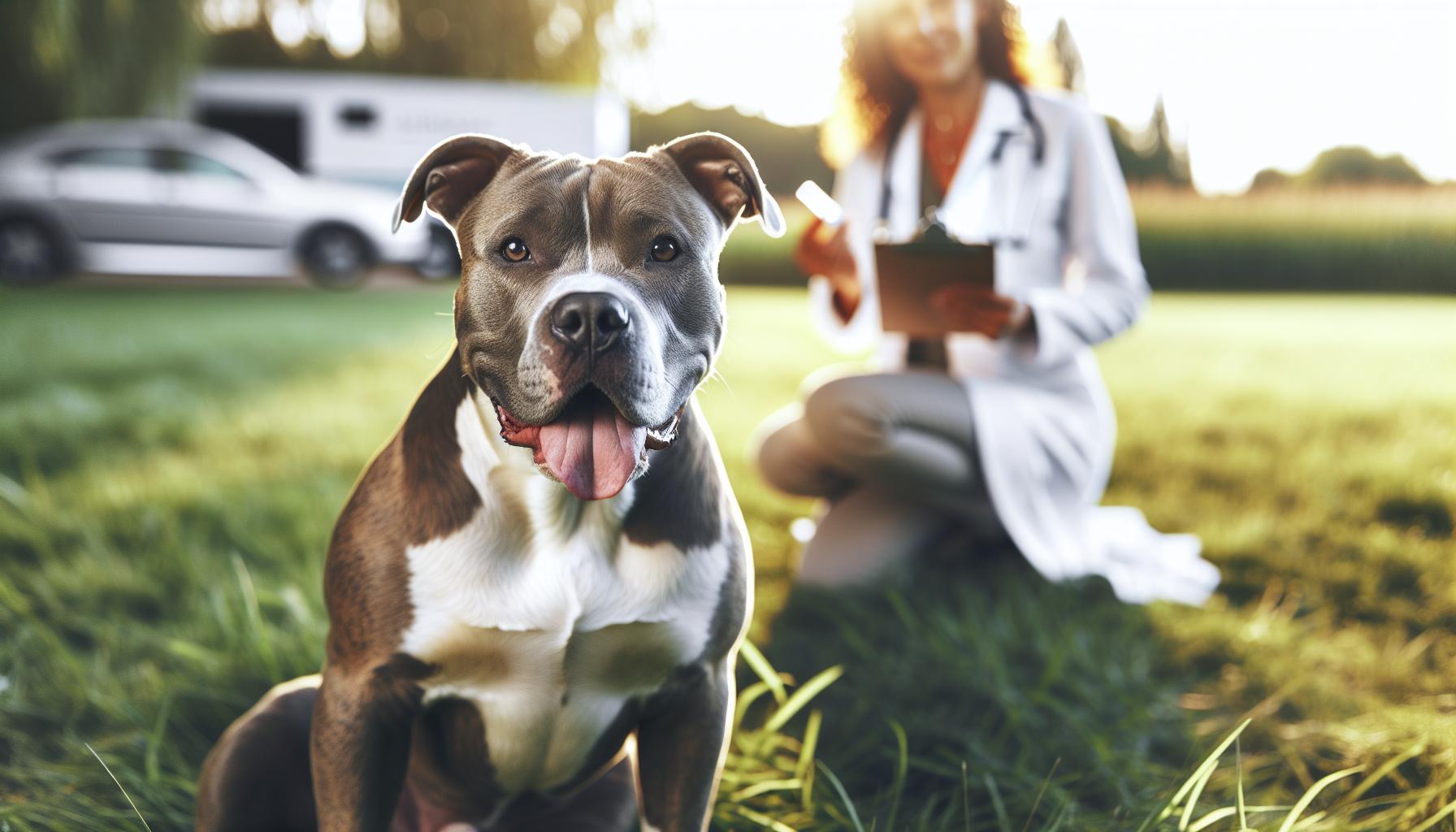
Understanding Pitbull Allergies: An Overview
Understanding that your Pitbull may suffer from allergies can be both enlightening and concerning. Allergies in Pitbulls, like in many breeds, occur when the dog’s immune system reacts to certain substances as if they were harmful invaders. This immune response can manifest through a variety of symptoms, making it essential for you as a pet owner to recognize and address these triggers in your dog’s environment and diet.
Pitbulls can be affected by both environmental and food allergens. Common environmental allergens include pollen, dust mites, mold spores, and certain insect bites. On the other hand, food allergies often stem from proteins such as beef, chicken, or grains. Knowing the potential triggers for your dog can help you take proactive measures to minimize exposure, thereby reducing their allergic reactions.
Each dog is unique, and while some Pitbulls may be sensitive to certain allergens, others may not show any reactions at all. As such, understanding your dog’s particular sensitivities can involve a bit of detective work. Keep a log of any allergic reactions you observe, as well as changes in your dog’s diet or environment. This record can be incredibly helpful for your veterinarian in diagnosing and managing your Pitbull’s allergies effectively.
Providing a safe and comfortable living space for your Pitbull not only enhances their quality of life but also helps in managing their allergies. Keeping your home clean, wearing protective gear when they’re outdoors during high pollen seasons, and discussing dietary adaptations with your veterinarian are just a few steps you can take in creating a supportive environment for your furry friend.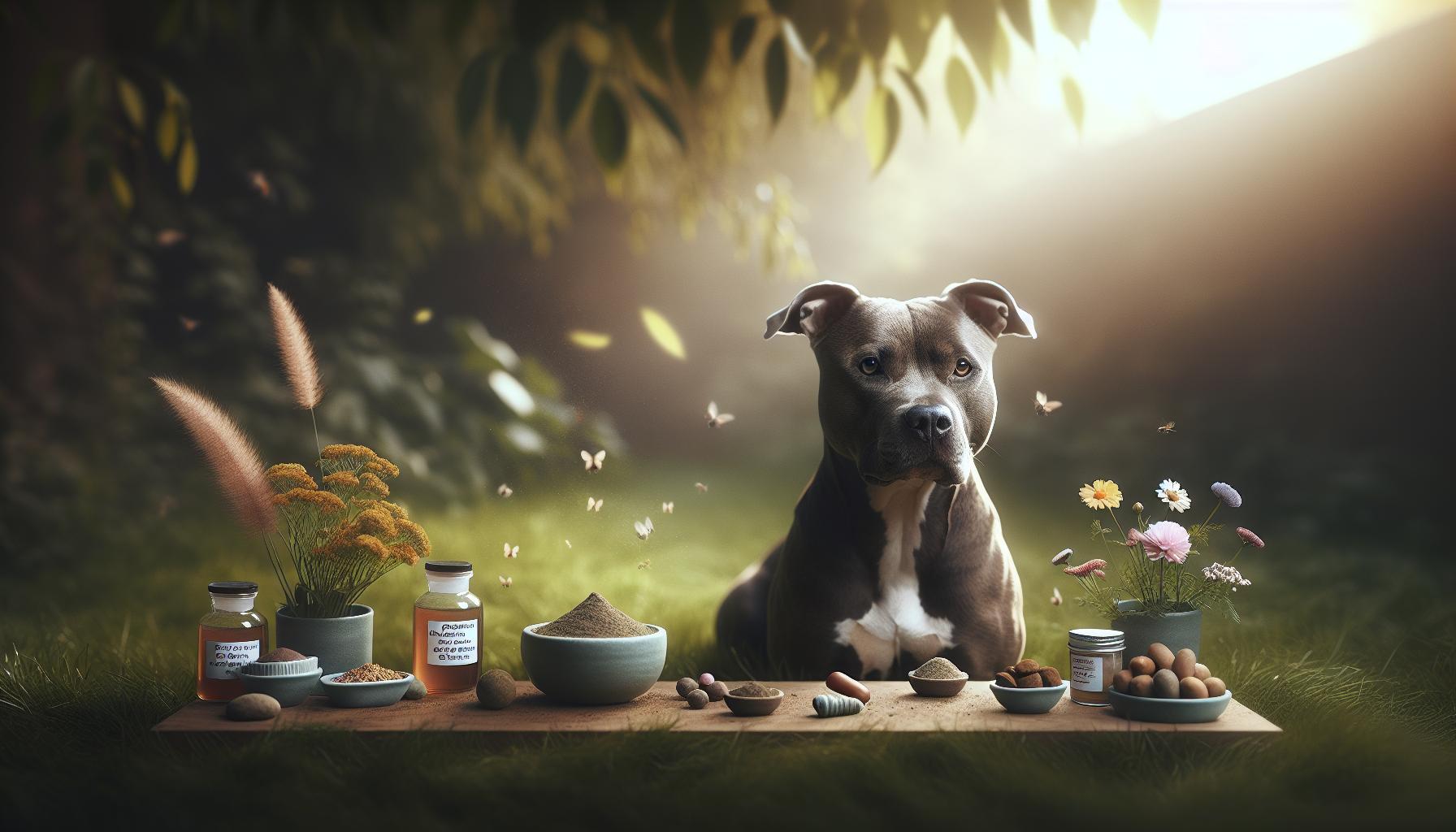
Common Allergen Triggers for Pitbulls
Identifying allergens that may affect your Pitbull is crucial to ensuring their health and comfort. Just like humans, dogs can react negatively to various substances in their environment and diet. By understanding the common triggers, you can take proactive steps to minimize their exposure and alleviate potential allergic reactions.
Common environmental allergens include:
- Pollen: Seasonal allergies typically peak during spring and fall when pollen counts are high. Grass, tree, and weed pollens are common culprits.
- Dust mites: These microscopic pests thrive in warm, humid environments and are often found in bedding, carpets, and upholstered furniture.
- Mold spores: Molds flourish in damp areas and can trigger allergic reactions when inhaled or contacted by your dog’s skin.
- Insect bites: Fleas and ticks can cause significant allergic reactions, especially if your dog is hypersensitive to their saliva.
Food allergens also play a significant role in the health of your Pitbull. Common dietary triggers may include:
- Proteins: Some Pitbulls are allergic to specific proteins such as beef, chicken, or lamb. It’s essential to monitor any changes in behavior or health after introducing these foods.
- Grains: Wheat, corn, and soy are common allergens that can lead to skin issues or gastrointestinal upset in sensitive dogs.
- Dairy products: Many dogs are lactose intolerant and can experience allergic reactions or digestive issues after consuming dairy.
To effectively manage your Pitbull’s allergies, observe their behaviors and reactions closely. Keep a record of any symptoms, noting when they occur and what your dog was exposed to prior. This vigilance will help you identify patterns and make it easier for your veterinarian to diagnose any potential allergies. By being aware of these common triggers and taking preventive measures, you can enhance your dog’s quality of life and keep their allergy symptoms at bay.
Recognizing Symptoms of Allergies in Pitbulls
Understanding the signs of allergies in your Pitbull is essential to ensuring their comfort and well-being. Allergies can manifest in various ways, and being vigilant about your dog’s behavior can help you identify potential issues early on. One common indicator of allergic reactions is skin irritation, which may present as redness, redness, or hives. If you notice your Pitbull scratching, licking, or biting at their skin more than usual, it might be time to investigate further. This behavior often occurs in response to allergens like pollen, dust mites, or certain foods.
Another symptom to watch for is changes in gastrointestinal health. Allergies can cause issues such as diarrhea, vomiting, or gas. If your Pitbull seems to struggle after meals, particularly after introducing new food items, this could indicate a dietary sensitivity or allergy. Keeping a food diary can be incredibly helpful in pinpointing problematic ingredients and facilitating discussions with your veterinarian.
Ear infections are also a red flag. Pitbulls prone to allergies often suffer from recurrent ear infections characterized by itching, redness, or discharge. Pay close attention to your dog’s ears; if they seem to be shaking their head more frequently or rubbing their ears against surfaces, they may be experiencing discomfort from allergens.
Lastly, keep an eye on your Pitbull’s overall energy levels and behavior. Allergies can lead to lethargy or irritability, which may not be immediately linked to an allergic reaction but can significantly impact their quality of life. Observing these behavioral changes in conjunction with physical symptoms can provide a clearer picture of your dog’s allergy status. If you suspect your Pitbull is experiencing allergies, documenting these changes and discussing them with your veterinarian will be crucial steps towards effective management.
Veterinary Diagnosis and Testing for Allergies
Identifying allergies in your Pitbull can be challenging, but veterinary diagnosis and testing play a crucial role in pinpointing specific allergens and developing an effective management plan. A professional vet will take a comprehensive history of your dog’s symptoms, dietary habits, and environmental exposures. This initial assessment is vital, as it helps the veterinarian narrow down potential allergens.
One common diagnostic tool is the elimination diet, where potential food allergens are removed from your dog’s diet for a period of time. After reintroducing them gradually, you can observe any adverse reactions. This method can effectively identify food sensitivities but may require patience and dedication. Alongside dietary assessments, skin testing is another method used. This involves exposing your Pitbull to various allergens to observe in real-time if an allergic reaction occurs. While this method can be effective, it may not always be comprehensive, as some allergens may not trigger immediate responses.
Additionally, blood tests can be performed to measure your Pitbull’s sensitivity to specific allergens. These tests look for antibodies that indicate allergic reactions and can help identify environmental allergies such as pollen, dust mites, or mold. Though these tests can provide valuable insights, they’re often regarded as supplementary to thorough physical examinations and histories.
Diagnosing allergies is an ongoing process, and it’s essential to maintain open communication with your veterinarian throughout the journey. Documenting your Pitbull’s reactions and environments can also facilitate better diagnosis and management. Ultimately, a collaborative and tailored approach will help your beloved companion find relief from allergy symptoms and lead a happier, healthier life.
Effective Home Remedies for Your Pitbull
If your Pitbull is struggling with allergies, implementing effective home remedies can provide much-needed relief and improve their quality of life. Many pet owners find that natural solutions can complement professional treatments while reducing the severity of allergic reactions. Here are some practical strategies you can try at home.
Oatmeal Baths
A soothing oatmeal bath can help alleviate itchy skin associated with allergic reactions. Oatmeal acts as an anti-inflammatory agent and can calm irritated skin. To prepare, grind plain, uncooked oats into a fine powder and sprinkle it into warm bath water. Let your Pitbull soak for 10-15 minutes, which can hydrate and relieve discomfort. Always rinse thoroughly afterward to avoid any residue.
Apple Cider Vinegar
Apple cider vinegar (ACV) has natural antibacterial and antifungal properties that can assist with skin irritations and allergies. Dilute ACV with an equal part of water and apply it to the affected areas with a cotton ball or spray bottle. However, avoid using ACV on broken skin, as it could cause stinging. Regular application may also promote healthy skin and coat.
Omega-3 Fatty Acids
Incorporating omega-3 fatty acids into your Pitbull’s diet can help reduce inflammation and improve skin health. Fish oil supplements are a popular choice; consult your veterinarian for the appropriate dosage. Foods high in omega-3s, such as salmon or flaxseed oil, can also be beneficial. Always ensure that any dietary changes align with your dog’s overall health requirements.
Herbal Remedies
Certain herbs can support your dog’s immune system and help manage allergy symptoms. For example, quercetin, known as nature’s antihistamine, can help stabilize mast cells, reducing histamine release in response to allergens. Another option is nettles, which may alleviate seasonal allergy symptoms. Always consult your veterinarian before starting herbal supplements to ensure safety and effectiveness for your Pitbull.
Adopting these home remedies can help you manage your Pitbull’s allergies while offering comfort and relief. Always monitor your dog for any adverse reactions when trying new treatments, and consult your vet to create a comprehensive care plan tailored to your Pitbull’s specific needs.
Recommended Dietary Changes and Supplements
One of the best strategies to help your Pitbull manage allergies is through careful dietary adjustments. Making informed choices about what you feed your dog can significantly impact their overall health and reduce allergy symptoms. For instance, some Pitbulls may benefit from a hypoallergenic diet designed to eliminate common allergens like grains, soy, and certain proteins. This approach can help identify food sensitivities by isolating these triggers.
Incorporating certain supplements can also offer relief. Omega-3 fatty acids, often found in fish oil, are known for their anti-inflammatory properties. They can improve your dog’s skin health and reduce itching. You might consider adding these supplements to your Pitbull’s diet, but it’s crucial to consult your veterinarian for the appropriate dosage to ensure it complements their nutritional needs. Additionally, probiotics can help improve gut health, which is essential as a healthy digestive system can support the immune response to allergens.
When selecting commercial dog food, look for high-quality options that list whole meats and vegetables as primary ingredients. Brands that offer a limited ingredient diet can be beneficial, providing essential nutrients without unnecessary fillers that could trigger allergies. Keep an eye out for novel proteins, such as kangaroo or rabbit, which are less likely to have been previously exposed to allergens your Pitbull might be sensitive to.
Lastly, don’t overlook the value of homemade meals. Preparing your Pitbull’s food at home allows you to control every ingredient, ensuring you avoid potential allergens. Just be sure to consult with your veterinarian or a pet nutritionist to create balanced meals that meet all of your Pitbull’s dietary requirements.
By focusing on dietary changes and incorporating appropriate supplements, you can take proactive steps to alleviate your Pitbull’s allergy symptoms while enhancing their overall well-being.
Managing Seasonal Allergies in Pitbulls
Seasonal allergies can be particularly challenging for Pitbulls, as they are commonly triggered by environmental factors such as pollen, grass, and mold. When the seasons change, so too can your dog’s comfort levels. Understanding how to manage these seasonal allergies is crucial for keeping your furry friend happy and healthy.
To effectively manage seasonal allergies in your Pitbull, start by identifying the common allergens in your area and during specific seasons. For instance, spring often brings high pollen counts from trees and plants, while late summer may see an increase in mold due to humidity. Keeping your dog indoors during peak pollen times, especially in the early morning or on windy days, can reduce exposure significantly. During walks, consider rinsing your Pitbull’s paws and coat afterward to remove any allergens they may have picked up from outside.
Another critical aspect is maintaining a clean living environment. Regularly vacuuming your home, washing your dog’s bedding, and using air purifiers can help reduce indoor allergens. If your dog has particularly severe reactions, you might want to invest in hypoallergenic dog beds or covers that are easier to clean.
Supplementation and Natural Remedies can also play a valuable role in mitigating allergy symptoms. Omega-3 fatty acids are known for their anti-inflammatory properties and can be helpful in improving skin health. Some owners find success with natural antihistamines like quercetin, but it’s essential to consult your veterinarian before introducing new supplements to your dog’s diet.
Finally, staying vigilant about symptoms such as itching, redness, and excessive licking is vital. Quick response to these signs can prevent more severe reactions. If your Pitbull’s allergies seem to worsen or if home management strategies are insufficient, don’t hesitate to consult a veterinarian for potential medications or treatments that can further aid in their comfort.
By creating a proactive plan that focuses on prevention and mitigation, you can help ensure that your Pitbull enjoys every season with as much joy and ease as possible.
Environmental Control: Reducing Allergen Exposure
To keep your beloved Pitbull comfortable and healthy, especially when dealing with allergies, controlling their environment is paramount. Allergens can be lurking in your home and surroundings, making it essential to create a safe haven for your furry friend. By taking proactive steps to reduce allergen exposure, you can significantly improve your Pitbull’s quality of life.
Start by making your indoor environment as hypoallergenic as possible. Regularly clean your home, focusing on areas where your Pitbull spends the most time. Vacuum frequently with a HEPA filter vacuum cleaner, which can trap allergens like dust, pollen, and dander more effectively than standard vacuums. Washing your dog’s bedding, toys, and any fabrics they come into contact with at least once a week in hot water can also eliminate allergens.
Consider investing in air purifiers equipped with HEPA filters, which can significantly reduce airborne allergens. These devices work hard to capture particles like pollen, dust, and mold spores, helping purify the air your Pitbull breathes. Additionally, keeping windows closed during high pollen seasons and using an air conditioning unit can help maintain a controlled environment that’s less susceptible to outdoor allergens.
Outdoor management is equally important. When taking your Pitbull for walks, choose routes that minimize exposure to known allergens, especially during peak pollen times, which are typically early in the morning or on windy days. After outdoor excursions, a rinse of your dog’s paws and coat can help remove lingering pollen and irritants. Furthermore, keeping your yard well-manicured can reduce the likelihood of allergens like grass and weeds flourishing in your outdoor space.
Lastly, consider using protective measures such as hypoallergenic bedding and dog apparel meant to shield from environmental allergens. These adjustments not only help mitigate allergic reactions but also provide an added layer of comfort, making sure your Pitbull feels secure and at ease in their own home. By diligently controlling their environment and being proactive about allergen exposure, you can greatly enhance your Pitbull’s well-being and happiness.
The Role of Breed Genetics in Allergies
Understanding how genetics play a role in allergies can greatly assist you in caring for your Pitbull. Just like humans, dogs can inherit genetic predispositions that make them more susceptible to certain allergens. This means that some Pitbulls may be more prone to allergies based on their lineage. This trait can stem from a variety of factors, including the breed’s historical lineage and any genetic conditions that have been passed down through generations.
A well-known fact about the Pitbull breed is their sturdy and resilient nature; however, this does not guarantee immunity from allergic reactions. Certain genetic markers associated with immune system function can affect how your Pitbull responds to environmental allergens, food ingredients, or even other animals. Some Pitbulls may experience hypersensitivity to allergens, leading to chronic conditions such as dermatitis, ear infections, or gastrointestinal issues.
Moreover, specific breed variants like the American Pit Bull Terrier might show varying degrees of susceptibility. For instance, those with a higher percentage of hybrid vigor can often resist specific allergens better, while others may seem to be more reactive. It’s essential to monitor your pet’s reactions and consult with a veterinarian who understands your dog’s lineage and specific breed tendencies.
To mitigate these genetic predispositions, you can take proactive steps in managing your dog’s environment and diet. Regular veterinary check-ups can help identify any underlying genetic conditions early, allowing for timely intervention. Results from allergy tests can also guide you in tailoring a diet or treatment plan to better suit your Pitbull’s unique genetic makeup. Understanding the role of genetics is not just about treatment; it empowers you to provide a healthier, happier life for your beloved pet.
Medications and Treatments for Allergic Reactions
When it comes to managing allergies in your Pitbull, understanding the available medications and treatments can make a significant difference in your pet’s comfort and quality of life. Allergies in dogs can manifest in various ways, including itchy skin, gastrointestinal distress, and respiratory issues. Fortunately, there are numerous options to help alleviate these symptoms and address the root causes of allergic reactions.
Veterinary professionals typically recommend a combination of antihistamines, corticosteroids, and topical treatments for managing allergic reactions. Antihistamines, such as diphenhydramine (Benadryl), can help reduce itching and inflammation. They are often used for mild allergies and have fewer side effects compared to steroids. However, it’s essential to consult your veterinarian for the correct dosage based on your dog’s weight and health condition.
For more severe reactions, corticosteroids may be prescribed to help control inflammation and suppress the immune response that leads to allergic symptoms. While effective, long-term use of steroids can have potential side effects, including increased thirst and hunger, so they should be used with caution and under veterinary supervision. Additionally, topical treatments, like hydrocortisone creams or medicated shampoos, can provide localized relief for skin irritations without involving systemic medication.
In some cases, immunotherapy-also known as allergy shots-can be a powerful long-term solution. This treatment involves administering small, gradually increasing doses of the allergens causing your dog’s reactions, which helps build tolerance over time. Although it requires commitment and patience, many pet owners find significant improvement in their dog’s allergy symptoms after completing the treatment course.
It’s also worth noting that there are several natural supplements and alternative therapies that can be beneficial in treating allergies. Omega-3 fatty acids, for example, are known to support skin health and reduce inflammation. Herbal remedies, such as turmeric, might also offer anti-inflammatory benefits. However, it’s crucial to discuss any alternative treatments with your veterinarian before starting them, as they can interact with conventional medications.
In summary, effective management of allergies in Pitbulls may involve a combination of prescribed medications, natural supplements, and lifestyle adjustments tailored to your dog’s specific needs. Working closely with your veterinarian will help ensure that you choose the most suitable and effective approach for your beloved companion, enhancing their overall well-being and quality of life.
When to Seek Professional Help for Allergies
When your Pitbull shows signs of allergies, it’s essential to recognize when to tap into professional help. Allergies can lead to serious discomfort and health issues if not addressed properly, so understanding the right moments to seek veterinary assistance is crucial for your dog’s well-being.
If your dog experiences persistent symptoms such as excessive scratching, biting at the skin, or licking paws that don’t improve with basic home remedies, it’s time to consult a veterinarian. These behaviors often indicate that your Pitbull is dealing with more than just seasonal allergies or a minor irritant. Additionally, if you observe any gastrointestinal issues, like vomiting or diarrhea, that accompany skin irritations, professional guidance is necessary to rule out food allergies or intolerance.
Moreover, severe reactions, including difficulty breathing, swelling, or hives, require immediate veterinary care. These symptoms could signal a serious allergic reaction that may need urgent treatment, including antihistamines or other emergency medications. Always err on the side of caution: if your Pitbull exhibits any drastic changes in behavior or health that concern you, your veterinarian’s expertise is invaluable.
Finally, if your dog’s allergy symptoms are recurrent or you find yourself frequently managing flare-ups, consider reaching out to your vet for a comprehensive allergy testing. This can help identify specific allergens and enable a targeted treatment plan, greatly enhancing your Pitbull’s quality of life. Remember, your dog’s health is worth the extra step of professional evaluation and tailored care.
Enhancing Your Pitbull’s Quality of Life with Allergy Management
Managing allergies in your Pitbull not only alleviates discomfort but also enhances their overall quality of life. With the right approach, you can create a supportive environment that helps your furry friend thrive despite their sensitivities. Start by implementing a consistent routine that includes regular grooming. Brushing your Pitbull’s coat helps remove allergens that might settle in their fur, while also promoting healthy skin and bonding time between you both.
Additionally, consider a balanced diet tailored to your dog’s needs. Foods rich in omega-3 fatty acids, such as fish oil, can help reduce inflammation and improve skin health. Consulting with a veterinarian about specific dietary changes or hypoallergenic options can refine your Pitbull’s nutrition and bolster their immune system. Supplements like probiotics may also aid in maintaining gut health, which is crucial for managing allergies.
Creating a controlled environment is paramount. Keep your home clean with frequent vacuuming and washing of bedding to minimize dust and pollen accumulation. When pollen counts are high, limiting outdoor activities can help reduce exposure to seasonal allergens. You may also explore the use of air purifiers with HEPA filters, which can effectively reduce airborne allergens inside your home.
Another key component of effective allergy management is understanding your dog’s specific triggers. Keeping a diary of symptoms and potential allergens encountered can help identify patterns and inform your veterinary visits. With the right strategies and ongoing communication with your vet, you can significantly improve your Pitbull’s comfort and quality of life, allowing them to enjoy their adventures with you to the fullest.
Frequently asked questions
Q: What are some common signs of allergies in Pitbulls?
A: Common signs of allergies in Pitbulls include itchy skin, excessive scratching, red or inflamed skin, and ear infections. You might also notice watery eyes or sneezing. If you observe these symptoms, it’s crucial to consult a veterinarian for proper diagnosis and treatment.
Q: How can I help manage my Pitbull’s allergies naturally?
A: To manage your Pitbull’s allergies naturally, consider oatmeal baths to soothe itchy skin and use coconut oil for its moisturizing properties. Additionally, explore environmental controls, such as minimizing exposure to allergens and maintaining a clean living space, which can significantly reduce allergic reactions.
Q: Are certain foods more likely to cause allergies in Pitbulls?
A: Yes, common food allergens for Pitbulls include beef, chicken, wheat, and soy. If you suspect food allergies, consider switching to a novel protein diet or grain-free food to identify and eliminate the trigger. Always consult your vet before making changes to your dog’s diet.
Q: When should I consider allergy testing for my Pitbull?
A: You should consider allergy testing for your Pitbull if symptoms persist despite home treatments or dietary changes. Testing can help identify specific allergens, allowing for tailored management strategies. Consult your veterinarian to discuss the best timing and methods for testing.
Q: Can environmental factors worsen allergies in Pitbulls?
A: Yes, environmental factors like pollen, dust mites, and mold can worsen allergies in Pitbulls. To minimize exposure, ensure your home is clean and use air purifiers. Regular bathing and grooming can also help remove allergens from your dog’s coat and skin.
Q: What role do genetics play in Pitbull allergies?
A: Genetics can play a significant role in the likelihood of allergies in Pitbulls. Some dogs may inherit a predisposition to certain skin conditions or sensitivities. If you notice persistent allergy symptoms, it may be worth discussing breed-specific health concerns with your veterinarian.
Q: How can I tell if my Pitbull’s symptoms are allergy-related?
A: To determine if your Pitbull’s symptoms are allergy-related, look for patterns, such as seasonal flare-ups or reaction to specific foods. Observations about when symptoms worsen can help your vet pinpoint causes. Documentation can aid your vet in making an accurate diagnosis.
Q: What medications are commonly prescribed for Pitbull allergies?
A: Common medications for Pitbull allergies include antihistamines, corticosteroids, and topical treatments. Your veterinarian will prescribe the most suitable option based on the severity of your dog’s symptoms and the underlying cause. Regular veterinary check-ups can keep allergic reactions in check.
Future Outlook
Understanding and addressing your Pitbull’s allergies is essential for their health and happiness. By identifying common triggers and implementing effective solutions, you can improve your dog’s well-being significantly. If you found this information helpful, don’t wait-take action today! Consider consulting with your veterinarian to discuss allergy testing or exploring hypoallergenic dog food options.
For more valuable insights, check out our articles on Nutrition and Health Tips for Pitbulls and Essential Care Practices to Keep Your Pitbull Thriving. These resources can help you provide the best for your furry friend. We invite you to engage further-subscribe to our newsletter for the latest updates or share your experiences in the comments section below. Together, let’s celebrate and support responsible Pitbull ownership while ensuring our beloved pets lead happy, healthy lives!
Get our latest guides, news, and insights highlighted in your Google Search & AI Overviews.