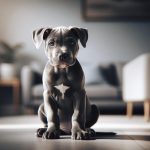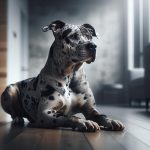
Did you know that just like humans, dogs can experience allergic reactions that manifest in a variety of ways, including hives? This can be particularly concerning for Pitbull owners, as these loyal companions may develop hives due to allergies from food, environmental factors, or insect bites. Understanding how to recognize and treat dog hives is crucial for ensuring your beloved Pitbull remains comfortable and healthy. As a responsible pet owner, you want to provide the best care possible, and knowing how to address allergic reactions is a key part of that journey. In this article, we’ll explore effective treatment options for managing hives in your Pitbull, along with helpful tips for preventing future outbreaks. So, let’s dive in and keep your furry friend feeling their best!
Understanding Dog Hives in Pitbulls
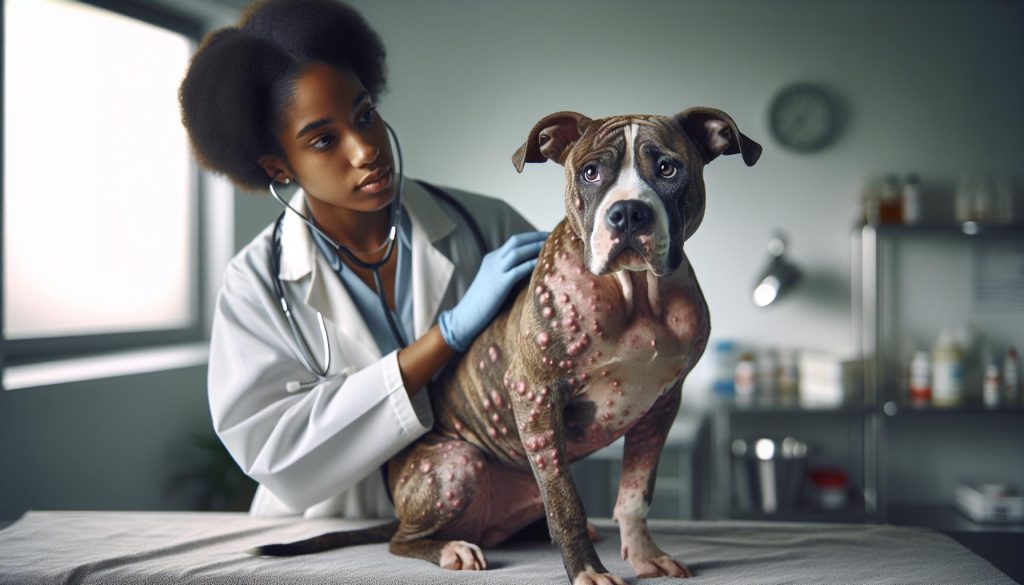
Dogs, including Pitbulls, can experience hives, which are raised welts on the skin often resulting from an allergic reaction. Understanding dog hives is crucial for any Pitbull owner, as these reactions can indicate more significant health issues. The condition itself is a manifestation of an allergic response, where the body releases histamines into the bloodstream. This causes localized swelling, itching, and redness, which can vary in intensity from mild to severe, sometimes even leading to anaphylaxis in serious cases.
Recognizing the triggers for hives is important, as they can stem from various allergens, including certain foods, insect bites, environmental irritants, and medications. A Pitbull’s skin is relatively sensitive, and factors such as exposure to chemicals in household cleaners, pollen, or even specific types of bedding can elicit a reaction. Observing your dog’s environment and their reactions can provide insight into potential allergens. If your Pitbull experiences hives, it’s crucial to identify and eliminate the suspected allergen from their surroundings.
Immediate recognition of hives is essential. Look for signs such as swelling, redness, and areas of itching or irritation on your dog’s body. Keep a record of when hives occurred and any changes in your dog’s diet or environment that preceded the outbreak. This information can be invaluable when consulting with a veterinarian, who may recommend allergy testing or other diagnostic measures. Quick action not only soothes your Pitbull’s discomfort but can also prevent escalation into more serious conditions if treated promptly.
Common Causes of Allergic Reactions in Pitbulls
Understanding the common triggers behind allergic reactions in Pitbulls is essential for effective prevention and management. These wonderful dogs, known for their loyalty and strength, can be particularly sensitive to various allergens due to their unique skin and immune system characteristics. When exposed to certain substances, your Pitbull’s body may react by producing hives, leading to the discomfort that can affect their quality of life.
A wide array of allergens can lead to an allergic response, but some are more common than others. Here are a few key categories to consider:
Food Allergens
Pitbulls can be susceptible to food allergies, with symptoms often manifesting as hives. Ingredients like beef, chicken, dairy, and wheat are frequent culprits. If you notice an outbreak of hives following a meal, it might be beneficial to consult with your veterinarian about a hypoallergenic diet or food trials to identify offending ingredients.
Environmental Allergens
Your Pitbull may encounter environmental triggers such as pollen, dust mites, mold, and other pollutants while out for walks or playing outside. These allergens can be particularly problematic during certain seasons when pollen levels are high. Keeping an eye on weather patterns and reducing outdoor exposure during peak times can help mitigate these reactions.
Insect Bites
Insect bites, especially from fleas and mosquitoes, are another significant source of allergic reactions in dogs. A single bite can sometimes trigger a chain reaction of discomfort leading to hives. Regular flea prevention and careful monitoring for insect activity can protect your Pitbull from these irritants.
Medications and Chemicals
Lastly, medications and chemical exposure-such as household cleaners, pesticides, or shampoos-can provoke allergic responses. Always choose hypoallergenic products for grooming and cleaning, and when administering any medication, do so under your veterinarian’s guidance.
By being vigilant and observant about potential allergens in your Pitbull’s environment and diet, you can help reduce the likelihood of allergic reactions and keep your furry friend happy and healthy.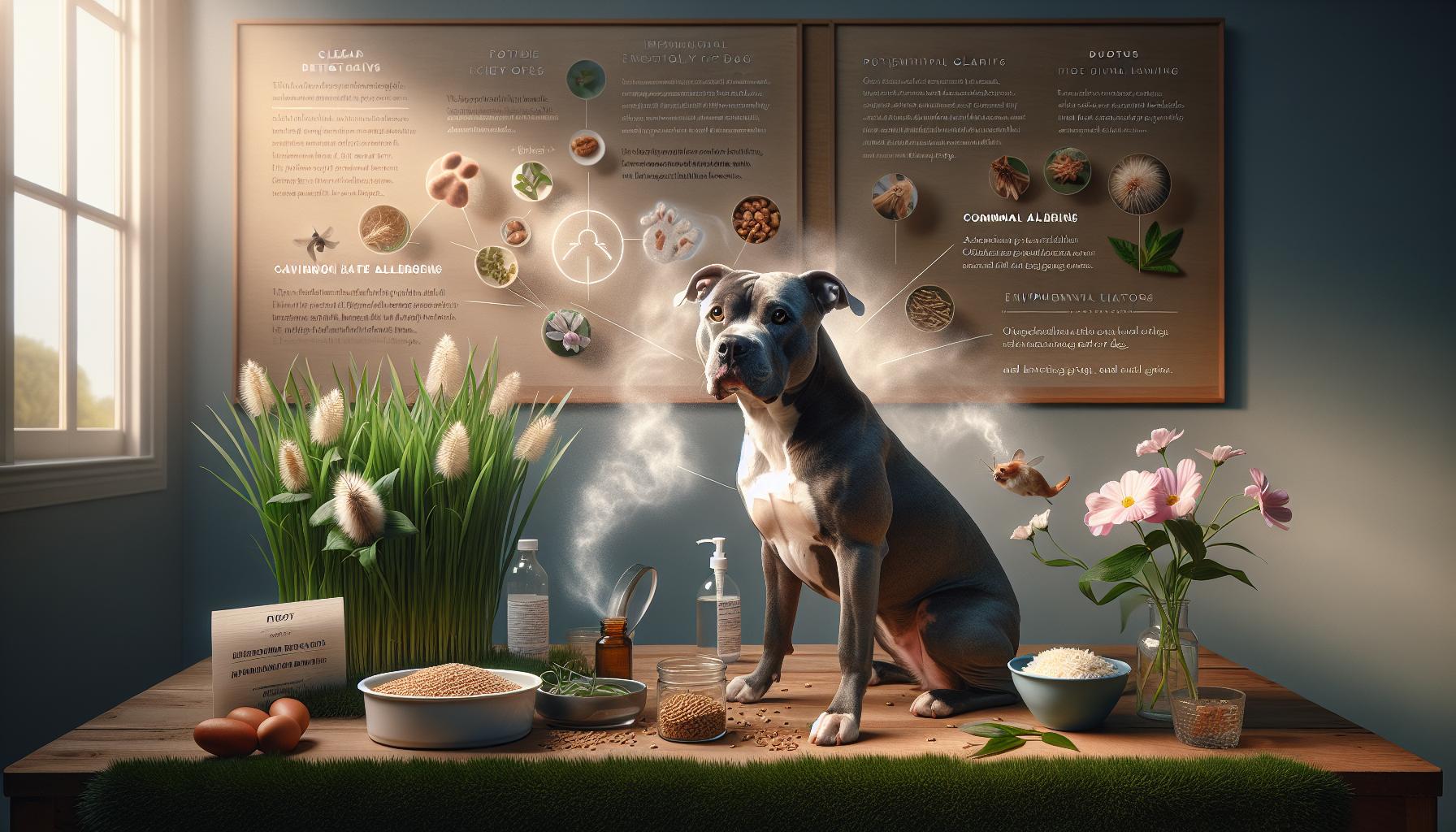
Recognizing Symptoms of Dog Hives in Your Pitbull
Observing your Pitbull closely can mean the difference between identifying a minor issue and addressing a serious allergic reaction. Dog hives, known medically as urticaria, manifest as raised welts or bumps on the skin and can cause your beloved companion significant discomfort. Recognizing these symptoms quickly not only alleviates their distress but also helps pinpoint the underlying cause of their reaction.
Some of the most common signs to look for include:
- Raised Bumps: The most visible symptom is the appearance of welts or bumps on your Pitbull’s skin, typically reddish and swollen. These can vary in size and may appear in clusters.
- Itching and Scratching: Your Pitbull may begin to scratch or bite at the affected areas, attempting to relieve the itching sensation. This behavior can exacerbate skin irritation and lead to further complications.
- Swelling: Look out for localized swelling, particularly around the face, ears, or paws. This can sometimes be mistaken for other conditions, so careful observation is crucial.
- Changes in Behavior: Allergic reactions can cause discomfort, leading to changes in your Pitbull’s behavior. You might notice them being more withdrawn or acting lethargic, which can indicate they are not feeling well.
- Gastrointestinal Symptoms: In some cases, allergies can trigger digestive issues, resulting in vomiting, diarrhea, or loss of appetite. If you observe these symptoms alongside skin reactions, it’s vital to consult with your veterinarian as it may indicate a more severe allergic response.
If you notice any combination of these symptoms in your Pitbull, it is essential to act promptly. Monitoring their condition and consulting your veterinarian can help diagnose the underlying cause of the hives, ensuring your dog receives the appropriate care. Remember, addressing allergic reactions quickly not only relieves discomfort but also prevents more severe health issues down the line, allowing your loyal friend to return to their playful, happy self.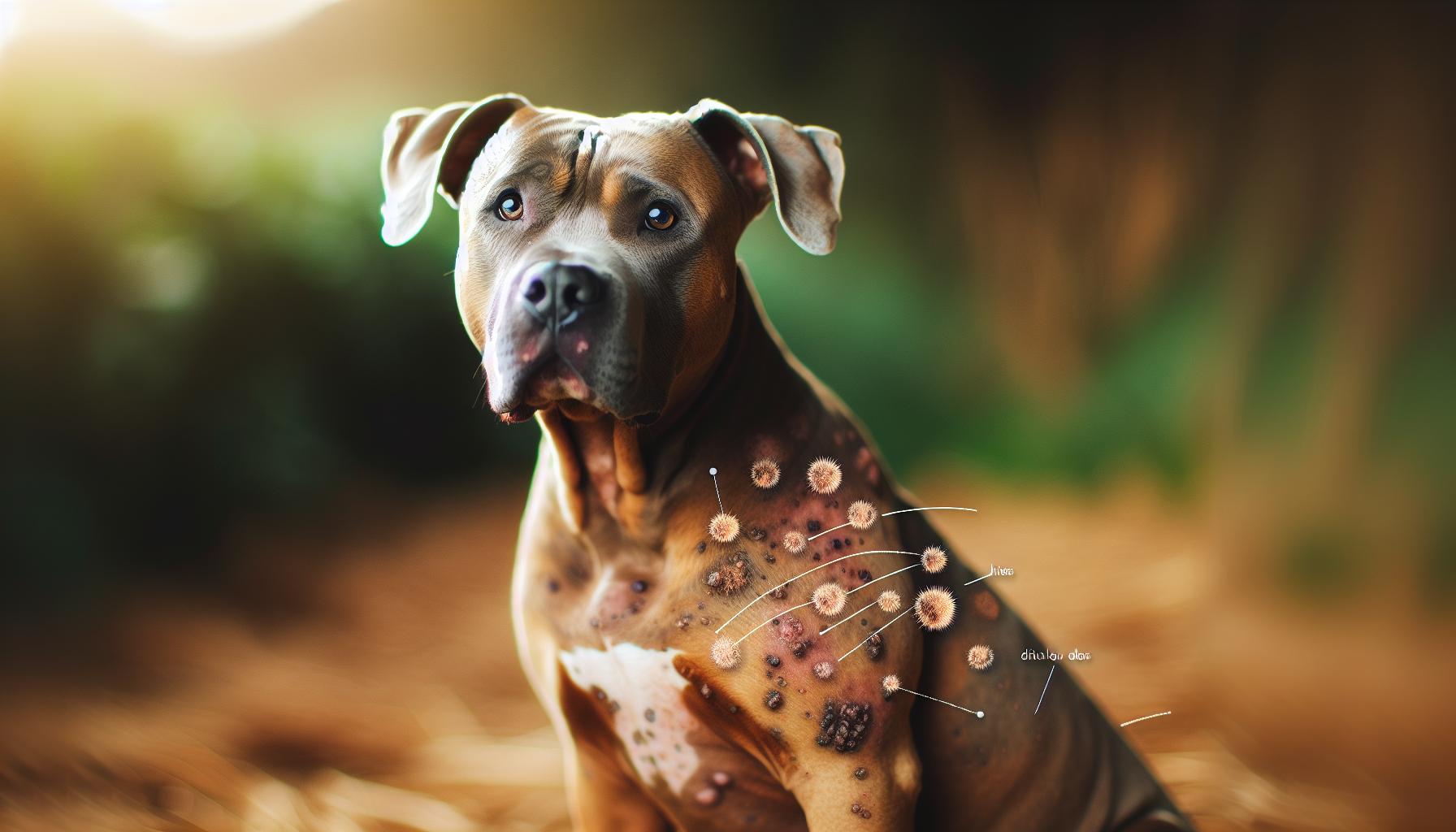
Immediate First Aid for Allergic Reactions
When your Pitbull shows signs of an allergic reaction, such as hives or swelling, immediate first aid can significantly ease their discomfort and prevent the situation from worsening. The first step is to remain calm. Your dog can sense your anxiety, which may exacerbate their stress. Start by assessing the severity of their reaction and gather any information regarding what might have triggered it, whether that’s a recent change in food, a new environment, or exposure to a potential allergen.
One effective first aid measure is to apply a cool compress to the affected areas. This can help reduce swelling and provide soothing relief from the itching associated with hives. Simply take a clean cloth, dampen it with cold water, and gently apply it to your dog’s skin for about 10-15 minutes. Ensure that your dog remains comfortable during this process and monitor them closely for any sign of distress.
If your Pitbull is experiencing moderate to severe symptoms, such as difficulty breathing or extensive swelling, it’s crucial to seek veterinary care immediately. In the meantime, you might consider giving your dog an antihistamine, such as diphenhydramine (Benadryl), but it’s vital to consult with your veterinarian for guidance on appropriate dosing based on your dog’s weight and health status. Remember, while over-the-counter medications can be helpful, they should never replace professional veterinary advice.
Finally, keeping your dog calm and comfortable is essential until help is available. Offer them a safe space to relax, away from other pets and loud noises, where they can feel secure. This immediate action not only demonstrates your care but also helps mitigate the impact of the allergic reaction, allowing your Pitbull to feel a bit better while waiting for professional assistance.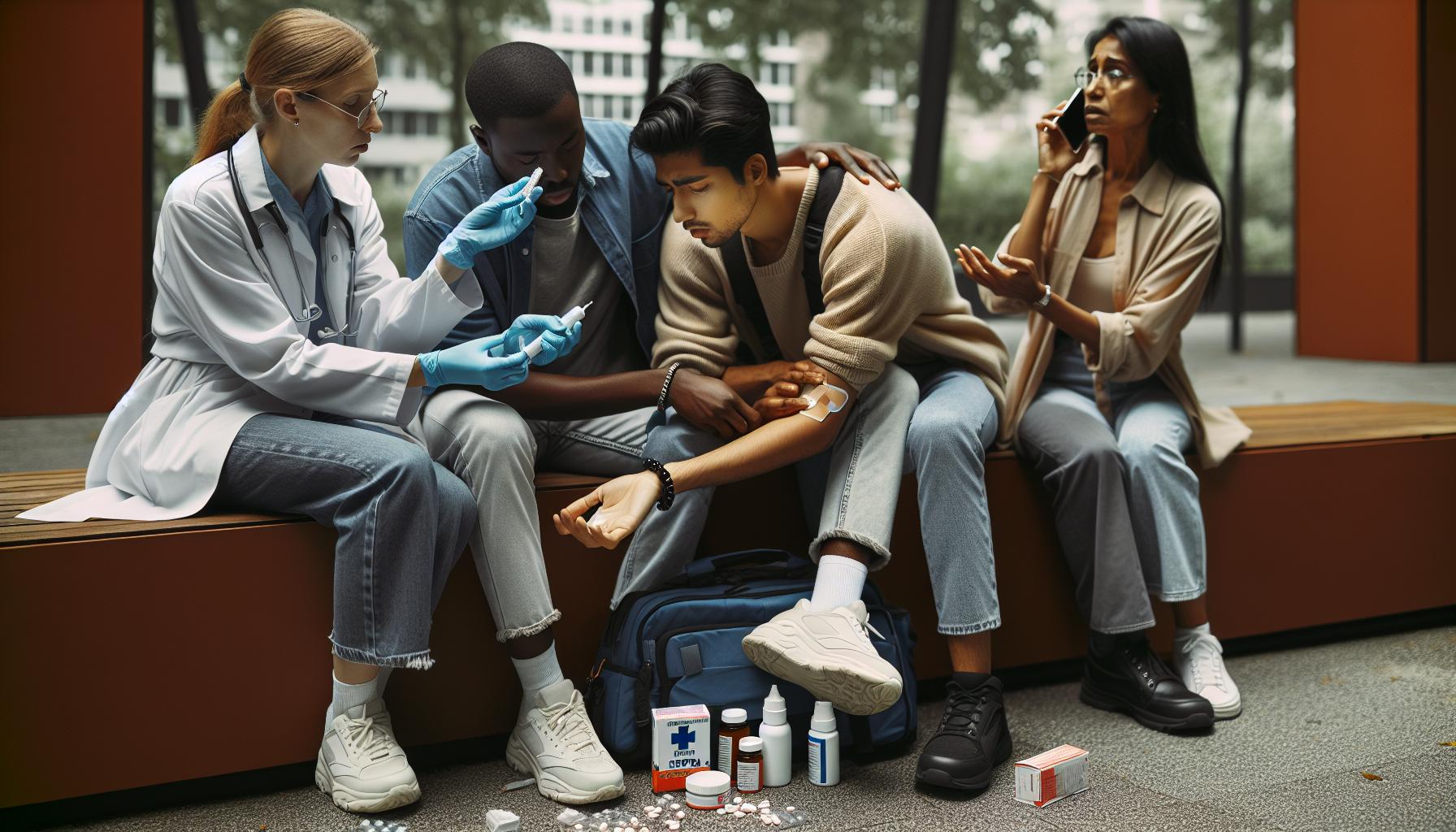
Veterinary Treatments for Dog Hives
When dealing with dog hives in your Pitbull, seeking veterinary treatment is crucial to ensure your pet receives the best care possible. Hives can be symptomatic of more severe allergic reactions, including anaphylaxis, so prompt intervention can make a significant difference in your dog’s comfort and health. Your veterinarian will start by taking a thorough history, including any recent changes in diet, environment, or exposure to allergens.
One of the most common veterinary treatments for hives is the administration of antihistamines, such as Benadryl, which can help alleviate itching and reduce swelling. Your vet will determine the appropriate dosage based on your dog’s size, weight, and overall health. In more severe cases, corticosteroids may be prescribed to control inflammation and prevent further allergic reactions. These corticosteroids can be effective but are typically used for a limited duration due to potential side effects with long-term use.
Diagnostic Tests
To pinpoint the underlying cause of your Pitbull’s allergic reaction, your veterinarian may recommend additional diagnostic tests. Common tests include:
- Skin Scrapes: To rule out parasites like fleas or mites.
- Blood Tests: To identify specific allergens through allergy testing.
- Food Trials: In cases where food allergies are suspected, your vet might recommend a limited ingredient diet to monitor for reactions.
Early veterinary intervention can prevent the escalation of symptoms and ensure your Pitbull is comfortable and safe. Regular follow-ups may also be necessary to adjust treatments and effectively manage your dog’s allergies over time.
In addition to medication, your veterinarian will likely provide guidance on lifestyle changes, including avoiding known allergens and possible environmental modifications to create a more comfortable living space for your dog. By collaborating with your vet and being proactive about your Pitbull’s health, you can help your furry friend lead a happier, more comfortable life.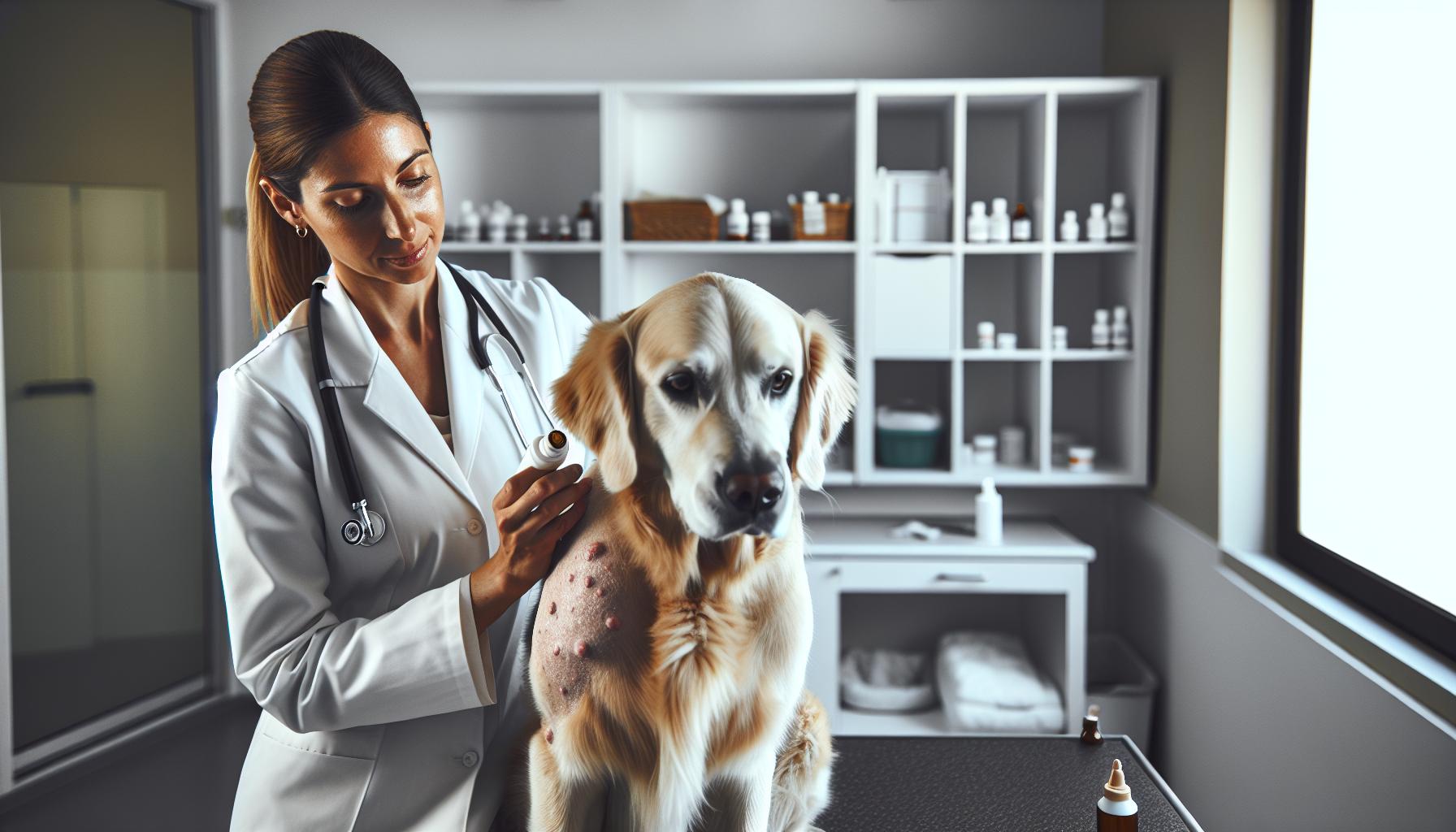
Natural Remedies for Pitbull Allergies
When your Pitbull suffers from allergies leading to hives, considering natural remedies can be a valuable part of your management strategy. These remedies often provide gentle relief and can be used alongside veterinary treatments to ease discomfort and promote skin healing. While it’s essential to consult your veterinarian before starting any natural remedy, many owners have found success with the following options.
One widely praised natural approach is the use of oatmeal baths. Oatmeal is known for its soothing properties and can help alleviate itching and irritation. Simply grind plain, uncooked oats into a fine powder and add it to warm bathwater. Allow your Pitbull to soak for about 10-15 minutes. This can provide immediate relief from itching and help calm inflamed skin.
Another effective remedy is coconut oil, which acts as a moisturizer and has anti-inflammatory properties. You can apply organic coconut oil directly to your dog’s skin to help soothe irritated spots. Additionally, incorporating a small amount of coconut oil into your dog’s diet may enhance skin health and overall immune support.
Apple cider vinegar (ACV) is also a popular choice among dog owners for its antifungal and antibacterial properties. Dilute ACV with equal parts water and apply it to your dog’s skin using a spray bottle or cotton ball. This can help reduce itchiness and irritation caused by allergens. However, avoid using ACV on open wounds or extremely irritated areas, as it may sting.
Lastly, consider infusing your Pitbull’s diet with omega-3 fatty acids, which can be beneficial for any dog with skin issues. These fatty acids can be found in fish oil or flaxseed oil and can help reduce inflammation and improve coat health. Always check with your vet for appropriate dosages before introducing new supplements.
Incorporating these natural remedies into your Pitbull’s care routine can provide additional support in managing allergies. Remember to monitor your dog’s response to any new treatment and stay in communication with your veterinarian to ensure optimal health and safety.
Preventing Allergic Reactions in Pitbulls
Understanding how to prevent allergic reactions in your Pitbull is fundamental for ensuring their comfort and well-being. These spirited dogs can be particularly sensitive to various allergens, leading to distressing conditions like hives. Fortunately, there are numerous proactive steps you can take to minimize the risk of allergic reactions and help maintain your dog’s happiness and health.
One of the most effective preventive measures is to identify and minimize exposure to known allergens. Common triggers for Pitbulls include food sensitivities, pollen, dust mites, mold, and certain chemicals found in household products. Keeping a symptom journal can help you track what your dog was exposed to before any allergic reactions occur, thus allowing you to make informed changes. For example, consider switching to hypoallergenic dog food that avoids common allergens like wheat, corn, and soy.
Maintaining a clean environment is also crucial. Regularly cleaning your home can significantly reduce the number of allergens your Pitbull encounters. Vacuuming rugs, washing pet bedding weekly, and using air purifiers can help eliminate dust and dander. When outdoors, try to bathe your dog after trips to grassy areas or parks to wash off any pollen or allergens that may cling to their coat.
Additionally, consider supplementing your Pitbull’s diet with omega-3 fatty acids, which have been shown to support skin health and reduce inflammatory reactions. Adding fish oil or flaxseed oil to their meals can provide long-term benefits for dogs predisposed to seasonal allergies. Always consult your vet before making significant dietary changes to ensure they meet your dog’s specific needs.
By adopting these preventive strategies, you can significantly decrease the likelihood of hives and other allergic reactions in your beloved Pitbull, enhancing their quality of life and allowing them to thrive in a healthy, comfortable environment.
Nutritional Considerations for Allergy-Prone Dogs
Understanding the right nutrition for your Pitbull, especially if they are prone to allergies, is crucial in maintaining their health and well-being. With the unique dietary needs of this breed, your choices can significantly impact their skin health and immune response, potentially reducing the likelihood of allergic reactions and the distressing symptoms that accompany them, such as hives.
To begin with, selecting a hypoallergenic diet can be a game-changer. Many commercial dog foods contain common allergens like wheat, soy, and corn, which can exacerbate allergic reactions in sensitive dogs. Transitioning to either a limited ingredient diet (LID) or one that features novel proteins-such as duck, lamb, or fish-can help minimize exposure to potential triggers. Always introduce any new food gradually to avoid gastrointestinal upset.
Supplementation can also play a vital role. Incorporating omega-3 fatty acids from fish oil or flaxseed oil can provide anti-inflammatory benefits, helping to soothe irritated skin and promote a healthier coat. These fatty acids not only support skin health but also contribute to improved brain function and cardiovascular health, making them an essential addition to your dog’s diet. Moreover, antioxidants found in fruits and vegetables can bolster your dog’s immune system, aiding in their battle against allergens.
When considering treats, opt for those made with simple, natural ingredients. Homemade treats can be an excellent option, allowing you to control exactly what your dog is consuming. Ingredients like pumpkin, sweet potatoes, and lean meats are not only nutritious but are also less likely to trigger allergic reactions. Pay close attention to ingredient labels and avoid artificial additives or preservatives that could cause sensitivity.
In summary, focusing on a well-balanced, nutritious diet while being mindful of potential allergens can significantly improve the quality of life for your Pitbull. Regular consultations with your veterinarian can ensure that you’re meeting your dog’s specific dietary needs and health goals. By prioritizing nutrition, you’re providing a strong foundation for your furry friend to thrive.
Identifying Environmental Allergens for Your Pitbull
Recognizing the environmental factors that can trigger allergic reactions, including hives, is essential for maintaining your Pitbull’s health and comfort. Many dogs, including Pitbulls, develop sensitivities to a variety of allergens present in their surroundings. These can range from substances in your home to elements in the outdoors. By being proactive in identifying and managing these allergens, you can help minimize the risk of hives and other allergic symptoms.
One of the most common environmental allergens is pollen from grasses, trees, and weeds. During specific seasons, especially spring and fall, pollen counts can soar, exacerbating allergy symptoms in sensitive dogs. To help your Pitbull, consider limiting outdoor time during peak pollen hours and bathing them regularly to remove allergens that may have settled in their fur. It’s also wise to monitor your local pollen forecast to plan your walks accordingly.
Another potential trigger is dust mites, which thrive in household dust, upholstery, and bedding. Regular cleaning, including washing your dog’s bedding and vacuuming carpets with a HEPA filter, can significantly reduce dust mite populations. If your Pitbull shows signs of itching or hives after being indoors for a while, it could be worth inspecting your home’s environment for signs of excessive dust accumulation.
Other Common Environmental Allergens
- Mold Spores: Mold can be found both indoors and outdoors. Keep areas where your dog frequents dry and well-ventilated.
- Flea Saliva: Fleas are not only bothersome but can also trigger severe allergic reactions. Regular preventive treatments are crucial.
- Household Cleaning Products: Some chemicals in cleaners can irritate your dog’s skin or respiratory system. Opt for fragrance-free, natural cleaning supplies.
By observing your dog’s reactions to various environments and keeping track of when symptoms occur, you can start to identify specific allergens. Consult with your veterinarian for allergy testing if you suspect multiple triggers, as this can help pinpoint the exact causes. This information will allow you to customize your approach to your dog’s care, ensuring they live a more comfortable life free from the distress of allergic reactions.
Managing Long-Term Allergies in Your Pitbull
can feel overwhelming, but it is essential for their health and comfort. Did you know that many dogs, particularly certain breeds, have genetic predispositions to allergies? This means your Pitbull might be more likely to experience allergic reactions, including hives, throughout their life. Understanding and managing these long-term allergies can significantly improve their quality of life and reduce uncomfortable symptoms.
To effectively manage your Pitbull’s allergies, start with a consistent routine for monitoring their environment and health. Regular weekly cleaning can help keep potential allergens, such as dust, mold, and pet dander, at bay. Implement an air purification system and use allergy-friendly products to minimize irritants in your home. Additionally, consider establishing a regular grooming routine-bathing your dog every few weeks with hypoallergenic shampoos can help remove allergens from their skin and coat. During allergy season, you might also want to wipe their paws and fur after walks to prevent the transfer of pollen into your home.
Diet plays a crucial role in managing long-term allergies as well. Some Pitbulls benefit from a limited ingredient diet to identify and eliminate trigger foods. Consult your veterinarian about hypoallergenic food options or consider a diet rich in omega-3 fatty acids to promote skin health and reduce inflammation. Keeping track of your dog’s diet and noting any changes in symptoms can provide valuable insights into their potential food allergies.
Additionally, don’t hesitate to work closely with your veterinarian to create a tailored allergy management plan. This may include regular check-ups, allergy testing, or even immunotherapy. Many Pitbull owners have found success with these treatments, which help desensitize their dogs to specific allergens over time. By embracing a proactive approach and fostering an open line of communication with your vet, you can develop a comprehensive strategy to help your Pitbull live happily and comfortably with their allergies.
The Role of Breed Genetics in Allergies
Genetics plays a vital role in determining how your Pitbull responds to allergens and why some may be more prone to allergic reactions, including hives. Certain breeds, including Pitbulls, have a genetic predisposition to skin sensitivities and allergies, which can lead to conditions such as atopic dermatitis. This means that if you have a Pitbull, it’s crucial to be aware that they may be more susceptible to allergens, thus leading to not just hives but other skin irritations as well.
Research suggests that the breed’s history and lineage can influence their immune response. For instance, the heritage of the Pitbull includes traits developed for resilience, yet also might carry along the risk of heightened allergies due to their close genetic ties with other breeds known for skin issues. Some studies even indicate that the immune systems in certain breeds respond differently to environmental factors like pollen, dust mites, and molds, which can manifest as hives or other allergic symptoms.
To effectively manage your Pitbull’s allergies, consider proactive steps highlighting their genetic tendencies. Regular grooming, to remove allergens from their coat, and a carefully monitored diet can play significant roles in alleviating symptoms. Moreover, working closely with your veterinarian is essential to determine the best course of action tailored to your dog’s specific genetic background and allergy profile. If your Pitbull shows signs of distress, understanding the genetic component can inform your care strategy and help maintain their comfort and health amidst challenges posed by allergies.
Faq
Q: What are the signs of hives in Pitbulls?
A: Signs of hives in Pitbulls include raised, itchy welts on the skin, swelling, and redness. You might also notice excessive scratching or licking. If you see these symptoms, it’s crucial to consult your veterinarian for proper identification and treatment.
Q: Can food allergies cause hives in Pitbulls?
A: Yes, food allergies can trigger hives in Pitbulls. Common allergens include beef, chicken, dairy, and grains. It’s essential to identify any specific food triggers, which can be done through an elimination diet under veterinary guidance.
Q: How can I treat my Pitbull’s hives at home?
A: For mild cases, you can administer an antihistamine approved by your vet to help reduce itching. A cool compress can also provide relief. However, if symptoms persist or worsen, seek veterinary care immediately.
Q: Are certain Pitbulls more prone to hives?
A: Some Pitbulls may be genetically predisposed to allergic reactions, which can include hives. Factors like environmental sensitivities and individual health history also play a significant role. Regular check-ups can help monitor their health.
Q: When should I take my Pitbull to the vet for hives?
A: You should consult your vet if your Pitbull’s hives are severe, persistent, or accompanied by other symptoms like difficulty breathing or swelling of the face. Immediate veterinary attention is important in such cases.
Q: Can stress cause hives in Pitbulls?
A: Yes, stress can be a factor in triggering hives due to its impact on the immune system. Changes in routine, environment, or traumatic events can lead to allergic reactions, including skin issues. Managing stress is crucial for overall health.
Q: What is the best preventative care for hives in Pitbulls?
A: To prevent hives, identify and avoid known allergens. Regular grooming and maintaining a clean living environment can also help minimize exposure to irritants. Consult your vet for tailored allergy management strategies.
Q: Can hives lead to serious health issues in Pitbulls?
A: In most cases, hives are not life-threatening, but they can indicate underlying allergies that may escalate. Severe allergic reactions can lead to anaphylaxis, which is an emergency. Always monitor your Pitbull’s condition closely.
For more information on managing allergies in your Pitbull, feel free to check out the relevant sections in our article.
In Conclusion
In summary, addressing hives and allergic reactions in Pitbulls can significantly improve their comfort and overall health. Remember, early intervention is key to preventing more serious issues, so don’t wait to consult your veterinarian if you notice any symptoms. For more in-depth insights on caring for your beloved Pitbull, check out our articles on understanding your dog’s allergies and effective dietary adjustments.
Take charge of your pet’s health today! Sign up for our newsletter for ongoing tips and updates tailored to Pitbull care, and explore our product recommendations to keep your furry friend happy and healthy. Remember, the journey to a healthier pup starts with informed decisions-your commitment to their well-being is what truly makes a difference. Join our community of passionate pet owners and share your experiences in the comments below!
Get our latest guides, news, and insights highlighted in your Google Search & AI Overviews.