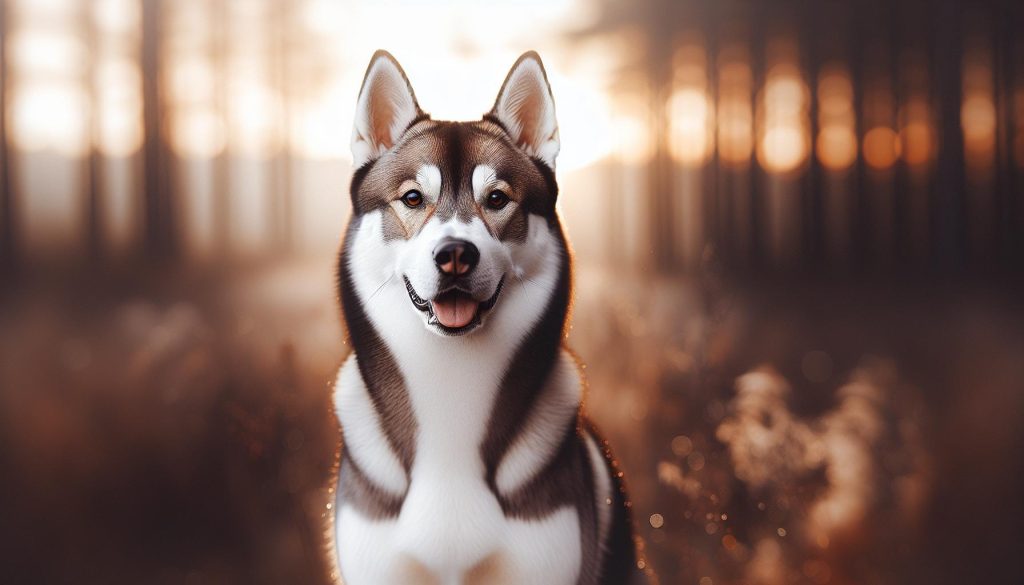
If you’re considering adding a unique companion to your family, the Siberian Husky Pitbull mix offers an exciting blend of strength, loyalty, and striking beauty. This hybrid breed marries the energetic, adventurous spirit of the Husky with the robust, affectionate nature of the Pitbull, creating a dog that’s not only visually stunning but also full of personality. With their impressive athleticism and intelligence, these dogs are perfect for active individuals or families looking for a lively partner in adventures. However, owning this mix comes with specific responsibilities, from understanding their training needs to providing proper care. Let’s dive into what makes this mix a remarkable choice and what you should consider for a happy, healthy relationship with your new furry friend.
Siberian Husky and Pitbull: An Overview of Breeds
The Siberian Husky and American Pit Bull Terrier are two distinct breeds known for their unique qualities and strong characteristics. The Husky, often recognized for its striking blue or multi-colored eyes and thick double coat, originates from the Siberian region where they were bred for endurance and strength as sled dogs. They are spirited, intelligent, and known for their friendly demeanor, but they also possess a high prey drive and can be quite vocal. On the other hand, the American Pit Bull Terrier, often simply called a Pit Bull, is celebrated for its muscular build and loyal nature. Originally developed for bull-baiting and later as farm dogs, they are known for their tenacity and strong work ethic. Despite some negative stereotypes, Pit Bulls are capable of being affectionate family pets when properly trained and socialized.
When these two breeds merge to create the Husky-Pit Bull mix, commonly referred to as a Pitsky, you get a hybrid dog with a captivating blend of qualities from both parents. This mix typically exhibits a muscular physique balanced with the agility of a Husky, making them quite striking in appearance. With their high energy levels, Pitskies thrive in active environments where they can participate in various physical activities. However, their lively nature demands a committed owner who can provide the necessary physical and mental stimulation. Understanding the tendencies of both breeds can greatly influence the successful training and socialization of this energetic hybrid.
In terms of temperament, Pitskies can inherit the sociable and resilient traits of both parent breeds. This mix often leads to an affectionate and playful companion, eager to engage with family members. Nevertheless, the combination of a Husky’s stubbornness with a Pit Bull’s spirited nature can create a unique challenge for owners. It’s essential to approach training with patience, using positive reinforcement methods to reinforce desirable behaviors. With consistent guidance, the Pitsky can become a well-mannered and loyal member of your household. Ultimately, whether you’re drawn in by the stunning looks or the charming personality of the Pitsky, understanding the origins and characteristics of the Siberian Husky and the American Pit Bull Terrier will provide a solid foundation for fostering a fulfilling relationship with your new dog.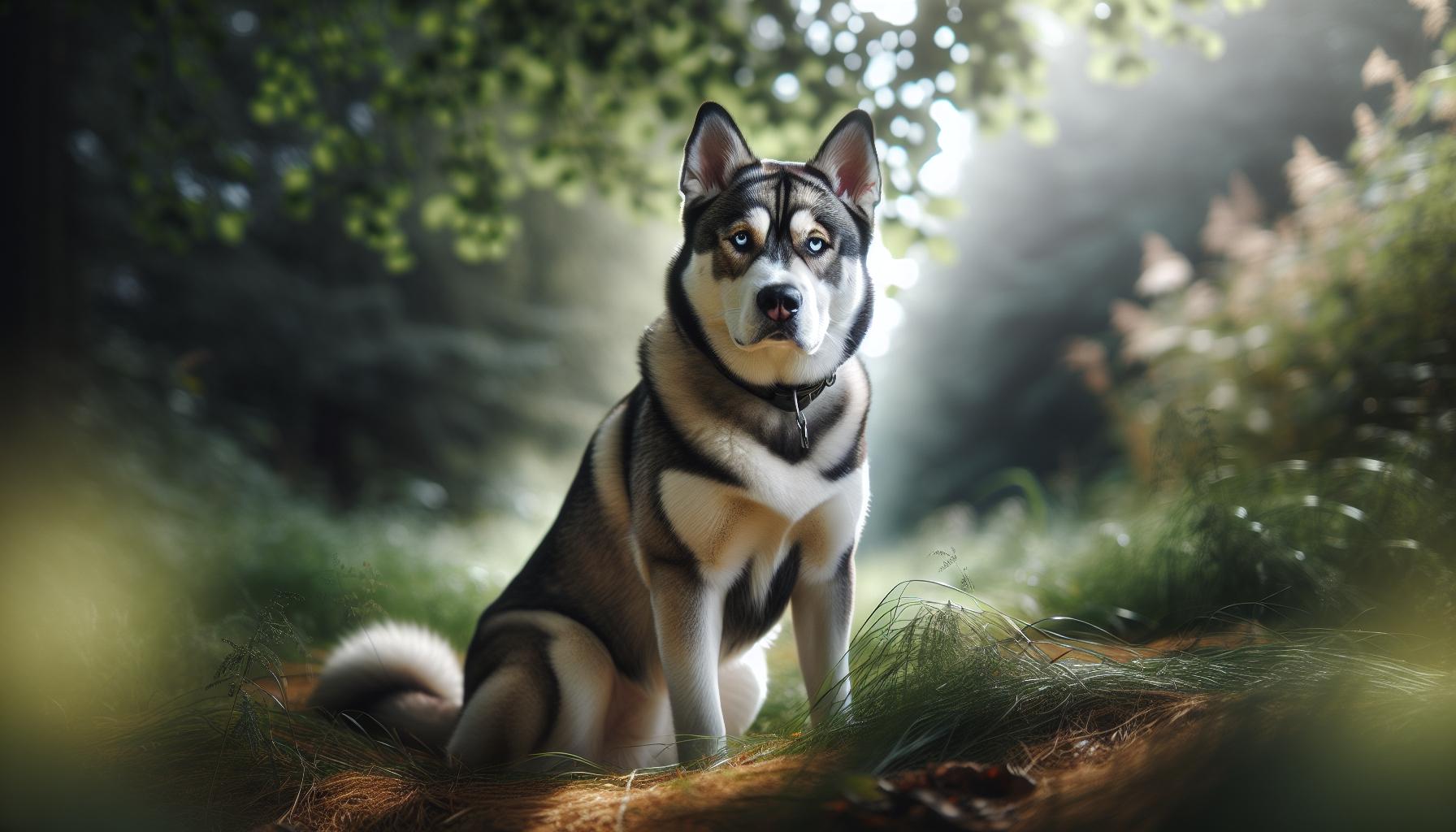
The Unique Characteristics of a Husky Pitbull Mix
The Husky-Pit Bull mix, affectionately known as a Pitsky, celebrates the best traits of both parent breeds, resulting in a dog that is as charming as it is powerful. One striking characteristic of the Pitsky is its dynamic appearance, typically featuring a robust, muscular body inherited from the Pit Bull, while the striking facial features and unique coloring often reflect the Husky lineage. This blend not only makes for an eye-catching companion but also showcases incredible physical capabilities-perfect for a variety of activities that need a strong and agile dog.
In terms of personality, Pitskies are known for their energetic and playful demeanor. These dogs thrive on physical activity and mental stimulation, often needing more than just daily walks. Engaging them in various exercises such as agility training, running, or interactive play can help channel their high energy levels appropriately. They usually possess a friendly disposition inherited from both breeds, making them great companions for families and active individuals alike. However, it is essential to remember that their spirited nature can sometimes lead to challenges in stubbornness and a tendency toward mischief, calling for a dedicated owner who can provide structure and guidance.
Another unique aspect of the Pitsky is its diverse coat variations, which can range from the sleek, short-haired texture of the Pit Bull to the thick and plush double coat characteristic of the Husky. This variety not only affects grooming needs but also contributes to different temperature tolerances. Generally, you can expect a moderate grooming schedule, with seasonal shedding requiring regular brushing to keep your home fur-free.
Despite their energetic spirit, Pitskies are often recognized for being highly social animals, enjoying the company of both people and other pets. Early socialization is crucial to ensure that they develop into well-rounded companions. Overall, the Husky-Pit Bull mix embodies a captivating blend of beauty, strength, and personality that can enrich the lives of those who are prepared to meet their needs for activity, training, and social interaction.
Understanding the Genetics of Your Mix Breed
Understanding the genetics of a Husky-Pitbull mix, commonly known as a Pitsky, reveals fascinating insights about what influences their physical traits, temperament, and health concerns. This hybrid breed combines two distinct lineages: the Siberian Husky, known for its striking appearance and high energy, and the American Pit Bull Terrier, celebrated for its strength and loyalty. By appreciating the genetic background of your Pitsky, you can better anticipate their needs and behavior.
Both parent breeds have unique genetic traits that can manifest in the mix. For instance, Huskies typically bring a thick double coat that allows them to thrive in cold climates, while Pit Bulls often possess a short, smooth coat. This means that your Pitsky might inherit a heavy fur coat requiring more grooming, especially during seasonal shedding periods. Additionally, while size can vary, you can expect a robust, muscular build due to the Pit Bull’s influence alongside the agility and endurance characteristics inherited from the Husky.
When it comes to temperament, understanding genetics plays a crucial role. Both Huskies and Pit Bulls are known for their playful and energetic nature, and their mix can result in a dog that is enthusiastic and sociable. However, they may also exhibit stubbornness, making effective training essential. Engaging your Pitsky in interactive exercises not only provides physical stimulation but also reinforces positive behaviors by tapping into their need for mental challenges.
It’s also important to consider genetics when it comes to potential health issues. While both breeds are generally healthy, mixed breeds may still face specific health concerns typical to each lineage, such as hip dysplasia in Pit Bulls or eye issues in Huskies. Regular veterinary check-ups and being aware of the health backgrounds of both parent breeds will help you maintain your Pitsky’s well-being.
By embracing the unique genetic inheritance of your Husky-Pitbull mix, you will ensure a responsible and fulfilling companionship. Understanding these traits empowers you as a dog owner, allowing you to create a nurturing environment that meets your Pitsky’s physical, social, and psychological needs.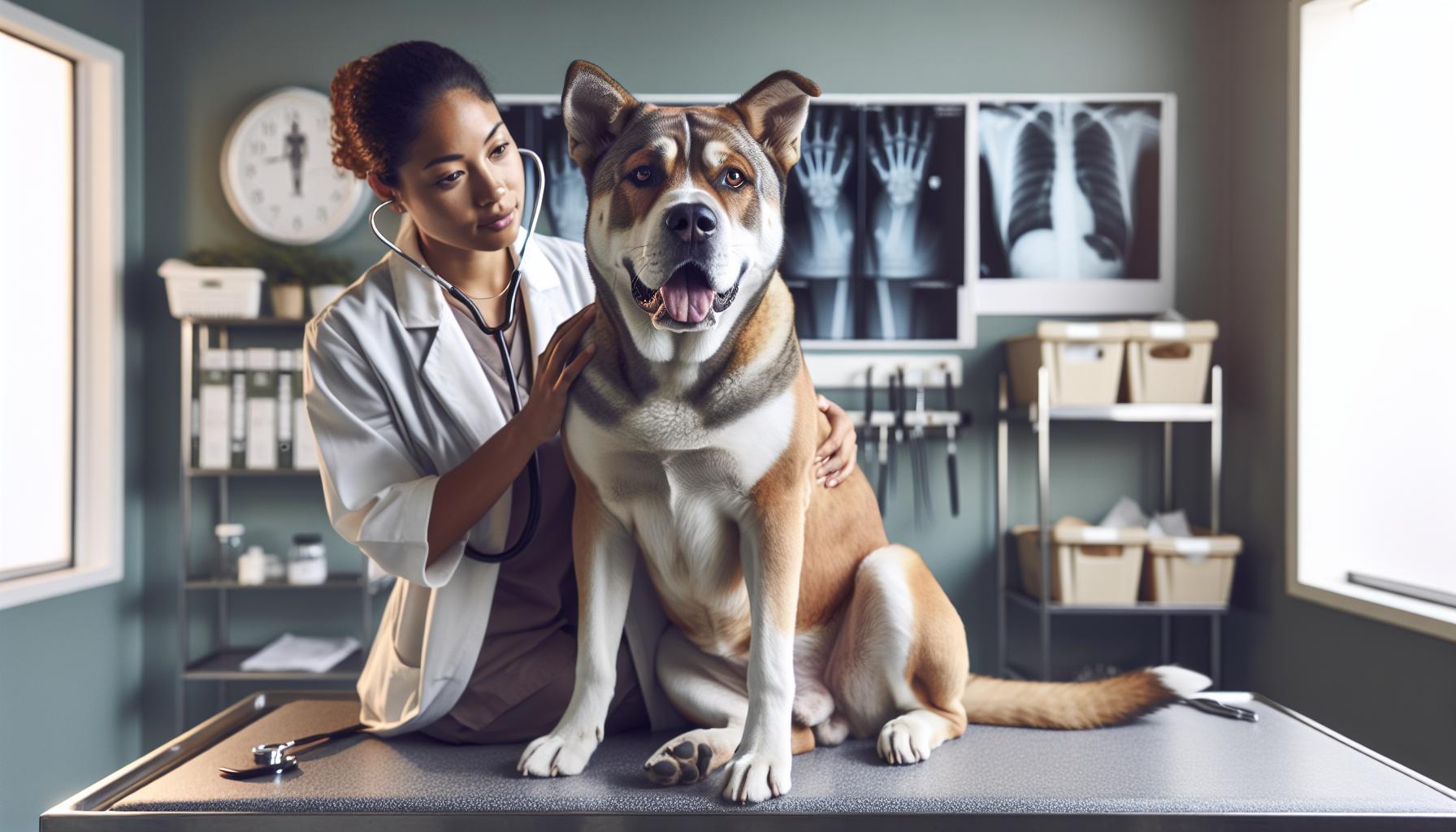
Health Concerns in Siberian Husky Pitbull Mixes
Health concerns are an important aspect to consider for your Siberian Husky Pitbull mix, commonly known as a Pitsky. While these dogs often enjoy robust health thanks to their mixed genetics, they can inherit specific risks associated with both parent breeds. Being aware of potential health issues can help you take proactive steps to maintain your pup’s well-being throughout their life.
Common Health Issues
Both the Siberian Husky and American Pit Bull Terrier are generally healthy breeds, but they have their share of hereditary conditions that could affect a Pitsky. Here are some of the key health concerns to keep in mind:
- Hip Dysplasia: This is a common condition in both parent breeds, where the hip joint doesn’t fit snugly into the hip socket, leading to arthritis and pain. Regular check-ups with your veterinarian can help monitor your dog’s hips as they grow.
- Eye Problems: Huskies are particularly prone to inherited eye conditions like cataracts and progressive retinal atrophy (PRA), which can affect vision over time. Keeping an eye on any changes in your dog’s eyesight can be crucial.
- Skin Issues: Due to the short coat of the Pit Bull and double coat of the Husky, Pitskies may be susceptible to various skin allergies. Regular grooming and monitoring for signs of irritation can help prevent infections.
- Obesity: Both breeds can face weight issues if not properly exercised. Maintaining a balanced diet and consistent exercise routine is essential for your Pitsky’s health.
Preventive Care
Taking a proactive approach to health care is crucial for your Pitsky. Here are some practical tips to keep your dog healthy:
- Regular Veterinary Check-ups: Routine exams can help catch any potential health issues early. Ensure your veterinarian is aware of your dog’s mixed breed background when discussing treatment options.
- Balanced Diet: Providing a high-quality diet that meets caloric needs based on activity level can prevent obesity and related health issues. Consult with your vet for tailored dietary advice.
- Exercise: Engage your Pitsky in consistent physical activities, such as running, hiking, or playing fetch, to keep their weight in check and ensure mental stimulation.
- Grooming: Frequent grooming can help manage shedding and skin health. This is especially important for Pitskies with thicker coats inherited from the Husky.
By understanding the potential health issues that may arise in a Pitsky and implementing a proactive care routine, you can significantly enhance your dog’s quality of life. Regular veterinary visits, a healthy diet, and plenty of exercises not only foster a strong bond between you and your dog but also ensure they remain happy and healthy for years to come.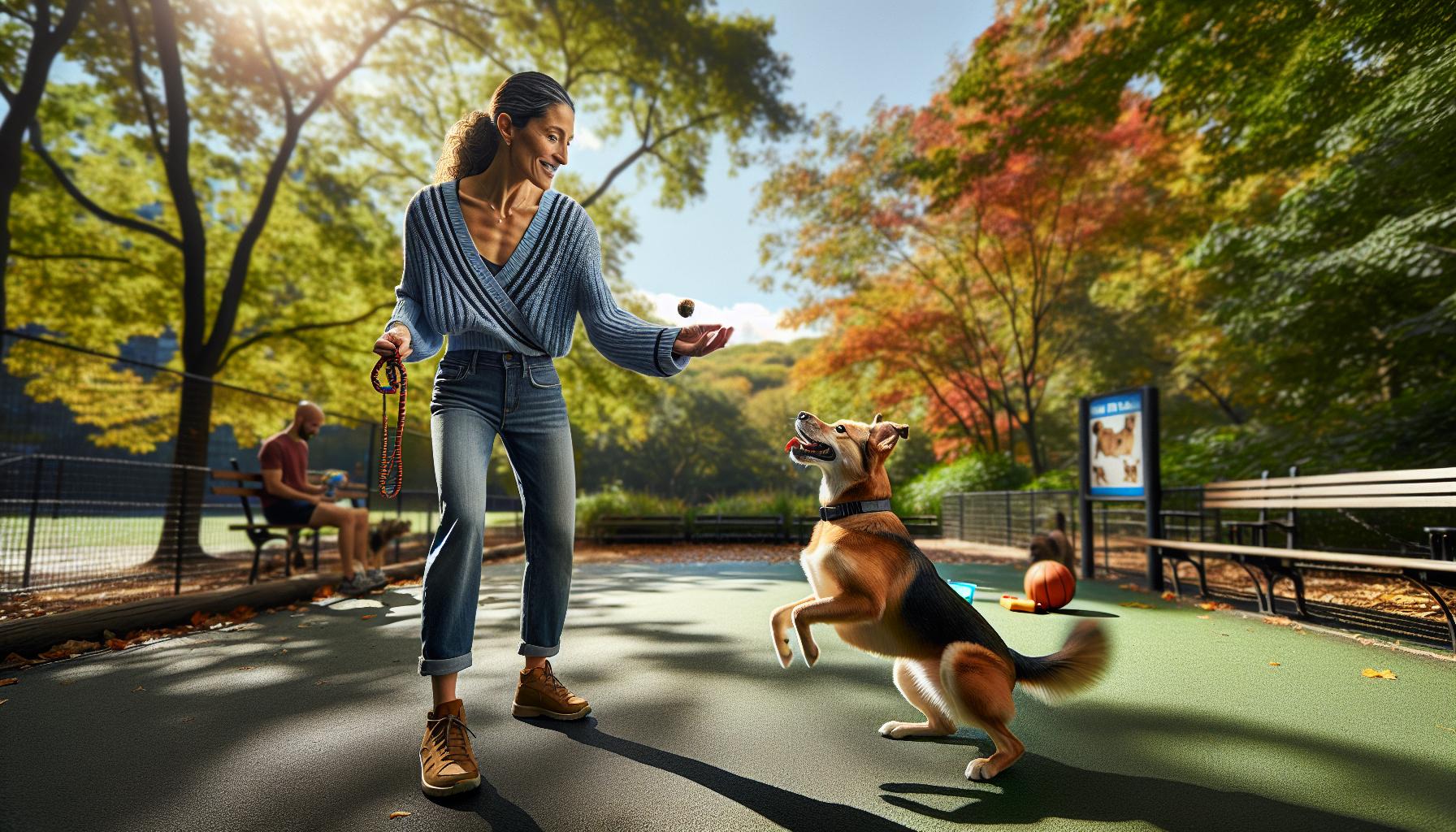
Training Tips for Your Energetic Hybrid Dog
Training your Siberian Husky Pitbull mix, often referred to as a Pitsky, can be a rewarding yet challenging experience. This hybrid breed inherits the energetic and intelligent traits of both parent breeds, making them eager learners but also requiring consistent and engaging training. Understanding their motivation and energy levels is key to successful training sessions.
Start training early, ideally when your Pitsky is still a puppy. This is crucial not only for obedience but also for socialization. Introduce them gradually to different environments, people, and other animals to build their confidence and adaptability. Use positive reinforcement techniques, such as treats and praise, to encourage good behavior. Both Huskies and Pit Bulls are known for their food motivation, so rewards can be an effective way to reinforce commands.
Set Clear Boundaries
It’s important to establish clear rules from the beginning. Huskies are known for their independent thinking, while Pit Bulls can be strong-willed. Combining these traits means your Pitsky may test boundaries. Consistency is vital. Decide on household rules, like whether jumping on furniture is allowed, and ensure all family members enforce them uniformly. If your dog knows what to expect, they’ll feel more secure and be more willing to follow your lead.
Incorporating both mental and physical exercise into their routine is essential due to their high energy levels. Engage your Pitsky in fun activities that challenge their minds and bodies, such as agility training or interactive puzzle toys. Taking them on regular walks, hikes, or runs can also prevent boredom and reduce the likelihood of behavioral issues.
Training Sessions: Keep Them Fun
When training, keep sessions short-around 10 to 15 minutes is ideal-so your dog stays engaged and focused. You can mix commands or incorporate new tricks to maintain their interest. Considering the social nature of both parent breeds, engaging with other dogs during training can also provide valuable lessons in behavior and help with socialization.
Lastly, patience is key. Every dog learns at their own pace, and while some Pitskies may pick up commands quickly, others might take a bit longer. Celebrate small victories to maintain motivation and strengthen the bond between you and your Pitsky. With time, understanding, and commitment to their training, you’ll cultivate a well-behaved and loving companion ready to share adventures with you.
Best Practices for Caring for Your Mix Breed
Caring for a Husky Pitbull mix, often known as a Pitsky, is a rewarding journey filled with unique challenges and immense joy. This hybrid dog combines the strengths of two energetic and resilient breeds, making it essential to prioritize their physical, mental, and emotional well-being. Understanding the specific needs of your Pitsky will help you forge a harmonious bond and ensure a happy life together.
To start, these dogs have a high energy level that demands frequent exercise. Daily activities such as long walks, runs, or engaging playtime are crucial for keeping them fit and mentally stimulated. Incorporating a variety of exercises, like agility courses or fetch, can prevent boredom, which is often a precursor to unwanted behaviors. Additionally, consider exploring activities that challenge their intelligence, such as puzzle toys or scent work, to keep their brains active.
Nutrition plays a vital role in caring for your Pitsky. A balanced diet tailored to their age, size, and activity level will support their health and vitality. Look for high-quality, protein-rich dog food that contains wholesome ingredients. It’s also best to consult your vet for recommendations on the most appropriate diet and feeding schedule, as this can help prevent obesity and associated health issues that can arise in active breeds.
Regular health check-ups are essential. Pitskies can inherit health concerns from both parent breeds, including hip dysplasia, eye problems, and heart conditions. Stay proactive by scheduling routine veterinary visits to monitor their health, and stay current with vaccinations and preventive care. Moreover, keeping an eye on their dental health through regular brushing and dental chews can significantly contribute to their overall well-being.
Lastly, creating a loving and structured environment will drastically enhance your Pitsky’s happiness. Establishing a routine for feedings, exercise, and grooming can provide your dog with the reassurance they need. Training should be consistent and positive, reinforcing good behavior and setting clear boundaries. This approach not only strengthens your relationship but also helps your Pitsky feel secure and loved in their forever home. By embracing these best practices, you will not only meet their needs but also enjoy the vibrant companionship they offer.
Grooming Needs: What to Expect
Maintaining the grooming needs of a Pitbull-Husky mix, affectionately known as a Pitsky, is essential not just for their appearance, but also for their overall health and happiness. These dogs typically inherit a thick double coat from their Husky parent, which requires regular attention to prevent matting and to manage shedding effectively. During shedding seasons, which commonly occur in spring and fall, you may find yourself brushing your Pitsky more frequently-ideally, two to three times a week. This routine helps remove loose fur and minimizes the hair that ends up on your furniture and clothes.
Regular bathing is also an important part of your Pitsky’s grooming regimen. While you don’t need to bathe them excessively-doing so can strip their coat of natural oils-aim for a bath every couple of months or as needed if they get particularly dirty. Use a dog-specific shampoo to ensure their skin remains healthy. After bathing, inspect their ears for dirt and wax; cleaning them gently with a vet-recommended solution can help prevent infections.
Essential Grooming Tools
To effectively groom your Pitsky, you might consider investing in the following tools:
- De-shedding tool: To manage their thick undercoat during shedding seasons.
- Brush: A slicker brush or pin brush is excellent for daily grooming and helps keep their coat smooth.
- Ear cleaner: A gentle solution to keep their ears clean without irritating their skin.
- Dog toothbrush: Dental health is crucial; regular brushing can help prevent periodontal disease.
Additionally, while grooming, take the opportunity to check for any signs of skin irritation, ticks, or other issues. A regular grooming session not only fosters a bond between you and your Pitsky but also keeps a lookout for any potential health problems early on.
Emphasizing a grooming routine that includes both brushing and bathing will ensure that your Pitsky remains not just beautiful, but also healthy and comfortable in their skin. When you make grooming a consistent and enjoyable bonding activity, you’re supporting their well-being and enhancing the quality of your shared experiences.
The Ideal Living Environment for Your Husky Pitbull
For a Husky-Pitbull mix, also known as a Pitsky, the ideal living environment plays a crucial role in ensuring their happiness and well-being. Given their energetic nature, it’s essential to provide ample space and opportunities for physical and mental stimulation. A home with a large, securely fenced yard is ideal; this allows your Pitsky to run freely, play, and explore safely. They thrive on activities that challenge their intelligence and harness their strength, so having a safe outdoor area is beneficial not just for them, but also for your peace of mind.
These dogs are companions at heart and don’t fare well in isolation. Therefore, whether you live in a house or an apartment, it’s important to ensure that they have ample interaction with their human family. Daily walks and outdoor playtime are crucial, as they help prevent boredom and subsequent destructive behaviors. Regular socialization with other dogs and people can also enrich their lives and minimize anxiety.
Beyond physical space, the temperature of their living environment should be considered. Pitskies, inheriting traits from both Huskies and Pitbulls, adapt well to a range of temperatures but can struggle in extreme heat due to their thicker fur. In warmer months, ensure they have access to cool areas inside your home and plenty of water. In colder climates, while they can tolerate the cold, providing appropriate shelter that’s insulated and protected from the elements is important.
Lastly, your living space should be dog-proofed to accommodate your Pitsky’s curious and occasionally mischievous nature. This includes securing electrical cords, removing hazardous items, and ensuring that your trash bins are out of reach. Creating a safe, welcoming, and engaging environment will not only ensure your Husky-Pitbull mix feels at home but will also foster a strong bond between you and your dog, ultimately leading to a happier and healthier life together.
Socialization Strategies for a Balanced Dog
To ensure your Husky-Pitbull mix, or Pitsky, develops into a well-adjusted and balanced dog, socialization is key. This hybrid breed thrives on interaction, making it essential to introduce them to a variety of people, environments, and experiences early in their lives. The earlier you start this process, the more confident and secure your Pitsky will be. Aim to expose them to different environments, sounds, and people, which will help prevent anxiety and behavioral issues as they grow.
Engaging in positive social experiences is fundamental. Begin by visiting dog parks where your pup can interact with other breeds while under your supervision. Watching them play and interact with various canine personalities will provide essential social skills. Additionally, arranging playdates with calm dogs can foster a sense of friendship and trust. When introducing new people to your Pitsky, use treats and praise to create positive associations.
Structured activities also promote socialization. Consider enrolling your dog in obedience classes or agility training, where not only do they learn commands, but they also meet and engage with other dogs and their owners. These settings offer controlled interactions, allowing you to guide your dog’s behavior and reactions. This is particularly beneficial given the Pitsky’s energetic nature; structured environments can help channel their energy positively.
It’s crucial to monitor your dog’s comfort levels during social situations. If your Pitsky shows signs of distress or fear, take a step back and allow them to acclimate at their own pace. Gradual exposure to experiences like car rides, visits to pet-friendly stores, or neighborhood walks is also effective. Aim for frequent and varied outings to reinforce their social skills and build a confident demeanor.
By implementing these socialization strategies, you create a foundation for a resilient and balanced Pitsky. Remember, the goal is to cultivate a well-rounded dog that not only enjoys the company of their human family but also confidently engages with the world around them.
Common Temperament Traits You Should Know
Husky-Pitbull mixes, often called Pitskys, are a fascinating blend of two distinct dog breeds, and their temperament reflects the best traits of both the Siberian Husky and the American Pitbull Terrier. These hybrid dogs are known for their high energy levels, intelligence, and strong loyalty to their families. Understanding their common temperament traits can help you nurture and bond with your Pitsky effectively.
One standout characteristic of the Pitsky is their playfulness. With the Husky’s playful spirit and the Pitbull’s inviting nature, these dogs thrive in dynamic environments that offer regular mental and physical stimulation. They usually enjoy a good romp in the yard and participate in various activities, such as fetch or agility training. This playfulness, paired with their intelligence, means they require frequent engagement to prevent boredom, which can lead to destructive behaviors.
Affectionate and loyal, Pitskys are known to form strong attachments to their human companions. They often display a protective instinct, making them excellent family pets. However, their affectionate nature also requires them to be involved in family activities, as isolation can lead to anxiety. It’s important that you give your Pitsky ample affection and attention to foster a secure bond.
Socialization plays a crucial role in shaping their temperament. Given their Husky lineage, they might exhibit a streak of independence, which can sometimes be mistaken for stubbornness. Early and consistent socialization can help mitigate this tendency, ensuring that they grow into well-rounded adults who respond positively to training. They do well with structured tasks and enjoy learning new commands, which helps reinforce your leadership and deepens your bond.
Finally, while Pitskys can be friendly, they may also have a tendency to show boldness, particularly due to their Pitbull heritage. This means they might need proper training and boundaries, especially around children or smaller pets. With guidance, they can be incredibly sociable and adaptable, making them a delightful addition to various households. Understanding and nurturing these temperament traits will empower you to raise a happy, balanced, and well-adjusted Pitsky.
Fun Activities and Exercises for Your Hybrid Breeds
Your Siberian Husky Pitbull mix, commonly referred to as a Pitsky, has the potential to be a playful and energetic companion. With the right activities, you can channel their boundless energy into fun and constructive exercises that enrich their physical and mental well-being.
Engaging in outdoor adventures is a fantastic way to keep your Pitsky happy and healthy. Hiking is one of the best activities, given the breed’s stamina and strength. Choose dog-friendly trails that allow for plenty of exploration and provide opportunities for your pup to meet new friends.
Interactive games are also essential for mental stimulation. You might consider playing fetch with a twist-use a Frisbee or a ball launcher to give them a workout while keeping it fun. Additionally, obstacle courses can be set up in your backyard or at a local park, allowing your dog to navigate tunnels, jumps, and weave poles, catering to both their playful nature and intelligence.
Another excellent way to exercise your Pitsky is through canine sports. Engage them in agility training, which is a captivating way to bond with your dog while training. These sports will not only help in burning off energy but will also solidify your role as a leader and enhance your pet’s focus and listening skills.
Lastly, don’t overlook the importance of social play. Regular trips to a dog park encourage your Pitsky to interact with various other breeds, promoting good behavior and social skills while they run and play freely. By incorporating a variety of activities into their routine, you can ensure that your Pitsky remains fulfilled, happy, and well-balanced.
Myth-Busting: Popular Misconceptions About Mix Breeds
Many people have misconceptions about mixed-breed dogs, which can cloud the perception of unique hybrids like the Siberian Husky-Pitbull mix. One prevalent myth is that mixed breeds always inherit negative traits from both parent breeds. In reality, the genetic diversity in mixed breeds can result in a healthier dog, often alleviating some hereditary health issues that purebreds may face. Your Pitsky may inherit a combination of the energetic nature of the Husky and the affectionate temperament of the Pitbull, creating a dog that is both lively and loving.
Another common belief is that mixed breeds are less trainable than purebreds. This couldn’t be further from the truth. Your Pitsky is likely to be intelligent and eager to please, traits inherited from both parent breeds. When training them, consistency and positive reinforcement are key. Incorporating high-energy activities like agility training can further capture their love of exercise and willingness to learn, enhancing their trainability while strengthening your bond.
Additionally, some may think that all Pitbull mixes are aggressive. However, the personality of a dog is influenced significantly by its upbringing, training, and socialization. A well-socialized Pitsky can be friendly, gentle, and great with families. Regular exposure to various environments and interactions with different people and pets will help shape a well-adjusted dog.
Lastly, there’s a perception that mixed-breed dogs, including the Husky-Pitbull mix, are ‘less desirable’ than purebreds. This notion stems from traditional views of dog ownership but overlooks the individuality of each dog. Every Pitsky has its unique personality and charm. Adopting a mixed breed from a shelter not only provides a loving home to a dog in need but also often comes with the added benefit of supporting responsible breeding practices and reducing overpopulation in shelters.
Understanding these misconceptions can help you appreciate the wonderful qualities of a Husky-Pitbull mix and advocate for these deserving dogs in your community.
Frequently asked questions
Q: What is the temperament of a Siberian Husky Pitbull mix?
A: The temperament of a Siberian Husky Pitbull mix is typically energetic, affectionate, and intelligent. These dogs thrive on social interaction and may be playful with families. Early socialization and training are crucial to ensure a balanced and well-adjusted pet. For further insights on training tips, check the article section on Training Tips for Your Energetic Hybrid Dog.
Q: How much exercise does a Husky Pitbull mix need?
A: A Husky Pitbull mix requires at least 60 minutes of vigorous exercise daily. Engaging in activities like running, hiking, or playing fetch can help channel their energy and prevent behavioral issues. Explore activities further in the section titled Fun Activities and Exercises for Your Hybrid Breeds.
Q: Are Siberian Husky Pitbull mixes good with children?
A: Yes, Husky Pitbull mixes can be good with children when properly socialized from a young age. They are often playful and protective, but supervision is essential to ensure safe interactions. In the section on Socialization Strategies for a Balanced Dog, you can find more tips on how to create positive relationships with kids.
Q: What health issues should I watch for in a Husky Pitbull mix?
A: Common health concerns in Siberian Husky Pitbull mixes include hip dysplasia, allergies, and heart issues. Regular veterinary check-ups and a proper diet can help monitor and maintain their health. For more details, refer to the Health Concerns in Siberian Husky Pitbull Mixes section of the article.
Q: How can I train my Husky Pitbull mix to follow commands?
A: Start training your Husky Pitbull mix using positive reinforcement techniques, such as treats and praise for good behavior. Consistency and patience are key, as they can be quite independent. Visit the section Training Tips for Your Energetic Hybrid Dog for effective methods.
Q: What diet is best for a Husky Pitbull mix?
A: A balanced diet rich in high-quality proteins, healthy fats, and essential nutrients is best for a Husky Pitbull mix. Consult your veterinarian for personalized diet recommendations based on your dog’s age, size, and activity level. Refer to Best Practices for Caring for Your Mix Breed for more dietary insights.
Q: How do I groom a Siberian Husky Pitbull mix?
A: Grooming a Husky Pitbull mix typically involves regular brushing to manage shedding, especially in seasonal changes. Bathe when necessary, but avoid over-bathing to preserve natural oils. Check the article’s Grooming Needs: What to Expect section for grooming tips tailored to these breeds.
Q: What is the ideal living environment for a Husky Pitbull mix?
A: The ideal living environment for a Husky Pitbull mix is a spacious home with a secure yard. These dogs need ample space to roam and play. Ensure they have access to indoor and outdoor areas, especially in families with young children. For more on suitable environments, see the section The Ideal Living Environment for Your Husky Pitbull.
In Conclusion
As we wrap up our exploration of the Siberian Husky Pitbull mix, remember that this incredible hybrid combines the strength and endurance of the Husky with the loyalty and courage of the Pitbull. If you’re considering bringing this striking companion into your home, take the time to research their care requirements and training needs to ensure a happy and healthy life together.
Dive deeper into the wonderful world of dog ownership by checking out our articles on training your dog, understanding their health needs, and discovering the best nutrition for active breeds. Don’t forget to sign up for our newsletter for more tips and resources tailored to pet enthusiasts like you. Share your thoughts in the comments-what excites you most about the Siberian Husky Pitbull mix? Let’s celebrate and appreciate these remarkable dogs together! Your journey begins now-take the next step and explore more about responsible pet ownership today!