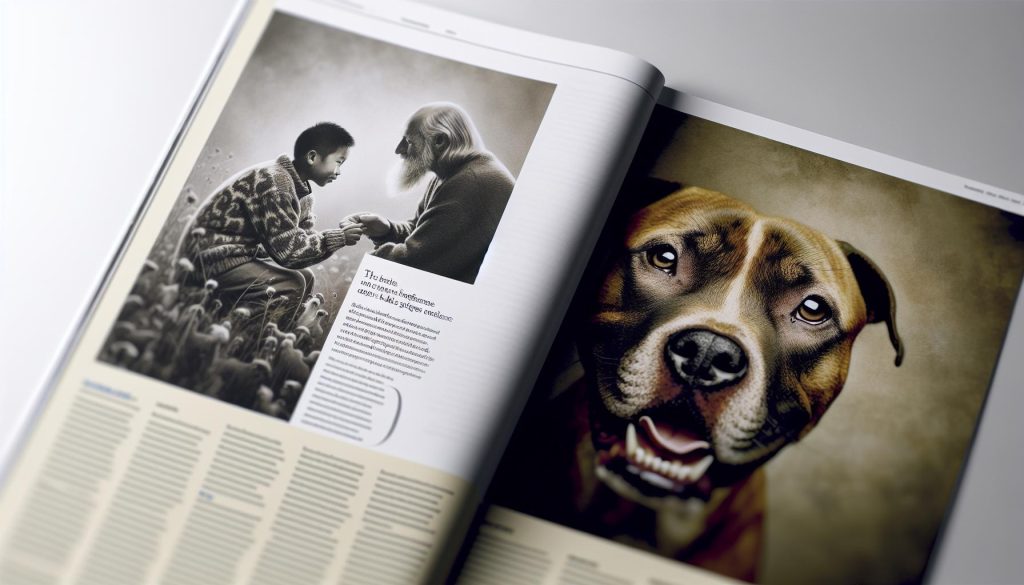
Pitbulls are often misunderstood, yet they are known for their striking features and strong, loyal personalities. Understanding the distinctive characteristics of the Pitbull breed is essential for anyone considering welcoming one into their home. This exploration highlights their muscular build, expressive faces, and diverse varieties, showcasing traits that make them unique companions. By delving into their genetics, health needs, and training essentials, you will discover not only the beauty of these dogs but also the responsibility that comes with ownership. Whether you’re a long-time enthusiast or simply curious, this guide will deepen your appreciation for the Pitbull, paving the way for informed decisions and stronger bonds with these remarkable animals. Let’s embark on this journey to celebrate what defines the Pitbull and dispel myths along the way. Your understanding will not only enrich your own experience but also contribute to a compassionate narrative around this incredible breed.
Understanding the Unique Pitbull Face: Key Traits Explained
The pitbull face is a striking emblem of strength and character, often noted for its unique and muscular appearance. One of the most notable features is the jaw structure, characterized by powerful, well-defined muscles that support their strong bite and playful demeanor. This remarkable jaw condition not only adds to their distinct look but also underscores their intended purpose as working and companion animals. With a wide skull and pronounced cheeks, pitbulls exhibit a confident expression that can range from friendly to fierce, showcasing the breed’s versatility.
In terms of facial features, you’ll find that many pitbulls have a broad forehead and a short muzzle, contributing to their recognizable silhouette. A candidate for both affection and playfulness, the breed’s features enable them to exhibit a wide range of expressions, from joyful to gentle. The eyes, often vibrant and expressive, vary in color-from dark brown to blue, depending on the specific lineage within the pitbull group. Such features not only enhance their appeal but also reflect their emotional intelligence, which is a hallmark of the breed.
Assessing these traits can lead to a deeper appreciation for what makes each pitbull unique. The balance and proportion of their facial structure contribute to their personality traits as well-those with broader heads and shorter muzzles are often known for being more friendly and sociable. Meanwhile, variations in coat color and patterns can signal different genetic backgrounds, affecting everything from health predispositions to behavior. As an owner, understanding these variations can help you provide better care and training based on your pitbull’s individual needs.
Ultimately, embracing the distinctive facial structure of your pitbull not only enhances your bond but also promotes responsible ownership. Acknowledging the beauty and uniqueness of their features, while merging care and training techniques tailored to their characteristics, can lead to a happier, healthier relationship with your beloved pet.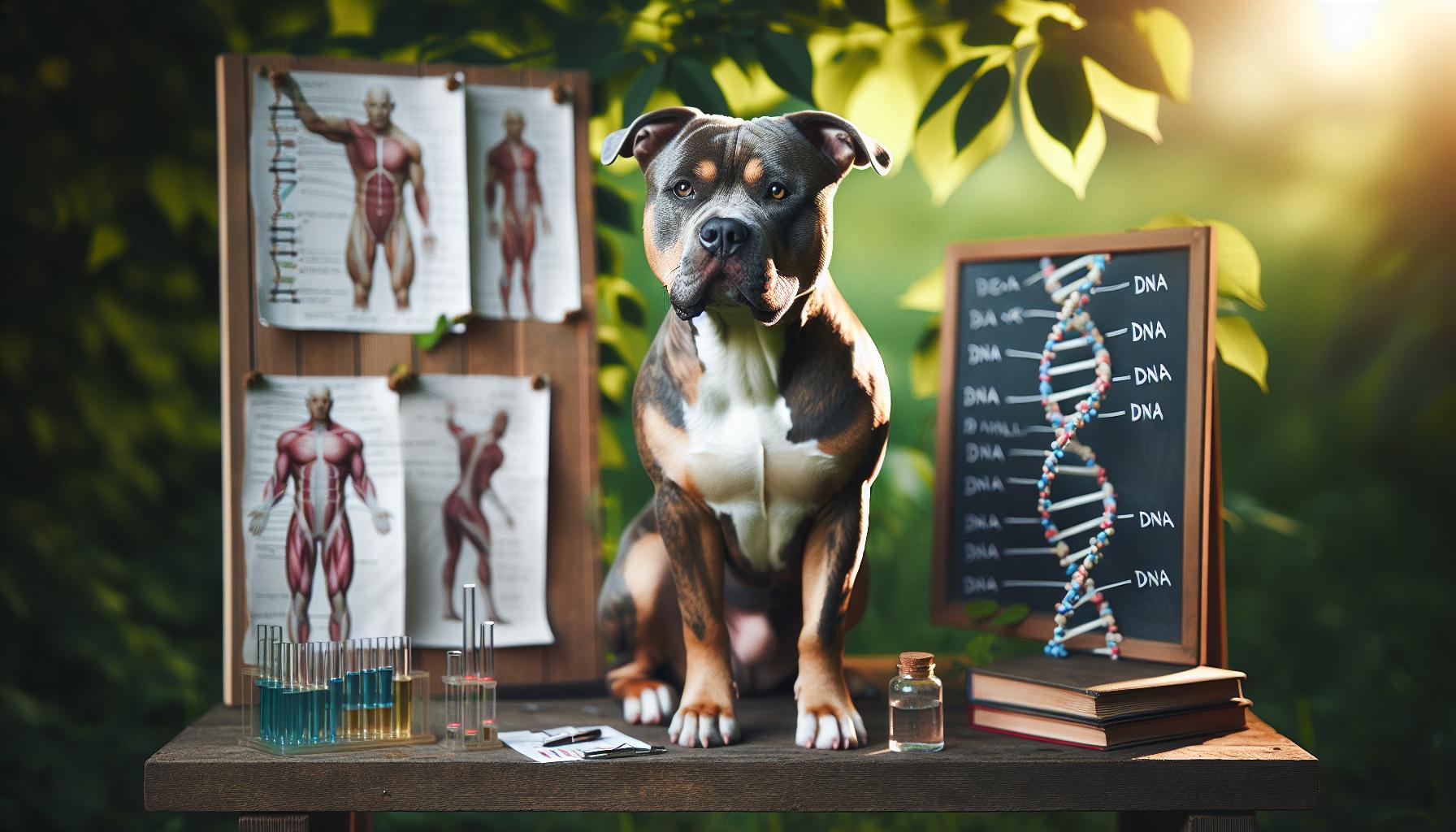
Genetic Factors Influencing Pitbull Features
Genetics play a crucial role in shaping the unique characteristics of pitbulls, influencing everything from their facial features to temperament. Understanding the genetic background of pitbulls can provide you with insights into the traits you may observe in your dog, as well as help you better appreciate the diversity within the breed.
The pitbull breed itself is not a single entity but rather a category encompassing various breeds, like the American Pit Bull Terrier, American Staffordshire Terrier, and Staffordshire Bull Terrier. Each of these breeds carries distinct genetic traits that contribute to their appearance and behavior. For instance, the broad, powerful jaws and pronounced cheeks that many pitbulls exhibit are the result of selective breeding practices focused on physical strength and resilience. These traits have been historically favored for working roles, such as hunting and guarding, emphasizing the importance of genetics in defining what we recognize as the “pitbull look.”
Furthermore, genetic diversity among pitbulls can lead to a variety of physical characteristics. Some may inherit a broader skull or a shorter muzzle, while others might display different eye colors or coat patterns, reflecting their mixed ancestry. In fact, certain genetic combinations can predispose pitbulls to unique patterns of coloration, which many owners find appealing. For example, a pitbull with both parental lines showcasing brindle and fawn may produce offspring with striking combinations of both colors.
It’s essential to recognize that the genetic predispositions of a pitbull can also impact their health and behavior. Some genetic lines may be more prone to certain health issues, such as hip dysplasia or skin allergies. Understanding these factors can aid in making informed decisions about care, training, and even breeding practices. Adopting a pitbull means embracing the responsibility of acknowledging their lineage, which can lead to a more fulfilling and knowledgeable relationship with your pet. As a responsible owner, being aware of the genetic factors influencing your pitbull’s features can enhance your ability to provide tailored care and training suited to their unique needs.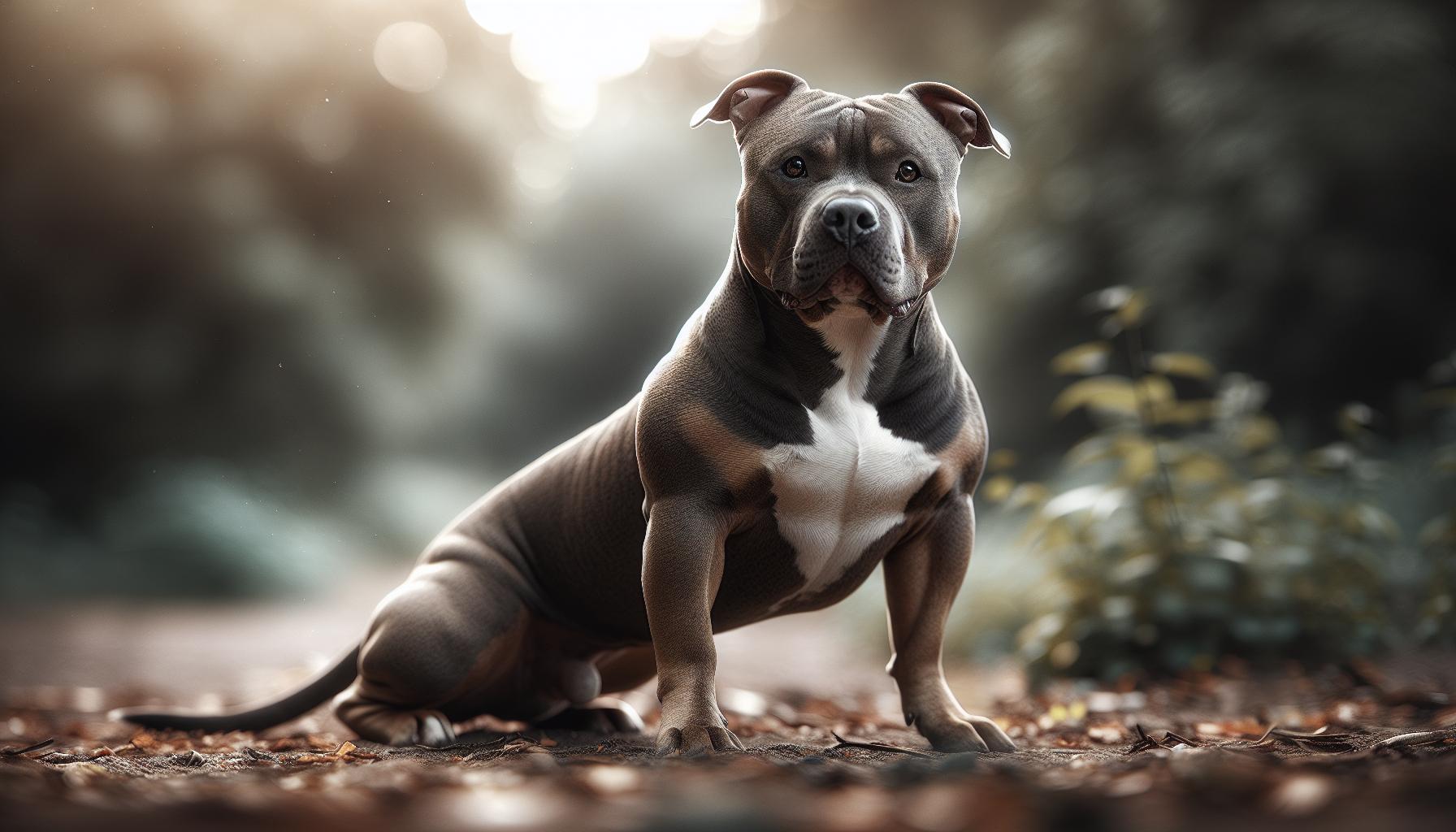
Common Physical Characteristics of Pitbulls
Pitbulls are known for their striking and distinctive appearance, characterized by a combination of powerful build and expressive features. One of the most notable aspects of their physicality is their muscular structure, which is combined with a wide head and strong jaw. This unique composition not only contributes to their attractiveness but also reflects the breed’s history of being bred for strength and resilience. When you see a Pitbull, you might immediately notice the defined musculature that runs through their body, which underscores their athletic capabilities.
Common Traits
When it comes to understanding the , several features stand out:
- Head and Face: Typically, Pitbulls have a broad, flat skull with a well-defined stop, or the area where the forehead meets the muzzle. This structure gives them an alert and confident expression.
- Muzzle: Their muzzle is usually medium in length but can vary depending on the specific breed variant. A strong and wide muzzle contributes to their powerful bite but is equally filled with personality, making them appear warm and friendly.
- Eyes: Pitbulls often have round, expressive eyes that can come in various colors, including brown, blue, and amber. Their eyes convey a strong sense of intelligence and connection, which is essential for bonding with their owners.
- Ears: While naturally floppy or rose-shaped, some owners choose to crop the ears, giving them a more alert and alert look. However, it’s important to note that ear cropping is a subject of considerable debate and is not necessary for the breed.
- Body and Coat: The torso of a Pitbull is muscular and compact, supported by strong legs and a thick neck. Their coat is short and can come in a variety of colors and patterns, ranging from solid shades to brindle and spotted combinations.
These traits not only enhance the breed’s appeal but also contribute to the perception of Pitbulls as strong and reliable companions. Although they are often misunderstood based on stereotypes, their physical characteristics showcase a breed that is not only robust and vigilant but also capable of forming deep emotional bonds with their families. As you appreciate these physical traits, remember that responsible ownership requires understanding and nurturing the unique aspects of a Pitbull’s personality, making them not just pets but cherished family members.
Distinct Face Shapes: Understanding the Variations
Understanding the varying face shapes of Pitbulls unveils the breed’s extraordinary diversity and unique charm. While many associate Pitbulls with a muscular build and a signature square jaw, the truth is that face shapes can differ significantly among individual dogs, reflecting their mixed breed heritage. These variations can provide insights into a dog’s temperament and potential health considerations.
Take, for example, the classic “American Pit Bull Terrier” face, characterized by a broad, flat skull and a well-defined stop. This shape not only enhances their robust appearance but also contributes to their fierce expression, often perceived as intimidating. However, this breed’s wide muzzles create a surprisingly gentle demeanor, which may surprise those unfamiliar with the breed’s friendly nature.
On the other hand, you might encounter Pitbulls with narrower face structures, often seen in those with more terrier influence. These dogs may have a longer muzzle and more pronounced cheekbones, which can give them a more refined appearance. Such features can reflect a different set of genetic traits, possibly indicating different lineages within the broader category of Pitbull-type dogs.
Among other variations, you’ll find the “bully” look, which embodies extreme stockiness and a very short muzzle. While they might appear brutish, these dogs are known for their affectionate and nurturing personalities. This contrast in face shapes highlights the incredible adaptability of Pitbulls across different environments and roles, whether as working dogs or beloved family pets. By appreciating these distinctions, you can better understand your Pitbull’s personality and how to care for them effectively.
In summary, recognizing the distinctions in face shapes among Pitbulls serves not just as a celebration of their beauty but also as a guide for potential owners to discern the unique traits and necessities of their canine companions. So, as you admire your Pitbull’s face, remember that it embodies a rich tapestry of genetics and history, inviting a deeper connection between you and your four-legged friend.
The Role of Breeds in Pitbull Aesthetics
The aesthetic allure of Pitbulls is deeply intertwined with their diverse breed backgrounds. Each variant, whether it be the American Pit Bull Terrier, American Bully, or Staffordshire Bull Terrier, contributes distinct features to the overall look and personality of these dogs. Understanding these nuances not only enhances our appreciation for them but also aids in responsible ownership.
Genetics plays a crucial role in shaping the physical traits that define these breeds. For instance, the American Pit Bull Terrier is well-known for its sturdy, muscular build paired with a broad skull and pronounced cheekbones. This combination creates a striking appearance, often mistaken for aggression. However, the reality is that the breed’s strength comes with a gentle heart. In contrast, the American Bully exhibits a more exaggerated muscular structure and a shorter, wider face, presenting a different aesthetic that many find appealing. Recognizing these distinctions helps potential owners choose a dog that aligns with their lifestyle and expectations.
Beyond the physical characteristics, the influence of various breeds within the Pitbull category brings about variations in temperament as well. For instance, those with more terrier ancestry often showcase playful, energetic traits, while others with a heavier bully influence may lean more towards a laid-back demeanor. When assessing a Pitbull’s appearance, it’s essential to acknowledge how these breed traits influence both their looks and behavior, providing insights into their potential as family pets or companions.
Furthermore, appreciating the roles these breeds have played in history-from working dogs to beloved family members-highlights not just their aesthetic but their emotional connections with humans. As you consider the remarkable features of your Pitbull or a future companion, remember that these characteristics are shaped by a rich cultural and genetic tapestry, making each dog a unique representation of strength, loyalty, and love. This understanding fosters a more profound respect for the breed and encourages responsible ownership, ensuring your dog’s needs are met while celebrating their distinctive beauty.
Colors and Patterns: What Defines Your Pitbull?
The vibrant colors and unique patterns of Pitbulls add a captivating layer to their overall aesthetic appeal, making each dog a visual testament to its heritage. From striking solid colors to intricate patchworks, the pigmentation in Pitbulls can vary widely, reflecting their diverse genetic backgrounds. This rich array of hues-ranging from classic brindle to rare hues like blue and champagne-does more than just please the eye; it also speaks to the breed’s remarkable adaptability and lineage.
Common Coat Colors
The American Pit Bull Terrier can sport a range of colors, often categorized as follows:
- Brindle: A mix of dark and light stripes, giving a unique, tiger-stripe appearance.
- Fawn: A warm, golden hue that can come in light or dark shades.
- Blue: A silvery gray that has become quite popular among enthusiasts.
- Black: Solid black coats are not unusual, often with a glossy finish.
- White: These dogs may have patches of color or be completely solid white.
- Chocolate: A rich, deep brown that can appear almost reddish in certain lights.
It’s essential to note that the AKC does not specifically recognize the color of a Pitbull as a breed standard, which offers owners a delightful variety of choices and an opportunity to celebrate the individuality of their pets.
Patterns and Their Significance
Beyond solid colors, many Pitbulls exhibit eye-catching patterns that further enhance their allure:
- Spotted: Patches of color against a contrasting base can be quite distinctive.
- Brindle and White: The combination of brindle with white markings creates a striking visual effect.
- Merle: Occasionally seen, this pattern consists of marbled patches and spots, although it is controversial in certain breeds.
These patterns can create a striking or bold look, allowing for personal expression in an owner’s choice of dog.
It’s crucial to remember that the dog’s appearance can influence public perception, often leading to misjudgments about the breed. While Pitbulls’ colors and patterns are a source of pride for many owners, it’s important to focus on their personality and behavior as well. Education about the breed’s true nature can help mitigate the stigma they sometimes face.
By understanding the genes behind your Pitbull’s beautiful coat and appreciating the spectrum of colors and patterns, you can foster a stronger bond with your pet. In celebrating these physical traits, you also embrace the unique character and spirit that each Pitbull embodies, creating a joyful partnership that transcends mere appearance.
Health Considerations Linked to Facial Structure
Understanding the unique facial structure of your Pitbull can be key to ensuring their overall health and well-being. The distinct features, such as their broad, muscular jaw and short muzzle, not only contribute to their character but can also be a focal point for certain health considerations. One of the most important aspects to be aware of is how this facial structure can predispose your Pitbull to specific health issues, particularly respiratory problems and dental complications.
Pitbulls exhibit a brachycephalic (short-faced) structure, which can sometimes lead to breathing difficulties, especially when they are exposed to heat or engaged in strenuous activity. This is due to the narrowed airways characteristic of such facial conformation. Symptoms to look out for include excessive panting, difficulty breathing, or lethargy during exercise. It’s crucial for you to monitor these behaviors and consult with your veterinarian if they occur. Keeping your Pitbull in a cool, well-ventilated environment can help mitigate these risks.
Moreover, the unique arrangement of their teeth due to their pronounced jaw can lead to dental issues. Crowded teeth may affect your dog’s ability to chew and could result in periodontal disease if not properly managed. Regular dental check-ups are essential, alongside at-home care such as brushing your dog’s teeth or providing dental chews that can help maintain oral health. Always choose products that are suitable for your Pitbull’s dental structure to support their unique needs.
In addition to these health considerations, maintaining a balanced diet and ensuring regular exercise will keep your Pitbull at a healthy weight, indirectly supporting their facial structure’s health. Obesity can exacerbate health problems linked to breathing and joint issues, which are particularly pertinent for breeds with a muscular build like Pitbulls. Engaging them in activities that stimulate both their body and mind can help enhance their quality of life while allowing you to appreciate the full beauty and distinctiveness of their faces.
Social Perception: The Impact of Appearance
The visual appearance of your Pitbull can significantly influence public perception, highlighting the complex interplay between breed characteristics and societal attitudes. Many people are immediately drawn to the robust and muscular build, combined with the unique facial traits of Pitbulls, such as their broad jaw and pronounced snout. However, this immediately captivating look can be a double-edged sword. The breed’s appearance, often misinterpreted due to negative stereotypes, can lead to misconceptions about their temperament and behavior.
Understanding the impact of breed appearance on social perception requires examining how these dogs are portrayed in media and popular culture. For example, movies and television shows often depict Pitbulls as dangerous or aggressive, reinforcing fear and stigma surrounding the breed. Conversely, social media platforms have also captured the love and loyalty of Pitbulls, showcasing them as playful family companions that are affectionate and devoted. Helping to shift perceptions, responsible owners can promote a better understanding of the breed by sharing positive stories and images of their Pitbulls engaging in everyday activities, like playing with children or interacting with other pets.
You can play a crucial role in shaping how others perceive your Pitbull. Emphasizing responsible ownership practices, such as proper training, socialization, and veterinary care, underscores your commitment to your dog’s well-being and helps counteract negative stereotypes. Engaging in community events, such as dog shows or rescue fundraisers, can also illustrate the positive attributes of Pitbulls, demonstrating that their distinctive appearance is matched by their loving nature.
Ultimately, while looks can influence how a breed is perceived, it’s essential for owners to advocate for their pets, highlighting traits like loyalty, intelligence, and playful energy. By focusing on these qualities, you not only foster a better understanding of Pitbulls but also celebrate the breed’s unique contributions to our lives.
Training Tips for Your Pitbull’s Unique Features
Training your Pitbull requires an understanding of not only their unique features but also their distinctive temperament. With their muscular build and powerful jaws, training must be approached with structured guidance and positive reinforcement. These dogs are intelligent and eager to please, making them highly trainable, but they also need consistency and patience from their owners.
One valuable training tip is to focus on socialization from an early age. Expose your Pitbull to a variety of people, environments, and other animals to help them become well-adjusted adults. This exposure will not only reduce anxiety in unfamiliar situations but will also counteract any negative stereotypes associated with the breed by showcasing their friendly nature. Enrolling your Pitbull in obedience classes can provide both socialization opportunities and professional guidance, ensuring you establish a strong bond while reinforcing good behavior.
Next, utilize the breed’s natural energy and playfulness to make training fun. Incorporate games like fetch or tug-of-war to teach commands and reinforce training responses. For instance, use the ‘drop it’ command during play; when your dog releases the toy, reward them with a tasty treat or affection. This builds a deeper connection while providing your Pitbull with physical and mental stimulation. Be mindful to tailor your training approach to their unique facial structure; for instance, when teaching commands, ensure that verbal cues are clear and matches their attention span and interest levels.
Lastly, be patient and avoid harsh corrections. Pitbulls respond best to positive reinforcement. When your dog exhibits a desired behavior, immediately reward them with praise or treats. If they struggle to grasp a command, break it down into smaller steps, ensuring they succeed before moving on. Your Pitbull’s distinct features-such as their expressive eyes and strong jaw-can convey trust and eagerness, so use these moments to strengthen your bond and encourage them to thrive in a nurturing training environment.
Caring for Your Pitbull: Grooming Essentials
Caring for your Pitbull goes beyond the basics of feeding and exercising; it involves understanding their unique grooming needs, which can significantly affect their health and overall well-being. With their distinct facial features, a careful grooming routine can enhance their natural beauty while ensuring their skin and coat are in optimal condition. Regular grooming not only keeps your Pitbull looking sharp but also provides you with a wonderful opportunity to bond with your furry friend.
One essential aspect of grooming is regular brushing. Pitbulls have a short, sleek coat that requires minimal maintenance, but brushing them once a week helps remove loose hair and dirt, reducing shedding in your home. Use a soft-bristle brush or grooming mitt to keep their coat smooth and shiny. Moreover, during grooming sessions, you can check for any skin issues or abnormalities, which is crucial given that Pitbulls can be prone to certain skin conditions.
Another critical grooming aspect is caring for your Pitbull’s ears and teeth. Check their ears weekly for wax buildup or debris, and gently clean them with a damp cloth or a vet-recommended ear cleaner if needed. Dental hygiene is equally important; a high-quality dog toothpaste and regular brushing can help prevent dental diseases, which are common in the breed. Aim to brush their teeth several times a week to ensure good oral health and fresh breath.
Finally, don’t forget about regular nail trimming. Long nails can cause discomfort and lead to issues with their posture and gait. Aim to trim your Pitbull’s nails every 3-4 weeks. If you’re uncertain about cutting their nails yourself, consult a professional groomer or your veterinarian for guidance. By committing to a thorough grooming routine, you not only enhance your Pitbull’s appearance but also contribute to their overall health and happiness, reaffirming the bond you share.
Celebrating the Pitbull: Cultural Impact and Representation
The Pitbull, often recognized for its unique facial features, represents more than just a breed of dog; it embodies a rich cultural narrative that often oscillates between admiration and misunderstanding. Historically, Pitbulls were bred for their strength and tenacity, originally serving roles in herding and as family companions. Today, they are celebrated for their loyalty and affection, qualities that resonate deeply with many dog owners. However, their representation in the media and society can be a double-edged sword, leading to both adoration and stigma.
The visual distinctiveness of the Pitbull, with its muscular build, broad head, and expressive face, makes it a favorite subject in art and popular culture. Artists frequently capture the breed in various forms, from paintings to sculptures, symbolizing resilience and loyalty. In the realm of music and pop culture, Pitbulls have also made their mark, with artists integrating the breed into their imagery and themes, challenging stereotypes and advocating for responsible ownership. This connection shines a light on the positive traits of the breed, inspiring a celebration of its role as a companion animal.
Moreover, you might encounter community initiatives aimed at changing public perceptions of Pitbulls, highlighting stories of therapy and service dogs that exemplify the breed’s intelligence and gentleness. These narratives play a critical role in combating misconceptions, demonstrating that the dog’s appearance doesn’t define its temperament. Such efforts foster an environment of understanding, encouraging responsible ownership and promoting the breed as a loving addition to families.
While celebrating the Pitbull’s cultural impact, it’s essential to acknowledge the responsibilities that come with ownership. Educating yourself and others about the breed’s needs, training, and proper care is vital. By embracing the unique features of your Pitbull with respect and responsibility, you contribute to a broader narrative that celebrates these remarkable dogs and paves the way for a more favorable societal perception.
Responsible Ownership: Embracing Your Pitbull’s Features
To foster a positive relationship with your Pitbull, understanding and embracing their unique features is essential. These dogs are not just defined by their physical attributes; they are individuals with distinct personalities and needs. Acknowledging their traits is the first step towards responsible ownership, ensuring that you meet their health, training, and socialization requirements effectively.
One of the notable aspects of Pitbulls is their facial structure, characterized by a broad, muscular head and a strong jaw, which often contributes to misconceptions about their temperament. This unique appearance can evoke a mix of admiration and fear in the public, making it crucial for owners to advocate for their pets by exemplifying responsible care. When people see a well-mannered, well-socialized Pitbull, it counters prevailing stereotypes. Engaging in regular social interactions-from trips to the dog park to training classes-helps your Pitbull develop into a friendly and sociable dog, reinforcing their reputation as loving companions.
Health & Care Considerations
Proper health management is vital for any breed, and Pitbulls are no exception. They can be prone to certain genetic conditions, such as hip dysplasia and skin issues. Regular veterinary check-ups, a balanced diet, and regular exercise are paramount for maintaining their health. Additionally, understanding the grooming needs of your Pitbull helps keep their coat healthy and shiny, which can positively influence how others perceive the breed.
Training & Socialization: Key Steps
Training your Pitbull to appreciate their unique characteristics is equally important. Here are some practical tips for effective training:
- Start Early: Begin socialization and basic obedience training at a young age to instill good behavior and confidence.
- Positive Reinforcement: Use treats and praise to reward desired behaviors, making learning enjoyable.
- Consistency is Key: Be consistent in commands and rules. This helps your Pitbull understand expectations.
- Engage in Activities: Participating in dog sports can channel their energy positively and strengthen your bond.
As an owner, you wield the power to shape how your Pitbull is perceived by others. Your commitment to training and responsible ownership not only benefits your pet but also contributes to changing the narrative surrounding the breed in the broader community. Share your experiences, celebrate their performances, and promote their gentle nature, reinforcing their role as perhaps the most misunderstood yet deeply loyal companions.
FAQ
Q: What are the most distinguishing facial features of a Pitbull?
A: The most distinguishing facial features of a Pitbull include a broad, muscular jaw, high cheekbones, and a short, tapered muzzle. This appearance contributes to their characteristic strength and expressions, often described as confident and playful. Understanding these features helps in recognizing and appreciating the breed’s unique aesthetics.
Q: How do genetics affect a Pitbull’s facial features?
A: Genetics plays a significant role in determining a Pitbull’s facial features, such as head shape, muzzle length, and eye size. Breeding practices can influence these traits, resulting in variations among Pitbulls. For deeper insights into genetic impacts, check out our section on Genetic Factors Influencing Pitbull Features.
Q: Why do some Pitbulls have different face shapes?
A: Some Pitbulls exhibit different face shapes due to variations in their breeding lineage. For example, some may have a more square jawline, while others might have a narrower face. These variations reflect the diverse purpose and history of the breed. Explore more in our section on Distinct Face Shapes.
Q: Are certain colors linked to specific facial features in Pitbulls?
A: Yes, certain colors and patterns in Pitbulls can be associated with specific facial features. For instance, brindle or merle patterns may affect overall appearance, including facial characteristics. This topic is elaborated further in our article on Colors and Patterns.
Q: What health issues are connected to Pitbull facial structures?
A: A Pitbull’s facial structure can sometimes lead to health issues like brachycephalic obstructive airway syndrome (BOAS). Therefore, it’s essential to monitor their breathing and seek veterinary advice if any difficulties arise. Learn more about health considerations in our section on Health Considerations Linked to Facial Structure.
Q: How can I train a Pitbull to manage its distinctive face features?
A: Training a Pitbull to manage its unique facial features involves positive reinforcement techniques. Focus on socialization and obedience training to encourage good behavior while accommodating their physical traits. For more tips, refer to our section on Training Tips for Your Pitbull’s Unique Features.
Q: What grooming needs do Pitbulls have concerning their facial features?
A: Pitbulls require regular grooming that includes facial cleaning, especially around the eyes and nose areas, to prevent buildup of dirt and debris. Proper hygiene promotes overall health. For specific grooming essentials, check out our section on Caring for Your Pitbull: Grooming Essentials.
Q: How can societal perceptions of Pitbulls’ appearance impact their treatment?
A: Societal perceptions of a Pitbull’s appearance often lead to misunderstandings and bias, impacting their treatment and adoption chances. Promoting education about the breed’s true nature is crucial. Dive deeper into this topic in our section on Social Perception: The Impact of Appearance.
In Conclusion
As we wrap up our exploration of the distinctive features that define the Pitbull breed, remember that these traits contribute to a unique, loyal, and loving companion. By understanding their characteristics, genetics, and care needs, you can ensure a happy, healthy life for your Pitbull. If you’re contemplating welcoming one of these amazing dogs into your home, or if you’re already a proud owner, delve deeper into our articles on training techniques and health management.
Don’t leave without checking out our guides on responsible ownership and the importance of socializing your Pitbull. Stay connected with us! Subscribe to our newsletter for ongoing tips and insights to support your journey with this incredible breed. Share your thoughts or experiences in the comments below-your stories enrich our community and inspire others. Embrace the love of Pitbulls and let’s celebrate these remarkable dogs together!