When it comes to your Pit Bull’s growth, understanding when they reach their full adult size is crucial for many owners. Did you know that most Pit Bulls finish growing between the ages of 2 and 3 years? Knowing this timeline not only helps you anticipate their space and nutritional needs but also informs you how to best care for them during their formative years. As a responsible pet owner, recognizing the signs of growth and maturity can greatly enhance your relationship with your furry friend. In this guide, we’ll explore the various factors that influence your Pit Bull’s growth and development, providing you with essential information to support a happy, healthy life for your beloved companion. Let’s dive in and uncover everything you need to know about when your Pit Bull will stop growing!
When Do Pitbulls Reach Their Full Size?
Reaching full size is a significant milestone in your pitbull’s development, and understanding when this happens can help you provide the best care for your furry friend. Generally, pitbulls reach their full adult size between 12 to 18 months of age. However, it’s essential to note that while some may stop growing in height around the one-year mark, others might continue to fill out and develop muscle mass well into their second year.
During this growth phase, your pitbull will go through various stages that can affect their size and overall health. Typically, the initial growth spurt occurs in the first six months, which is when puppies grow rapidly and experience significant changes in both size and behavior. After this period, growth tends to slow down, and you may notice your pitbull refining its body shape as they mature.
While the average weight for adult pitbulls varies by specific type, you can expect a typical range of 30 to 85 pounds. The American Pit Bull Terrier, for instance, is generally within this spectrum, whereas other pitbull variants, such as the American Staffordshire Terrier, might lean towards the higher end of this weight class. It’s crucial to monitor your pet closely during this phase, as both genetics and environment play roles in their growth and health.
In addition to size, pay attention to your pitbull’s body condition and maintain regular vet check-ups. This proactive approach ensures that any potential health issues are identified early and that your pitbull is growing at a healthy rate. Remember, every dog is unique; some may reach their full size a bit earlier or later than others-what’s most important is their overall well-being and health as they grow.
Understanding Pitbull Growth Phases

Understanding your pitbull’s growth phases is essential to ensuring they develop healthily and reach their full size. Like many breeds, pitbulls experience distinct stages of growth, each characterized by specific changes in body size, shape, and behavior. This awareness helps you as an owner to provide the tailored care that your pup needs at different life stages.
In the early weeks of life, pitbull puppies undergo rapid development. During this neonatal phase, which lasts from birth to about two weeks, they are entirely dependent on their mother for nutrition and warmth. After this period, they begin to explore their surroundings, and by the time they reach six weeks old, they will have begun to socialize with their littermates, crucial for developing their future behavior and temperament.
As they transition into the puppy phase (6 weeks to around 6 months), pitbulls experience their most significant growth spurts. This is the time when they gain height and start to develop the muscular build characteristic of the breed. Regular feedings with appropriate puppy food are vital during this time to support their rapid growth. You’ll notice they have a lot of energy and curiosity, which is a great time for introducing basic training and socialization with different people and environments.
The adolescent phase spans from 6 months to about 18 months, where growth starts to slow down, particularly in height. However, this period involves significant filling out, especially in muscular breeds like pitbulls. It’s crucial to maintain a balanced diet to support their energy needs while monitoring their body condition to prevent obesity. This is also the time to reinforce training, as adolescent pitbulls can test boundaries as they mature.
Finally, after 18 months, most pitbulls will have reached their full size; however, some may continue to develop strength and muscle tone into their second year. At this point, regular vet check-ups should emphasize maintaining a healthy weight and ensuring any emerging behavior patterns are addressed through proper training and socialization. Always remember that each dog is unique, and keeping a close watch on your pitbull through these stages helps ensure that they grow into a healthy adult.
Factors That Influence Pitbull Growth Rate
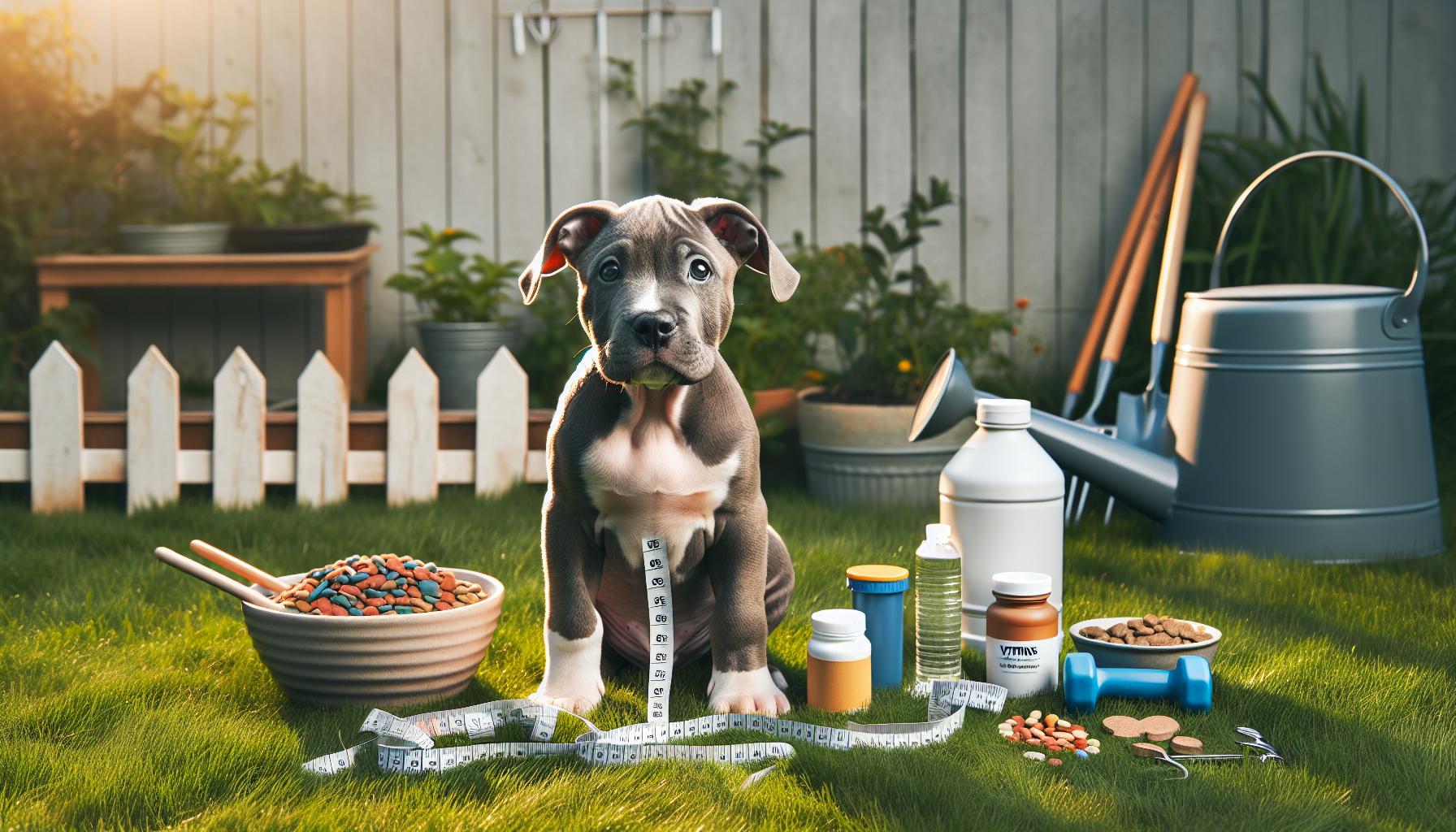
Growth rate in pitbulls is influenced by a variety of factors that every pet owner should consider. Understanding these influences can help ensure your pitbull reaches its full potential in terms of size and health.
One of the primary factors is genetics. Just as in humans, the genetic makeup of your pitbull plays a significant role in determining its adult size. This includes not only the height and weight but also the muscle structure. If the parents were larger or had a muscular build, it’s likely that the offspring will follow suit. Selecting a reputable breeder who prioritizes good genetics can have a positive impact on the growth of your pitbull.
Another critical factor is nutrition. A balanced diet rich in protein and essential nutrients fosters healthy growth. Puppies require specially formulated foods that promote muscle development and provide the energy needed for their high activity levels. Regular vet check-ups can help ensure that your pitbull is receiving the right nutrition tailored to its age and size requirements.
Exercise also plays a crucial role in a pitbull’s growth. Engaging in regular physical activity not only helps to build strong muscles but also supports healthy bone development. Puppies especially benefit from playtime that encourages them to test their strength and agility. However, it’s important to balance exercise with rest, as overexertion can hinder growth and lead to injuries.
Lastly, health conditions can significantly affect growth rates. Conditions like hypothyroidism or other hormonal imbalances can lead to stunted growth or development issues. It’s vital to monitor your pitbull for any signs of health problems and consult with a veterinarian if you have concerns.
By being mindful of these factors-genetics, nutrition, exercise, and health-you can help your pitbull achieve a healthy growth rate, leading to a robust adult dog ready to take on life’s adventures.
Average Size of Adult Pitbulls
When you think about a pitbull’s adult size, it’s essential to recognize the variety within the breed and how that can affect individual characteristics. Pitbulls are not a single breed but an umbrella term encompassing several types, including the American Staffordshire Terrier, American Pit Bull Terrier, and Staffordshire Bull Terrier. Each of these can differ significantly in size and build, influenced primarily by their genetics.
Typically, adult pitbulls weigh between 30 to 85 pounds and stand about 17 to 21 inches tall at the shoulder. Here’s a general breakdown of average sizes for the common types of pitbulls:
| Type | Weight Range | Height Range |
|---|---|---|
| American Pit Bull Terrier | 30 – 85 lbs | 18 – 21 inches |
| American Staffordshire Terrier | 40 – 70 lbs | 17 – 19 inches |
| Staffordshire Bull Terrier | 24 – 38 lbs | 14 – 16 inches |
These size ranges mean that you may find a pitbull that’s more compact and muscular or one that is lean and slightly taller. For example, while the American Pit Bull Terrier is well-known for its robust and muscular frame, the Staffordshire Bull Terrier tends to be smaller and stockier. This variety is a testament to the breed’s versatility and adaptability.
Alongside genetics, factors such as diet and exercise also play a critical role in reaching full physical potential. Ensuring your pitbull receives a nutritious diet and regular exercise can lead to not only optimal size but also overall health and happiness, translating into a longer lifespan for your furry friend. With proper care and attention, your pitbull will flourish into a strong, spirited adult, ready to be your loyal companion for years to come.
How to Track Your Pitbull’s Growth
Tracking your pitbull’s growth is an essential part of responsible pet ownership, helping ensure that your furry friend is developing healthily and reaching their full potential. One of the best ways to keep track of your pitbull’s growth is by maintaining a growth chart. You can create one by measuring your dog’s weight and height at consistent intervals, ideally every month, until they reach maturity around 12 to 18 months of age. This will not only give you a clear picture of their growth trajectory but also allow you to spot any significant deviations that might require a vet’s attention.
To accurately measure your pitbull, use a reliable scale to track their weight and a measuring tape to determine their height from the ground to their shoulder. Record these measurements in a notebook or a digital app dedicated to pet care. Additionally, consider taking photos at each measurement point. This visual documentation can be rewarding as you see how your dog transforms from a playful puppy to a muscular adult. It can also help you notice changes in body condition and structure that might signal health issues.
Moreover, observing behavioral and physical milestones is equally important. For younger pitbulls, watch for signs of energy levels, playfulness, and coordination, which are good indicators of overall health. A sudden decrease in energy or changes in appetite might indicate a problem, prompting you to consult a vet. Engaging in a consistent feeding schedule that reflects their growth stage is also key to maintaining optimal health.
In summary, tracking your pitbull’s growth involves careful measurement, documentation, and keen observation of their overall well-being. By being proactive and attentive during their formative months, you can support your pitbull in growing up as a strong, healthy, and happy companion.
Comparing Different Pitbull Breeds’ Sizes
When exploring the variety within pitbull breeds, it’s fascinating to note the size differences that can exist among them. While many people often generalize the term “pitbull,” it’s important to remember that it actually refers to several breeds, including the American Pit Bull Terrier, American Staffordshire Terrier, and Staffordshire Bull Terrier, each with its own specific characteristics and size ranges.
The American Pit Bull Terrier is known for its muscular build and typically weighs between 30 to 85 pounds. Males usually stand around 18 to 21 inches tall at the shoulder, while females are slightly smaller, generally ranging from 17 to 20 inches. This breed is known for its strength and agility, which can sometimes lead to misconceptions about their temperament.
In comparison, the American Staffordshire Terrier is similar in appearance but tends to be a bit stockier. Adult males usually weigh between 50 to 70 pounds, with a height of about 18 to 19 inches, while females typically range from 40 to 50 pounds and stand around 17 to 18 inches tall. Their compact size and muscular structure make them incredibly powerful despite being affectionate companions.
The Staffordshire Bull Terrier, on the other hand, is smaller and lighter, with adults generally weighing between 24 to 38 pounds and standing 14 to 16 inches tall. This breed is renowned for its loving nature and tends to be more of a family dog, exhibiting a gentler disposition.
To visualize these differences in size, here’s a quick comparison table:
| Breed | Weight Range | Height Range |
|---|---|---|
| American Pit Bull Terrier | 30 to 85 lbs | 18 to 21 inches |
| American Staffordshire Terrier | 50 to 70 lbs | 18 to 19 inches |
| Staffordshire Bull Terrier | 24 to 38 lbs | 14 to 16 inches |
When considering which pitbull breed might be the best fit for you and your lifestyle, understanding these size distinctions is crucial. It not only helps in managing training and exercise needs but also ensures you provide adequate space and care tailored to your chosen breed. Each breed, while sharing some common traits, has unique requirements that can enhance your experience as a responsible owner and advocate for these wonderful dogs.
Common Misconceptions About Pitbull Growth
Many people hold misconceptions about the growth patterns and physical development of pitbulls, often due to stereotypes and generalizations surrounding this iconic breed. For instance, it’s a common belief that pitbulls will continue growing well into their adult years, but in reality, most pitbulls stop growing between 1.5 to 2 years of age. Understanding the growth phases of these dogs is essential for responsible ownership and ensuring their health and well-being.
One prevalent myth is that larger pitbulls are automatically healthier or more robust. This isn’t necessarily true. The growth rate and final size of a pitbull can vary significantly depending on several factors, including genetics, diet, and overall care. Overfeeding or providing an inadequate diet can lead to growth-related health issues, such as hip dysplasia and obesity, regardless of the dog’s size. Therefore, a careful balance of nutrition tailored to your dog’s needs is critical, especially during their formative years.
Additionally, misconceptions about pitbulls being “aggressive” can overshadow their growth narrative, particularly concerning their behavior during their developmental stages. Socialization during the early months is vital, and believing that large dogs will be inherently aggressive can prevent owners from engaging properly with their pitbull puppies. With proper training and socialization, pitbulls are often affectionate and loyal companions, debunking the myth that larger breeds are harmful.
As you navigate your pitbull’s growth journey, remember to monitor their development closely and seek veterinary advice for tailored care. It’s essential to be aware of the signs indicating healthy growth and to understand that each dog is unique, making it important to celebrate their progress rather than compare them to others. By fostering a nurturing environment, you will help dispel the related myths while forming a strong bond with your pitbull, blossoming into a well-adjusted adult.
Nutrition’s Role in Healthy Growth
Proper nutrition is a cornerstone of healthy growth for pitbulls, directly influencing their size, strength, and overall health as they transition from puppies to adults. It’s essential to provide a balanced diet rich in the necessary nutrients to support their active lifestyle and maintain optimal health. Feeding your pitbull the right amount and type of food can significantly affect how they develop and mature, ultimately impacting their longevity and well-being.
One vital component of your pitbull’s diet is protein. High-quality protein sources, such as chicken, beef, or fish, play a critical role in muscle development and repair. As growing dogs, pitbulls require a diet that is relatively high in protein-typically around 22-32% for puppies-to support the rapid growth they experience during their first year. Alongside protein, adequate fats are equally critical, providing energy and supporting healthy skin and coat. Look for a dog food that contains healthy fats, like omega-3 and omega-6 fatty acids, which are beneficial for overall health and development.
Key Nutritional Components for Growth
When assessing your pitbull’s diet, aim for a balanced formulation that includes:
- Proteins: Essential for muscle growth and development.
- Fats: Important for energy and skin health.
- Carbohydrates: Provide energy for your dog’s active lifestyle.
- Vitamins and Minerals: Support bone development and immune function.
Consideration of breed-specific needs is essential, as individual pitbulls may have varying dietary requirements based on their size, age, and activity level. For example, a highly active pitbull may require more calories and protein than one that is more sedentary. It’s advisable to consult with a veterinarian to tailor your pitbull’s diet to their specific needs, ensuring they receive the nutrients necessary for healthy growth.
Monitoring your pitbull’s body condition score can help determine if their diet is on track. Ideal weight is crucial; being underweight can hinder growth, while excess weight can lead to health issues like joint problems. Regular check-ins with a vet will help fine-tune their nutrition as they transition from a spirited puppy to a robust adult.
Remember, while nutrition plays a pivotal role in your pitbull’s growth and development, it should be complemented with appropriate exercise and routine veterinary care to foster a healthy, well-rounded lifestyle. By providing the right nutrition, you ensure that your pitbull not only reaches their full size but also thrives in health, exemplifying the energetic and loving nature that makes the breed so cherished.
Exercise Needs for Growing Pitbulls
As your pitbull grows, their physical development is accompanied by a surge in energy levels. This breed is known for its muscular build and playful spirit, qualities that require consistent and appropriate exercise to support healthy growth. Engaging in regular physical activity not only helps manage your pup’s energy but is also essential for muscle development, joint health, and mental stimulation.
During the first year, aim to incorporate a variety of activities into your pitbull’s routine. Short walks, playtime in the yard, and interactive games will keep your growing dog entertained and physically engaged. As a general guideline, puppies require around five minutes of exercise per month of age, up to twice a day. For instance, a four-month-old pitbull would benefit from 20 minutes of exercise. This cautious approach helps prevent overexertion, which can stress developing joints and bones.
Types of Exercise
Include a mix of aerobic and strength-building activities in your pitbull’s regimen. Here are some effective options:
- Walking: Simple yet effective, daily walks offer controlled exercise that is beneficial for cardiovascular health.
- Fetching: Playing fetch not only stimulates your dog’s mind but also encourages running and agility, fostering muscle development.
- Agility Training: Introducing basic agility obstacles can enhance their coordination and balance while keeping them physically challenged.
- Swimming: A low-impact exercise, swimming is great for joint health and provides a full-body workout.
It’s crucial to monitor your pitbull during exercise. Signs of fatigue, such as excessive panting or reluctance to continue, are indicators to stop and allow them to rest. Furthermore, be sure to gradually increase exercise intensity and duration as your pitbull matures. This progressive approach will help them build endurance and strength without risking injury.
In addition to physical exercise, mental stimulation is key for a pitbull’s overall health. Puzzle toys, training sessions, and socializing with other dogs are excellent ways to keep their minds sharp and engaged. By focusing on both physical and mental exercise, you will help your pitbull reach their full potential and thrive as a happy, healthy adult dog.
When Growth Slows Down: Key Indicators
As your pitbull approaches adulthood, the pace of their growth can shift, and recognizing the signs that they are reaching their final size is crucial for effective care. Most pitbulls reach their full height between 12 to 18 months, though some may continue to fill out and develop muscle mass until they are around two years old. Observing key indicators during this phase not only helps you manage their health but also allows you to prepare for their adult needs.
One critical sign that your pitbull’s growth is slowing down is a noticeable decrease in their appetite. While still maintaining healthy eating habits, you may find they no longer have the ravenous hunger that characterized their puppy stage. Additionally, their body language can provide insights; if they are less energetic during playtime and start to prefer lounging over running, this could indicate they are nearing their adult size.
You might also notice changes in their physical structure. Adult pitbulls typically have a well-defined muscle tone and a more leveled, stable stance compared to their lankier puppy selves. Assessing their weight can be informative too. Using a veterinarian’s guidance to determine a healthy weight range for your specific pitbull breed will help you identify if they have reached their adult weight.
Monitoring these indicators not only marks the transition into adulthood but also plays a role in ensuring their long-term health. Regular check-ups with your veterinarian and maintaining a balanced diet tailored to adult dogs will assist in making this transition as smooth as possible while fostering a happy and healthy life ahead.
Signs of Potential Health Issues in Growing Pitbulls
As your pitbull grows, it’s essential to be vigilant about their health to catch any potential issues early on. Observing your dog’s behavior and physical condition can help identify health problems before they become serious. For instance, a sudden change in appetite-whether an increase or decrease-can indicate underlying health issues. A healthy pitbull should have a consistent appetite, so if you notice a significant deviation, it may warrant a visit to the veterinarian.
Another critical area to monitor is your dog’s weight and body condition. Underweight puppies might suffer from nutritional deficiencies, while overweight pups can face a variety of health problems, such as joint issues or diabetes. Regular weigh-ins, paired with body condition scoring, can provide insights into whether your pitbull is growing at a healthy rate. If you notice they’re not gaining weight appropriately or seem to be gaining too much too quickly, consult your vet for tailored nutrition advice.
Additionally, keep an eye on your pitbull’s energy levels. A sudden lethargy or decrease in playfulness could suggest concerns like heart disease, infections, or even early signs of arthritis, especially as they start to mature. Participating in regular exercise is crucial for their physical and mental health, but a marked change in enthusiasm for activity can be a red flag.
Lastly, be alert for any physical symptoms such as limping, coughing, or unusual drooling. These could be indicators of injury or illness that need immediate attention. Regular veterinary check-ups are important for monitoring growth and overall health, allowing for timely interventions if any issues arise. Ensuring your pitbull has a healthy, safe, and happy life involves being proactive and attentive to these signs during their growth phases.
Preparing for Your Pitbull’s Adult Needs
As your pitbull transitions into adulthood, it’s crucial to prepare for their evolving needs to ensure they thrive. Adult pitbulls typically reach their full size by around 12 to 18 months, but this period also marks a time for shifting responsibilities regarding nutrition, training, health care, and socialization. Understanding these needs equips you with the tools to support your loyal companion effectively.
A well-structured diet tailored to an adult pitbull’s requirements is essential. They need a balanced mix of protein, fats, and carbohydrates to maintain their energy levels and overall health. Look for high-quality dog foods specifically formulated for large breed dogs, as these often provide the necessary nutrients while avoiding unnecessary fillers. Regular feeding schedules also help in maintaining a healthy weight; consider feeding your adult pitbull twice a day instead of just once.
In addition to proper nutrition, consistent training remains vital. While an adult pitbull is generally more settled than a rambunctious puppy, they still need regular mental stimulation and physical exercise to prevent boredom and destructive behavior. Incorporate a mix of obedience training, agility exercises, and playtime to keep your pitbull engaged and well-behaved. Socialization opportunities with other dogs and people are important too; they help reinforce good manners and reduce anxiety in varied environments.
Regular veterinary check-ups are another cornerstone of adult pitbull care. These visits should include vaccinations, parasite control, and routine bloodwork to catch any potential health issues early. Be mindful of any changes in behavior or health, as prompt attention can make a significant difference. As your pitbull ages, you may also want to tailor your exercise routine and dietary needs to accommodate for changes in energy levels and metabolism.
By diligently meeting your pitbull’s needs, you can celebrate their unique personality and strong spirit, ensuring that your bond continues to grow as they transition smoothly into adulthood.
FAQ
Q: When do Pitbulls typically stop growing?
A: Pitbulls generally reach their full size between 12 to 18 months. However, they may continue to fill out and gain muscle mass until they are around 2 years old. It’s essential to monitor their growth to ensure they are developing healthily.
Q: How can I tell if my Pitbull is growing at a healthy rate?
A: To determine if your Pitbull is growing healthily, track their weight and height regularly, comparing these metrics with the average sizes for their breed. Make adjustments in diet and exercise as needed, and consult your vet if growth seems abnormal.
Q: What size should I expect my Pitbull to be as an adult?
A: Adult Pitbulls typically weigh between 30 to 85 pounds and stand about 18 to 21 inches tall at the shoulder. Size can vary based on genetics and breeding, so ensure you refer to breed-specific standards when measuring your Pitbull.
Q: Do different Pitbull breeds reach adulthood at different sizes?
A: Yes, different Pitbull breeds, such as the American Pit Bull Terrier and American Staffordshire Terrier, have varying adult sizes. Generally, it’s essential to understand the specific breed of your Pitbull to have accurate size expectations.
Q: What factors can affect a Pitbull’s growth rate?
A: Genetics, nutrition, health, and exercise are key factors influencing a Pitbull’s growth rate. A well-balanced diet and regular vet check-ups are crucial for supporting healthy growth.
Q: Are there specific signs that indicate my Pitbull has reached its adult size?
A: Signs that your Pitbull has reached its adult size include a leveled growth pattern, stable weight, and diminished height increases. Changes in appetite and activity levels may also indicate they’re entering adulthood.
Q: How can I ensure my Pitbull grows up healthy and strong?
A: To ensure your Pitbull grows up healthy and strong, provide a balanced diet, regular exercise, and routine veterinary care. Monitoring their growth and being attentive to their nutritional needs will help them reach their full potential.
Q: Is it common for Pitbulls to have growth spurts?
A: Yes, Pitbulls often experience growth spurts, particularly in their early months. These spurts can be irregular, so it’s important to maintain a consistent feeding schedule and consult a vet for dietary recommendations during these phases.
Final Thoughts
As you navigate the journey of understanding when a Pitbull reaches its adult size, remember that growth is influenced by genetics, health, and proper nutrition. By being aware of these factors, you can better prepare for the unique characteristics that come with your loyal companion. If you’re eager to learn more, check out our guides on Pitbull training and health tips for keeping your pet vibrant and well-adjusted.
Don’t miss out on firsthand experiences from other Pitbull owners-join our community and share your thoughts in the comments below! Whether you’re considering adoption or raising a pup, now’s the time to deepen your knowledge and connection with these remarkable dogs. For ongoing insights, sign up for our newsletter and stay updated on everything Pitbull-related. Your journey with your Pitbull is just beginning, so dive deeper into our resources and embrace every moment!
Get our latest guides, news, and insights highlighted in your Google Search & AI Overviews.