Did you know that while the Pitbull and the American Bully are often mistaken for each other, they’re actually distinct breeds with unique traits? Understanding these differences is essential for prospective dog owners who want to choose the right companion for their lifestyle. Both breeds share a common lineage but diverge significantly in temperament, appearance, and purpose. Many people are drawn to the loyalty and affectionate nature of these dogs, yet misconceptions about their behavior and care requirements can lead to challenges. By demystifying the characteristics and needs of each breed, you’ll gain valuable insights that help you make an informed decision. Whether you’re considering adoption or simply want to appreciate these breeds, this guide will clarify the key differences and similarities, empowering you to celebrate these remarkable dogs. So let’s dive deeper into the fascinating world of Pitbulls and American Bullies, equipping you with the knowledge to support responsible ownership and appreciation for these wonderful companions.
Understanding the Pitbull and Bully Breeds
There’s much more to the Pitbull and Bully breeds than what meets the eye. Both breeds, often lumped together under the umbrella term “Pitbull,” have distinct characteristics and histories that shape their temperament and behavior. Understanding these differences is crucial for potential owners, as it sets the foundation for responsible breeding and care.
The term “Pitbull” traditionally encompasses breeds like the American Pit Bull Terrier, American Staffordshire Terrier, and Staffordshire Bull Terrier, each with its own unique qualities. In contrast, “Bully” typically refers to breeds like the American Bully, which has been bred primarily for companionship, emphasizing a more muscular build and a calmer demeanor. The American Bully often exhibits shorter legs and a broader head compared to their Pitbull counterparts, making them stand out visually.
When considering these breeds, it’s important to recognize their historical origins. Pitbulls were originally bred for bull-baiting and later as farm dogs, prized for their intelligence and loyalty. Today’s Pitbulls have diverged from their fighting past through selective breeding focused on temperament, resulting in affectionate and reliable companions. In comparison, Bullies emerged from a breeding focus that prioritized temperament and physique, leading to a more robust and family-friendly breed that is often regarded as a gentle giant.
As you dive deeper into understanding these breeds, keep in mind the common misconceptions surrounding them. Both breeds have been unjustly labeled as aggressive, largely due to media portrayal and historical misuse. In reality, with proper training and socialization, they can be incredibly loving and loyal family pets. By debunking these myths and emphasizing their unique traits, you can appreciate what each breed contributes to the canine world while considering which one might be the best fit for your lifestyle.
Key Characteristics of Pitbulls Explained
Many people are surprised to learn that Pitbulls are not just one breed but rather a group of breeds that share some common lineage and characteristics. The term “Pitbull” typically refers to several breeds, including the American Pit Bull Terrier, American Staffordshire Terrier, and Staffordshire Bull Terrier. Each of these breeds has its own unique traits, but they often share certain physical and behavioral characteristics that define them as a group.
Physical Traits
Pitbulls are generally known for their muscular build, sturdy frame, and strong jaw. They typically have a broad head and a very athletic appearance, showcasing their agility and strength. The coat of a Pitbull is short and smooth, which makes them relatively low-maintenance in terms of grooming. Coloration can vary widely-Pitbulls come in nearly every color combination, from solid to brindle, and can also have patches or spots.
Temperament
In terms of temperament, Pitbulls are often described as loyal, intelligent, and eager to please. They thrive on companionship and can be fantastic family pets when socialized properly. Their desire for human interaction makes them excellent candidates for training; however, they do require consistent and positive reinforcement tactics. When exposed to a variety of people and environments from a young age, Pitbulls become well-adjusted and confident adults.
Exercise Needs
One key characteristic to consider is that Pitbulls are energetic dogs. They need regular exercise not only to stay healthy but also to expend their considerable energy levels. Activities like daily walks, play sessions, and opportunities for mental stimulation through training or puzzle toys are essential for keeping them happy and well-behaved. Without sufficient exercise and mental engagement, they may become bored or develop undesirable behaviors.
Health Considerations
Pitbulls, like any breed, have their share of potential health concerns. Common issues can include hip dysplasia, allergies, and skin conditions. It’s essential to be aware of these potential issues and schedule regular veterinary check-ups to ensure they remain healthy. Additionally, responsible breeding practices can help reduce the prevalence of hereditary health problems, so consider sourcing your Pitbull from reputable breeders who screen for genetic disorders.
In summary, understanding the key characteristics of Pitbulls will help you appreciate their unique qualities and determine if they are the right fit for your lifestyle. With their strong personalities, intelligence, and capacity for love, Pitbulls can make wonderful companions for those willing to give them the attention and care they need.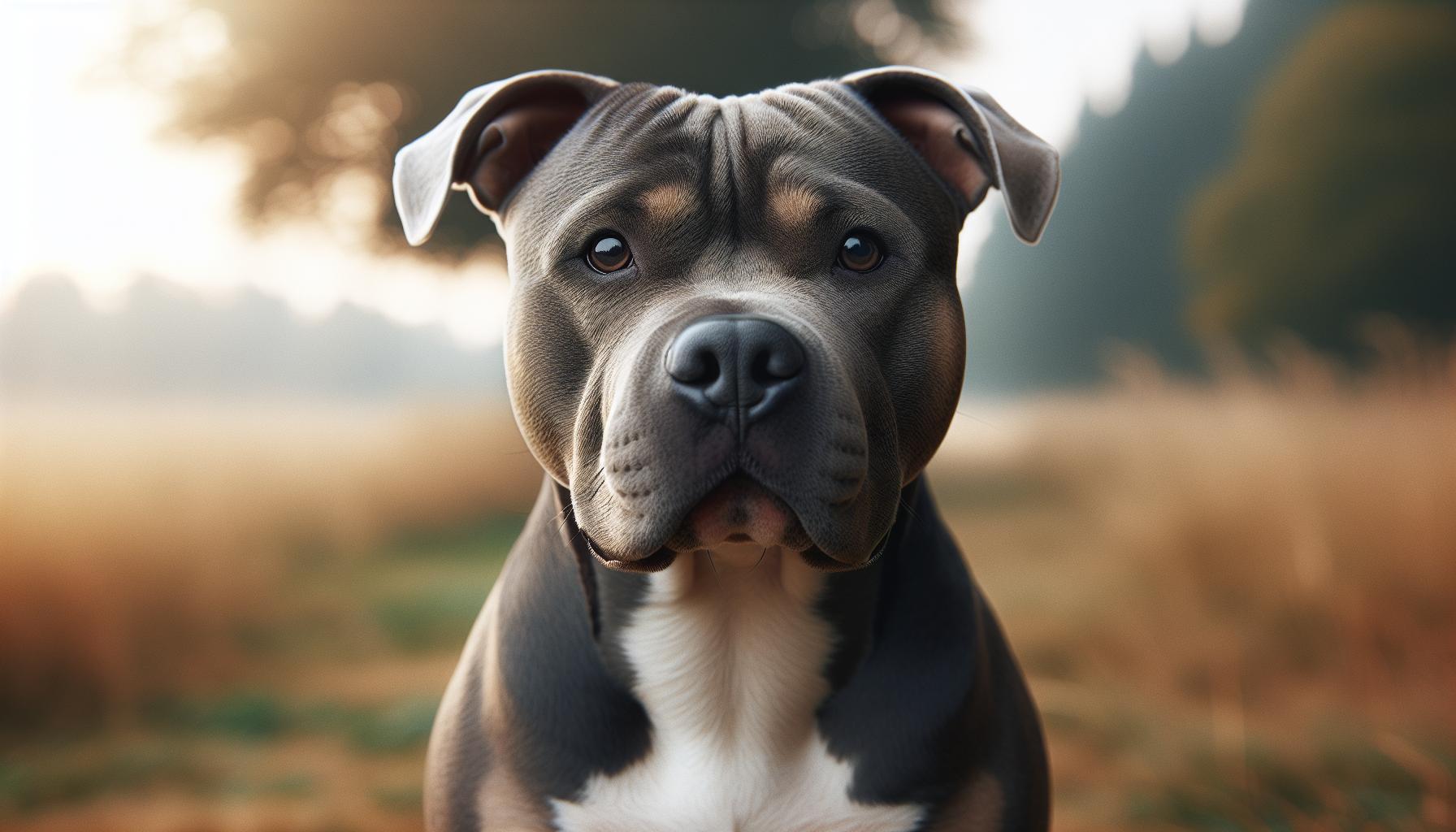
Exploring the Unique Traits of Bullies
When considering dogs often labeled as “bullies,” it’s important to understand that this term encompasses a variety of breeds, each possessing unique qualities. These breeds, including the American Bully, American Staffordshire Terrier, and Staffordshire Bull Terrier, showcase certain characteristics that make them distinct from the more general category of Pitbulls. At first glance, you may notice similarities in their physical traits, but deeper exploration reveals intriguing differences.
One striking feature of bully breeds is their physical presence. Generally, they have a robust and muscular build, a wide head, and a strong neck, which contributes to their intimidating appearance. However, beneath that muscular facade lies a gentle and affectionate nature. Many bully breeds are renowned for their loyalty and friendliness, often forming close bonds with family members. This combination of strength and sweetness makes them suitable companions, especially for families who appreciate a devoted, playful pet.
These breeds often possess unique temperamental traits as well. While amateur trainers may assume that the strong physique translates to a dominant character, many bully breeds are incredibly sensitive and responsive. They thrive on positive reinforcement methods during training and require a consistent, loving approach. Socialization is key for these dogs; exposing them to various people, animals, and environments early in life contributes to a well-adjusted adult. Moreover, their adaptability can surprise you; despite their size and strength, many bully breeds enjoy lounging on the couch and being part of family activities.
Health considerations for bully breeds can vary, as each type may be predisposed to specific conditions. Regular health check-ups with a vet, combined with a nutritious diet and adequate exercise, are essential in managing their well-being. A proactive approach will help you keep your bully happy and healthy, ensuring they lead a fulfilling life.
Understanding these unique traits not only empowers potential owners but also helps reshape the narrative surrounding these breeds. With proper care, training, and love, bully breeds can confidently step into their roles as loyal companions, celebrated for both their strength and affectionate hearts.
Historical Origins of Pitbulls and Bullies
The rich history of Pitbulls and bully breeds is a tapestry woven from various influences across time, geography, and purpose. Originating in the early 19th century, these breeds were developed from a combination of bulldogs and terriers, specifically to create a versatile working dog that could assist in farm tasks, such as herding livestock and controlling vermin. This breeding aimed not just to amplify strength but also to incorporate the tenacity and agility of terriers, making the result an all-round canine companion.
In the United States, the American Pit Bull Terrier emerged as one of the most recognized descendants of these early hybrids. Farmers valued their loyalty, courage, and intelligence, which made them exceptional for not just work but also as family dogs. Meanwhile, the American Staffordshire Terrier, often termed a “bully breed,” inherited the same characteristics but was bred more for companionship and showing purposes, leading to slight variations in temperament and physique compared to their working cousins.
Interestingly, while these breeds were cherished for their loyalty and protective instincts, their reputations took a hit in the 20th century due to their association with dog fighting-a cruel and inhumane practice that falsely overshadowed their true nature. This dark chapter in their history contributed to widespread misconceptions and breed-specific legislation, which still affects the perception of Pitbulls and bullies today. Understanding their background is crucial in reshaping the narrative and informing prospective owners about the loving and gentle nature that lies beneath those muscular exteriors.
In the modern day, as more people emphasize responsible ownership and awareness, the goals have shifted towards rehabilitation and education concerning these breeds. Fostering a positive relationship with potential owners involves understanding their origins which can better equip you to raise a bully or Pitbull in a nurturing environment. Familiarizing yourself with these historical roots not only honors their past but also enhances the connection and appreciation between you and your future companion.
Common Misconceptions About Pitbulls and Bullies
Misunderstandings abound when it comes to Pitbulls and bully breeds, many of which stem from a long-standing stigma that does not reflect their true nature. One common misconception is that all Pitbulls are aggressive. In reality, aggression is not an inherent trait of these breeds but often a result of neglect, poor training, or improper socialization. Just like any dog, a Pitbull or bully can exhibit aggression if not raised in a suitable environment. With consistent training and socialization, these dogs can be loving, well-adjusted companions.
Another misconception is that these breeds are inherently dangerous. The reality is far more nuanced. Studies and statistics show that dog behavior is influenced by a host of factors, including genetics and upbringing. It’s essential to understand that any breed can exhibit problematic behavior if not raised properly. Taking the time to train and socialize your Pitbull or bully can mitigate many behavioral issues and help foster a friendly demeanor.
Many people also equate the term “bully” with hostility or aggression. However, the “bully” in bully breeds refers to their historical connection to bulldogs, not their temperament. Bullies are often affectionate and social, thriving in familial settings. Mislabeling these dogs only perpetuates stigma and misinformation. Emphasizing positive stories, like the American Bully excelling in roles such as therapy or support animals, can help change public perception.
Understanding these misconceptions is crucial not just for responsible ownership but also for advocating for better treatment and representation of Pitbulls and bully breeds in society. By educating yourself and others, you can play a role in changing the narrative around these remarkable dogs.
Comparing Temperament: Pitbulls vs. Bullies
The temperament of Pitbulls and Bullies is a fascinating subject that reveals much about these often-misunderstood breeds. Both groups are renowned for their loyalty and exuberance, but they exhibit distinctive traits that influence how they interact with people and their environments. Notably, both breeds thrive in affectionate households, making them popular choices for families looking for a companion who loves social interaction.
Understanding Pitbull Temperament
Pitbulls are celebrated for their exuberance and zest for life. They are typically energetic, playful, and highly trainable, which makes them excellent candidates for various dog sports or obedience competitions. Their loyalty is profound; once they form a bond with their owner, they become fiercely protective and devoted. However, this loyalty also means they can be sensitive to changes in their environment or routine, which could lead to anxiety if not managed properly. Early socialization is essential for a balanced temperament, allowing Pitbulls to interact positively with a variety of people and animals.
Examining Bully Breeds’ Nature
Bully breeds, such as the American Bully and the American Bulldog, often exhibit a slightly different demeanor. They are generally very affectionate and love being around their human family members. Many owners describe them as “gentle giants” due to their loving nature and a tendency to be good with children. Bully breeds can be more laid-back compared to some of their Pitbull relatives, displaying a calm disposition in familiar settings. Like Pitbulls, they benefit from positive reinforcement during training and are often eager to please their owners.
Key Comparisons
To help visualize the differences in temperament between Pitbulls and Bullies, consider the following comparison:
| Trait | Pitbulls | Bully Breeds |
|---|---|---|
| Energy Level | High; Needs regular exercise | Moderate; Enjoys playtime but can also relax |
| Loyalty | Extremely loyal and protective | Affectionate and loving, especially with families |
| Trainability | Highly trainable; responds well to consistent training | Also trainable; often eager to please |
| Social Needs | Craves socialization; may develop anxiety if not socialized | Social; enjoys companionship but typically more relaxed |
Both breeds thrive when they are part of an active and loving family. Understanding these temperament differences can help potential owners choose the right match for their lifestyle, leading to a harmonious and fulfilling relationship with their canine companions. Whether you’re drawn to the spirited nature of a Pitbull or the gentle, affectionate demeanor of a Bully, both breeds have the capacity to bring immense joy and companionship into your life.
Health Considerations for Pitbulls and Bullies
When considering the health of Pitbulls and Bullies, it’s essential to recognize that despite their differences, both breeds can be susceptible to certain genetic and environmental health issues. Awareness and proactive management can significantly enhance their well-being and lifespan. Generally, responsible ownership, including regular vet check-ups and a balanced diet, plays a critical role in maintaining your dog’s health.
Common Health Issues
Both breeds share some common health problems, including:
- Hip Dysplasia: A genetic condition where the thighbone doesn’t fit snugly into the hip joint, which can lead to arthritis.
- Skin Issues: Both breeds can be prone to skin allergies that may require special diets or treatments.
- Heart Disease: Conditions like dilated cardiomyopathy can affect both Pitbulls and Bullies, especially as they age.
- Obesity: Due to their strong build, both breeds may be predisposed to weight gain if not exercised adequately, which can lead to various other health issues.
Proper nutrition is vital. A diet high in protein but balanced with fats, vitamins, and minerals can help maintain a healthy weight and support overall health. Regular exercise is also crucial; while Pitbulls often require more intensive physical activity, Bullies enjoy play and moderate walks, which helps prevent obesity and boosts mental health.
Preventative Care
For both breeds, preventative health care strategies should include:
- Routine veterinary visits: Annual check-ups can catch potential issues early.
- Vaccinations: Keeping up with vaccinations helps protect against common diseases.
- Dental care: Regular dental hygiene can prevent oral diseases, which are common in both breeds.
- Parasite prevention: Regular treatments for fleas, ticks, and worms are essential to keep them healthy.
Age-Related Considerations
As these breeds age, common health concerns may shift. Older Pitbulls might experience significant joint pain due to hip or elbow dysplasia, while older Bullies may encounter heart problems. Adjusting exercise routines and monitoring any changes in behavior or mobility can help in managing these aging issues effectively.
By being informed about your Pitbull or Bully’s health, and addressing issues proactively, you can help ensure a long, healthy, and happy life for your canine companion. Understanding these health considerations not only aids in responsible ownership but also deepens the bond you share with your pet.
Training Approaches for Each Breed
Training your dog, whether a Pitbull or a Bully, begins with understanding their unique traits and temperamental nuances. Both breeds are known for their intelligence and eagerness to please, making them highly trainable with the right approach. However, effective training requires time, consistency, and gentle guidance to harness their natural abilities and energy.
For Pitbulls, a positive reinforcement training method is particularly effective. This involves rewarding desirable behaviors with treats, praise, or play. Given their strong desire to be part of your family, using positive reinforcement helps to solidify your bond while creating a trustworthy and well-behaved companion. Pitbulls thrive on structure and predictability in their training routines. Sessions should be kept engaging and varied to maintain their focus, as they’re known for their exuberance.
When it comes to Bullies, while they also benefit from positive reinforcement, it’s crucial to be aware of their sometimes stubborn nature. These dogs exhibit a playful spirit and can become easily distracted. To counter this, training sessions should be brief, fun, and filled with plenty of praise. Introducing playtime as a reward can be particularly motivating for Bullies. Additionally, socialization is key; exposing them to new environments, people, and experiences early can reduce the likelihood of behavioral issues later in life.
Both breeds require foundational training that includes basic commands such as sit, stay, and heel, but their specific socialization needs may differ. Pitbulls often need a bit more guidance in social contexts due to their strong prey drive and tendency to be overzealous. Meanwhile, Bullies typically have a more laid-back demeanor, making them easier in group play settings. Regardless of the breed, training should incorporate challenges that stimulate their minds and allow them to showcase their strengths, such as agility courses or other interactive activities.
Overall, patience and understanding your dog’s individual personality traits will significantly enhance the training process. Celebrate the small victories and strive for a relationship grounded in trust and mutual respect; this will ultimately lead to a happier, more harmonious home for both you and your beloved canine friend.
Socialization Needs: How They Differ
Successful socialization is crucial for both Pitbulls and Bullies, as it shapes their behavior and interactions within various environments. Socialization involves exposing your dog to a wide range of experiences, including different people, animals, and environments. However, the methods and intensity of socialization may differ significantly between these two breeds.
Pitbulls typically have a high prey drive, which can sometimes lead to overexcitement or assertiveness in social situations. Therefore, they often require more structured socialization strategies. For example, early exposure to dog parks, training classes, or controlled playdates with other well-mannered dogs can help mitigate potential behavioral issues arising from their intense nature. Engage in activities that promote calmness and teach them how to react appropriately when encountering new stimuli. Keeping sessions frequent but short helps maintain their focus and confidence without overwhelming them.
Bullies, on the other hand, generally possess a more laid-back demeanor. They may be less inclined to the high-energy interactions that a Pitbull might seek. This breed benefits from a diverse range of social experiences, but the approach can be more relaxed. They tend to enjoy group play and may thrive in social settings where they can interact with numerous people and other dogs without the same level of intensity. Early socialization to different environments, along with gentle introductions to new experiences, will encourage Bullies to become well-adjusted adults.
Both breeds need to be introduced to a variety of situations to build their confidence and reduce anxiety. Owners should focus on positive experiences during socialization, rewarding their dogs with treats and praise for calm behavior. Whether you’re introducing a Pitbull to a new friend or a Bully to a puppy playgroup, the goal remains the same: fostering a sense of safety and enjoyment in new environments.
By understanding these distinct socialization needs, you can take proactive steps to raise a well-behaved and sociable companion, whether you choose a Pitbull or a Bully. Tailoring your approach not only helps your dog thrive but also enhances their ability to coexist harmoniously within your family and the broader community.
Lifestyle Compatibility: Which Breed Suits You?
Considering bringing a new dog into your life? The choice between a Pitbull and a Bully can significantly shape your lifestyle and home environment. While both breeds are known for their loyalty and strong companionship, they come with distinct characteristics and needs that can influence how well they fit into your daily routine.
Pitbulls typically thrive in active households. Known for their high energy and playful nature, they require plenty of physical activity and mental stimulation. Daily walks, runs, and engaging games are essential to keep them happy and well-adjusted. If you’re an active person who enjoys outdoor activities, a Pitbull could be a fantastic match. Their drive for play and enthusiasm for social interaction means they often excel in families that can provide structured training and ample exercise. In addition to physical needs, Pitbulls benefit from consistent training to channel their energy positively and avoid behavioral issues.
In contrast, Bullies generally have a more relaxed energy level and are often content with a moderate amount of exercise. Although they still need regular walks and some playtime, they may be better suited for a calmer environment where lounging on the couch alongside their human is perfectly acceptable. If you lead a more laid-back lifestyle or live in an apartment, a Bully could adapt well to your home. They tend to be affectionate companions and often get along well with children and other pets, making them ideal for families looking for a gentle, loving presence.
When evaluating which breed aligns with your lifestyle, consider your living situation, activity level, and commitment to training and socialization. Both breeds can be wonderful additions to the family, but understanding their needs will help ensure a harmonious relationship. In the end, whether you choose a vibrant Pitbull or a cozy Bully, your dedication to providing a loving, active, and well-structured environment will determine the depth of your bond and the happiness of your new furry friend.
Bully Variants: Recognizing Differences
When it comes to recognizing the differences among Bully breeds, understanding the distinctive traits of each variant can be incredibly rewarding for prospective owners. The term “Bully” encompasses a variety of breeds, each with its unique characteristics and history. Whether you’re considering an American Bully, an English Bulldog, or a French Bulldog, discerning their differences can help you pick the best match for your lifestyle and preferences.
### Types of Bully Breeds
- American Bully: Known for their muscular build and friendly demeanor, American Bullies are versatile companions. They come in several sizes, from pocket-sized to standard, and are generally very affectionate with families. Their energy levels can vary, but they typically require regular exercise and mental stimulation.
- English Bulldog: With their wrinkled faces and stocky stature, English Bulldogs boast a sweet and gentle personality. They are relatively low-energy dogs that enjoy lounging around, making them well-suited for apartment living. Regular, moderate exercise is important, but they can easily tire out due to their unique physical structure.
- French Bulldog: This breed is compact and playful, known for its bat-like ears and charming disposition. Frenchies thrive on human interaction and are ideal for those living in smaller spaces. Their exercise needs are also moderate, favoring short bursts of play over prolonged physical activity.
### Key Differences to Consider
While all Bully breeds share a common ancestor and may exhibit similar affectionate traits, they differ significantly in appearance, temperament, and care requirements:
| Bully Variant | Size | Exercise Needs | Temperament |
|---|---|---|---|
| American Bully | Medium to Large | High | Friendly, Loyal |
| English Bulldog | Medium | Low to Moderate | Calm, Affectionate |
| French Bulldog | Small to Medium | Low to Moderate | Playful, Companionable |
Understanding these distinctions not only helps you select the right companion but also prepares you for the unique responsibilities associated with each breed. Assess your lifestyle, living situation, and the amount of free time you have for a dog before choosing a Bully variant. Regardless of your choice, embracing the joy each breed brings into a home can be a deeply fulfilling experience.
Caring for Your Pitbull or Bully: Essential Tips
Owning a Pitbull or Bully breed is a rewarding journey that requires commitment, understanding, and the right approach to care. These breeds are known for their loyalty and affection, making them wonderful companions. However, certain tips can help ensure that your Pitbull or Bully thrives, both physically and emotionally.
Nutrition and Diet
A well-balanced diet is foundational to your dog’s health. Both Pitbulls and various Bully breeds, such as the American Bully, benefit from high-quality dog food that meets their specific nutritional needs. Look for products that are rich in protein and are free from fillers. It’s essential to monitor their weight, as Bully breeds can be prone to obesity due to their muscular builds and lower activity levels compared to some other breeds. You might consider consulting your veterinarian for tailored dietary recommendations, especially if you notice weight changes with your dog.
Regular Exercise
Physical activity is crucial for maintaining your pet’s overall health and preventing behavioral issues. Pitbulls are generally high-energy dogs that require daily exercise, whereas Bully breeds may vary in their activity needs. Aim for at least 30-60 minutes of exercise each day, which can include walks, playtime, and mental stimulation activities. Engaging them with interactive toys or training sessions can be beneficial. No matter the breed, finding enjoyable activities can strengthen your bond with your dog while keeping them fit.
Training and Socialization
Positive reinforcement training is effective with both Pitbulls and Bully breeds. Begin training early to instill good behaviors, and be patient and consistent. Socialization is equally important; exposing your dog to different environments, people, and other animals helps them grow into well-adjusted pets. Organizing play dates or enrolling in training classes can provide valuable experiences for your dog. Remember, fostering a positive, confident demeanor will benefit not only your dog but also enhance your community interaction.
Health Care Needs
Routine veterinary check-ups are non-negotiable for the health of your Pitbull or Bully. Keep an eye on common breed-specific health issues such as hip dysplasia and skin allergies. Regular vaccinations, dental care, and flea/tick prevention are essential components of their healthcare regimen. Be observant of any changes in behavior or physical condition, as timely intervention can prevent serious health issues.
In conclusion, responsible ownership involves understanding the specific needs of your Pitbull or Bully breed. By focusing on nutrition, exercise, training, and health care, you’ll not only foster a happy and healthy pet but also enjoy a fulfilling companionship that celebrates the unique qualities that these breeds have to offer.
FAQ
Q: What is the main difference between a Pitbull and a Bully?
A: The primary difference between a Pitbull and a Bully lies in their breed classification. While “Pitbull” typically refers to American Pit Bull Terriers, “Bully” often denotes a broader category, including breeds like American Bully, which are hybrids of several breeds, focusing on a stockier build. For more detailed comparisons, see our section on Key Characteristics of Pitbulls Explained.
Q: Are Pitbulls or Bullies more suitable for families?
A: Both breeds can be family-friendly, but it largely depends on individual temperament and training. Pitbulls are known for their loyalty and affection, while Bullies often have a playful and gentle demeanor. Consider your family’s lifestyle and needs when choosing. Refer to Lifestyle Compatibility: Which Breed Suits You? for more insights.
Q: How do health issues differ between Pitbulls and Bullies?
A: Pitbulls are prone to hip dysplasia and skin conditions, whereas Bullies may face issues like heart disease and certain genetic disorders. Regular vet check-ups and a healthy diet are vital for both breeds. Check our Health Considerations for Pitbulls and Bullies section for preventive care tips.
Q: Can a Pitbull and a Bully get along well?
A: Yes, a Pitbull and a Bully can coexist harmoniously if properly socialized from a young age. Their temperaments generally align, making them likely to bond well. Proper introductions and monitoring are crucial. See our Socialization Needs: How They Differ article for effective techniques.
Q: What kind of training methods work best for Pitbulls and Bullies?
A: Positive reinforcement is the most effective training method for both Pitbulls and Bullies. Start with basic commands and gradually increase complexity. Consistency and patience are key in fostering good behavior, as highlighted in our Training Approaches for Each Breed section.
Q: Are there different types of Bullies?
A: Yes, there are several types of Bullies, including the American Bully, Pocket Bully, and Standard Bully, each with distinct traits and appearances. Understanding these variations can help you choose the right fit for your lifestyle, as discussed in Bully Variants: Recognizing Differences.
Q: How can you tell if a Pitbull or Bully is purebred?
A: Determining if a Pitbull or Bully is purebred can be achieved through pedigree documentation or DNA tests. Breeders should provide health clearances and lineage papers. For further details on identifying characteristics, visit our Understanding the Pitbull and Bully Breeds section.
Q: Why are Pitbulls sometimes viewed negatively compared to Bullies?
A: Pitbulls often face negative perceptions due to media portrayal and historical associations with aggression. In contrast, Bullies are frequently viewed more positively due to their appearance and demeanor. This misconception is addressed in the Common Misconceptions About Pitbulls and Bullies section.
Insights and Conclusions
As we wrap up our exploration of “Pitbull vs Bully: Breed Differences Clarified,” it’s essential to remember that understanding these breeds can lead to more responsible ownership and appreciation. Whether it’s the playful nature of a Pitbull or the unique traits of a Bully, each dog deserves recognition for its individuality and loving companionship. If you have any lingering questions or need guidance on these breeds, don’t hesitate to check out our in-depth articles on breed care and training tips.
Now’s the time to take the next step! Consider signing up for our newsletter for ongoing insights and special resources tailored to pet owners like you. And if you’re passionate about these breeds, join the conversation below-share your experiences, ask questions, or simply connect with fellow enthusiasts! Your engagement not only enhances our community but also enriches your journey in dog ownership. Remember, the right knowledge can transform lives-both yours and your dog’s!
Get our latest guides, news, and insights highlighted in your Google Search & AI Overviews.