When it comes to choosing a canine companion, the debate between Pitbulls and Bulldogs often emerges, capturing the attention of dog lovers everywhere. Did you know that while both breeds share a muscular build and loyal nature, they differ significantly in temperament and physical traits? Understanding these distinctions is crucial for potential owners looking to find the perfect match for their lifestyle. In this comprehensive guide, we’ll delve into the unique characteristics, health considerations, and training needs of both breeds, helping you make an informed decision. Whether you’re drawn to the playful exuberance of a Pitbull or the gentle demeanor of a Bulldog, our comparison will provide valuable insights to guide your journey. Let’s explore the fascinating world of these remarkable breeds together!
Understanding the Pitbull and Bulldog Breeds
Understanding the complex traits of both American Pit Bull Terriers and American Bulldogs enriches our appreciation for these breeds and helps potential owners make informed decisions. Both breeds share a slightly overlapping history, originating from a mix of bulldog and terrier lineage, but they diverged significantly in appearance and purpose over time. While the American Bulldog was primarily bred for utility as a farm dog, assisting with tasks such as herding and guarding livestock, the American Pit Bull Terrier evolved into a more compact and muscular breed, renowned for its tenacity and strength in working scenarios that demanded agility and courage.
When comparing these two breeds, it is crucial to note their physical characteristics. American Bulldogs are typically larger, with weights averaging between 70 to 125 pounds and heights reaching up to 27 inches, showcasing a robust and muscular build. In contrast, American Pit Bull Terriers usually weigh between 30 to 65 pounds and stand around 18 to 21 inches tall, giving them a stance that emphasizes agility and strength, rather than pure size. This not only affects their appearance but also impacts their exercise needs and living situations.
Temperament plays a vital role in the dynamics of owning either breed. American Bulldogs are renowned for their gentle and affectionate nature, often forming strong bonds with families, including children. They are inherently loyal and protective, but typically exhibit a more relaxed demeanor compared to their Pit Bull counterparts. American Pit Bulls, while also loyal and friendly, may display more energetic and sometimes stubborn tendencies, reflecting their history as working dogs. Understanding these traits can guide potential owners in selecting the breed that best matches their lifestyle and preferences.
In summary, while both breeds share a lineage that speaks to their strength and loyalty, they exhibit distinct physical and temperamental characteristics. By understanding these differences, you can better determine which breed aligns with your needs and values, setting the stage for a rewarding companionship.
Key Characteristics of Pitbulls vs Bulldogs
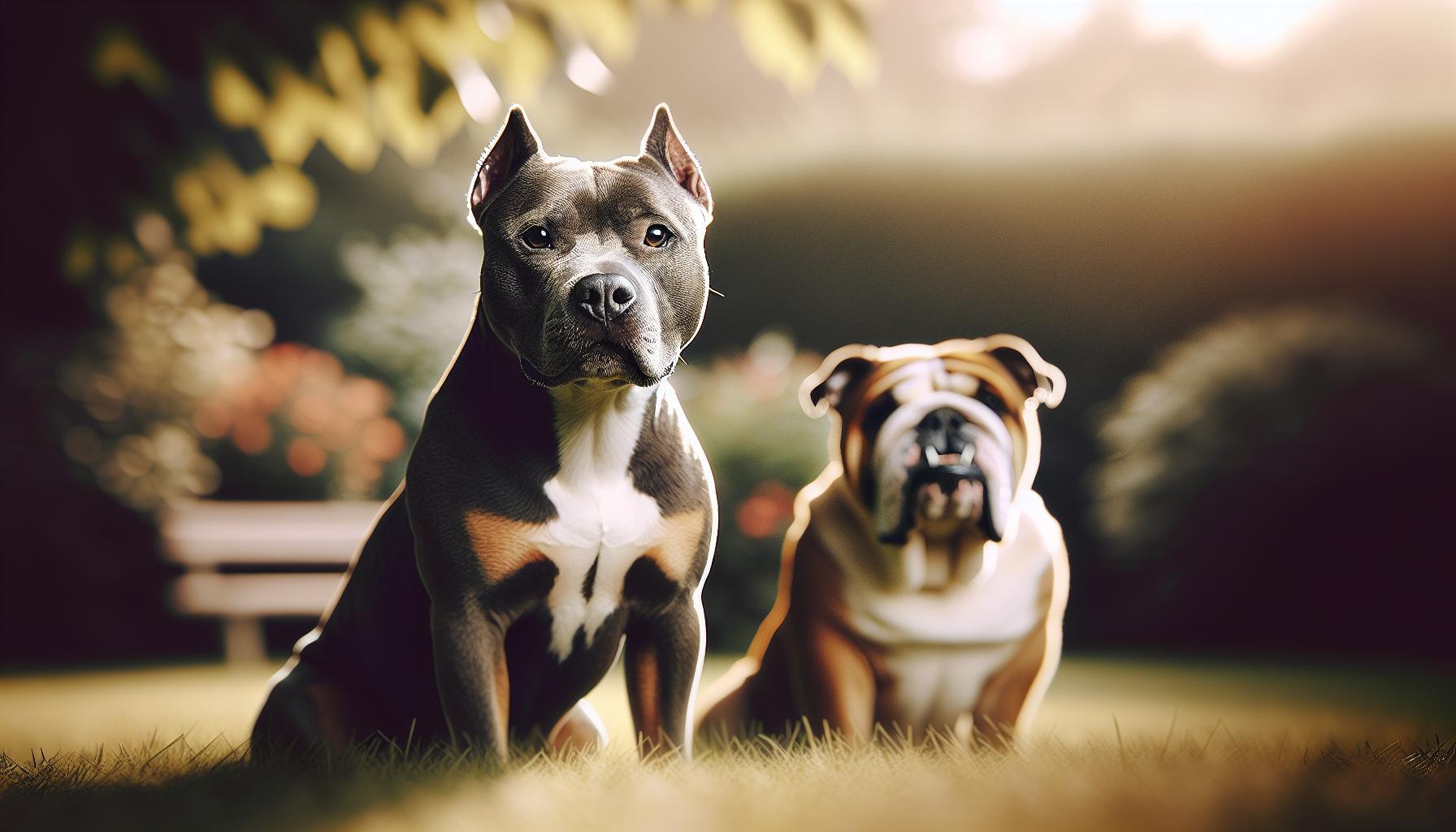
The distinctions between American Pit Bull Terriers and American Bulldogs extend well beyond their physical appearance; these breeds are celebrated for their unique traits that influence their behavior, needs, and compatibility with various lifestyles. Recognizing these key characteristics can be invaluable as you consider which breed is the right fit for you and your family.
Physical Attributes
American Bulldogs are larger and more robust than their Pit Bull counterparts. A typical American Bulldog can weigh between 70 to 125 pounds and can stand up to 27 inches tall. They possess a strong, muscular build ideal for farm work, reflecting their history as utility dogs. In contrast, American Pit Bull Terriers are more compact, generally weighing between 30 to 65 pounds and standing 18 to 21 inches tall. This slight build gives them an appearance of agility paired with strength, making them suited to various roles, including companionship and sport.
Temperament Insights
When it comes to temperament, both breeds can be affectionate and loyal, though their levels of energy and attentiveness differ. American Bulldogs are known for their gentle and affectionate nature, often forming strong bonds with children and families. They tend to be protective but typically maintain a more laid-back demeanor. On the other hand, American Pit Bulls are energetic and sometimes exhibit a stubborn streak due to their working dog heritage. They thrive on physical activity and mental stimulation, making them well-suited for active owners who can dedicate time to training and play.
Exercise and Activity Needs
When evaluating your potential pet’s requirements, consider their exercise needs. American Bulldogs, while adaptable, require regular exercise to maintain their health and prevent obesity. Daily walks, playtime, and mental engagement are essential. Conversely, American Pit Bulls have higher energy levels and need more vigorous exercise. Activities such as agility training, fetch, or even participating in dog sports can provide the physical and mental challenges they thrive on.
Becoming a Responsible Owner
Understanding these characteristics is the first step towards responsible ownership. Each dog is unique, and while breed tendencies can offer a general guide, individual personalities will vary. Embrace the opportunity to learn about socialization, training techniques, and the ongoing commitment needed for both breeds. By educating yourself, you can ensure a fulfilling relationship with your new pet that aligns with their needs and brings joy to your household.
By exploring the comparative characteristics of these two breeds, you can make a more informed decision on which dog may be a better fit for your home and your lifestyle. Whether you prefer the gentle giant of the American Bulldog or the spirited nature of the Pit Bull, understanding their unique traits will aid in forming a lasting bond.
Temperament Traits: Which Breed Fits You?
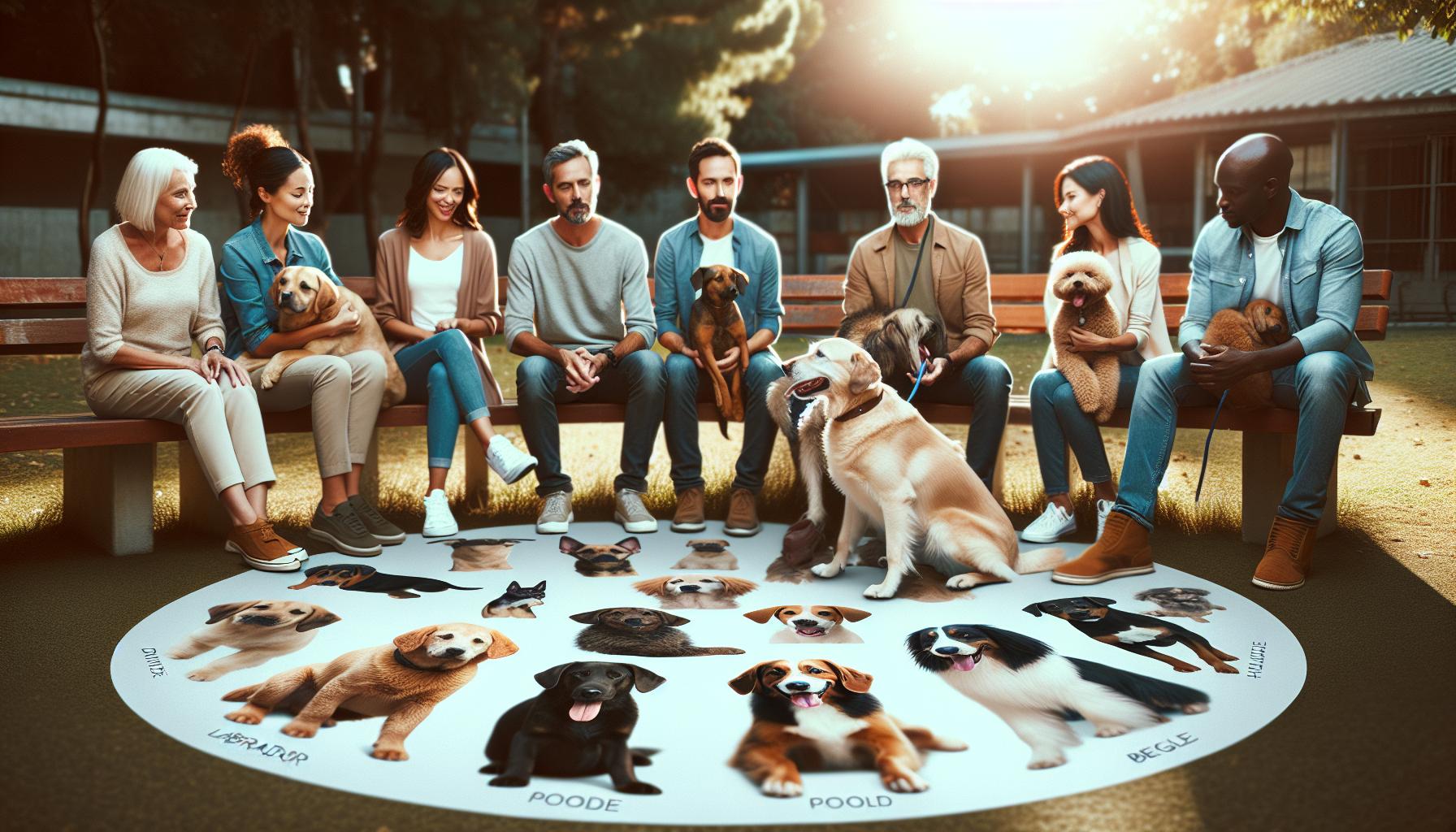
Understanding the personality and behavior of your prospective dog is crucial in determining which breed aligns best with your lifestyle. Both American Pit Bull Terriers and American Bulldogs are known for their affectionate and loyal natures, but their temperamental nuances can make a significant difference in your everyday life.
American Bulldogs are often characterized by their gentle and laid-back demeanor. They tend to be particularly good with children and families, forming strong, protective bonds with their loved ones. Their affectionate nature can make them great companions, especially for those who appreciate a loyal yet calm dog. However, don’t mistake their gentleness for a lack of energy; while they may require less rigorous exercise than Pit Bulls, they still thrive on playtime and family interactions.
In contrast, Pit Bulls are renowned for their high energy levels and playful spirit. If you’re an active individual or family, this breed may be a better match for you. They demand regular physical activity and mental stimulation, often enjoying activities like agility training or fetch. Their intelligence and eagerness to please can sometimes lead to stubbornness, necessitating consistent training from an early age. The right approach can channel their energy in a positive direction, making them delightful companions for those who can keep up with their lively temperament.
To help determine which breed fits best with your lifestyle, consider the following aspects:
- Activity Level: Evaluate your daily routine. Are you more of a couch potato, or do you prefer outdoor adventures? Bulldogs may suit a more relaxed lifestyle, while Pit Bulls require a more active environment.
- Family Dynamics: If you have children, both breeds can be fantastic choices, but Bulldogs are often seen as more naturally tolerant and protective with little ones.
- Experience with Dogs: If you’re a new dog owner, Bulldogs might be easier to manage due to their more straightforward training needs, whereas Pit Bulls might need a bit more guidance and consistency.
Ultimately, the best choice hinges on your personal preferences, lifestyle, and ability to meet the needs of either breed. Whether you vibe with the playful nature of a Pit Bull or the gentle spirit of an American Bulldog, understanding their temperamental traits will help you forge a strong and lasting bond with your new companion.
Health Considerations for Pitbulls and Bulldogs

When considering a new canine companion, health is a critical aspect to factor into your decision-making process. American Pit Bulls and American Bulldogs, while both robust and resilient breeds, are prone to certain health issues that potential owners should be aware of. Knowledge about these considerations can help you maintain the overall well-being of your dog and ensure a happy, healthy life together.
American Bulldogs generally face fewer genetic health issues, but potential problems include hip dysplasia, which is common in many larger breeds. Regular vet check-ups, a healthy diet, and an active lifestyle can mitigate some of these risks. They may also be susceptible to skin conditions due to their short coat, so ensuring proper hygiene and grooming routines is essential.
In contrast, Pit Bulls are known for their muscular build and energy, but they can also encounter specific health challenges. One of the major concerns is skin allergies, which can lead to constant itching and discomfort. Hip dysplasia is another potential issue, alongside certain heart conditions like dilated cardiomyopathy, which is more common in this breed. Early detection and preventative care, such as a balanced diet and appropriate exercise, are crucial to keeping your Pit Bull healthy.
To give you a clearer overview, here’s a comparison of common health issues for both breeds:
| Health Concern | American Bulldog | Pit Bull |
|---|---|---|
| Hip Dysplasia | Common | Common |
| Skin Allergies | Less Common | Common |
| Heart Conditions | Less Common | More Common |
| Skin Conditions | Occasionally | Occasionally |
Being proactive about your dog’s health is the best approach. Regular vet visits, a nutritious diet tailored to their specific needs, and staying updated on preventative care will help you catch potential issues early. You’ll also want to create a stimulating environment for your dog that encourages mental and physical activity, as both breeds thrive when engaged and active. Understanding these health considerations will empower you as a responsible pet owner and strengthen the bond you share with your new furry friend.
Training Techniques for Your Pitbull and Bulldog
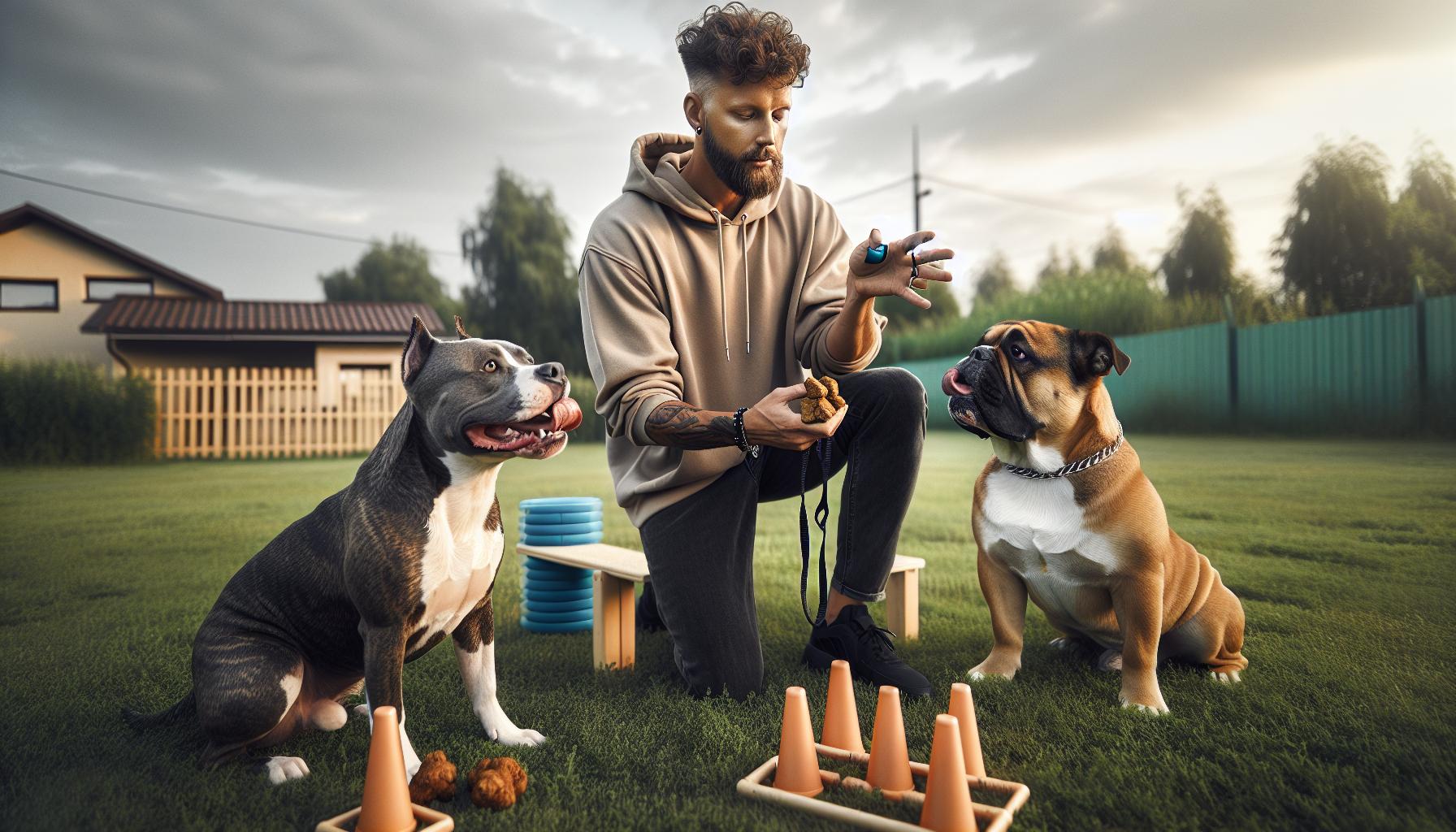
The training of both Pit Bulls and Bulldogs requires a blend of patience, clarity, and positive reinforcement. These breeds are known for their intelligence and eagerness to please, making them capable learners if provided with the right environment and techniques. Engaging them early with consistent training not only helps in behavioral management but also strengthens your bond.
To get started, it’s essential to establish a routine that incorporates basic commands like sit, stay, and come. For Pit Bulls, ensure you use high-value treats as rewards, as they are motivated by food during training sessions. They respond well to positive reinforcement, which builds their confidence and reduces the likelihood of anxiety-related behaviors. Socialization is also key; exposing your Pit Bull to various environments, people, and other animals can mitigate any tendencies towards aggression or fear.
While Bulldogs may have a more laid-back attitude, they too require structured training. Their stubbornness can sometimes make training a challenge, so approaching it with patience is crucial. Use short, engaging training sessions to keep them focused, as Bulldogs can lose interest quickly. Incorporating games and interactive toys can be a great way to make training fun and stimulating for them.
Training Techniques Overview
For both breeds, consider the following strategies:
- Consistency: Keep commands and cues uniform to avoid confusion.
- Short Training Sessions: Aim for 5-10 minute sessions multiple times a day to sustain focus.
- Positive Reinforcement: Use treats, praise, and play as rewards for good behavior.
- Socialization: Introduce your dog to different surroundings, people, and pets to build confidence and reduce anxiety.
With proper techniques, both Pit Bulls and Bulldogs can thrive in a structured environment. Patience and persistence with training can transform these breeds into well-mannered family pets that are not just obedient but also enjoy the training process. Engaging with them regularly allows for better understanding and communication, making your experience as a dog owner incredibly rewarding.
Grooming Needs for Each Breed Explained
Both Pit Bulls and Bulldogs come with distinct grooming needs that reflect their unique physical characteristics and lifestyle requirements. Understanding these can help you maintain their health and comfort, ensuring that they look and feel their best.
Pit Bulls typically have short, smooth coats that are relatively low-maintenance. They shed moderately throughout the year, with an increase during seasonal changes. Regular brushing with a soft bristle brush or grooming glove can help minimize shedding and distribute natural oils, keeping their skin and coat healthy. Bathing should be done as necessary-generally every few months-using a gentle dog shampoo to avoid stripping their coat of essential oils. Keep an eye on their ears and nails; cleaning their ears weekly and trimming their nails every month can prevent infections and other health concerns.
On the other hand, Bulldogs have more complex grooming needs due to their unique skin folds and coat type. Their short coat is also low-maintenance, but the wrinkles on their face require regular attention. These folds trap moisture and debris, which can lead to skin infections if not cleaned properly. Use a damp cloth to wipe between the wrinkles at least once a week. Additionally, Bulldogs may need more frequent baths (every three to four weeks) to keep their skin healthy and odor-free, particularly because of their susceptibility to skin conditions. Just like with Pit Bulls, routine ear cleaning and nail trimming are crucial for Bulldogs to maintain good hygiene.
In summary, while both breeds require minimal grooming in terms of coat care, attention to specific needs such as skin folds for Bulldogs and proper brushing for Pit Bulls is essential. By implementing good grooming practices, you can support the overall health and happiness of your furry companions.
Lifespan Expectations: Pitbulls vs Bulldogs
When considering a new canine companion, understanding their lifespan can significantly impact your decision. Both Pit Bulls and Bulldogs are beloved breeds with lifespans that reflect their health, care, and genetics. On average, Pit Bulls have a lifespan of about 8 to 15 years, with many factors influencing their longevity, including genetics, diet, and exercise patterns. Some sources suggest that in well-cared-for circumstances, they might even reach the upper limit of this range, enjoying their lives to the fullest.
In contrast, Bulldogs tend to have a shorter lifespan, generally ranging from 8 to 10 years. This difference is primarily due to the various health challenges that Bulldogs face, particularly those associated with their brachycephalic (short-nosed) structure, which can lead to respiratory issues. The specific health conditions prevalent in Bulldogs, including hip dysplasia and skin infections, may also contribute to this earlier decline in health compared to Pit Bulls.
Considering their lifespan expectations, it is essential to commit to regular veterinary check-ups, a balanced diet, and proper exercise routines for both breeds. Ensuring that your Pit Bull or Bulldog receives appropriate healthcare can not only enhance their quality of life but might also extend their years with you.
Although neither breed is particularly prone to serious health issues when properly cared for, being aware of genetic predispositions can help you make informed decisions. For instance, common health screenings can catch early signs of conditions that might affect your dog’s longevity. By being proactive and attentive, you’re likely to enjoy many happy years with your furry friend, regardless of whether you choose a Pit Bull or a Bulldog.
Cost of Ownership: Budgeting for Your Dog
When bringing a new furry companion into your home, understanding the financial commitment involved is crucial. Both Pitbulls and Bulldogs can come with varying costs that impact your budget significantly throughout their lives. While the initial purchase price can range between $500 to $2,000 depending on the breeder and lineage, it’s important to consider ongoing expenses as well.
### Initial Expenses
When you first adopt or purchase a dog, there are essential costs such as:
- Adoption or Purchase Fee: $500 to $2,000
- Initial Vaccinations: $75 to $100
- Spaying/Neutering: $200 to $500
- Microchipping: ~$50
- Basic Supplies: $150 to $300 (including a bed, leash, food and water bowls, and toys)
### Ongoing Costs
Consider ongoing expenses such as food, grooming, veterinary care, and supplies that can add up over time. For instance:
Monthly Costs
- Food: $40 to $70 (depending on quality and quantity of food)
- Routine Veterinary Care: $30 to $50 (for regular check-ups and vaccinations)
- Grooming: $30 to $70 (Bulldogs may require more frequent grooming due to their skin and coat)
- Training Classes: $150 to $300 (especially important for both breeds to ensure good behavior)
### Unexpected Medical Costs
It’s also wise to budget for unexpected medical expenses that can arise:
- Emergency Vet Visits: $150 to $1,000 (or more, depending on the situation)
- Pet Insurance: $30 to $75 per month to help mitigate emergency costs
### Conclusion
In summary, over the course of their lives, you might expect to spend anywhere from $1,000 to $5,000 or more per year on your Pitbull or Bulldog. Therefore, understanding these financial implications early on will help ensure you can provide the necessary care and ensure a happy, healthy life for your new best friend. By planning ahead, you can focus more on building a strong bond and enjoying the companionship of your Pitbull or Bulldog without the stress of financial strain.
Pitbulls and Bulldogs in Popular Culture
When it comes to popular culture, both Pitbulls and Bulldogs have carved out significant spaces that reflect their unique characteristics and public perceptions. These two breeds, often portrayed in films, music, and art, encapsulate different aspects of canine companionship and societal attitudes toward dogs.
Pitbulls in Pop Culture
Pitbulls have been both celebrated and vilified in popular media. In various films and music videos, they are often depicted as loyal companions or tough, street-smart dogs. Notably, many artists in the hip-hop and rap communities embrace Pitbulls as symbols of resilience and loyalty, reflecting the breed’s tenacious nature. Songs and performances often include visuals of Pitbulls, portraying them as strong, protective creatures who are trustworthy companions. However, this representation can sometimes swing between admiration for their strength and fear due to misconceptions about their aggression, leading to debates about breed discrimination.
Bulldogs in Popular Culture
Bulldogs, on the other hand, are frequently celebrated for their comical, friendly demeanor and distinctive appearance. They often feature in advertisements and films as the “everyman” dog, representing loyalty and a gentle spirit. Think of characters like “Spunky” from the cartoon “Rocky and Bullwinkle,” or the infamous “Dog” in the popular American sitcom “The Little Rascals.” These portrayals contribute to a perception of Bulldogs as perfect family pets-easygoing and adorable.
Positive vs. Negative Perceptions
The cultural significance of these breeds has led to both positive and negative stereotypes. Here are some common perspectives:
- Pitbulls: Viewed as tough, misunderstood, and fiercely loyal. Advocacy in popular culture often pushes back against their negative portrayal, emphasizing responsible ownership and their potential as loving companions.
- Bulldogs: Seen as friendly, goofy, and suitable for families. Their unique looks and playful behavior make them pop culture darlings, often featured in heartwarming stories that highlight their charm.
Despite the challenges of breed-specific legislation and negative stereotypes, both breeds have passionate communities of supporters who work to educate the public on responsible ownership and the importance of understanding individual dog behaviors rather than relying on breed generalizations. As you delve deeper into the history and lifestyle needs of either breed, consider how cultural narratives shape perceptions and influence your journey as a responsible pet owner.
Myths and Misconceptions About Each Breed
There are many myths and misconceptions surrounding both Pitbulls and Bulldogs that can cloud understanding and foster prejudice against these beloved breeds. It’s essential to differentiate between fact and fiction to promote informed ownership and appreciation.
One prevalent myth about Pitbulls is that they are inherently aggressive or dangerous. This stereotype often stems from their historical use in dog fighting, leading to a reputation that overshadows their true nature. However, many studies have shown that aggression is not breed-specific but rather influenced by upbringing, training, and socialization. Responsible ownership plays a crucial role in shaping a dog’s behavior. When bred and raised in a loving environment, Pitbulls can be gentle, affectionate companions known for their loyalty and resilience.
In contrast, Bulldogs are often perceived as lazy or unhealthy due to their stocky builds and wrinkles. While it is true that they have specific health concerns-such as breathing difficulties associated with brachycephalic characteristics-this does not mean they are unsuitable as pets. Bulldogs require regular, moderate exercise and can enjoy playful interactions. By understanding their unique needs, owners can help Bulldogs lead healthy, active lives.
Additionally, some people believe that both breeds are unable to coexist peacefully with other animals or pets. This is a significant misconception. With proper socialization and training from a young age, both Pitbulls and Bulldogs can learn to live harmoniously with other dogs and pets. The key is to nurture positive interactions and provide guidance that reflects the personality and temperament of the individual dog.
Understanding these myths not only helps prospective owners make informed decisions but also fosters a more empathetic view of these breeds. By educating ourselves and others, you contribute to a culture of responsible pet ownership, shedding light on the true character and potential of both Pitbulls and Bulldogs. Ultimately, it’s the individual dog’s upbringing, socialization, and your commitment as an owner that determine behavior, not just breed classification.
Finding the Right Breeder or Rescue for Your Dog
Finding the right place to get a Pitbull or Bulldog is one of the most crucial steps in ensuring a happy, healthy pet that fits well into your life. Whether you choose a breeder or a rescue, understanding the qualities of reputable sources can make all the difference. Look for breeders who prioritize health and temperament, having clear policies on genetic testing and training. Reputable breeders will be happy to provide health clearances for the puppy’s parents and show you the environment where the puppies are raised, demonstrating their commitment to best practices and transparency.
When considering a rescue, connect with local animal shelters or breed-specific rescues. A well-established rescue organization will have a thorough application process and may even perform home visits to ensure a suitable match. They can provide valuable insights into the dog’s personality and needs, allowing you to choose a dog that fits well with your lifestyle. Rescues often have dogs that come from various backgrounds, which means you might find a dog that requires special attention or has a unique personality that resonates with you.
Before committing, take the time to ask questions and assess the environment. Some important considerations include:
- Health Guarantee: Reputable breeders often provide a written guarantee covering specific health issues.
- Socialization: Ensure that puppies are socialized from a young age, experiencing various people, animals, and environments.
- Return Policy: A good breeder or rescue will have a policy in place for rehoming should the adoption not work out.
Your choice should reflect not just a mutual attraction between you and the dog, but also a commitment to responsible ownership. Adopting a dog is a long-term decision that requires time, love, and effort. By choosing a responsible breed source, you’re setting the foundations for a loving and beneficial relationship that thrives for years to come.
Building a Strong Bond with Your New Pet
Building a deep and meaningful relationship with your new Pitbull or Bulldog can be one of the most rewarding experiences of your life. These breeds are known for their loyalty and affectionate nature, but establishing a strong bond requires time, patience, and understanding. A strong connection not only enhances your life but can also contribute to a happier, well-adjusted pet.
One of the most effective ways to bond with your dog is through regular, positive interactions. Engaging in activities that both you and your dog enjoy, such as daily walks, playtime, and training sessions, helps to build trust and mutual respect. For example, Bulldogs are generally laid-back but enjoy short bursts of play, while Pitbulls often require more vigorous exercise and mental stimulation. Tailor your activities to suit your dog’s energy levels, which will keep them engaged and foster a stronger relationship.
Training also plays a crucial role in developing that bond. Focus on positive reinforcement techniques, such as rewarding your dog with treats or praise for good behavior. This method not only creates a loving environment but also helps your dog feel secure and valued. Engaging them in obedience training can enhance communication and understanding. For instance, teaching commands like “sit,” “stay,” and “come” lays a foundation for dependable behavior, making outings and interactions more enjoyable for both of you.
Understanding your dog’s unique personality traits-such as a Pitbull’s playful and dynamic nature or a Bulldog’s calm temperament-can significantly enhance your bond. Spend time observing your dog to notice their likes and dislikes. This observation can guide you in selecting toys, activities, and even socialization settings that align with their preferences, which can enhance your time together.
Regular grooming and care routines also contribute to bonding. Making grooming a calm and enjoyable experience can help your dog associate these activities with positive feelings. Thus, incorporating gentle handling during bath time or brushing can not only keep your dog looking great but also strengthen your connection by making them feel loved and cared for.
Ultimately, the journey you embark on with your Pitbull or Bulldog is about building trust, understanding, and love. By dedicating time to engage in meaningful activities and showing care in their day-to-day life, you enrich both your and your dog’s experience, setting the stage for a rewarding friendship that lasts a lifetime.
FAQ
Q: What are the key differences in physical appearance between Pitbulls and Bulldogs?
A: Pitbulls typically have a more athletic and muscular build, with a broad skull and strong jaws. Bulldogs, on the other hand, are shorter and stockier, featuring a distinctive wrinkled face and pushed-in nose. Understanding these differences can help you choose the right breed for your lifestyle.
Q: Which breed is easier to train, a Pitbull or a Bulldog?
A: Pitbulls are generally considered more trainable due to their high intelligence and eagerness to please. Bulldogs can be more stubborn, requiring consistent, patient training methods. For effective training, explore the dedicated section on training techniques in your breed comparison guide.
Q: How do the temperaments of Pitbulls and Bulldogs differ?
A: Pitbulls are often energetic, playful, and loyal, making them good family dogs when well socialized. Bulldogs tend to be more laid-back and affectionate, enjoying a calm environment. Assess your lifestyle to determine which temperament suits you better.
Q: What are the most common health issues for Pitbulls compared to Bulldogs?
A: Pitbulls may face hip dysplasia and skin allergies, whereas Bulldogs are more prone to respiratory issues and joint problems due to their brachycephalic structure. In your guide, consider the health considerations section for preventive care tips for both breeds.
Q: Do Pitbulls and Bulldogs have similar exercise needs?
A: Pitbulls require more rigorous exercise and playtime due to their high energy levels, while Bulldogs need less activity, preferring short walks and play sessions. Tailoring exercise routines can optimize the health and happiness of each breed.
Q: How do the grooming needs of Pitbulls compare with those of Bulldogs?
A: Pitbulls have short coats that require minimal grooming, while Bulldogs need regular cleaning of their skin folds to prevent infections. Refer to your grooming needs section for detailed grooming schedules and tips for both breeds.
Q: What is the average lifespan of a Pitbull compared to a Bulldog?
A: Pitbulls often live between 12 to 16 years, while Bulldogs have a shorter lifespan, averaging 8 to 10 years due to health issues. Understanding these longevity differences can influence your choice as a pet owner.
Q: Are there specific training techniques that work better for each breed?
A: Yes, positive reinforcement and consistency are key for both breeds, but Pitbulls may respond better to more challenging activities and agility training. Conversely, Bulldogs often thrive in a less demanding environment. For effective strategies, check out your article’s training techniques section.
Future Outlook
Now that you’ve explored the key differences between Pitbulls and Bulldogs, you’re better equipped to choose the right breed that suits your lifestyle and preferences. Remember, each breed has its unique traits and characteristics, but both offer loyalty and companionship. If you have lingering questions or need more insights, check out our related articles on training tips for Pitbulls and health care for Bulldogs.
Don’t miss out-subscribe to our newsletter for the latest tips and guides on effective dog ownership. Your next step towards a rewarding relationship with your future furry friend starts here! Join our community, share your thoughts below, and let’s celebrate the incredible traits of both breeds together!
Get our latest guides, news, and insights highlighted in your Google Search & AI Overviews.