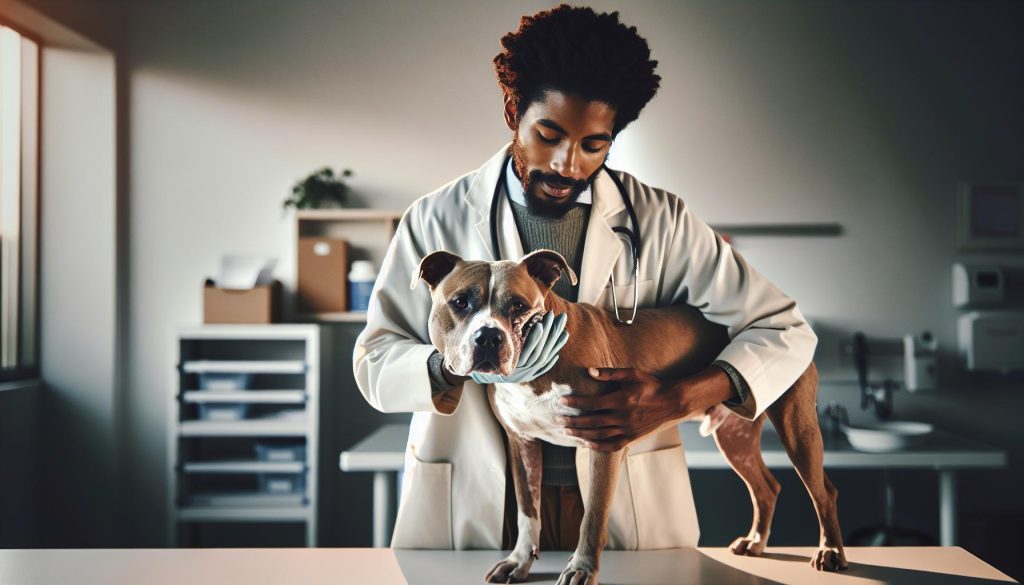
Did you know that Pitbulls, like many breeds, can suffer from skin allergies that affect their comfort and well-being? Understanding these allergies is crucial for any loving pet owner. Skin issues can lead to itching, discomfort, and secondary infections if left unchecked. By learning to recognize the signs and adopting effective prevention and treatment strategies, you can help your furry friend lead a happier, healthier life. We’ll dive into common allergens, practical prevention tips, and treatment options, empowering you to tackle this challenge head-on. Your Pitbull deserves to feel their best, and with the right knowledge, you can make that happen.
Understanding Pitbull Skin Allergies: Causes and Symptoms
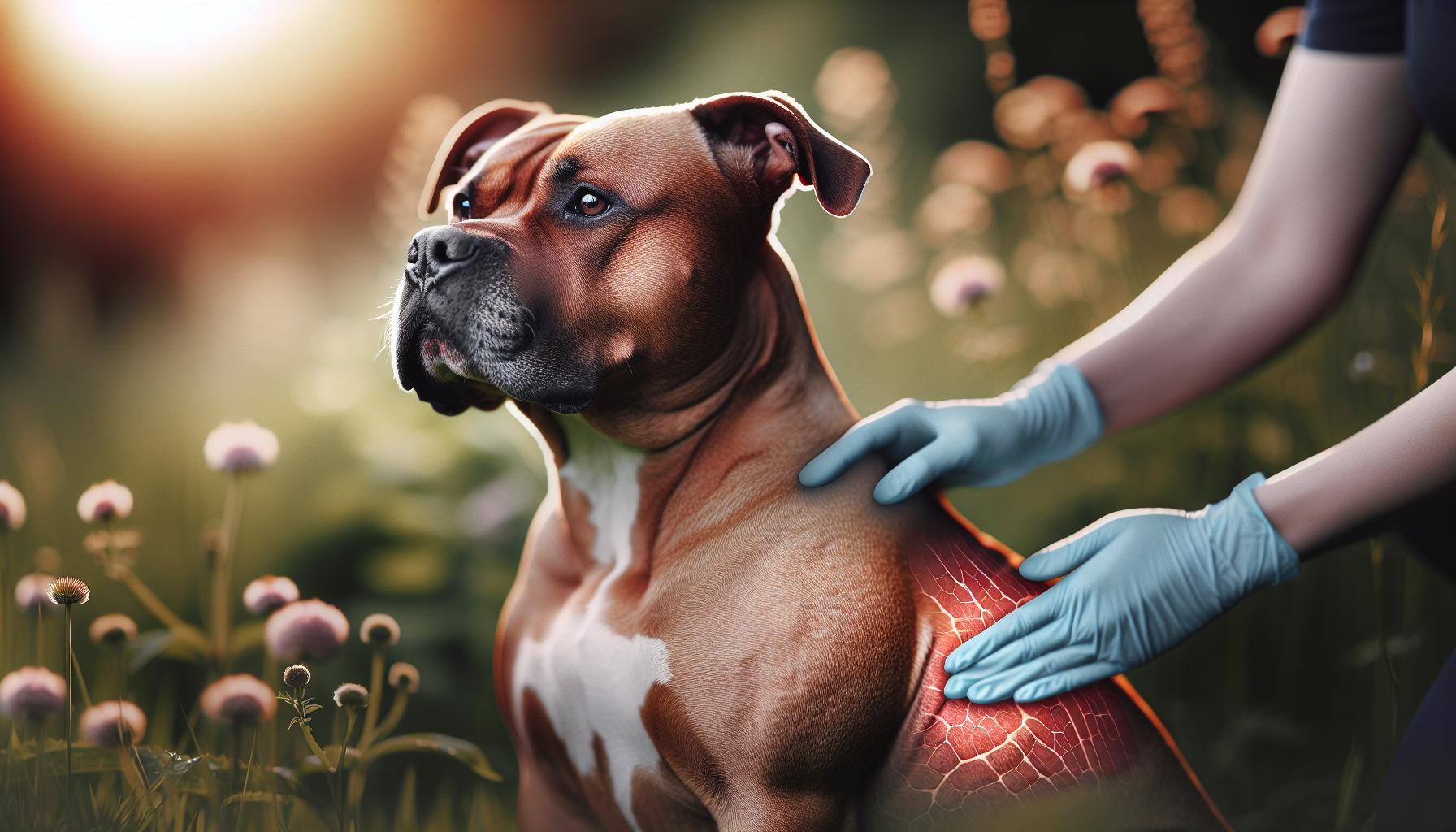
Understanding the skin health of your beloved Pitbull is crucial, as these energetic and loyal dogs are notorious for suffering from a variety of skin conditions, particularly allergies. The underlying causes of skin allergies often stem from external allergens such as pollen, dust mites, mold, and flea saliva. Internal factors, including food sensitivities or intolerances, can also manifest through skin conditions. Symptoms of skin allergies in Pitbulls may include incessant itching, redness, inflammation, hot spots, and even hair loss. If left untreated, these symptoms can lead to further complications, such as secondary infections or chronic dermatitis, causing your dog significant discomfort.
Identifying these skin allergies involves careful observation. You might notice your Pitbull scratching more than usual, developing rashes, or experiencing unusual odor from its skin. Understanding these signs early is essential. Often, the symptoms will vary based on the allergen involved. For instance, food allergies can produce gastrointestinal symptoms alongside skin reactions, while environmental factors might lead predominantly to dermatological issues. Knowing these symptoms can empower you to address your dog’s needs swiftly.
To determine the specific type of allergy, a veterinarian may recommend allergy testing, which can help identify the culprits behind your dog’s discomfort. Once you understand the underlying cause, managing these allergies can become a more straightforward process. Comprehensive approaches include environmental management, dietary changes, and veterinary interventions. Regularly grooming your Pitbull to remove allergens from its coat and skin can further alleviate symptoms, ensuring your furry friend remains comfortable and healthy.
Common Triggers for Pitbull Skin Allergies
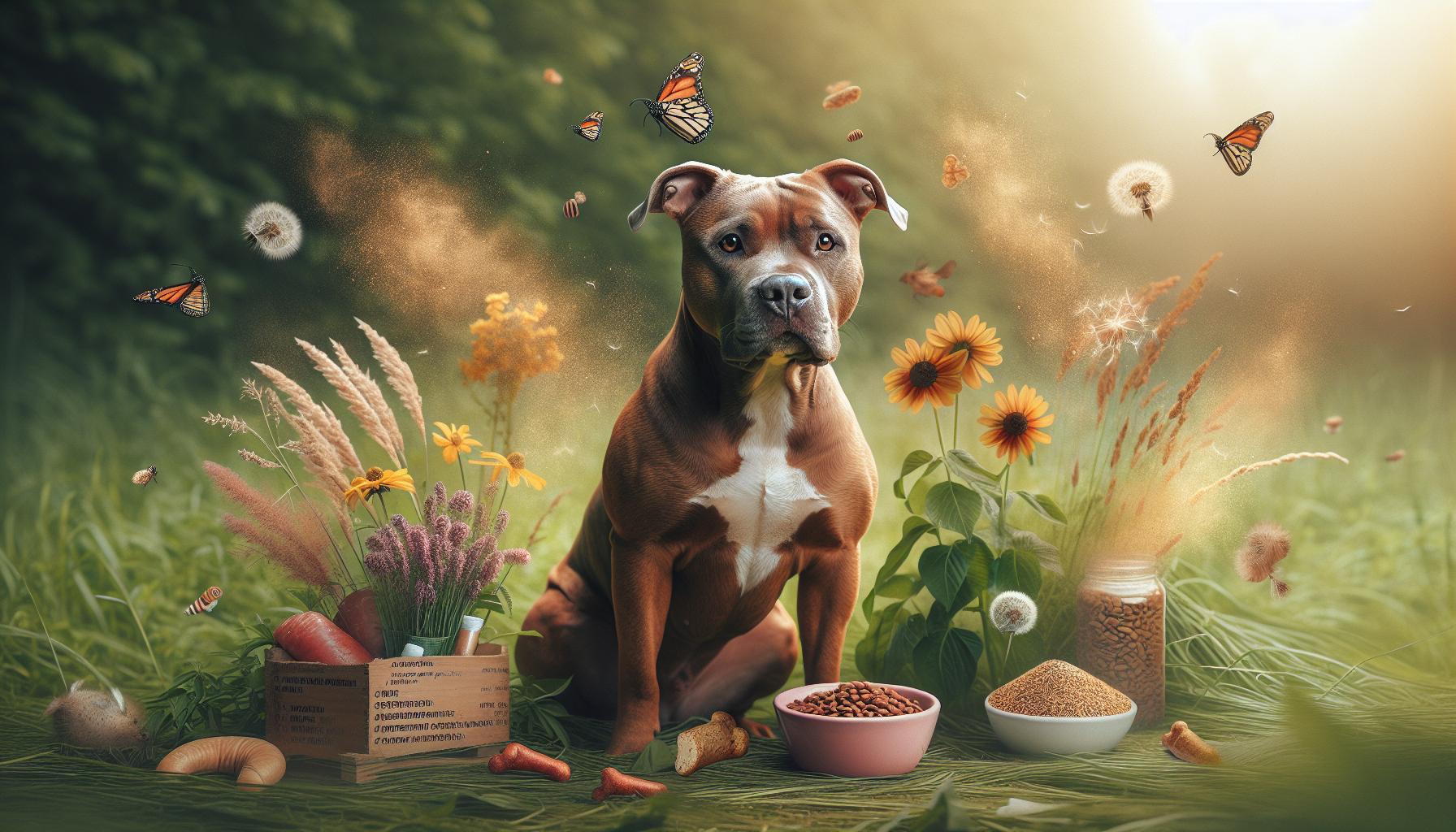
Understanding the common triggers that lead to skin allergies in Pitbulls is essential for proactive care. These dogs, known for their playful nature and loving demeanor, can suffer significantly from various allergens that can wreak havoc on their skin. Identifying these triggers not only helps in managing their health but also enhances their overall well-being.
One major source of skin allergies is environmental allergens. Exposure to pollen, mold spores, and dust mites can cause allergic reactions in sensitive dogs. Seasonal changes often exacerbate these reactions, with Spring and Fall being particularly troublesome when pollen counts are high. Keep an eye out for signs of discomfort during these periods. Regular cleaning of your home and outdoor spaces can help reduce allergen levels. Effective strategies include using air purifiers, regularly washing bedding, and frequent vacuuming to minimize dust build-up.
Flea saliva is another common irritant that can cause severe itching and inflammation in Pitbulls. Even a few flea bites can lead to a condition known as flea allergy dermatitis, which results in hair loss and hot spots. Implementing a consistent flea prevention program is crucial. You can consult your veterinarian to find the right flea control products suitable for your dog’s age and health status.
Additionally, certain foods can trigger allergic reactions. Ingredients such as beef, chicken, dairy, or grains like corn and wheat are frequent offenders. A food trial, under the guidance of your veterinarian, can help pinpoint problematic ingredients. Transitioning your dog to a limited-ingredient or hypoallergenic diet may greatly improve their skin condition and overall health.
Lastly, contact allergens from products such as shampoos, soaps, or chemicals in your yard can also provoke skin issues. Ensuring that grooming products are free from harsh additives, and using natural or hypoallergenic options can protect your dog’s sensitive skin.
By recognizing and addressing these common triggers, you can help your Pitbull lead a more comfortable life, reducing the chances of skin allergies and associated discomfort.
Effective Prevention Strategies for Skin Allergies
To keep your Pitbull thriving and minimize the risk of skin allergies, implementing effective prevention strategies is crucial. These dogs are not only loving companions but also sensitive creatures whose skin can react negatively to a variety of stimuli. By taking proactive steps, you can greatly reduce the likelihood of allergic reactions and promote a healthy, happy life for your pet.
One of the most effective strategies is maintaining a clean living environment. Regular cleaning can significantly reduce the presence of allergens such as dust mites, mold spores, and other unwanted particles. Investing in air purifiers can help remove airborne allergens, while consistent vacuuming and washing of bedding and toys will eliminate accumulated allergens. Opt for products that are pet-safe and hypoallergenic when cleaning your home, as harsh chemicals can also trigger skin reactions in sensitive dogs.
Another key aspect of prevention involves managing your Pitbull’s exposure to outdoor allergens. Seasonal changes can bring a spike in pollen and other irritants. During high pollen times, like spring and fall, limiting outdoor time, especially on windy days, can help. If your dog does spend time outside, consider wiping their paws and fur with a damp cloth when they come indoors to remove any allergens they may have picked up. Additionally, grooming your dog regularly can help identify any signs of irritation early and maintain a clean coat.
Nutrition plays a vital role in skin health as well. A balanced diet tailored to your dog’s specific needs can strengthen their immune system, making them less susceptible to allergens. Consult your veterinarian about switching to a limited-ingredient or hypoallergenic diet, especially if food allergies are suspected. Incorporating omega-3 and omega-6 fatty acids into their diet can also enhance skin health and reduce inflammation.
Lastly, protecting your Pitbull from parasites is essential. Flea allergy dermatitis is a common problem that can lead to severe skin issues, so establishing a robust flea prevention routine is vital. Talk to your veterinarian about the best flea control products for your dog’s specific health conditions and lifestyle. Regular veterinary check-ups can help catch any emerging issues before they escalate.
By integrating these prevention strategies into your routine, you can help safeguard your Pitbull from the discomfort and complications of skin allergies, ensuring they enjoy life to the fullest.
Top Treatments for Pitbull Skin Allergies
Managing skin allergies in Pitbulls requires a multi-faceted approach designed to alleviate discomfort while promoting skin health. These beloved companions are not immune to allergic reactions, and it’s crucial to incorporate effective treatments into their care routine.
Medicated Shampoos
One of the first lines of defense against skin allergies is the use of medicated shampoos. These products are specifically formulated to soothe irritated skin and can help reduce itching and inflammation. Look for shampoos containing natural ingredients such as oatmeal or aloe vera, which hydrate the skin and provide relief. Regular baths can wash away allergens like pollen and dust mites, serving as a practical approach to managing daily exposure.
Topical Treatments
Topical treatments can significantly help in alleviating the symptoms of skin allergies. Creams or sprays with hydrocortisone can reduce redness and swelling, while soothing balms made from natural ingredients can help to moisturize irritated skin. Be mindful to consult your veterinarian before applying any topical products to ensure they’re suitable for your dog’s specific condition.
Allergy Medications
In cases where environmental allergies are persistent, your vet may recommend antihistamines or corticosteroids. These medications can help control allergic reactions, providing your Pitbull with much-needed relief. While these drugs are effective, it’s essential to follow your vet’s guidance on dosing and potential side effects.
Immunotherapy
For dogs with chronic allergies, immunotherapy could be an option. This involves administering injections containing small amounts of allergens, gradually increasing the dosage. The goal is to desensitize your dog’s immune system to the allergens that trigger their reactions. Though this treatment can take time to show results, it may provide long-term relief without the need for ongoing medication.
Dietary Adjustments
Don’t overlook the role of diet in managing skin allergies. Switching to a limited-ingredient or hypoallergenic diet can eliminate food-related allergens. Foods rich in omega fatty acids, such as fish oil supplements, can also support skin health and reduce inflammatory responses. Consult with your veterinarian to find a diet that addresses both nutritional needs and allergy management.
By employing these treatments, you can help your Pitbull navigate the challenges of skin allergies while ensuring they maintain an optimal quality of life. Always consult with your veterinarian for personalized recommendations tailored to your dog’s specific needs.
Natural Remedies for Itchy Skin Relief
Natural solutions can be a gentle and effective way to relieve your Pitbull’s itchy skin, especially when dealing with allergies. Many pet owners are seeking alternatives that can soothe discomfort without relying solely on medications. Here are some remedies that can help alleviate itchy skin naturally.
Oatmeal Baths
Oatmeal is a well-known natural remedy for itchy skin, and it’s particularly effective for dogs with allergies. You can create a soothing oatmeal bath by grinding plain oatmeal into a fine powder and adding it to warm bathwater. Let your Pitbull soak for about 10 to 15 minutes. This will help to hydrate and calm irritated skin, providing instant relief from itching.
Coconut Oil
Coconut oil is another versatile remedy that offers numerous health benefits for your dog. Rich in medium-chain fatty acids, it helps moisturize the skin and can combat dryness and flakiness. You can apply organic, cold-pressed coconut oil directly to your Pitbull’s affected areas, allowing it to soak in for maximum effect. Additionally, adding a small amount of coconut oil to their diet could enhance skin health from the inside out.
Aloe Vera
Aloe vera is prized for its soothing properties and can be beneficial for dogs suffering from skin irritations. Make sure to use pure, pet-safe aloe vera gel without any added chemicals. Apply a thin layer to the affected areas to reduce redness and promote healing. Always monitor your dog after applying, as some pets may be sensitive to new products.
Apple Cider Vinegar Rinse
Diluted apple cider vinegar (ACV) can act as a natural anti-inflammatory and can help relieve itching. Mix equal parts of water and ACV in a spray bottle and lightly mist your dog’s coat, avoiding the eyes and nose. The acidic nature of ACV can help balance the skin’s pH, making it a great topical treatment for allergies. However, be cautious and start with a patch test to ensure your dog doesn’t react negatively.
Essential Oils
Certain essential oils like lavender and chamomile are known for their calming properties. When used correctly and safely, they can offer relief from itching. Always dilute essential oils properly and consult with your veterinarian to confirm safe usage for your Pitbull.
Each of these natural remedies can be an integral part of your Pitbull’s skin care regimen, helping to reduce discomfort and promote healthier skin. Always introduce new treatments gradually and keep a watchful eye on any changes in your dog’s condition. If symptoms persist, don’t hesitate to consult your veterinarian for tailored advice. Embracing holistic approaches not only addresses itchiness but also enhances your furry friend’s overall well-being.
Veterinary Care: When to Seek Professional Help
When your Pitbull is dealing with skin allergies, it can be distressing not only for your furry friend but also for you as their caregiver. Understanding when to seek professional veterinary help is crucial to ensure that you address any underlying issues effectively. Not all skin irritations are benign; some may indicate more serious health concerns that require immediate attention.
If your Pitbull is experiencing persistent itching, redness, swelling, or skin lesions, it’s time to consult a veterinarian. These symptoms could signal an allergic reaction that might worsen without proper management. Additionally, pay attention to changes in your dog’s behavior, such as increased scratching, biting, or licking at affected areas. If you notice that the skin has become infected, characterized by pus, a foul odor, or severe inflammation, make an appointment without delay.
Another important reason to seek veterinary care is if allergic reactions are accompanied by other systemic symptoms. If your Pitbull is exhibiting signs such as diarrhea, vomiting, or difficulty breathing alongside skin issues, this may indicate a more severe allergic response that needs immediate medical intervention. In some cases, skin allergies can lead to secondary infections or hot spots, which require specific treatments to resolve completely.
Consulting your veterinarian can also help you navigate dietary considerations that impact skin health. Food allergies are common in Pitbulls and may require a tailored elimination diet to identify the offending ingredient. Your vet can recommend the best course of action, whether it be dietary changes, allergy testing, or medication to alleviate discomfort. Early intervention can prevent minor issues from escalating into serious health problems, allowing your beloved Pitbull to enjoy life free from discomfort.
Dietary Considerations for Healthy Skin
A balanced diet plays a crucial role in maintaining the skin health of your Pitbull. Many skin issues, including allergies, can be exacerbated by improper nutrition. Understanding the dietary needs of your Pitbull not only helps in managing existing skin conditions but also prevents potential problems before they arise.
When selecting a diet for your Pitbull, it is essential to focus on high-quality ingredients. Look for dog foods that list meat as the primary ingredient and avoid those with corn, soy, or fillers, which can often trigger allergic reactions. Incorporating foods rich in omega-3 and omega-6 fatty acids, like fish oil or flaxseed, can have significant benefits for your dog’s skin and coat. These fatty acids help reduce inflammation and promote a shiny, healthy coat, which is particularly beneficial for dogs prone to skin issues.
Consideration of food allergies is essential. Many Pitbulls suffer from food sensitivities, often reacting to common ingredients like chicken, beef, or dairy. If you suspect your Pitbull might have a food allergy, a veterinarian may recommend an elimination diet. This process involves removing suspected allergens from your dog’s diet for several weeks and then gradually reintroducing them to identify which ingredient might be causing the reaction.
In addition to ensuring a well-balanced diet, keeping your dog hydrated is vital for skin health. Always provide fresh water and consider adding moisture to your Pitbull’s diet through wet food options or by adding water to dry kibble. Also, be cautious with treats. Opt for natural, limited-ingredient snacks rather than commercial treats, which may contain preservatives and fillers that could exacerbate skin problems.
Ultimately, a tailored diet, informed by your dog’s unique needs and medical history, can significantly contribute to skin health and overall well-being. Regular consultation with your veterinarian can help refine your Pitbull’s diet to ensure it remains appropriate and beneficial for their skin condition.
Identifying and Managing Allergic Reactions
in your Pitbull is essential for their comfort and overall health. Pitbulls are known for their sensitivity, and recognizing the signs of an allergic reaction early can make all the difference in ensuring prompt and effective treatment. Symptoms may vary widely and can include persistent scratching, red or inflamed skin, excessive licking, hot spots, and even gastrointestinal issues like vomiting or diarrhea.
To determine what your Pitbull might be allergic to, keep a close eye on their environment and any recent changes. Allergens can be anything from food ingredients to environmental factors such as pollen, dust mites, or certain grooming products. Common signs to watch for include:
- Itching and scratching: Persistent scratching or rubbing against furniture can indicate irritation.
- Swelling or redness: Pay attention to swollen paws or red, inflamed patches on the skin.
- Ear infections: Frequent shaking of the head or scratching the ears may signal an underlying allergy.
- Gastrointestinal upset: Changes in appetite, diarrhea, or vomiting can sometimes accompany allergic reactions.
When you suspect an allergic reaction, immediate action can help alleviate discomfort and prevent further complications. Begin by removing any potential allergens from your Pitbull’s environment or diet. If you suspect food allergies, consider transitioning to a limited-ingredient diet or an elimination diet as advised by your veterinarian. Keeping a journal to track your dog’s symptoms alongside their food intake and environmental exposure can also be beneficial in pinpointing triggers.
Always consult your veterinarian if reactions persist or worsen despite home management efforts. In some cases, they may recommend antihistamines or corticosteroids to reduce inflammation and itching, and they can provide guidance on allergy testing to identify specific allergens. Regular grooming and bathing with hypoallergenic products can further help manage skin irritations and keep your Pitbull comfortable.
Ultimately, understanding your Pitbull’s unique sensitivities and creating a proactive plan can ensure you effectively manage allergic reactions, enhancing their quality of life while celebrating the vitality of this beloved breed.
The Role of Medications in Allergy Management
Managing allergies in Pitbulls can be a multifaceted approach, often requiring the use of medications alongside lifestyle and dietary changes. Understanding how these medications work and when to use them can make a significant difference in your dog’s comfort and overall quality of life. Medications play a critical role in controlling symptoms of allergies and preventing the escalation of skin conditions that can lead to more severe health issues.
In many cases, your veterinarian may recommend antihistamines. These medications help combat the itching and swelling associated with allergic reactions by blocking histamine, a compound released during an allergic response. Common antihistamines prescribed to dogs include diphenhydramine (Benadryl) and cetirizine (Zyrtec). While these can be effective, it’s important to remember that not all dogs respond the same way, so tracking your Pitbull’s response is vital.
For more severe allergic reactions or ongoing discomfort, corticosteroids might be prescribed. These medications are potent anti-inflammatory agents that can dramatically reduce itching and inflammation. However, they come with potential side effects if used long-term, such as weight gain, increased thirst, and immune suppression, making careful management and veterinarian oversight crucial.
In addition to antihistamines and corticosteroids, your veterinarian may suggest immunotherapy. This approach targets the underlying cause of allergies by gradually desensitizing your Pitbull to specific allergens. It’s often a longer-term solution, requiring consistent commitment, but can lead to effective and lasting relief from symptoms without the side effects associated with long-term medication use.
As you manage your Pitbull’s allergies, always consult with your veterinarian for the most appropriate treatment plan tailored to their specific needs. Regular check-ups can help monitor the effectiveness of any medication and make adjustments as necessary. It’s essential to stay proactive in your approach, ensuring that your beloved companion enjoys a happy, healthy life despite their allergies.
Home Care Tips for Pitbull Owners
Keeping your Pitbull’s skin healthy is crucial, not just for their comfort but for their overall well-being. Pitbulls can be prone to various skin allergies, and proactive home care can significantly reduce flare-ups and promote healing. Start by regularly inspecting your dog’s skin for any signs of irritation, redness, or bumps; early detection is key in managing allergies effectively.
One of the most important aspects of home care is maintaining a clean and comfortable environment. Regularly wash your dog’s bedding, toys, and any surfaces they frequent, using pet-safe detergents to minimize allergens. Additionally, consider implementing a bathing routine using hypoallergenic shampoos designed for dogs with sensitive skin, as this can help soothe irritations and remove allergens from their coat. Make sure to dry your Pitbull thoroughly after baths to prevent moisture retention, which can lead to fungal infections.
Feeding your Pitbull a well-balanced and nutritious diet can also help manage skin allergies. Consult your veterinarian for advice on limited-ingredient diets or hypoallergenic options, especially if you’ve noticed links between certain foods and allergic reactions. A diet rich in omega-3 fatty acids can promote skin health and reduce inflammation. Adequate hydration is equally important-ensure your Pitbull always has access to fresh water.
Lastly, consider incorporating natural remedies into your routine. Ingredients like coconut oil can provide moisture and may alleviate itching when applied topically. Regular grooming not only keeps your dog’s coat clean but also allows you to check for ticks or allergens that might be stuck in their fur. Remember, a happy and healthy Pitbull is a well-cared-for one, so stay vigilant in your home care efforts. They rely on you to create an environment that supports their health and happiness!
Promoting Overall Skin Health in Pitbulls
Keeping your Pitbull’s skin healthy requires a holistic approach that acknowledges their unique needs. Regular grooming is not just for aesthetics; it is essential for skin health. By brushing your dog’s coat, you can remove dirt, dead hair, and allergens that might otherwise irritate their skin. This practice also promotes circulation and helps distribute natural oils across their skin, which can keep it moisturized and less prone to irritation.
Creating a Healthy Environment
The environment your Pitbull lives in can significantly affect their skin health. Make it a priority to maintain a clean, allergen-free home. Regularly wash bedding, toys, and any areas where your dog spends time, using pet-safe cleaning products. Consider using air purifiers or hypoallergenic cleaning agents to minimize dust and other potential allergens. After outdoor activities, checking your dog’s paws and coat for any foreign particles can help prevent allergens from lingering on the skin.
Proper Nutrition for Skin Health
Your Pitbull’s diet plays a crucial role in maintaining healthy skin. Ensure that they receive a balanced diet rich in vitamins, minerals, and fatty acids. Foods high in omega-3 and omega-6 fatty acids-such as fish oil or flaxseed oil-can help support skin health and reduce inflammation. If you suspect food allergies, work with your veterinarian to identify the ingredients that may be causing issues, and consider a specialized diet that limits exposure to allergens.
Hydration and Natural Supplements
Hydration is equally important for skin health. Make sure your Pitbull always has access to fresh water, which aids in overall bodily functions and skin hydration. In addition to a balanced diet, natural supplements like probiotics or fish oil can provide added benefits for maintaining skin health and reducing allergy symptoms. Always consult with a veterinarian before introducing new supplements to ensure their safety and effectiveness.
With these proactive measures, you can significantly enhance your Pitbull’s skin health, helping to prevent allergies and ensuring they lead a happy, comfortable life. By being vigilant and attentive to your Pitbull’s needs, you’ll not only promote their skin health but also strengthen the bond you share.
Understanding the Genetics of Skin Allergies in Pitbulls
Understanding the link between genetics and skin allergies in Pitbulls can significantly enhance your ability to manage their skin health effectively. Research indicates that some breeds, including Pitbulls, have a genetic predisposition to certain skin conditions, particularly allergies. This genetic factor means that if your Pitbull has a history of skin allergies, the likelihood of their offspring experiencing similar issues increases, making it essential to understand the genetic landscape of the breed.
Skin allergies in Pitbulls often manifest as itching, inflammation, and infections, driven by both genetic and environmental factors. Genetics, particularly in combination with environmental triggers like pollen or specific foods, can result in a hypersensitive immune response. For instance, hereditary conditions such as atopic dermatitis are more prevalent in Pitbulls than in some other breeds. This condition can lead to chronic skin issues, so recognizing the signs early on is crucial for effective intervention.
To support your dog’s skin health, focus on a comprehensive approach that addresses both genetic predispositions and environmental influences. Routine veterinary check-ups can help spot genetic markers for allergies or skin sensitivities. Understanding your dog’s lineage can also provide insights into potential health risks. Consider discussing your dog’s family history with your vet; this can help tailor a preventive health strategy that includes specialized diets and appropriate skincare products designed for breeds prone to allergies.
Implementing a proactive approach that includes monitoring for symptoms, practicing good hygiene, and ensuring a diet rich in essential fatty acids can help mitigate the effects of genetic predisposition to skin allergies. By doing so, you not only celebrate your Pitbull’s uniqueness but also contribute to their overall well-being, allowing them to thrive despite their genetic challenges.
Frequently Asked Questions
Q: What are the most common symptoms of skin allergies in Pitbulls?
A: Common symptoms of skin allergies in Pitbulls include itchiness, redness, rashes, and swelling. You may also notice frequent scratching or licking, ear infections, and hair loss. If you observe these symptoms, consult your veterinarian for an accurate diagnosis and appropriate treatment options.
Q: How can I identify food allergies in my Pitbull?
A: To identify food allergies in your Pitbull, monitor for symptoms like vomiting, diarrhea, or skin issues after feeding. Keeping a food diary to track what your dog eats and any reactions can help. Consult your vet for an elimination diet to pinpoint specific allergens.
Q: When should I consider allergy testing for my Pitbull?
A: Consider allergy testing for your Pitbull if they exhibit chronic skin issues or persistent itching despite diet and environmental changes. Testing can help identify specific allergens, enabling tailored treatment plans for more effective allergy management.
Q: Are there specific grooming practices that can help manage Pitbull skin allergies?
A: Yes, regular grooming can significantly help manage skin allergies in Pitbulls. Frequent baths with hypoallergenic shampoo and consistent brushing can reduce dirt, allergens, and loose hair. This practice helps keep your dog’s skin clean and minimizes irritants that cause allergic reactions.
Q: What types of supplements can support my Pitbull’s skin health?
A: Supplements such as omega-3 fatty acids, probiotics, and vitamin E can improve your Pitbull’s skin health. These nutrients promote a healthy coat and reduce inflammation. Always consult your vet before introducing new supplements to ensure they are appropriate for your dog’s specific needs.
Q: Is there a connection between environment and Pitbull skin allergies?
A: Yes, environmental factors like pollen, dust mites, and mold can trigger skin allergies in Pitbulls. Limiting exposure to these allergens through regular cleaning, using air purifiers, and avoiding outdoor activities during high pollen seasons can help reduce allergic reactions.
Q: What role does diet play in preventing skin allergies in Pitbulls?
A: Diet plays a crucial role in preventing skin allergies in Pitbulls. Feeding a limited-ingredient or hypoallergenic diet can reduce the risk of allergic reactions. Opt for foods without common allergens like soy, grain, and artificial additives to support skin health and overall well-being.
Q: How can I alleviate my Pitbull’s itchy skin naturally?
A: You can alleviate your Pitbull’s itchy skin naturally by using oatmeal baths, applying coconut oil, or incorporating aloe vera gel. These remedies provide moisture and relieve irritation. Always consult your vet before starting any new treatments to ensure they are suitable for your dog.
The Way Forward
In summary, understanding and addressing Pitbull skin allergies is crucial to keeping your furry friend happy and healthy. Remember, early intervention is key; if you suspect allergies, consult your vet promptly to devise an effective treatment plan tailored to your dog’s unique needs. Regular check-ups, a proper diet, and a clean environment can significantly enhance your Pitbull’s skin health.
Explore related resources like our article on managing Pitbull skin conditions or tips for maintaining optimal grooming practices. Don’t hesitate to subscribe to our newsletter for the latest updates on Pitbull care and health tips. By staying informed, you can ensure your beloved companion lives their best life. Share your experiences in the comments below, and let’s continue the conversation on how to promote the well-being of Pitbulls everywhere!
Get our latest guides, news, and insights highlighted in your Google Search & AI Overviews.