Welcome to “Pitbull Paradise: Entertainment & Cultural Impact,” where we delve into the fascinating world of pit bull breeds and their profound influence on culture and entertainment. Did you know that pit bulls were once considered “All American Dogs” and have transformed into beloved companions and cultural icons? Their rich history, marked by resilience and redemption, showcases the incredible bond between humans and dogs.
In this exploration, we aim to shed light on the true nature of pit bulls, highlighting their joyful presence in families and the media’s role in shaping public perception. Whether you’re a seasoned owner or just curious about these misunderstood breeds, you’ll gain valuable insights into responsible ownership, training, and the positive impact pit bulls have made in society. Join us as we celebrate their unique characteristics and their contributions to music, art, and beyond, while promoting a compassionate understanding of these remarkable dogs. Stay with us to discover how pit bulls continue to inspire positive change and cultural evolution!
Understanding the Pitbull Breed: History and Traits
Understanding the origins and characteristics of the pit bull breed offers deep insight into their remarkable nature and why they hold a special place in various cultures, including music and entertainment. Pit bulls, particularly the American Pit Bull Terrier, were bred in the 19th century from a mix of Old English Bulldogs and terriers, originally intended for bull-baiting and later as farm dogs. Despite their tumultuous history, they have evolved into loyal and loving companions known for their strength, intelligence, and affectionate nature.
Today, the term “pit bull” encompasses several breeds, including the American Staffordshire Terrier, Staffordshire Bull Terrier, and American Bully. These breeds share a robust, athletic build, characterized by short coats, muscular physiques, and blocky heads, reflecting their terrier and bully ancestry [2]. Understanding these traits helps you appreciate their agility alongside their gentle temperament with families, which often gets overshadowed by negative stereotypes.
When considering a pit bull, it’s important to recognize the breed’s needs for socialization and structure. Proper training, positive reinforcement, and regular exercise are crucial to fostering their naturally energetic disposition. They respond exceptionally well to owners who provide consistent boundaries while being nurturing. This balance helps ensure they thrive as well-adjusted pets and debunk misconceptions surrounding their temperament.
Moreover, the blend of historical connotations and current representations of pit bulls, both in media and within communities, underscores their complex identity. As you explore ownership, consider how embracing responsible practices not only enhances your bond with your pet but also contributes to a more favorable perception of pit bulls in society. Their strong presence in music and culture amplifies their impact, turning them into symbols of resilience and companionship, celebrated by many artists and fans alike.
The Rise of Pitbulls in Pop Culture
The representation of pit bulls in pop culture has evolved significantly over the years-from symbols of aggression to symbols of loyalty and resilience. Quirky, charming, and undeniably strong, pit bulls have found their place in movies, music, and even social media, changing the narrative around this often-misunderstood breed. This shift is largely attributed to their portrayal in various entertainment mediums, which highlights their affectionate nature and unwavering loyalty.
One of the most notable figures in popular culture is the artist Pitbull, whose stage name pays homage to the breed. This charismatic performer has used his platform to celebrate not only his roots in Miami but also the dog breed that shares a name with him. His music often incorporates themes of community, perseverance, and pride, which resonate with the spirit of pit bulls as devoted family members and allies. Music videos and concerts often showcase pit bull images, reinforcing a positive connection between the breed and joy, bringing visibility to their misunderstood traits in a celebratory way.
Moreover, pit bulls have found their way into viral videos and memes, showcasing their playful antics and sweet demeanor, helping to reshape perceptions online. Through these glimpses into their everyday lives, we see them as loving companions with a goofy, fun-loving personality rather than the aggressive creatures they’ve been stereotyped as. This portrayal encourages people to adopt and embrace pit bulls, recognizing their capacity for love and loyalty, ultimately advocating for responsible ownership.
As you can see, the rise of pit bulls in pop culture is a testament to their transformation from cultural pariahs to cherished companions. Every time a viral video, song, or film featuring pit bulls is shared, it helps to break down barriers of misunderstanding and promotes a message of love and acceptance. Whether through entertainment or social engagement, the collective efforts to spotlight pit bulls continue to foster a more inclusive and compassionate view of this remarkable breed.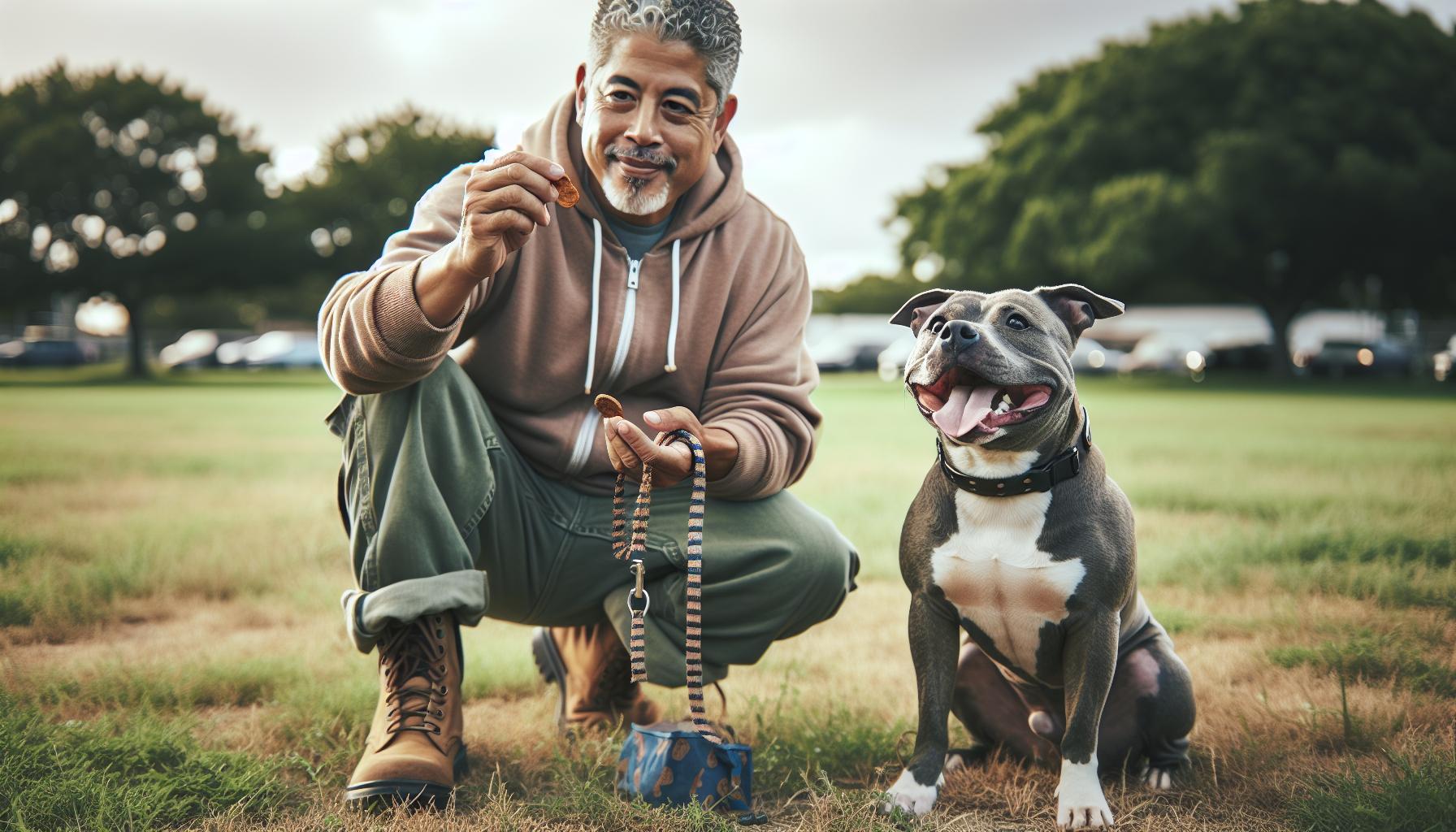
Training Techniques for a Happy Pitbull
Training your pit bull isn’t just about discipline; it’s a chance to build a deep bond and create a well-rounded companion. With their intelligence and eagerness to please, pit bulls are often quick learners when you use the right techniques. One of the fundamental aspects of training is consistency; your dog thrives on routines and clear signals. Establishing a structured environment allows them to feel secure and understand what is expected of them.
A popular method is positive reinforcement, which rewards desired behavior with treats, praise, or play. This can be particularly effective for pit bulls who respond well to encouragement and affirmations of their good behavior. For instance, when your dog sits on command, reward that behavior immediately to reinforce their understanding. Over time, this will instill confidence and deepen their loyalty, mirroring the themes of perseverance reflected in artist Pitbull’s music.
When training your pit bull, socialization is crucial. Exposing your dog to various environments, people, and other pets will help reduce anxiety and prevent behavioral issues. Structured playdates with other dogs or enrolling in training classes can make these experiences even more powerful. Remember, training isn’t just about commands; it’s an opportunity to engage in fun activities that stimulate your pit bull’s mind and body.
In summary, the journey of training your pit bull is both rewarding and vital for their happiness. By fostering a loving and structured environment paired with effective training techniques, you not only raise a well-behaved pet but also a loyal companion, much like the positive portrayal of pit bulls in pop culture today. Keep in mind that every moment spent training is an investment in your relationship, promoting understanding and joy that mirrors the uplifting messages in the entertainment world around pit bulls.
Health and Wellness Needs of Pitbulls
Understanding the health and wellness needs of your pit bull is crucial not only for their longevity but also for ensuring they lead a happy and fulfilling life. The pit bull breed is generally robust and resilient, exhibiting a spirit that reflects the tenacity of their representation in pop culture. However, like all breeds, they are prone to specific health issues that attentive owners should be aware of. Recognizing these potential problems enables you to advocate for their well-being properly and align your care strategies with what best suits this special breed.
One common health concern in pit bulls includes hip dysplasia, a genetic condition affecting the hip joint, leading to arthritis and pain as they age. Regular veterinary check-ups, weight management, and appropriate exercise can help mitigate these risks. Additionally, many pit bulls face skin allergies, which can manifest through itchy skin, ear infections, and gastrointestinal problems. Ensuring that your pit bull has a balanced diet, potentially supplemented with omega fatty acids, can promote healthier skin and coats while keeping allergies at bay.
Moreover, some pit bulls are susceptible to thyroid issues and cataracts, which can arise as they get older. It is crucial to monitor their health closely for any behavioral changes that might indicate discomfort or illness. Regular vet visits can catch these conditions early and help maintain a high quality of life for your pit bull. Ensuring they have a safe environment, both physically and emotionally, is equally important. Just as artist Pitbull has made a name by breaking barriers and stereotypes, as an owner, you have the chance to change perceptions about pit bulls by showcasing their vibrant, affectionate nature through proper care.
To maintain the overall health of your pit bull, consider these best practices:
- Balanced nutrition: Feed high-quality dog food tailored to their age, size, and health needs.
- Regular exercise: Engage your pit bull in daily physical activities to keep them fit and mentally stimulated.
- Preventative care: Schedule annual veterinary check-ups, vaccinations, and dental cleanings.
- Socialization: Introduce them to various environments and people to reduce anxiety and promote good behavior.
- Grooming: Regular brushing helps maintain coat health and allows for early detection of skin issues.
As you nurture your pit bull’s health, remember that their well-being directly contributes to the joy they bring to your life and those around you. Just as pit bulls are celebrated in the arts and media for their exuberant spirit, your attentive care can reflect that vibrancy in your dog’s everyday life. This balanced approach to their health not only enhances their quality of life but also reinforces the positive narratives surrounding this breed, inspiring others to recognize the worth of pit bulls as loving companions.
Responsible Ownership and Breed Misconceptions
Owning a pit bull may come with its share of misconceptions, but understanding this breed can create a rewarding bond filled with joy and trust. Surprisingly, statistics show that pit bulls are no more aggressive than other breeds when raised in a loving environment. This breed’s potential often depends more on the owner’s approach to training, socialization, and overall care rather than their genetics. As you consider welcoming a pit bull into your life, it’s essential to debunk some common myths surrounding this misunderstood breed.
One prevalent misconception is that pit bulls are inherently dangerous. While it’s true that any dog can show aggression if not properly trained, it’s crucial to focus on responsible ownership practices. Pit bulls are actually known for their loyalty and affection towards families. They thrive when they are integrated into family life and given ample affection, training, and socialization. Engaging your pit bull in regular activities and exposing them to various people and environments from an early age can help cultivate a well-adjusted and friendly companion.
The Importance of Responsible Ownership
To truly be a responsible pit bull owner, you should prioritize training and socialization. Consistent training techniques grounded in positive reinforcement will help your pit bull understand boundaries and expectations. Early socialization with other animals and humans can prevent the development of any unwanted behavior and ensure they are comfortable in diverse settings. Remember, your pit bull mirrors your energy, so maintaining a calm and assertive demeanor sets a strong foundation for their behavior.
Furthermore, supporting legislative efforts against breed-specific regulations is vital. These laws often arise from fear and misinformed perspectives about pit bulls and their capabilities. By promoting responsible pet ownership and advocating for fair treatment of all dog breeds, you contribute to dismantling stereotypes and creating a community where all dogs can thrive.
Changing Perceptions
Engaging with the positive narratives surrounding pit bulls in pop culture can also aid in shifting public perception. Just like the artist Pitbull has made strides to redefine his identity beyond stereotypes, you can share the stories of your own pit bull’s kindness and loyalty. Showcasing their gentle nature through social media or community events helps foster a supportive environment and encourages others to look beyond the myths.
In conclusion, as a pit bull owner, you have the power to change the narrative surrounding this breed. By educating yourself and others, practicing responsible ownership, and promoting the inherent qualities that make pit bulls such wonderful companions, you create a brighter future for both your pet and the breed as a whole. Your commitment can help bridge the gap between misconceptions and reality, allowing the true spirit of pit bulls to shine brightly.
The Artistic Legacy of Pitbull in Music
Music has an extraordinary ability to connect cultures, and one artist who epitomizes this is Pitbull. Known as “Mr. Worldwide,” his vibrant blend of hip-hop, reggaeton, and dance music has transcended borders and created a musical legacy that not only entertains but also represents a fusion of cultural influences. Pitbull, born Armando Christian Pérez, utilizes his platform to celebrate his Cuban heritage while appealing to a global audience, making him a significant figure in modern music.
His rise to fame began in the early 2000s, but it was his collaborations with artists like Jennifer Lopez, Ne-Yo, and Christina Aguilera that truly catapulted him to international stardom. Hits such as “Give Me Everything” and “Timber” not only dominated charts but also became anthems at parties and on dance floors around the world. Pitbull’s music often features catchy hooks and pulsating beats that encourage listeners to celebrate life-a theme that resonates deeply with diverse audiences. This capacity for universal appeal is a testament to his understanding of what moves people, blending genres and languages seamlessly while maintaining high energy.
Apart from his commercial success, Pitbull’s impact extends into cultural conversations. He often addresses social issues through his lyrics and public statements, promoting education and community engagement. For instance, his philanthropic efforts include programs aimed at supporting scholarship initiatives for youth. By aligning his brand with positive social change, he utilizes his influence to uplift and inspire, challenging stereotypes associated with his background.
Pitbull’s artistic legacy is marked not just by his music but also by his commitment to showcasing the richness of Latino culture in mainstream media. He has become a role model for aspiring artists in the Latin music scene, demonstrating that success can come from authenticity and hard work. As the music industry continues to evolve, the contributions of artists like Pitbull will remain essential in shaping a more inclusive and vibrant musical landscape.
How Pitbulls Influence Community Engagement
Engaging with pitbulls goes beyond mere ownership; these dogs often serve as catalysts for community connection and engagement. With their reputation as loyal, loving companions, pitbulls can foster relationships among owners and non-owners alike, helping to break down barriers and misconceptions. Dog parks, community events, and training classes become venues not just for exercise but for building friendships and support networks. When you take your pitbull to a local park, you’re not just exercising your pet; you’re often sparking conversations with others who might be curious about your dog, leading to discussions that debunk myths and educate the public about the breed.
One practical way pitbulls influence community engagement is through volunteer initiatives and service animals. Many organizations use pitbulls in therapy or service roles because of their gentle nature when properly trained. These dogs visit hospitals, schools, and community centers, positively impacting those they encounter. You might consider volunteering with your pitbull at local shelters or participating in community service events, showcasing the breed’s wonderful temperament and abilities, ultimately promoting responsible ownership and appreciation for the breed.
Furthermore, pitbull advocacy groups often lead community workshops focused on responsible pet ownership, training, and the importance of breed-specific legislation (BSL). Events like “Pitbull Awareness Day” encourage education and engagement, allowing owners to network with others who share their experiences, and educating the public on the breed’s history and value. These gatherings not only highlight the positive traits of pitbulls but also encourage community members to rethink existing stereotypes. By participating in such initiatives, you can actively contribute to a more welcoming environment for all dogs while influencing how others perceive pitbulls.
Community Events and Education
- Local Dog Parks: A place for socialization and community bonding.
- Volunteer Opportunities: Therapy and service animals breaking down barriers.
- Advocacy Workshops: Educating owners and the public about the breed.
Creating a positive community around pitbulls not only benefits the dogs and their owners but also enriches the wider community by promoting empathy, understanding, and cooperation. As you engage with your pitbull in various settings, remember that each interaction is an opportunity to reshape perceptions and create a more inclusive environment for all breeds.
Comparing Pitbull Breeds: Traits and Temperament
To truly appreciate the diversity within the pitbull category, it’s essential to understand the distinct traits and temperaments of various breeds. Often misconceived as a singular breed, “pitbull” actually encompasses several types, including the American Pit Bull Terrier, American Staffordshire Terrier, and Staffordshire Bull Terrier, among others. Each of these breeds showcases unique characteristics that can influence their suitability as pets, working dogs, or companions.
The American Pit Bull Terrier is known for its muscular build, intelligence, and high energy levels. These dogs are often described as affectionate and loyal, thriving on human interaction and companionship. With consistent training and socialization, they can exhibit playful and friendly behaviors, making them great family pets. Conversely, the American Staffordshire Terrier also possesses a strong physique but is often slightly stockier. This breed is known for its gentle and nurturing nature, particularly towards children, and may be more laid-back compared to its American Pit Bull counterpart.
| Breed | Size | Temperament | Common Traits |
|---|---|---|---|
| American Pit Bull Terrier | Medium | Affectionate, Energetic | Intelligent, Loyal, Social |
| American Staffordshire Terrier | Medium | Gentle, Protective | Strong, Family-Friendly |
| Staffordshire Bull Terrier | Small to Medium | Affectionate, Playful | Good with Children, Loyal |
Understanding these differences helps potential owners choose the right breed for their lifestyle. For instance, if you have an active household, the high energy of an American Pit Bull Terrier could be a perfect match. If you’re looking for a more relaxed companion, the American Staffordshire Terrier may better suit your needs. Regardless of the type, responsible ownership is critical; all pitbulls thrive on proper training, socialization, and love. The rich tapestry of traits and temperaments among these breeds illustrates that, while they may share the “pitbull” label, they each bring their own unique flair to the world of canine companionship.
The Impact of Pitbulls on Family Dynamics
Welcoming a pitbull into your home can profoundly influence family dynamics, often leading to stronger bonds and invaluable life lessons for both children and adults. These dogs, known for their loyalty and affectionate nature, can enrich family life in ways that might surprise those unfamiliar with the breed. By fostering an environment of love and understanding, pitbulls not only become cherished companions but also active participants in family activities.
One significant impact is the boost in children’s emotional intelligence. Growing up with a pitbull encourages kids to develop empathy, responsibility, and patience as they care for their furry friend. The playful yet gentle nature of pitbulls makes them excellent playmates for children, promoting healthy interactions that teach vital social skills. Whether it’s engaging in fetch in the yard or allowing a child to snuggle up during movie night, these dogs can help nurture a sense of companionship that extends to human relationships.
Moreover, pitbulls have a unique ability to blend into everyday family life. Their energy levels and playful demeanor make them perfect for families with active lifestyles, encouraging outdoor play and family outings that bolster togetherness. Regular walks or trips to the park can become cherished family traditions, promoting not only physical fitness but also quality family time. By embracing a pitbull’s needs for socialization and companionship, families often find themselves more connected and engaged with one another.
The bond formed between pitbulls and their families can also act as a layer of protection. Many owners find comfort in their pitbull’s natural loyalty and protective instincts, which can create a sense of safety at home. This protective nature, combined with a well-socialized temperament, can alleviate fears or anxieties that may arise in daily life, allowing families to thrive in a more secure environment.
In summary, integrating a pitbull into your family can be a rewarding experience that enhances emotional bonds, promotes healthy lifestyles, and provides a supportive atmosphere. By understanding and embracing the unique traits of pitbulls, families can cultivate a nurturing environment that celebrates the joy these dogs bring to our lives.
Exploring Pitbull Advocacy and Rescue Efforts
In a world where pitbulls often face stigma and misunderstanding, advocacy and rescue efforts play a crucial role in changing perceptions and improving the lives of these lovable dogs. Organizations dedicated to pitbull advocacy not only work to rehabilitate and rehome dogs at risk of euthanasia but also strive to educate the public about breed-specific myths and promote responsible ownership. These efforts are essential in fostering a positive image of pitbulls, challenging the negative stereotypes that have long plagued the breed.
One standout organization is Plenty of Pit Bulls, which focuses on rescue and community engagement. Their mission includes not only rescuing at-risk dogs but also providing support and resources to help families maintain healthy relationships with their pets. By addressing the underlying causes of pet overpopulation and homelessness, they hope to reduce the number of pitbulls in shelters and educate potential owners on the responsibilities of pet ownership [1].
Additionally, Love-A-Bull works tirelessly to improve the lives of pitbulls through educational outreach and community programs. This organization emphasizes responsible guardianship and aims to change the narrative surrounding pitbulls. They believe that by fostering a supportive environment for current and potential pitbull owners, they can create a community that celebrates the breed rather than fears it [3]. Their programs include training resources, adoption events, and workshops that aim to demystify pitbull genetics and behavior.
The role of social media and public figures cannot be overstated in the efforts to advocate for pitbulls. With platforms like Facebook, movements such as Pit Bull Advocates of America actively engage communities by providing information, sharing success stories of rescue dogs, and generating discussions around breed-related issues. This grassroots advocacy is vital for creating awareness and mobilizing support for pitbull welfare [2].
Engaging with these organizations or simply spreading awareness about responsible pitbull ownership can make a significant difference. By supporting advocacy and rescue initiatives, you not only help improve the lives of individual dogs but also contribute to a larger movement aimed at reshaping societal attitudes towards pitbulls. Ultimately, embracing a more informed and compassionate perspective can lead to a brighter future for these extraordinary animals.
Celebrating the Joys of Pitbull Ownership
Owning a pitbull can be one of the most rewarding experiences, filled with affection, loyalty, and joy. These dogs, often misunderstood, bring unique qualities that make them standout companions. With the right care and training, pitbulls have a remarkable ability to form deep bonds with their families, often becoming more than just pets but cherished family members. Their energetic personalities and expressive faces can light up any room, making daily life more vibrant and engaging.
One of the greatest joys of pitbull ownership is their versatility. They are active, intelligent, and want to be involved in everything you do. Whether it’s a hike in the woods, an afternoon at the dog park, or simply lounging on the couch, pitbulls are enthusiastic participants. Their eagerness for social interaction makes them great for families-ready to play with kids or cuddle with adults. They thrive on attention and affection, which helps build strong emotional connections. Regular training sessions can not only enhance their behavior but also foster an even deeper mutually rewarding relationship.
Pitbulls also shine in various canine sports and activities. Their intelligence allows them to excel in obedience training, agility courses, and even therapy work, where they bring joy and comfort to those in need. Engaging in these activities strengthens your bond while keeping their minds sharp and bodies healthy. Consider joining local clubs or groups centered around dog sports-it’s a great way to socialize not just your pitbull, but yourself as well!
You’ll find that the experience of owning a pitbull goes beyond companionship; it opens doors to community engagement. Many pitbull owners become advocates for the breed, participating in events that promote responsible pet ownership and campaigning against breed-specific legislation. By sharing your personal story and the love you have for your pitbull, you can contribute to a larger narrative that highlights the positive aspects of this breed. Embracing the joys of pitbull ownership not only enriches your life but also plays a part in changing perceptions in society, celebrating the love and loyalty these incredible dogs offer to their families.
Future Trends in Pitbull Representation in Media
As societal perspectives on dog breeds continue to evolve, pitbulls are increasingly represented in media in a more positive light. This shift is characterized by a growing awareness and acknowledgment of the breed’s traits beyond the common misconceptions surrounding their aggression. Moving forward, we can expect to see pitbulls featured in diverse roles across various forms of entertainment, from films and television shows to social media platforms.
One notable trend is the rise of pitbulls as symbols of loyalty and companionship in storytelling. These narratives often highlight their roles as loving family pets or heroic service dogs, counteracting the stereotype of aggression. Media producers and pet advocates are recognizing the potential of pitbulls to resonate with audiences by showcasing their affectionate and friendly nature. Films and documentaries that profile rescued pitbulls and their journeys towards rehabilitation not only promote empathy but also encourage responsible ownership and breed advocacy.
Additionally, social media plays a pivotal role in reshaping the narrative. Influencers and dog owners alike are sharing their personal stories and experiences with pitbulls, connecting with audiences on platforms like Instagram and TikTok. The hashtags #Pitbullsofinstagram and #AdoptDontShop are fostering communities that celebrate pitbull ownership, education, and advocacy. These platforms allow for real-time interaction among dog lovers, promoting a collective voice that challenges negative portrayals in traditional media.
Ultimately, as public perception continues to shift, pet owners, advocates, and creatives in the entertainment industry are collaborating to broaden the narrative surrounding pitbulls. Expect a future where pitbulls are celebrated not only for their loyalty and strength but also for their intelligence and capacity for love-traits that make them exceptional companions and valued members of society. Through this cultural representation, the journey towards understanding and appreciating pitbulls is likely to continue, proving that love knows no breed.
Frequently asked questions
Q: How have Pitbulls influenced modern music and entertainment?
A: Pitbulls have significantly influenced modern music, particularly through the success of artists like Pitbull, who incorporates themes of resilience and cultural pride in his songs. Their representation in entertainment often challenges negative stereotypes, showcasing their energetic and loyal nature, enriching community narratives around inclusivity and acceptance.
Q: What are the cultural perceptions of Pitbulls in different regions?
A: Cultural perceptions of Pitbulls vary widely; in some regions, they are celebrated as family pets and loyal companions, while in others, they face stigma due to misconceptions. Understanding these diverse viewpoints is essential for promoting responsible ownership and combatting negative stereotypes linked to the breed.
Q: Why are social media campaigns effective for Pitbull advocacy?
A: Social media campaigns for Pitbull advocacy are effective because they foster community engagement and spread awareness through relatable stories and visuals. They help counteract negative media portrayals and connect advocates and supporters, amplifying their message for responsible ownership and breed appreciation.
Q: What role do sports and events play in enhancing the image of Pitbulls?
A: Sports and events featuring Pitbulls help enhance their image by showcasing their athleticism and positive temperament. Events like agility competitions and rescue showcases highlight their capabilities, promoting them as versatile and affectionate companions, which can shift public perceptions positively.
Q: How does responsible ownership impact the future of Pitbull breeds?
A: Responsible ownership significantly impacts the future of Pitbull breeds by fostering better training, socialization, and care practices. Educating owners about breed traits and advocating for proper handling can reduce fear-based reactions from the public, ensuring a more positive environment for Pitbulls.
Q: What initiatives are helping to improve community attitudes towards Pitbulls?
A: Initiatives like pit bull education programs, community outreach, and rescue partnerships aim to improve attitudes by demonstrating the breed’s friendly nature and promoting responsible ownership. Such efforts help dismantle myths and encourage a more balanced view of Pitbulls within communities.
Q: How can local communities support Pitbull rescue efforts?
A: Local communities can support Pitbull rescue efforts by participating in adoption events, fostering dogs, volunteering at rescues, and donating supplies. Community support helps raise awareness around Pitbull needs and promotes responsible pet ownership, enriching lives for both dogs and families.
Q: What are the future trends in media representation of Pitbulls?
A: The future trends in media representation of Pitbulls are leaning towards more positive portrayals, highlighting their loyalty and companionship. Expect to see increased focus on their roles in family dynamics and community events, moving away from fear-based narratives to celebrate the breed’s strengths and achievements.
Closing Remarks
As we wrap up our exploration of “Pitbull Paradise: Entertainment & Cultural Impact,” remember that your role in fostering a deeper understanding of this incredible breed is vital. By celebrating the rich stories and contributions of Pitbulls in both culture and companionship, you can help reshape perceptions and encourage responsible ownership. Don’t miss out on our related articles about Pitbull care and training, which provide valuable insights that can enhance your journey with these amazing dogs.
Take action now! Join our community by signing up for our newsletter for the latest updates and resources. Share your thoughts in the comments below-your insights are valuable, and together, we can create a welcoming space for all Pitbull enthusiasts. Explore more of our content to stay informed about the breed, its impact in society, and how you can be a part of this positive movement. Your continued engagement helps us grow and empower others to appreciate these remarkable companions.
Get our latest guides, news, and insights highlighted in your Google Search & AI Overviews.