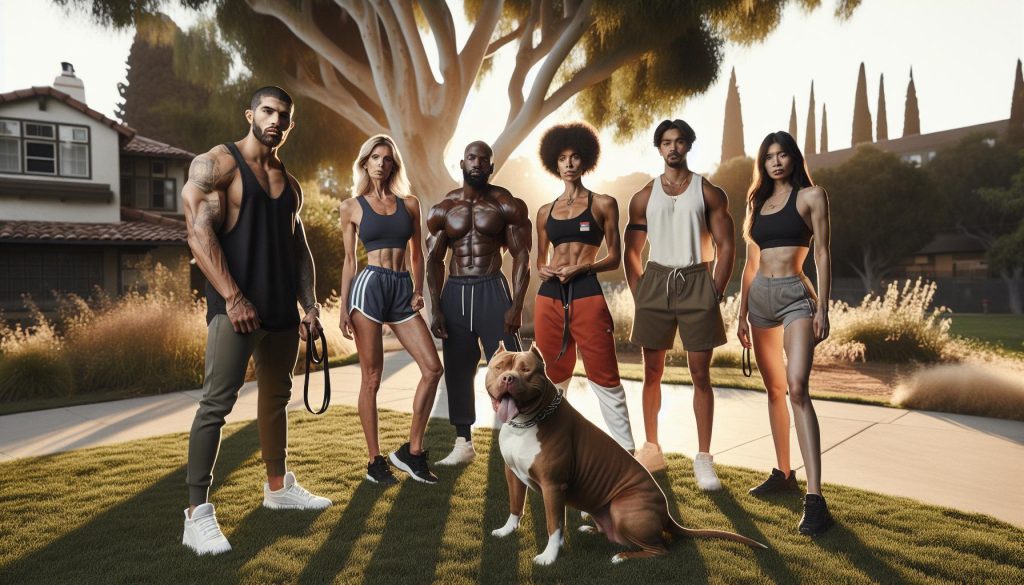
Did you know that pit bulls are among the most muscular dog breeds, thanks to their unique genetic makeup? This strength, while impressive, brings with it the responsibility of nurturing their physical capabilities ethically and safely. “Pitbull Muscle: Building Strength Ethically & Safely” provides you with essential insights into effective training methods, proper nutrition, and the importance of understanding your dog’s needs. Whether you’re a dedicated owner aiming to enhance your pit bull’s muscles or simply curious about their fitness and well-being, this guide will support your journey. You deserve the best for your furry companion, and ensuring their health and strength is a rewarding endeavor that benefits both of you. Let’s explore how to unleash your pit bull’s potential responsibly, fostering a bond built on trust and mutual respect. Keep reading to discover strategies that will empower you and your dog on this exciting fitness adventure!
Understanding Pitbull Muscle Anatomy and Physiology
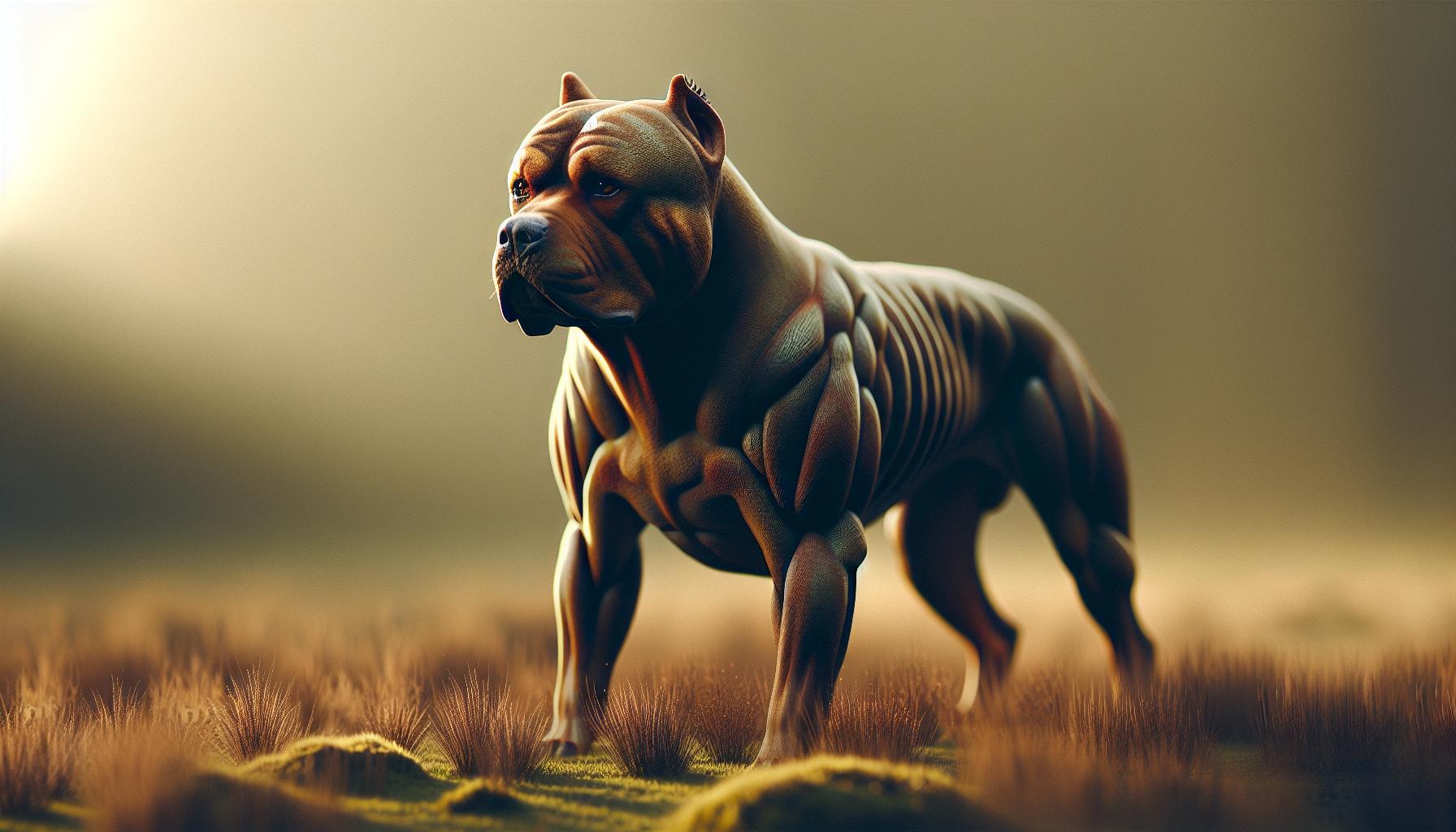
Understanding the muscle anatomy and physiology of pitbulls is essential for any owner interested in enhancing their dog’s strength safely and effectively. Like all dogs, pitbulls possess a unique musculature that contributes to their agility, power, and endurance. The breed is characterized by well-defined muscles, particularly in the shoulders, chest, and back, which allow for impressive athletic performance. Their muscular build is a result of both genetic predisposition and proper training. Understanding how their muscles function can help you create a tailored exercise program that promotes healthy muscle growth and overall wellness.
Muscle fibers in pitbulls are typically a combination of fast-twitch and slow-twitch fibers. Fast-twitch fibers are responsible for quick bursts of energy, providing the explosive strength seen in activities like sprinting or jumping. In contrast, slow-twitch fibers are utilized for endurance activities, allowing your pitbull to sustain effort over longer periods. Balancing exercises that target both types of muscle fibers is crucial for developing a well-rounded and robust physique. Engaging your pitbull in various activities, from short sprints to longer runs, can help maximize their muscular potential while preventing overexertion.
In training pitbulls, also consider the role of their joint and connective tissue health. Strong muscles must be complemented by equally strong tendons and ligaments to prevent injuries, especially when your pitbull is exerting itself in rigorous activities. Regular strength training combined with flexibility exercises, such as stretching, can improve your dog’s muscle performance while safeguarding against common injuries associated with high-intensity workouts. This comprehensive approach not only helps in building muscle effectively but also ensures that your pitbull remains active and happy for years to come.
The Importance of Ethical Training Techniques
Understanding the significance of ethical training techniques is vital in shaping a positive relationship between you and your pitbull while ensuring their physical development is safe and respectful. Ethical training goes beyond merely achieving immediate results; it fosters trust, resilience, and a sense of security in your dog. When you engage in training practices rooted in kindness and understanding, you not only promote muscle growth and strength but also emphasize the importance of mental well-being for your pitbull.
Utilizing positive reinforcement is one of the cornerstones of ethical training. This method encourages your pitbull to repeat desired behaviors through rewards such as treats, praise, or playtime. Unlike punitive measures, positive reinforcement builds your dog’s confidence and promotes a healthy bond between you and your pet. For instance, rewarding your pitbull with a favorite toy after successfully completing a strength-training exercise makes the experience enjoyable and motivates them to participate more eagerly in the future. You’re not just training muscles; you’re nurturing their spirit.
Moreover, ethical training techniques necessitate an understanding of your pitbull’s individual needs and limitations. Each dog has its unique temperament, energy levels, and physical capabilities, so customizing your approach is essential. For example, if your pitbull shows fatigue or reluctance during training, it’s crucial to adapt your regimen rather than pushing through. Acknowledge their boundaries and allow for adequate rest and recovery, which ultimately contributes to better muscle growth and overall health.
Integrating socialization into your training regimen is another fundamental aspect of ethical practice. Exposing your pitbull to various environments, people, and even other dogs in a controlled manner will not only enhance their confidence but also positively affect their physical training. Social interactions can serve as rewards in themselves, motivating your dog to engage in exercises with enthusiasm. Remember, ethical training is about creating a holistic development approach that prioritizes your pitbull’s happiness and well-being while encouraging safe and effective strength-building practices.
Safe and Effective Strength-Building Exercises
Building strength in your pitbull is not only a matter of aesthetics but a crucial aspect of their overall health and well-being. Engaging in can enhance your dog’s muscle tone, joint stability, and cardiovascular health while also boosting their confidence. Start with activities that align with your pitbull’s natural instincts, such as fetch, tug-of-war, and agility courses. These exercises not only build strength but also provide mental stimulation and an outlet for their energy.
Strength-Building Exercises
Here are some practical exercises you can incorporate into your pitbull’s routine:
- Fetch: A classic game that strengthens muscles and improves endurance. Throw a ball or a toy over varying distances to challenge your pitbull. Gradually increase the length as their strength improves.
- Tug-of-War: This game helps build upper body strength and can be a great workout for both you and your dog. Use a sturdy rope toy and encourage your pitbull to pull, reinforcing with positive feedback to maintain their enthusiasm.
- Agility Training: Set up an agility course with jumps, tunnels, and weave poles. This not only builds strength but also improves your pitbull’s coordination and balance.
- Hill Sprints: If you have access to a safe, gentle incline, hill sprints can be an excellent way to build muscle. Encourage your pitbull to sprint up the hill and walk down to recover, repeating several times.
- Swimming: A fantastic low-impact exercise that works your pitbull’s entire body while being gentle on their joints. Make sure to supervise them closely, especially if they are not accustomed to water.
Safety First
Before introducing any new exercise, remember to warm up and cool down your pitbull. A good 5-10 minute walk can help prepare their muscles for more strenuous activities and prevent injury. Pay close attention to your dog’s body language; if they show signs of fatigue or discomfort, it’s essential to stop and allow adequate rest. Moreover, always consult with your veterinarian before starting any new exercise program, especially if your pitbull has pre-existing health issues.
Incorporating a structured routine that makes use of their strengths and preferences not only promotes muscle growth but also strengthens the bond between you and your furry friend. Your pitbull will thrive on the positive reinforcement that comes from successfully completing these activities, making it a win-win for both of you!
Nutrition Tips for Optimal Muscle Growth

Building and maintaining optimal muscle growth in your pitbull goes beyond just exercise; nutrition plays a crucial role in this process. A well-balanced diet doesn’t only support muscle development but also enhances overall health and longevity. Understanding the nutritional needs of your pitbull can empower you to provide the best care and training for your furry companion.
First and foremost, protein is the cornerstone of muscle growth. Look for high-quality dog food that lists meat as one of the first ingredients. Typically, a diet containing 20-30% protein is suitable for adult pitbulls, while puppies may require around 30-40% to support their rapid growth. Excellent sources of protein include chicken, beef, fish, and eggs. Complementing their diet with protein-rich supplements, such as Bully Max’s 2-in-1 muscle builder, can also be beneficial for pups, seniors, or those undergoing intense training [[1]].
In addition to protein, healthy fats are beneficial for energy and can help support your dog’s coat and skin health. Aim for a diet that includes sources of omega-3 and omega-6 fatty acids, such as fish oil or flaxseed oil. These fats not only promote an energetic lifestyle but also help reduce inflammation, which is essential for recovery after workouts.
Carbohydrates should not be overlooked either; they provide quick energy for those intense play sessions. Whole grains like brown rice, oats, and sweet potatoes are excellent options. They help maintain sustained energy levels, especially in active breeds like pitbulls. Ensure that carbohydrates form a balanced portion of your dog’s diet without being excessive, as pitbulls can be prone to obesity.
To further enhance muscle growth and overall health, consider incorporating fruits and vegetables into their diet. Items like blueberries, carrots, and spinach are loaded with vitamins and antioxidants that promote recovery and general well-being. Remember to introduce any new food gradually and always consult with your veterinarian when making significant changes to your dog’s diet or before adding supplements.
In essence, optimal nutrition is a key pillar in building muscle and health in your pitbull. By focusing on a balanced diet rich in protein, healthy fats, complex carbohydrates, and nutritious vegetables, you can help your pitbull achieve their fitness goals safely and effectively.
Common Pitbull Health Concerns and Prevention
When it comes to keeping your Pitbull healthy and strong, being aware of common health concerns is crucial. This breed can be susceptible to various conditions that may affect their muscle development, stamina, and overall well-being, particularly if they are engaged in strength training or high-performance activities. Understanding these potential issues allows you to take proactive steps in maintaining your dog’s health, ensuring that both training and playtime are safe and enjoyable.
One of the most prevalent concerns is hip dysplasia, a genetic condition where the hip joint doesn’t fit properly into its socket. It can lead to pain and mobility issues, which may inhibit your dog’s ability to participate in strength training. Regular check-ups with your veterinarian can help catch this condition early. Weight management and low-impact exercises can help maintain joint health.
Another issue to be aware of is skin allergies, often due to environmental factors or food sensitivities. These allergies can lead to excessive scratching and discomfort, which can impact your Pitbull’s training regime. To prevent skin issues, be diligent about your dog’s diet and grooming routine. A balanced diet rich in omega fatty acids, along with regular baths using hypoallergenic shampoos, can help mitigate these concerns.
Heart conditions are also worth noting. Certain Pitbull lines may have a predisposition to cardiovascular issues, which can affect energy levels and overall health. Regular veterinary check-ups that include heart health screenings can help catch any problems before they become serious. Encouraging cardiovascular health through brisk, regular walks and play sessions is beneficial not just for muscle building but for heart strength as well.
Lastly, don’t overlook obesity as a serious concern. Given that Pitbulls can be prone to weight gain, it’s essential to monitor their food intake and maintain a proper exercise schedule. Obesity can lead to a multitude of health problems, including diabetes and joint pain, both of which can inhibit their ability to build and sustain muscle. Aim for a balanced diet rich in lean proteins, whole grains, and plenty of fresh vegetables to support their strength-building efforts while keeping their weight in check.
Addressing these health concerns through preventive measures and maintaining an open line of communication with your veterinarian is key to ensuring a happy, healthy, and strong life for your beloved Pitbull.
Choosing the Right Equipment for Training
To effectively support your Pitbull in building strength safely and ethically, selecting the right equipment is essential. The equipment you choose not only impacts the effectiveness of your training sessions but also plays a crucial role in ensuring the safety and well-being of your dog. With the right tools, you can help your furry companion reach their full potential while minimizing the risk of injury.
One of the most popular pieces of equipment for strength training is the weighted harness. This tool allows you to add resistance gradually, which can stimulate muscle growth without overextending your dog. When choosing a harness, look for adjustable options made from durable, breathable materials to ensure comfort and prevent chafing during exercise. Additionally, ensure that the harness fits snugly but not too tightly, allowing for a full range of movement.
Another valuable tool for strength training is a flirt pole. This simple yet effective piece of equipment consists of a long stick with a lure attached by a string. It encourages your Pitbull to jump, chase, and pivot, effectively engaging their muscles in a fun and stimulating way. Flirt poles are great for improving agility and stamina, fostering a playful atmosphere that keeps your dog motivated and active.
For those who are serious about strength training, introducing weight pulling can be an exciting option. This activity requires specialized equipment, including a weight pulling harness and a sled or cart. It’s crucial to start slowly, allowing your Pitbull to adapt to carrying weights, and to ensure that they don’t exert themselves too much too soon. Consider beginning with lighter weights and progressively increasing as your dog builds strength.
To further engage your Pitbull and keep them mentally stimulated, consider incorporating a variety of other tools, such as exercise balls or tug toys. These items not only help develop core strength but also encourage interactive play between you and your pet. Regularly rotating the types of equipment used can prevent monotony and keep your training sessions exciting.
Remember, the key to effective equipment use lies in combining proper tools with ethical training techniques. Regular consultation with your veterinarian or a professional trainer can provide tailored advice specific to your dog’s needs. By choosing appropriate equipment and training methods, you ensure a safe, enjoyable journey toward building your Pitbull’s strength and overall health.
The Role of Socialization in Strength Training
Socialization is not just an essential aspect of training-it plays a vital role in your Pitbull’s strength training journey. Proper socialization helps to create a well-rounded, confident dog that can handle various environments and situations. When exposed to diverse experiences, whether it’s meeting new people, encountering other animals, or navigating different environments, your Pitbull can develop better focus and responsiveness during strength training sessions. This enhanced focus ultimately contributes to a more effective and enriching training experience.
During strength training, your Pitbull may encounter various distractions that could hinder their performance. A well-socialized dog can better manage these stimuli, reducing anxiety and improving their ability to concentrate. For example, taking your Pitbull for walks in busy parks or enrolling them in group training classes can help them get accustomed to different sights, sounds, and smells. This preparation can lead to less stress during strength exercises and ensure that your dog remains engaged and motivated.
Incorporating playtime with other dogs is another excellent way to facilitate socialization. Regions like dog parks or supervised playgroups allow your Pitbull to interact and engage physically with their peers, enhancing their agility and muscle coordination in a fun atmosphere. These interactions not only build physical strength but also reinforce positive behaviors and social skills essential for emotionally balanced dogs. Moreover, providing plenty of positive reinforcement, like treats and praise, reinforces the connection between social experiences and positive outcomes, strengthening your dog’s willingness to participate in strength training activities.
Utilizing socialization as part of strength training requires a balance. Ensure that training sessions remain positive and rewarding while exposing your Pitbull to new challenges gently. With consistent practice, the combination of socialization and strength training will not only foster physical robustness but also nurture a confident and well-adjusted pet. This holistic approach to their development celebrates both their physical and emotional well-being, resulting in a thriving relationship between you and your loyal companion.
Monitoring Your Pitbull’s Progress Safely
Monitoring your Pitbull’s progress during strength training is crucial for ensuring their safety and effectiveness in building muscle. As a breed known for their strength and energy, it’s vital to track physical changes and adjust training approaches accordingly. Regularly assessing your dog’s performance not only helps motivate them but also prevents overtraining and injury, which can lead to long-term health issues.
To start, keep a detailed log of your Pitbull’s training sessions. Document each exercise, duration, intensity, and your dog’s performance level. This record helps you identify patterns in their strength progression and assess whether to modify their routine. For example, if you notice that your dog is consistently outperforming a particular exercise, it might be time to increase the weight or intensity or incorporate a new exercise to challenge their muscles differently.
Signs of Progress
Recognizing the signs of progress can be just as important as tracking numerical data. Look for indicators such as:
- Increased endurance: Your Pitbull should show an improved ability to complete longer training sessions without fatigue.
- Improved technique: Enhanced form and coordination during exercises indicates muscle memory is building.
- Positive behavior changes: An eager and motivated attitude towards training can reflect overall satisfaction with their routine.
- Muscle definition: Visual changes in muscle tone can be a physical sign that your dog is building strength.
Safety Tips
Always prioritize safety when monitoring progress. Here are a few tips to ensure that your Pitbull remains healthy throughout their strength training journey:
- Stay observant: Watch for any signs of discomfort, fatigue, or pain during exercises. If your dog shows distress, it’s crucial to stop and assess their condition.
- Rest days are essential: Schedule rest days to allow your dog’s muscles to recover and adapt. This will enhance overall performance and prevent injuries.
- Vet check-ins: Regular check-ups with your veterinarian can help catch any potential health issues early, ensuring your dog is fit for strength training.
- Flexible routines: Be willing to adjust your training plan based on your dog’s progress and energy levels. What works well today might need tweaking tomorrow.
By closely monitoring your Pitbull’s strength training progress, you create a tailored experience that not only respects their physical limits but also celebrates their achievements. This conscientious approach fosters a deeper bond between you and your canine companion while empowering them to thrive both physically and emotionally.
Incorporating Variety to Prevent Training Plateaus
To keep your Pitbull excited and engaged during strength training, incorporating variety into their routine is essential. Dogs, much like humans, can reach a plateau if they’re performing the same exercises repeatedly. This not only leads to boredom but can also hinder their physical progress. By mixing up their workouts, you not only challenge different muscle groups but also stimulate their minds, making training a more enjoyable experience.
One effective method to introduce variety is to alternate between different types of exercises. For instance, if you typically engage your Pitbull with weight pulling, you might switch to agility drills one week and then to swimming the next. Not only does this keep the training fresh, but it also helps improve overall athleticism. Activities such as flirt poles and spring poles can be incorporated to maintain their interest while enhancing their strength and coordination. Here’s a quick overview of various exercises to consider:
| Exercise Type | Benefits |
|---|---|
| Weight Pulling | Builds muscle and strength. |
| Agility Training | Improves coordination and speed. |
| Swimming | Low-impact full-body workout. |
| Flirt Pole | Enhances reflexes and agility. |
| Spring Pole | Strengthens muscles while promoting play. |
In addition to varying the types of exercises, consider changing the environment as well. Training in different locations, whether it’s at a park, in your backyard, or even indoors when the weather isn’t cooperating, can maintain your Pitbull’s enthusiasm. New scents and surroundings will stimulate their senses and encourage exploration, thereby making the training experience more enriching.
Lastly, don’t forget to mix up the intensity and duration of your sessions. Just as with human athletes, some days should be dedicated to high-intensity workouts, while others can focus on endurance-building through longer, steadier activities. By being mindful of this diversity in your training regimen, you’ll not only prevent plateaus but also foster a happy and well-rounded physical experience for your Pitbull. Always remain attentive to their responses and energy levels to ensure that every training session is both safe and productive.
Balancing Strength Training with Playtime
To achieve a well-rounded physical development in your Pitbull, it’s essential to strike a balance between strength training and playtime. Play is not just a fun addition to their routine; it is a critical component of their physical and mental well-being. Engaging your Pitbull in playful activities helps maintain enthusiasm for training while offering numerous physical benefits that complement formal workouts.
Incorporating play into your dog’s regimen can vary widely. Activities such as fetching a ball or tugging on a rope are not only enjoyable but also serve to develop agility and strength. Interactive play can act as a reward system, reinforcing training while allowing your dog to release pent-up energy. This is especially vital for high-energy breeds like Pitbulls, who thrive on both structured exercise and free-form play.
Equally important is the opportunity for socialization that playtime provides. Engaging with other dogs-whether through structured dog playdates or simply at the park-can enhance your Pitbull’s social skills and reduce stress. This prevents behavioral problems stemming from a lack of social interaction and enriches their everyday experiences. Good social skills can also translate to better training outcomes, as socialized dogs are often more manageable and eager to learn in controlled environments.
Additionally, switching up playstyles can help prevent boredom and foster a healthy mindset. Consider introducing activities such as agility courses or running alongside you while cycling. Each alternative challenges your pitbull differently, helping to maintain their interest and desire to engage with you. As you blend these playful interactions with their strength training, always observe their cues and energy levels. This will ensure that play remains a positive and productive aspect of their overall fitness journey.
Success Stories: Inspiring Pitbull Strength Journeys
The journey of building strength in a Pitbull can often be just as inspiring as the physical transformation itself. Many dog owners have shared their success stories of fostering a strong and healthy bond with their Pitbulls through ethical training and consistent effort. These stories serve as a testament to the breed’s amazing resilience and potential when provided with proper care and attention.
One compelling example can be seen in the story of Max, a rescue Pitbull who initially struggled with low energy and weight issues. His owner began incorporating a balanced high-protein diet alongside a regimen of safe strength-building exercises such as weight pulling and agility training. Over time, Max not only shed his extra pounds but also developed significant muscle definition. His transformation was not merely physical; Max became more confident and outgoing, thriving on the new challenges. This story highlights how proper nutrition and physical activity can revolutionize a dog’s health and behavior.
Likewise, Daisy, another Pitbull, showcased the importance of socialization alongside strength training. Her owner enrolled her in various socialized playgroups and hurdles training, which allowed Daisy to build muscle as she learned maneuverability and agility in a group setting. Through consistent training and social interaction, Daisy not only improved her strength and physical capabilities but also became more adept at engaging with other dogs and people. Such success stories reflect the need for a holistic approach to your Pitbull’s development, combining ethical strength training with socialization and nutrition.
These journeys remind us that every Pitbull, regardless of their starting point, has the potential to thrive with the right commitment and care. By drawing from these examples, you can better appreciate the road ahead for your own Pitbull, ensuring they grow stronger both physically and emotionally through safe and ethical training practices.
Promoting Responsible Ownership and Ethical Care
Creating a strong bond with your Pitbull goes beyond just building muscle; it involves a commitment to responsible ownership and ethical care. As a breed often misunderstood, it’s imperative that you advocate for their well-being through education and positive interactions. Engaging in ethical training not only helps your Pitbull develop physically but also reinforces trust and respect between you and your canine companion. The heart of responsible ownership is understanding the needs of your dog and providing a nurturing environment where they can thrive.
One essential practice is investing time in learning about your Pitbull’s temperament and emotional needs. Recognizing that each dog is unique, you can tailor your training and care to fit their personality. Consider enrolling in training classes that emphasize positive reinforcement techniques, which are not only effective for strength training but also promote a loving environment. These classes allow you to connect with other dog owners and learn from skilled trainers who prioritize ethical care. Furthermore, sharing experiences with fellow owners can provide valuable insights and enhance your skills as a responsible pet parent.
Nutrition also plays a crucial role in supporting your Pitbull’s physical health and muscle development. Opt for a high-quality diet that meets their specific needs, taking into account their age, activity level, and any health concerns. Research appropriate feeding guidelines and consult with a veterinarian to determine the best nutritional approach for your pet. Incorporating treats that contribute to muscle growth can be beneficial, but remember to be mindful of portion sizes to prevent obesity-a common issue in the breed. By providing balanced nutrition, you’re setting the foundation for a healthy, active lifestyle that complements their training regimen.
Lastly, promote socialization as a core aspect of responsible ownership. Allow your Pitbull to interact with various environments, people, and other dogs. This exposure not only helps prevent behavioral issues but enhances their confidence as they navigate new experiences. Consider organizing playdates or joining community groups that focus on dog-friendly activities. The mutual benefit of socialization is immense, as it contributes to both mental and physical stimulation-essential components for any muscle-building program. By fostering a well-rounded approach to care, you ensure your Pitbull not only grows stronger but also enjoys a happy and fulfilled life.
FAQ
Q: What are the best exercises for building muscle in pit bulls?
A: Effective exercises for building muscle in pit bulls include agility training, swimming, fetch, and resistance activities like tug-of-war. Incorporating a mix of these activities can enhance strength while keeping workouts engaging. Ensure exercises are age-appropriate and consider your dog’s current fitness level for optimal results.
Q: How can I ensure my pit bull gains muscle safely?
A: To ensure safe muscle gain, focus on a balanced diet rich in protein, gradually increase exercise intensity, and monitor your dog’s response to workouts. Use proper techniques during strength-building activities and consult with a veterinarian or professional trainer for tailored advice.
Q: What nutritional factors influence muscle growth in pit bulls?
A: Nutritional factors like adequate protein intake, balanced vitamins, and minerals are crucial for muscle growth in pit bulls. High-quality dog food formulated for active dogs can support their energy needs. Adding lean meats and healthy fats can also enhance their muscle development.
Q: When should I start strength training for my pit bull?
A: Strength training for pit bulls can begin around 6-12 months, depending on their growth and health. Puppies should primarily engage in play and basic agility exercises until they are physically mature. Consult a veterinarian to determine the best starting time based on your dog’s health and breed specifics.
Q: How often should I exercise my pit bull to build muscle?
A: Aim for at least 30 to 60 minutes of exercise, 5 days a week, incorporating various activities to build muscle effectively. Balance strength training with rest days to prevent injury and overexertion. Adjust the frequency and intensity based on your dog’s overall condition and energy levels.
Q: What signs indicate my pit bull is overexerted during strength training?
A: Signs of overexertion in pit bulls include excessive panting, lethargy, discomfort, or reluctance to continue exercising. If you notice these symptoms, allow your dog to rest and recover. Regular monitoring of energy levels during workouts helps ensure safe training practices.
Q: Can pit bulls build muscle without supplements?
A: Yes, pit bulls can build muscle effectively without supplements by focusing on a high-quality diet and consistent exercise. Ensure their nutrition includes essential nutrients necessary for muscle growth. Supplements may be considered, but it’s best to consult a veterinarian before introducing any.
Q: How do I track my pit bull’s muscle-building progress?
A: To track your pit bull’s muscle-building progress, assess physical changes such as muscle tone and weight, maintain a workout log, and observe performance improvements during exercises. Regular vet check-ups can also help monitor overall health and assess fitness goals effectively.
Wrapping Up
As we wrap up our journey into “Pitbull Muscle: Building Strength Ethically & Safely,” remember that your path to fitness should always prioritize your health and safety. Embrace the valuable strategies we’ve shared to transform your approach to strength training. If you’re ready to take the next step, explore our resources on nutrition for muscle building and the science of safe workout practices to enhance your regimen further.
Don’t hesitate to share your thoughts or questions in the comments below; your journey matters to us. For more insights, check our guides on understanding breed genetics and effective training techniques or consider signing up for our newsletter to stay updated on the latest tips and community support. Your commitment to building strength ethically is not just about muscles-it’s a lifestyle. Let’s continue to elevate our fitness journey together!
Get our latest guides, news, and insights highlighted in your Google Search & AI Overviews.