When it comes to understanding dog breeds, the question of whether the American Staffordshire Terrier is a Pitbull often arises. Many people find themselves puzzled by the various terms associated with this beloved breed. Did you know that while both names refer to similar ancestry, they represent distinct breed characteristics? This topic is crucial for potential owners, trainers, and dog lovers alike, as it helps clarify common misconceptions and promotes responsible ownership. By delving into the differences between these breeds, you can better appreciate their unique traits, health needs, and temperaments. Whether you’re considering adopting one or simply want to enrich your knowledge about these dogs, exploring the fine line between the American Staffordshire Terrier and the broader category of Pitbull-type dogs can deepen your understanding and appreciation of these loyal companions. Let’s embark on this enlightening journey together!
Is American Staffordshire Terrier a Pitbull? Unraveling the Misconception
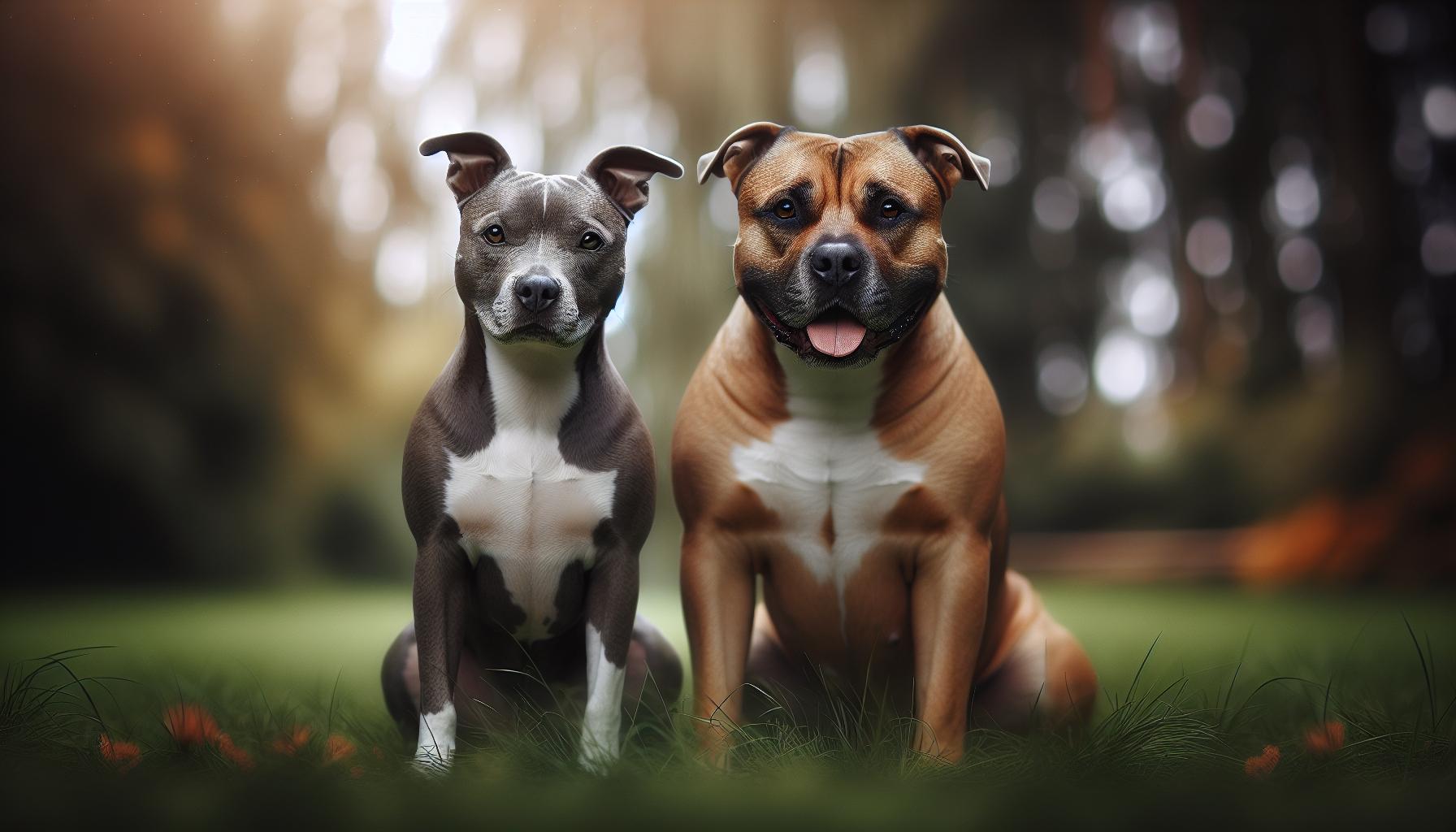
Many people mistakenly conflate the American Staffordshire Terrier with the broader category of “Pitbull,” which often leads to confusion and misinformation. To unravel this misconception, it’s crucial to understand that the American Staffordshire Terrier (Amstaff) is indeed a member of the Pitbull family, but it is distinct from other breeds commonly associated with the term “Pitbull,” such as the American Pit Bull Terrier and American Bully. These breeds share common ancestry and possess similar physical traits, yet each has unique characteristics that define their appearance, temperament, and suitability as pets.
The American Staffordshire Terrier was bred primarily for companionship and as a show dog, traits that set them apart from their more work-oriented relatives, like the American Pit Bull Terrier, which were developed for activities such as farm work and hunting. This divergence in breeding focuses has contributed to notable differences in temperament and overall behavior. While both breeds are known for their loyalty and intelligence, the American Staffordshire Terrier is often described as having a gentler disposition and a strong desire to be part of a family.
It’s important to recognize that despite their muscular build and sometimes intimidating appearance, American Staffordshire Terriers, like all dogs, thrive on human interaction and require socialization and training from an early age. Responsible ownership plays a pivotal role in shaping their behavior, challenging the stereotype that associates all Pitbull-type dogs with aggression. In fact, when well-trained and socialized, Amstaffs can be affectionate and playful family companions, underscoring that the key focus should be on the individual dog’s upbringing rather than the label attributed to it.
Understanding the Pitbull Family: Breeds and Variants

Understanding the diverse landscape of the Pitbull family can be both fascinating and essential for prospective dog owners. While many people use the term “Pitbull” to encompass a variety of breeds, it’s important to recognize that this group consists of several distinct breeds, each with its own unique attributes, histories, and characteristics. The primary breeds typically recognized under the Pitbull umbrella include the American Pit Bull Terrier, American Staffordshire Terrier, and the American Bully, among others. Each of these breeds shares a common ancestry rooted in the bull-and-terrier types that were bred for strength and agility, yet they diverged in traits and training purposes over the years.
For instance, the American Pit Bull Terrier (APBT) was primarily developed for utility tasks such as farm work and hunting, emphasizing a strong drive and tenacity. On the other hand, the American Staffordshire Terrier (Amstaff) was bred with a focus on companionship and appearance, leading to temperamental and physical distinctions that set them apart within the family. This divergence illustrates how different breeding objectives can result in notable variations even among closely related breeds.
In addition to these standard breeds, you may encounter variants such as the American Bully. This breed emphasizes a more exaggerated muscular build and often a friendlier demeanor, bred largely for companionship and show rather than utility. Understanding these distinctions is crucial not only for potential owners considering which breed might suit their lifestyle, but also for combating the misconceptions surrounding these dogs. Many times, they are stereotyped based on their appearance rather than their individual personalities and training.
When thinking about adding a member of the Pitbull family to your home, consider the unique needs and traits of each breed. The American Staffordshire Terrier, for instance, is often recognized for its affectionate nature and desire to be part of family activities. Conversely, the energy levels and working instincts of an American Pit Bull Terrier might better suit an active owner looking for a dog that excels in physical activities. Doing your research ensures you find the right companion for you and your household.
American Staffordshire Terrier vs Pitbull: Key Differences
To understand the nuances between American Staffordshire Terriers and other breeds classified as Pitbulls, it’s essential to delve into their origins, physical traits, and temperamental differences. While both breeds share a common ancestry traced back to the bull-and-terrier types originally bred for strength, their paths have diverged significantly due to different breeding goals.
One primary distinction lies in their physical characteristics. The American Staffordshire Terrier tends to have a more stocky build, with a broad head and muscular physique that exemplifies power without sacrificing agility. In contrast, the American Pit Bull Terrier (APBT) displays a slightly more athletic frame, which reflects its emphasis on utility and agility, often appearing longer and leaner. These differences can affect how they are perceived visually, even though they may share similarities in size and coat texture.
When it comes to temperament, the American Staffordshire Terrier is often praised for its loyalty and affection towards family members. These dogs are known for being great companions, often thriving in family environments where they can engage in activities together. The APBT, however, tends to exhibit a higher energy level and a more robust working drive, which can make them more suitable for active individuals or families who engage in regular outdoor activities. While both breeds can be incredibly loving and eager to please, their energy levels and social needs can influence the type of environment in which they flourish.
Training and Socialization
Training also plays a critical role in the differences between these breeds. American Staffordshire Terriers often excel in environments where consistent training and socialization are emphasized from a young age, enhancing their already friendly demeanor. Given their background, APBTs may require more structured training to channel their energy productively and ensure they are well-adjusted companions.
Below is a comparison of key traits between the two breeds:
| Trait | American Staffordshire Terrier | American Pit Bull Terrier |
|---|---|---|
| Build | Stockier, broader head | Leaner, more athletic |
| Temperament | Affectionate and loyal | Energetic and eager to work |
| Training Needs | Easier to train with structure | Requires consistent training to manage energy |
| Family Compatibility | Great with family, enjoys companionship | Better for active families, loves outdoor activities |
Recognizing these differences is crucial for prospective dog owners to find a breed that aligns with their lifestyle and preferences. Both breeds can make wonderful companions, but understanding their attributes ensures a harmonious relationship between you and your new furry friend.
Physical Traits: Comparing American Staffordshire Terriers and Pitbulls
When comparing the American Staffordshire Terrier with its counterparts commonly grouped under the term “Pitbull,” it’s fascinating to explore not just their similarities but also their distinct physical traits. Both breeds carry powerful builds and energetic attitudes, but subtle differences set them apart and help potential owners make informed choices.
American Staffordshire Terriers typically exhibit a robust and stocky physique. They are muscular, with a broad head and a well-defined jaw that signifies strength. Their bodies are usually compact and athletic, which allows them to be incredibly agile despite their solid build. Conversely, the American Pit Bull Terrier (APBT) often presents a leaner, more athletic frame. This breed tends to be longer and narrower in structure, which emphasizes endurance and agility rather than sheer bulk. Both breeds share short, smooth coats and similar coloring patterns, but their overall body types can lead to different physical perceptions.
To help you visualize these differences, here’s a concise comparison:
| Physical Trait | American Staffordshire Terrier | American Pit Bull Terrier |
|---|---|---|
| Build | Stocky, muscular, broad head | Leaner, athletic, longer frame |
| Height | Generally 17-19 inches | Typically 18-21 inches |
| Weight | 40-70 pounds | 30-65 pounds |
| Coat | Short, smooth, moderately stiff | Short, smooth, tight-fitting |
Understanding these distinctions is crucial for anyone considering adopting either breed. If you’re drawn to a companion that embodies strength and resilience yet thrives in a family setting, the American Staffordshire Terrier might be your perfect match. However, if you prefer a more agile and energetic dog that can keep up with an active lifestyle, the American Pit Bull Terrier could be the ideal choice. Ultimately, regardless of physical characteristics, both breeds are known for their loving nature and loyalty, making them wonderful additions to the right homes.
Temperament and Behavior: What to Expect
Understanding the personality traits of the American Staffordshire Terrier can dramatically influence your decision-making when choosing a pet. These dogs possess a deep-seated loyalty and a strong desire to please their owners. They are often described as affectionate, intelligent, and spirited, making them suitable companions for active families. However, their enthusiasm and energy levels require proper management, along with appropriate training and socialization from an early age.
Behavioral Traits
American Staffordshire Terriers are known for their courageous spirit and self-confidence. These traits serve them well in various roles, whether as family pets, working dogs, or in competitive sports like agility or obedience. However, they can also display a stubborn streak, particularly if they sense they can get their way. Consistent training practices combined with positive reinforcement techniques are essential to help shape their behavior effectively. Engaging them in regular physical and mental activities will also reduce the risk of boredom-related issues, such as chewing or digging.
Socialization Matters
Socialization is crucial for American Staffordshire Terriers. Early and positive exposure to different environments, people, and other animals will play a significant role in developing a well-rounded, confident dog. Proper socialization can help mitigate potential behavioral problems and ensure they grow into well-adjusted adults. For instance, if they are brought up alongside children, they typically become excellent family companions, displaying gentleness and patience.
A Loving Companion
Ultimately, the American Staffordshire Terrier thrives on love and companionship. They form strong bonds with their families, displaying an affectionate nature that draws many pet owners to them. Whether it’s cuddling on the couch or participating in outdoor activities, these dogs bring joy and companionship into the lives of those who choose them. Embracing their temperament through responsible ownership will lead to a fulfilling and enriching experience for both you and your furry friend.
Health Considerations for American Staffordshire Terriers
The American Staffordshire Terrier, well-loved for its loyal and affectionate nature, is also important to understand from a health perspective. Like all breeds, they come with certain health considerations that prospective owners should be aware of to ensure a long, happy, and healthy life for their canine companions. Regular veterinary visits, a balanced diet, and proper care can significantly mitigate many common health issues these dogs might face.
One of the key health concerns in American Staffordshire Terriers is hip dysplasia, a genetic condition where the hip joint doesn’t fit snugly into the hip socket, potentially leading to arthritis over time. This condition can be managed with weight control, appropriate exercise, and veterinary care, but early detection through regular check-ups is crucial. Being proactive about your dog’s joint health can help maintain their mobility and quality of life.
Another health issue prevalent in this breed is skin allergies, which can manifest in various ways, including itching, rashes, and skin infections. Identifying triggers-like certain foods, parasites, or environmental factors-can assist in managing these allergies effectively. Maintaining a clean coat and using vet-recommended shampoos can alleviate some of these conditions, and your vet may suggest hypoallergenic diets if food allergies are suspected.
American Staffordshire Terriers are also prone to certain heart diseases, particularly dilated cardiomyopathy, which can lead to heart failure if not detected and addressed promptly. Regular heart exams as part of their health check-ups can catch potential problems early. Additionally, maintain a healthy weight through nutrition and exercise to support overall heart health.
Lastly, it’s essential to keep an eye on your American Staffordshire Terrier’s dental health. Like many breeds, they are susceptible to periodontal disease, which can affect not only their teeth but also their overall health. Implementing a routine of regular dental care, including brushing their teeth and providing dental chews, can contribute significantly to their long-term wellbeing.
By focusing on these health considerations and maintaining a proactive approach, you can enjoy a rewarding and enriching relationship with your American Staffordshire Terrier, ensuring they thrive as your loyal companion for years to come.
Training and Socialization Tips for Owners
Training your American Staffordshire Terrier is not just about obedience; it’s about building a strong, positive relationship with your furry friend. These dogs are known for their loyalty, intelligence, and eagerness to please, making them highly trainable. When approaching training, remember that consistency and positive reinforcement are key. Using treats, praise, and play as rewards encourages good behavior and strengthens your bond. Start with basic commands like sit, stay, and come, gradually introducing more complex commands as your dog progresses.
Socialization is equally important for American Staffordshire Terriers. Early exposure to various people, environments, and other animals helps mitigate potential behavioral issues. Consider enrolling in puppy classes that focus on social interactions, or organize playdates with well-mannered dogs. It’s crucial to create positive associations during these encounters by rewarding your dog for calm and friendly behavior. A well-socialized dog tends to be more confident and adaptable, which can prevent anxiety and aggression later on.
Moreover, keeping training sessions short and engaging is beneficial, especially for this energetic breed. Aim for 5-10 minute sessions multiple times a day rather than lengthy, exhausting workouts. Incorporate games and activities that challenge their minds as well as their bodies, such as puzzle toys or agility courses. This approach not only reinforces training but also provides an outlet for their energy, keeping them happy and healthy.
Finally, remember that each dog is unique. What works for one may not work for another, so be patient and flexible with your approach. Always maintain a calm and assertive demeanor during training; your American Staffordshire Terrier will pick up on your energy. By fostering a nurturing environment full of guidance and structure, you’ll equip your canine companion with the tools they need to thrive both at home and in public spaces.
Common Myths About American Staffordshire Terriers
Many people harbor misconceptions about American Staffordshire Terriers, often labeling them as aggressive or inherently dangerous. This stigma typically stems from their historical use in dog fighting and their association with the broader category of “pitbulls.” However, understanding the truth behind these myths is crucial for fostering a more informed perspective on this wonderful breed.
One prevalent myth is that American Staffordshire Terriers are always aggressive. In reality, aggression is not breed-specific but rather a product of a dog’s upbringing, training, and socialization. Just like any other breed, Amstaffs can be gentle and affectionate companions when raised in a positive environment. Their temperament is shaped significantly by the owner’s approach to training and nurturing. A well-socialized American Staffordshire Terrier will often be friendly, loving, and playful.
Another common misconception is that American Staffordshire Terriers cannot be trusted around children. This myth is particularly damaging as it overlooks the dog’s personality and the importance of supervision. Many American Staffordshire Terriers thrive in family environments and can develop strong bonds with children. Early socialization and training ensure that they learn appropriate behaviors, making them excellent family pets. Always supervise interactions and teach children how to respectfully engage with dogs, regardless of breed.
Some people also believe that American Staffordshire Terriers are dangerous to other animals. This stereotype is misleading; while some individuals may exhibit predatory behavior, many Amstaffs live harmoniously with other pets. The key is proper training and socialization from a young age. Exposing your dog to different animals and environments will help them learn to behave well in various situations and develop into a well-rounded companion.
Lastly, there is a belief that these dogs are excessively difficult to train due to their stubbornness. However, American Staffordshire Terriers are intelligent and eager to please, which typically makes them highly trainable. Using positive reinforcement techniques-such as treats, praise, and play-can yield excellent results. As with any breed, patience and consistency are crucial in the training process.
Understanding these myths helps dismantle the negative perceptions surrounding American Staffordshire Terriers and paves the way for more responsible ownership. By educating ourselves and others, we can create a narrative that celebrates the breed’s strengths and promotes a more positive image in society.
The History Behind the American Staffordshire Terrier
The American Staffordshire Terrier has a rich history that often intertwines with the misconceptions surrounding the broader “pitbull” label. Originally bred in the 19th century, these dogs were derived from crossing Bulldogs and Terriers, specifically for their strength and agility. The goal was to create a versatile working dog capable of assisting farmers and laborers. Unfortunately, this background also led to their use in bull-baiting and later, dog fighting, which bred a notorious reputation that persists today.
Historically, Amstaffs were known as “Pit Bull Terriers,” a term that encompassed various breeds, including the American Staffordshire Terrier and the American Pit Bull Terrier. The American Staffordshire Terrier was officially recognized by the American Kennel Club (AKC) in 1936 as a distinct breed, emphasizing its loyalty and companionship qualities over its fighting lineage. This shift aimed to highlight the breed’s strengths as family companions rather than fighters, setting a more positive tone for their image as pets.
Despite their past, the American Staffordshire Terrier has proved to be a loving, devoted family member when properly trained and socialized. Many enthusiasts argue that their transition from fighting dogs to caring companions is a testament to the breed’s adaptability and resilience. As you explore adopting or understanding this breed, consider that the American Staffordshire Terrier today embodies not just a history of struggle but also one of triumph, loyalty, and affection.
To foster better relationships between the breed and the public, it’s essential to promote education about their true nature. Engaging with reputable breeders and trainers, and participating in dog sports or obedience classes can significantly contribute to a positive experience with these dogs. By choosing responsible ownership and understanding their history, you’re more likely to appreciate the American Staffordshire Terrier beyond the stereotypes that sometimes overshadow this remarkable breed.
Responsible Ownership: Caring for Your American Staffordshire Terrier
Caring for an American Staffordshire Terrier, often lovingly referred to as an “Amstaff,” is a rewarding endeavor that ensures your furry friend thrives. These dogs are not just strong and athletic; they are known for their unwavering loyalty and affectionate nature, making them excellent companions for families and individuals alike. To truly appreciate and nurture their distinct personality and health needs, it’s essential to take a proactive and responsible approach to ownership.
Understanding Health Considerations
American Staffordshire Terriers are generally healthy, but like all breeds, they are prone to specific health issues. Regular veterinary checkups, including vaccinations, dental care, and preventative treatments for parasites, are crucial. Common health concerns to watch for include hip dysplasia, heart disease, and skin conditions. As part of responsible ownership, educate yourself about these potential issues and maintain your dog’s health through proper nutrition and routine veterinary visits.
Nutrition and Exercise
Meeting the nutritional needs of your Amstaff is vital for maintaining their health and energy levels. A high-quality dog food tailored to their age, size, and activity level is recommended. Moreover, because these dogs are highly energetic, daily exercise is non-negotiable. Aim for at least one hour of physical activity each day, which can include walks, runs, or playtime in a secure, fenced yard. Engaging them in mentally stimulating activities, such as agility training or puzzle toys, can also help curb any destructive behavior stemming from boredom.
Training and Socialization
Training is not just about teaching commands; it is integral to building a well-behaved and confident American Staffordshire Terrier. Start training early, utilizing positive reinforcement techniques such as treats or praise. Consistency is key, as is early socialization with other dogs, people, and environments. This can help mitigate any aggressive tendencies and promote a well-rounded personality. Engaging in obedience classes or dog sports can also strengthen the bond between you and your pet while teaching them vital social skills.
Creating a Loving Environment
Finally, your home should be a safe haven for your American Staffordshire Terrier. Provide a secure space where they can relax and feel comfortable. Ensuring they have mental stimulation through toys, training, and interaction with family members will help them flourish. Remember that these dogs thrive on companionship, so spending quality time with them is just as important as their physical needs.
By understanding and embracing your role as a pet owner, you nurture not just your American Staffordshire Terrier but also foster a positive image of the breed in the broader community. Celebrating your Amstaff’s unique traits and working together to dispel negative stereotypes helps pave the way for a deeper appreciation of these remarkable dogs.
Pits in Pop Culture: Celebrating the Breed’s Influence
Many people may not realize just how deeply American Staffordshire Terriers and other pitbull-type dogs have woven themselves into the fabric of contemporary culture. From films and music to social media and art, these breeds have garnered a significant following that often contrasts with the misconceptions that persist about them. Celebrating the influence of these dogs in pop culture not only highlights their loving nature but also helps to combat the unfair stereotypes they face.
In film and television, pitbulls often emerge as characters that embody strength and loyalty. Iconic films like “The Little Rascals” feature American Staffordshire Terriers, showcasing their gentle demeanor and playful nature. Additionally, many commercials leverage the positive image of these dogs to symbolize companionship and family values. The visual representation in media serves not only to highlight their physical attributes but also emphasizes the affectionate bond they share with humans.
Social media has become a powerful platform for pitbull advocates, where videos and images of American Staffordshire Terriers engaging in playful antics or training achievements go viral. These platforms help reshape public perception by showcasing these dogs as loving companions rather than the aggressive fighters they are sometimes painted to be. Accounts dedicated to pitbull rescue efforts also play a critical role, providing inspiring stories of rehabilitation and resilience that further humanize these dogs and promote responsible pet ownership.
Moreover, several artworks and public awareness campaigns celebrate the breed’s influence and dispel myths. Artists create visuals that capture the loyalty and courage of American Staffordshire Terriers, communicating their inherent goodness and the strong human-animal bond. Campaigns focused on anti-bullying often highlight pitbulls as advocates for kindness and friendship, challenging the stigma associated with the breed.
By engaging with these pop culture references, you can contribute to a more nuanced understanding of American Staffordshire Terriers and pitbulls alike. Instead of adhering to preconceived notions, consider celebrating the diversity and character these dogs bring into our lives. Whether you’re adopting, training, or simply sharing your love for them online, every voice counts in reshaping the narrative around these remarkable dogs.
Choosing the Right Breed for You: Is a Pitbull or Amstaff Better?
When deciding between an American Staffordshire Terrier and a Pitbull, understanding their differences can help you make an informed choice that suits your lifestyle. Both breeds share a common ancestry and are often wrongfully considered interchangeable, but they possess unique traits that make each suitable for different types of owners and environments.
One significant factor is your living situation. If you live in an apartment or have limited space, consider that both breeds require regular exercise and mental stimulation to thrive. American Staffordshire Terriers tend to have a slightly gentler demeanor, making them well-suited for families with children. Their loyalty and affectionate nature can foster deep bonds with family members. On the other hand, Pitbulls, depending on their training and socialization, might exhibit more energy and assertiveness, which can be a perfect match for active households or individuals who enjoy rigorous outdoor activities like hiking or running.
Here are a few key differences to keep in mind:
| Trait | American Staffordshire Terrier | Pitbull |
|---|---|---|
| Size | Medium; typically weighs 40-70 lbs | Varies; often larger and may include several breeds |
| Temperament | Affectionate, protective, friendly | Intelligent, energetic, varies by individual |
| Exercise Needs | Moderate to high | High; needs dedication to daily activity |
| Lifespan | 10-15 years | 10-14 years |
Another aspect to consider is training and socialization. Both breeds benefit immensely from early training and consistent socialization. The American Staffordshire Terrier, known for its eagerness to please, often exhibits a quick learning ability which can make training a rewarding experience. In contrast, Pitbulls might display a spirited nature, requiring a firm yet positive approach to training. This will not only help them develop good manners but also enhance their bond with you as their owner.
Ultimately, the decision comes down to your personal circumstances and preferences. Consider visiting a local shelter or a breed-specific rescue organization where you can meet both breeds and get a sense of their individual characteristics. Engaging with both AmStaffs and Pitbulls can provide valuable insight, helping you choose the dog that aligns best with your lifestyle and home environment. Whichever you decide, embracing the responsibility of dog ownership means you’ll be rewarded with the incredible companionship and loyalty these breeds are known for.
Frequently asked questions
Q: Are American Staffordshire Terriers considered pit bulls?
A: Yes, American Staffordshire Terriers are often categorized as part of the pit bull family. The term “pit bull” includes several breeds, and the American Staffordshire Terrier is one of them. Understanding the distinctions is vital for responsible ownership and breed appreciation.
Q: What are the main differences between American Staffordshire Terriers and other pit bull breeds?
A: The main differences lie in appearance and temperament. American Staffordshire Terriers are typically stockier and larger than breeds like the American Pit Bull Terrier. They also have unique behavioral traits and training needs, which are essential for prospective owners to understand.
Q: How can I identify an American Staffordshire Terrier vs. a pit bull?
A: You can identify them by physical traits and behavior. American Staffordshire Terriers generally have a more muscular build, broader head, and shorter coat. Observing their temperament, such as friendliness and loyalty, can also help distinguish them from other pit bulls.
Q: Are American Staffordshire Terriers good family pets compared to other pit bulls?
A: Yes, American Staffordshire Terriers are known to be excellent family pets. They are affectionate and protective, making them great companions for children when properly trained and socialized. Consistent training and positive reinforcement are essential for their development.
Q: Do American Staffordshire Terriers have health issues similar to pit bulls?
A: Yes, American Staffordshire Terriers can face health issues common to pit bulls, such as hip dysplasia and skin allergies. Regular vet check-ups and a balanced diet can help mitigate these concerns and promote overall health.
Q: How do training needs differ between American Staffordshire Terriers and other pit bulls?
A: Training needs can vary, but all pit bulls, including American Staffordshire Terriers, require consistent socialization and positive reinforcement. Early obedience training is crucial to developing a well-adjusted dog, but some individual differences may exist based on each dog’s temperament.
Q: Why do some people confuse American Staffordshire Terriers with pit bulls?
A: The confusion stems from shared ancestry and physical similarities. Both breeds have similar muscular builds and features, which often leads to misconceptions. Educating yourself on the distinct characteristics of each breed can clarify these misunderstandings.
Q: What is the role of American Staffordshire Terriers in popular culture compared to other pit bull breeds?
A: American Staffordshire Terriers have a significant presence in popular culture, often depicted as loyal and brave companions. Their image has been embraced in various films and media, contrasting starkly with the sometimes negative portrayal of other pit bull breeds.
For more detailed insights, check out the sections on temperament and training needs in our article on American Staffordshire Terriers.
Closing Remarks
Understanding the differences between the American Staffordshire Terrier and other pit bull breeds is crucial for responsible ownership and appreciation of this loyal companion. Now that you know the unique characteristics and traits that define this breed, why not dive deeper? Explore our resources on dog training techniques and health care tips to provide your AmStaff with the best life possible.
If you’re considering welcoming an American Staffordshire Terrier into your home, act now to check out our puppy guide for essential tips on training and care. Don’t hesitate to leave your thoughts or questions in the comments below-we’d love to hear from you! For more insights on breed genetics and care, check out our articles on the American Staffordshire Terrier health concerns and training methods. Your journey with an AmStaff awaits; let’s make it a great one together!
Get our latest guides, news, and insights highlighted in your Google Search & AI Overviews.