
If you’re a proud pitbull owner, you may have observed your beloved companion shaking at times, leaving you puzzled and concerned. Shaking in dogs can result from a variety of causes, from excitement and anxiety to more serious health issues. Understanding why your pitbull shakes is crucial, not only for addressing potential health risks but also for ensuring their overall well-being. In this article, we’ll explore the myriad reasons behind this behavior, from common environmental factors to medical conditions that can give you peace of mind. Join us as we uncover effective solutions to help your pitbull feel comfortable and secure, enhancing your bond with your furry friend. Your journey to understanding your pitbull’s shaking starts here!
Possible Causes for Pitbull Shaking and What It Means
When you see your Pitbull shaking, it can be concerning and may leave you wondering what’s causing this behavior. Shaking in dogs, including Pitbulls, can stem from a variety of factors ranging from physical to emotional. Understanding the root of the shaking is crucial for you as a pet owner, as it can often reveal important insights into your dog’s health and well-being.
One common cause of shaking in Pitbulls is anxiety and stress. Like many breeds, Pitbulls can experience fear or nervousness due to loud noises, unfamiliar environments, or separation from their owners. This anxiety can trigger a shaking response, which serves as a coping mechanism. Furthermore, excitement can also cause your Pitbull to shake, especially during playful or active moments when their adrenaline kicks in.
Another possible reason for shaking could be physical discomfort or health issues. Conditions such as arthritis, neurological disorders, or even pain from an injury can lead to noticeable shaking. In these scenarios, the shaking may be accompanied by other symptoms such as whining, limping, or reluctance to engage in regular activities. If you suspect that your Pitbull’s shaking is due to pain or discomfort, it is important to consult a veterinarian for a comprehensive evaluation.
Additionally, environmental factors such as cold weather can also lead to shivering or shaking. Dogs, especially those with short coats or little body fat, may shake as a natural response to cold temperatures to generate warmth. Make sure to provide a warm, comfortable space for your Pitbull, especially during colder months.
Being aware of these factors can help you better support your furry friend. Always monitor their behavior, and if shaking persists or is accompanied by other concerning signs, consulting a veterinarian is the best course of action to ensure your Pitbull’s health and happiness.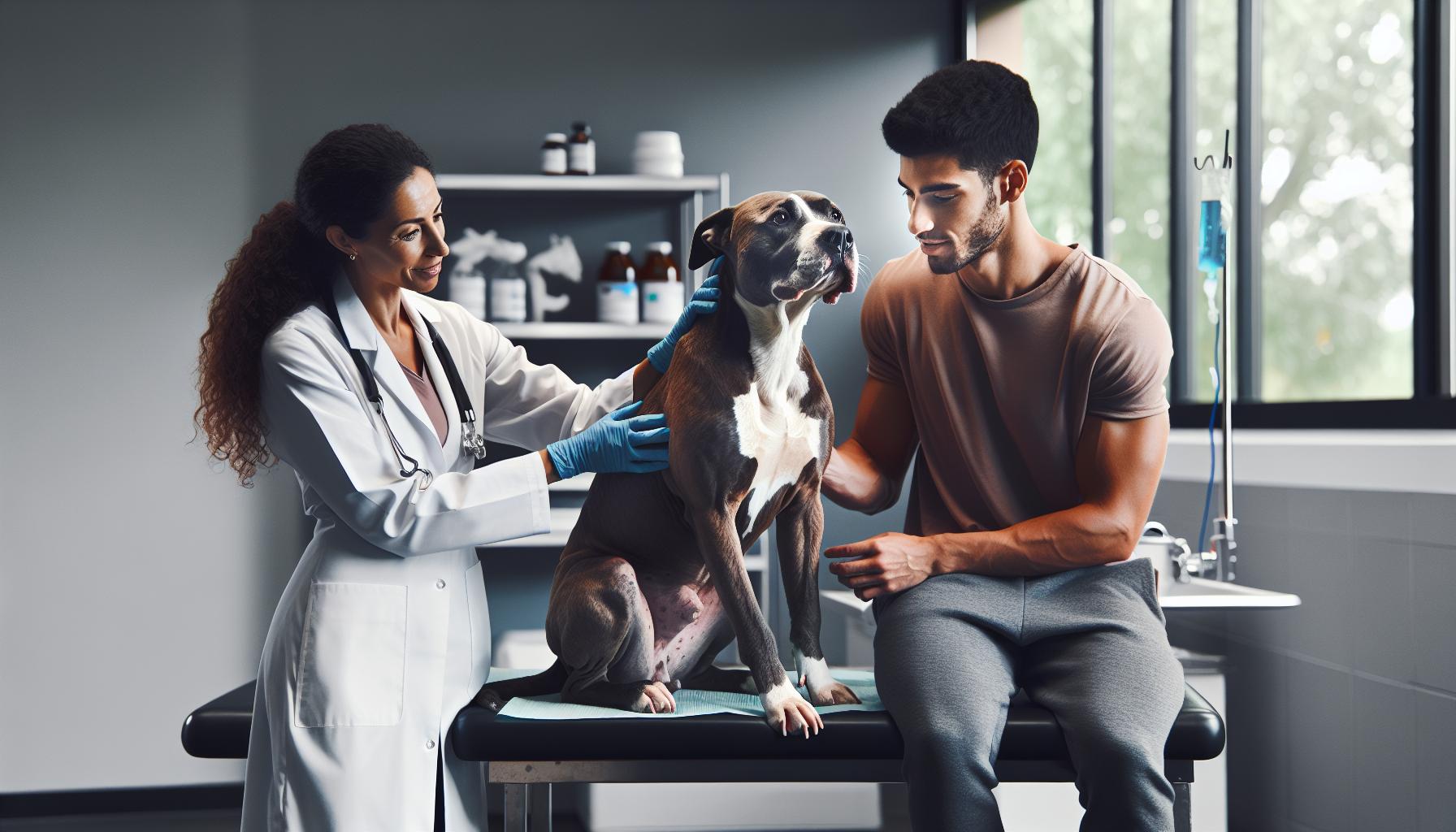
Common Health Issues Leading to Shaking in Pitbulls
When your Pitbull starts shaking, it’s essential to recognize that this behavior can be a red flag signaling various health issues. Common health problems that lead to shaking in Pitbulls may involve a range of underlying conditions that can affect their physical and emotional well-being.
One prevalent issue is musculoskeletal pain, such as arthritis, which can cause discomfort and lead to trembling. Arthritis in dogs is often accompanied by decreased mobility or reluctance to jump, which might indicate that your furry friend is suffering. If you notice your Pitbull shaking particularly after activity or during colder weather, it may be wise to consult your veterinarian for pain management strategies.
Another potential cause of shaking is neurological disorders. Conditions like seizures may manifest as shaking or trembling, often accompanied by other symptoms such as disorientation or unusual body movements. If the shaking appears sporadic and is not tied to excitement or temperature changes, an appointment with a vet for neurological assessment becomes crucial.
In addition, hypoglycemia, or low blood sugar, is a critical concern, especially in younger or overly active dogs. Symptoms can include shaking, lethargy, and even loss of consciousness. A quick examination and potential dietary adjustments might be necessary to ensure stable blood sugar levels.
It’s also important to keep in mind that some health issues may not present obvious symptoms and can manifest subtly through behaviors like shaking. Regular vet check-ups are essential for maintaining your Pitbull’s overall health. Paying attention to their shaking patterns and accompanying behaviors can provide valuable clues to their condition and lead you to the best possible care.
Understanding Anxiety and Stress in Your Pitbull
Understanding your Pitbull’s anxiety and stress is crucial for addressing their shaking behavior effectively. Pitbulls, known for their loyalty and affectionate nature, can sometimes experience heightened anxiety due to various factors. Recognizing these influences allows you to intervene before their stress manifests in physical symptoms like trembling.
One common trigger for anxiety in Pitbulls is changes in their environment. For example, moving to a new home, the arrival of a new family member, or even alterations in your daily routine can unsettle them. They thrive on routine and familiarity, so any disruption can lead to feelings of insecurity. Additionally, loud noises such as thunderstorms, fireworks, or chaotic environments can overwhelm your dog, causing them to shake or hide due to fear.
Identifying the signs of anxiety in your Pitbull is another vital step. Aside from shaking, look for other behaviors like excessive barking, pacing, or drooling, which often indicate distress. Understanding your dog’s body language-like tucking their tail or flattening their ears-can help you gauge how they’re feeling in different situations. Once you acknowledge these signs, you can begin to implement effective solutions to alleviate their anxiety.
To ensure your Pitbull feels secure, create a calm environment. Consider providing a designated safe space, equipped with their favorite toys and blankets, where they can retreat when feeling stressed. You should also explore training techniques that focus on positive reinforcement. Gradually exposing them to anxiety-provoking stimuli in a controlled manner can help desensitize them over time, building their confidence and resilience.
By paying attention to the root causes of their anxiety and offering consistent support, you can help your Pitbull navigate their fears and reduce their shaking. Each dog is unique, so it’s important to tailor your approach to fit your Pitbull’s individual needs.
How Temperature Affects Your Pitbull’s Comfort
Extreme temperatures can significantly impact your Pitbull’s comfort and overall well-being. Just like humans, dogs can experience discomfort, stress, and even health complications related to temperature fluctuations. It’s essential to be mindful of how both hot and cold weather conditions can affect your furry friend, particularly if they are exhibiting symptoms like shaking or trembling.
When the temperature rises, your Pitbull is at risk of overheating. Due to their short muzzle, Pitbulls can struggle to cool down efficiently through panting. Signs of overheating include excessive panting, restlessness, and shaking. To keep your dog comfortable during hot days, ensure they have access to plenty of water and shade. It’s also wise to limit exercise during peak heat times; consider planning walks during the cooler parts of the day, such as early morning or late evening. Always keep an eye out for signs of distress when they’re outside, as even a few minutes can lead to heat exhaustion or heat stroke in severe cases.
On the flip side, cold weather can be just as challenging for Pitbulls, who are not naturally built for extreme cold due to their short coat. While they can tolerate some chilly weather, prolonged exposure to frigid conditions can lead to discomfort and potential health issues like hypothermia. If your Pitbull begins to shake in cooler temperatures, it may be a cue that they’re feeling too cold. During winter months, consider using dog sweaters or jackets to help insulate their body heat, especially for older dogs or those with health issues. Ensure that they have a warm, dry place to rest indoors, and limit their time outside in particularly chilly weather.
In managing your Pitbull’s comfort, it’s crucial to provide a balanced environment. Regularly check on them during extreme temperatures and adjust their living conditions accordingly. Whether it’s creating a cozy spot in the home with blankets during winter or providing plenty of water and cool areas during summer, being proactive about their comfort will go a long way in ensuring that your beloved canine feels secure and cared for.
When to Worry: Signs of Serious Health Problems
When you notice your Pitbull trembling or shaking, it’s crucial to pay attention to the context. While some causes may be benign, such as excitement or feeling cold, others can signal serious health issues that require immediate attention. Recognizing these signs early can make a significant difference in your dog’s health outcome. Always trust your instinct as a caring owner-if something feels off, it’s worth investigating further.
Among the most prominent signs that warrant concern are persistent shaking accompanied by other symptoms such as vomiting, diarrhea, lethargy, or loss of appetite. These could indicate a possible underlying health issue, like gastrointestinal problems or infections. Additionally, if your Pitbull is shaking in conjunction with difficulty breathing, excessive panting, or signs of pain-like whining or reluctance to move-these may be urgent clues pointing to conditions like heatstroke or joint pain.
Often, dogs may shake due to neurological issues, such as seizures or tremors, which may not be immediately obvious. If your Pitbull experiences a sudden onset of shaking, especially if they appear disoriented or lose consciousness, seek veterinary care right away. Seizures can vary in presentation and might accompany other serious health concerns, making prompt evaluation essential.
Keep in mind, changes in behavior, such as sudden aggression or withdrawal, can also be a sign of distress or discomfort. Your Pitbull’s emotional state is closely linked to their physical health, so monitoring their behavior is just as important as keeping an eye on physical symptoms. Engaging regularly with your dog and noting any unusual changes can help you catch potential problems sooner rather than later. Always consider consulting with a veterinarian if you’re uncertain about the symptoms; a professional assessment is the best way to ensure your Pitbull stays happy and healthy.
Effective Solutions for Shaking in Pitbulls
When your Pitbull starts shaking, it can be concerning, but understanding how to address this behavior can make a world of difference. Here are some effective approaches to help manage your dog’s shaking, whether it stems from anxiety, discomfort, or another issue.
Identify the Cause
First and foremost, pinpointing the reason behind your Pitbull’s shaking is crucial. Observing their environment and behavior can provide insights. For instance, if the trembling occurs during thunderstorms, it may indicate fear. Alternatively, if shaking happens after intense play, your dog might simply be excited. Keeping a journal to log the circumstances surrounding the shaking can help in discussions with your veterinarian.
Comfort Measures
To give your Pitbull immediate relief, consider creating a cozy and secure environment. This could involve:
- Warm blankets: Providing a warm spot can help if they are cold.
- Safe space: Designate a quiet area for your dog to retreat when feeling anxious. Include their favorite toys and bedding to enhance comfort.
- Calm presence: Your calm demeanor can reassure your dog. Speak softly and offer gentle petting to help them relax.
Behavioral Techniques
Training can significantly reduce anxiety-related shaking. Techniques such as desensitization can help your Pitbull gradually become accustomed to the triggers that cause them distress. For example, if loud noises provoke shaking, gradually expose your dog to those sounds at a lower volume while rewarding calm behavior.
Professional Help
If the shaking persists or is accompanied by other concerning symptoms, consulting with a veterinarian is vital. They can rule out underlying medical conditions and may recommend behavioral therapy or medication if anxiety levels are significantly impacting your dog’s quality of life.
Incorporating these strategies can vastly improve your Pitbull’s comfort and confidence. Remember, each dog is unique, so what works for one may not work for another. Stay patient and engaged, and your efforts will pay off in your dog’s happiness and overall well-being.
Training Techniques to Alleviate Anxiety in Pitbulls
When a Pitbull feels anxious, you may notice behaviors like shaking, which can be distressing to both the dog and its owner. The good news is that through effective training techniques, you can help mitigate anxiety and improve your dog’s overall well-being. Understanding the root of the shaking-whether it stems from fear, excitement, or discomfort-is key to applying the right training methods.
One of the most effective strategies is positive reinforcement training. This approach involves rewarding your Pitbull for calm behavior. Start by identifying triggers that cause shaking, such as loud noises or unfamiliar environments. Gradually expose your dog to these stimuli at a low intensity and reward them with treats and praise when they remain calm. This method not only helps your dog associate the trigger with positive experiences but also builds their confidence over time.
Another beneficial technique is desensitization combined with counter-conditioning. For example, if your Pitbull shakes during thunderstorms, you can play a recording of thunder at a very low volume while giving them treats. Gradually increase the volume over time, always monitoring their comfort level and rewarding them for calm behavior. Counter-conditioning redirects their response to the fear trigger from a negative experience to a positive one.
Creating a consistent training routine can also greatly alleviate anxiety. Implement short, daily training sessions to reinforce desirable behaviors and commands, strengthening your bond with your dog and giving them a sense of stability. Engage in mental stimulation activities, like puzzle toys or obedience training, to channel their energy productively and keep their minds active.
In some cases, consulting a professional dog trainer or behaviorist who understands Pitbulls and anxiety issues can provide additional strategies and personalized support. Remember, patience and consistency are crucial in this process. Celebrate small victories, and soon you’ll find your Pitbull feeling more secure and less likely to shake in anxious situations.
Natural Remedies: Helping Your Pitbull Relax
When your Pitbull experiences shaking, it can be distressing for both you and your furry friend. Fortunately, there are several natural remedies you can implement to help soothe your dog and encourage relaxation. Embracing a holistic approach can not only alleviate shaking but also promote overall wellness and happiness for your beloved companion.
One effective method is the use of essential oils known for their calming properties. Oils such as lavender, chamomile, and cedarwood can create a serene atmosphere that helps reduce anxiety. You can diffuse these oils in a space where your Pitbull spends time or consider using a diluted mixture (check for safety and proper dilution before applying topically) to gently massage your dog’s collar area, allowing them to benefit from the aroma. Remember to consult with your vet before using any new product on your Pitbull to ensure it’s safe for their health.
Another popular solution among pet owners is herbal supplements. Ingredients such as valerian root, ashwagandha, and passionflower have been known to help calm anxious dogs. These can be found in various forms, including tinctures and soft chews. When opting for herbal remedies, it’s crucial to select high-quality products specifically formulated for dogs. As always, discussing your plans with a veterinarian before starting any supplement regimen is a wise move to ensure it aligns with your pet’s specific health needs.
Moreover, creating a comforting environment can greatly reduce stress levels in your Pitbull. This can involve providing a designated safe space complete with cozy bedding and toys. A quiet, comfortable area where your dog can retreat when feeling anxious can make a significant difference. Additionally, using a snug anxiety wrap can help your dog feel secure and reduce episodes of shaking.
Incorporating relaxing activities into your routine, such as gentle massages or grooming sessions, can also foster a bond between you and your Pitbull while helping to ease their stress. Simply sitting quietly with your dog while engaging in these calming actions can work wonders on their anxiety levels.
Each Pitbull is unique, so it might take some experimentation to find the most effective natural remedies for your shaking companion. Always observe your dog’s reactions closely, and be patient as you explore these options to help them feel more at ease.
The Role of Exercise in Reducing Shaking
Incorporating regular exercise into your Pitbull’s routine can play a crucial role in managing shaking and anxiety. Pitbulls are energetic and strong dogs that thrive on physical activity. When they lack sufficient exercise, they may become restless or anxious, leading to behavioral issues including shaking. Engaging your Pitbull in daily physical activities not only helps to expend excess energy but also contributes to their overall mental well-being.
Regular exercise provides several benefits that help mitigate anxiety-related shaking. Activities such as brisk walks, play sessions in the yard, or engaging in interactive games can divert their focus from stressors. Physical exertion releases endorphins, which are natural mood lifters. Additionally, routine exercise can help establish a sense of structure and security for your dog, thereby reducing their anxiety levels.
It’s essential to tailor the exercise regime to your Pitbull’s age, health, and overall energy level. Younger, more active dogs may require vigorous activities such as running or agility training, whereas older or more sedentary Pitbulls might benefit from shorter, controlled walks or gentle play. Here are some engaging ways to keep your Pitbull active:
- Daily Walks: Aim for at least 30 to 60 minutes of walking each day to keep their mind and body engaged.
- Fetch and Retrieve: Use toys that your dog loves to play fetch, which can help burn off a lot of energy in a fun way.
- Dog Parks: Socializing in a dog park gives them both physical exercise and mental stimulation from interacting with other dogs.
- Mental Challenges: Incorporate puzzle toys or scent games that require your dog to think and work for their treats, providing mental stimulation alongside physical activity.
Creating an exercise routine can encourage a calmer state of mind for your Pitbull, significantly reducing instances of shaking related to anxiety. If you notice your dog shaking even after sufficient exercise, it may be beneficial to consult a veterinarian. By focusing on a balanced approach that includes exercise, training, and possibly additional calming techniques, you can help your Pitbull lead a happier, more relaxed life.
Identifying Environmental Triggers for Your Pitbull
Identifying the environmental factors that contribute to your Pitbull’s shaking is crucial for addressing their discomfort and anxiety effectively. Pitbulls, known for their loyalty and energy, can be particularly sensitive to their surroundings. Factors like noise, unfamiliar people, or even changes in routine can trigger their anxiety and result in shaking. By paying attention to these triggers, you can create a more stable environment that supports your dog’s emotional well-being.
One common environmental trigger is loud noises. Whether it’s thunderstorms, fireworks, or construction sounds, these sudden and intense stimuli can create significant distress. Observing your dog’s behavior when these noises occur can help you understand their sensitivity. If your Pitbull tends to shake during these times, it may be beneficial to provide a safe space away from the noise. Create a comforting area using blankets, soft beds, and familiar toys to help your dog feel secure.
Another factor to consider is their social environment. Pitbulls thrive in positive social interactions but can become anxious around strangers or aggressive dogs. If you notice your dog shaking when unfamiliar people come over, it’s important to manage these interactions carefully. Gradually introducing your Pitbull to new people while rewarding calm behavior can help them adjust. Keeping a consistent routine also fosters a sense of security. Changes in your daily schedule, such as altered feeding times or the addition of new pets, can unsettle your Pitbull and lead to shaking.
Finally, environmental triggers can extend to the physical space itself. A cluttered or chaotic home environment can increase anxiety in sensitive dogs. Ensure that your home is a calming space by minimizing noise and visual distractions. Have designated areas for your dog where they can retreat when feeling overwhelmed. By identifying and addressing these triggers, you can significantly reduce your Pitbull’s anxiety and improve their overall happiness and comfort.
Creating a Safe Space for Your Shaking Pitbull
Creating a comforting and secure environment is vital for easing your Pitbull’s anxiety and reducing shaking. It’s essential to design a space that feels safe and familiar to them, where they can retreat when feeling overwhelmed. Start by selecting a quiet area in your home, away from high-traffic zones and noise sources. This could be a cozy corner in the living room or a dedicated space in your bedroom. Use soft bedding or a favorite blanket to create a nest-like feel that encourages relaxation.
Incorporating familiar items such as toys, chewables, and clothing with your scent can significantly enhance their comfort level. These familiar smells and textures provide a sense of security, making it easier for your Pitbull to unwind. You might also consider using a crate or a designated “safe zone” where they can retreat when feeling anxious. Ensure this space is inviting, with a few toys and their favorite treats hidden for a little extra incentive to settle down.
It’s also important to maintain a calm atmosphere around your Pitbull. Loud noises, sudden movements, or chaotic family interactions can exacerbate their anxiety. Aim to create a peaceful environment by speaking softly and ensuring a level of predictability in your household routine. Simple strategies, like using white noise machines or calming music, can mask startling noises from outside, helping to soothe your dog without disrupting the calm of their safe space.
By thoughtfully creating this refuge, you’ll enable your Pitbull to feel more at ease during stressful moments. Observing your dog’s behavior when they’re in their safe space can help you understand what elements they appreciate most. Every dog is unique, and by tailoring their environment to their specific needs, you’re taking significant steps toward helping them feel secure and reducing their shaking.
Expert Resources for Managing Your Pitbull’s Shaking
Understanding the complexities behind your Pitbull’s shaking can be a pivotal step toward ensuring their well-being and happiness. To empower you as a pet owner, numerous expert resources are available, offering guidance on various aspects of managing shaking in Pitbulls. These resources are invaluable for equipping you with the knowledge to tackle this concern effectively.
One excellent source of information is the American Kennel Club (AKC). They provide extensive articles on breed characteristics, common health problems, and behavioral issues, including anxiety and trembling. Their educational resources can furnish you with insights on recognizing symptoms and understanding breed tendencies that may lead to shaking. Another helpful organization is the Association of Professional Dog Trainers (APDT), which emphasizes the importance of training and behavior modification techniques that you can adopt to minimize anxiety-related shaking in your Pitbull.
Many pet health websites, such as PetMD and Vetstreet, feature articles written by veterinarians on interpreting signs of distress in dogs and how to respond appropriately. These platforms often incorporate videos and forums where you can engage with professionals and other dog owners, sharing experiences and solutions. Additionally, books by certified animal behaviorists can provide a deep dive into understanding dog psychology and ways to create a calming environment at home.
Lastly, consider reaching out to local animal behaviorists or trainers for personalized guidance tailored to your specific situation. Many professionals offer consultations and training workshops designed to address anxiety and its physical manifestations in Pitbulls. Engaging with a knowledgeable mentor can help reinforce positive behavioral strategies while fostering a deeper bond with your furry companion. With the right resources at your fingertips, you can create a supportive environment that helps alleviate your Pitbull’s shaking and enhances their quality of life.
Frequently Asked Questions
“`markdown
Q: What does it mean if my Pitbull is shaking after exercise?
A: If your Pitbull shakes after exercise, it may be due to fatigue or muscle strain. Ensure they’re gradually warmed up before and cooled down after physical activity. Providing plenty of hydration and rest can help them recover. For persistent shaking, consult your veterinarian.
Q: Why does my Pitbull shake when excited?
A: Shaking in excited Pitbulls is often a natural response to heightened emotions. This behavior may signify joy or anticipation. To manage this, try redirecting their energy with training activities or calming exercises to promote relaxation when excitement builds.
Q: Can noise cause my Pitbull to shake?
A: Yes, loud noises like thunderstorms or fireworks can cause anxiety in Pitbulls, leading to shaking. Creating a safe and quiet environment can help. Consider using white noise or calming music, and consult your vet about anxiety solutions if shaking persists.
Q: Is shaking a sign of pain in Pitbulls?
A: Yes, shaking can indicate pain in Pitbulls. If the shaking is accompanied by other symptoms like whimpering, limping, or changes in appetite, it’s crucial to consult with your veterinarian for a thorough evaluation and appropriate treatment.
Q: How can I tell if my Pitbull’s shaking is normal?
A: Determine if shaking is normal by observing its frequency, duration, and accompanying behaviors. Occasional shaking linked to excitement or cold is typically normal. However, if it’s frequent and unexplained, consider veterinary advice to rule out health issues.
Q: When should I take my shaking Pitbull to the vet?
A: You should consult your veterinarian if your Pitbull’s shaking lasts more than a few minutes, is accompanied by other concerning symptoms, or happens frequently without clear cause. Early intervention can prevent complications linked to underlying health issues.
Q: Does my Pitbull shaking indicate a neurological problem?
A: Shaking can be a signal of neurological issues, especially if it is persistent or accompanied by other neurological signs like disorientation or seizures. Seeking veterinary care for a proper diagnosis is essential to determine the appropriate course of action.
Q: Can diet affect shaking in Pitbulls?
A: Yes, a poor diet can contribute to health issues that may cause shaking. Ensure your Pitbull is on a well-balanced diet suited to their age and activity level. Discuss dietary changes with your veterinarian to promote overall health and stability in your pet.
“`
To Wrap It Up
Understanding why your pitbull is shaking can be both enlightening and concerning. Remember, whether it’s due to excitement, anxiety, or health issues, addressing these behaviors early is crucial for your dog’s well-being. If you’re still curious, explore our in-depth articles on recognizing anxiety in dogs or effective training techniques to help soothe your pet during stressful times.
Take action today by checking for any signs of discomfort or underlying health issues. We encourage you to share your thoughts or experiences in the comments below; your insights could help others in our community! For more expert tips and resources on pitbull health and training, don’t forget to subscribe to our newsletter or follow our blog. Together, we can celebrate the joy and responsibility of owning such a remarkable breed!
Get our latest guides, news, and insights highlighted in your Google Search & AI Overviews.