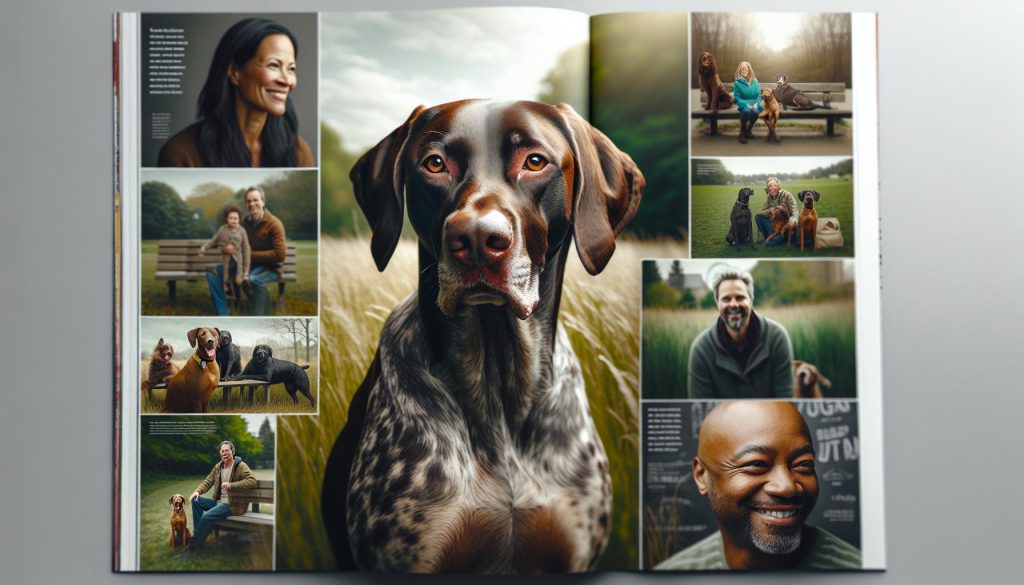
If you’re considering adding a German Shorthaired Pointer Pitbull mix to your family, you’re in for a treat! This unique crossbreed combines the energetic, intelligent nature of the German Shorthaired Pointer with the loyal, spirited temperament of the Pitbull. Understanding their traits is crucial for ensuring a harmonious relationship with your new furry friend.
These dogs are not just companions; they thrive on human interaction and require mental and physical stimulation. As a potential owner, you may be curious about their size, health issues, training needs, and even their compatibility with kids and other pets. Whether you’re a seasoned dog owner or a first-timer, this mix can offer both joy and challenge. Dive in as we explore the distinctive characteristics, care requirements, and training tips for the German Shorthaired Pointer Pitbull mix-equipping you with the knowledge you need to provide a loving and structured environment for your future pup!
German Shorthaired Pointer Traits and Characteristics
The German Shorthaired Pointer (GSP) is a versatile and dynamic breed, recognized for its intelligent demeanor and boundless energy. Originally bred for hunting and versatility in the field, GSPs are known for their exceptional tracking abilities and keen instincts. They possess a beautiful, athletic build, characterized by a streamlined body and a short, dense coat that comes in various colors, including liver, black, and combinations of white. Their expressive eyes are a telling mark of their intelligence and alertness.
One of the most striking traits of the GSP is their high energy level. These dogs thrive on physical activity and mental challenges, making them ideal companions for active families or individuals who enjoy outdoor pursuits. They require regular exercise to prevent boredom and destructive behaviors, so daily walks, runs, or play sessions are essential. Additionally, GSPs are often described as affectionate and loyal, forming strong bonds with their human companions. They are typically friendly with children, which makes them great family pets when adequately socialized.
In terms of temperament, GSPs are known for their playful and eager-to-please nature. However, they can also display stubbornness, particularly if not properly trained. Early socialization and consistent training are crucial in molding their behavior. Because of their hunting background, they might have strong prey drives, meaning they are inclined to chase smaller animals. This instinct can be managed through proper training and obedience, keeping your GSP engaged and mentally stimulated.
Overall, bringing a German Shorthaired Pointer into your home means inviting a lively, intelligent, and devoted companion who will require ample time, training, and activity to thrive. By understanding these traits and characteristics, you set the foundation for a rewarding relationship with this enthusiastic breed.
Understanding the Pitbull: Nature and Nurture
The Pitbull, often misunderstood due to the stigma surrounding its image in popular culture, is a breed that embodies strength, loyalty, and intelligence. This breed stems from a mix of bulldog and terrier lines, initially bred in the United States for strength and agility. One captivating fact is that despite the misconceptions about aggression, studies have shown that Pitbulls can be among the most friendly dogs when properly socialized and trained. Their affectionate and playful nature makes them wonderful companions, especially in a family setting.
Much of a Pitbull’s behavior hinges on the nature of its upbringing-nurture plays a crucial role in shaping their temperament. Positive reinforcement training and early socialization are essential. Pitbulls are eager to please, which means they respond exceptionally well to reward-based training techniques. This training approach not only encourages good behavior but also fosters a bond between you and your dog. Additionally, regular interaction with other pets and people can help combat any inherited traits such as work drive or protectiveness, making for a well-rounded dog that fits seamlessly into various lifestyles.
Another critical element to understand about Pitbulls is their physical requirements. This breed typically has a lot of energy and enjoys vigorous exercise, making activities like running, fetch, or agility training essential for their well-being. Without adequate physical and mental stimulation, you may find that your Pitbull develops behavioral issues-the same can be said for any dog breed, particularly mixes like the GSP-Pitbull. Managing the energetic tendencies of both the German Shorthaired Pointer and the Pitbull means providing consistent, engaging activities that keep their minds sharp and their bodies fit.
In understanding the blend of nature and nurture in a Pitbull, it becomes clear that responsible ownership is key to realizing a dog’s full potential. By embracing their unique traits and providing the right environment and training, you can ensure that your Pitbull grows into a well-adjusted, loving companion. Owning a Pitbull is not just about the breed’s muscle and energy; it’s also about patience, affection, and a commitment to understanding the nuances of your dog’s personality.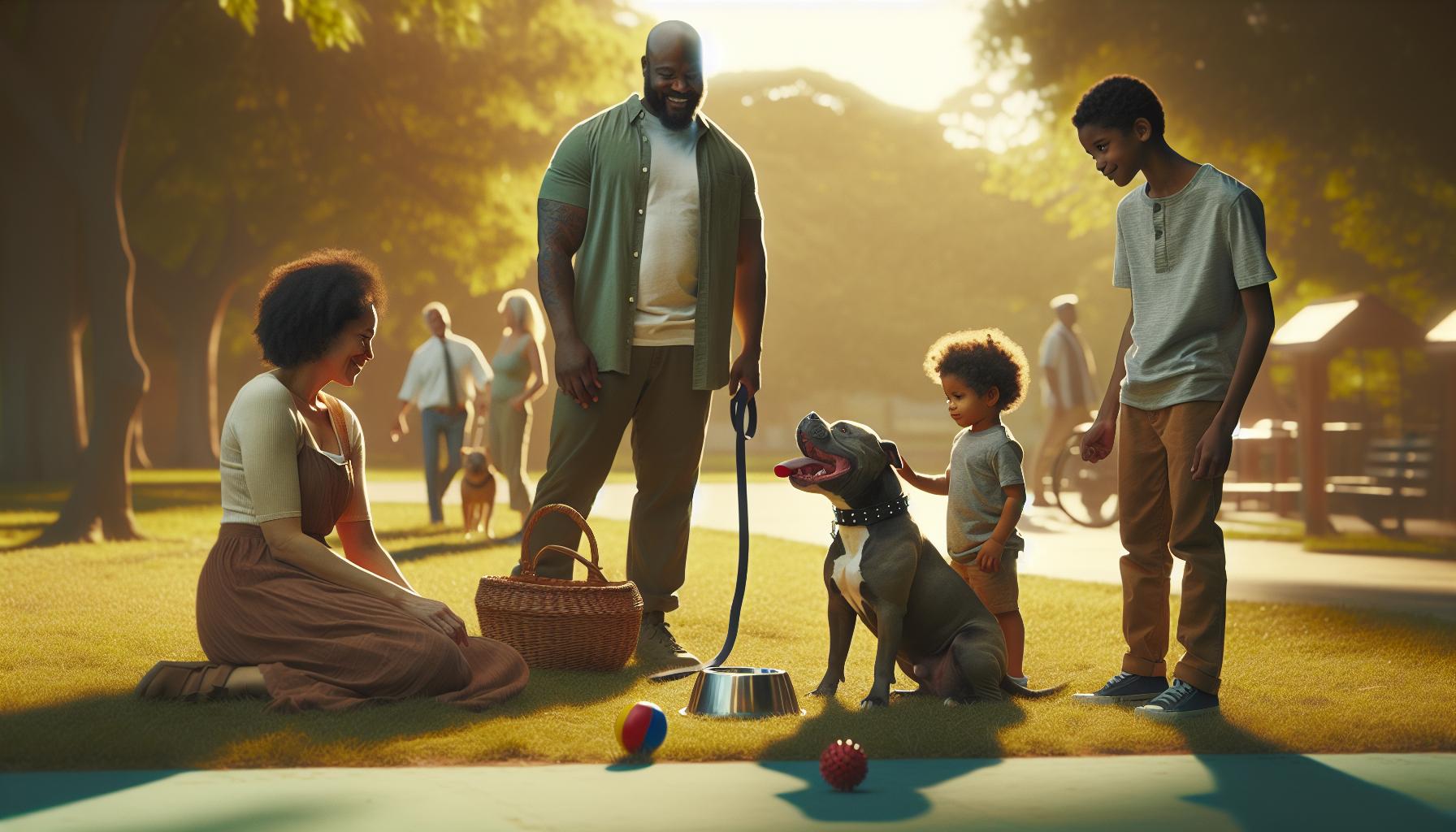
The Unique Blend: Mix of GSP and Pitbull Traits
The combination of a German Shorthaired Pointer (GSP) with a Pitbull creates a unique canine companion that inherits remarkable traits from both parent breeds. This hybrid, often referred to as a Pointerbull, embodies the athleticism and intelligence of the GSP while also embracing the strength and affectionate nature of the Pitbull. If you’re considering bringing a GSP-Pitbull mix into your home, understanding the blend of these two breeds will help you appreciate the distinct qualities that make this mix so special.
One striking characteristic of the GSP is its versatility and high energy level. As a breed originally developed for hunting, GSPs possess an innate drive to explore and engage in physical activities. This energetic disposition is complemented by the Pitbull’s robust physique and playful demeanor. Together, they create a dog that thrives on exercise and playtime. Whether it’s fetch in the park, agility training, or even just running alongside you, these dogs need ample physical and mental stimulation to stay happy and well-behaved.
Moreover, both the GSP and the Pitbull are known for their intelligence and eagerness to please. This trait makes training a rewarding experience for both dog and owner. They respond well to positive reinforcement methods and thrive on learning new commands and tricks. Early socialization and consistent training are essential to ensure that the mix develops into a well-rounded adult dog. Given their intelligent nature, they can also excel in various dog sports, making them not just companions but also active participants in your lifestyle.
In terms of temperament, the Pointerbull can be a loving and loyal family member. With the right upbringing, these dogs often exhibit a good-natured demeanor, making them excellent companions for children and other pets. They tend to be protective and alert, thanks to the instincts inherited from both parent breeds. This combination results in a loyal watchdog that can create a secure environment while remaining friendly and affectionate with those they trust.
In summary, the GSP-Pitbull mix brings together the best traits of both breeds, offering you a loyal, energetic, and intelligent companion. Understanding these attributes will help you provide the right training and care, ensuring that your Pointerbull becomes a loving addition to your family.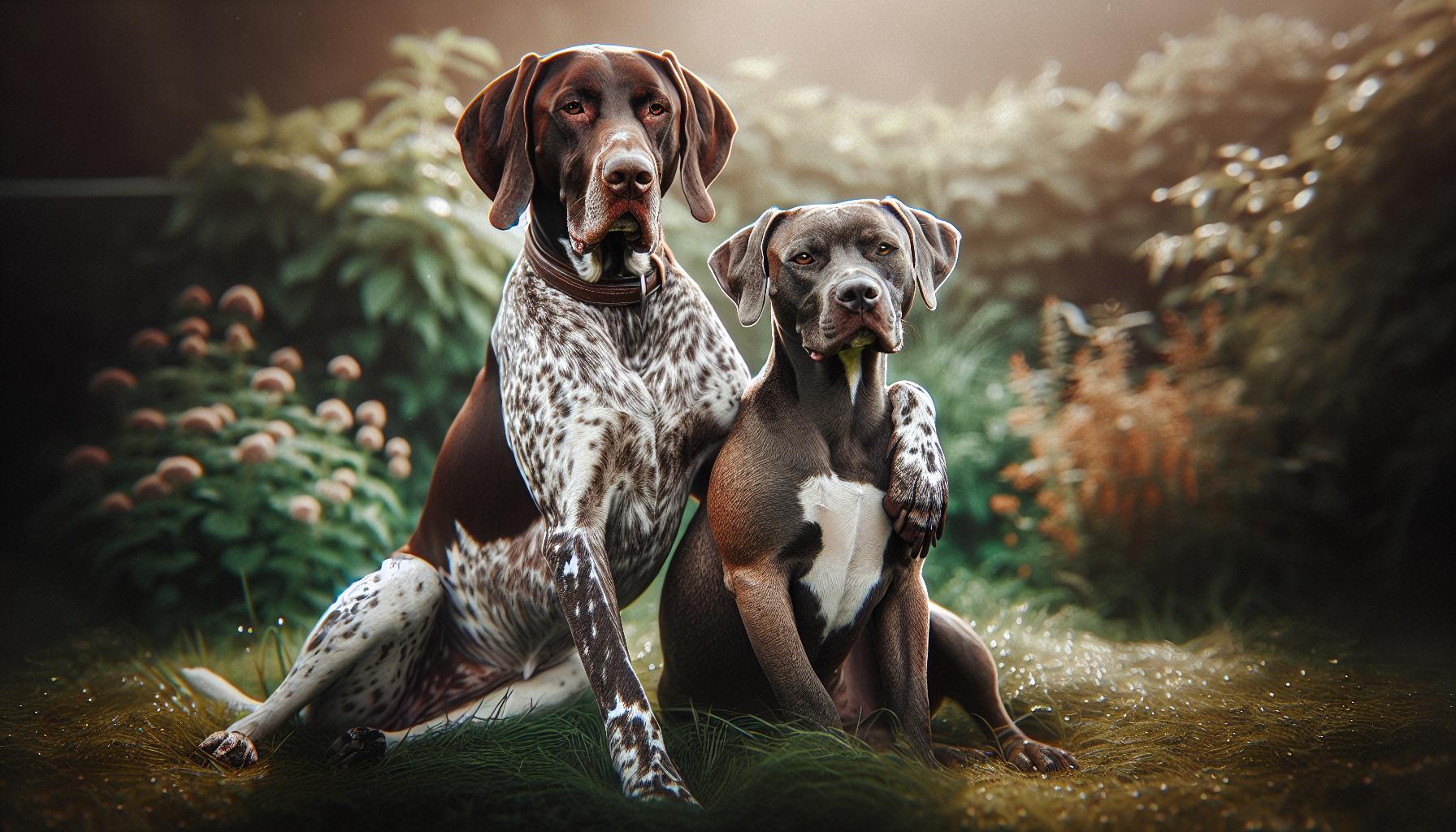
Health Considerations for Your GSP-Pitbull Mix
When it comes to the health of your GSP-Pitbull mix, being informed about potential genetic predispositions and overall care is vital for ensuring a long, healthy life. Both parent breeds, the German Shorthaired Pointer and the Pitbull, have certain health issues they are prone to, and understanding these can help you mitigate risks in your hybrid companion.
Common Health Issues
Both GSPs and Pitbulls are known to face specific health challenges. For instance, GSPs are often prone to conditions such as:
- Hip Dysplasia: This genetic condition can lead to arthritis or lameness. Regular vet check-ups and maintaining a healthy weight can help manage this risk.
- Ear Infections: Their floppy ears can be more susceptible to infections, making it important to keep the ears clean and dry.
- Progressive Retinal Atrophy (PRA): This eye condition can lead to blindness, so watch for changes in your dog’s vision.
Pitbulls may encounter their own set of health concerns, including:
- Skin Conditions: They can develop allergies or skin conditions, meaning you should provide a balanced diet and regular grooming to keep their coat healthy.
- Heart Disease: Regular cardiovascular exercise and a healthy diet can help prevent heart-related issues.
As a GSP-Pitbull mix inherits traits from both breeds, it’s important to monitor your dog for signs of these conditions and consult with your veterinarian regularly.
Preventative Care
To promote optimal health for your GSP-Pitbull mix, consider the following tips:
Regular Veterinary Visits
Annual check-ups with a veterinarian will help catch any potential health issues early. Make sure vaccinations and preventive treatments for fleas, ticks, and heartworms are kept up to date.
Balanced Nutrition
Feeding your mix a high-quality diet tailored to their age, size, and activity level is essential. Consult your vet for recommendations on the best food to support your dog’s unique needs.
Exercise
Given the energetic disposition of this mix, daily exercise is crucial. Regular walks, playtime, and engagement in activities can help keep their body and mind healthy. Activities like fetch, agility training, or even swimming can be great outlets.
Monitoring Health Indicators
Being observant is key to your dog’s health. Pay attention to changes in behavior, appetite, weight, and energy levels. If you notice any unusual symptoms-such as limping, excessive scratching, or changes in drinking and eating habits-consult your veterinarian promptly.
Overall, staying proactive about your GSP-Pitbull mix’s health through proper care, nutrition, and regular vet visits will create a strong foundation for a vibrant life together. Remember, the bond you share is built on understanding and providing for their needs, allowing them to flourish as a cherished member of your family.
Training Tips for Your German Shorthaired Pointer Pitbull
Training a German Shorthaired Pointer-Pitbull mix can be a rewarding experience, as both breeds are known for their intelligence and eagerness to please. With the right approach, you can harness their energy and enhance their natural instincts, creating a well-behaved companion. Here are some effective training tips to ensure your GSP-Pitbull mix thrives.
Focused, Consistent Training
These dogs respond best to consistent and focused training sessions. Start with basic obedience commands like “sit,” “stay,” and “come.” Short, positive sessions of about 10 to 15 minutes are ideal since both breeds can be prone to distraction due to their high energy levels. Use positive reinforcement techniques, such as treats and praise, to encourage good behavior. Remember, when they demonstrate the desired behavior, recognize it immediately to solidify their understanding.
Socialization is Key
Socializing your GSP-Pitbull mix from an early age is paramount. Introduce them to a variety of people, environments, and other animals to build their confidence and reduce any potential anxiety. Take them to puppy classes or dog parks to provide controlled exposure to different situations. This will help them develop into a well-rounded adult dog and minimize unwanted behavioral issues, such as aggression or excessive shyness.
Engaging Activities for Mental Stimulation
Both the German Shorthaired Pointer and the Pitbull are highly active and driven breeds. Incorporating mentally stimulating activities into their routine can significantly enhance their training. Engage your mix with puzzle toys, scent work, or agility courses that challenge their minds while satisfying their need for physical activity. These activities can be excellent outlets for their energy and can help prevent destructive behaviors that occur from boredom.
Consistency with Boundaries
Establishing clear boundaries is essential for your GSP-Pitbull mix. Be consistent with the rules you set from the beginning. For example, if you don’t want them on the furniture, make sure everyone in your household enforces this rule. This consistency helps them understand their place in your home and can reduce confusion, leading to better behavior over time. Additionally, reinforce boundaries with positive reinforcement when they respond appropriately.
By following these tips, you can foster a positive training experience for your German Shorthaired Pointer-Pitbull mix. Their intelligence and eagerness to please make them responsive learners, so stay patient and engaged. With time and commitment, you’ll be rewarded with a loyal, well-trained companion who embodies the best traits of both breeds.
Nurturing Your GSP-Pitbull: Grooming and Care
Proper grooming and care for your German Shorthaired Pointer-Pitbull mix are essential not only for their appearance but also for their overall well-being. This delightful mix inherits traits from both parent breeds, which often means they require a balanced grooming routine that accommodates their individual needs. Understanding the grooming requirements and care necessities can help you maintain your pup’s health and happiness.
GSP-Pitbull mixes typically have short, dense coats that are relatively low-maintenance compared to breeds with longer fur. However, they do shed, especially during seasonal changes, so regular brushing will be beneficial. Aim for at least once a week using a rubber curry brush or a lint roller to remove loose hair and distribute natural oils that keep their coat healthy and shiny. During shedding season, you may need to increase the frequency to help manage the fur around your home.
Bathing should be done as needed, usually every few months or if your dog gets particularly dirty. Use a mild dog shampoo to prevent irritation and maintain their natural coat oils. After bathing, thoroughly dry your dog to prevent any skin issues, especially if they have been exposed to damp conditions. It is also a good practice to check your dog’s ears weekly for dirt or wax buildup, cleaning them gently with a damp cloth if necessary.
Another critical aspect of grooming is dental care. Regularly brushing your dog’s teeth can help prevent periodontal disease and ensure fresh breath. Aim for at least a few times a week, using a toothbrush and toothpaste formulated specifically for dogs. Additionally, providing dental chews can be an excellent way to promote oral health while satisfying your dog’s chewing instincts.
Nail trimming is another grooming necessity for your GSP-Pitbull mix. Overgrown nails can lead to discomfort or even mobility issues. Trim them every 3-4 weeks, or use a nail grinder for a less stressful experience. Keeping the nails at an appropriate length will not only aid in their comfort but also protect your floors and furniture.
Incorporating grooming into your regular routine not only enhances your dog’s appearance but also strengthens the bond between you two. Regular one-on-one time during grooming sessions means your dog will be more accustomed to handling, making veterinary visits a breeze. By investing the time in grooming and care, you ensure your German Shorthaired Pointer-Pitbull mix remains healthy, happy, and ready for adventures.
Socialization Techniques for a Balanced Pup
Socializing your German Shorthaired Pointer-Pitbull mix is one of the most important steps you can take to ensure they grow up to be a well-adjusted and balanced dog. Much like a canvas waiting for an artist’s brush, your pup’s personality is shaped by their experiences during the critical developmental period. Ideally, socialization should begin when your dog is a puppy, but older dogs can still benefit greatly from new experiences.
Start by exposing your dog to a variety of environments, sounds, and people. Take them to pet-friendly stores, parks, or community events where they can encounter different sights and smells. Ensure these experiences are positive; use treats and praise to reinforce good behavior when they encounter something new. The earlier your GSP-Pitbull mix can learn to navigate the world calmly and confidently, the better equipped they will be in various situations throughout their life.
Engaging with other dogs is crucial as well. Arrange playdates with trustworthy dogs of similar energy levels. This not only helps your pup learn appropriate canine communication skills but also mitigates any potential fear or aggression toward other dogs. Supervised dog parks can be beneficial too, but make sure you monitor interactions carefully to ensure they remain positive.
In addition, introducing new people to your dog is equally important. Friends and family can help create a broad social circle, allowing your dog to associate strangers with positive experiences. When you adopt these approaches, you help your GSP-Pitbull mix develop the confidence they need to navigate a variety of situations, reducing the likelihood of fear-based behaviors in the future. Remember, a well-socialized dog is often a happier and more adaptable companion.
Utilizing structured training classes can also enhance socialization. These classes provide your pup with opportunities to interact with other dogs in a controlled setting while learning important commands that will serve them well throughout their lives. Consider classes that incorporate obedience training alongside socialization to give your pup a comprehensive experience that nurtures both skills and social comfort.
By committing to consistent and varied social experiences, you’re not just promoting good behavior-you’re nurturing a richly rewarding relationship with your GSP-Pitbull mix that can last a lifetime.
Creating an Engaging Environment for Your Mix
Creating a stimulating environment for your German Shorthaired Pointer-Pitbull mix is essential to their happiness and well-being. These breeds are known for their high energy levels and intelligence, which means they thrive best in a dynamic setting that offers plenty of physical and mental challenges. Providing an engaging environment not only keeps your dog busy but also helps prevent boredom-related behaviors such as chewing furniture or excessive barking.
To cultivate such an environment, consider incorporating a variety of activities and tools into your dog’s daily routine. Here are some practical ideas:
Interactive Play
Get your pup involved in interactive games that challenge their minds and muscles. Toys that dispense treats, like puzzle feeders, can stimulate their problem-solving skills while providing a tasty reward. You can also engage in games like hide and seek or fetch, which not only exercise their bodies but strengthen your bond as well.
Outdoor Adventures
Frequent outdoor excursions are vital. Taking your German Shorthaired Pointer-Pitbull mix on hikes, runs, or visits to the beach allows them to explore and enjoy new scents and sights. This breed mix loves to be active, so aim for at least one long walk or adventure every day. Local dog parks can provide a great venue for both exercise and socialization, fostering essential interactions with other dogs.
Training and Learning
Incorporate training sessions into their routine to keep their minds engaged. Teaching new tricks or commands not only provides mental stimulation but also reinforces good behavior. Use positive reinforcement methods, rewarding your pup with treats and praise to create a safe learning environment. Consider agility training or obedience classes that offer both physical activity and cognitive challenges.
Safe Spaces and Comfort
While stimulating play is crucial, your GSP-Pitbull mix also needs cozy places to relax. Create a nurturing environment by providing a comfortable bed and designated quiet areas where they can unwind after playtime. Ensuring they have their own space helps promote a sense of security and belonging.
By blending these elements into your dog’s day-to-day life, you will foster an enriching environment that supports their physical health, mental sharpness, and emotional well-being. Remember, a happy dog makes for a happy owner, and when your pup feels fulfilled and engaged, they are more likely to be a well-adjusted member of the family.
Common Behavioral Traits in GSP-Pitbull Mixes
Mixing the German Shorthaired Pointer (GSP) and the Pitbull results in an energetic and intelligent canine with a rich blend of behavioral traits. Recognized for their friendly demeanor and eagerness to please, GSP-Pitbull mixes can make remarkable companions, but understanding their unique traits is key to fostering a harmonious relationship.
The German Shorthaired Pointer is well-known for its high energy and hunting instincts, while the Pitbull brings resilience and strong loyalty to the mix. Together, these breeds often exhibit a blend of playfulness and enthusiasm, making them crave regular exercise and mental stimulation. They thrive on physical activities, such as fetch or agility training, and engage actively in family life. If under-stimulated, they may express their frustration through destructive behaviors, so it’s essential to incorporate plenty of interactive play and outdoor adventures into their routine.
Socialization is another vital aspect of their behavioral profile. Early and consistent exposure to various environments, people, and other animals promotes a well-adjusted pup. These mixed breeds often inherit the sociable and affectionate nature of Pitbulls, making them excellent family pets. Due to their affectionate disposition, they tend to form strong bonds with their human families, often seeking out attention and companionship.
Additionally, both parent breeds are known for their intelligence. This trait manifests in their ability to learn commands and tricks quickly. Positive reinforcement techniques work wonders, so rewarding your pup for good behavior cultivates a trusting and cooperative bond. Keep training sessions short and fun to maintain their interest, which helps channel their cognitive skills productively.
Always remember that every dog is an individual. While these traits are common in GSP-Pitbull mixes, variations will occur based on genetic factors, environment, and personal experiences. Understanding your dog’s unique needs and temperament will guide you in nurturing a balanced, loving, and fulfilling relationship.
Choosing the Right Lifestyle for Your GSP-Pitbull
Choosing the right lifestyle for a GSP-Pitbull mix is crucial to ensure you’re meeting the unique needs of this dynamic breed combination. These dogs thrive in an active environment where they can express their energy and intelligence. With their roots in the German Shorthaired Pointer’s hunting background and the Pitbull’s resilience, your mix will require ample physical and mental engagement to stay happy and healthy.
To cater to their high energy levels, consider including a daily routine filled with various physical activities. Regular exercise is essential-aim for at least 60 to 90 minutes of vigorous activity each day. This can include long walks, runs, hiking, or interactive play sessions in the yard. Engaging them in dog sports like agility, obedience competitions, or tracking will not only provide the physical exercise they crave but also stimulate their minds and keep them entertained. If you enjoy outdoor adventures, your GSP-Pitbull mix will happily join you, providing great companionship on your excursions.
Social interaction holds just as much importance. These sociable and affectionate dogs benefit greatly from participating in group activities, such as dog parks or training classes, to help develop their social skills. Early and consistent socialization is key, allowing them to experience diverse environments and meet different people and animals. This exposure can help mitigate potential behavioral issues and foster a well-rounded, confident dog.
Lastly, make sure your home environment is tailored to accommodate your pup’s needs. Create a space where they can safely explore and relax, free from hazards that could lead to destructive behaviors if they feel bored or under-stimulated. Consider incorporating various toys and puzzles that challenge them mentally. With the right lifestyle choices, you can ensure that your GSP-Pitbull mix not only enjoys a fulfilling life but also becomes a beloved member of your family.
Rescuing and Adopting a GSP-Pitbull Mix
Finding a forever home for a GSP-Pitbull mix can be a life-changing experience, both for the dog and for you. These spirited companions, often brimming with energy and affection, frequently end up in shelters due to misunderstandings about their breed mix or due to the consequences of irresponsible ownership. By choosing to adopt, you’re not only rescuing a pup in need but also gaining a loyal partner who can bring joy and vitality to your life.
Adoption starts with research; understanding the unique qualities of GSP-Pitbull mixes can help ensure you find a dog that matches your lifestyle. While GSPs are known for their hunting background and high energy, Pitbulls often bring a protective and endearing personality. This blend typically results in a dog that is both adventurous and affectionate, requiring ample exercise as well as social interaction. When you visit your local shelter or rescue, ask about a dog’s temperament, health history, and any behavioral traits that might arise due to their previous environment.
Once you’ve selected a potential match, patience and gradual integration into your home are essential. Many rescued dogs may take time to adjust, especially if they’ve experienced neglect or instability in the past. Foster environments where they can feel safe and loved are critical. Providing basic training and structure can greatly enhance the bond between you and your new pet, fostering a sense of security that helps them thrive.
Lastly, remember that adopting a dog is not merely a rescue act; it’s a commitment to a relationship that can last many years. Participate in activities that match their high energy, like hiking or agility training, to enrich their lives and to deepen your connection. You’ll be rewarded not only with a loving pet but with the satisfaction of knowing you’ve given a deserving animal a second chance. By adopting a GSP-Pitbull mix, you’re adding a vibrant, intelligent, and devoted member to your family.
Frequently asked questions
Q: What is the typical lifespan of a German Shorthaired Pointer Pitbull mix?
A: The typical lifespan of a German Shorthaired Pointer Pitbull mix ranges from 10 to 14 years. Providing a balanced diet, regular exercise, and routine veterinary care can contribute to a healthier and possibly longer life for your mixed breed.
Q: How much exercise does a GSP-Pitbull mix need?
A: A GSP-Pitbull mix requires at least 60 to 90 minutes of exercise daily. Activities like running, fetch, and agility training not only meet their physical needs but also help prevent behavioral issues. Regular engagement is essential for their well-being.
Q: Are GSP-Pitbull mixes good with children?
A: Yes, German Shorthaired Pointer Pitbull mixes can be great with children if properly socialized. Training them from a young age and ensuring supervised interactions fosters a safe and enjoyable environment for both your pet and your kids.
Q: What are common health issues in a GSP-Pitbull mix?
A: Common health issues in a GSP-Pitbull mix include joint problems, allergies, and skin conditions. Regular health check-ups and a proper diet are crucial to managing these potential issues and keeping your dog healthy.
Q: How do I train my German Shorthaired Pointer Pitbull mix?
A: To train your GSP-Pitbull mix, use positive reinforcement techniques like treats and praise. Start with basic commands, be consistent, and keep training sessions short and fun to maintain their interest and focus.
Q: What type of diet is best for a GSP-Pitbull mix?
A: A high-quality, high-protein diet is recommended for a GSP-Pitbull mix to support its active lifestyle. Look for balanced dog foods that contain natural ingredients and consult your veterinarian for personalized dietary advice.
Q: Do GSP-Pitbull mixes shed a lot?
A: Yes, GSP-Pitbull mixes generally shed moderately. Regular brushing helps manage shedding and keeps their coat healthy. Establish a grooming routine to minimize fur around your home.
Q: Can GSP-Pitbull mixes live in apartments?
A: While GSP-Pitbull mixes can live in apartments, they require ample exercise and mental stimulation. Access to nearby parks or open spaces is essential to meet their needs, so be prepared to commit to daily walks and activities.
Closing Remarks
As we wrap up our exploration of the German Shorthaired Pointer Pitbull mix, remember that this unique breed combines the best of both worlds, offering intelligence, loyalty, and a playful spirit. Whether you are drawn to their athleticism for outdoor adventures or their affectionate nature as a family companion, understanding these traits will help you make the most of your relationship with them. Don’t miss out on tips for optimal training and care to enhance the joy they bring into your life.
Ready to dive deeper? Check out our guides on Dog Training Essentials and explore essential tips for Dog Health and Wellness. If you have any questions or want to share your experiences, feel free to leave a comment below – we love hearing from fellow dog lovers! Sign up for our newsletter for regular insights, tips, and updates that make dog ownership fulfilling. Your journey with your GSP Pitbull mix is just beginning, and we’re here to support you every step of the way!
Get our latest guides, news, and insights highlighted in your Google Search & AI Overviews.