
Pitbulls are often misunderstood, but they are among the most loyal and loving breeds you can encounter. Known for their strength and intelligence, these dogs have a rich history that makes them fascinating companions. Whether you’re considering bringing a Pitbull into your home or simply want to learn more about this breed, understanding their traits is essential. In this article, we will explore what defines a Pitbull, from their unique genetics to their care and training needs. You’ll discover the truth behind common myths, the breed’s diverse variations, and why they deserve your appreciation and respect. Join us as we dive into the world of Pitbulls and learn how to be a responsible and loving owner for these wonderful dogs.
What Is a Pitbull? Understanding the Breed
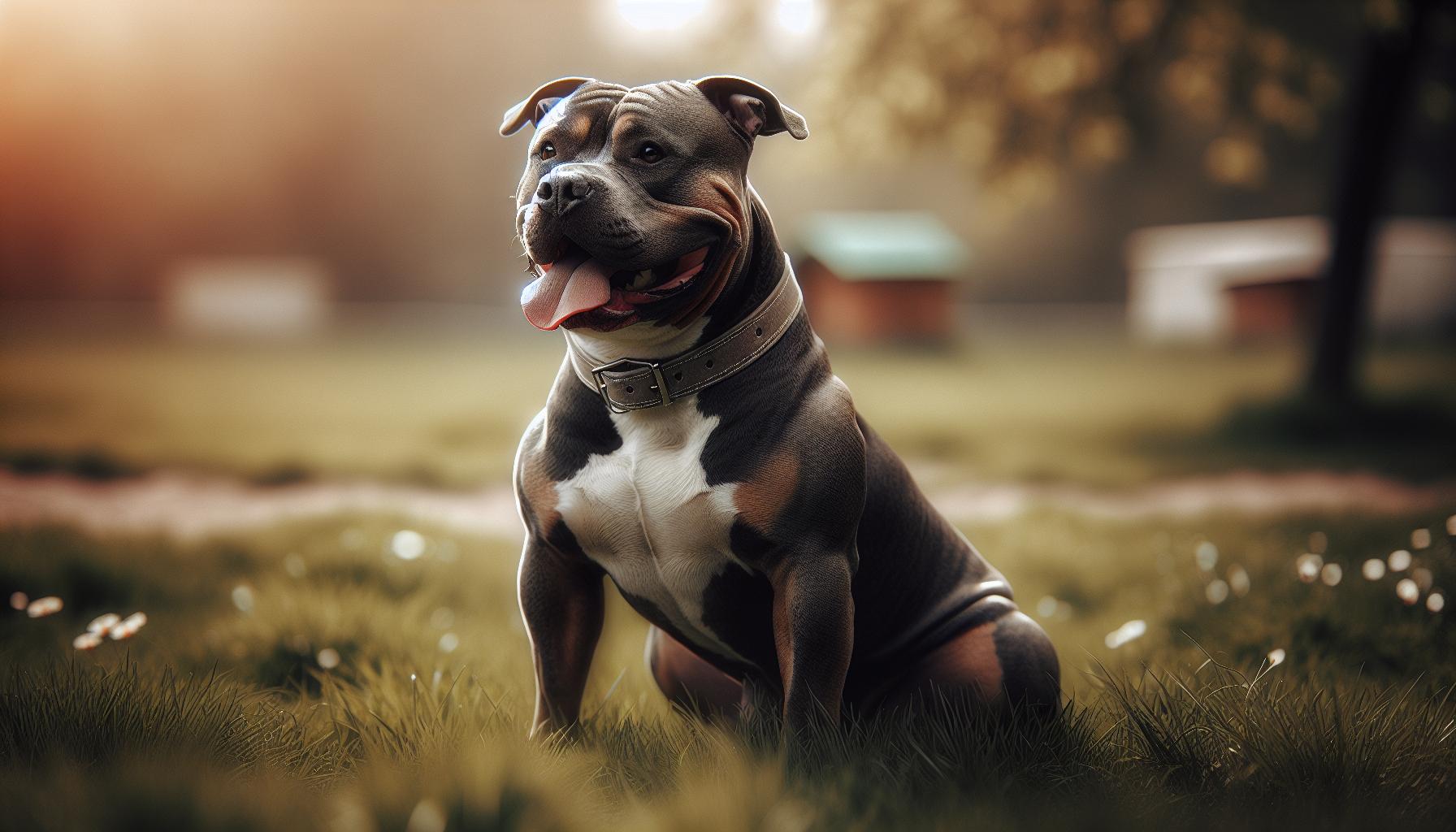
Pitbulls often evoke strong reactions, both positive and negative, but understanding this breed goes beyond stereotypes and media portrayal. At their core, pitbulls are known for their strength, intelligence, and energy. This diverse group of dogs includes several breeds such as the American Pit Bull Terrier, American Staffordshire Terrier, Bull Terrier, and Staffordshire Bull Terrier. These dogs were historically bred for various purposes, including farm work, protection, and companionship, and they possess a unique combination of loyalty and affection that can make them exceptional family pets.
One of the most notable characteristics of pitbulls is their physicality. They are generally muscular and robust, with a broad head and a powerful jaw. However, their appearances can vary significantly based on their specific breed type. For instance, the American Pit Bull Terrier is often seen as the poster breed for the term “pitbull,” while the Bull Terrier offers a distinct egg-shaped head and a more playful demeanor. Regardless of their specific type, it’s crucial to recognize that these dogs are more than just their powerful build; they thrive on human interaction and can be incredibly gentle and loving.
Training and socialization are paramount for pitbulls, as their intelligence and energy need to be channeled positively. Engaging in regular training sessions and providing mental stimulation through interactive toys or games can lead to a well-adjusted and obedient companion. It’s essential to create a routine that includes both physical exercise and mental activities, ensuring that your pitbull develops into a well-rounded member of the family.
As you delve deeper into the world of pitbulls, remember that their reputation is often marred by misconceptions. It is important to appreciate their unique temperament, which, when nurtured with proper care and training, reveals an affectionate, loyal, and playful companion. Recognizing and celebrating the positive attributes of pitbulls can help shift perceptions and promote responsible ownership.
The History of Pitbulls: Origin and Development
The rich history of pitbulls is a fascinating journey that reflects both the evolution of the breed and the changing perceptions surrounding them. Originating in the early 19th century, pitbulls were developed in England from a mix of bulldog and terrier breeds, primarily to assist in bull-baiting-a gruesome sport where animals were set upon tethered bulls. After the ban on bull-baiting in 1835, these dogs were repurposed for other roles, including farm work, as catch dogs for cattle, and companions for families. This versatility established the foundation of the pitbull lineage known today.
As they made their way to the United States in the late 1800s, pitbulls quickly gained popularity among farmers and working-class families, valued for their loyalty, intelligence, and protective nature. Their reputation shifted from terrifying combatants in hunting and fighting arenas to beloved family pets. Notably, the American Pit Bull Terrier became a symbol of courage and tenacity-traits that many owners admired. Their striking appearance, characterized by a muscular build and powerful jaws, further contributed to their appeal as both working dogs and companions.
Despite their positive traits, the breed’s history has also been marred by selective breeding practices that prioritized aggression for illegal dog fighting rings in the 20th century. This association led to widespread stigma and misconceptions about pitbulls, overshadowing their fundamental nature as loyal and gentle companions. Today, responsible breeders and advocates work tirelessly to enhance the breed’s reputation, emphasizing that proper training and socialization are crucial in channeling their energetic and intelligent dispositions.
Understanding the history of pitbulls is pivotal in appreciating their complexity. These dogs have proven themselves to be adaptable, friendly, and loyal, capable of making wonderful family pets with the right care and training. By acknowledging both the accomplishments and challenges of the breed, potential owners can make informed decisions about pitbull ownership and help reshape the narrative surrounding these remarkable dogs.
Physical Characteristics of the Pitbull Breed
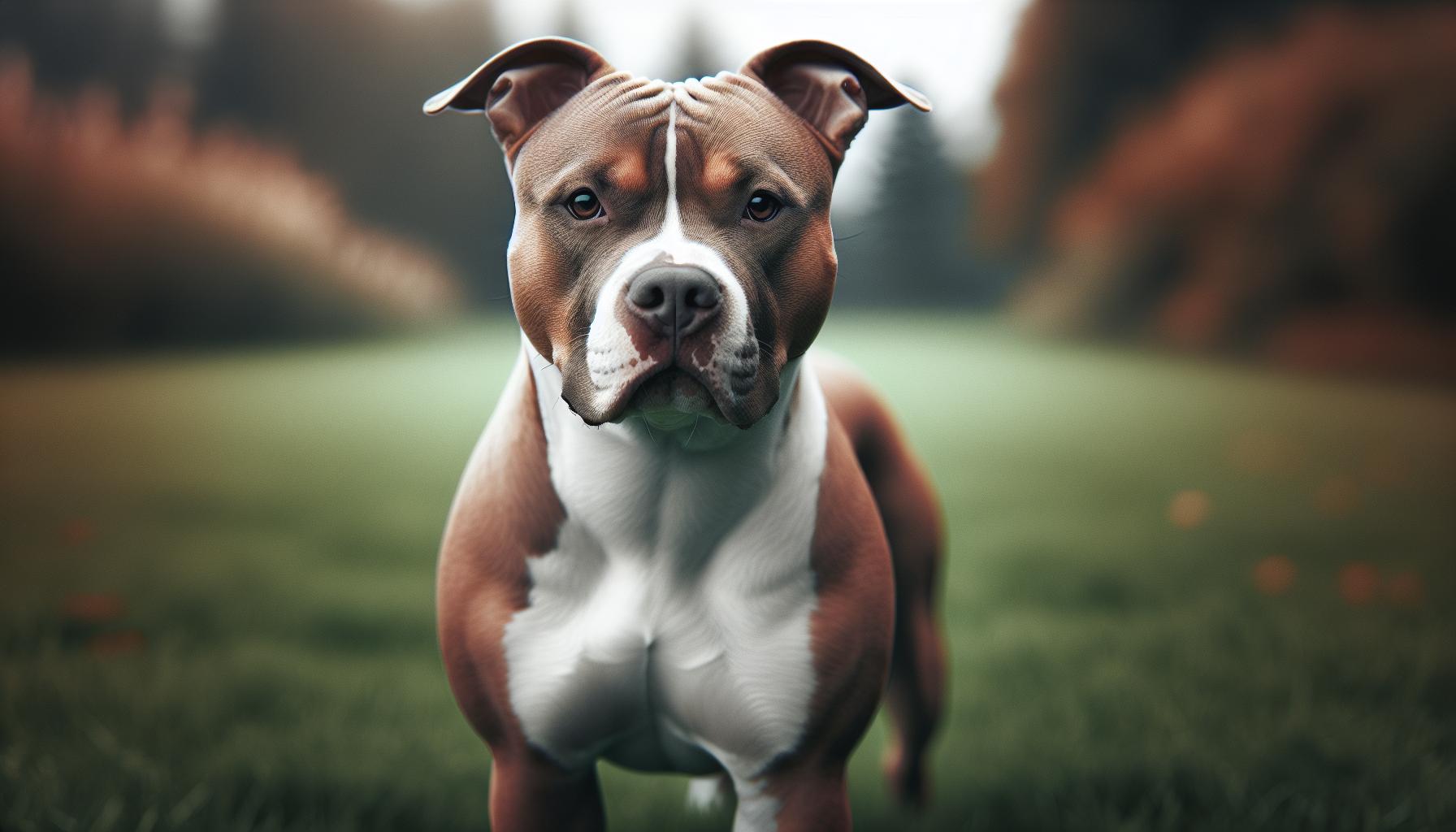
The pitbull breed is often recognized for its distinctive physical traits that embody strength, agility, and resilience. What strikes most people when they see a pitbull is its muscular build-the hallmark of this breed. With a well-defined body, pitbulls possess great athleticism, making them suitable for various activities, from obedience training to agility courses.
One of the most notable physical characteristics of pitbulls is their powerful jaws and strong teeth, designed for both gripping and chewing. This feature contributes to their reputation and versatility as working dogs. Despite this, their bite is often misunderstood; with proper training and socialization, a pitbull can be gentle and loving, dispelling the myths surrounding their strength.
Height and Weight
Pitbulls come in various sizes, but generally, they fall within a specific height and weight range. Most adult pitbulls stand between 17 to 21 inches tall at the shoulder and weigh anywhere from 30 to 85 pounds. Both the American Pit Bull Terrier and the American Staffordshire Terrier showcase impressive muscularity while maintaining a lean physique. This build is perfect for families looking for an active companion.
Color and Coat
The coat of a pitbull can be quite short and smooth, which often makes grooming relatively easy compared to other breeds. One of the most attractive features of the pitbull is its wide variety of colors, including:
- Brindle
- Black
- Blue
- Fawn
- White
- Brown
Each of these colors can have various patterns and markings, creating incredible diversity within the breed. Their short coat, while requiring minimal maintenance, does benefit from regular brushing to help remove loose hair and promote skin health.
Facial Features
Pitbulls are characterized by their broad heads and strong, square-shaped muzzles. Their expressive eyes can convey a range of emotions from joy to curiosity, while their ears may be cropped or left natural, depending on personal preference and breeding standards. It’s essential to note that these facial features contribute to their overall appeal, showing off their gentler side when they are well-socialized and loved.
By understanding these physical traits, potential owners can appreciate the strength and beauty of pitbulls, fostering a relationship that is both rewarding and enriching. With proper care and attention, pitbulls make exceptional companions, showcasing their incredible physical characteristics while being loving and protective family members.
Different Types of Pitbulls: An Overview
Understanding the diversity within the pitbull breed can deepen your appreciation for these dogs and help you choose the right companion for your lifestyle. While many people refer to “pitbulls” as a single breed, the term actually encompasses several distinct varieties that share a common ancestry. This overview will introduce you to the primary types of pitbulls, highlighting their unique traits and characteristics.
The American Pit Bull Terrier is perhaps the most recognizable variant, known for its athleticism and high energy levels. These dogs often excel in various dog sports and are favored for their intelligence and loyalty. With their strong, muscular build and friendly demeanor, they adapt well to active households and enjoy engaging in activities with their owners.
Another notable type is the American Staffordshire Terrier, which, while similar in appearance to the American Pit Bull Terrier, tends to have a more stocky build and a somewhat gentler temperament. This breed is often praised for its loving nature, making it an ideal family pet. Both breeds share a history of being bred for strength and agility, but the American Staffordshire Terrier was developed more for a companion role rather than the working purposes of the Pit Bull.
In addition, you may come across the American Bully, a more recent breed that has gained popularity for its compact size and unique appearance. This breed is characterized by its broad chest and muscular physique, often appearing more robust than other variants. American Bullies are known for their friendly disposition, making them wonderful companions, especially for families looking for a playful and affectionate pet.
Lastly, the Staffordshire Bull Terrier is smaller but equally charming, often displaying remarkable loyalty and an eagerness to please. This breed is highly regarded for its adaptability and loving nature, making it suitable for various living situations, from apartments to larger homes.
In summary, whether you are drawn to the athleticism of the American Pit Bull Terrier, the gentle disposition of the American Staffordshire Terrier, the robust form of the American Bully, or the affectionate Staffordshire Bull Terrier, each type of pitbull brings its own special qualities to potential owners. By understanding these differences, you can make an informed decision that aligns with your lifestyle and preferences, fostering a rewarding relationship with your new furry friend.
Pitbull Temperament: Myths vs. Reality
Misconceptions about pitbulls abound, often overshadowing the breed’s loyal and loving nature. Many people still associate these dogs with a negative stereotype, believing they are inherently aggressive or dangerous. However, the reality is far more nuanced. Understanding the temperament of pitbulls involves debunking common myths and acknowledging the factors that truly shape their behavior.
One prevalent myth is that all pitbulls are aggressive. In truth, aggression is not a breed-specific trait; rather, it’s influenced by several factors, including socialization, training, and environment. When properly raised and trained, pitbulls can be incredibly friendly, gentle, and affectionate dogs. Statistics show that, when well-socialized, they often rank favorably among various breeds in terms of temperament, displaying eagerness to please and strong bonds with their families.
Another misconception is that pitbulls cannot coexist peacefully with other pets. While individual personalities vary, many pitbulls are known for their playful interactions with other dogs and even cats, especially when introduced at a young age. Proper training and social exposure are crucial. This helps mitigate any potential behavioral issues, reinforcing positive interactions with other animals.
It’s also important to recognize the impact of upbringing on a pitbull’s behavior. Irresponsible ownership, neglect, or abuse can lead to behavioral problems in any breed. Conversely, a loving, structured environment that emphasizes training, exercise, and socialization can bring out the best in pitbulls. Providing them with clear boundaries, positive reinforcement, and plenty of activities helps them flourish as loyal companions.
In summary, embracing the true temperament of pitbulls means moving beyond sensationalized images and recognizing these dogs for who they really are: devoted, intelligent way companions capable of forming deep connections with humans and other animals alike. By understanding these realities, potential owners can make informed decisions and foster a rewarding relationship with their pitbull.
Health Considerations for Pitbull Owners
Understanding the health needs of pitbulls is essential for every owner dedicated to raising a happy and healthy companion. These robust dogs, known for their strength and resilience, can be prone to certain health conditions that require attentive care. Being proactive about their well-being not only enhances their quality of life but also strengthens the bond you share.
To start, consider the common health issues that may affect pitbulls. They can be susceptible to hip dysplasia, skin allergies, and heart conditions. Regular vet check-ups are vital for early detection of these problems. It’s crucial to look out for signs such as limping, excessive scratching, or lethargy, which may indicate underlying health issues. Engaging in preventive care, such as vaccinations and parasite control, can also contribute significantly to your dog’s overall health.
Nutrition and Diet
Feeding your pitbull a balanced diet is a fundamental aspect of maintaining their health. High-quality commercial dog food that meets the AAFCO standards is typically recommended, focusing on protein sources like meat, poultry, or fish. Your pitbull’s dietary needs will vary depending on their age, weight, and activity level. It’s beneficial to consult with a veterinarian to tailor a diet plan that promotes optimal growth and metabolism.
Here are some dietary considerations for your pitbull:
- Protein: Ensure a protein-rich diet to support muscle maintenance.
- Fats: Healthy fats are necessary for skin and coat health.
- Vitamins and Minerals: Essential nutrients help prevent deficiencies that can lead to health issues.
Exercise and Mental Stimulation
Physical activity is crucial for a pitbull’s health. These dogs thrive on regular exercise, which helps manage weight and prevents behavioral issues that can arise from boredom. Enjoyment can come from various activities, including walks, runs, and play sessions at the park. Mental stimulation is equally important-engaging your pitbull in interactive games or obedience training will keep their minds sharp.
As you deepen your understanding of your pitbull’s health considerations, you unlock the potential for a thriving relationship. The loving nature of these dogs is matched only by their capacity for fun and companionship, making it all the more important to focus on their well-being as a reflection of the joy they bring to your life.
Training Tips: Raising a Well-Behaved Pitbull
Training a pitbull can be a rewarding journey that strengthens the bond between you and your furry companion. Known for their intelligence and eagerness to please, pitbulls thrive under structured training. Starting early, ideally in puppyhood, sets the stage for a well-mannered adult dog. Using positive reinforcement techniques, such as treats and praise, encourages good behavior while making learning enjoyable for your pitbull.
Consistency is key when training any dog, but especially with pitbulls. Establishing clear rules and commands helps your pup understand what is expected. For example, if you want your pitbull to refrain from jumping on guests, make sure everyone in the household enforces this rule consistently. This cohesive approach helps prevent confusion and reinforces the behavior you want to see. Additionally, keeping training sessions short-around 5 to 10 minutes-will cater to their attention span and prevent them from becoming bored.
One effective training method for pitbulls is the use of crate training, which offers a safe space for your dog and aids in housebreaking. Praise them for entering the crate voluntarily, and always associate it with positive experiences. Incorporate basic commands such as sit, stay, and come into your sessions to build a foundation of obedience. Remember to gradually increase the difficulty of these commands as your pitbull masters them.
Socialization is another critical component in raising a confident and well-adjusted pitbull. Introduce your dog to a variety of people, other dogs, and different environments from a young age. These experiences will help minimize shyness or aggression as they mature. Engage in activities like group training classes or dog parks where they can interact with peers under controlled circumstances. This not only promotes good manners but also helps them become adaptable and sociable adult dogs.
By providing a loving and structured training environment, you set your pitbull up for success. Their natural affectionate disposition and playful spirit will flourish when they are given the right tools and support. Ultimately, a well-trained pitbull becomes a cherished family member and a true reflection of responsible ownership.
Caring for Your Pitbull: Nutrition and Exercise
Many pet owners regard nutrition and exercise as the cornerstone of a happy, healthy life for their pets, and pitbulls are no exception. These muscular dogs require a balanced diet that caters to their unique nutritional needs to maintain their strength and vitality. A well-rounded diet typically includes high-quality protein sources, healthy fats, and a variety of fruits and vegetables. As active and intelligent animals, pitbulls also thrive on regular physical activities that challenge both their bodies and minds.
Choosing the right diet for your pitbull begins with selecting high-quality dog food. Look for brands that list meat as the primary ingredient, and avoid those with excessive fillers like corn, wheat, or soy. Pitbull puppies, in particular, need a formulation designed for their growth stage, while adults benefit from food rich in protein and fiber. Remember to consult your veterinarian to determine the appropriate portion sizes and dietary needs based on your dog’s age, weight, and activity level. Many owners also opt for homemade diets or supplements, which can effectively complement store-bought food, but this should always be done under professional guidance.
Exercise is equally important, as pitbulls are energetic dogs that require regular physical activity to prevent boredom and destructive behavior. Daily walks, playtime, and obedience training sessions not only keep them physically fit but also mentally stimulated. Aim for at least 30 to 60 minutes of vigorous exercise each day, combining walks, fetch games, and agility training. Engaging in these activities not only benefits your pitbull’s health but also strengthens the bond between you and your dog. Consider incorporating training sessions with toys or other dogs, turning exercise into an opportunity for socialization.
In addition to regular exercise, mental stimulation should not be overlooked. Puzzle toys, scent games, and training new commands are excellent ways to keep your pitbull’s mind sharp and engaged. By providing a well-balanced diet and sufficient exercise, you lay the foundation for a healthy and happy life for your beloved pitbull, allowing their natural exuberance and affection to shine through.
Pitbulls in Popular Culture: A Celebrated Legacy
Throughout history, pitbulls have carved out a unique niche in popular culture, evolving from symbols of loyalty and strength to controversial figures often maligned by stigma. Known for their tenacity and resilience, these dogs have been depicted in various forms of media, and their contributions to society-such as in service roles and as loving companions-often get overshadowed by negative portrayals.
One of the most notable aspects of pitbulls in pop culture is their representation in film and television. From heroic characters saving lives to loyal companions devoted to their families, pitbulls have been featured in numerous movies and shows that showcase their affectionate nature. Films like “The Little Rascals” introduced audiences to a lovable pitbull named Petey, while more recent productions highlight the breed’s ability to bond with humans, challenging prevalent stereotypes. This dual representation serves to normalize the breed in the eyes of the public, encouraging responsible pet ownership and educating potential owners about their true temperament.
Additionally, the rise of social media has provided a platform for pitbull owners and advocates to share positive stories and images that celebrate their dogs. Platforms like Instagram and TikTok showcase pitbulls engaging in fun activities, participating in dog sports, and forming deep connections with their families. These narratives help shift the conversation around pitbulls, encouraging a more balanced view that acknowledges their loving, intelligent, and playful characteristics. Engaging with these positive stories can inspire potential pitbull owners, dispelling myths and highlighting the joys of including a pitbull in your family.
Ultimately, the legacy of pitbulls in popular culture is that of resilience and redemption. As more individuals speak out against breed discrimination and share their positive experiences, the narrative around pitbulls continues to evolve. By understanding their past and celebrating their presence in our lives today, you join a movement that champions the potential of these incredible dogs, advocating for their rightful place as beloved companions in homes across the globe.
In summary, engaging with various facets of pitbull representation can open doors to understanding their temperament and abilities while fostering an environment of respect and care for these misunderstood breed members. Whether you’re considering adopting a pitbull or simply want to learn more about them, there’s a wealth of positive narratives waiting to be explored that can enrich your perspective.
Legalities and Responsibilities of Pitbull Ownership
Navigating the legal landscape surrounding pitbull ownership is crucial for responsible pet guardians. In many areas, regulations vary widely, reflecting a mix of breed-specific legislation (BSL) and general dog ownership laws. Understanding these legalities can help you ensure that you and your pitbull are safe and in compliance with local requirements.
Before bringing a pitbull into your home, check the laws in your municipality. Some cities or states may have restrictions on pitbull ownership or require specific measures like liability insurance or the use of muzzles in public. Additionally, many areas have mandatory spay/neuter laws, which aim to reduce the number of homeless pets and instances of aggressive behavior. Ignoring these regulations can lead to fines and, in some cases, the confiscation of your dog.
In addition to local laws, it’s essential to consider your responsibilities as a pitbull owner. This encompasses ensuring proper training and socialization to develop a well-mannered companion. Enrolling in obedience classes can be a great way to achieve this, not only reinforcing positive behavior but also helping you to connect with your dog. A well-trained pitbull is less likely to display negative behaviors, thus aiding in dispelling common myths and stigma surrounding the breed.
Being an advocate for your pitbull means being proactive about their social and legal needs. Joining a local breed club or advocacy group can provide support and resources to help navigate ownership challenges. Connecting with other pitbull enthusiasts can also foster a sense of community and understanding, promoting the positive traits of the breed. Remember, responsible ownership is about ensuring the well-being of your pet and contributing to a broader acceptance of pitbulls in society.
By staying informed about legal requirements and community responsibilities, you can enjoy a fulfilling relationship with your pitbull while advocating for their place as loving companions in every home.
Pitbull Rescue Organizations: Supporting Adoption and Welfare
With millions of pit bulls in shelters across the country, the importance of rescue organizations cannot be overstated. These dedicated groups work tirelessly to save pit bulls and facilitate their adoption into loving homes. They not only offer a second chance for these dogs but also play a crucial role in educating the public about the breed, dispelling myths, and promoting responsible ownership.
Pit bull rescue organizations operate on various levels, from local volunteers to larger national networks. Their efforts include rescuing dogs from high-kill shelters, fostering dogs until permanent homes are found, and advocating for breed-specific legislation that protects these often-misunderstood pets. Many of these organizations provide resources such as training tips, health guidance, and community support to ensure that each adopted pit bull has the best possible start in their new life.
When you’re considering adopting a pit bull, reaching out to rescue organizations can be incredibly beneficial. Not only do they help match you with a dog that fits your lifestyle, but they often have comprehensive programs that support new owners. This might include behavioral assessments, training support, and information on the specific needs of the breed. Some well-known organizations, such as Pit Bull Rescue Central, provide dedicated resources to connect potential adopters with available dogs and offer grants for families in need of assistance with medical care or training [[1]](https://www.pbrc.net/gifted-grant.html).
Engaging with these rescue communities fosters a sense of belonging and understanding among pit bull owners. By choosing to adopt from a rescue instead of a breeder, not only do you save a life, but you also become part of a broader movement that celebrates the inherent value and loving nature of pit bulls. In a society that still grapples with misconceptions about this breed, your role as an advocate and responsible owner can help transform perceptions and promote a more compassionate view of pit bulls as the loyal, affectionate, and intelligent companions they truly are.
Fun Activities to Enjoy with Your Pitbull
Engaging in fun activities with your pitbull not only strengthens your bond but also helps to keep your dog physically active and mentally stimulated. These dogs are known for their intelligence, energy, and playful nature, making them ideal companions for a variety of enjoyable activities. Whether you’re an experienced owner or new to the breed, incorporating fun into your routine can foster a happy and healthy lifestyle for both you and your pitbull.
One of the most effective ways to engage your pitbull is through structured playtime. Interactive games such as fetch, tug-of-war, or hide and seek can provide both physical and mental exercise. Given their strong prey drive, pitbulls often excel in games that mimic hunting behaviors. You can even take it a step further by introducing agility courses in your backyard or local park, allowing your pitbull to navigate through tunnels, jump over hurdles, and weave through cones. These activities not only provide a great workout but also build confidence and reinforce obedience.
Consider also integrating socialization into your activities by participating in group dog classes or community events. Such interactions can significantly benefit your pitbull, allowing them to mingle with other dogs and humans, which helps to reduce behavioral issues and develop good manners. Regular visits to dog parks and dog-friendly events can provide your pitbull with the opportunity to explore new environments and meet diverse breeds, enhancing their social skills and comfort around others.
Finally, pitbulls thrive on companionship, so activities that include family members or friends can be incredibly rewarding. Take your pitbull on nature hikes, trips to the beach, or biking adventures, where they can explore new terrains while enjoying your company. These outdoor excursions provide an excellent outlet for their energy and curiosity, ensuring that they remain happy and engaged. Always remember that every activity you do with your pitbull is an opportunity for training and bonding, making it a win-win situation for you both.
FAQ
Q: What are the common misconceptions about Pitbulls?
A: Common misconceptions include that Pitbulls are inherently aggressive or dangerous. In reality, Pitbulls are known for their loyalty and gentleness when properly trained and socialized. Understanding their temperament can help dispel these myths-consider reading our section on Pitbull Temperament for more information.
Q: How can I determine if a dog is a Pitbull?
A: Identifying a Pitbull often involves recognizing specific physical traits such as a strong, muscular build, a broad head, and a short coat. Crossbreeds might show variations, so it’s essential to compare features with our overview of Different Types of Pitbulls.
Q: What are the legal challenges of owning a Pitbull?
A: Pitbull ownership can come with legal challenges, including breed-specific legislation in some areas. It’s crucial to be aware of local laws regarding ownership and insurance. For detailed guidelines, you might explore our section on Legalities and Responsibilities of Pitbull Ownership.
Q: What is the typical lifespan of a Pitbull?
A: The life expectancy of a Pitbull usually ranges from 12 to 16 years. Regular check-ups and a healthy lifestyle can contribute to a longer, happier life. For insights on how to care for your Pitbull, check our section on Caring for Your Pitbull: Nutrition and Exercise.
Q: Are Pitbulls good family pets?
A: Yes, Pitbulls can be excellent family pets, known for their affectionate nature and protective instincts. Early socialization and training are key to ensuring they interact positively with children. Learn more about their temperament and training tips in our article.
Q: How much exercise do Pitbulls need?
A: Pitbulls require regular exercise-at least an hour each day-to maintain both physical health and mental stimulation. Activities like walking, playing fetch, and engaging in dog sports are highly beneficial. For more details, visit our section on Caring for Your Pitbull: Nutrition and Exercise.
Q: What are the signs of a healthy Pitbull?
A: A healthy Pitbull typically has a shiny coat, clear eyes, and healthy gums. They should be active and show a playful demeanor. Regular veterinary check-ups can help monitor their overall health. For tips on maintaining health, see our section on Health Considerations for Pitbull Owners.
Q: Can Pitbulls be trained for specific tasks or roles?
A: Yes, Pitbulls can be trained for various tasks, including service roles, agility sports, and obedience. Their intelligence and eagerness to please make them suitable candidates. For training strategies, refer to our Training Tips: Raising a Well-Behaved Pitbull.
In Conclusion
As we conclude this exploration of the Pitbull breed, it’s clear that these remarkable dogs deserve recognition beyond their stereotypes. With their intelligence, loyalty, and playful nature, Pitbulls can be wonderful companions when provided with proper training and care. If you’re considering welcoming a Pitbull into your home or simply want to learn more about their genetics and health, check out our related articles on “Pitbull Training Essentials” and “Understanding Pitbull Health Issues” for expert insights.
Don’t let misconceptions hold you back-whether you’re a seasoned owner or just beginning your journey, the bond you can form with a Pitbull is immensely rewarding. Take action now: subscribe to our newsletter for tips and resources that will enhance your experience as a responsible Pitbull owner. Your engagement helps build a community that celebrates these incredible dogs. Feel free to leave a comment or share your experiences below-together, we can foster a deeper understanding and appreciation for Pitbulls and their unique contributions to our lives.