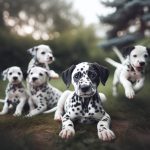
The Pitbull Husky mix, affectionately known as the Pitsky, is a captivating hybrid that merges the playful spirit of the Siberian Husky with the loyalty and strength of the Pitbull. This guide will illuminate the size and appearance of full-grown Pitskys, empowering you with the knowledge you need as a responsible pet owner. Understanding their unique traits not only helps you appreciate these beautiful dogs but also assists you in deciding if a Pitsky fits your lifestyle. As you consider welcoming one into your home, you may wonder about their physical characteristics, potential health issues, and overall behavior. By delving into this guide, you’ll uncover important insights and tips to ensure a happy, healthy life for your future companion. Let’s explore the fascinating world of Pitskys together!
The Unique Blend: Understanding the Pitbull Husky Mix
Understanding the blend of a Pitbull and a Husky results in a unique and dynamic companion known as the Pitsky. This hybrid inherits traits from both parent breeds, showcasing a mix of strength, loyalty, and intelligence combined with a striking appearance and high energy. One captivating aspect of the Pitsky is the variation in their appearance and temperament, influenced largely by which parent’s traits are more dominant. While both parent breeds are known for their affectionate nature, the Pitsky often exhibits a playful and friendly demeanor, making them a delightful addition to families and active individuals alike.
The size of a full-grown Pitsky typically ranges from 30 to 65 pounds and can stand between 18 to 24 inches tall at the shoulder, depending on the specific genetics inherited from either parent. This unique size makes them adaptable to various living situations, whether in an apartment or a house with a yard, as long as they receive sufficient exercise to match their energetic disposition. The combination of the Pitbull’s muscular build and the Husky’s athletic frame results in a dog that not only looks striking with its robust physique but also requires regular physical activity.
Coat colors and patterns can vary significantly among Pitskies due to their mixed heritage. You may find Pitskies with coats that range from brindle and black to gray, red, or even the striking blue and white typically associated with Huskies. Their coat may be short to medium in length and could require regular grooming to manage shedding and keep their fur healthy, especially during seasonal changes. This blend of aesthetics makes each Pitsky unique, with an appearance that can captivate admirers and potential pet owners alike.
Size Expectations: Average Height and Weight
The Pitbull Husky mix, affectionately known as the Pitsky, boasts a size that makes it an appealing choice for many dog lovers. Typically, a fully grown Pitsky will weigh between 30 to 65 pounds and stand about 18 to 24 inches tall at the shoulder. This range is quite variable and can depend significantly on the genetic traits inherited from each parent. For example, a Pitsky that leans more towards the Pitbull side may exhibit a stockier build, while one with more Husky traits may appear leaner and taller.
When it comes to choosing the right Pitsky for your lifestyle, understanding their size is crucial. These dogs are large enough to enjoy a good romp in the yard or accompany you on long walks but can still adapt well to apartment living if given sufficient exercise. Regular physical activities are essential to keep them satisfied and healthy, ensuring they maintain their ideal weight, resulting in a happy and well-adjusted dog.
To give you a better perspective on how Pitskies compare to their parent breeds, here’s a quick size comparison.
| Breed | Weight (lbs) | Height (inches) |
|---|---|---|
| Pitsky | 30 – 65 | 18 – 24 |
| Pitbull | 30 – 85 | 17 – 21 |
| Siberian Husky | 35 – 60 | 20 – 24 |
This table illustrates how the Pitsky’s size can fall between its parent breeds, offering a versatile option for those looking to adopt a medium to large dog. Considering their size will help you better prepare and accommodate your future furry friend, creating an environment where they can thrive.
Physical Traits: Coat Colors and Patterns
The Pitsky showcases a stunning array of coat colors and patterns that are a delightful blend of its parent breeds. As you consider inviting one of these beautiful dogs into your life, it’s essential to understand the variety of appearances they can manifest, which can also influence grooming needs and maintenance.
Pitskies commonly exhibit coats that range from solid colors to multi-colored patterns. You may find vibrant hues like black, gray, brown, fawn, and even white, often accompanied by striking markings such as masks or splotches. Some Pitskies inherit the Husky’s iconic striking blue or multicolored eyes, adding to their charm. The coat itself can vary significantly in texture, with some pups sporting a dense, plush undercoat typical of a Husky, while others may have a short, smooth fur resembling that of a Pitbull. This diversity is a direct result of the genetic pairing, making each Pitsky unique.
Another fascinating feature of the Pitsky’s coat is its potential for various pattern formations. Common designs include:
- Brindle: A mix of light and dark stripes.
- Merle: A mottled or marbled appearance that can include patches of color.
- Piebald: White with patches of color, creating a striking visual.
- Spotted: Random spots of color on a primarily solid background.
It’s worth noting that the quality and care of a Pitsky’s coat can greatly influence its health. Regular grooming, especially for those with longer or thicker fur, helps reduce shedding, prevent matting, and maintain a healthy shine. Baths should be given as needed, typically every few months or when they get particularly dirty. Additionally, consider brushing your Pitsky a couple of times a week to manage loose fur and skin health, thus solidifying your bond with your pet.
In summary, the Pitsky’s coat provides an incredible opportunity for self-expression through color and pattern while necessitating responsible care practices to ensure their well-being. Embracing the diversity in appearance only deepens the joy of sharing your life with this unique mixed breed.
Comparing Temperaments: Pitbull vs. Husky Personality
To truly appreciate the incredible blend that a Pitbull Husky mix presents, it’s essential to dive into the distinct temperaments of its parent breeds, the American Pit Bull Terrier and the Siberian Husky. While each breed boasts unique characteristics, their combination results in a mixed breed that can be both entertaining and challenging. Understanding these personalities will not only help you anticipate behavior but also guide your training and care approach.
Pitbulls are renowned for their loyalty and affection towards their families. They are often described as loving and courageous dogs that thrive when given attention and positive reinforcement. These dogs are highly social and form strong bonds with their owners, making them eager to please. Their determination can make them excellent learners, but it’s important to note that they require consistent training and socialization to channel their energy appropriately.
On the other hand, Huskies are famous for their playful and independent personalities. Known for their high energy levels, they require significant exercise and mental stimulation. Huskies are very intelligent but can be stubborn, which sometimes leads to mischief if they become bored or neglected. Their friendly demeanor means they typically get along well with other dogs and are often known for their wolf-like howls rather than aggressive barking.
When these two temperaments merge, the Pitbull Husky mix often reflects a blend of loyalty, playfulness, and intelligence that makes for a dynamic pet. You might find that your mix is affectionate like a Pitbull, yet energetic and sometimes independent like a Husky. This combination means that you should expect both personal attention needs and a desire for vigorous playtime. The key to a happy Pitsky is ensuring they receive adequate exercise to counterbalance their strong personalities, along with ongoing training to promote good behavior and strengthen your bond.
Understanding this interplay of traits will not only enhance your relationship with your Pitsky but will also prepare you for the delightful quirks and challenges that come with this unique companionship. With the right guidance, you can celebrate the best of both breeds in your journey together.
Health Considerations: Common Issues in the Mix
When you welcome a Pitbull Husky mix into your life, one important aspect to consider is their health. Like any breed, this hybrid has its own unique set of potential health issues that can arise, influenced by both its lineage. Awareness of these common problems can help you provide the best care for your furry companion.
Both parent breeds are generally healthy, but certain conditions can affect your Pitsky. One particular area of concern is hip dysplasia, a condition where the hip joint doesn’t fit into the hip socket properly. This can lead to pain and arthritis over time. Regular check-ups with your veterinarian, maintaining a healthy weight, and ensuring your dog gets the right amount of exercise can help manage this risk effectively.
Another concern is skin allergies, which can be prevalent due to the mix of coats and sensitivities inherited from both breeds. Keep an eye out for signs such as excessive scratching, licking, or redness in the skin. Routine grooming and a hypoallergenic diet might alleviate some of these issues. Furthermore, both parent breeds have a tendency for certain genetic conditions associated with their breed lines, including heart conditions and certain types of cancer. Regular veterinary check-ups and genetic testing, if available, can be beneficial in catching these issues early.
It’s essential to focus on preventive health care as well. This includes scheduled vaccinations, dental care, and parasite prevention. With a caring approach and proper attention, your Pitbull Husky mix can lead a happy and healthy life, allowing you to enjoy the vibrant personality that makes this hybrid so special. Remember, your commitment to their health is just as crucial as any other aspect of their care, ensuring your dog thrives in your home.
Nutritional Needs: Best Diet for Your Mix
To ensure your Pitbull Husky mix thrives, a balanced and nutritious diet tailored to their specific needs is essential. These intelligent and energetic dogs require a diet that supports their active lifestyle while also addressing potential health concerns stemming from their parent breeds. Understanding the right nutritional approach can help you keep your Pitsky healthy and vibrant throughout their life.
A good diet for your Pitsky should be rich in high-quality protein sources, which are crucial for maintaining muscle mass and overall health. Look for dog foods that list meat, fish, or poultry as the first ingredient, as these provide essential amino acids that support strong muscles. Since both Pitbulls and Huskies can be prone to certain health issues, including skin allergies and sensitivities, consider a grain-free formula or one that includes easily digestible grains like brown rice or sweet potatoes, depending on your dog’s specific dietary needs.
Key Nutritional Components
- Proteins: Essential for muscle maintenance and overall growth. Aim for a diet with at least 20-30% protein.
- Fats: Healthy fats, particularly omega-3 and omega-6 fatty acids, support skin and coat health. Look for oils and fish or flaxseed meal in your dog food.
- Carbohydrates: Whole grains or vegetables provide necessary energy. Good options include brown rice, quinoa, and sweet potatoes.
- Vitamins and Minerals: Ensure the food is fortified with essential vitamins and minerals to support immune health and overall well-being.
Feeding Schedule and Portion Control
Establishing a consistent feeding schedule is beneficial. Most adult Pitskies thrive on two meals a day. Portion control is critical to prevent obesity, which both parent breeds can be susceptible to. Consult your veterinarian for specific recommendations based on your dog’s age, weight, and activity level. A general guideline would be to follow the feeding instructions on your dog food package, adjusting as needed based on your dog’s weight and health goals.
By keeping these nutritional guidelines in mind, you can provide your Pitbull Husky mix with the diet they need to maintain energy levels, support healthy growth, and reduce the risk of health issues. Always keep fresh water available and consult with your vet for specific dietary needs related to your dog’s health, ensuring that every meal contributes to a long, happy life together.
Training Tips: Socialization and Obedience Methods
Training your Pitbull Husky mix can be a rewarding experience, filled with challenges that help strengthen the bond between you and your pup. This intelligent and energetic breed combines the loyalty of the Pitbull with the spirited nature of the Husky, making early socialization and obedience training essential for developing a well-rounded dog. Engaging your Pitsky in consistent training sessions not only promotes good behavior but also provides mental stimulation and a much-needed outlet for their energy.
The key to successfully training a Pitbull Husky mix lies in positive reinforcement techniques. Using treats, praise, and play as rewards helps reinforce desirable behaviors, making your pup more eager to please you. Be patient and consistent, as these dogs may test boundaries. Start with basic commands such as “sit,” “stay,” and “come,” ensuring you practice in various environments to minimize distractions. Bite-sized training sessions of about 5-10 minutes can be highly effective, keeping your dog focused and engaged.
Socialization is equally vital for these mixed breeds. Expose your Pitsky to different people, environments, sounds, and other animals from an early age. This helps prevent fearfulness or aggression and promotes confidence in new situations. Activities like visiting dog parks or scheduling play dates with other animals can significantly enhance your dog’s adaptability and reduce anxiety as they encounter real-world experiences. Monitoring your Pitsky during these interactions is essential, especially since both parent breeds can have strong personalities.
Lastly, be mindful of your dog’s unique temperament. While you should expect a mix of the Pitbull’s sometimes stubborn nature and the Husky’s independent streak, tailoring your training to suit their personality will lead to better outcomes. Incorporate physical activities such as agility training or fetch into your routine to channel their energy positively, ensuring that they remain well-behaved and happy. With dedication, understanding, and a little creativity, you’ll cultivate a strong foundation that will last throughout your Pitsky’s life.
Grooming Essentials: Maintenance for Your Mixed Breed
Maintaining the coat and overall hygiene of your Pitbull Husky mix is essential not only for their appearance but also for their health and well-being. This hybrid breed, often referred to as a Pitsky, inherits a beautiful coat that can be either short and sleek like the Pitbull or medium-length and plush like the Husky. As with any dog, regular grooming is crucial to keep their coat healthy, manage shedding, and prevent skin issues.
One of the first things to consider is the frequency of brushing. Ideally, you should brush your Pitsky at least once a week. During shedding seasons, which typically occur in spring and fall, you may need to brush them more frequently-up to several times a week. Regular brushing helps remove loose fur and dander, which is particularly beneficial for households with allergy sufferers. Moreover, it allows you to spot any skin irritations or parasites early on.
Bathing your Pitsky should be done every few months or as needed, especially if they tend to get dirty during playtime. Using a dog-specific shampoo will help keep their skin healthy. It’s important to avoid over-bathing, as it can strip the natural oils from their coat, leading to dryness and irritation. Always ensure that the dog is thoroughly dried after a bath to prevent any skin issues.
Another crucial aspect of grooming includes taking care of their nails and ears. Regularly checking and trimming your dog’s nails will prevent discomfort and potential problems in their paws. For the ears, keeping them clean and dry is vital to prevent infections. Since Pitskys may inherit the floppy ears of a Pitbull, it’s a good idea to check them consistently for any signs of wax buildup or irritation.
Lastly, don’t forget dental hygiene. Like all breeds, Pitbull Husky mixes are prone to dental issues if their teeth are not cared for. Incorporate regular tooth brushing into their routine, using toothpaste specially formulated for dogs. Chew toys can also help maintain dental health while providing a fun activity for your pup.
By integrating these grooming practices into your routine, you can help keep your Pitbull Husky mix looking and feeling their best. Allotting time for grooming not only reinforces your bond with your pup but also ensures they enjoy a long, healthy life.
Exercise Requirements: Keeping Your Pup Active
A Pitbull Husky mix, commonly known as a Pitsky, is not just a visually stunning dog; it requires a robust exercise regimen to stay healthy and happy. This hybrid breed combines the exceptional stamina of the Siberian Husky with the muscular build and playful energy of the Pitbull, creating a dog that thrives on activity. To ensure your Pitsky doesn’t find mischief around the house out of boredom, you’ll need to commit to a consistent exercise routine that caters to its physical and mental needs.
Engaging your Pitsky in daily exercises is key. Aim for at least 60 to 90 minutes of vigorous activity each day. This can include a mix of activities like brisk walks, playing fetch, interactive games, or agility training. Here are a few practical ideas to keep your Pitsky motivated and active:
- Daily Walks: Long walks stimulate both the dog’s body and mind. Vary the route to keep things interesting.
- Fetch and Frisbee: These activities harness the Pitsky’s natural instinct to chase, providing both aerobic exercise and fun.
- Hiking: Take your pup on outdoor adventures, which not only provides exercise but also mental stimulation through new sights and scents.
- Scent Games: Hide treats around the house or yard and let your dog sniff them out. This taps into their hunting instincts and keeps their minds sharp.
Offering a mix of physical and mental challenges is essential. Pitskys are intelligent dogs and enjoy puzzle toys or training sessions where they learn new tricks. This combination of aerobic exercise and mental engagement will help channel their energy positively, reducing the likelihood of behavioral problems that often stem from boredom.
On days when you may not have extended outdoor time, consider setting up a safe play area in your home where your Pitsky can run and be active. Toys that encourage movement or interactive games with you can help maintain their fitness level. Remember, consistency is key; establishing a routine that includes regular exercise and playtime will not only keep your Pitsky in shape but will also strengthen the bond between you and your furry friend.
Living Arrangements: Ideal Home Environment
Creating the right living environment for a Pitbull Husky mix is essential to ensure their happiness and well-being. Known as Pitskies, these dogs are a spirited blend of energy, intelligence, and loyalty, making them both loving companions and active participants in family life. A suitable home should accommodate their need for space, stimulation, and social interaction.
To thrive, Pitskies ideally need a house with a secure, fenced yard. This enables them to engage in free play and exploration, which is vital for their mental and physical health. The yard should be spacious enough for them to run around freely, as they require ample room to burn off their high energy levels. Be mindful of possible escape routes, as both parent breeds are known for their agility and cleverness, meaning they can find ways to slip through small gaps if enticed by adventure.
In addition to outdoor space, the interior of your home should also cater to your Pitsky’s needs. An open plan layout is beneficial, allowing for easy movement as these dogs love to roam. Their natural curiosity drives them to explore their environment, so providing a few designated spaces where they can relax safely is important. Comfortable dog beds, toys, and space for training exercises should be easily accessible.
Moreover, socialization is crucial for Pitskies. They thrive on human interaction and should not be isolated for long periods. If you spend much of the day away from home, consider incorporating interactive toys or puzzles to keep them mentally stimulated. Engaging them in family activities, whether it’s a walk, a run, or even just lounging on the couch, will deepen your bond and help prevent behavioral issues that stem from boredom or loneliness.
By providing a spacious, secure environment and fostering a culture of interaction, you ensure that your furry friend not only feels at home but also flourishes as an integral part of your family.
Understanding Lifespan: What to Expect from Your Mix
As you welcome a Pitbull Husky mix into your life, it’s important to understand what to expect regarding their lifespan. On average, these energetic and spirited companions can live anywhere from 10 to 15 years, benefiting from a blend of genetics that contribute to their overall health and longevity. This range varies based on several factors, including genetics, care, and lifestyle, making it essential to provide the best possible environment for your furry friend.
One key aspect influencing lifespan is the presence of any hereditary conditions common to the parent breeds. Pitbulls often face issues like hip dysplasia and skin conditions, while Huskies can be prone to eye problems and certain autoimmune diseases. Regular veterinary check-ups and screenings can help detect potential health issues early, allowing for proactive management. Maintaining a balanced diet, rich in nutrients, and ensuring your Pitsky stays at a healthy weight are crucial to preventing obesity-related health problems, which can significantly shorten their lifespan.
In addition to physical health, mental and emotional well-being plays a vital role in longevity. Engaging your Pitbull Husky mix with regular exercise, socialization, and training will not only keep them physically fit but also mentally stimulated. Activities like obedience training, agility courses, or interactive play can lead to a happier and less stressful life for your dog. When dogs are well-exercised and emotionally fulfilled, they often face fewer behavioral issues, creating a more harmonious home environment.
Ultimately, your dedication to proper care, training, and socialization can help maximize the lifespan of your Pitsky. In turn, you will form a deep bond with your furry companion, enjoying many adventurous years together. Remember, while genetics set the stage, it’s your commitment to their well-being that will truly make a difference in their life expectancy.
Caring for a Pitbull Husky Mix: Best Practices and Resources
Caring for a Pitbull Husky mix is a rewarding experience, but it also comes with responsibilities that ensure your pup thrives both physically and emotionally. This energetic hybrid combines the affectionate nature of Pitbulls with the spirited energy of Huskies, making them loving companions who require a well-structured environment to flourish.
Health and Nutrition
One of the most critical aspects of caring for your Pitsky is maintaining their health through regular veterinary visits and a balanced diet. A diet rich in high-quality proteins, healthy fats, and essential vitamins and minerals is essential for supporting their active lifestyle. Look for dog food specifically formulated for medium to large breeds, and consider supplements like omega-3 fatty acids for coat health and joint support. Always consult your vet when making significant changes to their diet to ensure it meets their specific needs.
Training and Socialization
Training is crucial for a Pitbull Husky mix, who can exhibit strong willed and sometimes stubborn behaviors. Start with basic obedience training and gradually introduce advanced commands as they learn. Positive reinforcement methods, such as treats and praise, work best with this breed. Additionally, early and ongoing socialization is pivotal in shaping their temperament. Expose them to various people, environments, and other animals to foster their confidence and ease any potential anxiety.
Exercise Requirements
Given their parent breeds, Pitskies require substantial physical activity. Aim for at least 60 minutes of exercise daily, which can include walks, runs, or interactive playtime. Activities like agility training can be particularly beneficial, allowing them to spend energy constructively while enhancing their bond with you. Engaging them mentally with puzzle toys or training sessions can also prevent boredom and destructive behaviors.
Grooming
Grooming needs for a Pitbull Husky mix can vary, often depending on which parent breed they resemble more closely. Regular brushing is necessary, especially during shedding seasons, to keep their coat in good condition and minimize fur around the house. Bathe them every few months, or as needed, to keep their skin and coat healthy. Regularly check their ears and teeth, as the mix can be prone to common issues found in both parent breeds.
Ultimately, by being proactive in health care, training, exercise, and grooming, you can create a loving and supportive environment that allows your Pitbull Husky mix to thrive. This commitment not only strengthens your bond but ensures you both enjoy a happy, fulfilling life together.
Faq
Q: What is the typical size of a full grown Pitbull Husky mix?
A: A full grown Pitbull Husky mix typically weighs between 40 to 85 pounds and stands 18 to 24 inches tall at the shoulder. Size can vary based on genetics and the specific traits inherited from either parent breed.
Q: How does the appearance of a Pitbull Husky mix differ from its parent breeds?
A: The appearance of a Pitbull Husky mix can vary widely, often showcasing the muscular build of the Pitbull combined with the wolf-like features of the Husky. Common traits include floppy or erect ears, a medium-length snout, and varying coat colors and patterns from both breeds.
Q: What kind of coat do Pitbull Husky mixes have?
A: The coat of a Pitbull Husky mix can be short to medium-length and may exhibit a range of colors, including black, gray, fawn, or brindle. Their fur is generally dense, offering some protection against weather conditions due to the Husky’s heritage.
Q: Do Pitbull Husky mixes shed a lot?
A: Yes, Pitbull Husky mixes are known to shed moderately to heavily depending on the season. Regular grooming helps manage loose fur and maintain coat health. Utilizing a good brush can significantly reduce shedding around your home.
Q: Are Pitbull Husky mixes prone to any specific health issues?
A: While generally healthy, Pitbull Husky mixes can inherit health issues from both breeds, such as hip dysplasia, heat sensitivity, or eye problems like cataracts. Regular vet check-ups and a healthy lifestyle can help mitigate these risks.
Q: What is the lifespan of a Pitbull Husky mix?
A: The average lifespan of a Pitbull Husky mix is around 10 to 15 years. Factors such as genetics, diet, exercise, and overall care play a crucial role in determining their longevity.
Q: How can you tell if a Pitbull Husky mix is healthy?
A: Healthy Pitbull Husky mixes will have a shiny coat, bright eyes, and maintained weight. Regular veterinary check-ups, a balanced diet, and active lifestyle also contribute to their well-being. Always monitor for changes in behavior or appetite, which may signal health issues.
Q: What are the exercise needs for a full grown Pitbull Husky mix?
A: A full grown Pitbull Husky mix requires at least 60 to 90 minutes of exercise daily. Activities can include walks, runs, and playtime, which are essential for their physical and mental well-being. Engaging in sports such as agility or obedience can also be beneficial.
For more details on caring for your Pitbull Husky mix, check out our article sections on Nutritional Needs and Training Tips.
In Summary
As you dive deeper into the world of the Full Grown Pitbull Husky Mix, remember that their size and appearance are just one part of what makes them such remarkable companions. These dogs blend the loyalty of the Pitbull with the energetic spirit of the Husky, making them not only stunning but also wonderful family pets. Now that you have a better understanding of this breed’s traits, consider exploring our article on training tips for Pitbull mixes to set your pup up for success.
Don’t let hesitation hold you back! If you’re ready to welcome one of these unique dogs into your life, be sure to check out our adoption resources to find a good match for your home. Engage with us by sharing your thoughts or experiences in the comments below, and be part of our loving community celebrating this diverse breed. Your journey with a Full Grown Pitbull Husky Mix is just beginning-let’s ensure it’s a fulfilling one together!
Get our latest guides, news, and insights highlighted in your Google Search & AI Overviews.