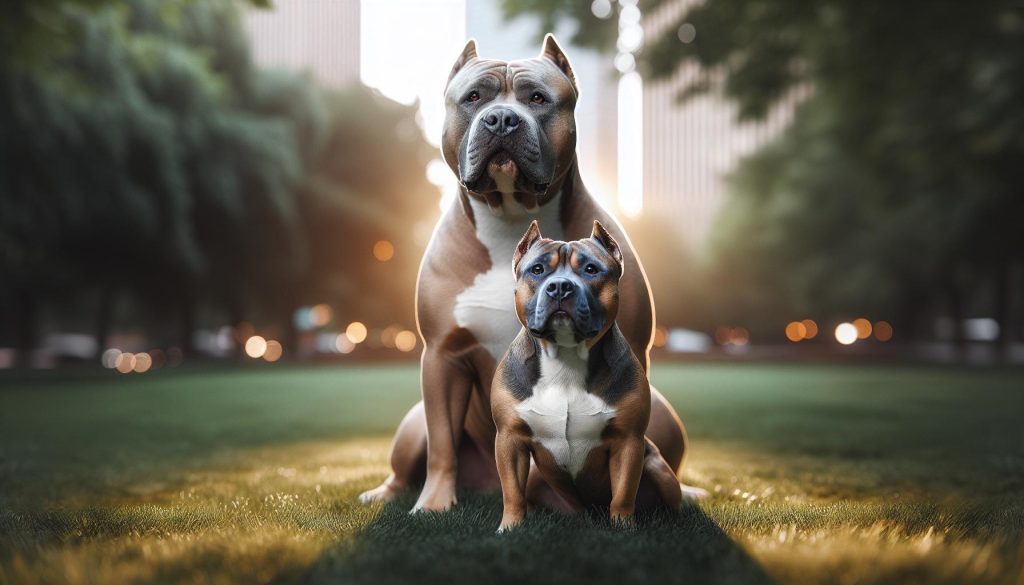
When it comes to dog breeds, the American Bully and the Pitbull often spark confusion among enthusiasts and potential owners alike. Did you know that while they share a common ancestry, they have distinct characteristics that set them apart? Understanding these differences is crucial for responsible ownership and ensuring you choose the right pet for your lifestyle. Whether it’s temperament, size, or health considerations, diving into the nuances of these breeds will empower you to make informed decisions. In this article, we’ll explore the key differences between the American Bully and the Pitbull, shedding light on their unique traits and helping you appreciate their individual identities. By the end, you’ll have a clearer perspective on which breed aligns with your expectations and needs, guiding you on a journey of responsible companionship.
Key Traits of American Bullies and Pitbulls
American Bullies and Pitbulls share similar ancestry, leading many to confuse the two breeds, but each has distinct traits that influence their character, appearance, and suitability as pets. Understanding these key traits can help potential owners make informed decisions about which breed aligns best with their lifestyle.
Both breeds are muscular and stocky, yet their physicality varies significantly. American Bullies typically have a broader head, shorter muzzle, and are generally more compact. Their build gives them a robust appearance that many enthusiasts find appealing. In contrast, Pitbulls, which include breeds such as the American Pit Bull Terrier, tend to have a more athletic build and longer legs, making them more agile. While American Bullies tend to weigh between 70-120 pounds, Pitbulls usually weigh between 30-85 pounds, depending on their specific lineage.
When it comes to temperament, both breeds are known for their loyalty and affection towards families. Pitbulls are often considered more energetic and require considerable physical exercise and mental stimulation. They are playful and thrive on social interaction, often making them good companions in active households. American Bullies, while still lively, may display a more laid-back demeanor, enjoying leisurely family time but also needing structured play to prevent boredom. Both breeds are intelligent and respond well to training, although consistency and positive reinforcement are crucial for success.
In summary, while the American Bully and Pitbull share a common heritage, their differences in appearance and temperament shape their roles in the family. By considering these characteristics alongside your lifestyle, you can select the breed that best fits your needs, ensuring a harmonious relationship with your future canine companion.
Physical Differences: Size, Build, and Appearance
Imagine walking down the street and catching sight of a stocky, muscular dog with a confident stride. It could be an American Bully or a Pitbull, but can you tell them apart? While they share a common ancestry and visual resemblance, their physical differences are distinct and noteworthy.
American Bullies typically showcase a more robust, compact build, characterized by a broad head and a powerful, muscular body. This breed is heavier, usually weighing between 70 to 120 pounds, depending on the specific type within the breed, such as the Standard or XL Bully. Their short, stout appearance and deeper chest give them a unique, commanding presence that attracts many dog lovers. The coat of an American Bully is short and glossy, and they come in a variety of colors, often sporting striking patterns that enhance their eye-catching looks.
In contrast, Pitbulls, particularly the American Pit Bull Terrier, are often leaner and more athletic. They typically weigh between 30 to 85 pounds, showcasing a more agile physique suited for active pursuits. Their heads are less broad than those of American Bullies, presenting a longer muzzle and a more streamlined silhouette. This breed often has powerful, toned muscles, giving them the appearance of a natural athlete. Like American Bullies, Pitbulls have short coats that are easy to maintain and come in various colors and markings.
To make it easier to visualize these differences, here’s a comparison table:
| Characteristic | American Bully | Pitbull |
|---|---|---|
| Weight | 70-120 lbs | 30-85 lbs |
| Build | Compact and stocky | Athletic and lean |
| Head | Broad with a short muzzle | Defined with a longer muzzle |
| Coat | Short, glossy; various colors | Short, smooth; various colors |
Understanding these physical traits can significantly influence your decision in choosing between an American Bully and a Pitbull. Each breed has its charm, catering to diverse preferences in size, strength, and overall appearance. Whether it’s the robust build of an American Bully or the athletic grace of a Pitbull, appreciating their unique physical characteristics can help you find the perfect companion that fits your lifestyle.
Temperament Comparison: Personality and Behavior
When considering the temperament of American Bullies and Pitbulls, it’s essential to recognize that both breeds are known for their intelligent, affectionate, and loyal nature. American Bullies generally exhibit a calm disposition, making them excellent family pets. They thrive on human interaction, enjoying companionship and playtime with their owners. These dogs are often described as social and confident, exhibiting a strong attachment to their families. With proper socialization from a young age, they can also get along well with other pets and children, showcasing their gentle side.
On the other hand, Pitbulls are known for their spirited and enthusiastic personality. They are energetic, driven, and often require more physical and mental stimulation than American Bullies. This breed is characterized by its playful demeanor and strong work ethic, making them well-suited for various activities, including agility training and obedience. While they can be affectionate and loving towards their families, Pitbulls can also demonstrate a more protective nature, potentially exhibiting wariness towards strangers if not properly socialized.
Key Differences in Behavior
Both breeds can sometimes be mischaracterized due to their muscular appearance. However, their behavioral tendencies reveal deeper insights:
- Socialization: American Bullies may take to strangers with ease, while Pitbulls require consistent social exposure to ensure they remain friendly and approachable.
- Energy Levels: Expect more play and exercise from a Pitbull; they tend to have higher energy levels compared to the more laid-back American Bully.
- Affection Levels: Both breeds love their humans, but American Bullies might lean more toward being cuddlers, whereas Pitbulls often want to play.
Understanding these traits allows prospective owners to choose the right breed that aligns with their lifestyle and preferences. Whether you are drawn to the steady loyalty of the American Bully or the vibrant spirit of the Pitbull, both breeds can provide unwavering companionship and love when properly trained and socialized.
Health Considerations: Common Issues and Care
Both American Bullies and Pitbulls are strong, muscular breeds celebrated for their loyalty and companionship, yet they do face specific health considerations that potential owners should be aware of. Understanding these common health issues enables you to provide better care and ensure a longer, healthier life for your canine companion.
American Bullies are prone to certain genetic conditions, particularly due to their breeding history. One notable concern is hip dysplasia, a condition where the hip joint doesn’t fit snugly into the hip socket, leading to arthritis or joint issues. Regular veterinary check-ups, weight management, and controlled exercise can help alleviate this risk. Additionally, skin allergies can be common, resulting in itching, redness, and discomfort. A good grooming regimen, including regular baths with hypoallergenic shampoos, can mitigate these issues.
On the other hand, Pitbulls may face their own set of health challenges, such as heart disease, particularly dilated cardiomyopathy, and certain allergies. Their short coat requires minimal grooming, but regular brushing can keep their skin healthy and help detect any potential health issues early. Obesity is a significant concern for both breeds due to their stocky builds; thus, maintaining a balanced diet and regular exercise routine is crucial. Providing mental stimulation through training and interactive play can also prevent weight gain and boredom.
Preventative care plays a vital role in managing health for both breeds. Routine vaccinations, dental care, and parasite control are essential. Working closely with a veterinarian who understands the specific health traits of these breeds ensures that you can address any concerns as they arise, giving your pet the best chance at a healthy, fulfilling life.
Training Techniques: How to Train Each Breed
Training your dog is one of the most rewarding experiences you can have, especially with breeds as intelligent and eager to please as the American Bully and Pitbull. Understanding the unique traits of each breed can significantly enhance your training approach, leading to a well-mannered and happy companion.
Both American Bullies and Pitbulls thrive on positive reinforcement techniques. This involves rewarding desired behaviors with treats, praise, or playtime, which encourages your dog to repeat those behaviors. Keep in mind that consistency is key; make sure everyone in your household uses the same commands and rewards to avoid confusing your furry friend.
### Understanding Each Breed’s Nature
While American Bullies often display a calm demeanor, they also possess a playful spirit that can sometimes lead to stubbornness. You might find that starting training sessions with engaging games can keep their interest piqued. Focus on short, enjoyable training sessions to prevent boredom. For example, practice basic commands like “sit” or “stay” in the context of playing fetch, which makes learning fun and results in ingrained obedience.
Pitbulls, known for their high energy and enthusiasm, often excel in agility and obedience training. They respond exceptionally well to structured environments. Set up an obstacle course in your backyard or a safe space, and guide them through it using treats and encouragement. This not only helps with physical exercise but also fosters mental stimulation, which is crucial for preventing anxiety-related behaviors.
### Training Techniques
Here are some effective training techniques suitable for both breeds:
- Start Young: If possible, begin training puppies as early as eight weeks old. This age allows them to absorb commands and socialize effectively.
- Be Patient: Both breeds can occasionally display a stubborn streak; patience is vital. Celebrate small victories to keep morale and motivation high.
- Socialization: Actively socialize your dog with other animals and people. This is particularly important for Pitbulls, who may be subject to breed-specific stereotypes. Early exposure can help mitigate anxiety.
- Advance Training: Once basic commands are mastered, consider advanced training or activities like agility, obedience competitions, or scent work to challenge your dog further.
In conclusion, your approach to training an American Bully or a Pitbull should embody the principles of patience, consistency, and positive reinforcement, tailored to the specific traits and personality of the breed. Enjoy this journey with your canine companion as you foster a deep bond grounded in trust and understanding.
Responsible Ownership: Caring for American Bullies vs. Pitbulls
Owning an American Bully or a Pitbull can be an incredibly fulfilling experience, as both breeds are known for their loyalty and affectionate nature. Yet, responsible ownership requires understanding each breed’s unique needs and characteristics to ensure they thrive in a loving environment. The commitment goes beyond just providing food and shelter; it involves a genuine investment in their physical, mental, and emotional well-being.
Both breeds benefit from regular exercise tailored to their energy levels. American Bullies typically enjoy moderate activity, such as daily walks or playtime in a secure yard, which helps maintain their physical health and mental stimulation. On the other hand, Pitbulls, with their high energy and athleticism, often require more vigorous exercise. Activities like running, fetch, and agility training can help prevent behavior issues that stem from boredom or pent-up energy. Establishing a routine can create predictability, making both breeds feel secure and content.
Nutrition is another crucial aspect of responsible ownership. Each breed has specific dietary recommendations based on their size and energy levels. Feeding high-quality dog food tailored for active breeds can support their health and vitality. It’s also important to maintain a healthy weight for both breeds, as obesity can lead to several health issues. Regular vet check-ups will help monitor their weight and general health, ensuring they receive vaccinations and preventative care.
Socialization plays a vital role in the development of both American Bullies and Pitbulls. Exposing them to various environments, people, and other animals from a young age fosters well-rounded behavior. This is particularly important for Pitbulls, who often face negative stereotypes. By socializing your dog, you can help dispel misconceptions and promote positive interactions with others, enhancing their confidence.
Ultimately, being a responsible owner means committing to continuous education about your breed and adapting your care approach as they grow. Building a strong bond involves investing time in training, understanding their needs, and embracing their unique characteristics. By doing so, you’ll not only create a deep connection with your canine companion but also contribute positively to the reputation of both the American Bully and the Pitbull breeds within the broader community.
Myth-Busting: Common Misconceptions About Both Breeds
Common misconceptions about American Bullies and Pitbulls can fuel misunderstanding and fear surrounding these breeds. One prevalent myth is that both of these breeds are inherently aggressive. While it’s true that they can exhibit strength and assertiveness, aggression is not an inherent trait. Instead, the behavior of any dog largely depends on socialization, training, and environment. Both breeds can be incredibly gentle, loyal, and affectionate when raised in loving, well-structured homes.
Another misconception is that American Bullies and Pitbulls are the same breed. In reality, they have distinct differences. The American Bully, recognized by the American Bully Kennel Club, was developed from the American Pit Bull Terrier but has different physical traits. While Pitbulls generally have a more athletic build and higher energy levels, American Bullies are often stockier with a more muscular appearance. This divergence reflects their different breeding goals, with the Bully being bred for companionship and as a family pet.
It’s also commonly believed that these breeds cannot live harmoniously with other animals. However, with proper training and early socialization, both American Bullies and Pitbulls can coexist peacefully with various pets. The key is to provide them with continuous exposure to different situations and animals from a young age. This not only enhances their confidence but also helps dissolve the stereotypes that can lead to fear and misunderstanding.
Lastly, many people think that owning an American Bully or a Pitbull requires a specialized skill set that is beyond the capabilities of average dog owners. In truth, responsible ownership of these breeds hinges on the same principles that apply to all dogs-consistent training, socialization, exercise, and love. By educating yourself and approaching ownership with empathy and commitment, you can successfully integrate either breed into your family, enriching both your life and your canine companion’s.
Pop Culture: The Legacy of Pitbulls in Art and Media
The representation of Pitbulls in art and media has evolved substantially over the years, shaping public perception in powerful ways. Historically, these dogs were celebrated as symbols of loyalty and courage. For instance, the iconic “Little Rascals” series featured a friendly Pitbull named Pete, highlighting the breed’s playful and affectionate nature. Such portrayals contributed to a more positive view of Pitbulls, reflecting their roles as companions and protectors in family settings.
However, as media narratives shifted, particularly in the late 20th century, so did public perception. Horror films and sensational news stories often depicted Pitbulls as aggressive and dangerous, reinforcing harmful stereotypes that still linger today. This media representation has fueled breed-specific legislation and broader stigma against not just Pitbulls, but similar breeds like American Bullies. Understanding this historical context helps us appreciate the impact that media can have on the reputation of these breeds.
Despite the challenges they face, many artists, filmmakers, and advocates are working to change the narrative around Pitbulls. Documentaries like “Pitbulls and Parolees” emphasize the bond between these dogs and their owners, often showcasing their rehabilitation and the loving homes they find. This not only helps counter negative stereotypes but also promotes responsible ownership and the idea that these dogs can thrive in nurturing environments.
In pop culture, Pitbulls have also made their mark in music, with artists like Pitbull (the rapper) using the breed in his branding, symbolizing strength and tenacity. Such connections serve to uplift the breed, encouraging appreciation for their unique characteristics. By celebrating positive stories and representations of Pitbulls, we can foster a greater understanding and respect for these dogs, guiding potential owners in making informed decisions and helping to reshape perceptions for future generations.
Choosing the Right Breed: Which Fits Your Lifestyle?
When deciding between an American Bully and a Pitbull, it’s essential to consider how each breed fits into your lifestyle and meets your individual needs. Both breeds are known for their loyalty and affectionate nature, but they have different characteristics that may appeal to different types of owners. Understanding these nuances can help you choose the right companion for your home.
Lifestyle Compatibility
If you live an active lifestyle, both the American Bully and the Pitbull can be excellent companions. They both require regular exercise and enjoy outdoor activities. Pitbulls are often more energetic and may require more intense physical activity, making them suitable for owners who enjoy running, hiking, or playing active games. Conversely, American Bullies tend to have a slightly more laid-back demeanor, which may appeal to families looking for a dog that is equally happy lounging on the couch after a short walk.
Space Requirements
Consider your living situation as well. American Bullies, being stockier and slightly larger, may benefit from a bit more space, particularly if they are on the heavier side. If you live in an apartment, ensure you can provide adequate space for their exercise needs. On the other hand, Pitbulls, while also muscular, can adapt well to various environments as long as they receive enough exercise and mental stimulation.
Family Dynamics
Both breeds are known for their affectionate nature and can be great with children. However, proper socialization and training are crucial. If you have young kids or other pets, an American Bully’s typically gentle temperament may be more suited to mixed-family environments. Pitbulls, known for their strong protective instincts, can also be wonderful family dogs with the right upbringing.
Personal Commitment to Training
Training is vital for both breeds, as they respond well to positive reinforcement but can also exhibit stubbornness if not properly managed. If you have experience with training dogs, you might find a rewarding challenge in socializing and training a Pitbull. For those who prefer a more straightforward training experience, the American Bully might be easier to manage, given their generally eager-to-please attitude.
Ultimately, your choice between an American Bully and a Pitbull should reflect not only your lifestyle and living situation but also your commitment to responsible ownership and training. Both breeds can enrich your life with their loyalty and love, but understanding their differences will ensure you find the perfect match for your home.
Adoption and Rescue: Finding Your Perfect Canine Companion
Finding the right canine companion can be a transformative experience, especially when considering breeds like the American Bully and Pitbull. With numerous dogs in shelters across the country, you have a golden opportunity not only to find a pet that matches your lifestyle but also to provide a loving home to a breed often misunderstood. Both the American Bully and Pitbull exhibit incredible loyalty and affection, making them popular choices for families and individuals alike.
Before adopting, it’s essential to research local shelters, breed-specific rescues, and even community events focused on these breeds. These organizations often house American Bullies and Pitbulls in need of homes and provide valuable insight into their temperaments and needs. Engage with the staff, who can help you find a dog that matches your energy level and living situation. Many rescues conduct assessments on their dogs’ behavior and temperament, providing potential adopters with the necessary information to ensure a good fit.
When visiting a shelter, take the time to meet several dogs. Look for one whose personality resonates with you. Observe their behavior towards staff and other animals-this can give you a glimpse into their socialization and temperament. Please take your time to engage in play and spend a few quiet moments with potential companions. If you have children or other pets, consider discussing these interactions with the shelter staff to create a seamless introduction into your household.
Adoption also brings the chance to be a part of a rewarding journey. Many organizations offer support for new pet owners, including training resources and community events. You will find training classes and socialization opportunities that will help foster a strong bond between you and your new pet. Embrace this journey with an open heart and mind, and remember that every dog has its unique quirks and personality, making them an extraordinary addition to your life.
By choosing to adopt, you not only provide a home to a deserving dog but also contribute to changing the narrative around breeds like the American Bully and Pitbull. With love, patience, and responsible ownership, these breeds can flourish and become beloved members of your family.
Grooming Needs: Maintenance for Both Breeds
Grooming your American Bully or Pitbull is an essential part of maintaining their health and enhancing your bond with them. Despite their short coats, both breeds require dedicated grooming routines to keep their skin healthy and their fur looking sleek. Regular grooming not only helps prevent matting and shedding but also provides an opportunity to check for any skin issues or parasites.
One of the primary aspects of grooming is bathing. Both breeds do not require frequent bathing; roughly once a month is sufficient unless they get into something particularly messy or smelly. Use a high-quality dog shampoo that is free of harsh chemicals to protect their skin. After bathing, be sure to thoroughly dry them to prevent any moisture-related skin problems.
Brushing and Coat Care
Regular brushing is recommended for both breeds, even if they have short hair. Brushing once a week can help remove loose hair and distribute natural oils along their coat, which keeps their skin healthy. A rubber grooming mitt or a soft-bristle brush works well for American Bullies and Pitbulls, as it effectively captures shedding fur while providing a comforting experience for your dog.
Nail Care and Ear Cleaning
Another crucial component of grooming is nail trimming. Regular trimming every 3-4 weeks ensures their nails don’t become too long, which can lead to discomfort or mobility issues. Pay attention to their ears as well; both breeds are prone to ear infections. Clean their ears gently with a vet-recommended solution, and inspect them regularly for any signs of redness or irritation.
Grooming Checklist for American Bullies and Pitbulls
| Grooming Task | Frequency |
|---|---|
| Bathing | Once a month |
| Brushing | Once a week |
| Nail Trimming | Every 3-4 weeks |
| Ear Cleaning | As needed |
By establishing a consistent grooming routine, you not only keep your American Bully or Pitbull looking great but also promote their wellbeing and happiness. Embrace this bonding time, as your attention during grooming enhances trust and affection in your relationship with your furry companion.
Legal Considerations: Breed Specific Legislation Insights
It’s essential to understand the legal landscape surrounding dog ownership, especially when it comes to breeds often subject to breed-specific legislation (BSL). Many jurisdictions have enacted laws that target specific breeds, including American Bullies and Pitbulls, based on stereotypes regarding aggression or danger. This type of legislation can profoundly affect your ability to own these breeds, where you can live, and how you manage your pet.
Many cities and states have considered these laws or have enacted them, leading to varying degrees of restrictions. For instance, some areas may require additional insurance for owners of these breeds or may even mandate muzzling in public spaces. It’s crucial to research the specific regulations in your locality to ensure compliance and protect your pet’s rights.
When considering ownership of an American Bully or Pitbull, connect with local breed advocacy groups or organizations. These groups can provide resources and insights into the current legal environment and may even be involved in efforts to reform unfair regulations. Awareness of these laws enables you to be a responsible owner and advocate for your dog.
Moreover, understanding the context of these regulations can help combat misconceptions about these breeds. Many advocates argue that responsible ownership, training, and socialization are far more significant indicators of a dog’s behavior than its breed. Being informed can help foster more informed dialogues in your community about breed stereotypes, promoting an environment where all dogs are treated with respect and consideration.
Legal considerations are not just about restrictions but also about community engagement. By participating in local discussions and advocating for your breed, you can contribute to a more nuanced understanding of dogs like American Bullies and Pitbulls, ultimately leading to a safer environment for dogs and their owners alike.
In summary, knowing the legal framework surrounding breed-specific legislation is paramount for prospective owners of American Bullies and Pitbulls. Equip yourself with knowledge, remain engaged with your community, and always strive for responsible pet ownership.
Q&A
Q: What are the main differences in temperament between American Bullies and Pitbulls?
A: The temperament of American Bullies tends to be more laid-back and friendly, often described as affectionate and calm. In contrast, Pitbulls are known for their high energy and loyalty, making them very playful and sometimes more protective. Both breeds can be great companions, but their behavioral tendencies may vary.
Q: How do health issues differ between American Bullies and Pitbulls?
A: American Bullies are prone to conditions like hip dysplasia and skin issues due to their muscle-heavy build, while Pitbulls may face health concerns like allergies and heart diseases. Regular vet check-ups and proper care can help manage these concerns for both breeds.
Q: What is the average lifespan of American Bullies compared to Pitbulls?
A: American Bullies typically have a lifespan of 10-12 years, while Pitbulls generally live a bit longer, averaging 12-14 years. Proper diet and care can influence their longevity, so choosing the right breed for your lifestyle matters.
Q: Are American Bullies easier to train than Pitbulls?
A: Both breeds are intelligent and can be trained effectively, but American Bullies are often seen as slightly easier to train due to their more willing nature. Consistent training and socialization are crucial for both breeds to thrive in home environments.
Q: What grooming needs are specific to American Bullies and Pitbulls?
A: Grooming for both breeds is relatively low-maintenance. However, American Bullies may require more attention to their skin folds and short coat, while Pitbulls benefit from regular brushing to manage shedding and keep their skin healthy.
Q: How do exercise requirements compare between American Bullies and Pitbulls?
A: American Bullies generally need moderate exercise, about 30-60 minutes daily, while Pitbulls require more energy-burning activities, totaling 60-90 minutes. Both breeds enjoy socializing during walks or playtime, making exercise a great bonding activity.
Q: Can American Bullies and Pitbulls coexist in the same household?
A: Yes, American Bullies and Pitbulls can coexist peacefully in the same environment if properly trained and socialized early. It’s essential to supervise interactions and introduce them gradually to ensure they develop a positive relationship.
Q: What are the common misconceptions about American Bullies and Pitbulls?
A: A common misconception is that American Bullies and Pitbulls are inherently aggressive. In reality, both breeds can be incredibly friendly and well-adjusted if raised in a loving and supportive environment. Socialization and training play key roles in their behavior.
In Conclusion
Understanding the differences between the American Bully and Pitbulls is crucial for anyone considering bringing one of these loyal companions into their home. As you’ve learned, each breed has unique characteristics, from physical attributes to temperament and training needs. Whether you’re a seasoned dog owner or a first-time pet parent, knowing these distinctions can help you make an informed decision that aligns with your lifestyle and abilities.
Ready to dive deeper into the world of dog breeds? Explore our articles on “How to Train Your American Bully” and “The Best Care Practices for Pitbulls” to enhance your pet parenting journey. Don’t hesitate to sign up for our newsletter to receive the latest insights and tips straight to your inbox, ensuring you never miss valuable information on breed care, health, and training.
Your thoughts matter! Share your experiences or questions in the comments below to connect with a community of dog lovers. Remember, the journey of responsible pet ownership begins with education, so keep exploring and learning. Celebrate the joy these breeds bring into our lives!