When discussing the safety of dogs, particularly breeds like the Pitbull, it’s important to approach the topic with both facts and empathy. Did you know that the perception of Pitbulls often contrasts sharply with their actual behavior? Many people worry about the potential dangers these dogs might pose, leading to fear and misunderstanding. In this article, we’ll explore whether a Pitbull can indeed be dangerous and reveal crucial safety facts that every dog owner should consider. Understanding this beloved breed’s genetics, training, and care is key to fostering safe interactions and responsible ownership. By addressing common concerns and debunking myths, we aim to empower you with the knowledge to appreciate Pitbulls in a balanced way. Join us as we delve into what makes these dogs unique and how you can ensure a safe environment for everyone involved.
Understanding Pitbull Temperament and Behavior
Understanding the nuances of Pitbull temperament and behavior is crucial for anyone considering bringing one of these dogs into their home. Often labeled as aggressive due to media portrayal, many people overlook the affectionate and loyal nature inherent in these dogs. In fact, an individual’s behavior is more strongly influenced by environment and training than by breed alone. A well-socialized Pitbull can be a friendly, playful companion, while one that hasn’t had the benefit of proper socialization and training may display challenging behaviors. It’s essential to approach Pitbull ownership with the understanding that consistency, positive reinforcement, and ongoing socialization can greatly shape their behavior.
Pitbulls are known for their intelligence and athleticism, requiring daily mental and physical stimulation to thrive. Appropriately stimulating activities can include interactive toys, agility training, or long walks. Providing an enriching environment not only promotes good behavior but also strengthens the bond between you and your dog. Engaging in training sessions that incorporate positive reinforcement techniques can help you channel their energy positively, preventing destructive behaviors that can arise from boredom or excess energy.
In understanding Pitbull behavior, recognizing the role of genetics cannot be overlooked. While breed tendencies do exist, they do not dictate an individual dog’s potential for aggression or friendliness. Background plays a significant role; a dog raised in a loving environment with proper guidance is likely to reflect those positive traits. Thus, education on responsible ownership practices, including recognizing and addressing warning signs of stress or aggression, is vital for all Pitbull owners. By doing so, you promote a secure and harmonious coexistence within your community.
In conclusion, mastering the temperamental aspects of Pitbulls helps dispel harmful stereotypes while paving the way for informed, compassionate ownership. With the right training and socialization, your Pitbull can become not just a loving pet but a true member of the family who exemplifies the values of loyalty and affection.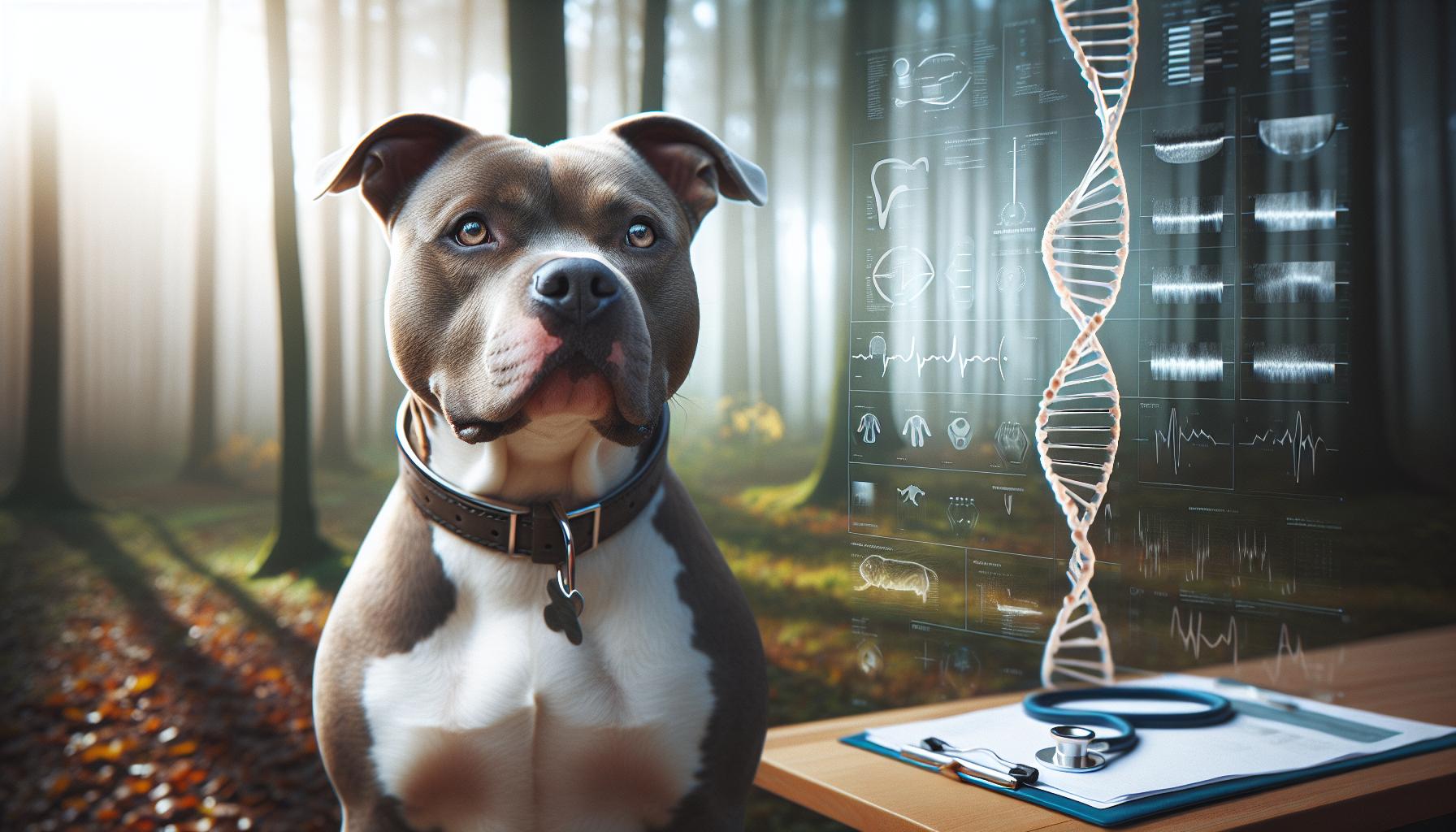
The Role of Genetics in Pitbulls’ Behavior
Understanding the genetic influences on Pitbull behavior is critical, particularly in light of the often sensationalized media portrayals that label the breed as inherently dangerous. Genetics do play a role in shaping a dog’s temperament, but it is crucial to recognize that they are just one piece of the puzzle. Research indicates that while certain tendencies may be more prevalent in specific breeds, the environment in which a dog is raised significantly impacts its behavior. Individual temperament can vary widely; a well-adjusted Pitbull can be loving and gentle, whereas one that has experienced neglect or harsh training may develop behavioral issues.
Genetic markers associated with aggression and impulsivity have been studied, revealing that certain breeds, including Pitbulls, might show predispositions towards specific behaviors. For instance, studies have found that male dogs are generally more prone to engaging in aggressive behavior towards familiar dogs compared to females [3]. This does not mean that every male Pitbull will be aggressive, but it highlights the importance of understanding these potential risks when considering breed traits.
To foster a balanced perspective, it’s essential to focus on the nurture aspect of the nature vs. nurture debate. Positive reinforcement training, effective socialization from a young age, and a loving environment are crucial. By providing consistent training and social interactions with various people and pets, you can mitigate any genetic predispositions towards aggression. Engaging in activities like obedience training and agility courses not only keeps your Pitbull physically active but helps in developing a solid bond built on trust and mutual respect.
Ultimately, while genetics can inform potential behaviors, they do not predetermine outcomes. As a Pitbull owner, your role is pivotal in shaping your dog’s character through responsible ownership and training practices. By creating a safe and positive environment, you can ensure that your Pitbull grows into a well-adjusted companion, capable of reflecting the breed’s loyal and affectionate traits.
Common Misconceptions About Pitbulls
Many people hold deep-seated misconceptions about Pitbulls, often viewing them as aggressive and inherently dangerous animals. However, these beliefs are rooted more in societal stereotypes than in facts. It’s vital to understand that any dog, regardless of breed, can display aggressive behavior if not properly trained and socialized. The emphasis on a breed’s reputation can overshadow the reality that individual temperament is shaped significantly by upbringing, training, and the relationship with their owners.
One of the most prevalent misconceptions is that Pitbulls have a strong propensity to attack humans. In reality, numerous studies have indicated that the majority of dog bites involve other breeds, and the public often overlooks these instances. The American Temperament Test Society (ATTS) reports that Pitbulls pass temperament tests at a higher rate than many popular breeds. This statistic underscores the notion that these dogs, like any other breed, can be gentle, loyal companions when raised in a loving and structured environment.
Misunderstanding Aggression
Another common misunderstanding is that all Pitbulls have the same aggressive characteristics. In fact, the term “Pitbull” covers several breeds, including the American Pit Bull Terrier, American Staffordshire Terrier, and Staffordshire Bull Terrier. Each breed can possess different temperamental traits, much like how individuals within a given breed can vary widely. Proper training, socialization from an early age, and responsible ownership greatly influence the behavior of any dog.
Ownership Responsibility
For potential owners, it’s essential to recognize that with ownership comes the responsibility to train and socialize your Pitbull properly. Engaging in positive reinforcement training not only fosters good behavior but also builds a strong, trusting bond between you and your dog. By dispelling these misconceptions and focusing on education, you can become an advocate for the breed, promoting a better understanding and appreciation for these often misunderstood animals.
The narrative surrounding Pitbulls doesn’t have to be one of fear; instead, it can be one of respect, joy, and companionship if we choose to see them for who they truly are-loving dogs capable of great loyalty and affection when cared for properly.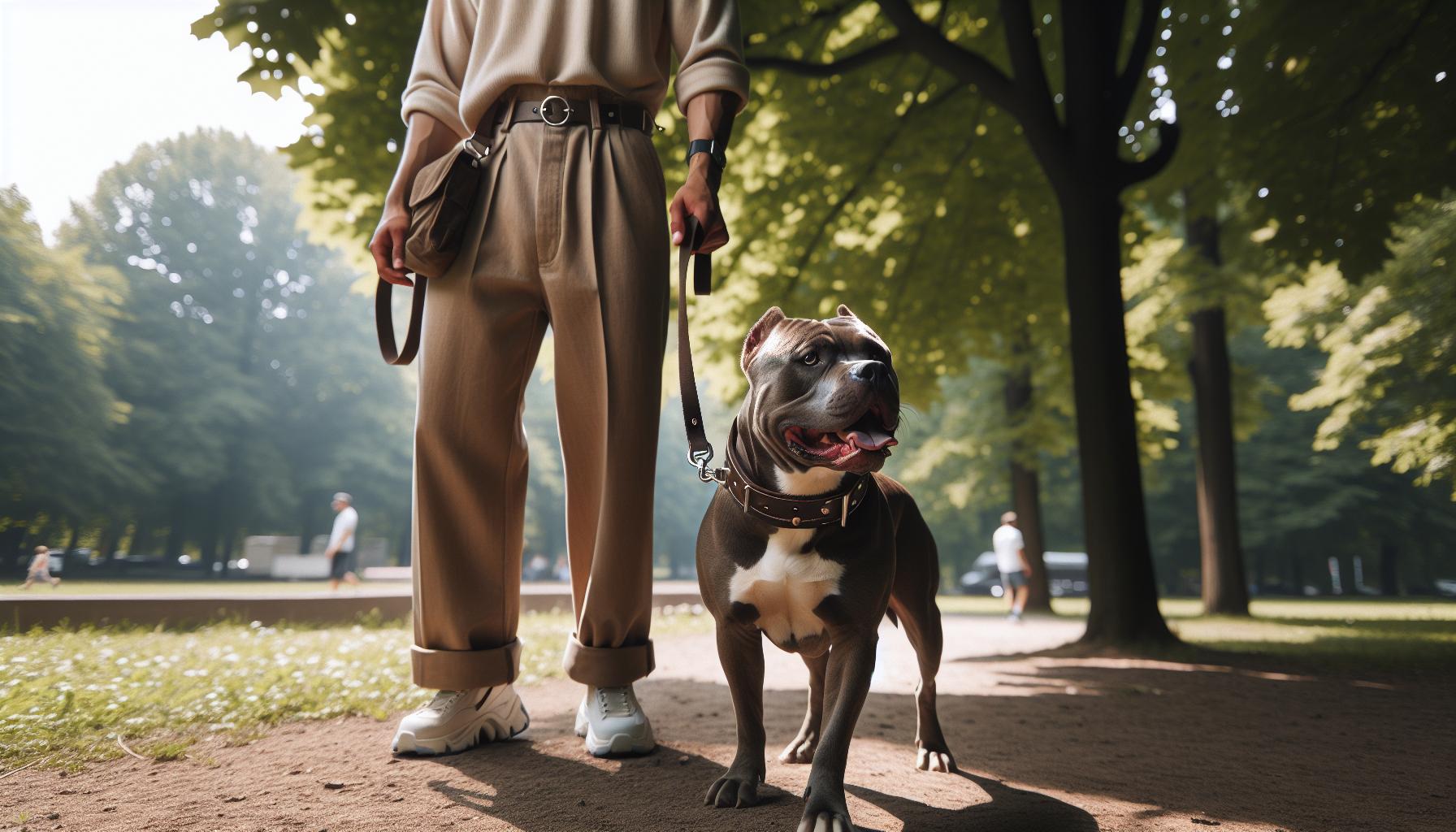
Statistics on Pitbull Attacks: What You Should Know
Understanding the statistics surrounding dog attacks, especially involving Pitbulls, can be complex and often misunderstood. While Pitbulls are frequently cited in discussions of dog bite incidents, it’s important to contextualize these statistics within the broader landscape of dog ownership and behavior. Between 2005 and 2019, research shows that Pitbulls accounted for approximately 64% of all fatal dog attacks, indicating a significant representation among severe incidents[3]. However, this number alone does not tell the full story.
The reality is that many factors contribute to dog behavior, and attributing aggressive tendencies solely to the breed ignores crucial elements such as upbringing, owner responsibility, and training. The Center for Disease Control (CDC) suggests that when considering fatal attacks, it’s essential to focus on the context surrounding the dog’s environment and the owner’s actions[1]. While statistics may point to a higher frequency of serious incidents with Pitbulls, ongoing debates emphasize the importance of responsible ownership and proper training over breed-specific stigmatization.
Moreover, it is vital to recognize that the majority of dog bites do not result in fatalities, and many breeds, not just Pitbulls, contribute to the total number of reported bites. In fact, studies indicate that Pitbulls often pass temperament tests at rates equal to or exceeding that of other commonly owned breeds, which challenges the narrative that they are inherently dangerous[1]. Educating yourself about these statistics, alongside understanding the factors that shape a dog’s behavior, can provide a more balanced perspective on why Pitbulls, like any breed, can become loving, safe pets when cared for properly.
As a potential Pitbull owner, focusing on responsible training and socialization practices is critical. By creating a nurturing environment, you can help ensure your dog embodies the qualities that make them loyal companions rather than statistics. Ultimately, a deep understanding of both the data and the nuances of dog behavior fosters a more informed approach to dog ownership, enabling you to appreciate these remarkable animals for the loving pets they have the potential to be.
Safe Practices for Owning a Pitbull
Owning a Pitbull can be an incredibly rewarding experience, full of loyalty and affection. However, it’s crucial to approach ownership equipped with the right knowledge and practices to ensure both your safety and that of your dog, as well as the community around you. Engaging in responsible ownership is not only about maintaining your dog’s well-being but also about fostering a positive perception of the breed.
Understand Your Dog’s Needs
First and foremost, it is vital to recognize that all dogs, including Pitbulls, require proper care, including regular exercise, mental stimulation, and socialization. A well-exercised dog is typically a happy and well-behaved one. Consider establishing a daily routine that includes long walks, play sessions, and opportunities to interact with other dogs and people. This not only helps mitigate any unwanted behaviors that may arise from boredom or excess energy but also reinforces your bond.
Additionally, investing in quality training from an early age is essential. Utilize positive reinforcement techniques to teach your Pitbull commands and good manners. This not only cultivates a sense of discipline but also encourages a loving and respectful relationship between you and your dog. For ongoing guidance, consider attending obedience classes that cater specifically to breed characteristics and behaviors.
Safety Measures at Home
Creating a secure environment at home is equally important. Here are some key safety practices:
- Secure Fencing: Ensure your yard is fenced with sturdy materials that your dog cannot dig under or jump over. Pitbulls are known for their strength, and having a secure area can prevent potential escapes.
- Supervision: Always supervise your Pitbull when interacting with unfamiliar dogs or people, especially children. This ongoing vigilance helps reinforce safe behavior.
- Safe Spaces: Designate areas of your home where your Pitbull can feel safe and retreat when overwhelmed. This might be a quiet room with their bed or crate.
Education and Awareness
Educating yourself and your community about Pitbull behavior can transform perceptions and reduce fear. Engage in conversations about responsible ownership and the importance of training and socialization. Sharing your positive experiences can help others see these dogs in a different light, countering negative stereotypes.
One critical element to remember is that interactions with any breed can lead to misunderstandings, which underlines the importance of recognizing and watching for signs of aggression. Pitbulls, like any other breed, can display behavioral signs that may indicate discomfort or fear-being educative about these signs can help alleviate concerns from your neighbors or visitors.
By embracing these safe practices and fostering a positive outlook on Pitbull ownership, you contribute to a healthy environment not only for your dog but also for those around you. With understanding and care, Pitbulls can thrive as wonderful companions, disproving the myths surrounding their breed and showcasing their loyalty and capability as loving pets.
Training Techniques for a Well-Behaved Pitbull
Training your Pitbull is one of the most rewarding parts of ownership, not just for your dog’s well-being but also for creating a safe environment in which both you and your canine companion can thrive. Implementing effective training techniques is crucial in shaping their behavior and fostering the strong bond that Pitbulls are known for. With their intelligence, eagerness to please, and robust physical capabilities, well-trained Pitbulls exemplify the positive traits of the breed.
One of the most effective techniques for training Pitbulls is the use of positive reinforcement. This method encourages desired behaviors by rewarding your dog with treats, praise, or playtime when they perform the right action. For example, if your Pitbull sits on command, immediately reward them with a treat and a cheerful “good boy/girl.” This positive feedback helps them associate the behavior with a gratifying experience. Consistency is key; ensure that all family members use the same commands and rewards to avoid confusion.
Creating a structured training schedule can also contribute to your Pitbull’s success. Regular short sessions-10 to 15 minutes-held multiple times a day can help reinforce learning without overwhelming your dog. Consider integrating basic commands like “sit,” “stay,” “come,” and “down” into daily routines. Not only do these commands enhance your dog’s obedience, but they also provide necessary mental stimulation, which is vital for active breeds like Pitties. Using clicker training can be particularly effective; the distinct sound of a clicker can signal to your dog that they’ve done something right, thus reinforcing the behavior more sharply.
Incorporating socialization into your training ensures that your Pitbull develops well-rounded behavior. Exposing your dog to various environments, people, and other animals from a young age can decrease anxiety and prevent aggressive tendencies. Aim for experiences that are positive, gradually increasing the level of difficulty as your dog becomes more comfortable. Group classes or organized playdates with other dogs can provide controlled environments for socialization while simultaneously reinforcing the commands you’ve taught.
Lastly, be patient and maintain a calm demeanor throughout the training process. Every dog learns at their own pace, and understanding this will be beneficial for both you and your Pitbull. If you encounter challenges or setbacks, consider seeking advice from professional trainers who specialize in behavior modification, especially if issues arise. Always remember that the goal of training is to ensure your dog feels safe, secure, and confident in their environment, which in turn fosters a loving and responsible ownership experience.
Socialization Tips for Pitbulls and Other Dogs
Socialization is a crucial aspect of ensuring that your Pitbull emerges as a well-adjusted and friendly companion. Given the breed’s reputation, it’s essential to facilitate positive interactions from an early age. Socializing your Pitbull not only helps them build confidence but also prevents potential behavioral issues. By introducing your dog to various environments, people, and other pets, you pave the way for a harmonious coexistence, both in and outside the home.
To begin, consider enrolling your Pitbull in puppy classes or adult training sessions that emphasize socialization. These classes can provide a controlled environment for your dog to interact with others, easing their anxiety around unfamiliar faces and situations. When attending, use positive reinforcement-praise and treats-to reward your dog for calm behavior around new people and dogs. It’s also beneficial to arrange playdates with well-mannered dogs. Always supervise these interactions to ensure they remain positive and productive. If your Pitbull shows signs of discomfort, such as cowering or excessive barking, gently remove them from the situation to avoid reinforcing fearful behavior.
When introducing your Pitbull to other dogs, particularly adults, try parallel walking. This technique involves walking your Pitbull close to another dog without direct interaction. It allows both dogs to become accustomed to each other’s presence in a low-stress setting. Gradually increase their exposure to closer encounters, always ensuring the experience is enjoyable for both dogs involved. It’s important to select dogs that are known to be friendly and have good social skills to foster positive experiences [2][3].
Another aspect of socialization is exposing your Pitbull to various environments. Take your dog on car rides, trips to the park, or visits to pet-friendly stores. This broader exposure helps your Pitbull adapt to different sights, sounds, and smells, reducing anxiety in new situations. Remember, the goal is to make these experiences positive; if your dog appears anxious, take a step back and provide a safe space for them.
By dedicating time to intentional socialization, you’re not just enhancing your Pitbull’s behavior; you’re also enriching your own life as a responsible owner. A well-socialized Pitbull can be a joyful companion in both everyday life and social settings, further demonstrating the breed’s affectionate and loyal nature. Ultimately, the commitment you put into their social development will ensure your Pitbull thrives within their environment, building a profound bond of trust and companionship with you and those around them.
Health Issues Affecting Pitbulls: Safety Considerations
When considering bringing a Pitbull into your home, it’s essential to be aware of the health issues that commonly affect this strong and loyal breed. Understanding these conditions not only helps you in providing better care but also contributes to creating a safe environment for both your Pitbull and those around them. Pitbulls are prone to several health challenges that can impact their behavior and overall well-being.
One significant concern among Pitbulls is joint problems, particularly hip and elbow dysplasia. These hereditary conditions occur when the joints do not fit together correctly, leading to pain and mobility issues. Symptoms can range from reduced activity to noticeable limping. Regular veterinary check-ups and maintaining a healthy weight can mitigate the severity of these joint issues. Additionally, providing your dog with appropriate exercise tailored to their ability is crucial for keeping their joints healthy.
Allergies are another common issue that can manifest in various ways, including skin infections and gastrointestinal problems. Many Pitbulls have sensitivities to specific proteins, particularly chicken or beef, which could lead to chronic itching, redness, and inflammation. Identifying and eliminating these allergens from their diet can greatly improve their comfort and health.
Lastly, it’s vital to consider the breed’s tendency towards certain skin conditions, such as hotspots and dermatitis, which can be exacerbated by environmental factors like pollen or fleas. Regular grooming and baths using hypoallergenic shampoos can help alleviate skin irritation and promote a healthy coat.
By being informed about these health considerations, you empower yourself as an owner to make decisions that prioritize your Pitbull’s health, ultimately fostering a safe and joyful companionship. Knowing the signs of potential illnesses allows you to act quickly, ensuring your Pitbull remains the vibrant, loving member of your family that they are meant to be.
The Importance of Responsible Pitbull Ownership
Responsible ownership of Pitbulls is crucial not just for the safety and well-being of the dog, but also for the broader community. This breed, known for its loyalty, strength, and intelligence, can sometimes be mischaracterized due to the actions of irresponsible owners. To ensure a harmonious relationship between you, your Pitbull, and the people around you, emphasizing responsible ownership is essential.
One of the key aspects of responsible Pitbull ownership is proper training and socialization. These dogs thrive on structure and direction, which not only helps them become well-behaved companions but also enhances their social skills with both humans and other animals. A well-trained Pitbull is less likely to exhibit fearful or aggressive behaviors, circumstances that often lead to misunderstandings and negative encounters. Engaging your Pitbull in training classes can also provide a space for them to interact safely with other dogs, while reinforcing their bond with you as their owner.
Additionally, understanding the breed’s health needs is integral to responsible ownership. Regular veterinary check-ups and a balanced diet tailored to your dog’s specific needs can prevent many health issues that might affect behavior. Being aware of potential health problems, such as joint issues or skin allergies, allows you to provide proactive care, ensuring your Pitbull lives a healthy and active life.
Moreover, a commitment to community responsibility is paramount. This includes ensuring your dog is leashed in public places, properly socialized, and not subjected to harmful training practices. Advocacy for the breed also involves educating others about Pitbulls and challenging misconceptions, which can help dismantle stigmas that unfairly paint this breed in a negative light. When you embrace responsible ownership, you contribute to a culture of respect and care for Pitbulls, ensuring they are seen for their true nature: loving, loyal, and deserving of a safe and happy life.
By prioritizing responsible practices, you not only enhance your own experience with your Pitbull but also help pave the way for a more positive perception of the breed within society. Engage with your community, share your knowledge, and celebrate the wonderful traits of Pitbulls. Together, we can foster an environment where these dogs are appreciated for their strengths rather than judged for their circumstances.
How to Assess a Pitbull’s Temperament
Assessing a Pitbull’s temperament involves understanding both the breed’s inherent traits and individual personality nuances. While Pitbulls are often misrepresented, their behavior can reflect the quality of training and the environment they are raised in. These dogs are typically known for their loyalty, intelligence, and eagerness to please, making them rewarding companions when well cared for. However, certain factors can influence a Pitbull’s demeanor, including genetics, socialization experiences, and past interactions with humans and other animals.
To evaluate a Pitbull’s temperament accurately, consider starting with their history and background. Dogs adopted from shelters may show a wider range of temperamental traits, often due to previous neglect or abuse. On the other hand, Pitbulls raised in nurturing environments are more likely to exhibit friendly and confident behaviors. Engaging in a temperament test can also be helpful-such tests often measure traits like aggressiveness, fear, and sociability through various interactions, such as meeting new people or encountering other dogs.
| Behavioral Trait | Signs to Look For | Training Suggestions |
|---|---|---|
| Confidence | Calm demeanor, willingness to explore | Socialization classes to reinforce positive experiences |
| Fearfulness | Cowering, excessive barking, avoidance | Desensitization techniques, gentle introductions to new experiences |
| Friendliness | Quick to engage with people and other dogs | Positive reinforcement training to encourage interaction |
| Aggression | Persistent growling, lunging | Professional guidance and behavioral modification programs |
Monitoring their body language is equally essential in assessing temperament. Signs of a relaxed dog include a wagging tail held at mid-height, a loose body posture, and an open mouth. Conversely, caution is warranted if the dog exhibits tense muscles, a stiff posture, or raised hackles. Observing these cues during playtime or socialization will provide insights into how the Pitbull interacts with both humans and other pets.
Ultimately, creating a safe, supportive environment where the dog can thrive will help ensure you and your Pitbull experience the best of what this breed has to offer. Regular training, socialization, and mental stimulation are vital elements that not only shape an individual dog’s temperament but also prevent misunderstandings that may arise from common breed stereotypes. Being proactive will set the foundation for a loving and well-adjusted companion.
Signs of Aggression to Watch For
Identifying signs of aggression in any breed is crucial for ensuring safe interactions, particularly with Pitbulls, whose strength and tenacity can evoke concern among some individuals. While it’s essential to understand that not all Pitbulls will exhibit aggressive behavior, being able to recognize potential warning signs will help you address and manage aggressive tendencies effectively.
One common sign of escalating aggression is growling. If a Pitbull emits a deep growl, this could indicate that the dog is feeling threatened, guarding its space, or expressing discomfort. Pay attention to the context; growling during play might simply be a vocalization of excitement, but growling during interactions with unfamiliar dogs or people should be taken seriously. Additionally, lunging is another strong indicator of aggression. If a Pitbull lunges towards another pet or person with a stiff body posture, this behavior suggests an intention to confront, which can lead to dangerous situations if not managed quickly.
Other Important Warning Signs
Look out for physical cues that may signal aggression, including:
- Stiff Body Posture: A dog that appears rigid with its tail held high and ears perked may be preparing to assert itself.
- Bared Teeth: Showing teeth in a threatening manner is a direct warning that the dog may feel provoked.
- Raised Hackles: When the fur on a dog’s back stands up, it can indicate fear or agitated excitement, often a precursor to aggression.
Managing Aggressive Behavior
If you notice these aggressive signs, it’s vital to exercise caution. Avoid putting yourself in a situation where the dog could feel forced to defend itself. Redirecting the dog’s attention through commands or enticing toys can often de-escalate the tension. Consistent training and socialization from an early age are key to preventing aggression. Dogs thrive on structure and routine, so establishing clear boundaries and expectations can significantly reduce their tendency to exhibit aggressive behaviors.
Recognizing these signs gives you, as a responsible owner, the power to foster a safe environment for everyone. Understanding and addressing aggression, rather than allowing misconceptions about the breed to dominate your approach, can turn a potentially volatile situation into an opportunity for learning and growth for both you and your Pitbull. Remember, early intervention through training and socialization ensures a balanced and well-adjusted companion, ready to engage positively with the world.
What to Do in a Pitbull Encounter: Safety Tips
In a tense encounter with a Pitbull, the priority is to remain calm and composed. Understanding how to react can significantly impact the outcome of the situation. First and foremost, avoid making direct eye contact with the dog, as this can be perceived as a challenge. Instead, keep your body relaxed and turn slightly to the side, presenting a less confrontational posture. If the dog approaches you, refrain from sudden movements or loud noises, as these can startle or provoke the animal.
Creating Distance
If a Pitbull approaches aggressively, your immediate goal should be to create distance safely. If possible, step back and move to the side to redirect the dog’s attention. If there is an object nearby, such as a car or fence, use it as a barrier to protect yourself. Climbing onto higher ground, like a bench or a vehicle, can also help you avoid close contact and give you a moment to assess the situation. Pitbulls are often not able to jump high or climb, which can work to your advantage if you encounter one on the loose.
Using Verbal Commands
Maintaining your composure can also mean using a calm yet assertive voice. If you know the dog, you might call it by name or use a command it recognizes, such as “stay” or “leave it.” This can help in defusing the situation, as dogs often respond well to familiar cues. However, if the dog shows signs of aggression, it’s crucial to back away slowly while avoiding sudden movements.
Seek Help
In situations where you feel threatened, don’t hesitate to call for help from others around you or contact animal control if necessary. If the dog does latch onto you, protecting your face, neck, and vital areas is crucial. Roll into a ball on the ground, covering your head and neck with your arms, and stay still until the situation de-escalates. Remember that the best strategy is always prevention-avoid risky encounters by staying away from areas where Pitbulls may be roaming unsupervised.
Ultimately, understanding how to approach an encounter with a Pitbull not only protects you but also creates a safer environment for these misunderstood dogs. With responsible ownership and awareness, most interactions with Pitbulls can be positive, allowing their loyal and loving nature to shine through.
Faq
Q: Are Pitbulls more likely to attack than other dog breeds?
A: No, studies show that Pitbulls are not statistically more likely to attack than many other breeds. The perception of danger often stems from media portrayal and misunderstandings about the breed. Responsible ownership and proper training are key factors influencing any dog’s behavior.
Q: What factors influence a Pitbull’s aggressiveness?
A: Various factors can influence a Pitbull’s aggressiveness, including genetics, environment, and past experiences. Proper socialization and positive training techniques from a young age are essential to foster a calm demeanor.
Q: How can a Pitbull’s behavior be improved?
A: A Pitbull’s behavior can be improved through consistent training, socialization with people and other pets, and regular exercise. Engaging them in positive reinforcement training can significantly enhance their temperament and reduce unwanted behaviors.
Q: What should I do if a Pitbull approaches me?
A: If a Pitbull approaches you, stay calm and avoid sudden movements. Do not make direct eye contact. If the dog seems friendly, you may ask the owner for permission to interact. Always remain aware of body language signals to assess the dog’s comfort level.
Q: Can proper training prevent aggression in Pitbulls?
A: Yes, proper training is crucial in preventing aggression in Pitbulls. Obedience training and socialization from a young age can instill good behavior and reduce fear or anxiety, which can lead to aggressive responses.
Q: What is the best way to socialize a Pitbull?
A: The best way to socialize a Pitbull is by exposing them gradually to various environments, people, and other animals. Controlled interactions and positive experiences will help them become well-adjusted members of society.
Q: Are Pitbulls safe to have around children?
A: Yes, Pitbulls can be safe around children, especially those they have been raised with. Supervision is crucial, and teaching both the dog and children appropriate behavior will enhance safety.
Q: What are the signs of a Pitbull feeling threatened?
A: Signs of a Pitbull feeling threatened include growling, baring teeth, raised fur, and a stiff posture. If you notice these signals, it’s best to give the dog space and avoid further provoking them.
Feel free to browse our article on Pitbull behavior and training tips for deeper insights into responsible ownership and safety considerations.
The Conclusion
As we wrap up our exploration of whether a Pitbull can be dangerous, remember that responsible ownership and proper training are key to ensuring a safe and loving relationship with these remarkable dogs. Your role in understanding their needs, genetics, and behavior is crucial. If you’re looking for more insights, check out our articles on breed training techniques and the importance of socialization, which can empower you as a pet owner.
If you have lingering questions or concerns about Pitbull safety, we encourage you to leave a comment below-we’d love to hear your thoughts! Don’t forget to subscribe to our newsletter for more engaging content about breed care, health, and safety tips that will keep you informed. Together, we can celebrate the joys of Pitbull ownership while promoting a safe environment for everyone.
Get our latest guides, news, and insights highlighted in your Google Search & AI Overviews.