Have you ever encountered a breed that perfectly blends strength, loyalty, and charm? The Bully Mixed with Pitbull is one such captivating designer breed that embodies these traits. These dogs are not just adorable; they carry a unique history and personality that can enrich the lives of their owners. Understanding this hybrid can help you appreciate their distinctive characteristics, from their affectionate nature to their intelligent, trainable demeanor. As more people seek to adopt these incredible animals, it’s essential to explore their genetics, health, and training needs. If you’re considering bringing a Bully Pitbull mix into your home or simply want to learn more, you’re in for an enlightening journey. Let’s dive into the world of this remarkable breed and discover why they are becoming increasingly beloved and sought after.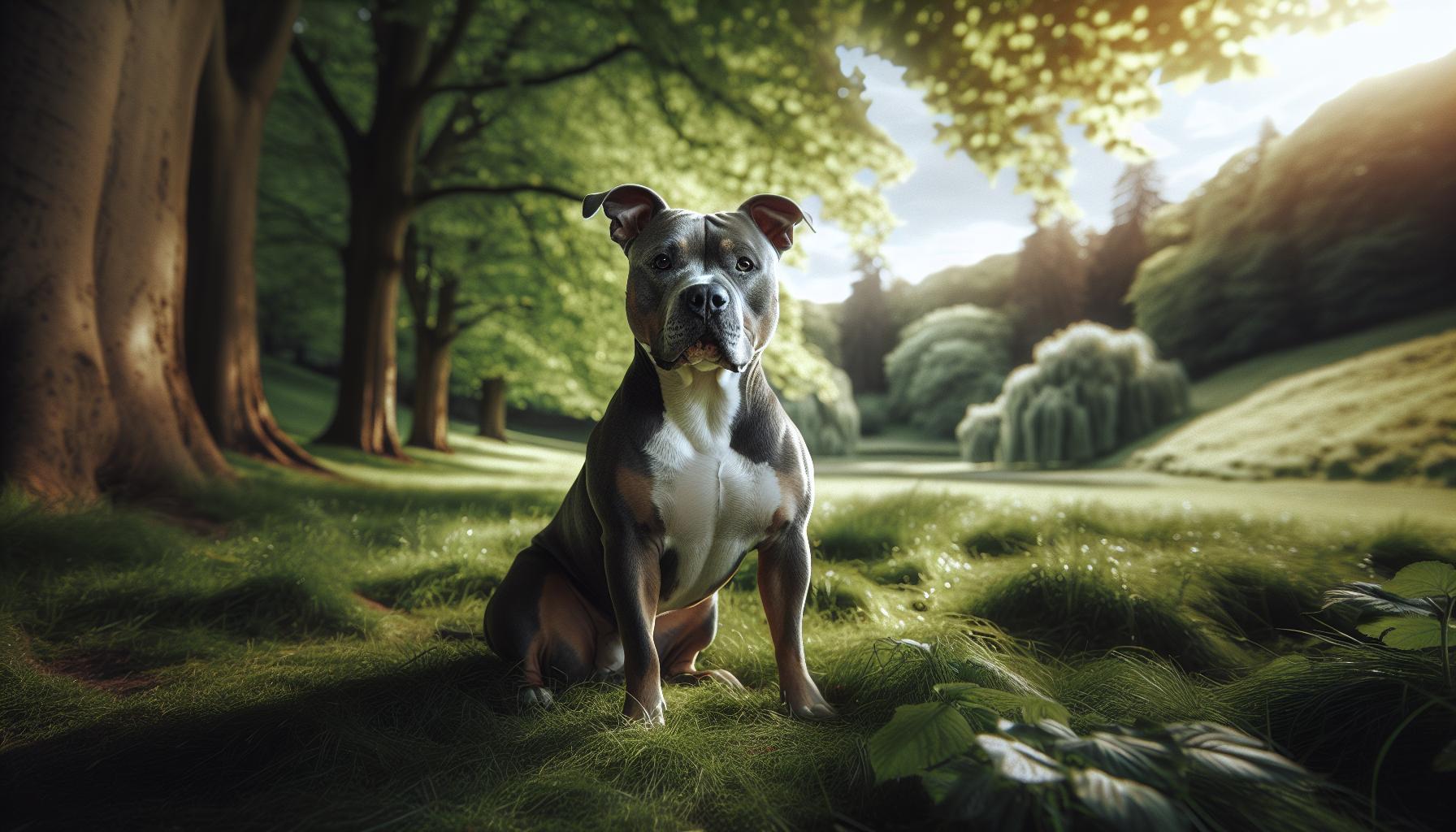
Bully Pitbull: Understanding the Designer Breed
When you think of the Bully Pitbull, imagine a dog brimming with personality, strength, and charm. This designer breed often blends the muscular physique of the American Bully with the spirited temperament of the Pitbull, resulting in a canine companion that is not only visually striking but also immensely loyal. Bully Pitbulls are emerging as favored choices for families and dog enthusiasts alike, thanks to their adaptability and affectionate nature.
One of the standout traits of the Bully Pitbull is their size and stature. Typically, these dogs have a robust build, with a broad head, thick neck, and strong limbs. This breed can vary significantly in size depending on their lineage, making it essential for potential owners to understand the specifics of their mix. Their coat can range from short to slightly longer hair, often displaying a variety of colors and patterns, which contributes to their unique appeal.
Bully Pitbulls are known for being confident and social, displaying a friendly demeanor towards humans and other pets when properly socialized from a young age. They tend to be very loyal and protective of their families, showcasing a keen intelligence that makes training and bonding an enjoyable experience. However, because of their strength and enthusiasm, early training and socialization are critical. Proper guidance ensures that they grow into well-rounded adults who can thrive in various environments, whether it be a bustling home or a relaxed apartment.
The popularity of Bully Pitbulls in various media also plays a role in their appeal. With appearances in movies, social media, and even sports, these dogs are gaining recognition beyond their breed standards, symbolizing resilience and love. As you explore the traits and characteristics of Bully Pitbulls, consider them not just a pet but a companion that will enrich your life with energy and affection.
Key Traits of the Bully Pitbull Mix
Bully Pitbulls are a captivating mix that combines the best traits of both the American Bully and the Pitbull, resulting in a dog that is not only physically impressive but also rich in character. One of the first things you’ll notice about these designer dogs is their striking appearance, characterized by a muscular build, broad head, and strong neck. Typically, they possess a stocky yet agile frame, showcasing impressive strength that suits their energetic nature. Depending on their lineage, these dogs can vary in size, often weighing between 30 to 70 pounds, and standing 17 to 21 inches tall at the shoulder.
In terms of temperament, Bully Pitbulls are celebrated for their friendly and sociable nature. When socialized early, they tend to be affectionate with both humans and other animals, making them excellent companions for families. These dogs possess a loyal disposition and a protective instinct, often forming strong bonds with family members. Their intelligence is another standout trait, allowing them to learn commands and tricks quickly. This makes training not only possible but also enjoyable, as they thrive on positive reinforcement and the companionship of their owners.
Another defining feature of the Bully Pitbull is their diverse coat. Their fur can range from short and smooth to slightly longer, with a variety of colors and patterns that appeal to many dog lovers. This variability not only enhances their uniqueness but also allows prospective owners to choose a companion that fits their aesthetic preference. Taking good care of their coat does not require excessive grooming-regular brushing is usually sufficient to keep it healthy while minimizing shedding.
Bully Pitbulls also have a noteworthy energy level. These dogs require regular exercise and mental stimulation to stay happy and healthy. Activities like long walks, playtime in the yard, and engaging in dog sports can provide the necessary outlets for their abundant energy. Ensuring that your Bully Pitbull stays active will help maintain their health and happiness, while also reinforcing their strong bond with you. Ultimately, Bully Pitbulls are not just pets-they are dynamic, loving companions that bring joy and vigor into the lives of those they meet.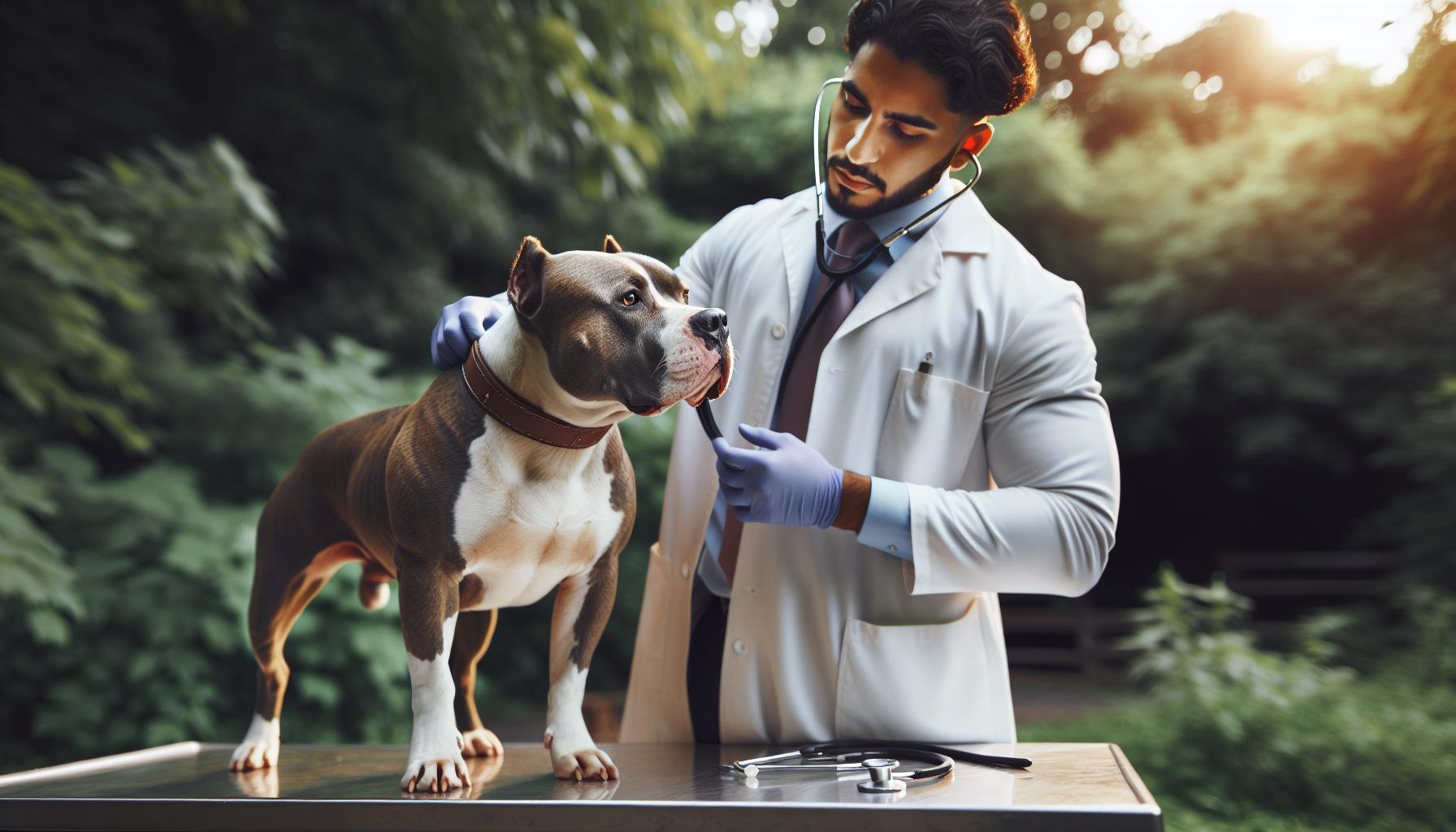
Health Considerations for Bully Pitbulls
Bully Pitbulls, like all breeds, come with a unique set of health considerations that potential owners should be aware of to ensure a long, happy life for their furry friends. Understanding these health aspects can help you prepare for responsible ownership and make well-informed decisions about your pet’s care. Regular veterinary check-ups are crucial, as they allow for early detection and management of potential health issues.
One of the primary concerns for Bully Pitbulls is their predisposition to certain conditions, common in many muscular breeds. Hip dysplasia is a notable risk, which can lead to discomfort and mobility issues as they age. Maintaining a healthy weight is vital since obesity can exacerbate joint problems. Regular exercise and a balanced diet can mitigate these risks significantly. Additionally, you should keep an eye out for signs of skin issues, which can arise due to their short coat and environment. Regular grooming and hygiene practices can help prevent dermatitis and other skin-related problems.
Another health consideration is their respiratory system. Due to their muscular build, some Bully Pitbulls may face challenges with breathing, particularly in hot and humid weather. Always ensure they have access to fresh water and shaded areas during outdoor activities, and be cautious of over-exertion. Moreover, getting your Bully Pitbull vaccinated and up-to-date on preventatives for heartworms and flea/tick can safeguard them from common but preventable health threats.
Finally, be attentive to their mental health; Bully Pitbulls thrive on social interaction and mental stimulation. This breed can develop anxiety if left alone for extended periods, leading to destructive behaviors. Incorporating regular training sessions, playtime, and social opportunities into your routine will not only enhance their mental wellbeing but also strengthen your bond with them. Investing in their health will reward you with a loyal and loving companion who brings joy and energy to your life.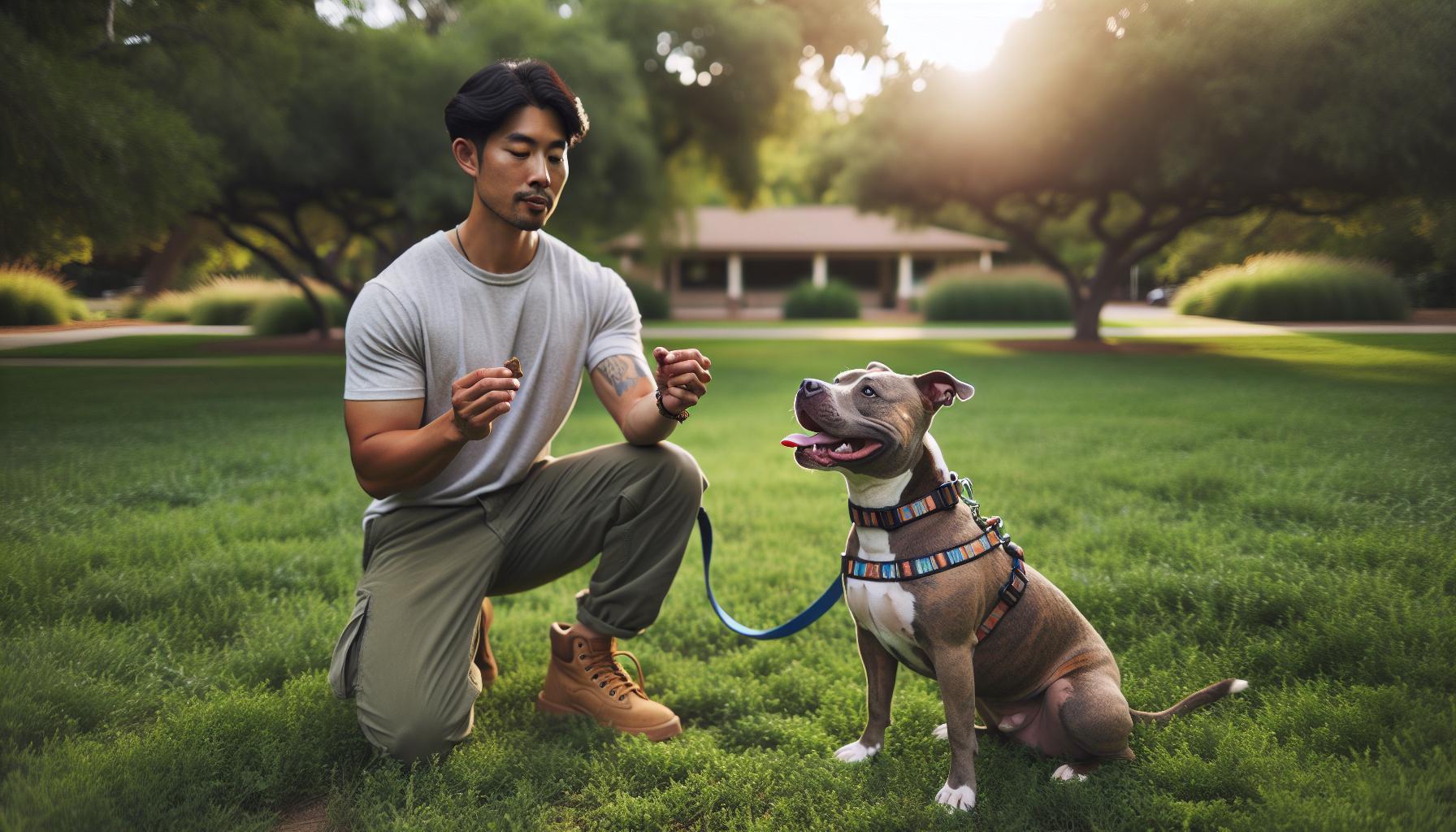
Training Tips for Your Bully Pitbull
Training your Bully Pitbull can be an incredibly rewarding experience, as these dogs are known for their intelligence and eagerness to please. A well-trained Bully Pitbull not only develops a strong bond with you but also becomes a well-behaved member of your household. Here are some effective tips to guide you through the training process and ensure success.
Start with positive reinforcement, which is essential for Bully Pitbulls. Use treats, praise, and affection to reward them for good behavior. This method fosters a trusting relationship and encourages your dog to repeat the desired behaviors. Keep training sessions short and engaging, ideally around 5-10 minutes, to match their attention span.
Establish Boundaries and Commands
Establishing clear boundaries is crucial for any dog, and Bully Pitbulls benefit greatly from having structured training that includes basic commands. Teach essential commands like “sit,” “stay,” “come,” and “leave it.” Consistency is key: use the same commands and hand signals throughout your training. Gradually increase the complexity of tasks as your dog learns the basics, ensuring they are challenged but not overwhelmed.
Socialization is Key
Bully Pitbulls are social dogs that thrive on interaction. Early socialization exposes them to a variety of environments, people, and other animals, which can prevent behavioral issues down the line. Take your Bully Pitbull to different settings, like parks or pet-friendly stores, and encourage positive interactions with various stimuli. This exposure helps them become well-rounded adults and reduces fears or anxieties in new situations.
Consistency and Patience
Patience is vital when training your Bully Pitbull. Understand that they may not grasp a command immediately, and some may take longer than others to learn specific behaviors. If they struggle with a command, revert to simpler tasks they can successfully perform, reinforcing their confidence. Regular practice will lead to gradual improvement, and the bond you build through training will be incredibly fulfilling.
In conclusion, training your Bully Pitbull requires commitment and love. Using positive reinforcement, establishing clear commands, facilitating socialization, and maintaining patience will lead you to success. A well-trained Bully Pitbull is not only a delight to have around but also a source of pride as they become integrated into your life as a loyal and loving companion.
The Popularity of Bully Pitbulls in Pop Culture
Bully Pitbulls have carved a distinctive niche in pop culture, often celebrated for their striking appearance and loyal nature. These dogs frequently capture the attention of filmmakers, musicians, and celebrities, which enhances their visibility and desirability as pets. From heartwarming commercials to show-stopping appearances in movies, the Bully Pitbull’s attributes resonate with audiences, painting them as not only companions but also as icons of resilience and strength.
Music videos and social media platforms often feature Bully Pitbulls, further embedding them in contemporary culture. Artists, particularly in the rap and hip-hop communities, frequently showcase these dogs, symbolizing power and loyalty. Their stout physique and affectionate demeanor challenge outdated stereotypes and highlight their role as beloved family pets. This representation helps demystify misconceptions surrounding the breed, encouraging fans to view them as symbols of love and companionship rather than aggression.
Moreover, reality television has also spotlighted Bully Pitbulls, with various shows focusing on dog training and rehabilitation, showcasing their intelligence and trainability. These segments serve to educate the public on responsible ownership and the positive attributes of Bully Pitbulls, inspiring many prospective owners to consider adopting them. The rise of influencer culture has also contributed significantly, as pet owners share their experiences with Bully Pitbulls, creating a supportive community that values these dogs for their endearing qualities.
serves not only as entertainment but also as a powerful tool for advocacy. With more positive representation across various media, there’s an increasing push for understanding and acceptance, which is crucial for responsible ownership and breed appreciation. Ultimately, the enduring popularity of Bully Pitbulls reflects a broader shift towards recognizing the depth of character and loyalty these dogs possess, transforming them into cherished members of many households.
Comparing Bully Pitbulls to Other Designer Breeds
The Bully Pitbull, a popular designer breed, draws attention not only for its striking looks but also for its heartwarming personality. As you explore how this breed stacks up against other designer dogs, it’s crucial to highlight their unique characteristics, temperament, and care requirements.
When comparing the Bully Pitbull to other designer breeds like the Goldendoodle or the French Bulldog, several key traits come into play. The Bully Pitbull tends to be muscular and stocky, which gives it a distinctive appearance. In terms of temperament, these dogs are often described as loyal, affectionate, and intelligent, making them excellent companions for families and individuals alike. Here’s a quick comparison of some notable characteristics:
| Breed | Size | Temperament | Grooming Needs | Activity Level |
|---|---|---|---|---|
| Bully Pitbull | Medium | Loyal, affectionate, intelligent | Low | Moderate to high |
| Goldendoodle | Medium to large | Friendly, intelligent, energetic | Moderate to high | High |
| French Bulldog | Small to medium | Affectionate, playful, adaptable | Low | Low to moderate |
Another important aspect to consider is the health profile. While Bully Pitbulls can be prone to certain genetic issues, like hip dysplasia, they typically benefit from good nutrition and regular exercise, much like other designer breeds. This breed’s robust physique allows for a good range of activities, but proper training and socialization are essential to ensure they develop into well-rounded pets.
You may also find that the socialization needs of a Bully Pitbull can differ from those of other breeds. While socializing with humans and pets is crucial for all dogs, Bully Pitbulls thrive in environments that encourage their loving nature and protect against negative stereotypes. This nurturing helps foster a positive image of the breed-a theme resonate within pop culture where lovable portrayals challenge the stigma surrounding Pitbulls.
Ultimately, when considering the Bully Pitbull against other designer breeds, you’ll find that its blend of loyalty, strength, and affectionate demeanor sets it apart as a standout companion, encouraging responsible ownership and a deeper appreciation for all pets.
Socialization Needs of Bully Pitbulls
Building a well-rounded and social Bully Pitbull is achievable with the right approach to socialization. These dogs have an innate desire to connect with people and other animals, making early socialization a critical part of their development. Engaging in positive experiences from a young age will help your Bully Pitbull have a confident disposition and reduce any fear or anxiety they might face in new situations.
To foster effective socialization, introduce your Bully Pitbull to a variety of environments, sounds, and experiences. This can include trips to the dog park, visits to pet-friendly stores, and encounters with different people and animals. Aim for controlled introductions; for instance, when meeting other dogs, ensure they are calm and friendly. The goal is to create lasting positive associations with different aspects of their world. Strong early exposure helps counteract the negative perceptions often associated with Pitbulls, allowing your dog to thrive in social circles.
While the need for socialization is universal across dog breeds, the approach for your Bully Pitbull should embrace their unique characteristics. Consistency is key. Schedule regular playdates or group training classes where your dog can interact positively with other pets without overwhelming them. Keep sessions short to avoid stress, gradually increasing exposure as your dog becomes more comfortable. When crowded environments might induce anxiety, provide a safe space where your dog can retreat, reinforcing the understanding that new experiences can be positive.
Lastly, consider the importance of reinforcing good behavior. Positive reinforcement techniques, like treats and praise, can encourage your Bully Pitbull to exhibit calm, friendly interactions. By celebrating their successes in socialization, you develop a reliable foundation for their future social interactions, empowering them to flourish as a beloved family member and community companion. A well-socialized Bully Pitbull not only enhances your life but also contributes to the breed’s growing reputation as loving and loyal dogs.
Grooming and Maintenance for Your Pitbull Mix
Caring for a Bully Pitbull mix involves more than just feeding and exercising; it requires regular grooming tailored to this designer breed’s unique coat and health needs. Bully Pitbulls often possess short, smooth coats, which are relatively low-maintenance when compared to long-haired breeds. However, understanding the specific grooming practices can enhance both your dog’s appearance and overall well-being.
Coat Care
One of the first steps in grooming your Bully Pitbull is to focus on their coat. Regular brushing, ideally once a week, helps remove loose hair and minimizes shedding around your home. Use a soft-bristle brush or rubber grooming mitt to make this task enjoyable for your pet. Not only does brushing keep their coat looking polished, but it also promotes healthy skin by increasing circulation.
Additionally, you should include regular bathing in your grooming routine. Generally, bathing every 1-3 months is sufficient unless your dog gets particularly dirty or has a skin condition. Use a gentle, dog-specific shampoo that hydrates their skin and keeps their coat shiny. Always ensure that you rinse thoroughly, as any leftover shampoo can lead to skin irritation.
Nail Trimming and Ear Cleaning
Another essential component of grooming is maintaining their nails and ears. Regular nail trimming-about once a month-is crucial to prevent overgrowth, which can cause discomfort and mobility issues. If you can hear their nails clicking on the floor, it’s time for a trim. If you’re uncertain about how to trim nails, ask your vet or a professional groomer for guidance.
Ear cleaning is also vital, particularly in breeds susceptible to ear infections. Check their ears weekly for dirt, wax buildup, or any signs of infection. Use a vet-recommended ear cleaner and a cotton ball to gently wipe the inner part of their ears. Avoid using Q-tips, as these can push debris deeper into the ear canal.
Dental Hygiene
Don’t overlook dental care, as proper oral hygiene contributes significantly to your Bully Pitbull’s overall health. Aim to brush your dog’s teeth 2-3 times a week to prevent tartar buildup and gum disease. Use toothpaste formulated specifically for dogs and introduce the brushing process gradually with positive reinforcement.
Frequency and Routine
Developing a grooming routine is essential not only for the upkeep of your Bully Pitbull’s physical appearance but also for strengthening the bond between you and your pet. Regular grooming sessions can provide a calming environment for your dog and allow you to check for any unusual lumps or skin issues early on. This proactive approach can be particularly important for breeds that may have hereditary conditions.
Overall, with the right grooming techniques, you help your Bully Pitbull mix look and feel their best. Regular grooming not only keeps your pet healthy but also reinforces their status as a beloved family member, ensuring they’re comfortable and happy in their skin.
Nutrition and Diet for Bully Pitbulls
Bully Pitbulls thrive on a nutritious diet that fuels their active lifestyles and supports their robust builds. A well-balanced diet is crucial for maintaining their energy levels, promoting healthy growth, and preventing common health issues. These dogs often have a higher metabolic rate due to their muscular physique, which means they require an appropriate amount of calories and nutrients tailored to their age, size, and activity level.
When choosing food for your Bully Pitbull, it’s essential to look for high-quality dog food that lists animal protein as its primary ingredient. Foods rich in protein support muscle development and overall health. Look for ingredients such as chicken, beef, or fish in the first few spots on the label. Additionally, incorporating healthy fats from sources like fish oil can help promote a shiny coat and healthy skin. Here are some key components to consider for your Bully Pitbull’s diet:
- Protein: Aim for a diet that includes 22-30% protein to help maintain their muscle mass.
- Healthy Fats: Include sources of omega-3 and omega-6 fatty acids to support skin and coat health.
- Fruits and Vegetables: These provide essential vitamins and minerals. Options like sweet potatoes, carrots, and blueberries can be beneficial.
- Hydration: Always provide fresh water; Bully Pitbulls can be prone to dehydration, especially with their active lifestyles.
Feeding Guidelines
Determining the right amount of food for your Bully Pitbull is crucial to prevent obesity, which is a common issue in this breed. Generally, adult Bully Pitbulls may require 1.5 to 3 cups of high-quality dry kibble per day, split into two meals. Adjustments should be made based on their individual needs and lifestyle. Puppies, on the other hand, require more frequent meals, ideally three to four times a day, to support their rapid growth.
It’s important to monitor your dog’s weight and body condition regularly. If you notice any significant weight gain, consider reducing portion sizes and increasing exercise. Also, you can consult your veterinarian for personalized dietary recommendations.
Common Dietary Issues
Many Bully Pitbulls are susceptible to food allergies or sensitivities, which can manifest as skin irritations or digestive issues. If you suspect allergies, consult your vet for advice on hypoallergenic diets or limited ingredient food options. Additionally, be cautious about treats; while it’s fine to offer treats, they should not exceed 10% of your dog’s daily caloric intake.
In summary, providing a balanced diet tailored to their specific needs will help your Bully Pitbull lead a healthy, happy life. Combining high-quality commercial food with homemade meals or healthy snacks can create a varied and enjoyable diet for your pup!
Living with a Bully Pitbull: Lifestyle Considerations
Bully Pitbulls are more than just a hybrid breed; they embody a lifestyle full of energy, affection, and companionship. Living with a Bully Pitbull means immersing yourself in their vibrant attitude and need for active engagement. These dogs thrive in environments where they can play, exercise, and bond with their families. If you embrace the joys of having a Bully Pitbull, here’s what you need to consider!
Firstly, these dogs are known for their boundless energy and playful nature. Regular physical activity is essential not only for their physical health but also for their mental stimulation. Aim for at least an hour of exercise each day. This can include walks, runs, or fun games like fetch that utilize their strong prey drive and natural instincts. A tired Bully is a happy Bully, which translates into a calmer and more well-behaved pet at home.
Socialization is another critical factor. Early exposure to various environments, people, and other animals helps prevent behavioral issues down the line. Regular trips to dog parks, puppy classes, or engaging playdates can enhance their social skills and build confidence. Bully Pitbulls are often eager to please, which makes training and socialization an engaging process for both you and your dog.
Furthermore, it’s vital to create a safe and nurturing home environment. Bully Pitbulls can be strong and enthusiastic, so providing sturdy toys and a secure yard will keep them safe and entertained. Because they often form strong bonds with their families, these dogs thrive on love and attention; they are not meant to be left alone for extended periods. If your lifestyle necessitates long hours away from home, consider arranging for doggy daycare or a dog walker to break up their day.
In summary, living with a Bully Pitbull isn’t just about ownership; it’s about partnership. By focusing on their physical needs, social experiences, and emotional well-being, you’ll not only enjoy a well-rounded, loyal companion but also foster a deep and lasting bond with this incredible mixed breed. Embrace the challenges and celebrate the joys of having a Bully Pitbull-you will gain a faithful friend for life!
Common Misconceptions About Bully Pitbulls
Many people harbor misconceptions about Bully Pitbulls, often stemming from stereotypes about their lineage. Despite being a mix of sturdy breeds, Bully Pitbulls are often mistaken for inherently aggressive dogs. In reality, like any breed, a dog’s behavior is shaped by training, socialization, and the environment they are raised in. Properly trained and socialized Bully Pitbulls are typically affectionate, gentle, and eager to please their families. Understanding that aggression is not inherent but rather a potential product of neglect or mistreatment is crucial for potential owners.
Another common myth is that Bully Pitbulls require more exercise than other breeds-while they do thrive on physical activity, their needs are comparable to many larger breeds. A daily regimen of moderate exercise, like walks and playtime, is generally sufficient to keep them healthy and happy. Over-exercising can lead to fatigue and injury, so it’s important to tailor activities to your dog’s individual energy level and age.
In addition, Bully Pitbulls are often viewed as poor family pets due to their muscular build. This is misleading; they can make excellent family companions when introduced to children and other pets at an early age. Their playful nature and loyalty enhance family dynamics. Educating kids about how to interact gently and respectfully with dogs can foster a harmonious household environment.
Finally, potential owners should be aware of the misconception that all designer breeds are prone to health issues. While Bully Pitbulls, like all breeds, can experience specific health concerns, obtaining a dog from a responsible breeder can significantly mitigate these risks. Breeders who prioritize health testing and responsible breeding practices help ensure the longevity and vitality of the dogs they produce. By actively dispelling these myths, we can better promote understanding and appreciation for Bully Pitbulls as the loving, energetic, and devoted companions they truly are.
Finding a Responsible Breeder for Bully Pitbulls
Finding the perfect Bully Pitbull involves more than just choosing a cute puppy; it requires careful consideration and research to ensure you are working with a responsible breeder. These dogs are known for their affectionate nature and unique traits, but the foundation of a happy, healthy companion starts with ethical breeding practices. Responsible breeders prioritize health, temperament, and the overall well-being of their dogs.
When searching for a breeder, first look for someone who is transparent about their breeding program. A reputable breeder should be willing to share detailed information about the parent dogs, including their lineage and any relevant health screenings. Ask for proof of health tests for conditions common to the breed, such as hip dysplasia and cardiac issues. This not only helps you understand the health risks but also demonstrates the breeder’s commitment to producing healthy puppies.
Another important aspect is the environment where the puppies are raised. Responsible breeders provide a clean, safe, and stimulating environment for their dogs. They should also socialize the puppies from an early age, exposing them to various stimuli and experiences that will aid in their development. You can assess the breeder’s practices by visiting their facility, observing how the puppies are treated, and ensuring they are raised in a loving and nurturing setting.
It’s equally important to consider the breeder’s support and knowledge. A good breeder should be willing to answer your questions, provide guidance on training, nutrition, and care, and be available for support even after you take your puppy home. They care about their dogs’ futures and want to ensure that you are equipped to provide a suitable and loving home.
In summary, finding a responsible breeder for your Bully Pitbull mix involves thorough research, asking the right questions, and ensuring that both puppy and parent dogs are given the best chances for a healthy and fulfilling life. This dedication will pay off in the long run, as it not only helps your new furry friend thrive but also fosters a greater appreciation for the breed’s value as a loyal and loving companion.
Faq
Q: What are the common traits of a Bully Mixed with Pitbull?
A: The Bully Mixed with Pitbull typically exhibits a sturdy build, a strong muscular physique, and a friendly demeanor. These dogs are known for their loyalty, intelligence, and affectionate nature, making them excellent family pets. They often possess a distinct appearance with broad heads and a thick neck.
Q: How big do Bully Pitbull mixes usually get?
A: Bully Pitbull mixes usually weigh between 60 to 100 pounds and stand around 16 to 20 inches tall at the shoulder. Their size can vary based on the specific breeds in their ancestry, so it’s essential to consider both parents’ sizes when predicting growth.
Q: What temperament can I expect from a Bully mixed with Pitbull?
A: The temperament of a Bully Pitbull mix is often friendly, loyal, and protective. They usually get along well with children and can be social with other pets if properly trained and socialized from a young age. Their playful nature makes them great companions for families.
Q: Are Bully Pitbull mixes prone to any specific health issues?
A: Yes, Bully Pitbull mixes can be prone to certain health concerns such as hip dysplasia, skin allergies, and heart diseases. Regular vet check-ups, a nutritious diet, and proper exercise can help mitigate these risks. Always choose a responsible breeder to ensure healthier genetic lines.
Q: What is the best diet for a Bully Mixed with Pitbull?
A: A Bully Pitbull mix thrives on high-quality dog food formulated for large breeds. Look for foods rich in protein and essential nutrients to support their muscular frame. Consider meals that include real meat, whole grains, and vegetables. Consult your vet for personalized dietary recommendations.
Q: How can I train a Bully Mixed with Pitbull effectively?
A: To train a Bully Pitbull mix effectively, use positive reinforcement techniques such as treats, praise, and play. Consistency is key, along with early socialization to expose your dog to various environments, people, and other animals. Start with basic commands and gradually introduce more complex tasks.
Q: What are the grooming needs for a Bully Mixed with Pitbull?
A: Grooming a Bully Pitbull mix is relatively straightforward due to their short coat. Regular brushing helps minimize shedding and skin issues. They should be bathed as needed, typically every few months, and their nails should be trimmed regularly. Don’t forget dental hygiene to prevent oral health issues.
Q: How much exercise does a Bully Mixed with Pitbull require?
A: A Bully Pitbull mix requires at least 60 minutes of exercise each day. Engaging in activities like walking, running, and playing fetch can help keep them physically and mentally stimulated. Without sufficient exercise, they may develop behavioral issues due to excess energy.
Closing Remarks
As we wrap up our exploration of the Bully mixed with Pitbull traits, it’s clear that this unique designer breed offers both charisma and loyalty, making them wonderful companions for the right owner. To ensure a happy and healthy life for your pup, embrace their energetic nature with proper training and socialization. Curious about how to best care for your new friend? Check out our guides on breed health and training techniques for insights tailored specifically for you!
Don’t miss out on valuable tips-subscribe to our newsletter for the latest updates and resources on dog care! Have any questions or experiences to share about your Bully-Pit mix? Join the conversation in the comments below, or explore related articles on other popular breeds to deepen your knowledge and appreciation. Your journey in responsible dog ownership is just beginning, and we’re here to support you every step of the way!
Get our latest guides, news, and insights highlighted in your Google Search & AI Overviews.