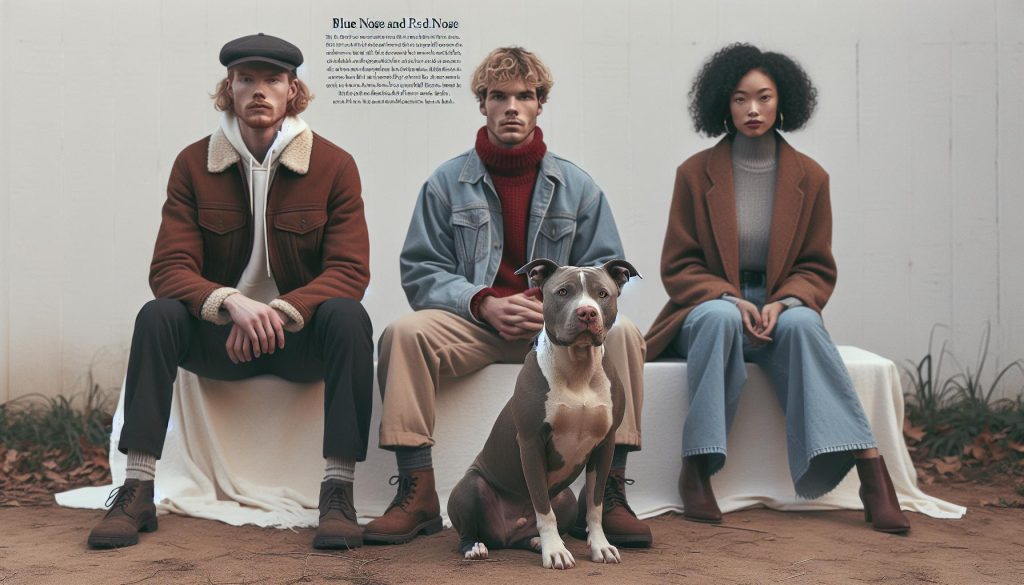
When it comes to Pitbulls, the terms “Blue Nose” and “Red Nose” often spark lively discussions among enthusiasts and owners. These distinctive color variations not only reflect different aesthetics but also hold connections to the breed’s history and genetics. Understanding the differences between Blue Nose and Red Nose Pitbulls is essential for current and prospective owners looking to choose the right companion.
As you delve deeper into this topic, you’ll uncover intriguing insights into breed characteristics, temperament, and health considerations. By learning about these key distinctions, you can make informed decisions that enhance the well-being of your dog and enrich your experience as an owner. Whether you’re attracted by the unique appearance or the loyalty of these dogs, join us as we explore the important differences between Blue Nose and Red Nose Pitbulls, ensuring you’re equipped with the knowledge needed to appreciate these remarkable dogs fully.
Key Genetic Differences Between Blue Nose and Red Nose Pitbulls
While often grouped together, Blue Nose and Red Nose Pitbulls harbor important genetic distinctions that reflect their lineage and appearance. These differences primarily arise from breeding practices that emphasize specific color traits, which can inadvertently impact other genetic factors such as temperament and health. Both variants stem from the American Pit Bull Terrier breed, but their specific colorations-characterized by their distinctive nose hues-indicate diverse genetic backgrounds and potential health considerations.
The primary genetic difference lies in the expression of their coat colors, dictated by the genes involved in pigmentation. Blue Nose Pitbulls possess a dilution gene that makes their fur appear blue-gray, a result of a recessive trait. On the other hand, Red Nose Pitbulls exhibit a rich, copper-red color, attributed to a different genetic marker. These traits are straightforward reflections of their ancestry, but the implications can be more complex. For instance, the inbreeding often associated with producing striking coat colors can lead to a higher incidence of certain genetic health issues-something that is crucial for prospective owners to consider when choosing between the two variants.
In practice, these genetic differences can also affect their overall vitality and behavior. Blue Nose Pitbulls may sometimes show slightly more sensitivity, particularly in social situations, potentially due to the unique breeding pressures they endured to achieve their distinctive appearance. Conversely, Red Nose variants might display a steadier temperament as they often derive from more varied genetic backgrounds, reducing the chances of inherited behavioral issues. Understanding these distinctions not only aids in recognizing the unique qualities of each type but plays a significant role in ensuring responsible ownership and training practices tailored to their specific needs.
In summary, when considering Blue Nose and Red Nose Pitbulls, it’s essential to look beyond their physical traits. The genetic lineage influencing their temperaments, potential health issues, and adaptability underscores the importance of selecting the right match for your lifestyle. Understanding these key genetic differences enhances the appreciation and care for these wonderful dogs, regardless of their nose color.
Physical Characteristics of Blue Nose vs Red Nose Pitbulls
Blue Nose and Red Nose Pitbulls are often celebrated for their striking appearances, but understanding their physical characteristics goes beyond mere aesthetics. The differences between these two variants stem from their genetic makeup, leading to variations not just in color but also in coat texture and overall body structure.
Blue Nose Pitbulls typically feature a sleek, short coat that appears bluish-gray, a result of a dilution gene affecting pigmentation. This striking hue often garners attention, but what’s fascinating is the texture of their fur, which tends to be soft and smooth. Their muscular build is accompanied by a broad head, strong jaws, and a well-defined physique, giving them an athletic appearance. Generally, these dogs stand between 18 to 21 inches tall at the shoulder and weigh anywhere from 30 to 65 pounds, depending on their lineage.
In contrast, Red Nose Pitbulls, known for their warm copper-red coloring, often have a slightly different build due to a more varied genetic background. Their coats are also short and smooth but exhibit a rich, vibrant hue that can range from light tan to deep mahogany. Like their blue-nosed counterparts, Red Nose Pitbulls share a muscular and robust frame, often noted for a slightly broader chest. They have similar height and weight ranges; however, some individuals may lean more towards the heavier side, reflecting a diverse lineage that contributes to their robust health and vitality.
When considering which type of Pitbull to adopt, it’s essential to take note of these physical attributes, as they may influence not just appearance but also potential health issues and caretaking needs. Ensuring proper nutrition, exercise, and care tailored to their physical characteristics can lead to a healthier, happier dog. Whether you lean towards the alluring Blue Nose or the captivating Red Nose, embracing the unique beauty of each variant enriches the experience of pet ownership, making every interaction with your Pitbull even more rewarding.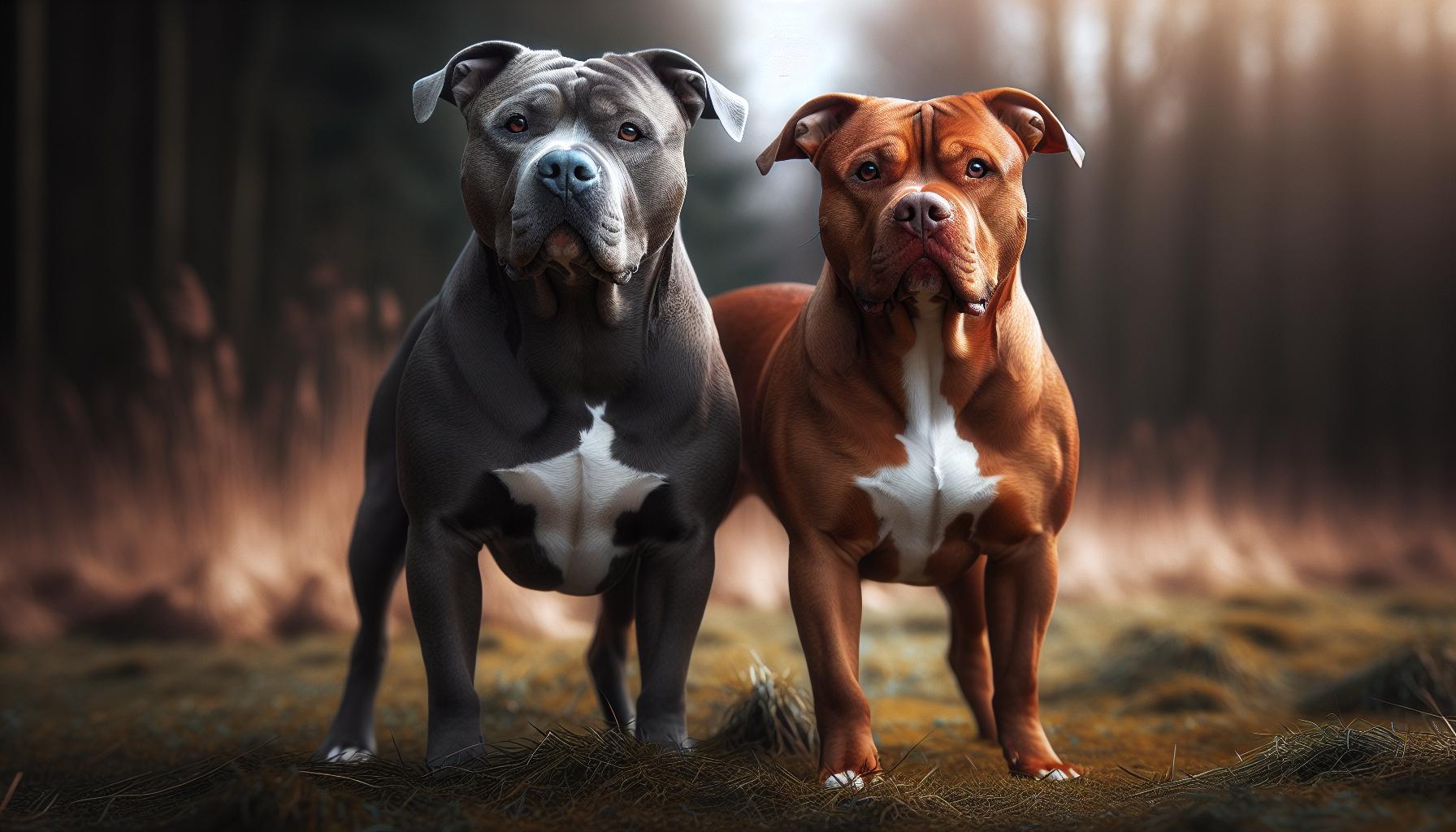
Temperament: How Personality Differs Between Variants
The temperament of Blue Nose and Red Nose Pitbulls, while largely shaped by their upbringing and training, can exhibit subtle differences that are worth noting. This variance often stems from the distinctions in their breeding histories and the environments in which they thrive. Both variants are known for their affectionate nature, loyalty, and intelligence, but individual personality traits can lead to different experiences as a pet owner.
Blue Nose Pitbulls are frequently characterized as energetic and playful. They generally have a high drive for activity, making them excellent companions for those who enjoy an active lifestyle. This enthusiasm can sometimes translate into a need for plenty of stimulation, both physical and mental. If not adequately exercised, they might become bored, leading to behavioral issues. Being highly social, Blue Noses thrive on interaction not only with their humans but also with other dogs, although care should be taken in environments that could provoke aggression, particularly if tensions arise in a playful setting.
In contrast, Red Nose Pitbulls tend to be described as a bit more laid-back and adaptable. They often possess a calmer demeanor, making them suitable for various living situations, even those with more relaxed lifestyles. This breed variant might bond closely with family, showing a gentler side that can be particularly appealing to first-time dog owners. While they still enjoy playtime and social interaction, their typically lower energy levels can make them more accommodating in quieter settings.
Both variants are known for their intelligence and eagerness to please, which are essential traits in training. However, it’s crucial to note that discipline and socialization should begin early. Positive reinforcement methods work best, as both Blue and Red Nose Pitbulls respond better to encouragement rather than harsh corrections. Through consistent and patient training, you can cultivate their natural instincts and minimize any undesirable behaviors, ensuring that you foster a well-adjusted and happy companion.
Understanding these subtle temperament differences can greatly enhance your experience as a Pitbull owner. Whether you are drawn to the vivacious spirit of the Blue Nose or the gentle nature of the Red Nose, embracing their unique personality traits will enable you to provide the best care and environment for these remarkable dogs. By considering their specific needs and tendencies, you can cultivate a nurturing and fulfilling relationship with your Pitbull, making your home brighter with their presence.
Health Considerations for Blue Nose and Red Nose Pitbulls
Health plays a pivotal role in the longevity and overall quality of life for both Blue Nose and Red Nose Pitbulls. Regardless of the color of their noses, these dogs may be prone to specific genetic health issues, and understanding these risks can empower owners to make informed choices that enhance their pets’ well-being.
Both variants share common health concerns largely influenced by their breed characteristics. These include hip dysplasia, where the hip joint doesn’t fit snugly into the hip socket, potentially leading to arthritis; hypothyroidism, a disorder that affects metabolism and can result in symptoms like weight gain and lethargy; and allergies, which can manifest as skin irritations or digestive issues. Regular veterinary checkups become essential, as early detection can significantly alter treatment outcomes.
In addition to these common conditions, certain traits may highlight subtle differences between the two variants. Blue Nose Pitbulls, known for their high energy levels, might face a higher risk of joint and ligament injuries due to their active nature. On the other hand, Red Nose Pitbulls, while typically exhibiting slightly calmer behavior, can be vulnerable to skin conditions, exacerbated by their often short, smooth coats. This means that while they may require less vigorous exercise, they still need attention to their skin health and regular grooming to prevent irritations.
Given these health considerations, it’s crucial for you as an owner to engage in preventive practices. Regular exercise tailored to each dog’s energy level, a balanced diet rich in nutrients, and avoiding common allergens can foster better health outcomes. Additionally, fostering a strong bond with your pet through socialization can help minimize stress-related health issues, as both variants thrive in loving and supportive environments. Remember, a proactive approach to health can lead to a happier and longer life for your beloved Pitbull, regardless of whether they have a Blue or Red nose.
Training Tips: Best Practices for Each Variant
Training a Blue Nose or Red Nose Pitbull can be an incredibly rewarding experience, as both variants are known for their intelligence and eagerness to learn. However, your training approach may benefit from considering their subtle differences. While both types boast similar energy levels and affectionate natures, their unique temperaments can guide how you shape their training experience.
Understanding Temperament Differences
Blue Nose Pitbulls typically have a high energy disposition and may require more vigorous and frequent exercise. For this variant, training sessions should incorporate plenty of physical activities, such as fetch or agility courses, to maintain their engagement and motivation. They might enjoy interactive toys that challenge their minds and keep their bodies active. Conversely, Red Nose Pitbulls, often described as slightly calmer, may thrive on a more structured training routine that involves obedience exercises paired with relaxation and bonding time. Tailoring your training to their natural temperament helps build a lasting rapport while establishing good habits.
Effective Training Techniques
To enhance your training sessions, focus on positive reinforcement for both variants. Rewarding your Pitbull with treats, praise, or playtime when they follow commands encourages repetition of those behaviors. Start with basic commands like “sit,” “stay,” and “come.” Keep training sessions short (about 10-15 minutes) to accommodate their attention spans, especially for Blue Nose, whose energetic nature can sometimes lead to restlessness.
Consider socialization as a core component of their training. Exposing both Blue and Red Nose Pitbulls to a variety of environments, people, and other dogs at a young age can help them develop into well-adjusted adults. After all, a well-socialized dog is usually happier and exhibits fewer behavioral problems.
Addressing Common Issues
Training can sometimes uncover behavioral issues, such as jumping or chewing. Both variants respond well to consistency and routine; you might find that gentle redirection and teaching the “off” command can help curb jumping. For destructive chewing, providing appropriate chew toys and redirecting their focus when they chew on inappropriate items can be effective strategies.
Overall, the key to training is patience and understanding. Celebrate small achievements to keep your training sessions joyful and productive. By recognizing and adapting to the distinct personalities of your Blue and Red Nose Pitbulls, you’ll create a fulfilling training experience that enhances your bond while ensuring your furry friends grow into well-mannered companions.
Diet and Nutrition: Tailoring Food for Your Pitbull
A well-balanced diet is crucial for both Blue Nose and Red Nose Pitbulls to support their high energy levels and robust physique. Understanding the nutritional needs of your Pitbull can help ensure they thrive and maintain their health over time. While both variants share similar dietary requirements, there are some subtle distinctions that you might consider when tailoring their nutrition.
One of the primary differences lies in their metabolism and activity levels. Blue Nose Pitbulls often exhibit a more energetic disposition, possibly leading to higher caloric needs compared to their Red Nose counterparts, who may have a slightly calmer temperament. Therefore, when selecting food, look for options that provide high-quality protein sources, such as chicken, beef, or fish, which are essential for muscle maintenance and repair. A brand like Bully Max offers high-protein dog food specifically formulated for active breeds, providing around 30% crude protein and 20% crude fat, which can be beneficial for Blue Nose dogs with higher exercise demands [[1]].
In addition to protein, it’s necessary to include healthy fats in your Pitbull’s diet. Fats are a concentrated energy source that aids in skin and coat health, and they play a critical role in the absorption of fat-soluble vitamins. Incorporating omega-3 fatty acids, such as those found in fish oil, can bolster your dog’s immune function and reduce inflammation, which is particularly important for high-energy breeds prone to joint issues.
Hydration is equally vital; ensure your Pitbull has access to fresh water at all times, especially after vigorous play or exercise. Monitoring their body condition score can help manage their weight effectively, as both Blue and Red Nose Pitbulls can be prone to obesity if overfed or not exercised adequately. Regular vet check-ups can guide necessary dietary adjustments based on their age, weight, and overall health.
Keep in mind that while many dog foods meet basic nutritional standards, opting for grain-free or limited ingredient diets can be beneficial for Pitbulls that exhibit food sensitivities or allergies. Always consult with a veterinarian when making significant changes to your pet’s diet to tailor a feeding regimen that best suits their individual needs and lifestyle. By understanding and catering to these dietary nuances, you can help your Blue or Red Nose Pitbull lead a vibrant, healthy life.
Common Misconceptions About Blue Nose and Red Nose Pitbulls
There’s a prevailing myth surrounding the Blue Nose and Red Nose Pitbulls, often fueled by sensational media coverage and cultural stereotypes. One of the most common misconceptions is the belief that these two variants represent entirely different breeds or that one is superior to the other. In truth, both Blue and Red Nose Pitbulls belong to the same breed-American Pit Bull Terriers-and their differences are primarily cosmetic, influenced by genetics related to coat color and pigmentation.
Another widespread myth is that Blue Nose Pitbulls are inherently more aggressive or dangerous compared to their Red Nose counterparts. This stereotype is not only inaccurate but also dangerous. Aggression in dogs, regardless of their color, is influenced more by training, environment, and socialization than by genetics alone. The American Pit Bull Terrier, including both Blue and Red Nose varieties, is known for loyalty and strong bonds with humans, making them excellent family pets when properly trained and socialized.
Understanding Temperament and Behavior
Many potential owners are concerned that the color of a Pitbull’s nose may indicate its temperament. In reality, both Blue and Red Nose Pitbulls exhibit a range of personalities. Factors such as upbringing, training styles, and individual experiences play a much more significant role in shaping a dog’s behavior. Ensuring that your Pitbull receives consistent training and socialization is far more critical than worrying about whether they have a blue or red nose.
Health and Genetic Myths
Another misconception surrounds health issues. Some believe that Blue Nose Pitbulls are more prone to health problems due to inbreeding practices to establish desirable traits, such as their distinct color. While it is true that certain genetic conditions can arise from inbreeding, both Blue and Red Nose variants can be equally healthy or prone to health issues depending on responsible breeding practices. Regular vet check-ups, a balanced diet, and proper care are essential for maintaining your Pitbull’s health, regardless of their nose color.
In conclusion, it’s essential to look beyond the color of a Pitbull’s nose when considering their suitability as a companion animal. By dispelling these misconceptions and focusing on proper training, socialization, and care, you can help ensure a well-adjusted, healthy, and loving pet, whether you choose a Blue Nose or Red Nose Pitbull.
Caring for Your Pitbull: Grooming Needs Explained
Caring for your Pitbull, whether a Blue Nose or Red Nose variant, involves understanding their unique grooming needs. Despite the distinctions in nose color, both types share similar grooming requirements, making it essential for you to establish a consistent routine to keep your furry friend healthy and looking great.
To start with, both Blue and Red Nose Pitbulls have a short, stiff coat that is relatively low maintenance. Regular brushing, typically once a week, is beneficial to remove dead hair and minimize shedding. A bristle brush or a grooming mitt can help keep their coat shiny and smooth. Pay extra attention during shedding seasons, as you may need to brush them more frequently to manage loose fur. Additionally, bathe your Pitbull every few months or as needed, using a dog-specific shampoo to maintain their skin health.
Skin Care and Nail Trimming
Your Pitbull’s skin is another aspect to consider, especially since some colors, like blue, may be more prone to certain skin sensitivities or allergies. Regularly check for any signs of irritation or unusual bumps, especially after outdoor play. Moisturizing their skin can help, particularly in dryer climates. Also, don’t forget about nail care; keeping your dog’s nails trimmed to a comfortable length is crucial. Aim to trim them every 3 to 4 weeks, or as needed, to prevent discomfort when walking.
Ear and Dental Care
Pitbulls also require ear care, so it’s important to check their ears weekly for dirt, wax buildup, or signs of infection. Clean them gently with a vet-approved ear cleaner if necessary, and avoid using cotton swabs, which can cause damage. Dental health is equally important; aim to brush your dog’s teeth several times a week using dog-specific toothpaste to prevent tartar buildup and dental disease.
By understanding and addressing these grooming needs, you can ensure your Blue Nose or Red Nose Pitbull remains not only looking stylish but also feeling their best. Regular grooming fosters a strong bond between you and your dog, making the process a rewarding part of your routine. Through proper care, you contribute to a happy, healthy life for your beloved companion.
Cultural Impact: Blue Nose vs Red Nose in Pop Culture
Despite the controversies surrounding them, Blue Nose and Red Nose Pitbulls have significantly influenced pop culture, often representing themes of loyalty, strength, and resilience. One of the most compelling aspects of their cultural impact is how they are portrayed in music and film. For instance, the breed has been popularized in hip-hop culture, where they are frequently celebrated for their tough yet loyal nature. Artists like Lil Wayne and Rick Ross have included references to Pitbulls in their lyrics, often employing the breed as a symbol of street authenticity and tenacity.
Beyond music, both varieties of Pitbulls have made their mark in film and television. These dogs are often depicted as protective companions in various narratives, reinforcing positive traits associated with the breed. Movies like “The Call of the Wild” and the classic “Lady and the Tramp” showcase dogs, including variations of Pitbulls, as heroes who exemplify bravery and loyalty. These portrayals challenge negative stereotypes often associated with the breed, helping to reshape public perception.
Moreover, the aesthetics of Blue Nose and Red Nose Pitbulls have also captivated many dog lovers and artists alike. The distinct colorations lend themselves to a unique visual appeal that can be seen in street art and tattoo culture. Pitbull imagery frequently symbolizes defiance, alongside themes of community and family. Such representations highlight the breed’s bond with their human companions and their rightful place in urban culture.
It’s important to understand that while these cultural representations can be powerful, they can also perpetuate myths about aggression and danger associated with the breed. As responsible owners and advocates for Pitbulls, it’s crucial to promote the message of proper training, socialization, and care as fundamental to these dogs’ personalities. The more we contribute to a positive narrative surrounding both Blue Nose and Red Nose variants, the closer we get to ensuring they receive the love and respect they deserve in society.
Adopting a Blue Nose or Red Nose: What to Consider
When considering adding a new furry friend to your family, the choice between a Blue Nose or Red Nose Pitbull can be both exciting and daunting. These beautiful dogs, each with their unique charm, share many similarities but also have distinct traits that may influence your decision. As you embark on the journey of adoption, it’s essential to understand what you need to consider to ensure a match that fits well with your lifestyle and family dynamics.
Physical Characteristics and Care Needs
Both Blue Nose and Red Nose Pitbulls exhibit strong, athletic builds and have similar care requirements. However, specific physical traits might sway your preference. Blue Nose Pitbulls tend to have a slate-blue coat, often giving them a striking appearance, while Red Nose Pitbulls possess a reddish coat and a lighter-colored nose that many find equally appealing. Consider your living environment; both types benefit from regular exercise and should have ample space to play. A fenced yard is ideal, but daily walks and socialization outings are critical for their well-being.
Temperament and Socialization
Understanding the temperament of each variant can help tailor your training and socialization efforts. Generally, both Blue and Red Nose Pitbulls are known for their affectionate and loyal nature. They thrive on human interaction and benefit from positive reinforcement training methods. If you’re a first-time dog owner, it’s vital to seek out training resources and consider enrolling in classes to foster a well-mannered companion. Remember to introduce them to various situations, people, and other pets early on to build a confident and well-adjusted adult dog.
Health Considerations
Pitbulls, regardless of their nose color, may be prone to certain health issues, such as hip dysplasia and skin allergies. Researching reputable breeders or adopting from a rescue organization ensures you can access health screening information for potential adoptees. Consider looking into breed-specific rescues or shelters; organizations like the Philly Bully Team or Adopt A Pit Rescue often have dedicated resources to help you find a healthy and compatible pet.
Emotional Commitment and Lifestyle Fit
Adopting a dog is a long-term commitment, often spanning a decade or more. Reflect on your lifestyle and how a Blue or Red Nose Pitbull will fit into your routine. Are you often away from home? Do you have young children or other pets? Both variants can integrate well into families with proper introductions and supervision, but your financial and emotional readiness should be a priority. Prepare for training, veterinary costs, and the time needed for companionship.
Ultimately, whether you choose a Blue Nose or Red Nose Pitbull, both breeds offer endless love and loyalty. Their personalities shine through when they feel secure, trained, and part of a caring household. Engage with local rescue organizations to find your perfect match, and embrace the joy of welcoming a new member into your family!
Cost Differences: Understanding Price Variations
When considering a Blue Nose or Red Nose Pitbull, understanding the differences in their costs can significantly impact your decision to adopt one of these delightful breeds. The price of these dogs can vary based on several factors, including lineage, breeder reputation, and location. On average, you can expect to pay between $500 to $2,000 for Pitbull puppies, with the potential for higher prices depending on the specific pedigree and demand for certain traits.
One unique aspect to consider is that the Blue Nose variant often commands higher prices compared to the Red Nose variety. This is due in part to the striking appearance and the popularity associated with Blue Nose Pitbulls. Many breeders prioritize selective breeding for certain color traits, which can result in higher costs. Likewise, specific bloodlines that are highly sought after-either for their aesthetic quality or performance in dog shows-can drive prices further upwards, potentially reaching prices of up to $3,500 or more for exceptional examples.
Factors Influencing Cost
Several elements will impact the price of your Pitbull:
- Breeder Reputation: Well-known breeders with a history of producing healthy, high-quality dogs often charge more.
- Pedigree: Dogs from champion bloodlines or those who have won awards can significantly increase a puppy’s cost.
- Geographic Location: Prices may vary based on your region, particularly in areas where demand for these breeds is high.
- Health Screening: Puppies with documented health screenings and vaccinations from responsible breeders may have a higher price tag but offer greater peace of mind.
As you weigh your options, remember that adopting a dog is a long-term commitment. Beyond the initial purchasing price, consider the ongoing costs such as food, veterinary care, grooming, and training. Investing time and resources upfront to find a reputable breeder or rescue can lead to a healthier, happier companion that will thrive in your home. Whether you are drawn to the loyal nature of the Blue Nose or the warm demeanor of the Red Nose, both breeds will return your investment with unconditional love and companionship.
Choosing the Right Variant for Your Lifestyle
When it comes to deciding between a Blue Nose and a Red Nose Pitbull, you’re not just choosing a beautiful dog – you’re welcoming a loyal companion into your life. Both variants share similar physical traits and temperaments; however, their unique characteristics, like coat color and some breed perceptions, can influence which one might align better with your lifestyle. Understanding your environment, daily routine, and personal preferences is crucial in making this decision.
First, consider your living situation. Blue Nose Pitbulls are often prized for their striking appearance, leading to higher demand and potentially higher prices. If you live in an area where breed reputation impacts public perception, the Blue Nose may carry a social cachet that matches your lifestyle. On the other hand, Red Nose Pitbulls, known for their loyalty and affectionate nature, may be a fantastic fit if you’re looking for a dog that thrives in family-oriented environments. They are often seen as the more traditional variant, recognized for their endearing personalities and affectionate demeanor.
Socialization and activity levels are equally significant factors. Both types of Pitbulls require regular exercise and mental stimulation. If you lead an active lifestyle, either variant can keep up with you. However, Blue Noses might appeal to those looking to engage in dog sports or advanced training due to their selective breeding in those arenas. Meanwhile, Red Nose Pitbulls are often known for their strong bond with humans and may excel in service and therapy work, making them a great choice for families with children or individuals seeking a close companion.
Consider your experience level with dogs, too. If you’re a first-time dog owner, a temperament-friendly Red Nose might offer a slightly easier onboarding due to their naturally obedient and eager-to-please nature. Conversely, if you’re experienced and looking for a dog that enjoys a challenge, a Blue Nose could be a fascinating, rewarding option. Being informed about their training needs and temperamental quirks will go a long way in ensuring a harmonious relationship with either variant.
Ultimately, both Blue Nose and Red Nose Pitbulls hold the potential to enrich your life significantly, but you should weigh your expectations and lifestyle against the traits of each variant. Whether you are drawn to the stunning look of the Blue Nose or the warm disposition of the Red Nose, each pup will shower you with loyalty and love, becoming a cherished member of your family.
Frequently asked questions
Q: What are the main differences between Blue Nose and Red Nose Pitbulls in terms of genetics?
A: The primary genetic difference lies in the color of their coats. Blue Nose Pitbulls possess a gene that gives them their gray-blue coloration, while Red Nose Pitbulls have a reddish-brown coat due to different pigmentation genes. Understanding these genetic traits can help you choose the right breed variant for your preferences and lifestyle.
Q: How do the activity levels of Blue Nose and Red Nose Pitbulls compare?
A: Both Blue Nose and Red Nose Pitbulls are energetic breeds, but Blue Nose Pitbulls might display slightly higher activity levels. Regular exercise is crucial for both variants, as it helps maintain their physical and mental health. Ensure you engage them in activities suitable for their energy levels.
Q: Are Blue Nose and Red Nose Pitbulls equally trainable?
A: Yes, both variants are known for their intelligence and eagerness to please, making them highly trainable. However, individual temperament can affect training; consistency and positive reinforcement are key. Tailoring training practices to each dog’s personality can yield better results.
Q: Do Blue Nose and Red Nose Pitbulls require different diets?
A: While the essential dietary needs are similar for both variants, specific health conditions may require adjustments. It’s vital to provide a balanced diet rich in protein and essential nutrients, tailored to your dog’s age, weight, and health status-consulting a vet can help optimize their food.
Q: What common health issues should owners be aware of for each variant?
A: Both Blue Nose and Red Nose Pitbulls may be prone to certain health issues like hip dysplasia, allergies, and heart disease. Regular vet check-ups and preventive care can help monitor and manage these risks effectively, ensuring a healthy life for your pitbull.
Q: How do the grooming needs of Blue Nose and Red Nose Pitbulls differ?
A: Grooming needs are generally similar for both breeds, as their short coats require minimal maintenance. However, Blue Nose Pitbulls may shed more due to their coat color. Regular brushing helps minimize shedding and keep their skin healthy.
Q: Can Blue Nose and Red Nose Pitbulls coexist with other pets?
A: Both Blue Nose and Red Nose Pitbulls can coexist with other pets if properly socialized from a young age. Early training and supervised introductions are key to fostering harmonious relationships, regardless of breed variance.
Q: What is the lifespan difference between Blue Nose and Red Nose Pitbulls?
A: The lifespan for both variants typically ranges from 12 to 14 years, dependent on genetics, health care, and lifestyle. Regular veterinary check-ups and proper nutrition can significantly enhance their quality of life and longevity.
For more in-depth insights, explore our sections on health considerations and training tips to better understand how to care for your Pitbull.
Key Takeaways
In exploring the distinctions between Blue Nose and Red Nose Pitbulls, it’s clear that both types bring unique qualities to the table, reflecting their diverse backgrounds and traits. Whether you’re drawn to the captivating blue hue or admire the rich, traditional red, understanding these differences can empower you to make informed choices about ownership or adoption. Don’t miss out on becoming part of a passionate community that appreciates these incredible breeds!
Ready to dive deeper? Check out our articles on “Pitbull Breed History” and “Training Techniques for Pitbulls” for more insights. If you’re considering adding a Pitbull to your family, be sure to visit our resource page for responsible ownership tips and important health considerations. Leave your thoughts or questions in the comments, and share this article with fellow dog lovers! Remember, every step you take in understanding these breeds builds a more compassionate future for all Pitbulls.
Get our latest guides, news, and insights highlighted in your Google Search & AI Overviews.