
Bringing a Blue Nose Pitbull puppy into your home is not just an exciting decision-it’s a commitment to a loyal and loving companion. Known for their striking appearance and playful demeanor, these dogs require knowledgeable care to thrive. Understanding their unique needs in terms of genetics, health, and training is essential for fostering a happy, well-adjusted pet.
If you’re a new owner or considering adoption, you may find yourself asking: How do I provide the best environment for my pup? What are their specific care requirements? This guide will equip you with the information you need to nurture your Blue Nose Pitbull, ensuring they grow into a confident and affectionate adult. You’ll discover insights into their temperament, training strategies, and health considerations, all valuable to any potential or current owner. Let’s embark on this journey together, turning your Blue Nose Pitbull into the cherished member of the family they are meant to be!
Blue Nose Pitbull Puppy Origins and Characteristics
The Blue Nose Pitbull, a striking variant of the American Pit Bull Terrier, captivates many with its unique bluish-gray coat and social demeanor. This breed’s origins trace back to the larger heritage of the American Bully and American Staffordshire Terrier, with a lineage characterized by strong athleticism, intelligence, and a friendly disposition. Blue Nose Pitbulls are often recognized not just for their beautiful physical characteristics but also for their loyal and affectionate nature, making them excellent family companions.
These dogs typically possess a well-defined muscular build adorned with short, smooth fur, especially appealing in shades of blue or gray. Their most distinct feature-a blue or bluish-gray nose-comes from a genetic trait that is part of their breed standard. Beyond their appearance, Blue Nose Pitbulls often exhibit traits such as resilience, adaptability, and a zest for life, which endears them to dog lovers. Understanding these characteristics helps in recognizing the importance of proper training and socialization to bring out the best in your Blue Nose Pitbull.
To maintain their health and happiness, it’s crucial to engage them in regular physical and mental activities. Their adaptive nature means they can thrive in various living environments, provided they receive ample exercise and stimulation. From playful puppyhood to full-grown companions, nurturing a Blue Nose Pitbull’s social needs with regular interaction can pave the way for a well-rounded, joyous pet that is a joy to have around.
Essential Supplies for Your New Blue Nose Pitbull
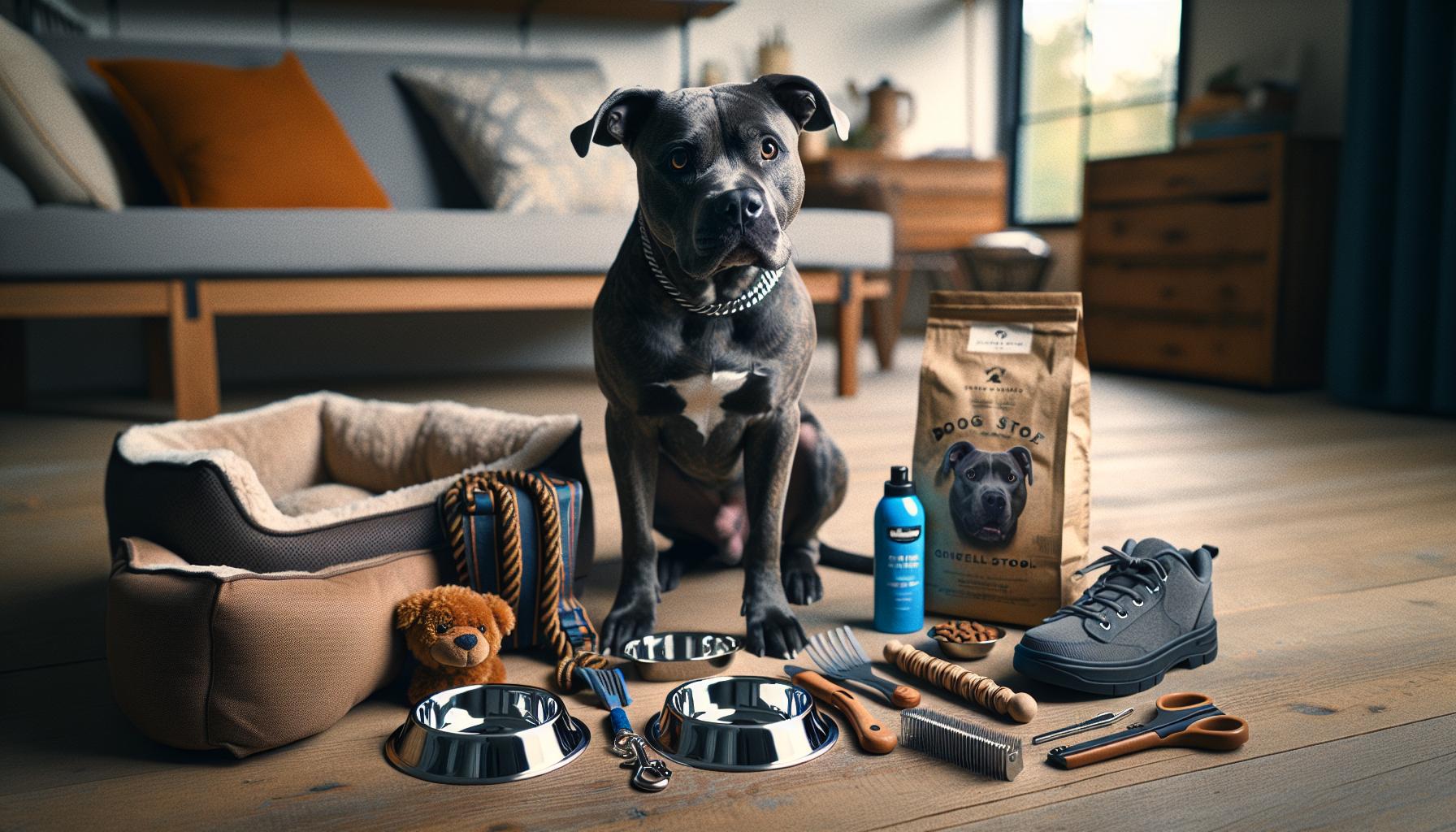
Welcoming a Blue Nose Pitbull into your home is an exciting adventure that comes with responsibilities, starting with gathering the essential supplies to ensure your new puppy thrives. From basic needs like food and water to specialized items that cater to their energetic nature, having the right tools and resources will make a significant difference in both training and care.
Must-Have Supplies:
- Food and Water Bowls: Choose sturdy, non-tip bowls that are easy to clean. Stainless steel is a great option as it can’t be chewed or knocked over easily.
- Puppy Food: Invest in high-quality puppy food with balanced nutrition to support their growth. Look for brands that list meat as the first ingredient without fillers.
- Collar and Leash: A comfortable collar that fits well is essential, along with a sturdy leash for walks. Consider a harness for added control, especially since Blue Nose Pitbulls are strong and energetic.
- Crate: A good-quality crate serves multiple purposes. It can help with house training while providing a safe space for your puppy to relax.
- Toys: Interactive toys and chew toys are vital for keeping your Blue Nose Pitbull mentally stimulated and physically active. Look for durable toys that can withstand their chewing.
- Grooming Tools: Even though their coat is short, regular grooming is important. A good brush and nail clippers will help keep their coat healthy and nails trimmed.
- Training Treats: Small, healthy treats will be very helpful during training sessions to encourage good behavior and positive reinforcement.
Safety Items:
To ensure a safe environment, don’t forget to puppy-proof your home by removing any toxic plants or hazardous items within reach. Additionally, consider purchasing a bed that provides comfort, as a cozy space helps in building a sense of security for your puppy.
Equipping yourself with these essential supplies not only facilitates your Blue Nose Pitbull’s adaptation to their new home but also establishes a strong foundation for training and bonding. By being proactive in your preparation, you’ll create a welcoming and nurturing environment that allows your puppy to thrive.
Understanding Blue Nose Pitbull Health Issues
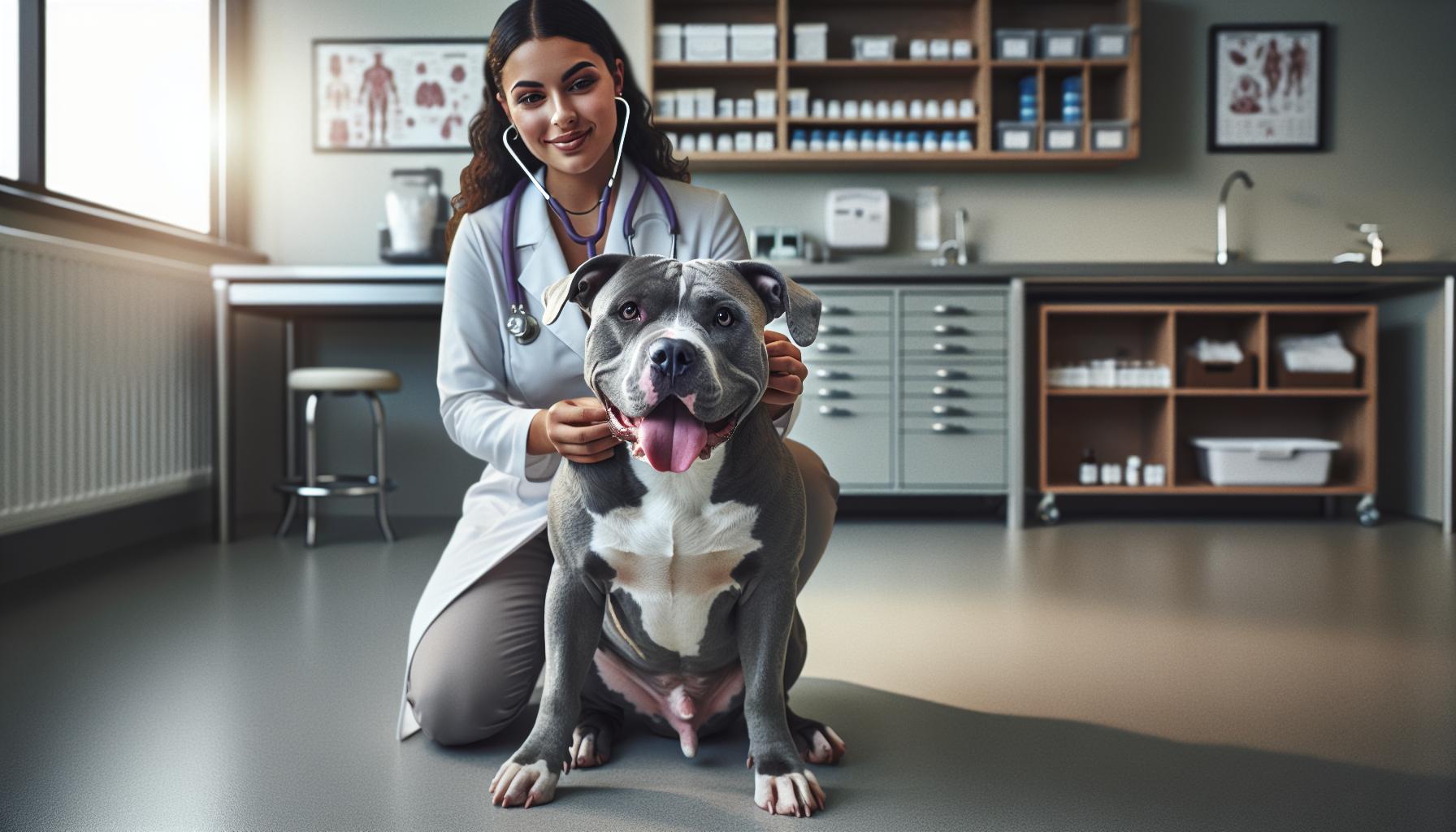
Understanding the health issues that can affect Blue Nose Pitbulls is crucial for any responsible owner. This breed is generally robust and muscular, known for its vitality and strength, but like all dogs, they are prone to specific health challenges. Being aware of these issues can help you ensure that your puppy grows up healthy and strong.
One common concern in Blue Nose Pitbulls is hip dysplasia, a genetic condition where the hip joint doesn’t properly fit into the hip socket. This can lead to pain, lameness, and eventual arthritis. It’s especially important to choose a reputable breeder who screens for this condition to minimize the risk. Regular veterinary check-ups can help catch any signs of hip dysplasia early, allowing for timely interventions.
Additionally, Blue Nose Pitbulls can be prone to skin allergies and sensitivities due to their short coats. These issues may manifest as itching, red skin, or rashes. It’s crucial to monitor your puppy’s skin and consult a veterinarian if you notice any troubling symptoms. Allergies can often be managed with a proper diet and vet-recommended treatments, ensuring your dog remains comfortable and healthy.
Lastly, it’s essential to keep an eye on your Pitbull’s weight. Obesity can lead to a range of health issues, including heart disease and diabetes. Providing a balanced diet and ensuring regular exercise will help keep your Blue Nose Pitbull in optimal shape. Engaging in activities such as walks, playtime, and training sessions will not only keep them fit but will also strengthen the bond between you and your furry friend.
By being proactive about these health issues and maintaining regular veterinary care, you can help ensure your Blue Nose Pitbull leads a long, healthy, and happy life.
Nutritious Diet Guidelines for Blue Nose Pitbull Puppies
Providing the right nutrition for your Blue Nose Pitbull puppy is crucial in setting them up for a healthy and vibrant life. These puppies are known for their robust build and energetic nature, which means they require a diet rich in essential nutrients to support their growth and development. A well-balanced diet tailored to their specific needs can help ensure that they thrive, both physically and mentally.
To start, it’s important to choose high-quality puppy food that lists meat as the first ingredient. Look for options containing a blend of animal proteins such as chicken, beef, or fish, as these are rich in essential amino acids necessary for muscle development. Additionally, ensure the food includes fats, such as omega-3 and omega-6 fatty acids, which are beneficial for skin and coat health and can also aid in brain development.
When feeding your Blue Nose Pitbull, consider the following guidelines:
- Age-Appropriate Formula: Select dog food formulated specifically for puppies, as these contain higher levels of protein and calories to fuel their active growth.
- Portion Control: Monitor feeding portions based on the manufacturer’s recommendations and your vet’s advice. Overfeeding can lead to obesity, which poses health risks later on.
- Consistent Schedule: Establish a regular feeding schedule, offering meals at the same times each day to promote routine and good digestion.
- Hydration: Ensure your puppy has access to fresh water at all times to keep them hydrated, especially if they are active.
It’s also worth considering the benefits of adding fresh fruits and vegetables to their diet as occasional treats. Items like carrots, blueberries, and sweet potatoes can provide additional vitamins and minerals. Just be sure to introduce new foods gradually and consult your vet to ensure they’re safe for your puppy.
Lastly, regularly reviewing your puppy’s progress and health with a veterinarian will help maintain a balanced diet tailored to their evolving needs. They can advise on any adjustments that might be necessary as your puppy grows, ensuring that you’re providing the best nutrition possible for your Blue Nose Pitbull.
Effective Training Techniques for Blue Nose Pitbulls
Training a Blue Nose Pitbull can be a rewarding experience, showcasing their intelligence and desire to please. These dogs are known for their strong will and energy, which means your approach to training should be both structured and engaging. A solid training routine not only helps establish boundaries and obedience but also strengthens the bond between you and your pup.
Start with the basics: consistency is key. Use clear commands and be uniform in your instructions. This means everyone in your household should consistently use the same words and cues for commands like “sit,” “stay,” and “come.” This clarity helps your puppy learn faster and understand what is expected of them.
Positive Reinforcement
Utilize positive reinforcement techniques to encourage desirable behavior. Reward your Blue Nose Pitbull with treats, praise, or playtime when they successfully follow a command or exhibit good behavior. This not only motivates them during training sessions but also builds their confidence. For example, if your puppy sits on command, immediately reward them with a small treat and enthusiastic praise like, “Good boy!” This method fosters a positive learning environment.
Socialization
Early socialization is crucial for Blue Nose Pitbulls. Expose your puppy to various environments, people, and other pets to cultivate a well-rounded temperament. Arrange playdates with dogs of different sizes and temperaments, or take them to puppy classes. The more diverse their experiences, the more adaptable and confident they will be as adults.
Structured Activities
Incorporate structured activities into your training routine. Blue Nose Pitbulls thrive on challenges, so teaching them tricks or engaging in obedience training will keep their minds stimulated. Activities such as agility training or scent work can provide both physical exercise and mental stimulation, making training a fun and interactive experience for both you and your puppy.
Patience and Persistence
Lastly, be patient and persistent. Every puppy learns at their own pace, and setbacks are part of the process. Celebrate small victories and don’t get discouraged by challenges. If they struggle with a command, revisit it in a later session or break it down into smaller steps. Remember, the goal is to foster a trusting relationship, where your Blue Nose Pitbull looks to you as a guide and companion.
By employing these techniques and showing positivity and enthusiasm, you’ll not only achieve effective training results but also help your Blue Nose Pitbull grow into a well-behaved and loving companion.
Socialization Tips for a Happy Blue Nose Pitbull
Socialization is fundamental to raising a well-rounded Blue Nose Pitbull, as it helps them develop confidence and adapt to various environments. These dogs have a natural inclination towards friendliness and playfulness, but without proper socialization, they may not fully reach their potential as loving and sociable companions. By introducing your puppy to diverse settings, people, and other pets early on, you set the stage for a happy and balanced adult dog.
To effectively socialize your Blue Nose Pitbull, start with gentle exposure. Take your puppy for walks in different neighborhoods, around busy parks, or even to dog-friendly stores. These outings introduce them to a range of sights, sounds, and smells, helping to desensitize them to new experiences. Remember, positive experiences lead to positive associations. Always monitor your puppy’s reactions; if they appear anxious or overwhelmed, give them space and try again later.
Arrangement of playdates with other friendly dogs can be particularly beneficial. Ensure that the dogs have similar energy levels and temperaments; this creates a safe play environment where your Blue Nose Pitbull can learn appropriate social skills such as how to read body language and respect boundaries. Additionally, enrolling your puppy in basic obedience classes can provide both training and socialization opportunities. These classes often bring together puppies of various breeds, allowing your Blue to interact in a controlled setting while learning essential commands.
Furthermore, consider inviting friends and family over to meet your puppy. This can familiarize your Blue Nose Pitbull with different people, whether they are adults, children, or individuals of various appearances. Encourage gentle petting and positive interactions, rewarding your pup for calm behavior. The more socialization opportunities you create, the more adaptable and resilient your Blue Nose Pitbull will grow to be, ultimately leading to a well-adjusted, sociable, and happy companion.
Grooming Your Blue Nose Pitbull for Optimal Care
Keeping your Blue Nose Pitbull well-groomed is essential not just for appearance, but also for their overall health and well-being. This breed is known for its short, sleek coat that requires minimal grooming; however, regular care helps maintain their skin health and can prevent common issues. Taking the time to establish a grooming routine will not only promote good hygiene but also strengthen the bond you share with your pup.
Coat Care
A Blue Nose Pitbull’s coat typically sheds year-round, so brushing them at least once a week is beneficial. Using a rubber grooming mitt or a soft brush can help remove loose fur and dirt while also stimulating the skin’s natural oils for a healthy shine. Frequent brushing not only reduces shedding around your home but also gives you the opportunity to check for any skin irritations or unusual lumps that may require veterinary attention.
Bathing
While frequent bathing can strip natural oils from the skin, regular baths are necessary to keep your Blue Nose Pitbull smelling fresh and clean. Aim for a bath every 4 to 6 weeks, or as needed if they get especially dirty. Select a gentle, dog-specific shampoo to avoid irritating their skin. After bathing, rinse thoroughly to ensure no soap residue remains, as this can also cause irritation.
Nail Care
Maintaining your dog’s nails is crucial. Long nails can be painful and lead to improper walking posture. Aim to trim your Pitbull’s nails every few weeks, depending on their activity level; if they’re frequently outdoors, their nails may wear down naturally. Invest in a high-quality pair of dog nail clippers and if you’re hesitant, many pets respond well to professional grooming services.
Ear and Teeth Hygiene
Don’t overlook the importance of ear cleaning and dental care. Check your dog’s ears weekly for dirt, wax buildup, or signs of infection. Use a veterinarian-recommended ear cleaner with a cotton ball to gently wipe the inner ear. As for dental hygiene, brushing your dog’s teeth several times a week with dog toothpaste can prevent dental disease. Dental chews can also help keep their teeth clean between brushings.
Regular grooming can make a world of difference in the life of your Blue Nose Pitbull, promoting not only good hygiene but also ensuring they look and feel their best. By fostering this routine from puppyhood, you’ll help your dog become accustomed to grooming, making it a positive experience for both of you.
Understanding Blue Nose Pitbull Behavior and Temperament
Understanding the behavior and temperament of Blue Nose Pitbulls is crucial for anyone considering bringing one of these affectionate dogs into their home. Known for their loyalty and strong bond with families, these dogs often display a mix of confidence, intelligence, and playfulness. One of the most striking aspects of Blue Nose Pitbulls is their eagerness to please, making them highly trainable and responsive to commands when guided with positive reinforcement techniques.
As a breed, Blue Nose Pitbulls were developed for various roles, including companionship, working, and protection. This versatility contributes to their dynamic nature. They thrive on social interaction, whether it’s with people or other animals, and can showcase a range of behaviors based on their environment and how they are raised. It’s not uncommon for them to exhibit a playful disposition, often engaging in games and activities that will challenge their physical and mental capacities. Regular exercise is a must to keep their energy levels manageable and prevent boredom.
When it comes to their temperament, Blue Nose Pitbulls are generally known for being affectionate and gentle with their families. However, early socialization is key to ensuring they grow up to be well-rounded adults. Exposing your puppy to a variety of people, pets, and environments during their formative weeks can help mitigate any potential issues with shyness or aggression in adulthood. While they may have a reputation for being aggressive due to misconceptions about the breed, it’s important to recognize that a Pitbull’s behavior primarily reflects their upbringing, training, and socialization experiences.
Owning a Blue Nose Pitbull requires commitment and understanding of their unique needs. Positive training, regular exercise, and enriched environments will not only foster good behavior but also strengthen the bond you share with your pet. By embracing their loving nature and providing a structured, engaging lifestyle, you can help your Blue Nose Pitbull thrive both physically and emotionally.
Common Myths About Blue Nose Pitbulls Debunked
Understanding and addressing the common misconceptions about Blue Nose Pitbulls is essential for anyone considering bringing one of these wonderful dogs into their home. One prevalent myth is that all Pitbulls, including the Blue Nose variety, are inherently aggressive. This stereotype largely stems from media sensationalism and misunderstanding of the breed. In reality, the temperament of a Blue Nose Pitbull is shaped significantly by its upbringing, socialization, and training. Well-socialized and trained, these dogs are typically friendly, loyal, and loving companions, known for their affectionate nature with families.
Another myth is the incorrect belief that the “blue nose” indicates a specific breed or type of Pitbull that is more dangerous than others. In truth, Blue Nose Pitbulls are simply a variation of the American Pit Bull Terrier characterized by their unique coloration. This characteristic has no bearing on their behavior or health. Like all dogs, their personalities can vary widely based on individual genetics and environmental factors. It’s crucial to focus on responsible breeding practices and proper training to foster well-rounded and healthy dogs.
Furthermore, some people think that Blue Nose Pitbulls require special diets or care due to their distinctive appearance. However, they have the same dietary needs as other Pitbulls. Providing a balanced diet, regular exercise, and routine veterinary care will contribute to their overall well-being. Engaging in regular play and social activities can help mitigate destructive behaviors often mistakenly associated with breed temperament.
Finally, the misconceptions surrounding the breed extend to their perceived ability to be trained. Many believe that Pitbulls are difficult to train or inherently stubborn. Contrary to this, Blue Nose Pitbulls are often eager to please and respond well to positive reinforcement techniques. With consistency, patience, and encouragement, you can teach them commands and tricks, fostering not just obedience but also strengthening your bond. By dispelling these myths and encouraging responsible ownership, we can appreciate Blue Nose Pitbulls for the loving companions they are.
Creating a Safe Space for Your Blue Nose Pitbull
Creating a nurturing environment for your Blue Nose Pitbull is crucial to their well-being and happiness. A safe space serves not only as a physical barrier from dangers but also as a psychological haven where your puppy can relax and feel secure. This is particularly important since Blue Nose Pitbulls, like all dogs, thrive on structure and comfort.
To start, designate a specific area in your home as your puppy’s personal retreat. This could be a cozy corner equipped with a plush bed, blankets, and a few favorite toys. Ensure the space is free from hazards like electrical cords, small objects they can chew on, or toxic plants. A crate can serve as a wonderful safe space; it’s where your puppy can go to unwind when they’ve had enough excitement, as long as it’s introduced positively and never used as punishment. Choose a crate that allows your pup to stand, turn around, and lie down comfortably.
Next, consider their outside environment. If you have a yard, ensure it’s securely fenced to prevent any adventurous escapes. Supervision is key, especially in unfenced areas; keep an eye during playtime to prevent incidents with other animals or unexpected stimuli. Creating a contained space with soft grass or safe flooring provides a comfortable area for them to play and explore without risk.
Additionally, maintain a routine. Blue Nose Pitbulls thrive on consistency and predictability. Set regular times for feeding, walks, and playtime to help your puppy feel secure and settled. This structure not only aids their training but also reduces anxiety, as they know what to expect throughout the day.
Lastly, remember that your emotional connection plays a vital role in creating a safe space. Spend quality time engaging with your puppy through interactive play, training sessions, or simply rewarding them with affection. This strengthens your bond and makes them feel valued and protected in their environment, helping to cultivate a happy, well-adjusted Blue Nose Pitbull who knows they are cherished.
Best Activities for Keeping Your Blue Nose Pitbull Engaged
Engaging your Blue Nose Pitbull in a variety of activities is essential for their physical and mental well-being. These energetic and intelligent dogs thrive on stimulation and interaction, which not only keeps them occupied but also strengthens the bond between you and your pet. Here are some of the best activities that can help keep your Blue Nose Pitbull both entertained and happy.
One of the most effective ways to engage your puppy is through interactive play. Tug-of-war is a classic game that many dogs enjoy. It allows your pup to exert energy while also satisfying their instinctual drive to pull. Just remember to establish rules, such as releasing the toy on command, to ensure that playtime remains safe and fun. Additionally, fetch is another great game that combines physical exercise with mental engagement. You can vary the routine by using different balls or toys to keep their interest high.
Incorporating training sessions into your daily routine not only promotes good behavior but also provides mental stimulation. Blue Nose Pitbulls are eager learners, so consider teaching them new tricks or commands using positive reinforcement techniques. Activities such as agility training or obedience courses can also be beneficial, offering a structured way to challenge their minds and bodies. Engaging in training exercises for about 10-15 minutes a day can significantly enhance your puppy’s focus and discipline.
To diversify your pup’s activities, try enrichment games that stimulate their problem-solving skills. Puzzle toys filled with treats encourage your Blue Nose Pitbull to think critically as they work to release the rewards. Hiding treats around the house or yard can turn their environment into a fun treasure hunt, keeping them active and engaged. Rotating toys and changing activities regularly can also maintain their curiosity and excitement.
Lastly, don’t underestimate the power of socialization. Regular playdates with other dogs or trips to the dog park can provide essential social interactions. These experiences help your Blue Nose Pitbull learn how to interact appropriately with other dogs and people, which is crucial for their development. Whether you’re exploring new environments, participating in dog-friendly events, or simply enjoying a walk together, these activities enrich your pup’s life and promote their happiness.
By integrating a variety of activities into your Blue Nose Pitbull’s routine, you foster a healthy, engaged, and mentally stimulated companion. Always look for new ways to challenge them, and remember that the time you spend together is one of the best ways to show your love and commitment to your furry friend.
Preparing Your Home for a Blue Nose Pitbull Puppy
Creating a welcoming and safe environment for your new Blue Nose Pitbull puppy is crucial for their development and well-being. These energetic and loyal dogs thrive in spaces where they feel secure and loved. Before you bring your puppy home, taking a few insightful steps can make a significant difference in how they adjust to their new life.
First, consider your home’s layout and identify areas that could pose hazards. Blue Nose Pitbulls, known for their curiosity, may explore every nook and cranny, so it’s essential to puppy-proof your living space. Start by securing loose wires, removing any hazardous items from reach, and ensuring that all toxic plants and chemicals are stored safely away. Use baby gates to block off stairs or any rooms that are off-limits, helping to create a designated space where your puppy can feel secure without overwhelming them with the full size of the house.
Next, establish a cozy area specifically for your new puppy. Create a safe space where they can retreat when feeling overwhelmed. This could be a crate with comfortable bedding or a designated corner with a soft mat. Make sure this space is equipped with toys that are safe for them to chew on, as well as items like a water bowl and a few blankets for comfort. Additionally, this area should be quiet, away from the hustle and bustle of household activities, allowing your Blue Nose Pitbull to relax and feel at home.
A crucial element of preparing your home is establishing clear boundaries and training from the outset. Decide on house rules, such as where the puppy can and cannot go, and discuss these with all family members to ensure consistency. Introducing your new pet to these boundaries early on will help them adjust and understand their place in the household. Combined with positive reinforcement training, this will create a structured environment where your puppy can flourish.
Lastly, gathering essential supplies before your Blue Nose Pitbull arrives will set you up for success. Ensure you have the following essentials ready: high-quality puppy food, appropriate toys for chewing and playing, a collar and leash, grooming tools, and health items like a bed, bowls for food and water, and training pads if necessary. By having these items on hand, you’ll minimize stress on your puppy and make the transition smoother, allowing you to focus on building a loving and lasting relationship.
Frequently asked questions
Q: How can I ensure my Blue Nose Pitbull puppy is well-socialized?
A: To ensure your Blue Nose Pitbull puppy is well-socialized, expose them to various people, environments, and other animals from a young age. Organize playdates and puppy classes to enhance their interaction skills. Gradually introduce new experiences while maintaining a calm and positive atmosphere to foster confidence.
Q: What are common health issues in Blue Nose Pitbull puppies?
A: Common health issues in Blue Nose Pitbull puppies include hip dysplasia, skin allergies, and heart problems. Regular veterinary check-ups, a nutritious diet, and maintaining a healthy weight can help mitigate these risks. Always monitor your puppy’s health and consult a vet for any concerns.
Q: What is the best way to train a Blue Nose Pitbull puppy?
A: The best way to train a Blue Nose Pitbull puppy is through positive reinforcement techniques. Use treats, praise, and consistency to encourage desired behaviors. Start with basic commands and gradually introduce more complex tasks. Training should be fun and engaging to keep your puppy motivated.
Q: How much exercise does a Blue Nose Pitbull puppy need?
A: A Blue Nose Pitbull puppy requires about 1 to 2 hours of exercise per day. Activities like walks, playtime, and obedience training help burn off energy. Tailor the exercise routine to their age and energy level to ensure they stay healthy and content.
Q: What type of diet is best for a Blue Nose Pitbull puppy?
A: A high-quality, balanced diet rich in protein is best for a Blue Nose Pitbull puppy. Look for dog foods specifically formulated for puppies, containing essential nutrients like DHA, calcium, and phosphorous. Consult your vet to determine the right feeding schedule and portion sizes.
Q: How do I groom my Blue Nose Pitbull puppy properly?
A: Groom your Blue Nose Pitbull puppy by brushing their coat weekly to remove loose hair and dirt. Frequent nail trimming, ear cleaning, and dental care are also essential. Regular bathing is recommended to keep their skin healthy, but avoid over-bathing as it may dry out their skin.
Q: When should I start training my Blue Nose Pitbull puppy?
A: Start training your Blue Nose Pitbull puppy as early as eight weeks old. Begin with basic commands and socialization practices. Early training builds a strong foundation for good behavior, helping your puppy adapt to home life and develop essential skills.
Q: How can I create a safe space for my Blue Nose Pitbull puppy?
A: To create a safe space for your Blue Nose Pitbull puppy, set up a designated area with a comfortable bed, toys, and water. Ensure the environment is free from hazards such as toxic plants and small objects. This area should be quiet and calm to help your puppy feel secure.
Closing Remarks
As you embark on your journey with a Blue Nose Pitbull puppy, remember that responsible ownership transforms lives-both yours and your pup’s. From understanding their unique genetics to ensuring proper training and care, you hold the keys to unlocking the full potential of this incredible breed. If you’re eager to learn more, dive deeper into topics like essential training techniques and health care tips in our related articles on puppy behavior and nutrition.
Feeling inspired? Don’t hesitate to share your thoughts, questions, or experiences in the comments-we love hearing from fellow Pitbull enthusiasts! Subscribe to our newsletter for ongoing support and expert advice right to your inbox, ensuring you never miss out on valuable insights. Embrace the joy and challenge of nurturing your Blue Nose Pitbull; your commitment today lays the foundation for a lifetime of memories together!
Get our latest guides, news, and insights highlighted in your Google Search & AI Overviews.