
The American Pitbull Terrier is often misunderstood, overshadowed by stereotypes that fail to capture its true nature as a loyal and loving companion. Did you know that with the right training and socialization, these dogs can be incredibly gentle and affectionate? This ultimate guide is designed for anyone who wants to appreciate the breed, whether you’re considering bringing a pitbull into your life or you’re already a proud owner.
You’ll discover essential insights into their genetics, health, training needs, and care requirements, helping you build a strong and positive relationship with your pitbull. Our aim is to empower you with knowledge, dispel myths, and showcase the unique personality of this remarkable breed. Join us on this journey to deepen your understanding and celebrate the American Pitbull Terrier in all its glory.
American Pitbull Terrier History and Origins Explained
The American Pitbull Terrier’s history is deeply rooted in the complex lineage of bull and terrier breeds that were developed in the 19th century. These dogs were originally created by crossing the English bulldog with several terrier breeds, resulting in a robust and agile animal ideal for farm work, including herding cattle and guarding property. Their initial purpose was not rooted in aggression, but rather in functionality and loyalty, making them invaluable companions on farms and in homes.
As these dogs evolved, their roles transformed significantly. In the United States, the pit bull gained popularity as a loyal family pet and a versatile working dog, admired for both its strength and gentle temperament when properly trained and socialized. The breed’s charming and playful nature earned them a spot in many households, often serving as guardians for children. It’s essential to note that by the late 1800s, the term “pit bull” began to encompass various breeds, including the American Staffordshire Terrier and the Staffordshire Bull Terrier, each with its unique traits and characteristics [1].
Today, however, the American Pitbull Terrier faces a divided reputation. While many celebrate the breed for its loyalty, intelligence, and affection, others associate it with negative connotations stemming from misguided breeding and media portrayal. Understanding the breed’s true history is crucial for prospective owners to appreciate their potential. The American Pitbull Terrier thrives in homes where they are treated with respect, given proper training, and integrated into family life. As advocates for responsible ownership, it’s imperative to recognize that these dogs are not inherently aggressive; rather, their behavior is a reflection of the environment and upbringing they receive [3].
Enthusiasts and advocates continue to work tirelessly to promote the positive attributes of the breed, showcasing their intelligence through training and their loving nature through responsible pet ownership. In doing so, they reinforce the idea that a dog’s training, socialization, and environment play pivotal roles in shaping its temperament, which can foster a broader understanding and appreciation for the American Pitbull Terrier.
Understanding the American Pitbull Terrier Temperament
The American Pitbull Terrier is often celebrated for its incredible loyalty and affectionate demeanor, traits that make this breed a beloved family companion. When raised in a nurturing environment and properly socialized, Pitbulls are known to be gentle, playful, and even therapeutic in nature. They have a unique ability to connect with humans, showcasing their intelligence and sensitivity, which is why many serve as therapy dogs or participate in family activities. Your experience with a Pitbull can significantly be shaped by how you engage with them and the training methods you employ.
Temperament Traits
This breed is characterized by an array of positive temperament traits, including:
- Affectionate: Pitbulls often exhibit a deep bond with their families, thriving on affection and positive interactions.
- Intelligent: Their high intelligence allows them to learn commands and tricks quickly, which can be harnessed for effective training.
- Playful: Pitbulls have a love for play, making them excellent companions for active families with children.
- Protective: While they have a gentle and loving nature, they can also be protective of their home and family.
Understanding these characteristics helps to dispel common myths surrounding the breed. Contrary to stereotype, a well-trained and socialized Pitbull is not inherently aggressive. On the contrary, they thrive in structured environments where they can feel secure and loved.
Influence of Environment
The environment plays a crucial role in shaping the temperament of your Pitbull. Factors such as:
- Early socialization with various people and pets
- Consistent and positive training methods
- Opportunities for physical and mental stimulation
These contribute significantly to molding a balanced temperament. Engaging in regular exercise, mental challenges, and family activities ensures that your Pitbull remains happy and well-adjusted.
In sum, embracing the unique nature of the American Pitbull Terrier involves recognizing their capacity for love and loyalty while also committing to responsible ownership practices that foster their development into well-rounded companions. With the right guidance and love, your Pitbull can become an integral, joyful part of your family life.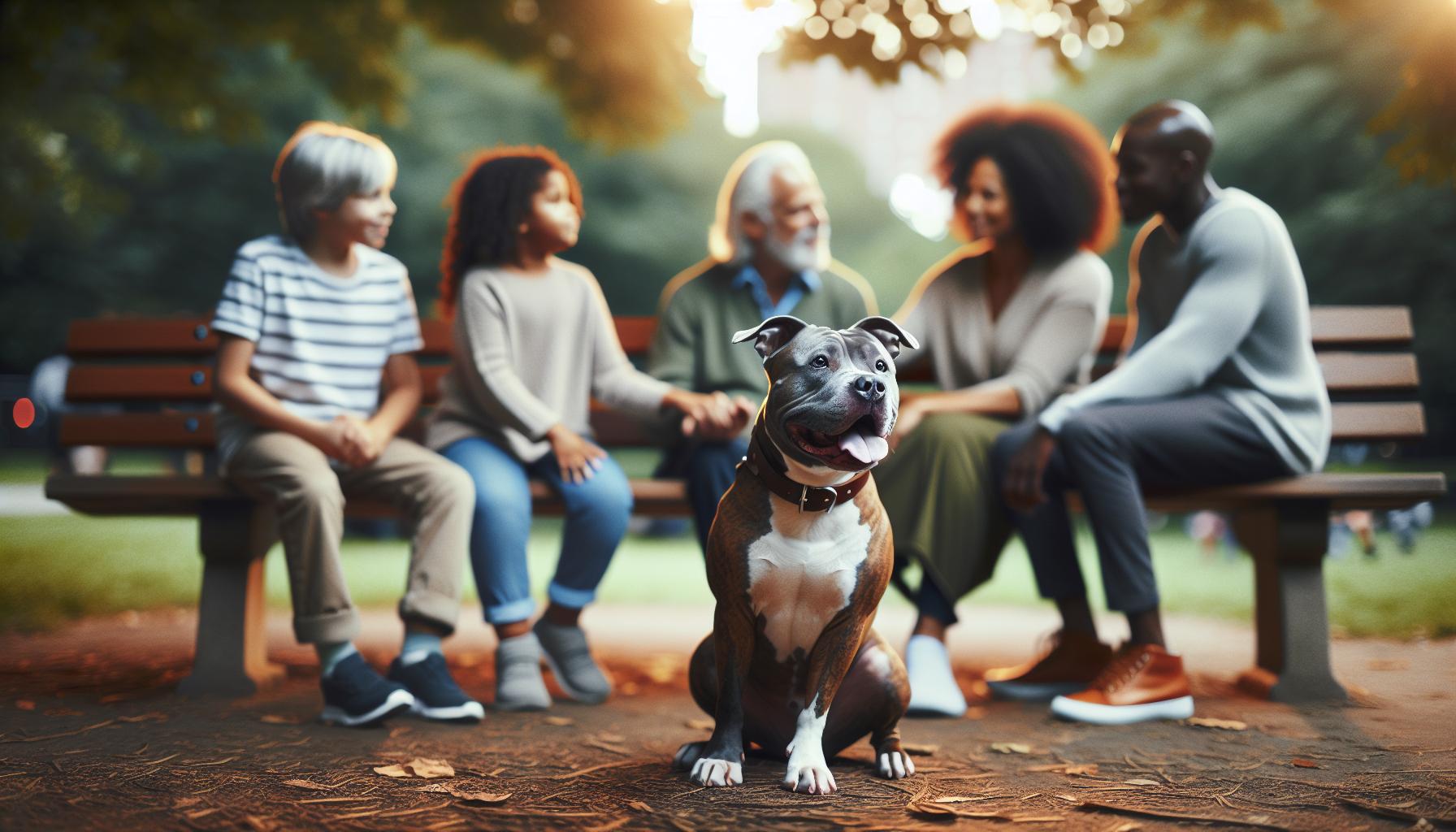
Essential Health Concerns for Pitbull Owners
Owning an American Pitbull Terrier comes with a blend of joy and responsibility, especially when it comes to their health. As a particularly resilient breed, Pitbulls still face several health concerns that can affect their quality of life. Being informed about these issues can empower you to take proactive steps in ensuring your furry companion remains healthy and happy.
One of the most significant health concerns for Pitbulls is obesity. This breed has a propensity to gain weight, which can lead to a range of health problems such as diabetes, heart disease, and joint issues. Keeping an eye on your Pitbull’s diet and ensuring they receive regular exercise is vital. Using high-quality dog food and monitoring their caloric intake can help manage their weight effectively.
Moreover, Pitbulls are prone to allergies, which may manifest as skin irritations, ear infections, or gastrointestinal issues. Common allergens include certain food ingredients, pollen, and dust mites. It’s essential to consult your veterinarian if you notice abnormal scratching or digestive troubles, as they can recommend allergy tests or dietary changes to alleviate these problems. Also prevalent in the breed are thyroid diseases and progressive retinal atrophy, both of which underscore the importance of routine vet visits for early detection and management.
Lastly, conditions such as knee problems, particularly involving the patellar luxation, and inherited issues like Cerebellar Ataxia can greatly impact your Pet’s mobility and quality of life over time. By staying vigilant about your Pitbull’s health and engaging with a veterinary professional to develop a comprehensive healthcare plan, you can mitigate many of these risks. Regular check-ups, combined with a healthy lifestyle characterized by balanced nutrition and consistent exercise, will not only enhance your Pitbull’s wellbeing but also deepen the bond you share with this wonderful breed.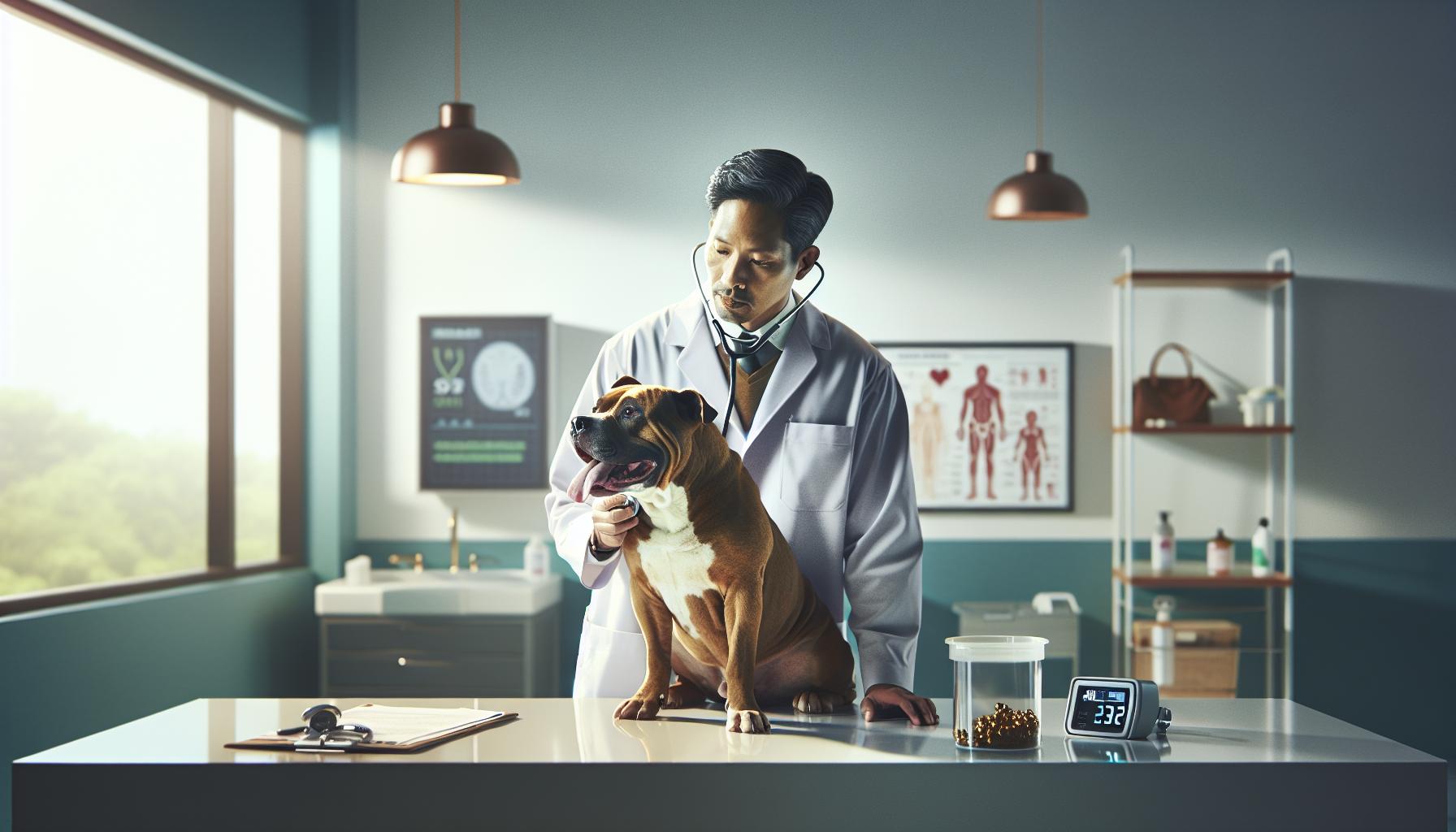
Training Your American Pitbull: Techniques for Success
Training an American Pitbull Terrier can be one of the most rewarding experiences for both you and your dog. Known for their intelligence and loyalty, Pitbulls thrive on companionship and social interaction, making effective training not only necessary but also enjoyable. Establishing a solid foundation from day one will help ensure your Pitbull grows into a well-mannered and confident companion.
A vital aspect of training your Pitbull is understanding their high energy levels and desire to please. To harness these traits, consider implementing positive reinforcement techniques, which have been shown to be particularly effective with this breed. Reward your dog with treats, praise, or playtime whenever they follow commands or exhibit good behavior. This approach not only encourages continued positive actions but strengthens your bond. Consistency is key; ensure that everyone in your household uses the same commands and rewards to avoid confusion.
Basic Commands and Socialization
Start with the basic commands such as “sit,” “stay,” “come,” and “down.” Once your Pitbull masters these, gradually introduce more advanced tricks to keep their mind engaged. Incorporating training sessions into playtime can make learning fun-try using toys as incentives during training exercises. Furthermore, socialization is crucial for developing a well-rounded dog. Expose your Pitbull to different environments, people, and other dogs early on. Regular trips to the park or puppy training classes can be highly beneficial, helping your dog learn how to interact appropriately with various stimuli.
Addressing Behavioral Issues
While Pitbulls are known for their affectionate nature, they can sometimes exhibit behaviors such as excessive barking or pulling on the leash. Tackling these issues early on is essential. Using a harness can help alleviate tugging while walking, and teaching commands like “quiet” can address barking effectively. If your dog shows signs of aggression or fear, it might be wise to seek assistance from a professional trainer who specializes in behavior modification.
Training your American Pitbull Terrier is a journey that requires patience and commitment. With the right techniques, you’ll cultivate a strong, loving relationship built on mutual respect and understanding. Remember, a well-trained Pitbull is not only a joy to own but also a reflection of responsible pet ownership. Embrace the process, celebrate the small victories, and enjoy the many adventures that come with having such a remarkable companion by your side.
Nutrition and Diet: What Your Pitbull Needs
To keep your American Pitbull Terrier healthy and energetic, understanding their nutritional needs is essential. These dogs are known for their muscular build and high energy levels, so a balanced diet rich in proteins, fats, and carbohydrates is crucial. An ideal diet should focus on high-quality protein sources, such as chicken, beef, or fish, which support muscle development and strength. Additionally, including healthy fats can promote a shiny coat and overall health, while carbohydrates provide the necessary energy for their active lives.
Choosing the Right Food
When selecting the right food for your Pitbull, you have options ranging from commercial dog food to raw feeding. If you choose high-quality commercial dog food, look for brands that list animal protein as the first ingredient and avoid fillers like corn and soy. For those interested in raw feeding, a diet composed of 70% raw meat (like ground beef) and 30% bone-in chicken, supplemented with organ meat, can provide a well-rounded nutritional profile [[1]](https://www.prodograw.com/raw-feeding-guide/american-pit-bull-terrier-feeding-guide/). Adding bone broth can enhance hydration and make meals more enticing, especially if your dog has a low appetite [[1]](https://www.prodograw.com/raw-feeding-guide/american-pit-bull-terrier-feeding-guide/).
Supplementation and Special Needs
Depending on your Pitbull’s age, activity level, and health status, they might require supplements to bridge any nutritional gaps. Targeted supplements can support joint health, digestion, and coat condition. Additionally, with the breed’s predisposition to certain health issues, such as hip dysplasia and skin allergies, incorporating ingredients like omega fatty acids and glucosamine into their diet may be beneficial [[2]](https://iheartdogs.com/ideal-diet-for-pit-bulls-the-ultimate-pit-bull-feeding-guide/).
Always remember to introduce any dietary changes gradually to avoid digestive upset. Monitor your dog’s reaction to different foods and adjust accordingly, ensuring they receive the best possible nutrition tailored to their unique needs. By prioritizing a balanced diet, you’ll help your American Pitbull Terrier thrive as a happy and healthy member of your family.
The Importance of Socialization for Pitbulls
To ensure your American Pitbull Terrier grows into a well-mannered adult, socialization is a critical aspect of their early development. Socialization involves exposing your puppy to a variety of environments, people, and other animals in a positive manner. Research indicates that dogs, particularly breeds as strong and active as the Pitbull, benefit immensely from early social interactions. Proper socialization can help minimize undesirable behaviors and reduce the likelihood of aggression, making it an essential factor in the training of your furry companion.
You can begin socializing your Pitbull at a young age-preferably between 8 to 16 weeks. During this time, positive experiences can shape their understanding of the world around them. This can involve simple activities like meeting new people, encountering various environments, or even interacting with calm, well-behaved dogs. It’s advisable to use treats and positive reinforcement during these interactions, which helps to foster good associations with less familiar experiences. For instance, you might take your puppy on walks where they can meet other dogs, ensuring to reward them with treats and praise for calm behavior.
As your Pitbull matures, continue to provide social opportunities that challenge them while ensuring they’re manageable. Activities such as training classes, dog parks, and organized playdates with other well-socialized dogs can reinforce their confidence and adaptability. However, always be mindful of their comfort levels; it’s essential to avoid overwhelming situations that may lead to fear or anxiety. If at any point your dog shows signs of distress, take a step back and reintroduce socialization slowly to maintain a positive experience.
With proper socialization practices, your American Pitbull Terrier can become not only a loyal companion but also a well-adjusted member of society. By focusing on their social needs from an early age, you’ll build a foundation of trust and confidence that benefits both dog and owner in a variety of settings. Ultimately, embracing socialization as a lifelong commitment will enhance the relationship you have with your Pitbull and promote a peaceful coexistence with others.
Common Myths About Pitbulls Debunked
The American Pit Bull Terrier is often surrounded by a cloud of misconceptions that can deter potential owners and paint an unfair picture of this loyal breed. One common myth is that Pit Bulls are inherently aggressive. In reality, aggression is not a breed-specific trait but rather a result of individual temperament, upbringing, and environment. With proper training and socialization, these dogs can be gentle and affectionate companions. Numerous studies have shown that most Pit Bulls living in homes are friendly, well-loved pets, countering the stereotype of them being dangerous animals [1].
Another prevalent misconception is that Pit Bulls have “locking jaws.” This is a myth propagated by sensationalized media reports that contribute to their negative public perception. In truth, there is no anatomical feature that defines this breed as having a lock in their jaw structure. Their bite strength, like that of any dog, is influenced more by their size and strength rather than any specific physiological trait [2]. This misconception often leads to misinterpretations of bite statistics and unfairly biases breed-specific legislation, which can ultimately impact the lives of many well-behaved Pit Bulls in shelters.
Additionally, there’s a belief that Pit Bulls are not suitable as family pets. This claim is far from accurate. Many families have found that Pit Bulls are incredibly affectionate, loyal, and great with children. Their willingness to please their owners and their high energy levels make them wonderful companions for active households. As with any breed, the key to a well-mannered Pit Bull lies in consistent training, adequate exercise, and socialization from a young age [3].
Understanding and dispelling these myths is essential for promoting responsible ownership and appreciating the value that Pit Bulls bring to our lives. By providing accurate information and encouraging positive interactions with this breed, we can help reshape their reputation and celebrate their unwavering loyalty and love.
Caring for Your Pitbull: Grooming and Maintenance Tips
The American Pit Bull Terrier is not only known for its loyal and affectionate nature but also for its striking appearance. Proper grooming and maintenance are essential to keep your Pit Bull healthy and happy, enhancing both their aesthetics and overall well-being. Your Pit Bull’s short, smooth coat is low-maintenance in comparison to many long-haired breeds, but they still require regular care to maintain their skin and coat health.
Grooming Essentials
Grooming your Pit Bull primarily involves regular brushing, which helps reduce shedding and distribute natural oils across their skin. A simple rubber curry brush or a slicker brush can work wonders. Aim for at least once a week, but during shedding seasons, you might want to brush more frequently. Not only does this help maintain their sleek look, but it also provides an opportunity to check for any unusual skin issues, such as lumps or irritations.
Bathing is another crucial aspect of your Pit Bull’s grooming routine. Generally, aim to bathe them every 2-3 months or as needed, depending on their level of activity and exposure to dirt. Use a gentle dog shampoo formulated specifically for their skin type. After bathing, ensure you dry them thoroughly, paying special attention to their ears and paw pads to prevent moisture-related issues.
Dental and Ear Care
Oral health is often overlooked but critical for your Pit Bull’s well-being. Regularly brushing their teeth (ideally, daily) while using toothpaste designed for dogs can significantly reduce tartar buildup and prevent periodontal disease. If you find it difficult to brush their teeth regularly, consider dental chews or toys that promote oral hygiene.
Ears should also be checked weekly for dirt or wax buildup. Use a cotton ball with a vet-recommended cleaning solution to wipe the outer ear gently. Avoid inserting anything into the ear canal to prevent injury. Keeping their ears clean helps prevent infections, especially for breeds like Pit Bulls that can be prone to such conditions.
Nail Trimming and Paw Care
Don’t forget about your Pit Bull’s paws! Regular nail trimming is essential, as overgrown nails can cause discomfort and lead to mobility issues. If you can hear their nails clicking on the floor, it’s time for a trim. Aim for every 3-4 weeks, and if you’re unsure about how to clip them, a professional groomer can help.
Additionally, check their paw pads for cracks or cuts, especially during extreme weather conditions. Applying a paw balm can keep their pads hydrated and protected, especially in hot or cold environments.
With consistent grooming and attentive care, your American Pit Bull Terrier will not only look their best but will also thrive as a beloved member of your family. Embracing these grooming habits will help foster not just their health, but also a stronger bond between you and your loyal companion.
Understanding the Pitbull’s Unique Breed Variants
The American Pit Bull Terrier encompasses a diverse range of unique breed variants, each with its distinct characteristics and charm. Understanding these variants not only enhances your appreciation for this incredible breed but also helps you choose the right type of Pit Bull that aligns with your lifestyle and preferences.
This breed primarily includes the American Pit Bull Terrier, American Staffordshire Terrier, Staffordshire Bull Terrier, and the American Bully. While they share a common ancestry and exhibit similar physical traits, subtle differences can be found among them. In general, American Pit Bull Terriers are often recognized for their athleticism and drive, making them excellent companions for active individuals or families. They typically possess a more pronounced muscular build and a longer snout compared to their Staffordshire counterparts.
Comparison of Breed Variants
Let’s take a closer look at how these breed variants stack up against each other:
| Breed Variant | Height | Weight | Temperament | Common Colors |
|---|---|---|---|---|
| American Pit Bull Terrier | 17-21 inches | 30-85 lbs | Friendly, Loyal, Protective | Various |
| American Staffordshire Terrier | 17-19 inches | 40-70 lbs | Bold, Confident, Affectionate | Brindle, Fawn, Blue |
| Staffordshire Bull Terrier | 14-16 inches | 24-38 lbs | Playful, Loyal, Fearless | Any color except merle |
| American Bully | 13-20 inches | 70-150 lbs | Gentle, Social, Outgoing | Various |
Each variant brings its unique flair. For example, the American Bulldog is noted for its muscular build and gentle disposition, making it suitable for families with children. In contrast, the Staffordshire Bull Terrier is smaller and often praised for its friendly and playful nature, which appeals to first-time dog owners.
Choosing the Right Variant
When selecting a specific variant, consider your lifestyle, activity level, and living arrangements. For instance, if you enjoy outdoor activities and exercise, the American Pit Bull Terrier might be your ideal match due to its high energy levels. On the other hand, if you live in a smaller home or apartment, the compact Staffordshire Bull Terrier could provide all the love and companionship you desire, while being easier to manage in limited space.
Understanding these breed variants allows you to not only embrace the diversity within the American Pit Bull lineage but also to promote responsible ownership tailored to each dog’s needs and temperament. Whether you prefer the athleticism of the American Pit Bull Terrier or the gentle nature of the American Bully, each variant has much to offer, ensuring a rewarding and loving companionship.
How to Choose the Right American Pitbull Terrier for You
Choosing the right American Pit Bull Terrier for you is a rewarding journey that requires thoughtful consideration of your lifestyle, preferences, and the specific characteristics of this eager and loyal breed. Before you make a decision, it’s crucial to understand not only your personal circumstances but also how different variants of the breed may fit into your life.
When evaluating potential Pit Bulls, reflect on your activity level. The American Pit Bull Terrier is known for its high energy and athleticism, making it ideal for active individuals or families who enjoy outdoor activities like hiking or running. If you’re more inclined to a relaxed lifestyle or have limited space, the American Bully, with its gentler disposition and somewhat lower energy levels, might be a better fit.
It’s also important to consider the size and characteristics of various variants, such as the American Staffordshire Terrier and the Staffordshire Bull Terrier. The American Staffordshire Terrier is known for its bold and confident nature, while the Staffordshire Bull Terrier is more compact and playful, offering a loving companion that still fits well in smaller living environments. Each breed variant can bring unique charm to your home, so aligning their qualities with your needs is key.
Don’t forget to think about your experience level with dogs. If you’re a first-time dog owner, you may benefit from a breed variant that is generally easier to manage and train. The Staffordshire Bull Terrier, known for its playful and loyal nature, might provide an ideal introduction to responsible dog ownership. Ensure you also consider the amount of time you can dedicate to training and socialization, which are essential for all Pit Bull types due to their strong, intelligent, and sometimes stubborn behavior.
As you embark on this important decision, remember to visit local shelters or reputable breeders where you can observe dogs in person. Spend time interacting with them to see which dog resonates with you and fits best into your family dynamic. Each Pit Bull has its unique personality, and getting to know potential companions will ultimately guide you to make the most fulfilling choice.
Pitbulls in Pop Culture: Celebrating Their Legacy
The American Pit Bull Terrier has made a significant cultural impact, transcending its stereotype to become symbols of loyalty, strength, and resilience in various aspects of pop culture. From film and television to music and sports, these dogs are often celebrated for their loving, spirited nature, breaking down preconceived notions about the breed.
In the music world, artists like the rapper Pitbull have elevated the breed’s image, using their platforms to advocate for responsible ownership and animal welfare. The rapper’s rise from Miami street culture to global prominence mirrors the journey of the American Pit Bull Terrier itself, as both have faced challenges and misconceptions throughout their histories. His success illustrates how hard work, determination, and a good reputation can change societal perceptions, highlighting the importance of education about dog breeds.
Movies and television often depict American Pitbull Terriers as protective family companions, showcasing their loyalty to their human families. In films like The Incredible Journey and various family-centered animations, these dogs are portrayed not as villains but as loving guardians. Social media platforms also feature countless heartwarming stories of Pitbulls, showcasing their playful antics and affectionate nature, which fosters a growing appreciation among the general public.
Moreover, organizations such as the American Pit Bull Foundation actively work to improve the breed’s image, providing education, resources for training, and support for responsible ownership. By debunking myths and sharing success stories, they strive to reshape the narrative surrounding these dogs. Celebrating their legacy involves acknowledging their history, fostering positive relationships between dogs and people, and advocating for a future where every Pitbull finds a loving home.
Overall, the enduring presence of the American Pit Bull Terrier in pop culture serves as a testament to their loyalty and adaptability, encouraging a deeper understanding of this breed’s true character. By celebrating their legacy, you contribute to a more balanced view, promoting responsible ownership while appreciating the unique qualities that make Pitbulls true companions.
Promoting Responsible Ownership of Pitbulls
Promoting responsible ownership of American Pit Bull Terriers is crucial in fostering a loving relationship between the breed and the community. These dogs, often misunderstood due to their strong physical presence and unfortunate stereotypes, thrive when they’re in the hands of knowledgeable and caring owners. Responsible ownership doesn’t just benefit the individual dog; it has a ripple effect on the breed’s reputation and the perception held by the public.
To be a responsible Pit Bull owner, understanding the breed’s unique needs is paramount. Training should begin early, incorporating basic obedience and socialization skills to ensure your Pit Bull grows up to be a well-adjusted and friendly adult. Regular interaction with different people and pets will help alleviate any fear or aggression based on unfamiliarity, which is essential for any breed, but particularly for Pit Bulls, who often face scrutiny. Creating a solid foundation of training and socialization helps debunk myths and showcases the breed’s loving nature.
Moreover, regular veterinary care is essential for maintaining your dog’s health and wellbeing. As a prospective owner, be aware of the common health issues often seen in the breed, such as hip dysplasia and skin allergies. Investing in preventive health care not only extends your dog’s life but also reduces the burden on shelters and rescues, which are too often filled with abandoned dogs suffering from preventable conditions. In addition, consider spaying or neutering your Pit Bull. This not only helps manage the pet population but also contributes to their overall health.
Another significant aspect of responsible ownership is community involvement. Engage with local breed-specific rescues, training classes, or educational seminars. These activities not only strengthen your bond with your dog but also present an opportunity to advocate for the breed in a positive light. When your dog is well-trained, socialized, and healthy, they exemplify the qualities that make Pit Bulls wonderful companions, ultimately helping to change negative perceptions associated with the breed.
By embracing responsible ownership, you ensure not only the happiness of your Pit Bull but also contribute to a collective effort that promotes understanding, acceptance, and love for this resilient breed. Educating yourself and others helps to combat the stigma and fosters a community where all dogs, including Pit Bulls, have the chance to thrive.
Faq
Q: What are the common health issues faced by American Pitbull Terriers?
A: American Pitbull Terriers are prone to certain health issues, including hip dysplasia, skin allergies, and heart disease. Regular veterinary check-ups and a proper diet can help monitor and manage these conditions. For more about health care, visit our section on Essential Health Concerns for Pitbull Owners.
Q: How much exercise does an American Pitbull Terrier need?
A: American Pitbull Terriers require at least 30 to 60 minutes of exercise daily to maintain their physical and mental health. Engage them in activities like hiking, running, or agility training. For training tips, check out our guide on Training Your American Pitbull: Techniques for Success.
Q: Are American Pitbull Terriers good with children?
A: Yes, American Pitbull Terriers can be great with children when properly socialized and trained. They are known for their loyalty and affectionate nature. Always supervise interactions to ensure safety and facilitate positive relationships between your dog and kids.
Q: How can I train my American Pitbull Terrier to be a well-behaved dog?
A: To train your American Pitbull Terrier, use positive reinforcement techniques such as treats and praises. Consistency is key. Start with basic commands like sit, stay, and come. For detailed approaches, refer to our section on Training Your American Pitbull: Techniques for Success.
Q: What is the best diet for an American Pitbull Terrier?
A: The best diet for an American Pitbull Terrier consists of high-quality dog food rich in protein and essential nutrients. Consult your veterinarian to tailor a diet that fits your dog’s age, weight, and activity level. More nutrition insights can be found in our Nutrition and Diet: What Your Pitbull Needs section.
Q: How do I know if I’m choosing a healthy American Pitbull Terrier?
A: To choose a healthy American Pitbull Terrier, look for clear eyes, a shiny coat, and a healthy weight. Ask for health clearances from the breeder and ensure the puppies have been properly socialized. For more tips, see How to Choose the Right American Pitbull Terrier for You.
Q: What training techniques are best for American Pitbull Terriers?
A: The best training techniques for American Pitbull Terriers include positive reinforcement, consistent routines, and engaging activities. Short training sessions are effective, promoting learning while preventing frustration. Discover more strategies in our guide on Training Your American Pitbull: Techniques for Success.
Q: Can American Pitbull Terriers live in apartments?
A: Yes, American Pitbull Terriers can live in apartments if they receive sufficient exercise. Regular walks and playtime are essential to keep them happy and healthy. Ensure they have enough mental stimulation to prevent boredom. For more tips, visit our section on Caring for Your Pitbull: Grooming and Maintenance Tips.
In Retrospect
As you wrap up your journey through “American Pitbull Terrier: The Ultimate Guide to This Loyal Breed,” remember that these remarkable dogs are not only companions but also deserving of your understanding and care. Whether it’s their unique genetics, health needs, or training techniques, knowledge is key to responsible ownership. If you’re inspired to learn more, check out our in-depth articles on Pitbull training techniques and nutrition guidelines to ensure a happy, healthy life for your furry friend.
Don’t hesitate to dive deeper into related topics such as common misconceptions about Pitbulls and how to create a social, enriching environment for them. We invite you to explore these resources, share your thoughts in the comments, and engage with fellow dog lovers in our community. Now is the time to take action-subscribe to our newsletter for the latest tips and updates! Your journey with your Pitbull can be filled with joy, companionship, and adventure, and we’re here to support you every step of the way.
Get our latest guides, news, and insights highlighted in your Google Search & AI Overviews.