When it comes to pitbulls, sensational stories and myths often overshadow the truth about these dogs. A common concern is their potential danger, leading many to ask: how fast can a pitbull kill you? Understanding the reality behind this question is crucial for responsible ownership and fostering a safe environment for both dogs and their communities. Many people view pitbulls through a lens of fear, influenced by negative stereotypes and media portrayals. However, the reality is much more nuanced. This article aims to debunk the myths surrounding pitbull behavior and explore the factors that truly determine a dog’s temperament, including genetics, training, and individual personality. By shedding light on these aspects, we hope to empower you with knowledge, promoting the appreciation of pitbulls while addressing safety concerns realistically. Join us as we unravel the facts and fiction, ensuring that you can engage with this breed with informed confidence and understanding.
Understanding the Pitbull Breed: Origins and Characteristics
Understanding the Pitbull breed is essential in dispelling myths and appreciating these dogs for their true nature. Often misunderstood due to their history, Pitbulls actually have a rich lineage that traces back to the early 19th century in England. They were originally bred from a mix of Bulldogs and Terriers for bull-baiting and later as farm dogs, valued for their strength and tenacity. However, after bull-baiting was banned, these dogs were repurposed as family companions and farm helpers, showcasing their loyalty and affectionate nature.
One of the most notable characteristics of Pitbulls is their incredible strength and stamina. They are muscular dogs, typically weighing between 30 to 65 pounds, and can stand 18 to 21 inches tall. Despite their muscular appearance, they often have a gentle demeanor, displaying a strong desire to please their owners. It’s essential to recognize that properly bred and raised Pitbulls are known for being friendly, loving, and great with children, debunking the stereotype of these dogs as inherently aggressive.
Socialization and training from a young age play crucial roles in shaping a Pitbull’s behavior. Due to their intelligence and eagerness to learn, they respond well to positive reinforcement methods. Teaching your Pitbull basic commands and exposing them to various environments, people, and other animals can enhance their social skills and reduce the likelihood of behavioral issues. Providing mental and physical stimulation through exercise and play can also help channel their energy positively, making them well-adjusted companions.
In summary, Pitbulls are more than just what popular narratives portray; they are loyal companions with a rich history and admirable traits. By understanding their origins and characteristics, owners can appreciate their unique qualities, fostering a supportive environment that celebrates the breed’s true spirit.
Common Myths Around Pitbull Behavior
The perception of Pitbulls has been tainted by a myriad of myths, leading to misunderstandings surrounding their behavior and capabilities. One prevalent myth is that Pitbulls are inherently aggressive or dangerous. This belief is largely fueled by media portrayals and sensational stories of dog attacks, but research regularly debunks the idea that any breed is predisposed to aggression. In fact, aggression is a result of various factors including genetics, environment, and upbringing, rather than the breed alone.
Additionally, the stereotype that Pitbulls have a “lockjaw” is another common misconception. In reality, while they possess strong jaws, there is no anatomical mechanism that allows them to lock their jaws in place. This belief can perpetuate fear and misunderstanding, overshadowing the affectionate and loyal nature that many Pitbulls demonstrate towards their families.
When discussing the potential for violence, it’s critical to factor in the importance of responsible ownership. Responsible training and socialization are key components in ensuring a dog behaves appropriately. Inadequate training or abusive treatment can lead to behavioral problems in any breed, not just Pitbulls. Hence, the pet owner’s role is crucial in shaping a dog’s temperament; an ill-trained Pitbull can become an unstable pet, while one that receives proper training and socialization can thrive as a loving family member.
It’s also noteworthy that Pitbulls often score highly on temperament tests when raised in stable environments. Studies show they can be just as friendly, loving, and trainable as any other breed when properly cared for. By addressing these myths, we can contribute to a more accurate understanding of Pitbull behavior and promote a culture of compassion and responsible ownership.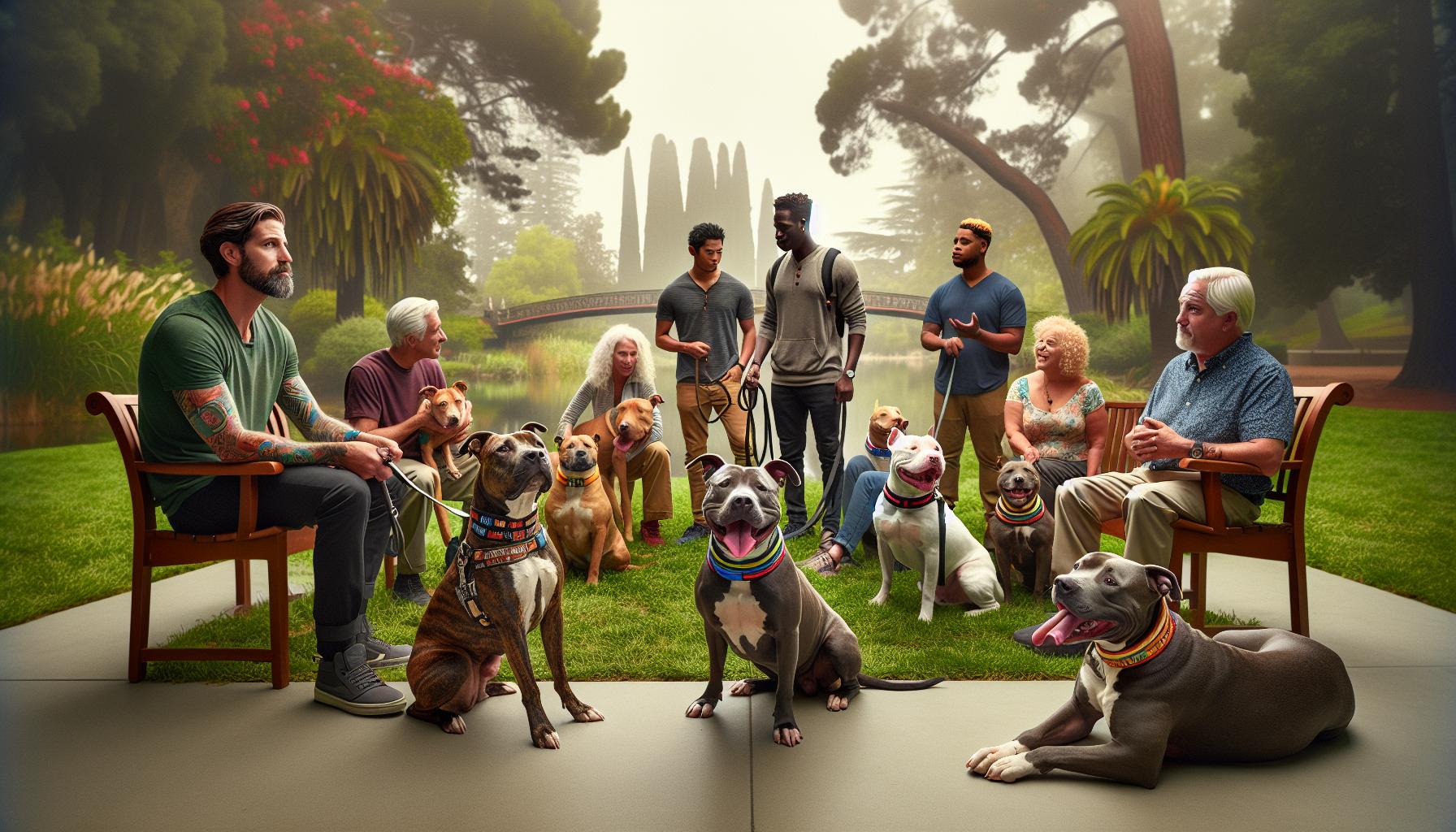
Can Pitbulls Actually Be Dangerous?
Despite often sensationalized claims about their behavior, evaluating whether Pitbulls can be dangerous requires a nuanced understanding. It’s important to recognize that no breed is inherently dangerous; rather, context, environment, and individual personality play critical roles. Like any dog, a Pitbull may exhibit potentially dangerous behavior, but this is often a result of a lack of proper training, socialization, or irresponsible ownership.
One key factor to consider is that Pitbulls, like many breeds, possess strength and energy that, if not channeled correctly, can lead to aggressive behaviors. It’s not the dog’s genetics that dictate an aggressive nature, but rather how they are raised and managed. For instance, a well-socialized and trained Pitbull can demonstrate loyalty, affection, and companionship, showcasing the breed’s potential for being a loving family pet. Conversely, a Pitbull subjected to neglect, abuse, or inadequate training may develop fear-based aggression.
When addressing the question of danger, it’s essential to also look at the role of the owner. Responsible ownership includes understanding dog behavior, investing time in training, and ensuring proper socialization from an early age. This proactive approach can mitigate risks significantly. Moreover, cultivating positive experiences and introducing your dog to various environments and people can help them grow into well-adjusted companions.
In considering all of these factors, it’s clear that the narrative surrounding Pitbulls needs to be reevaluated. With proper care, training, and socialization, a Pitbull is less likely to exhibit dangerous behavior than any other breed. Therefore, the responsibility lies not just in understanding the dog but also in committing to being a responsible, informed owner. By doing so, you can celebrate the true nature of Pitbulls: companions who thrive in loving, structured environments.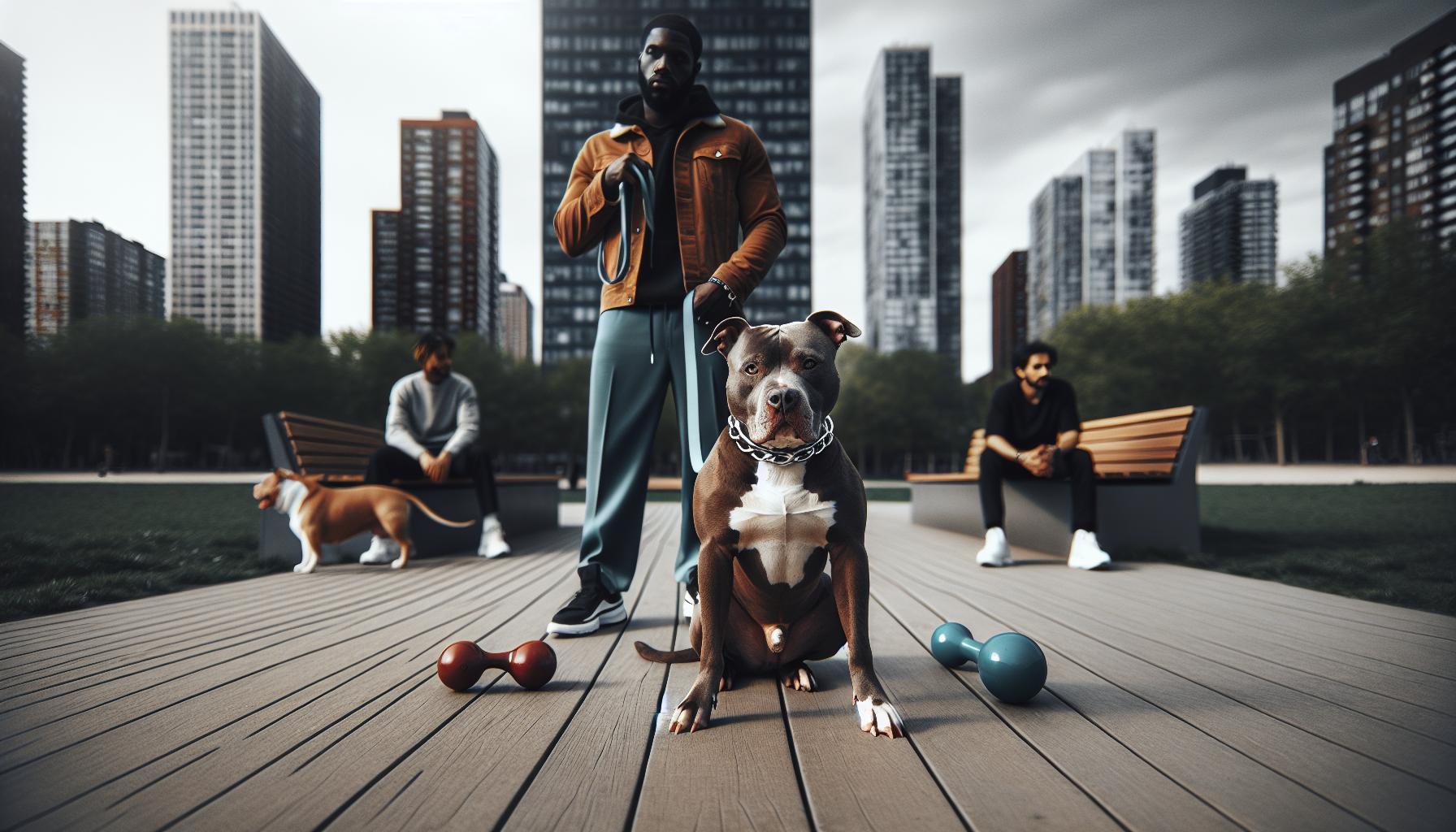
Factors Influencing Aggression in Dogs
Understanding the factors that influence aggression in dogs is essential for any owner, especially when it comes to breeds often seen in a negative light, like Pitbulls. One striking reality is that aggression is a complex behavior shaped by a variety of elements, rather than being inherent to a dog’s breed. Here, we explore the multifaceted influences on canine behavior, specifically as they pertain to aggression.
A significant contributor to aggressive behavior in dogs is environmental factors. Dogs that experience instability-such as frequent moves, a chaotic home, or lack of socialization-are more likely to develop fear or anxiety, which can manifest as aggression. Proper exposure to different people, animals, and environments from a young age is crucial. For Pitbulls, known for their strength and energy, early socialization can help ensure they grow into confident and well-adjusted companions.
Training techniques also play a pivotal role. Dogs respond best to positive reinforcement methods, which encourage desired behaviors without using fear or intimidation. For instance, consistent training sessions that reward good behavior can greatly reduce the likelihood of aggressive responses. Unfortunately, many Pitbulls fall victim to negative training methods or are not trained at all, leading to behavioral issues that can appear as aggression. As a responsible owner, you should invest time in proper training, focusing on building trust and resilience through positive experiences.
Furthermore, genetics can influence how a dog reacts to certain situations, but it’s essential to remember that this is only one piece of the puzzle. While some dogs may have temperamental tendencies, it is their upbringing and daily experiences that often dictate how those traits express themselves. Thus, it’s the combination of genetics, environment, and training that ultimately shapes a dog’s behavior.
Lastly, owners need to be aware of their own behaviors. Dogs are highly perceptive and can pick up on their owner’s emotions and stress levels. An anxious or fearful owner may inadvertently send signals to their dog that lead to insecurity or aggressive reactions. Building a strong bond of trust with your dog through understanding and patience is crucial for minimizing aggressive behaviors. By providing a stable, loving, and well-structured environment, you can greatly influence your dog’s behavior and help dispel the myths surrounding aggressive breeds like the Pitbull.
In summary, addressing the factors that influence aggression involves a comprehensive approach. By focusing on socialization, positive training techniques, understanding the impacts of genetics, and maintaining a stable environment, you can foster a well-rounded and affectionate companion, regardless of breed.
The Role of Training and Socialization
Building a strong foundation through proper training and socialization is essential for any dog, particularly for breeds like Pitbulls that often face misconceptions about their behavior. When you invest time and effort into these areas, you significantly reduce the likelihood of anxiety and aggression, fostering a well-adjusted and happy canine companion.
A positive, structured training regimen not only teaches your Pitbull basic commands but also helps establish trust and communication between you and your pet. Techniques focusing on positive reinforcement-such as treats, praise, or play-encourage desired behaviors. For instance, if your Pitbull successfully sits on command or greets a stranger politely, rewarding these actions reinforces them, leading to a more manageable and sociable dog. Avoid negative methods, as these can instill fear and lead to behavioral issues, including aggression.
In addition to training, early socialization is critical. Exposing your Pitbull to various environments, people, and other animals during their developmental stages helps them build confidence and reduces the chances of fear-based aggression later on. Group classes, dog parks, or playdates with well-mannered dogs can greatly enhance your Pitbull’s social skills. Aim to expose your dog to different situations regularly, starting from a young age to ensure they grow into well-rounded adults.
Ultimately, your actions and demeanor influence your dog’s behavior more than you may realize. Dogs are incredibly perceptive and attuned to their owners’ emotions. A calm, confident owner typically fosters a similar attitude in their dog, while anxious or unpredictable behavior from the owner can lead to insecurity in the pet. Establishing a nurturing environment, coupled with consistent training and early socialization, not only helps dispel harmful stereotypes around the breed but also strengthens the bond you share with your Pitbull. This multifaceted approach will ensure that your Pitbull thrives as a loyal, affectionate companion.
Health Issues That May Affect Behavior
Recognizing that health issues can significantly affect behavior is essential for any dog owner, particularly for breeds like the Pitbull that may already be subject to misunderstandings. Common health problems can lead to anxiety, aggression, or other undesirable behaviors, often exacerbating the existing stigma surrounding the breed.
One prevalent issue is pain-related behavior. If a Pitbull is experiencing pain-whether from arthritis, dental issues, or injuries-they might become irritable or aggressive as a means of self-defense. It’s crucial to be attentive to changes in behavior that could indicate discomfort; a normally well-mannered dog that suddenly snaps or becomes withdrawn may be trying to communicate that something is wrong physically.
Another area to consider is neurochemical imbalances, which can affect a dog’s mood and behavior. Conditions like hypothyroidism can result in lethargy and depression, while some Pitbulls may suffer from anxiety disorders that manifest as aggression or destructiveness. Regular veterinary check-ups and blood tests are vital tools for early detection of these conditions, allowing for timely intervention and treatment.
Moreover, diet plays a critical role in overall health and behavior. Deficiencies in essential nutrients, particularly Omega-3 fatty acids, can impair brain function and lead to behavioral issues. Ensuring that your Pitbull is on a balanced diet tailored to its age, weight, and activity level is foundational for maintaining both physical health and a stable temperament.
Additionally, exposure to toxins can have lasting repercussions on a dog’s behavior. Chemicals from human products or certain plants can lead to poisoning or affect a dog’s neurological health, changing how they interact with their environment. Always be vigilant about what your dog has access to, and consult with a veterinarian if you suspect your pet has ingested something harmful.
Monitoring health alongside behavioral cues can help demystify many problems and dispel myths regarding the breed’s temperament. Understanding that often these behavioral traits stem from health issues fosters a more compassionate view, encouraging responsible ownership and promoting the well-being of your beloved Pitbull.
Comparing Pitbulls to Other Breeds
When comparing Pitbulls to other dog breeds, it’s essential to embrace a holistic view that considers temperament, physical capabilities, and the effects of socialization and training. Contrary to sensationalized myths surrounding Pitbulls, these dogs share more similarities with many breeds than differences, especially regarding behavioral potential and capacity for companionship. Understanding these connections can demystify the breed and present a more nuanced perspective on their behavior and suitability as family pets.
Pitbulls often stand out due to their muscular build and high energy levels, which can be seen in several other breeds such as Boxers or Rottweilers. All these breeds possess physical prowess and loyalty, which, when combined with proper training and socialization, can lead to gentle and friendly companions. For example, while a Pitbull might display a strong protective instinct, so do many breeds that were historically bred for guarding. Here’s a valuable comparison of characteristics that highlight both the strengths and common traits with other breeds:
| Breed | Size | Temperament | Exercise Needs | Trainability |
|---|---|---|---|---|
| Pitbull | Medium | Affectionate, Loyal | High | High |
| Boxer | Medium to Large | Playful, Intelligent | High | Moderate |
| Rottweiler | Large | Confident, Loyal | Moderate to High | High |
| Labrador Retriever | Medium to Large | Friendly, Outgoing | Moderate to High | Very High |
Moreover, the impact of a dog’s upbringing often plays a more significant role in behavior than breed alone. For instance, a poorly trained or abandoned Pitbull may exhibit aggression due to fear or insecurity, much like any neglected dog of a different breed. Understanding this can help you realize that responsible ownership, socialization, and training are key factors not only for Pitbulls but for all breeds.
When exploring which breed fits your lifestyle, consider factors such as activity level, space, and the time you can dedicate to training. Regardless of the breed, the focus should be on building trust and positive interactions. By emphasizing these shared characteristics and the importance of proper care, you can foster a respectful appreciation for Pitbulls while recognizing their potential to thrive in loving homes alongside other breeds.
In summary, while Pitbulls often receive unfair scrutiny, they are not so different from many other popular breeds, especially regarding their needs and capabilities as companions. By promoting understanding and responsible ownership, we can celebrate all breeds, including Pitbulls, as remarkable additions to our families.
Real-Life Incidents: Statistics and Insights
When it comes to discussing the potential danger of dog breeds, particularly Pitbulls, it’s crucial to base our understanding on facts and statistics rather than fear-based narratives. Contrary to popular belief, the notion that Pitbulls possess an innate propensity for violence is largely a myth, shaped by media sensationalism and anecdotal evidence. In reality, the risk of dog bites is significantly influenced by factors such as the dog’s upbringing, training, and socialization-much more than breed alone.
According to various studies, dog bite incidents do occur, but attributing these exclusively to Pitbulls fails to reflect the broader picture. In fact, statistics reveal that other breeds, including those perceived as less dangerous, often account for a notable percentage of bites. The American Veterinary Medical Association (AVMA) emphasizes that responsible ownership and proper training play vital roles in a dog’s behavior. It’s essential to recognize that a well-socialized and trained Pitbull can be as safe as any other breed. For context, one study indicated that 45% of dog bites involved untrained dogs, highlighting the need for proper guidance and responsible pet ownership.
Moreover, when reviewing data on serious injuries or fatalities caused by dog attacks, it becomes clear that sensationalized representations of violence by certain breeds overshadow the importance of responsible care and socialization. A comprehensive study published in the Journal of the American Veterinary Medical Association points out that breeds such as Rottweilers and German Shepherds also appear frequently in bite statistics, suggesting that aggressive behavior can be found across numerous breeds when they are not properly managed.
In understanding the nuances of dog behavior, it’s vital to promote a narrative that encourages responsible ownership, highlighting the importance of training, socialization, and understanding each dog’s individual personality. This balanced perspective can lead to safer interactions between dogs and humans, dismantling harmful stereotypes and fostering an environment where every dog, including Pitbulls, can thrive as a loving and friendly companion.
Responsible Ownership: What You Need to Know
Owning a Pitbull can be a deeply rewarding experience, but it comes with responsibilities that every potential owner should understand. These dogs are known for their loyalty, intelligence, and strength, making them remarkable companions when properly cared for. However, the key to fostering a positive relationship with any dog, especially a breed that often faces stigma, lies in responsible ownership.
A major aspect of responsible ownership is understanding your dog’s needs. Pitbulls thrive on social interaction and need regular exercise to stay healthy and happy. Engaging in daily activities, such as walks, runs, or structured playtime, is essential to prevent boredom and associated behavioral issues. Additionally, consistent and positive reinforcement training methods help instill good manners and obedience, ensuring your Pitbull becomes a well-adjusted member of the family. Remember, training should be fun for both you and your dog.
Equally important is the recognition of health issues that may affect behavior. Pitbulls can be prone to certain genetic conditions, such as hip dysplasia and skin allergies. Regular veterinary check-ups, a balanced diet, and proper grooming practices are crucial in maintaining your dog’s physical health. When a dog feels good physically, they are less likely to exhibit anxiety or aggression.
Socialization is another critical component of responsible ownership. Exposing your Pitbull to a variety of people, environments, and other animals from an early age helps shape their temperament and reduces the likelihood of fear-driven behaviors. This broadened experience makes them more adaptable and less likely to react negatively to new situations.
Lastly, community awareness plays a role in responsible ownership. Advocate for your breed by promoting positive stories and dispelling myths associated with Pitbulls. Engaging in community events and responsible breed-specific training classes helps foster a better understanding of the breed and encourages others to approach Pitbull ownership with the respect and seriousness it deserves. By being a conscientious owner, you contribute to a more informed and accepting atmosphere for these wonderful dogs.
The Importance of Early Socialization and Training
Socialization and training during the early stages of a pitbull’s life are crucial for developing a well-rounded, confident dog. Contrary to harmful stereotypes that pitbulls can be aggressive or dangerous, these traits often stem from a lack of proper training and exposure to diverse environments. Pitbulls, by nature, are social animals that thrive on interaction with people and other animals. Establishing a strong foundation through early socialization helps diminish the likelihood of fear-driven behavior or aggression that can arise from unfamiliar situations.
When you bring a pitbull into your home, consider it essential to introduce them to various environments, sounds, and experiences. Whether it’s meeting new people, encountering other dogs, or exploring different textures and environments, these experiences shape their understanding of the world. Early socialization should start as soon as you bring your puppy home and continue through their formative months. Vivid social experiences can include visits to parks, pet-friendly cafes, and even puppy classes. Each encounter should be positive – offering treats and praise to reinforce good behavior.
Training goes hand in hand with socialization, providing structure and consistency. Implementing basic commands like “sit,” “stay,” and “come” using positive reinforcement techniques can greatly enhance your dog’s responsiveness. Consistent training not only fosters obedience but also builds a strong bond of trust between you and your pitbull. For example, teaching your dog to respond to commands can help mitigate potentially risky situations, ensuring you have control when your dog is exposed to new gatherings or environments.
Moreover, ongoing training should be viewed as an enjoyable process for both you and your pitbull. Regular sessions that incorporate play and exercise keep your dog engaged and excited to learn. Remember, a mentally and physically stimulated dog is less likely to engage in destructive behaviors. Adopting a well-rounded approach to early socialization and training helps dispel the myths surrounding pitbulls, painting them in their true light as loving, loyal, and exuberant companions.
How to Recognize Warning Signs in Any Dog
Understanding a dog’s body language can be crucial to recognizing warning signs before a situation escalates. Dogs, including pitbulls, communicate largely through their physical posture and behavior. For instance, signs of discomfort, anxiety, or aggression can often be detected if you know what to look for.
A relaxed dog will display a loose body posture, wagging tail, and ears in a neutral position. In contrast, warning signs may include:
When a dog suddenly becomes rigid, it indicates heightened tension. These vocalizations are clear signs that a dog may feel threatened or uncomfortable. This stance often signifies fear or submission, while ears standing upright can indicate aggression or alertness. A raised, stiff tail is often a sign of a confident or potentially aggressive dog, whereas a low-hanging tail may signal fear or submission. A dog that turns its head away or avoids direct gaze is expressing a desire to avoid conflict.
Recognizing these behaviors is essential for responsible dog ownership. For example, if your pitbull is showing any of these signs in the presence of another dog or person, it might be time to intervene and create distance. Training and socialization play a vital role in managing these behaviors, ensuring your pitbull is well-adjusted and less likely to feel threatened. However, consistent observation of your dog’s behavior, especially in new situations or around unfamiliar people, will enhance your ability to discern their comfort levels and respond appropriately.
In addition, it’s essential to understand that each dog has unique triggers. By knowing what typically causes stress or discomfort for your dog, you can proactively avoid situations that may lead to aggressive behavior. This not only ensures a safe environment for others but also fosters a trust-filled relationship with your pitbull.
Celebrating the Pitbull: Notable Contributions to Culture
Pitbulls have made significant contributions to culture that underscore their versatility and strong presence in society. Often misunderstood due to negative stereotypes, these dogs are not just companions but also serve as symbols of resilience, loyalty, and strength. From the silver screen to community service, pitbulls have achieved remarkable feats that deserve recognition.
One of the most celebrated roles of pitbulls in popular culture is their portrayal in films and media. Characters like Milo from “The Mask” and the iconic Pete the Pup from “Our Gang” series have showcased the breed’s playful nature and loyalty. These representations have often helped humanize pitbulls, shifting public perception from fear to appreciation. Furthermore, in recent years, there has been a rise in documentaries and social media campaigns aimed at educating the public about the breed’s loving nature and the importance of adopting rescue pitbulls.
Moreover, pitbulls have become ambassadors for various causes, particularly in animal rescue and rehabilitation. Many organizations leverage the positive attributes of pitbulls to promote responsible ownership and to fight against breed-specific legislation. These efforts are often led by passionate advocates who share inspiring stories of pitbulls overcoming adversity and thriving in loving homes.
Beyond entertainment, pitbulls often excel in service roles, including therapy and emotional support. Their gentle temperament and intelligent nature make them ideal candidates for these responsibilities. They not only provide companionship but also help reduce anxiety and improve the quality of life for those who need a special kind of support. The contributions of pitbulls to community welfare and culture highlight their ability to bridge gaps and build connections.
In conclusion, celebrating the contributions of pitbulls extends beyond their portrayal in media. It involves recognizing their strengths, promoting education, and advocating for a fair understanding of their nature. By embracing the positive aspects of this breed, we can foster a greater appreciation for pitbulls and their rightful place in our communities.
Faq
Q: Can pitbulls kill with their bite?
A: Yes, pitbulls have a powerful bite, but the claim that they can kill with a single bite is exaggerated. The danger of any dog, including pitbulls, often stems from the context of the situation, training, and owner responsibility rather than the breed itself.
Q: How fast can a pitbull run?
A: Pitbulls can reach speeds up to 25 mph (40 km/h). This agility and speed are often misconstrued as a threat, but it is important to understand that individual dogs should be evaluated on their training and behavior rather than their raw speed.
Q: Are pitbulls aggressive by nature?
A: No, pitbulls are not inherently aggressive. Their behavior is significantly influenced by their upbringing, socialization, and training. A well-socialized and trained pitbull can be a loving and gentle companion.
Q: What causes aggression in pitbulls?
A: Aggression in pitbulls can be caused by various factors, including fear, lack of socialization, traumatic experiences, and improper training. Responsible ownership and early socialization play crucial roles in reducing aggression.
Q: How to prevent pitbull aggression?
A: To prevent aggression, ensure your pitbull receives proper training, early socialization, and regular exercise. Positive reinforcement techniques are effective in shaping good behavior and building a trusting bond between you and your dog.
Q: Are pitbulls more dangerous than other dog breeds?
A: No, pitbulls are not inherently more dangerous than other breeds. Studies indicate that behavior varies more by individual dogs than by their breed. Factors like training, environment, and treatment by owners are critical in evaluating a dog’s potential for aggression.
Q: What should I do if a pitbull approaches me aggressively?
A: Stay calm and avoid direct eye contact, as this may escalate the situation. If the dog appears aggressive, back away slowly while keeping your hands at your sides. If attacked, protect your vital areas and try to curl into a ball if possible.
Q: How can I identify a dangerous pitbull?
A: Look for warning signs such as growling, raised fur, a stiff posture, and intense focused staring. However, it’s essential to approach all dogs with caution. Understanding signs of distress and seeking professional help can improve safety for you and the dog.
Future Outlook
As we conclude our exploration of the myths surrounding Pitbulls, it’s clear that understanding their nature is essential for both safety and appreciation. Remember, these dogs are often mischaracterized, and by recognizing the truth about their behavior, you can foster a more informed and positive perspective. If you’re eager to learn more, check out our articles on breed training tips and the significance of proper socialization.
Don’t let myths steer you away; embrace your knowledge and consider subscribing to our newsletter for the latest insights on responsible ownership and care. Join our community where you can share your thoughts and experiences-your voice matters! Whether you’re a seasoned owner or simply curious, we invite you to keep exploring our resources and uncover more about this incredible breed.
Get our latest guides, news, and insights highlighted in your Google Search & AI Overviews.