When considering bringing a Pitbull puppy into your home, understanding the costs involved is vital. Did you know that the price of a Pitbull puppy can vary significantly based on factors like lineage, location, and breeder reputation? In this guide, we’ll break down the expenses associated with acquiring a Pitbull, including initial purchase prices and ongoing care costs. Whether you’re a first-time dog owner or an experienced enthusiast, you’ll find valuable insights to help you make an informed decision. Knowing the financial commitment ahead not only prepares you for responsible ownership but also ensures that you can provide the best life possible for your furry companion. Let’s dive into the details of what to expect when budgeting for your new Pitbull puppy.
Understanding the Average Cost of Pitbull Puppies
The allure of owning a Pitbull puppy is undeniable, but understanding the average cost is crucial for potential owners. Generally, the price to bring a Pitbull puppy into your home ranges from $500 to $3,000, depending largely on various factors such as the dog’s lineage, the breeder’s reputation, and the puppy’s overall health and conformation to breed standards. For instance, a show-quality puppy from a champion lineage will typically command a higher price than one from less distinguished parents.
When looking into the costs associated with acquiring a Pitbull, it’s essential to consider not only the purchase price but also additional expenses that can arise shortly after bringing your new friend home. These might include costs for vaccinations, microchipping, and initial vet check-ups. Many breeders will provide a health guarantee, which can assure you of the puppy’s health status, but having a good relationship with a veterinarian is always advisable.
In areas with breed-specific legislation or where there are negative perceptions of Pitbulls, the prices may fluctuate even more. Notably, it’s advisable to always seek out reputable breeders who prioritize the health and welfare of their dogs, as supporting responsible breeding practices is key to ensuring that Pitbulls maintain their reputation as loving and loyal companions. Remember, investing in a healthy puppy from the start pays off in the long run, as it can help avoid higher medical costs down the road.
Factors That Affect Pitbull Puppy Prices
The price of a Pitbull puppy can vary widely, influenced by several key factors that reflect the puppy’s lineage, appearance, and breeder practices. Understanding these factors is essential for potential owners to make informed decisions when considering adding a Pitbull to their family.
One of the primary factors affecting price is the pup’s pedigree. Puppies from champion bloodlines, often bred for show, are typically more expensive, sometimes reaching the higher end of the spectrum-upwards of $3,000. In contrast, puppies from more common or lesser-known breeding lines can be priced significantly lower, generally starting around $500. A well-documented pedigree not only provides assurance of quality traits but also the potential for health and behavioral predictability.
The reputation and practices of the breeder play a crucial role as well. Reputable breeders who conduct health screenings and prioritize the well-being of their dogs often charge more for their puppies. These breeders are more likely to offer health guarantees, socialization, and basic training, which can save you money in the long run on healthcare and behavioral issues. In contrast, lower-priced puppies may come from irresponsible breeders who lack proper care standards, leading to unforeseen medical expenses down the line.
Geographic location also impacts prices. In regions where Pitbulls face breed-specific legislation or higher stigma, the demand may shift, influencing the pricing positively or negatively. Availability of reputable breeders varies across the country, which can further affect costs; densely populated areas may have a competitive market, resulting in more varied pricing structures.
Lastly, aesthetics and characteristics, such as coat color and conformation to breed standards, can have an impact. Certain colors or markings are more sought after and can demand a higher price. Additionally, puppies with desirable traits-like a calm temperament or health certifications-often command greater prices, reaffirming the importance of considering the overall value of your chosen puppy beyond the initial purchase price.
By keeping these factors in mind, you can better navigate the landscape of Pitbull puppy costs and find a pup that fits both your budget and your expectations for companionship.
Where to Find Reputable Pitbull Breeders
Finding a reputable breeder is essential for ensuring that you bring home a healthy and well-socialized Pitbull puppy. Good breeders prioritize the health and well-being of their dogs, and they take great care in selecting breeding pairs that contribute to the overall improvement of the breed. This commitment not only helps you find a puppy that meets your expectations but also supports responsible breeding practices within the Pitbull community.
To find a reputable breeder, start with online research. Websites such as the American Kennel Club (AKC) or the United Kennel Club (UKC) offer breeder directories and recommendations. You can also connect with local breed clubs or attend dog shows, where breeders showcase their dogs and you can meet them in person. Building personal relationships is invaluable; it allows you to ask questions about their breeding practices, health testing, and socialization.
Once you’ve identified potential breeders, do not hesitate to ask for specific documentation on health clearances for the puppy’s parents. Responsible breeders typically perform genetic testing to screen for common health issues, such as hip dysplasia and certain heart conditions, and they should be willing to share this information with you. Additionally, visiting the breeder’s facility can give you insights into the breeding environment and how well the dogs are taken care of. A clean, safe, and caring environment is a strong indicator of a responsible breeder.
Lastly, consider seeking recommendations from local veterinarians or pet trainers, as they often have relationships with reputable breeders in your area. You may also explore social media groups that focus on the Pitbull breed, where experienced owners can share their insights and personal recommendations. Remember, taking the time to find a reputable breeder can save you from future hassles and help ensure a happy and healthy life for your new pup.
Comparing Adoption Costs vs. Buying a Pitbull Puppy
While the decision to bring a Pitbull puppy into your home comes with joy and excitement, it’s essential to consider the financial implications of choosing between adopting a dog or purchasing one from a breeder. Each option carries its own costs, benefits, and responsibilities that can significantly impact your journey as a pet owner.
When you adopt a Pitbull from a shelter or rescue organization, the adoption fee typically ranges from $50 to $300, depending on the organization and what services are included. Adoption fees often cover initial veterinary care, vaccinations, spaying or neutering, and sometimes even a microchip. This means that you’re not only giving a home to a dog in need but also entering a financial commitment that is usually less burdensome upfront. Additionally, adopting can be a rewarding experience, knowing that you’ve made a positive impact on an animal’s life.
On the other hand, purchasing a Pitbull puppy from a reputable breeder can cost anywhere from $500 to $3,000 depending on the breeder’s credentials, the puppy’s lineage, and location. While buying from a breeder often ensures that the puppy has been raised in a well-controlled environment and may come with a more predictable lineage in terms of health and temperament, this route can also lead to higher initial costs. However, these prices typically do not cover veterinary care needed in the early months, which can add up quickly.
Ultimately, your choice should reflect not only your budget but also your commitment to providing a loving home. Whether adopting or buying, it is crucial to ensure that you are prepared for the long-term responsibilities associated with dog ownership, including health care, training, and supplies. Consider visiting local shelters and breeders alike, assessing your options carefully to find the best fit for you and your future pet. Remember, every Pitbull deserves a chance to thrive in a nurturing environment, no matter the route you choose.
Hidden Expenses of Raising a Pitbull Puppy
Bringing a Pitbull puppy into your home is a rewarding experience, but it comes with a myriad of hidden expenses that many new pet owners might not fully anticipate. While you might have budgeted for the initial purchase or adoption fee, the ongoing costs can quickly add up, leading to unexpected financial strain if you’re unprepared. Understanding these hidden expenses is crucial for ensuring that you can provide the best possible care for your furry friend.
One significant cost that can be overlooked is veterinary care. Regular check-ups, vaccinations, and preventative medications for parasites like fleas and ticks can range from $200 to $500 per year. Moreover, as your puppy grows, it may develop health issues that require additional veterinary visits or treatments. Ensuring your Pitbull receives routine dental care is also essential, which can add another $300 to $600 annually.
Another aspect to consider is high-quality food. A well-balanced diet is vital for your puppy’s growth and overall health, and premium dog food can cost between $50 to $100 monthly. This expense may seem minor at first, but factoring in the long-term costs can significantly impact your budget. Additionally, integrating appropriate treats and supplements to support their dietary needs can further increase this ongoing expense.
You should also prepare for training and socialization costs. Professional training classes can vary in price, usually ranging from $100 to $300 for a series of sessions. While you might think you can manage training on your own, hiring a professional can ensure that your Pitbull develops good behavior and social skills, which are crucial for their happiness and your peace of mind. Socialization outings-like puppy playdates or trips to the park-also have associated costs in terms of transportation or entry fees in some case.
Lastly, supplies can be a continuous expense. From leashes and collars to toys and bedding, these items can add up to $200 or more initially. Additionally, you’ll need to replace worn-out items regularly and invest in specialized equipment as your Pitbull matures.
With these factors in mind, it’s clear that welcoming a Pitbull puppy into your life means committing not just to the joy of companionship, but also to a long-term financial responsibility. Preparing thoroughly for these hidden costs ensures that you can provide a nurturing environment where your new best friend can thrive.
Health Considerations Impacting Pitbull Prices
When considering adding a Pitbull puppy to your family, it’s essential to understand how health considerations can significantly impact the overall costs associated with ownership. Pitbulls, like all breeds, are susceptible to specific genetic health issues that may require extra attention and financial investment throughout their lives. Awareness of these potential health conditions not only influences the initial purchase price but can also lead to additional ongoing expenses for care and treatment.
Pitbulls are prone to certain health problems such as hip dysplasia, allergies, and heart conditions. Each of these can come with varying costs for treatment. For instance, a hip dysplasia diagnosis may require surgery costing upwards of $1,200 to $3,500, while regular allergy treatments may add $300 to $700 per year depending on the severity and type of medication needed. It’s also vital to consider preventive health measures. Regular check-ups, vaccinations, and health screenings are crucial for early detection and management of any potential issues, typically adding another $200 to $500 annually to your budget.
Moreover, ensuring you choose a reputable breeder can greatly affect your puppy’s long-term health. Responsible breeders perform health screenings on their breeding dogs to minimize the risk of genetic disorders, often resulting in higher upfront costs for the puppy. However, investing in a puppy from a certified breeder can be less costly in the long run as it may reduce the likelihood of expensive health issues arising. You’ll want to ask about health clearances and guarantee policies that reflect the breeder’s commitment to responsible breeding practices.
Incorporating a well-balanced diet can also play a crucial role in maintaining your Pitbull’s health, which, in turn, can affect veterinary costs. The right nutrition can help reduce the risk of obesity-related problems and allergies, potentially saving you money on treatments later down the line. Overall, understanding and planning for these health considerations can be fundamental when budgeting for the costs associated with owning a Pitbull, ensuring you are prepared to provide them with the best possible care.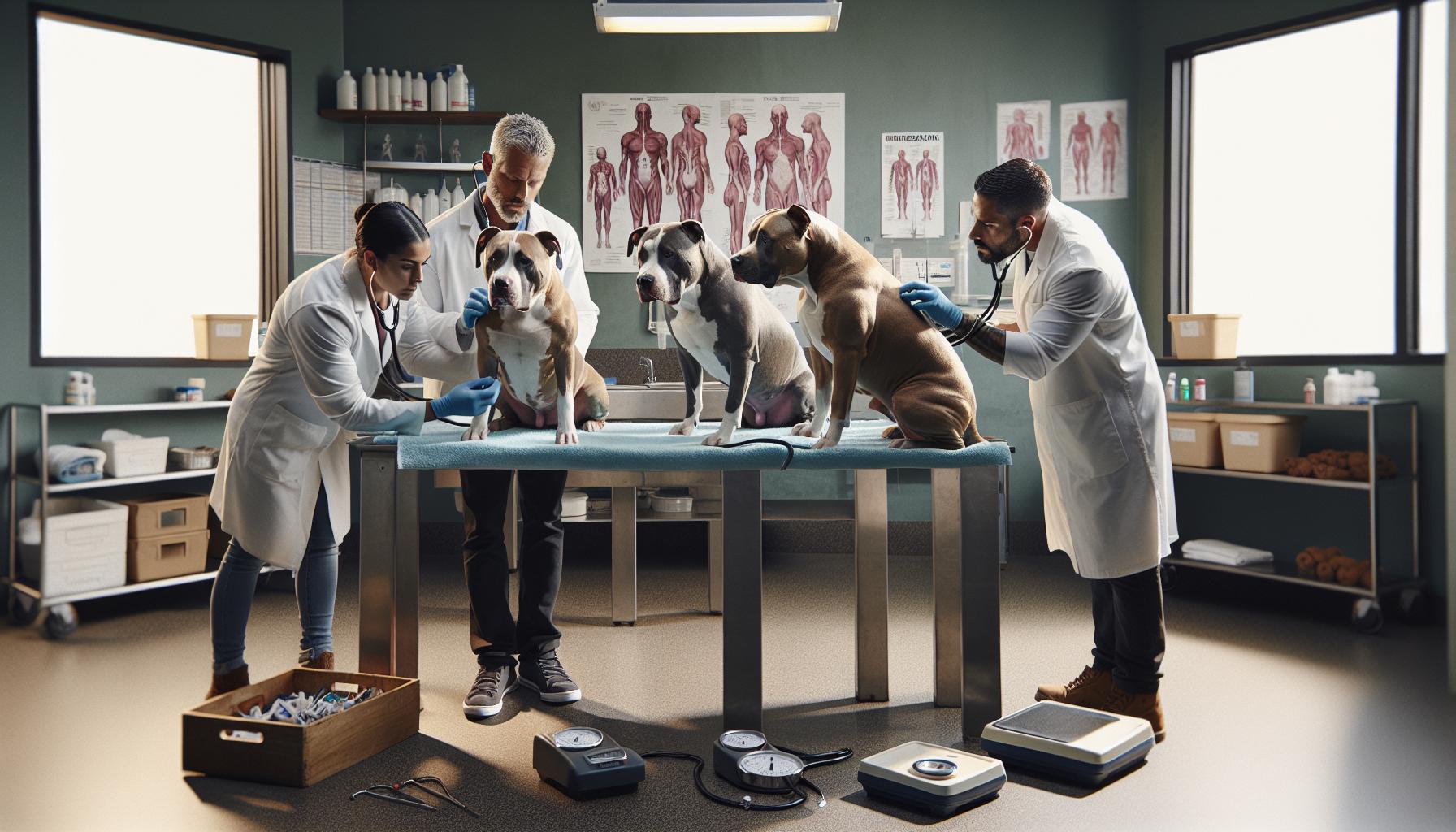
Training Costs: What to Expect for Your Pitbull
Investing in a Pitbull puppy is not just about the purchase price; it’s also essential to consider the training costs involved in raising a well-behaved companion. Many new Pitbull owners underestimate the financial commitment associated with training, which can vary widely based on several factors, including the training method chosen, the age of the puppy, and local market rates for professional services.
Professional obedience training classes can range from $100 to $500, depending on the facility and the level of training. Group classes, which typically last several weeks and include socialization opportunities, tend to be more affordable than individual sessions. These courses not only teach essential commands but also foster important social skills that help your Pitbull thrive in various environments. On the other hand, private training sessions are more personalized and can be beneficial for addressing specific behavioral issues, and these might set you back $50 to $150 per session.
For those who prefer a hands-on approach or face budget constraints, self-training resources abound. Books, online courses, and videos can provide you with the tools necessary to train your Pitbull at home, often for a fraction of the cost. Consistency and patience are key when using self-training methods, and you’ll need to dedicate time daily to practice commands and reinforce positive behaviors.
Regardless of your training method, it’s crucial to socialize your Pitbull from an early age. This includes exposing them to different people, other pets, and various environments to ensure they grow into well-adjusted adults. This socialization process can be a low-cost endeavor; for example, visiting dog parks or dog-friendly events can help you accomplish this goal without significant expenses.
When budgeting for your Pitbull’s training, it’s vital to anticipate ongoing costs. As your pup matures, keeping their skills sharp may require additional classes, refreshers, or even specialized training if you want to pursue activities like agility training or therapy dog certification. Ultimately, investing in training will lead to a more harmonious relationship with your furry friend, ensuring both of you enjoy your time together to the fullest.
Essential Supplies for Your New Pitbull Puppy
Welcoming a Pitbull puppy into your home is undoubtedly an exciting venture, but it’s also integral to be prepared with the right essentials. Proper supplies not only enhance your puppy’s comfort and well-being but also contribute significantly to their training and development. Investing in quality products will set a solid foundation for your new furry family member.
One of the most critical items is a sturdy crate. Crate training provides your puppy with a safe and secure space of their own, facilitating house training and helping them feel at ease. Look for a crate that offers enough room for your Pitbull to stand up and turn around but is not so large that it becomes a space for messing. Additionally, consider investing in a collar and leash. A standard, adjustable collar with an ID tag is essential for safety, while a leash will allow you to take your puppy on walks and outings, encouraging exercise and socialization.
Feeding your Pitbull the right food is essential for their health. Choose a high-quality puppy food formulated for larger breeds, as it will support proper growth and weight management. Ensure you also have a couple of water and food bowls; stainless steel bowls are durable, easy to clean, and less likely to tip over.
Don’t forget about enrichment! Toys are essential for keeping your Pitbull engaged and mentally stimulated. Look for durable chew toys that can withstand their strong jaws. Puzzle toys are excellent for encouraging problem-solving skills and reducing boredom.
Lastly, consider grooming supplies, including a brush suitable for your puppy’s coat type, nail clippers, and possibly even dog shampoo for their bathing needs. Regular grooming helps keep your Pitbull’s coat healthy and can also be an excellent bonding time for both of you.
By gathering these essential supplies, you ensure that your new Pitbull puppy has everything they need for a healthy and happy start in your home. Establishing a nurturing environment will help build a strong, loving relationship between you and your puppy, laying the groundwork for years of companionship.
Insurance and Veterinary Costs for Pitbull Owners
When you bring a Pitbull into your life, understanding the costs associated with their care is crucial. One of the substantial ongoing expenses to consider is insurance and veterinary costs. Regular vet visits are essential for maintaining your puppy’s health and can significantly impact your overall budget. Routine check-ups, vaccinations, preventative medicines for parasites, and dental care are integral to ensure your dog stays healthy throughout their life.
Typically, a yearly wellness exam can range from $50 to $150, depending on your location and the veterinary clinic’s fees. Vaccinations are also necessary, particularly in the first year, with initial puppy shots costing around $75 to $100. Additionally, you might want to consider pet insurance, which can help alleviate some of the financial burdens associated with unexpected health issues. Basic plans can start at about $20 a month, but comprehensive coverage that includes accidents, illnesses, and routine check-ups can range from $30 to $70 or more per month. Researching different policies will help you find coverage that suits your needs and your budget.
Anticipating Emergencies
While routine care forms the backbone of your puppy’s health management, it’s also wise to prepare for emergencies. Pet emergency visits can vary greatly in cost, often ranging from $100 to over $1,000, depending on the severity of the situation. This makes a robust insurance policy beneficial, as it can cover unexpected costs that arise from accidents or sudden illnesses, giving you peace of mind.
It’s also important to be aware of common health conditions that can affect Pitbulls. Certain genetic predispositions mean some owners may face higher vet bills as their dogs age. For example, hip dysplasia and skin allergies are more common in the breed, leading to increased vet visits and potential surgeries. Establishing an emergency fund for your Pitbull can help manage these unexpected expenses without derailing your finances.
Long-term Commitment
In conclusion, bringing a Pitbull into your home involves a long-term financial commitment that goes beyond just the price of the puppy. By factoring in insurance and veterinary costs early on, you set the stage for a healthy, happy life for your new best friend. Consider discussing your options with your vet and exploring various insurance plans to better prepare for the financial aspects of pet ownership. A well-informed approach ensures that both you and your Pitbull thrive, creating an enduring bond filled with joy and companionship.
Understanding Pitbull Puppy Genetics and Variants
Understanding the genetic makeup of your Pitbull can not only deepen your appreciation for this beloved breed but also inform you about the potential cost variations associated with different strains. Pitbulls are recognized for their loyalty, intelligence, and strength, and they encompass several distinct variants each with its own characteristics and health considerations. These genetic differences can influence pricing, breeder selections, and ongoing care needs.
When exploring the various Pitbull types, it’s important to recognize key variants such as the American Pitbull Terrier, American Staffordshire Terrier, and the Staffordshire Bull Terrier. Each type can vary in size, appearance, and temperament. For example, the American Pitbull Terrier is known for its athletic build and energy levels, making them excellent companions for active families. On the other hand, the American Staffordshire Terrier offers a more robust and muscular look, which is often favored in show rings and can sometimes command a higher price.
The genetics of these dogs can also lead to differing health issues. Some common genetic predispositions include hip dysplasia and certain skin conditions which can lead to unexpected veterinary costs. Consequently, when you are investing in a Pitbull puppy, you might want to inquire about the health screenings done by breeders, as responsible breeding practices can help minimize these risks. Additionally, understanding the potential for certain traits can help you choose a puppy that suits your lifestyle, which is crucial for a harmonious owner-dog relationship.
It’s also essential to consider the popularity of specific colors and markings, as this can impact prices. For instance, blue-nosed Pitbulls are often sought after for their unique coloration, sometimes leading to higher demand and, subsequently, higher prices. Conversely, more common colors may come at a lower price point. As you weigh your options, remember that responsible ownership includes understanding not just how much a puppy costs upfront but also the ongoing financial implications tied to their genetic predispositions and the care they require.
Long-term Financial Commitment of Owning a Pitbull
Bringing a Pitbull into your home is an exciting journey, but it’s essential to recognize the long-term financial responsibilities that come with pet ownership. Unlike the one-time cost of purchasing or adopting a puppy, the financial commitment extends throughout the dog’s life, which can span 10 to 15 years or more. When you initiate this rewarding relationship, understanding the various expenses will help ensure that you can provide a loving and stable environment for your new companion.
One of the primary considerations is the routine care that every dog requires, which includes high-quality food, regular veterinary check-ups, and vaccinations. Each of these elements can quickly add up. For instance, a good quality dog food can cost between $30 to $100 per month depending on the brand and your dog’s specific needs. Additionally, routine veterinary visits can range from $100 to $300 annually, not counting any potential emergencies or health issues that may arise. Regular preventive medications for ticks, fleas, and heartworms can add another $20 to $60 monthly.
Additional Long-term Expenses
It’s not just the medical costs that you should keep in mind. Training is another significant financial consideration. A well-trained Pitbull can make for a better companion, but this often requires a professional trainer, especially for first-time pet owners. Training classes might cost between $100 to $300 for a set number of sessions, whereas private training could run $50 to $150 per hour. Investing in training ensures your dog develops good behavior and strengthens the bond between you.
Finally, don’t forget about the essential supplies like beds, leashes, toys, and grooming tools. Initial costs can be substantial, potentially ranging from $100 to $500, depending on the quality of the items you choose. Long-term, these costs will continue as you replace worn-out items and buy new toys to keep your Pitbull mentally engaged.
In summary, while the initial price of acquiring a Pitbull puppy is just one part of the equation, the ongoing costs can require significant financial planning. Establishing a budget early on will allow you to make informed decisions that lead to a happy, healthy life for both you and your Pitbull. Being prepared for these long-term expenses is crucial to ensuring that you provide the best care for your furry friend.
Tips for Finding Deals on Pitbull Puppies
Finding a Pitbull puppy that suits your lifestyle and budget can be a rewarding experience, though it’s essential to approach the process thoughtfully. Whether you’re drawn to this breed’s affectionate nature or its reputation as a loyal companion, there are several strategies you can employ to secure a great deal without compromising on quality.
Start by exploring local animal shelters and breed-specific rescue organizations. Many Pitbulls are in need of loving homes, and adopting from a shelter can significantly reduce your overall costs. Adoption fees typically cover initial vaccinations and spaying or neutering, meaning you may save on upfront expenses. Moreover, rescuing a puppy can lead to a fulfilling relationship with a pet in need. Many organizations also hold special events or promotions, so keep an eye out for reduced fees during adoption drives.
Another great option is to connect with reputable breeders, but be sure to do your research thoroughly. Look for breeders who emphasize health testing and socialization in their practices. Often, responsible breeders will offer payment plans or lower prices for slightly older puppies, which can be a more economical choice since they have already started basic training and socialization. Additionally, attending breed-specific events or dog shows can provide valuable networking opportunities where you might find local breeders willing to offer discounts or recommendations.
Don’t overlook the power of community. Engaging with local pet groups on social media platforms can connect you with potential adopters who might be looking to rehome their puppies at a lower cost. Always ask questions about the puppy’s health history and temperament, and if possible, arrange a meet-and-greet to ensure that the puppy is a good fit for your family.
In your search, consider checking online platforms that specialize in matching pets with prospective owners. Websites often feature discounted or adoption fees for puppies in need of homes. However, remain vigilant and be wary of scams. Always verify the credentials of sellers and never rush into a decision without proper research.
By exploring these avenues, you can find a Pitbull puppy that fits your budget and brings you joy while ensuring that you are supporting responsible pet ownership practices. Each approach enhances your chances of finding the perfect furry companion while being mindful of your financial commitment.
Faq
Q: How much should I budget for a Pitbull puppy?
A: You should budget between $800 to $2,000 for a Pitbull puppy, depending on the breeder’s reputation, lineage, and location. Always ensure the breeder prioritizes health and temperament, as this impacts the long-term costs.
Q: What are the hidden costs of owning a Pitbull puppy?
A: Hidden costs include training, grooming, vet visits, and pet insurance. Expect additional expenses for special food, toys, and unexpected health issues. Planning for these costs is crucial for responsible ownership.
Q: Where can I find affordable Pitbull puppies?
A: You can find affordable Pitbull puppies through local shelters and rescue organizations. Adoption fees are usually lower than purchasing from breeders, and your new puppy will often come vetted and sometimes spayed or neutered.
Q: What factors influence the cost of a Pitbull puppy?
A: The cost of a Pitbull puppy is influenced by breeder reputation, lineage (pedigree), location, and market demand. Championships in the lineage can lead to higher prices, while local puppies may be more affordable.
Q: Are there any special health considerations for Pitbull puppies?
A: Yes, Pitbulls can be prone to certain genetic health issues, such as hip dysplasia and skin allergies. It’s critical to choose a breeder who conducts health screenings on their breeding dogs to minimize potential health problems.
Q: How much do training classes cost for a Pitbull puppy?
A: Training classes typically cost between $100 to $300 for a basic obedience program. Investing in early training is vital as it helps socialize your puppy and fosters good behavior as they grow.
Q: What supplies do I need for a new Pitbull puppy?
A: Essential supplies for a Pitbull puppy include a crate, food and water bowls, quality puppy food, toys, grooming tools, and a leash and collar. Budget approximately $200 to $300 for these initial supplies.
Q: What is the average lifespan of a Pitbull?
A: The average lifespan of a Pitbull is between 10 to 15 years, depending on genetics, care, and overall health. Early preventative care and regular veterinary check-ups can help extend your Pitbull’s lifespan.
Wrapping Up
In conclusion, understanding the costs associated with bringing a Pitbull puppy into your home is essential for responsible ownership. From initial purchase prices to ongoing care expenses, being informed empowers you to make the best decisions for your new furry friend. If you’re ready to welcome a Pitbull into your life, don’t hesitate! The right time to act is now-check out our detailed guides on essential Pitbull training techniques and health tips to set up a successful life together.
For even more insights, be sure to explore our article on the best foods for Pitbulls and how to choose the right vet for your pup’s needs. Your journey as a responsible pet owner starts here! Share your thoughts in the comments below, or reach out if you have any questions. We’re here to support you every step of the way. Let’s celebrate the joys of Pitbull ownership together!
Get our latest guides, news, and insights highlighted in your Google Search & AI Overviews.