As a dedicated Pitbull owner, you might be alarmed to notice your beloved companion losing hair. This issue, while not uncommon, can signal various health concerns that deserve your attention. In this guide, we will explore the potential causes of hair loss in Pitbulls, from allergies and skin infections to dietary deficiencies. Understanding these factors is crucial for ensuring your furry friend maintains both a shiny coat and optimal health. By delving into this topic, you’ll not only gain insight into your pet’s well-being but also empower yourself to take proactive steps in their care. So, let’s unravel the mysteries behind your Pitbull‘s shedding coat and discover ways to support their health and happiness.
Understanding Hair Loss in Pitbulls: Common Reasons
Understanding why your Pitbull is losing hair can be a concerning issue, as it often reflects underlying health or environmental factors. Various reasons can contribute to this common problem, making it essential to observe your dog’s behavior, diet, and living conditions to identify the root cause.
One of the primary reasons for hair loss in Pitbulls is allergies. Dogs can be allergic to a range of substances, including certain foods, pollen, or chemicals found in grooming products. This allergy can lead to inflammation, resulting in itching and hair loss as your Pitbull scratches or bites at affected areas. Keep an eye on any patterns related to your dog’s grooming routine or diet changes, as these can provide clues to potential allergens.
Additionally, parasites such as fleas, mites, and ticks are notorious for causing hair loss in dogs. These pests can lead to intense itching, prompting your Pitbull to scratch more frequently, which results in hair being pulled out. Regular flea and tick prevention should be part of your routine to safeguard against these nuisances.
Stress and anxiety also play a significant role in hair loss. Pitbulls, like other breeds, can experience stress for various reasons, including changes in their environment, a new family member, or a lack of social interaction. Creating a calm and enriching environment for your dog will help alleviate stress, contributing positively to their overall coat health.
Ultimately, if you notice significant or persistent hair loss in your Pitbull, it’s important to consult with a veterinarian. They can perform the necessary tests to diagnose any underlying health issues accurately and recommend appropriate treatments tailored to your dog’s needs. Keeping an open dialogue with your vet ensures that you can address any potential problems early on, helping your beloved pet maintain a healthy, vibrant coat.
Identifying Health Conditions Linked to Hair Loss
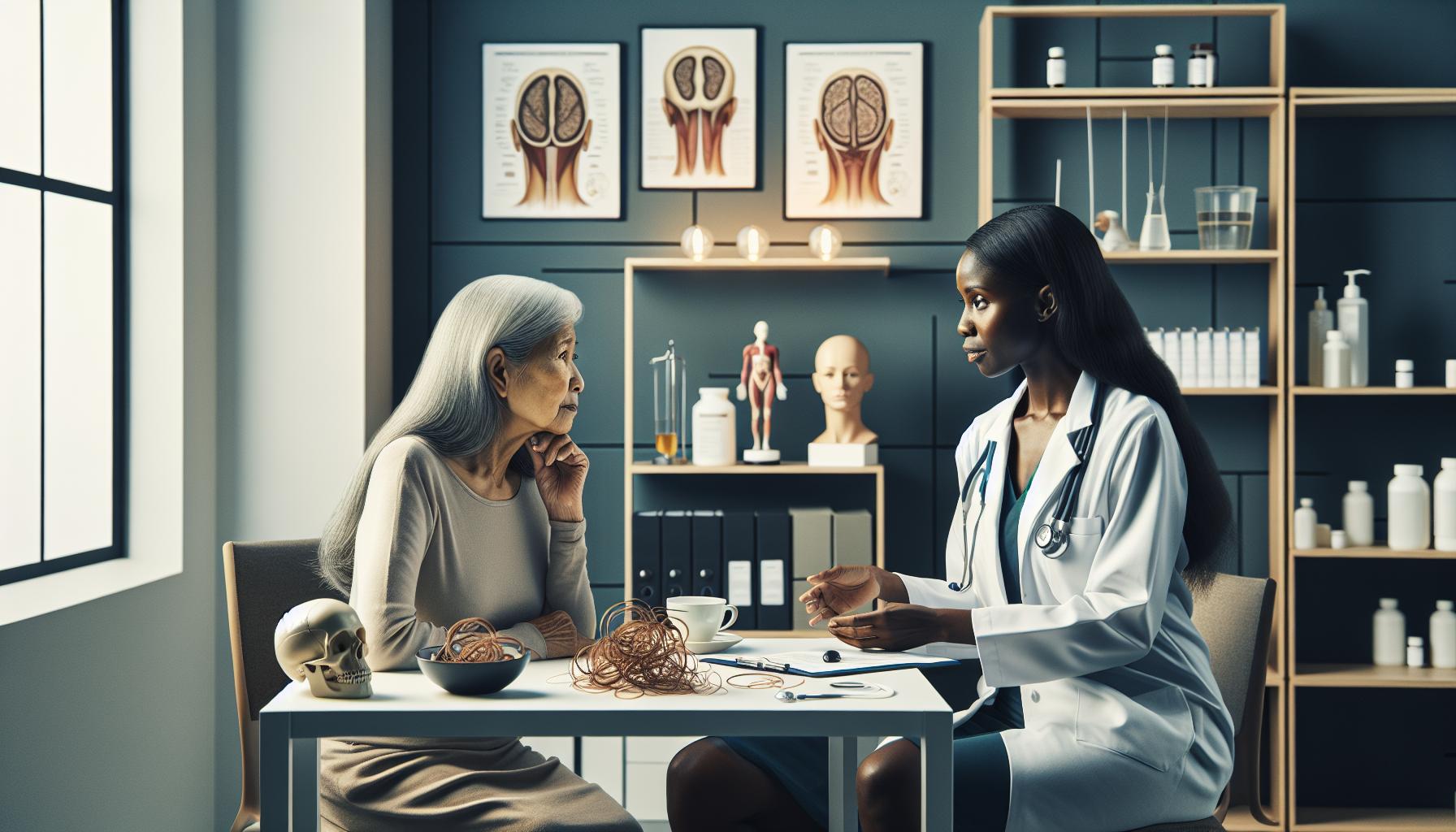
Identifying health conditions that lead to hair loss in your Pitbull requires a keen observation of their overall health and behavior. Pitbulls are generally robust dogs, but they are susceptible to various diseases and issues that can manifest through their coat. Understanding these conditions is crucial for early intervention and treatment.
One common health issue linked to hair loss is hypothyroidism. This endocrine disorder, caused by a deficiency of thyroid hormone, can lead to a variety of symptoms, including lethargy, weight gain, and thinning fur. You might notice your Pitbull has become less energetic and their coat feels rough or dry. A veterinarian can easily diagnose this condition through blood tests and recommend appropriate medication to help manage it.
Another condition to be aware of is Cushing’s disease, which stems from an overproduction of cortisol. Pitbulls with Cushing’s may exhibit increased thirst, urination, and an unkempt coat that starts thinning, especially on the abdomen and legs. As with hypothyroidism, a vet will perform specific tests to confirm this diagnosis and suggest a treatment plan, which may include medication or dietary adjustments.
Sometimes, skin infections or bacterial and fungal infections can lead to hair loss as well. These infections often cause itchy, inflamed skin, making your dog more likely to scratch and further irritate the area. Regular bathing, maintaining good hygiene, and keeping your dog’s skin moisturized can help prevent such problems. If you suspect an infection, consult your veterinarian, who may prescribe antibiotics or antifungal treatments to eliminate the issue.
Finally, consider autoimmune diseases, where the body mistakenly attacks its own skin cells. Conditions such as pemphigus or lupus can lead to patchy hair loss, and they typically require a specialist’s intervention. Early diagnosis is essential, so keep an eye out for any unusual changes in your dog’s coat condition and behavior.
By staying vigilant and proactive regarding your Pitbull’s health, you can help maintain their beautiful coat and overall well-being. Recognizing these potential health issues early on will not only preserve their coat condition but also contribute to their happiness and quality of life. Always consult with your veterinarian to ensure your furry friend receives the best care possible.
Nutrition and Its Role in Your Pitbull’s Coat Health
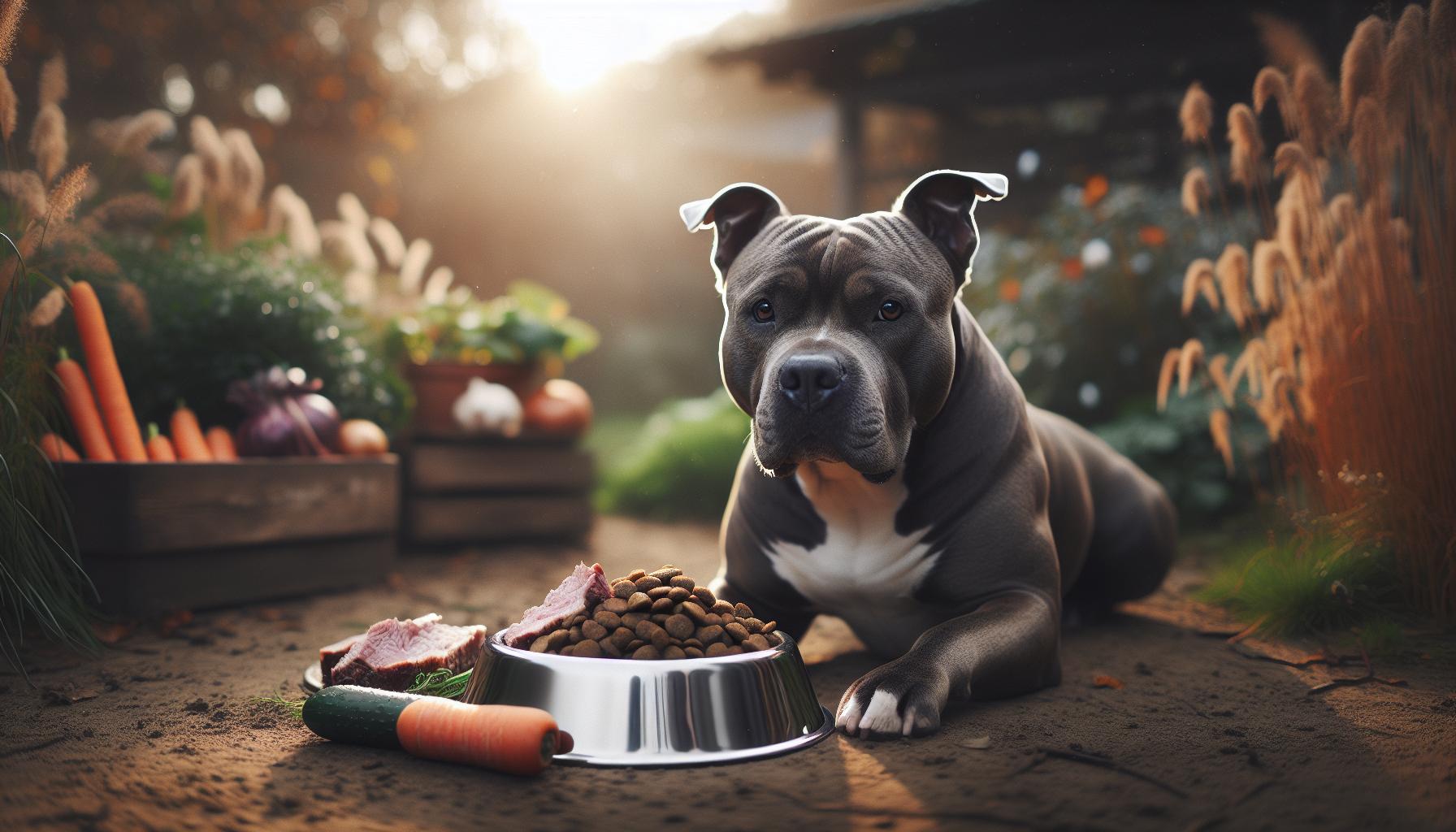
Maintaining your Pitbull’s coat health starts from the inside out, making nutrition a cornerstone of their overall well-being. A well-balanced diet not only supports healthy skin but also impacts the quality and appearance of your dog’s coat. Just like humans, dogs require specific nutrients that contribute to their skin and fur health. Feeding your Pitbull high-quality food rich in essential fatty acids, vitamins, and minerals can significantly reduce the chances of hair loss and promote a shiny, vibrant coat.
To ensure your Pitbull gets the proper nutrients, consider incorporating foods high in omega-3 and omega-6 fatty acids into their diet. These healthy fats are beneficial for skin hydration and maintaining the natural oil balance, which can prevent conditions that lead to hair loss. Options like salmon, fish oil, and flaxseed oil can be excellent additions. Additionally, proteins like chicken, beef, and eggs serve as vital building blocks for healthy hair growth.
Key Nutrients for Coat Health
- Omega-3 Fatty Acids: Found in fish and flaxseed, they help reduce inflammation and promote healthy skin.
- Omega-6 Fatty Acids: Present in vegetable oils, these also improve skin barrier functions.
- Vitamin E: An antioxidant that helps maintain skin integrity and moisture, found in grains and leafy greens.
- Zinc: Vital for skin repair and regulation, often found in meat and whole grains.
- Biotin: A B vitamin that supports hair growth, typically sourced from eggs and liver.
Considering your Pitbull’s unique needs is essential. Each dog may have different dietary requirements based on age, activity level, and health status. It’s often helpful to consult with your veterinarian to tailor a specific nutrition plan that ensures your dog receives all necessary nutrients while addressing any potential allergies or sensitivities. Additionally, it’s crucial to avoid feeding your Pitbull low-quality or heavily processed foods, as these can lack essential nutrients and contribute to skin issues.
In summary, investing in your Pitbull’s nutrition is a proactive step toward preventing hair loss and enhancing the overall health of their coat. By focusing on a nutrient-rich diet and being mindful of your dog’s individual needs, you can foster a healthy, vibrant coat that reflects their true vitality.
Environmental Factors Causing Hair Loss in Pitbulls
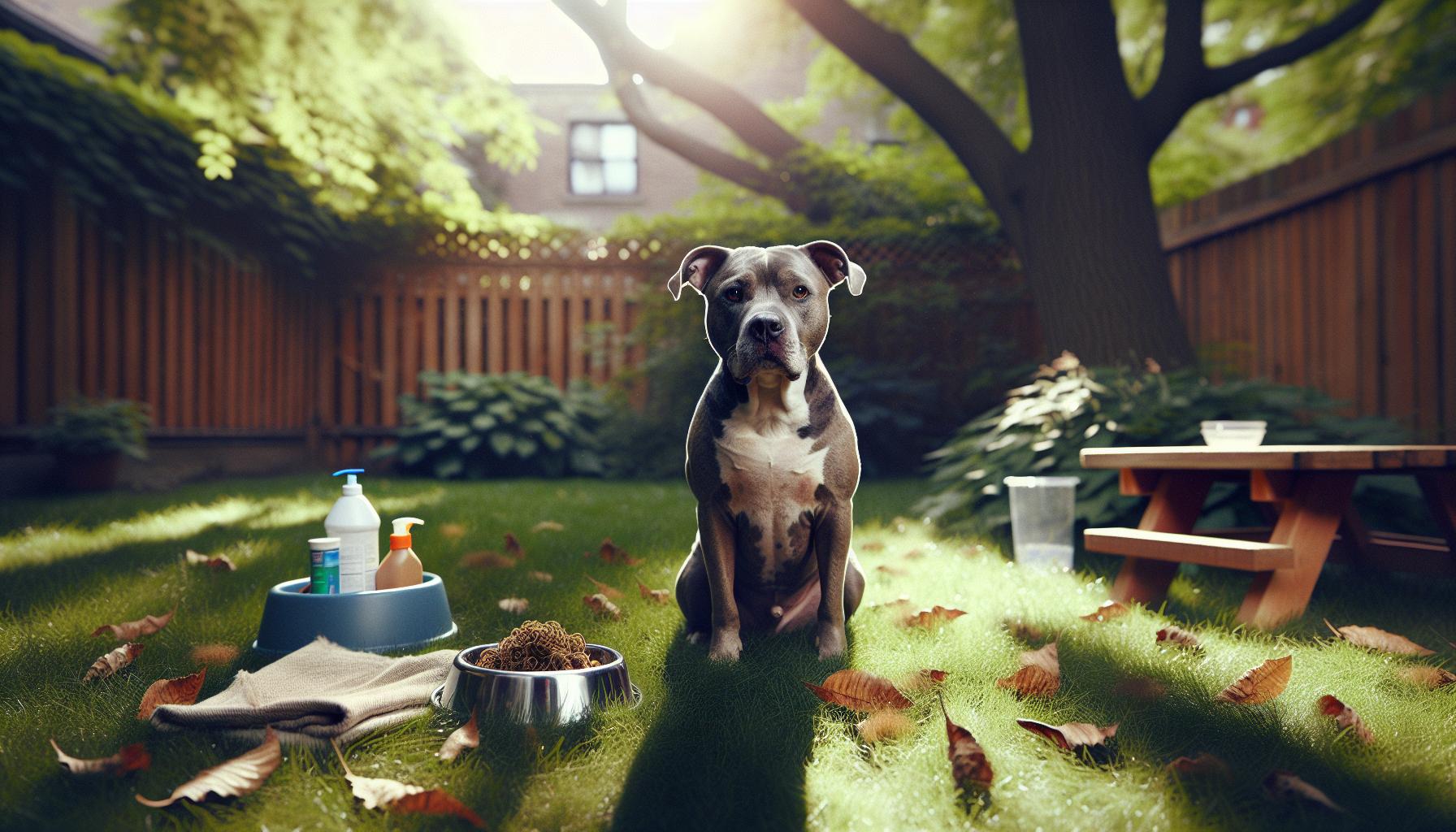
Environmental stressors can significantly impact the health of your Pitbull’s coat, often manifesting as hair loss. As a breed that thrives in stable and loving environments, Pitbulls can be sensitive to changes in their surroundings. Factors such as temperature fluctuations, humidity levels, and exposure to pollutants can all contribute to skin issues that lead to hair loss. For instance, excessive heat can cause skin dehydration, while cold weather might lead to brittle fur and increased shedding.
Another crucial environmental factor is the presence of allergens. Common allergens include dust mites, pollen, mold, and certain chemicals in household cleaning products or grooming supplies. These irritants can trigger allergic reactions, resulting in itchy skin and subsequent hair loss. You might find your Pitbull scratching or biting at their skin more than usual, which can exacerbate the shedding. To mitigate this, consider using hypoallergenic products and regularly cleaning your home to reduce allergen buildup.
Exposure to parasites, such as fleas and ticks, is another environmental concern that can lead to significant hair loss in your Pitbull. These pests not only irritate the skin but can also cause allergic reactions that prompt aggressive scratching. Persistent scratching can damage the skin and lead to infection, compounding the hair loss issue. Maintaining a regular schedule of flea and tick prevention can shield your furry friend from these unwelcome guests.
Additionally, your dog’s living conditions matter. A Pitbull living in an outdoor environment without adequate shelter may suffer from harsher conditions, which can impact their coat health. Creating a suitable indoor environment with controlled temperature and clean air can greatly enhance your dog’s comfort and coat vitality. Addressing these environmental factors can help prevent hair loss and promote a healthier, lusher coat for your beloved Pitbull.
The Importance of Regular Grooming for a Healthy Coat
Grooming is more than just a routine; it’s an essential pillar of your Pitbull’s overall health and well-being. Regular grooming helps maintain a shiny, healthy coat while also providing a valuable opportunity for you to inspect your dog’s skin for any abnormalities. Did you know that by brushing your Pitbull several times a week, you not only reduce shedding but also distribute natural oils throughout their coat? This simple act can drastically improve skin health and coat appearance, keeping your beloved companion looking their best.
Another significant aspect of grooming is the prevention of skin issues. Regularly brushing your Pitbull helps to remove loose hair and dirt, reducing the likelihood of matting and skin irritation that can sometimes lead to hair loss. Additionally, grooming gives you a chance to spot potential problems early, such as hot spots, rashes, or signs of parasites like fleas and ticks. When you detect these issues early, you can address them promptly, preventing more serious health concerns down the line.
It’s also important to choose the right grooming tools to make the process enjoyable for your Pitbull. Opt for a brush that suits their short coat-like a rubber curry brush or a fine-toothed comb-ensuring each session is comfortable. Beyond brushing, consider regular baths (every 4-6 weeks) using a gentle shampoo specifically formulated for dogs. This not only keeps your dog clean but also helps manage grease and dirt that can build up on their skin, promoting a healthier coat.
Incorporate grooming into your routine as a bonding experience. Many dogs enjoy the attention and touch, and it can be a wonderful way to reinforce your relationship. Whether it’s with a soft brush, some gentle petting, or simply spending time together, your Pitbull will appreciate the care, and you will reap the benefits of a happy, healthy pup. By prioritizing grooming, you’re investing in your Pitbull’s health and happiness, ensuring they live a full, vibrant life.
How Stress and Anxiety Affect Coat Condition
Stress and anxiety can have profound effects on your Pitbull’s overall well-being, including the health of their coat. Just like humans, dogs experience stress that can trigger physical responses in their bodies. One of the most visible outcomes of stress in companion animals is hair loss, which can be alarming for many pet owners. It’s important to understand that when your Pitbull is anxious or stressed, their body produces stress hormones like cortisol, which can disrupt normal hair follicle function and lead to conditions such as alopecia.
A common scenario where Pitbulls might experience anxiety is during loud events, such as thunderstorms, fireworks, or changes in their environment. For instance, if you’ve recently moved homes or if there are frequent visitors, your dog may feel unsettled. The key is to recognize the signs of stress early. Symptoms can include increased barking, pacing, or attempts to hide. If you notice these behaviors coupled with hair loss, your Pitbull could be reacting to environmental stressors.
To help alleviate anxiety and promote a healthier coat, consider implementing calming practices into your dog’s routine. This could include creating a safe space in your home where your Pitbull can retreat when feeling overwhelmed. Moreover, practices such as regular exercise play a critical role; daily walks or engaging playtime can significantly reduce stress levels in dogs. Additionally, consider interactive toys or puzzle feeders that keep your Pitbull mentally stimulated, which can reduce anxiety and help maintain coat health.
Furthermore, maintaining a consistent and soothing routine can help provide your dog with a sense of security. You might also explore natural supplements like calming chews or pheromone diffusers designed to ease anxiety. As always, consult your veterinarian for guidance tailored to your Pitbull’s needs. By addressing stress and anxiety proactively, you not only improve your dog’s coat condition but also enhance their overall quality of life.
Understanding Allergies in Pitbulls: Symptoms and Solutions
Pitbulls, like many dog breeds, can suffer from allergies that manifest in various ways, often leading to observable symptoms like hair loss. Allergies in your furry friend may not be immediately evident-sometimes, the signs are subtle, yet they can have a significant impact on their health and wellbeing. Understanding the underlying causes of allergies is crucial for every Pitbull owner who wants to ensure their pet remains happy and healthy.
One of the most common culprits behind allergic reactions in Pitbulls is food allergies. Certain proteins found in meats, grains, or dairy can trigger an immune response, resulting in itching, irritation, and consequently, hair loss. Environmental allergens, such as pollen, dust mites, and mold, can also provoke similar reactions. Symptoms often include persistent scratching, licking, and redness of the skin-especially around the face, paws, and ears.
To address these allergies effectively, identifying the source is key. You might start by keeping a detailed diary of your Pitbull’s diet and environment to spot any potential triggers. Eliminating common allergens from their diet and discussing a hypoallergenic food plan with your veterinarian could make a world of difference. For environmental allergies, regular cleaning of your home and using air purifiers can help reduce exposure to dust and pollen.
Solutions for Managing Allergies
There are several strategies for managing allergies in Pitbulls, including:
- Veterinary Consultation: Always consult your vet for a proper diagnosis. They may recommend allergy testing to pinpoint specific allergens.
- Diet Changes: Switching to a limited-ingredient or hypoallergenic diet can help identify food-based triggers.
- Medications: Your vet might prescribe antihistamines or corticosteroids to relieve symptoms.
- Topical Treatments: Anti-itch creams or medicated shampoos can provide relief from skin irritation and help improve the coat’s health.
Prevention is also important. Regular grooming not only helps to keep the coat healthy but also allows you to spot any changes in skin condition early. If your Pitbull is frequently exposed to allergens, regular baths with a soothing shampoo can help wash away irritants.
By being proactive about your Pitbull’s allergies, you can mitigate their impact and keep your dog’s coat healthy and vibrant. Remember, your veterinarian is your best resource for personalized advice and treatment options tailored to your pet’s specific needs.
Parasites and Their Impact on Your Pitbull’s Skin Health
Parasites can be a sneaky source of discomfort and health issues for your Pitbull, often contributing to hair loss and skin irritations. Understanding their impact is essential for maintaining your dog’s overall coat health. Common external parasites like fleas, ticks, and mites can cause significant problems if not addressed promptly. For instance, fleas don’t just irritate your dog’s skin; they can also lead to allergic reactions, resulting in intense itching and subsequent hair loss. Similarly, mange caused by mites can create patches of hair loss and cause severe skin irritation that demands immediate attention.
Signs of Parasite Infestation
Recognizing the signs of parasites early can make a huge difference in treatment. Symptoms may include:
- Itching and Scratching: If your Pitbull seems to be scratching more than usual, especially in specific areas, it may be a sign of parasites.
- Hair Loss: Patches of missing fur can indicate localized skin issues from bites or infestations.
- Red, Inflamed Skin: Look for areas of redness that suggest irritation or infection, which often accompanies parasitic infestations.
- Fleas and Ticks: Check for visible fleas or ticks in your dog’s coat or skin; these pests are often the primary culprits in hair loss and skin irritation.
Preventing and Treating Parasites
To protect your Pitbull from these relentless pests, preventive care is crucial. Regular treatments with quality flea and tick medications can significantly reduce the risk of an infestation. These products come in various forms, including topical treatments, collars, or oral medications, and your veterinarian can help you choose the best option for your dog.
In addition to prevention, maintaining a clean environment is key. Vacuuming frequently and washing your dog’s bedding can help minimize exposure to parasites. If you do notice signs of infestation, consult your veterinarian promptly for an appropriate treatment plan. They may recommend specific medications or treatments tailored to your Pitbull’s needs.
By staying vigilant about parasites and their impacts, you can help keep your Pitbull’s skin and coat healthy, promoting a happier and more comfortable life for your beloved companion. Always remember, proactive steps today can lead to a vibrant, shiny coat tomorrow!
Preventative Care: Maintaining Your Pitbull’s Coat
Maintaining a healthy coat for your Pitbull goes beyond just occasional brushing; it’s a holistic approach that involves consistent care and attention. Did you know that a Pitbull’s coat can be an indicator of their overall health? A vibrant, shiny coat usually reflects a well-balanced diet, proper grooming, and a stress-free environment. By prioritizing a few key practices, you can help ensure that your furry friend not only looks good but feels their best.
One of the most important aspects of preventative care is establishing a routine grooming schedule. Regular brushing not only removes dirt and debris but also helps distribute natural oils throughout your dog’s coat, promoting a healthy shine. For Pitbulls, a slicker brush or a rubber grooming mitt can be particularly effective. Aim for at least once a week, increasing the frequency during shedding seasons. This simple act can also strengthen your bond, as it’s a great opportunity for one-on-one time.
Nutrition plays a critical role in maintaining coat health. A diet rich in omega fatty acids, vitamins, and minerals is essential for your Pitbull’s skin and coat. Look for high-quality dog food that lists meat as the first ingredient, and consider adding supplements like fish oil or flaxseed oil after consulting with your veterinarian. Hydration is equally crucial-always ensure your dog has access to fresh water, as dehydration can lead to dry, flaky skin.
In addition to grooming and nutrition, be vigilant about your Pitbull’s environment. Minimize exposure to allergens such as pollen or dust, which can contribute to skin irritation and coat issues. Regular cleaning of your home and your dog’s bedding can significantly reduce these irritants. If your Pitbull spends time outdoors, be proactive about protecting them from potential skin dangers like pesticides or harsh chemicals found in some lawn treatments. A supportive and clean environment plays a huge role in your dog’s overall well-being.
With these preventative measures in place, you not only help maintain your Pitbull’s coat but also contribute to their overall health and happiness. Investing time in grooming, ensuring proper nutrition, and creating a safe environment will help you build a resilient and content companion. Your Pitbull deserves a flourishing coat that complements their spirited personality-after all, a healthy dog is a happy dog!
When to Consult a Veterinarian About Hair Loss
When you notice your Pitbull losing hair, it can be concerning and may lead you to wonder if it’s merely seasonal shedding or a sign of a more serious issue. Hair loss in dogs can occur for various reasons, and while some causes are benign, others could indicate underlying health problems. Being vigilant about your dog’s coat condition is crucial, as changes can often signal discomfort or illness that deserves attention.
Consulting a veterinarian is recommended if you observe any of the following symptoms alongside hair loss:
- Signs of Irritation or Inflammation: If your Pitbull’s skin appears red, inflamed, or irritated, this could signal allergies, infections, or other dermatological conditions.
- Excessive Scratching or Biting: Watch for excessive scratching, biting, or chewing at the skin, which may indicate discomfort from parasites like fleas or mites, or allergies.
- An Unusual Pattern or Location of Hair Loss: Focal areas of hair loss or patterns such as circular patches can indicate issues such as a fungal infection (like ringworm) or hormonal imbalances.
- Additional Symptoms: If hair loss is accompanied by symptoms like lethargy, changes in appetite, vomiting, or diarrhea, it may point to a more systemic health issue that needs immediate veterinary evaluation.
Timely intervention can make a significant difference in your dog’s treatment and recovery. A veterinarian can perform a thorough examination, possibly including skin scrapings, allergy testing, or blood work, to identify the root cause of the hair loss. Remember, while some hair loss is normal, particularly during seasonal changes, it’s essential to be proactive about your Pitbull’s health and wellbeing. Their coat is not just an aesthetic feature; it’s a reflection of their overall health. By staying attentive to these signs, you can help ensure your furry friend remains happy and healthy.
Home Remedies for Treating Minor Hair Loss
Dealing with hair loss in your Pitbull can be a stressful experience, but there are several home remedies that may help treat minor issues effectively. Often, hair loss is caused by factors like stress, mild allergies, or environmental changes, and addressing these with careful home care can soothe your pup’s coat and skin. Always keep in mind that while these remedies can be helpful, they are not substitutes for professional veterinary advice, especially if the condition persists.
One effective approach is to incorporate essential fatty acids into your dog’s diet. Omega-3 and Omega-6 fatty acids are crucial for maintaining a healthy coat and skin. You can find fish oil supplements specifically designed for dogs, which not only enhance coat appearance but may also reduce inflammation and irritation. Flaxseed oil is another excellent source of Omega-3, so consider adding a small amount to your Pitbull’s meals for extra nourishment.
Gentle Cleansing and Hydration
Keeping your dog’s skin clean and hydrated can significantly impact coat health. After outdoor adventures or on particularly hot days, give your Pitbull a gentle rinse with lukewarm water. Using a mild, hypoallergenic dog shampoo can help remove dirt and allergens without stripping essential oils from the skin. Additionally, oatmeal baths are particularly soothing for irritated skin. Simply soak a sock filled with ground oatmeal in your dog’s bathwater for a natural remedy that can calm itchiness and reduce dryness.
Herbal Remedies
Certain herbs can also support skin health. Aloe vera has natural anti-inflammatory properties and can be applied topically to soothe skin irritation. Just ensure you use pure aloe vera gel without additives. Chamomile tea (cooled) can be used as a rinse after baths, as it has calming effects and can promote healing of minor skin irritations.
It’s essential to monitor your Pitbull’s condition closely. If hair loss continues or worsens despite these home remedies, it’s crucial to consult your veterinarian, as there may be underlying health issues that require professional attention. With your love, care, and these supportive measures, your Pitbull can maintain a healthy, beautiful coat.
Future Considerations: Research on Pitbull Coat Health
The world of canine dermatology is continually evolving, especially when it comes to understanding the coat health of breeds like Pitbulls. Recent studies have begun to shed light on the genetic and environmental factors that affect coat health, revealing insights that are crucial for any Pitbull owner. For instance, researchers are increasingly focusing on the role of specific gene expressions in the development of skin problems and hair loss in various breeds, including Pitbulls. This knowledge helps owners recognize that some grooming issues may be hereditary, encouraging proactive evaluation of a dog’s lineage when considering new pets.
Moreover, a growing body of research highlights the importance of nutrition in preventing hair loss and promoting a healthy coat. It’s not just about what you feed your Pitbull but how various nutrients interact with their unique biology. Dietary deficiencies or imbalances can lead directly to coat issues, underscoring the need for high-quality, breed-specific dog food enriched with omega fatty acids, vitamins, and minerals. Staying informed about the latest findings in canine nutrition can empower you to make better choices for your beloved Pitbull and even explore supplements that might enhance their coat vitality.
As environmental factors play a significant role in coat health, ongoing studies are examining how exposure to certain chemicals or pollutants can exacerbate skin conditions in dogs. Understanding these connections can be pivotal for you as a responsible owner. Creating a safer environment with cleaner, more natural products can significantly impact your Pitbull’s well-being. By staying updated on these studies, you can implement preventive measures that contribute to healthy skin and coat, ensuring your dog thrives in their home environment.
Finally, community forums and organizations dedicated to breed health are valuable resources for ongoing education. By tapping into these platforms, you can access shared experiences, research findings, and expert advice that might not yet be mainstream knowledge. Contributing to this wealth of information, whether by sharing your own experiences or asking questions, can foster a supportive network focused on enhancing the quality of life for all Pitbulls. Emphasizing awareness and education about Pitbull coat health not only aids in individual care but elevates the entire breed’s understanding, helping us all become better advocates for this incredible and resilient breed.
Frequently Asked Questions
Q: What are the common underlying health issues for hair loss in Pitbulls?
A: Common health issues causing hair loss in Pitbulls include allergies, hormonal imbalances, and skin infections. Regular veterinary check-ups are vital to identify and address these problems early. For more detailed information, refer to the Identifying Health Conditions Linked to Hair Loss section of our guide.
Q: How can I improve my Pitbull’s coat health through diet?
A: To improve your Pitbull’s coat health, ensure they receive a balanced diet rich in omega fatty acids, vitamins, and minerals. Foods containing fish oil or specific supplements can enhance coat condition. Learn more in the Nutrition and Its Role in Your Pitbull’s Coat Health section.
Q: Why is my Pitbull scratching excessively and losing hair?
A: Excessive scratching and hair loss in your Pitbull may indicate allergies or parasite infestations, such as fleas or mites. Observing any skin irritation or changes in behavior can help you address these issues promptly. Check our section on Understanding Allergies in Pitbulls for more insights.
Q: When should I consider taking my Pitbull to the vet for hair loss?
A: If your Pitbull experiences significant hair loss, skin irritation, or any unexplained behavioral changes, it’s time to consult a veterinarian. Early intervention can prevent further health complications. Refer to the When to Consult a Veterinarian About Hair Loss section for guidance.
Q: Are there environmental factors that can lead to hair loss in Pitbulls?
A: Yes, environmental factors such as extreme temperatures, pollution, and seasonal changes can contribute to hair loss in Pitbulls. Ensuring a stable and clean living environment can mitigate these effects. Explore the Environmental Factors Causing Hair Loss in Pitbulls section for more details.
Q: Can stress or anxiety induce hair loss in my Pitbull?
A: Yes, stress and anxiety can lead to hair loss in Pitbulls, often manifesting as excessive grooming or changes in eating habits. Creating a calm environment and addressing stressors can help improve their condition. Check the How Stress and Anxiety Affect Coat Condition section for strategies.
Q: What natural remedies can help with my Pitbull’s minor hair loss?
A: Natural remedies include coconut oil, aloe vera, or oatmeal baths to soothe irritated skin and promote healing. Always consult your vet before trying new treatments. For minor issues, refer to the Home Remedies for Treating Minor Hair Loss section for more ideas.
Q: What role do parasites play in my Pitbull’s hair loss?
A: Parasites like fleas, ticks, and mites can cause significant skin irritation and hair loss in Pitbulls. Regular preventative treatments and thorough grooming can help manage and reduce the risk. The Parasites and Their Impact on Your Pitbull’s Skin Health section offers more insights into prevention strategies.
Final Thoughts
Understanding why your Pitbull is losing hair is crucial for ensuring their health and happiness. Be proactive; whether it’s allergies, skin infections, or more serious health issues, addressing these concerns now can lead to a happier, healthier life for your beloved companion. If you’re still uncertain, we recommend consulting a veterinarian for professional advice tailored to your dog’s specific needs.
For more insights, explore our related articles on “Common Health Issues in Pitbulls” and “Diet Tips for Healthy Skin and Fur.” Don’t forget to sign up for our newsletter to stay informed on caring for your Pitbull and other important topics. Your journey to a healthier, happier Pitbull starts today-let’s keep the conversation going! Leave your thoughts or questions in the comments below; we love hearing from you!
Get our latest guides, news, and insights highlighted in your Google Search & AI Overviews.