Have you ever noticed your beloved Pitbull developing an unpleasant odor, leaving you wondering what could be causing it? It’s a common concern among dog owners, and understanding the reasons behind that distinctive smell is crucial for maintaining your pet’s health and happiness. Factors such as diet, grooming habits, and even underlying health issues can contribute to your Pitbull’s odor.
In this article, we’ll dive into why your Pitbull might be stinking and provide you with practical solutions to tackle the issue effectively. By addressing this topic, you can help ensure your furry friend remains fresh and clean, fostering a closer bond between you and your dog. Join us as we explore effective odor solutions and discover how to keep your Pitbull smelling its best!
Common Causes of Pitbull Odor You Should Know
Understanding why your Pitbull may have an unpleasant odor is essential for any responsible owner. While all dogs have their unique scents, a strong, persistent smell could indicate underlying issues that need attention. Some common causes of odor in Pitbulls can range from diet and grooming habits to potential health issues. Frequently, a dog’s smell is rooted in their skin health, diet, or hygiene practices that might need adjustment.
One major factor affecting your Pitbull’s aroma is their skin condition. Pitbulls, with their short coats, can be prone to skin infections, allergies, or irritations. Infections caused by bacteria or yeast can lead to a foul smell. Regular skin and coat care, including appropriate bathing schedules using specially formulated shampoos, can help mitigate these issues. Additionally, without routine grooming, dirt and oils can accumulate in their fur, exacerbating odors.
Another significant contributor to your dog’s smell is their diet. What your Pitbull eats plays a vital role in the health of their coat and skin. Diets lacking in essential fatty acids or containing allergens can lead to skin dryness or irritation, causing odor. Transitioning to a high-quality, balanced diet tailored for your dog’s specific needs can improve not just their health, but also their smell.
Infections in areas like the ears, mouth, or paws can also lead to unpleasant odors. It’s crucial to routinely check these areas for signs of issues such as wax buildup or inflammation. By being proactive in your Pitbull’s care, you can catch potential problems early, potentially avoiding more severe health concerns down the line. Regular vet check-ups can help address any emerging issues before they escalate.
Signs Your Pitbull is Unhealthy Due to Odor
Recognizing the signs that your Pitbull may be unhealthy due to odor is crucial for any responsible owner. A dog’s scent can offer more than just a whiff of their day; it can provide vital clues about their overall health. If your Pitbull develops a sudden, foul smell, it’s essential to pay attention, as it may indicate underlying health issues that require your attention and care.
One of the most common signs that something is amiss involves changes in odor accompanying specific symptoms. For instance, an excessively fishy or sour smell emanating from your Pitbull’s ears might signal an ear infection, often accompanied by scratching at the ears or frequent head shaking. Similarly, if you notice a sweet or fruity odor, particularly from their skin, it could indicate a serious condition like a staph infection or even diabetes, especially if you see other symptoms like lethargy or increased thirst.
Another area to monitor is your Pitbull’s breath; bad breath can be a sign of dental disease or gastrointestinal issues. If their breath smells particularly foul, it may warrant a veterinary check, especially if it’s coupled with signs of difficulty eating or excessive drooling. Skin irritations or infections, characterized by redness, itching, or flaky skin, can also contribute to an unpleasant smell. When these infections are present, dogs may show discomfort by licking or biting at the affected areas.
By staying attuned to these warning smells and their accompanying signs, you not only create a healthier environment for your beloved Pitbull but also demonstrate love and responsibility as a pet owner. Transparency with your vet regarding any sudden odor changes, along with accompanying behavioral changes, can lead to timely diagnoses and effective treatment. Regular check-ups should remain a priority, as they help catch potential health issues before they escalate and ensure your furry companion stays vibrant and odor-free.
Effective Home Remedies for Odor Problems
You may be surprised to learn that your loving Pitbull can sometimes produce noticeable odors despite being well cared for. Addressing these smells effectively not only enhances your dog’s comfort but also strengthens your bond with them. Below are some practical home remedies that can help tackle odor issues head-on.
Home Remedies to Combat Odor
One of the simplest and most effective remedies is incorporating apple cider vinegar into your Pitbull’s routine. Adding just a splash to their food can help combat body odors and improve skin health due to its antifungal and antibacterial properties. It’s best to start with small amounts to gauge your dog’s tolerance.
Bathing your Pitbull regularly with a no-rinse pet shampoo is also beneficial. This can help to keep their coat clean and free from accumulated dirt and oils, which can harbor odors. For more persistent smells, consider an occasional bath with a quality pet shampoo, ensuring it’s formulated for dogs to avoid skin irritation. Products like Arm and Hammer’s no-rinse shampoo have received positive feedback from pet owners for maintaining freshness between full baths [1].
Baking soda is another powerful ally in odor control. Sprinkling a little baking soda on your dog’s bedding or in areas where they frequently rest can help absorb odors. Allow it to sit for at least 15 minutes before vacuuming up, leaving a fresher scent in its wake.
Finally, creating a deodorizing spray can be an effective way to maintain a fresh environment. Mix water with a few drops of essential oils like lavender or lemon, known for their pleasant scents and antibacterial properties. Spray this mixture on your dog’s bedding or toys to neutralize odors without exposing them to harsh chemicals.
These remedies are cost-effective and easy to implement in your routine, allowing you to keep your Pitbull smelling fresh while promoting their overall health. By being proactive, you not only manage the scent but also contribute positively to their well-being, ensuring every cuddle session is as enjoyable as it should be!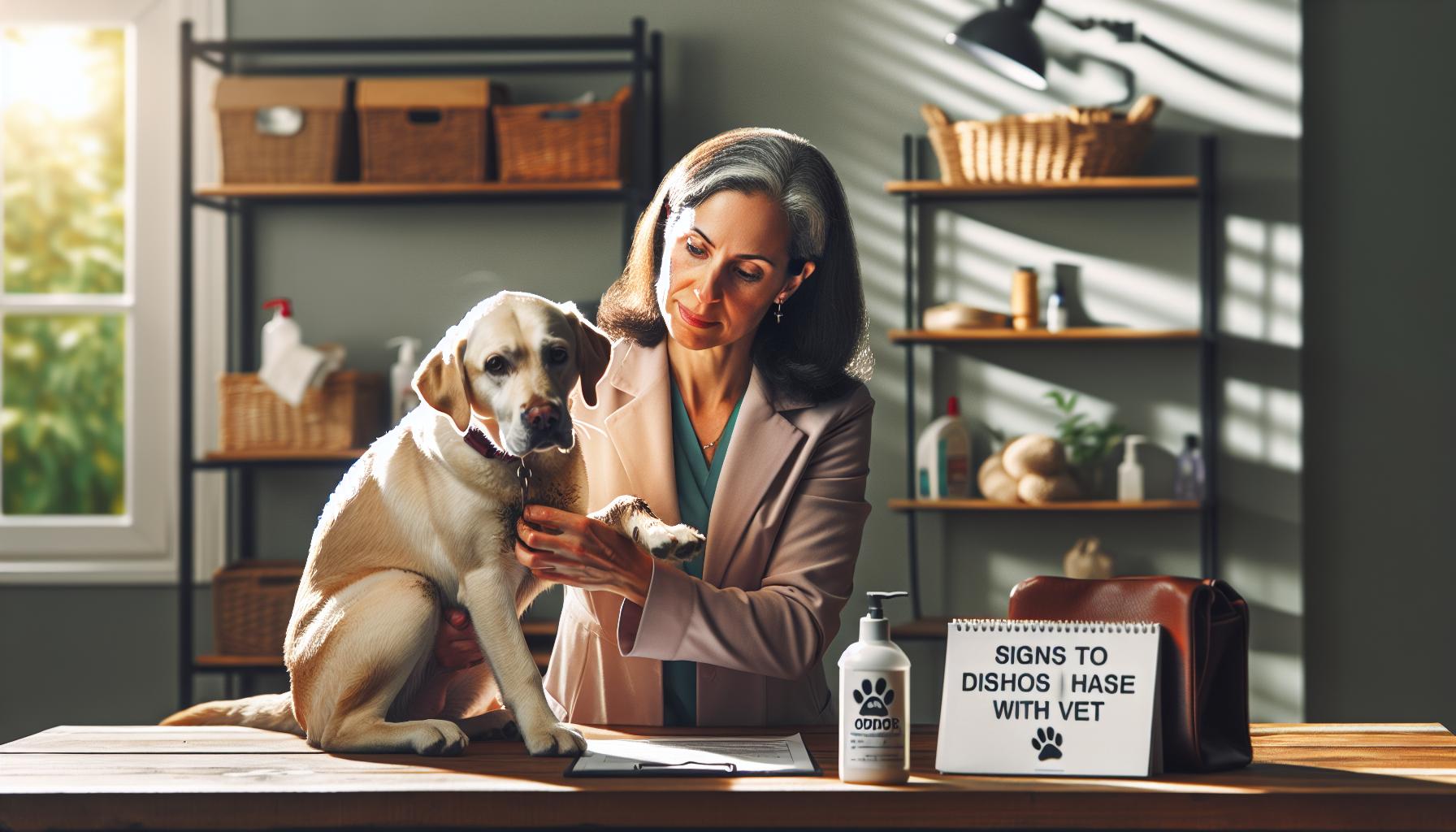
When to Consult a Veterinarian About Odor
When your beloved Pitbull starts to emit a strong and persistent odor, it can be concerning. While regular grooming and proper hygiene often keep smells at bay, certain situations may warrant professional intervention. Understanding when to consult a veterinarian is essential for addressing potential health issues and keeping your furry friend in the best condition possible.
Pay attention to the characteristics of the odor. If it is unusually foul or fishy in nature, this could indicate an underlying infection, possibly related to the skin or ears. Pitbulls can be prone to ear infections, which may produce a strong smell and are often accompanied by other symptoms like scratching or head shaking. In these cases, a visit to the vet can provide appropriate treatment and relief for your pet.
Another key sign to watch for is accompanying symptoms such as excessive itching, redness of the skin, or changes in behavior like lethargy or loss of appetite. These signs may suggest allergies, skin infections, or other health conditions that require veterinary attention. Allergies, for instance, can lead to skin dermatitis, which not only causes odor but also discomfort for your Pitbull.
If you’ve tried various home remedies like shampoos or dietary adjustments and haven’t seen improvement over a few weeks, it’s time to seek a professional opinion. A veterinarian can conduct a thorough examination, rule out serious issues, and provide guidance tailored to your Pitbull’s specific needs.
It’s crucial to maintain open communication with your veterinarian about any persistent odors, especially if they seem to be out of the ordinary for your dog. Swift action can often lead to quick resolutions, ensuring your Pitbull remains healthy and happy, ready for more affection and playtime.
Understanding Pitbull Skin and Coat Care
The skin and coat of your Pitbull are not only essential for their overall appearance but also play a critical role in their health and well-being. Understanding how to care for this important aspect of your dog can significantly reduce odors and improve their quality of life. Pitbulls, with their short, dense fur, may not seem high-maintenance, but their skin can be quite sensitive and requires regular attention to prevent issues that could lead to unpleasant smells.
Regular grooming is key to maintaining your Pitbull’s coat. Brushing them at least once a week helps to remove loose hair, dirt, and dander, ultimately reducing the risk of developing any skin conditions that might cause odor. Look for a good quality brush that penetrates through their short coat to effectively distribute natural oils. This not only keeps the skin moisturized but also enhances the luster of their fur. During grooming sessions, it’s also a great opportunity to check for any signs of irritation, bumps, or unusual smells that might indicate a larger issue.
Bathing practices are another vital aspect of skin care. While it’s important not to over-bathe, as this can strip away essential oils, a monthly bath with a hypoallergenic dog shampoo will help keep your Pitbull clean and odor-free. For those in-between bathing days, consider using a no-rinse shampoo or wipes designed for pets to manage odors and maintain hygiene. Some owners have found that adding baking soda to their pit bull’s grooming routine can help to neutralize odors effectively [2].
H3: Diet’s Impact on Skin and Coat
A proper diet is fundamental for your dog’s skin health. Low-quality foods can lead to allergies and skin sensitivities, resulting in odors and other complications. Ensure your Pitbull is eating a balanced diet rich in omega fatty acids, which support healthy skin and a shiny coat. If you notice persistent issues even after adjusting their grooming routine, consulting your veterinarian about food allergies or sensitivities may be wise.
By staying vigilant and actively caring for your Pitbull’s skin and coat, you can help manage odors while also enhancing your furry friend’s health and happiness. Regular grooming, proper bathing, and a nutritious diet work in harmony to give your dog the best care possible and minimize any unpleasant smells.
The Role of Diet in Your Pitbull’s Odor
Diet plays a crucial role in your Pitbull’s overall health and well-being, and what goes into their bowl can significantly impact any odor issues they may experience. Many dog owners are surprised to learn that the food they choose can either contribute to or alleviate unpleasant smells coming from their canine companions. High-quality nutrition is not just a luxury; it’s essential for reducing common odor problems that may stem from dietary choices.
Low-quality dog foods often contain fillers, artificial ingredients, and by-products that can lead to digestive issues, skin sensitivities, and even allergies. These problems can manifest as foul odors due to an imbalance in your dog’s gut health or skin conditions. For instance, a diet lacking sufficient protein or essential fatty acids may leave your Pitbull’s skin dry and prone to irritation, resulting in unpleasant smells. On the other hand, diets rich in high-quality protein, such as fish or chicken, and beneficial fatty acids, like omega-3 and omega-6, can significantly improve skin health and reduce odors.
If you’re noticing persistent odors despite your grooming efforts, it may be time to evaluate your dog’s diet. A switch to a balanced, protein-rich diet can not only help maintain a healthy weight and muscle tone but also enhance your Pitbull’s skin and coat condition. Many pet owners have found success by selecting dog food formulated specifically for their breed or size, which often addresses specific health concerns common to Pitbulls, including skin sensitivities.
Ultimately, ensuring your Pitbull receives proper nutrition involves reading ingredient labels carefully and consulting with your veterinarian to find the best food options. By prioritizing your dog’s diet, you can help prevent odor-related issues and promote a happier, healthier life for your beloved pet.
Grooming Techniques to Reduce Pitbull Smells
To maintain a fresh and pleasant scent for your Pitbull, effective grooming techniques play a crucial role. Regular grooming not only helps your dog smell better but also supports their overall health. Pitbulls typically have short coats, which make them easier to groom, but that doesn’t mean you can skip this essential routine.
One fundamental aspect of reducing odors is regular brushing. Aim to brush your Pitbull at least once a week to remove loose hair and dander, which can contribute to smell over time. A slicker brush or a rubber grooming mitt can effectively capture shedding fur and dirt while also stimulating the skin’s natural oils. This not only promotes a healthier coat but can also minimize odors associated with dead skin or trapped allergens.
In addition to brushing, bathing is a key element of a good grooming regimen. While frequent bathing is not necessary-as it can strip the skin of natural oils-using a high-quality dog shampoo formulated for odor control once every few months can help keep your Pitbull smelling fresh. Some pet owners find success with specialty shampoos that include natural deodorizing ingredients like baking soda or oatmeal, which can soothe the skin and neutralize odors.
Ear cleaning is another important grooming technique that often gets overlooked. Pitbulls can be prone to ear infections, especially if moisture accumulates in their ears. Regularly checking and gently cleaning your dog’s ears with a vet-recommended cleanser can help prevent both infections and the resulting bad smells. You can also keep your dog’s teeth clean with dental chews or regular brushing, as oral hygiene greatly affects overall odor.
Lastly, don’t forget about paw care. The pads of your Pitbull’s feet can accumulate dirt and moisture, which may lead to odor. Routine checks and brief wipe-downs after walks can keep their paws clean and smelling fresh.
By integrating these grooming techniques into your care routine, you can significantly reduce unpleasant odors and promote a happier, healthier life for your beloved Pitbull. Regular grooming is more than just a chore; it’s a wonderful way to connect with your pet and show them your love and care.
Recognizing Allergies That May Cause Odor
Recognizing the signs of allergies in your Pitbull can be crucial in understanding and addressing unexpected odors. Allergies in dogs often manifest not just through skin irritations but can also influence their overall health and scent. If your Pitbull has begun to emit a strong, unpleasant smell that seems to come from its skin, ears, or breath, it may be time to consider whether allergies are at play.
Pitbulls can suffer from various allergies, including environmental allergens like pollen, dust mites, or mold, as well as food allergies. When they are exposed to allergens, their bodies can react in ways that produce discomfort and odor. For instance, skin allergies often lead to excessive scratching or licking, which can create hot spots-localized areas of inflammation that can become infected and smell foul.
In addition to physical symptoms, keep an eye on your dog’s behavior. If your Pitbull is more restless than usual, is frequently scratching, or has inflamed or red patches on its skin, these could be indicators of allergic reactions. Odors associated with yeast infections-common in dogs with allergies-can also be particularly strong and often present in the ears or paws.
To help you manage and identify potential allergens, consider keeping a daily log of your dog’s diet, activities, and any notable changes in snappiness or odor. If you suspect an allergy, consult with your veterinarian, who may suggest allergy testing or a food elimination diet. Addressing these underlying causes will not only alleviate the unpleasant odors but also enhance your Pitbull’s overall quality of life.
Remember, when your dog feels good, it shows on the outside as well. By being attentive to changes in smell and behavior, you’re taking the first step toward a happier, healthier, and fresher-smelling Pitbull.
Natural Deodorizing Solutions for Your Pitbull
When dealing with unwanted odors in your Pitbull, natural deodorizing solutions can be a game changer, providing relief without harsh chemicals. Many pet owners are surprised to learn that household items can effectively neutralize odors and keep your furry friend smelling fresh.
One popular method is using a mixture of baking soda and water. Baking soda is renowned for its odor-absorbing properties. Mix about a cup of baking soda with a quart of warm water, and use a sponge to apply this solution to your dog’s coat, avoiding the eyes and ears. Allow it to sit for a few minutes before rinsing thoroughly. This method is not only gentle on your dog’s skin but also provides a refreshing boost to their scent.
Another effective solution involves apple cider vinegar. This common pantry item can help combat odors and has antifungal properties that can be beneficial for skin health. Mix equal parts of apple cider vinegar and water in a spray bottle and lightly mist your dog’s coat after a bath or whenever you notice an odor. The vinegar smell will dissipate once dry and leave your pup smelling much fresher.
You can also consider adding plain, unsweetened yogurt to your dog’s diet. Yogurt contains probiotics that can help improve gut health, which in turn can reduce bad odors originating from the digestive system. Just ensure that your dog is not lactose intolerant before incorporating this into their diet.
Introducing regular oatmeal baths is another natural deodorizing method. Oatmeal has soothing properties that can help with itching and skin irritation, which may lead to odor. Simply grind plain oatmeal into a fine powder and mix it with warm water to create a paste. Apply it to your dog’s coat and leave it on for about 10-15 minutes before rinsing off.
Incorporating these natural solutions into your dog’s grooming routine can not only help eliminate unpleasant smells but also enhance their overall well-being and happiness, allowing you both to enjoy many joyful, odor-free moments together.
How to Maintain a Fresh-Scented Home with a Dog
Maintaining a fresh-scented home with a dog, especially a lively Pitbull, can feel like a daunting task. However, with consistent care and a few practical strategies, you can greatly minimize odor and create a welcoming environment for both you and your furry friend. One of the first steps is to establish a regular cleaning routine that includes vacuuming and dusting to remove pet hair, dander, and any remnants from their playtime.
Grooming Keeps Odors at Bay
Regular grooming is essential to keep your Pitbull smelling fresh. Aim to groom your dog at least once a week, which helps reduce the build-up of dirt and oils in their coat. Using a mild, no-rinse shampoo or a brush designed for smoothing coats can make this task easier, and it’s a great opportunity for bonding.
You might also consider using odor neutralizers during grooming. Sprinkling a bit of baking soda on your dog’s coat before brushing can absorb unwanted smells. Additionally, using products specifically designed to neutralize pet odors will help keep your home smelling pleasant. For instance, consider natural sprays that combine essential oils with water instead of chemical-laden commercial products.
Designated Dog Areas
Creating designated spaces for your dog can also help contain odors. Set up a comfortable area with your Pitbull’s bed, toys, and food dishes away from high-traffic areas of your home. This not only helps prevent the spread of smells but also gives your dog a safe space that feels like their own. Regularly wash your dog’s bedding and clean their toys to keep things fresh.
Don’t forget to also pay attention to any lingering odors in your home. Consider using an air purifier equipped with a HEPA filter to capture pet dander and odors, or set out bowls of activated charcoal in various rooms; charcoal is known for its odor-absorbing qualities.
By incorporating these strategies into your daily routine, you can ensure that your home remains as fresh as it can be, allowing you and your beloved Pitbull to enjoy each other’s company without unpleasant distractions.
Educating Yourself on Pitbull Health and Hygiene
Understanding the health and hygiene needs of your Pitbull is essential for promoting their well-being and ensuring they remain a delightful part of your family. These energetic and affectionate dogs can be prone to certain conditions that not only impact their health but can also contribute to body odor. By educating yourself on these aspects, you can actively participate in giving your pet the best possible care.
Regular grooming is vital for keeping your Pitbull’s skin and coat healthy. Given their short hair, it’s easy to overlook grooming, but it’s crucial in preventing oil build-up and skin issues that can lead to unpleasant odors. Aim to brush your Pitbull at least once a week, which helps to remove loose hair and dirt, and stimulates the skin’s natural oils. Additionally, bathing your Pitbull every month or as needed with appropriate shampoo can help keep their coat clean without stripping its natural oils. It’s essential to use dog-specific shampoos, as human products can irritate their sensitive skin.
Diet plays a significant role in your dog’s odor. High-quality, nutritionally balanced food not only promotes overall health but can also improve the smell of your Pitbull’s skin and fur. Foods with high levels of omega-3 fatty acids help keep the skin moisturized and can reduce odors associated with dry or irritated skin. Pay attention to any food sensitivities your dog may have, as allergies can manifest through skin irritations and unfortunate smells.
Lastly, understanding the symptoms of underlying health issues is key to ensuring your Pitbull’s health. Odor can sometimes be a sign of infections, allergies, or other medical concerns. If you notice a persistent bad smell, despite regular grooming and bathing, it’s important to consult with your veterinarian. They can offer insights and treatments tailored to your Pitbull’s specific needs.
By being proactive about your Pitbull’s health and hygiene, you not only keep them smelling fresh but also enhance their overall quality of life. Embrace the journey of learning about your dog’s needs, and you’ll foster an even deeper bond with your furry companion.
Preventive Measures for a Smell-Free Pitbull
Maintaining a fresh scent in your Pitbull requires a proactive approach that encompasses various aspects of their care. These lovable companions are prone to certain health issues that can contribute to body odor, but with the right preventive measures, you can keep them smelling sweet. Regular grooming, thoughtful dietary choices, and consistent hygiene routines are your best allies in combating any unwelcome scents.
Establish a Regular Grooming Schedule
Grooming is essential for preventing odor build-up in your Pitbull. Their short fur may give the impression that less maintenance is needed, but that’s a misconception. Aim to brush your dog at least once a week. This helps remove loose hair, dirt, and debris while also distributing natural oils throughout the coat, which can aid in keeping their skin and fur healthy. Additionally, bathing your dog every month or as required with a quality, dog-specific shampoo can help maintain cleanliness without stripping their skin of essential oils. Be cautious not to over-bathe, as this can lead to dryness and irritate their skin, potentially exacerbating odor issues.
Pay Attention to Their Diet
What your Pitbull eats plays a crucial role in how they smell. A balanced diet rich in high-quality ingredients can significantly affect your dog’s overall health and reduce odor. Look for foods containing omega-3 fatty acids, which are known to promote healthy skin and fur. If you suspect food allergies or intolerances, consider consulting with your vet to determine the best dietary plan tailored to your dog’s needs. Avoid feeding them table scraps or highly processed foods, which can contribute to unpleasant smells.
Implement Regular Dental Care
Oral hygiene is often overlooked but is vital in keeping odors at bay. Bad breath can result from poor dental health, so establishing a routine teeth-cleaning plan is necessary. Consider using dog-specific toothpaste and brushes or dental chews to help reduce plaque build-up. Regular dental check-ups with your veterinarian can also ensure that any underlying issues are addressed promptly, maintaining both your dog’s breath and overall health.
Stay Vigilant for Signs of Allergies or Infections
Keep an eye out for any signs of allergies or infections that can also lead to odor. Itching, redness, or unusual licking can indicate skin issues that may contribute to smells. If you notice persistent odor despite your best grooming efforts, it might be time for a veterinary visit. A professional can help identify any underlying issues and recommend appropriate treatments or changes to your care routine.
By taking these preventive steps, you can create a comfortable and pleasant environment for both you and your Pitbull, allowing you to enjoy the companionship of this incredible breed without the worry of unwanted odors.
FAQ
Q: Why does my Pitbull have a strong odor even after bathing?
A: A strong odor in your Pitbull after bathing might indicate underlying issues like skin infections, allergies, or seborrhea. It’s important to inspect for symptoms such as flaky or greasy skin and consult a veterinarian if the problem persists [1].
Q: What home remedies can I use to eliminate my Pitbull’s odor?
A: You can use a mixture of hydrogen peroxide, baking soda, and dishwashing liquid as a home remedy to combat dog odor. Apply it gently to your Pitbull’s coat and rinse thoroughly. Always patch-test for skin sensitivity before full application [3].
Q: How often should I bathe my Pitbull to control odor?
A: It’s generally recommended to bathe your Pitbull every 4-6 weeks to control odor without stripping natural oils. Adjust the frequency based on their activity level and skin condition. Regular brushing can also help manage loose fur and dirt [1].
Q: Can my Pitbull’s diet affect their smell?
A: Yes, your Pitbull’s diet can significantly impact their odor. A poor diet can lead to fishy smells and skin issues. Ensure your dog has a balanced, high-quality diet with omega fatty acids to promote healthy skin and coat [1].
Q: What are the signs that my Pitbull might have an infection?
A: Signs of infection in your Pitbull may include persistent bad odor, redness, swelling, excessive scratching, or changes in eating habits. If you observe any of these symptoms, consult your veterinarian for proper diagnosis and treatment [1].
Q: How can I manage dog odors in my home effectively?
A: To manage dog odors in your home, regularly clean your dog’s bedding, use odor-eliminating sprays on furniture and carpets, and maintain a consistent grooming schedule. This helps keep your home fresh and odor-free [2].
Q: What grooming techniques help to reduce Pitbull smells?
A: Effective grooming techniques include regular bathing, brushing, and maintaining ear cleanliness. Use dog-specific shampoos and conditioners that target odor, and always dry your dog thoroughly after bathing to prevent moisture-related smells [1].
Q: When should I see a vet about my Pitbull’s odor problems?
A: If your Pitbull’s odor persists despite regular grooming and bathing, or if you notice symptoms like excessive scratching or skin irritation, it’s advisable to see a vet. Persistent odors could indicate underlying health issues that need professional attention [1].
To Wrap It Up
In conclusion, addressing your Pitbull’s odor is essential for their health and your comfort. Remember, persistent smells often signal underlying issues such as skin infections or allergies, so don’t hesitate to consult with your vet if the problem continues. For further assistance, explore our in-depth articles on common pitbull health issues and best grooming practices to keep your furry friend fresh and healthy.
Take the first step toward a cleaner, happier home by implementing these odor solutions today! Don’t forget to share your experiences and tips in the comments below-we love hearing from fellow Pitbull owners! And if you found this guide helpful, consider signing up for our newsletter for more expert advice and insights curated just for you. Your Pitbull deserves the best, and so do you!
Get our latest guides, news, and insights highlighted in your Google Search & AI Overviews.