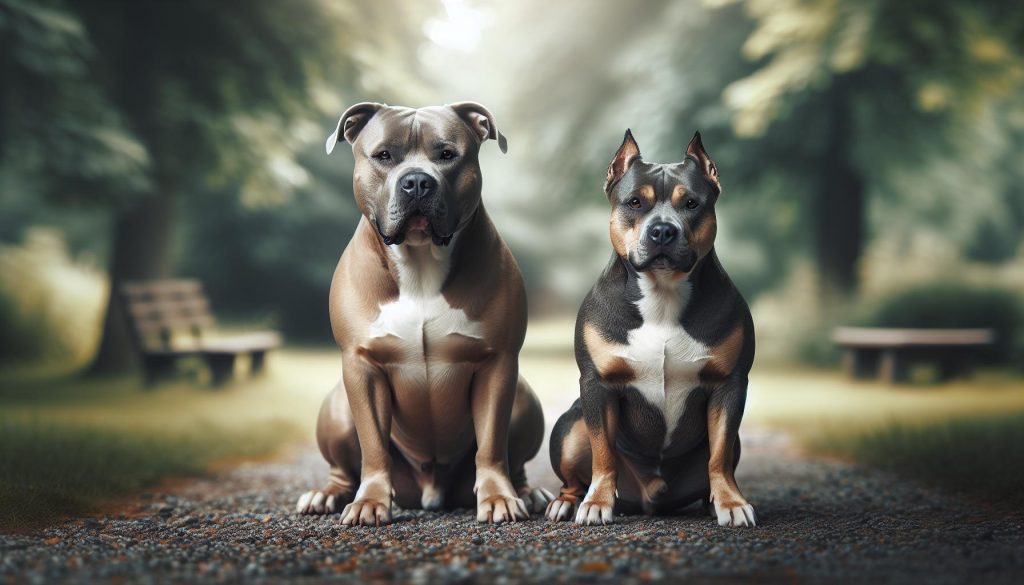
When it comes to choosing a loyal companion, understanding the differences between Pitbulls and American Bullies is essential. Both breeds share a rich history and are often confused due to their similar appearances, but they have unique traits that make each one special. Did you know that Pitbulls were originally bred as farm dogs, while American Bullies emerged relatively recently for companionship and show?
In this comparative guide, we’ll explore critical aspects like temperament, health considerations, training needs, and breed standards to help you make an informed decision. Whether you’re considering adoption or simply curious about these fascinating breeds, this article will address your questions and concerns, enhancing your appreciation for these wonderful dogs. Join us as we delve into the world of Pitbulls and American Bullies, uncovering their distinct personalities and the joys of owning them.
Comparison of Pitbull and American Bully Traits
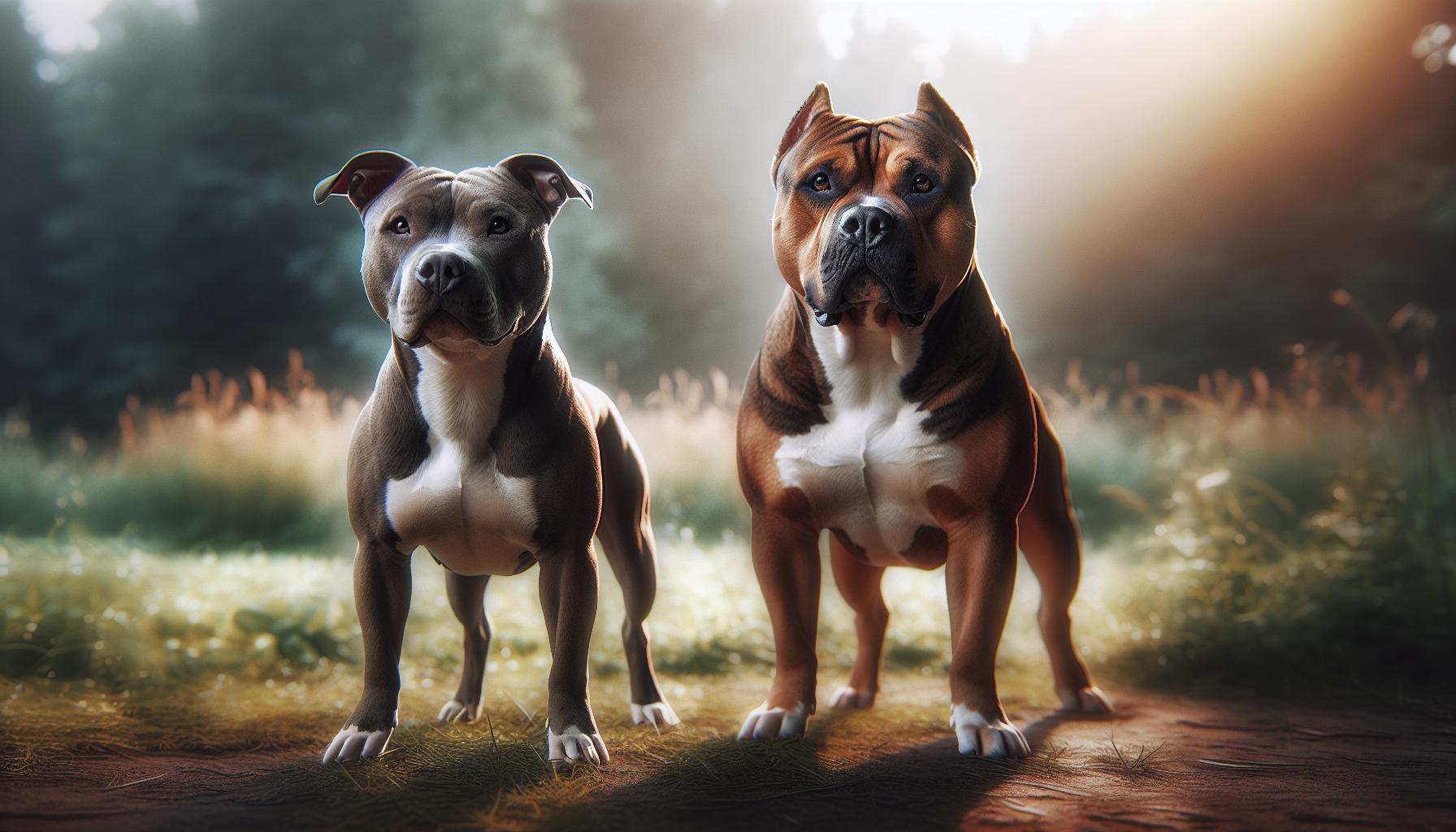
When diving into the world of dogs, understanding the distinct traits of the American Pit Bull Terrier and the American Bully is essential for potential owners and enthusiasts. Both breeds share a common ancestry that can sometimes create confusion among those unfamiliar with their characteristics. The American Pit Bull Terrier is known for its agility and endurance, while the American Bully showcases a stockier and more muscular build, often exuding a broader, more powerful appearance.
To further illustrate these differences, let’s break down their physical traits. The Pit Bull typically ranges from 30 to 65 pounds, with a height of 18 to 21 inches. In contrast, the American Bully is generally heavier, weighing between 70 and 120 pounds and standing 13 to 20 inches tall, depending on the specific variant. Their coats are similar, often short and smooth, but the Bully’s bigger frame gives it a more imposing look. It’s noteworthy that both breeds come in a variety of colors and patterns, adding to their visual appeal.
Temperament is another critical factor that sets these breeds apart. The American Pit Bull Terrier is celebrated for its loyalty, intelligence, and strong desire to please, making them excellent companions for active families. They tend to be highly trainable and thrive on positive reinforcement. Conversely, American Bullies, while also affectionate and loyal, may display a more relaxed demeanor, making them less energetic compared to their Pit Bull counterparts. Both breeds require early socialization and consistent training to develop into well-mannered pets.
Additionally, it’s crucial to acknowledge the stereotypes surrounding these breeds. Unfortunately, both Pit Bulls and American Bullies have faced stigma due to misconceptions about their nature. By choosing to educate yourself about these breeds’ true capabilities and personalities, you can contribute to a more informed and compassionate understanding, paving the way for responsible ownership and advocacy. Whether you’re drawn to the athleticism of the Pit Bull or the muscular charm of the American Bully, both breeds offer immense love and loyalty for those willing to welcome them into their homes.
Physical Appearance: Key Differences and Similarities
When exploring the physical characteristics of the American Pit Bull Terrier and the American Bully, you’ll quickly notice that both breeds possess distinctive traits that set them apart while also sharing some similarities. Understanding these features not only aids in identifying the breeds but also enriches your appreciation for their unique beauty and versatility.
The American Pit Bull Terrier typically presents a more athletic and agile frame. They usually weigh between 30 to 65 pounds and stand approximately 18 to 21 inches tall at the shoulder. Their sleek build allows for impressive agility and speed, traits that contribute to their reputation as energetic companions. Their coats are generally short and smooth, hugging the body closely, which adds to their streamlined appearance. The variety of colors and patterns available-like brindle, fawn, and blue-further enhances their visual appeal.
In stark contrast, the American Bully showcases a more robust and muscular structure, often built like a tank. They typically weigh more, ranging from 70 to 120 pounds, and their height can vary between 13 to 20 inches, depending on the specific variant within the breed, such as the Standard or XL Bully. Their broader heads and thicker necks contribute to a more imposing presence. Like the Pit Bull, American Bullies also sport short, smooth coats, but their larger frame alters the overall silhouette, making them appear more powerful.
Quick Comparison Table
| Characteristic | American Pit Bull Terrier | American Bully |
|---|---|---|
| Weight | 30 – 65 lbs | 70 – 120 lbs |
| Height | 18 – 21 inches | 13 – 20 inches |
| Body Type | Sleek and athletic | Muscular and stocky |
| Coat Type | Short and smooth | Short and smooth |
Despite these differences, both breeds share a deep connection through their origins. They are often mistaken for one another due to their similar coat textures and variations in color; you can also find strikingly beautiful patterns in both breeds. In essence, whether you’re drawn to the athletic prowess of the Pit Bull or the powerful stature of the American Bully, both breeds deserve admiration and respect for their unique traits that make them beloved companions.
Temperament Showdown: Which Breed is Right for You?
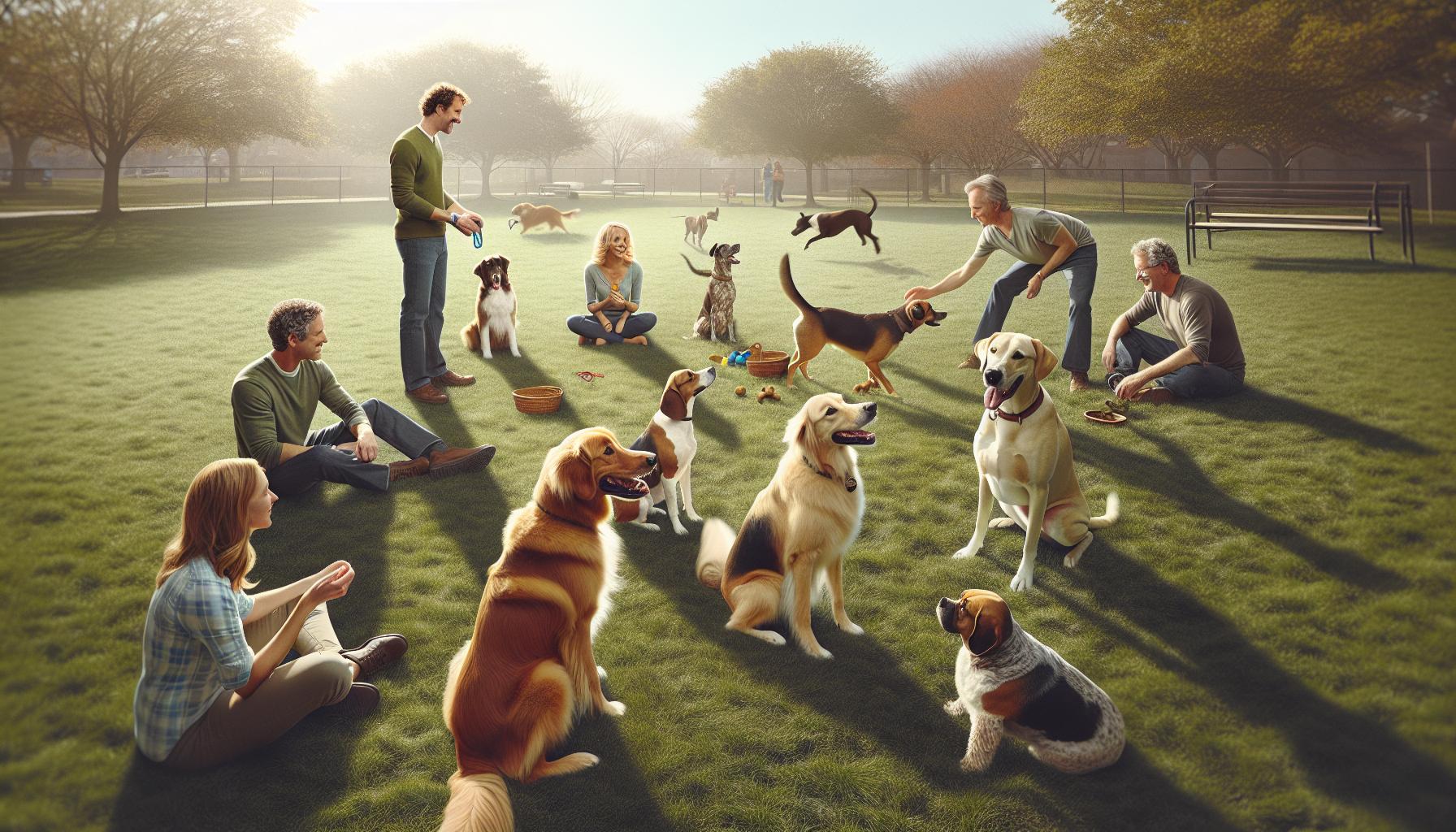
When considering the American Pit Bull Terrier and the American Bully, it’s important to understand the nuanced differences in temperament that may influence your decision on which breed is best for you. Both breeds possess strong, loyalty-based personalities, but their temperamental traits can vary significantly due to their distinct backgrounds and breeding purposes.
The American Pit Bull Terrier is known for its spirited energy and unwavering loyalty. They’re often characterized as friendly, enthusiastic, and highly trainable, making them excellent companions for active households. These dogs thrive on social interaction and enjoy engaging with their families. Their playful demeanor often means they can form strong bonds with both adults and children, making them highly adaptable in various living situations. However, it’s crucial to channel their energy through regular exercise and mental stimulation, as they can become bored if not properly engaged.
In contrast, the American Bully, while also affectionate and people-oriented, tends to exhibit a more laid-back disposition. They are often described as calm and gentle, possessing a more stable temperament that can make them well-suited for families. Their strong protective instincts can provide an extra layer of security, and they are generally very tolerant and friendly. This breed is particularly known for being great around children, and many Bully owners appreciate their loving and social nature. That said, they do require consistent training to ensure that their natural confidence does not lead to dominance behaviors.
When evaluating which breed might fit better with your lifestyle, consider the following key points:
- Energy Levels: Pit Bulls require more vigorous physical activity and mental challenges, while American Bullies may be content with moderate exercise.
- Social Needs: Both breeds flourish in social environments, but Pit Bulls can develop strong separation anxiety if left alone too long.
- Family Dynamics: American Bullies are often praised for their strong affinity towards children and as family pets, while Pit Bulls can be great companions with proper training and socialization.
Ultimately, the right choice depends on your individual lifestyle and the dynamics of your household. Both breeds encompass traits that make them loving companions, but your decision should align with your ability to meet their specific social and exercise needs. Whether it’s the exuberance of the Pit Bull or the steadiness of the American Bully, either breed can bring boundless joy and love into your home when raised and trained responsibly.
Health Insights: Common Issues in Both Breeds
Both the American Pit Bull Terrier and the American Bully are generally robust breeds, yet they are not immune to certain health issues that potential owners should be aware of. Understanding these common health challenges can help you provide better care for your dog and make informed decisions regarding their health and wellbeing.
One prevalent concern for both breeds is hip dysplasia, a genetic condition that can lead to arthritis or mobility issues later in life. Since both breeds are muscular and active, maintaining a healthy weight through proper diet and regular exercise can significantly reduce the risk and severity of this condition. You should monitor their activity levels and ensure they don’t overexert, especially as they age.
Another issue to consider is skin conditions, such as allergies or dermatitis. Both Pit Bulls and American Bullies have short coats, which can sometimes lead to increased susceptibility to skin irritations. Regular grooming and bathing with hypoallergenic products can help manage these problems. Additionally, keeping their environment clean and being mindful of dietary allergies is crucial in preventing flare-ups.
Cardiovascular health is also a point of focus, particularly for the American Bully. They can be prone to heart disease, which underscores the importance of routine veterinary check-ups. Regular exercise and a balanced diet play a crucial role in promoting heart health, and knowing the signs of cardiac issues can help in early detection.
Lastly, both breeds may experience issues related to their eyes and vision. They can be prone to conditions such as cataracts or cherry eye. Keeping an eye on your pet’s eye health and consulting with your vet if you notice any signs of discomfort is vital. Proactive care, such as regular check-ups and listening to your dog’s needs, can go a long way in ensuring a healthy, happy life for your furry friend.
Routine vet visits, a focused diet, and consistent exercise tailored to your dog’s particular needs will go a long way in ensuring that both the Pit Bull and American Bully live long, healthy lives. Remember, early detection and prevention are key components in managing these common health issues.
Training Tips for Pitbulls and American Bullies
Training your dog can be a deeply rewarding experience, especially when working with breeds like the American Pit Bull Terrier and the American Bully. Both breeds are known for their intelligence and eagerness to please, making them generally responsive to training. However, the approach you take can vary slightly based on their individual temperaments and motivations.
One key aspect of training these breeds is to start early. Socialization is crucial, especially for Pit Bulls, who may need extra exposure to different environments, people, and other animals to mitigate any potential anxiety. Carrying out positive reinforcement training methods-such as using treats or praise for good behavior-can make learning enjoyable for your pet. For instance, practicing basic commands like “sit,” “stay,” and “down” not only strengthens your bond but also helps your dog understand their role in your household. Consistency is key here; ensure that all family members use the same commands and rules.
Using Positive Reinforcement
Both breeds thrive on positive reinforcement. Here’s how you can maximize these training opportunities:
- Short Sessions: Keep training sessions brief but frequent (about 5-10 minutes) to maintain their interest.
- Rewards: Use high-value treats or playtime as rewards for completed tasks-this encourages repeat performances.
- Patience: Some dogs may take longer to grasp commands; remain patient and repeat exercises without frustration.
When it comes to behavioral training, understanding the breed’s natural tendencies can also help. American Bullies, with their loving and laid-back temperament, often react well to a gentle, relaxed training approach. In contrast, Pit Bulls, though also affectionate, may exhibit higher energy levels requiring more physical and mental stimulation. Incorporating challenges such as agility training or interactive toys can provide the mental engagement they crave.
Addressing Behavioral Challenges
While training, be aware of potential behavioral challenges. Both breeds can react strongly to fear or stress, which can manifest in barking or anxiety. Here’s how to tackle such issues:
- Identify Triggers: Notice what makes your dog anxious or triggers unwanted behaviors, then work on desensitizing them gradually.
- Professional Help: If you encounter persistent difficulties, consider enlisting a professional trainer or behavioral specialist who understands these breeds.
Ultimately, the key to training your Pit Bull or American Bully lies in understanding their unique personality traits and needs. Whether through playful interactions, challenging tasks, or calm reinforcements, fostering a respectful and loving environment will ensure your dog not only learns but thrives. This bond built through training will undoubtedly enhance your experience as a responsible and passionate owner.
Exercise Needs: Finding the Right Balance
Both the American Pit Bull Terrier and the American Bully are energetic breeds that thrive on regular exercise to maintain not just physical health but also mental well-being. Striking the right balance in their exercise regimen is crucial, as it can influence their behavior and lifestyle. These dogs exhibit high levels of stamina and strength, so engaging them in various activities can prevent boredom, which is often a precursor to destructive behaviors.
To cater to their exercise needs, aim for at least one hour of exercise daily. This can include vigorous activities like running, playing fetch, or participating in agility exercises. Taking your Pit Bull or American Bully on brisk walks or jogs not only provides them with the necessary physical stimulation but also gives you quality bonding time. Since both breeds enjoy companionship, involving them in family activities like hiking can be particularly rewarding.
Activity Recommendations
Implement a mix of structured activities to keep your dog engaged:
- Daily Walks: Aim for 30 minutes to an hour of walking per day to help with stamina.
- Fetch and Tug-of-War: These games can expend a significant amount of energy and are great for building strength.
- Obedience Training Sessions: Incorporate mental exercises with physical ones-training sessions can be a fun way to use both mind and body.
- Agility Courses: Setting up or enrolling them in agility courses can provide excellent physical and mental stimulation.
It’s important to be mindful of each breed’s unique strengths. For instance, while the American Bully generally exhibits a more laid-back attitude, the Pit Bull may require more vigorous exercise to channel their energetic nature. Always pay attention to your dog’s cues; fatigue can look different between individual dogs. If your pet shows signs of overexertion such as excessive panting or disinterest in play, it’s advisable to ease up on the intensity or duration of exercise.
Ultimately, maintaining a routine of varied activities will keep your Pit Bull or American Bully healthy, happy, and well-adjusted in their home environment. Regular exercise not only encourages healthy weight management but fosters a trusting relationship between you and your furry companion. By understanding and addressing their exercise needs, you can significantly enhance their quality of life and create a stronger bond with these wonderful breeds.
Grooming Requirements: Care Essentials for Each Breed
Maintaining a consistent grooming routine is essential for the health and happiness of both the American Pit Bull Terrier and the American Bully. While these breeds share some grooming similarities due to their short coats, there are specific care essentials tailored to each breed that can enhance their overall well-being and appearance.
Both breeds possess a short, smooth coat that is relatively low-maintenance. However, regular brushing is beneficial to minimize shedding and keep their skin and coat healthy. Aim for at least once a week with a bristle brush or a rubber grooming mitt; this not only helps remove loose hair but also encourages the natural oils in their skin to keep their coat shiny. While neither breed requires frequent baths, it’s advisable to bathe them as needed-generally, every few months or when they become particularly dirty. Use a high-quality dog shampoo to protect their skin and avoid irritation.
Skin and Coat Care
Understanding the unique needs related to skin and coat health is vital:
- Pit Bull: This breed is more prone to certain skin conditions, so regular checks for irritations or infections can help catch any issues early. You might also want to consider a grain-free diet to support skin health.
- American Bully: While they have a muscular build, they can develop skin folds that need to be cleaned regularly to prevent infections. Wipe the folds gently with a damp cloth to keep them clean.
Additionally, taking care of your dog’s nails, ears, and teeth is crucial. Regular nail trimming is necessary to prevent discomfort; if you can hear your dog’s nails clicking on the floor, it’s time for a trim. For both breeds, check ears weekly and clean them with a vet-approved solution if they look dirty. Dental hygiene, often overlooked, should include regular tooth brushing with dog-friendly toothpaste to prevent dental disease.
In summary, the grooming needs for both the American Pit Bull Terrier and the American Bully are manageable with a bit of dedication. By incorporating a routine that addresses their specific needs, you can ensure that your dog stays comfortable, healthy, and beautiful, further enriching the bond you share. Regular grooming not only enhances their physical appearance but also serves as an excellent opportunity for you to connect with your fur companion.
Socialization Strategies for Pitbulls and Bullies
Socialization is an essential aspect of raising a well-adjusted Pitbull or American Bully, as it helps them become confident, friendly, and well-behaved companions. Beginning socialization early-ideally during puppyhood-can significantly enhance your dog’s comfort around people, other animals, and various environments. Exposure to different sights, sounds, and experiences is key in preventing behavioral issues later in life.
Start with positive experiences by introducing your puppy to a variety of gentle, well-mannered dogs and people in controlled environments. Puppy classes can be invaluable; they not only provide structured socialization but also offer fundamental obedience training. Look for trainers who emphasize positive reinforcement techniques. It’s important to remember that socialization should remain a positive experience. If your dog seems fearful or aggressive, it’s best to ease back and take smaller steps towards exposure.
Tips for Effective Socialization
To ensure effective socialization for your Pitbull or American Bully, consider the following strategies:
- Gradual Exposure: Introduce your dog to new experiences one at a time. Start with calm settings and move on to more stimulating environments as they grow more comfortable.
- Controlled Meet-Ups: Arrange playdates with other dogs that are known to be friendly and well-behaved. Keep initial interactions short and monitor their behavior closely.
- Positive Reinforcement: Reward your dog with treats and praise when they handle new situations calmly. This builds confidence and associates new experiences with positive outcomes.
- Desensitization: Gradually expose your dog to objects or environments they might find intimidating, such as loud noises or busy streets. Allow them to approach at their own pace.
Remember, patience is crucial during the socialization process. Every dog is an individual, and some may require more time and positive experiences to adjust than others. By investing the effort now, you’re setting the stage for a secure, friendly, and sociable dog, ready to confidently face the world and enjoy life to the fullest.
Additionally, consider that both breeds thrive on human interaction. Engaging them in activities like dog sports, agility training, or organized dog walks can further enhance their social skills while promoting physical exercise. This not only assists with socialization but also fosters a deep bond between you and your furry companion.
Pitbull vs American Bully: Myths and Facts
Understanding the realities behind the popular perceptions of both breeds is essential for responsible ownership and appreciation. Despite sharing similar ancestry, Pitbulls and American Bullies are often unfairly grouped together, leading to many misconceptions. One of the most common myths is that both breeds are inherently aggressive. In reality, aggression is not a trait of the breed itself, but rather a result of upbringing, environment, and socialization. With proper training and socialization, both breeds can be friendly and well-adjusted companions.
Another myth centers around the idea that American Bullies are simply a more muscular version of Pitbulls. While they share some lineage, American Bullies were selectively bred for their distinctive physical traits, including a wider head, thicker neck, and a stockier build. This divergence in breeding aims to emphasize the American Bully’s stability and companionable nature, whereas Pitbulls were primarily bred for strength and agility as working dogs. Understanding these distinctions not only fosters respect for both breeds but also aids potential owners in making informed decisions.
Furthermore, many believe that both breeds are unsuitable for families with children. This stereotype fails to recognize the individual temperament of each dog, which is largely shaped by consistent training and positive experiences. Many Pitbulls and American Bullies are known for their loyalty, intelligence, and gentle disposition, especially toward children when socialized correctly. Engaging these breeds in family activities can reveal their affectionate and playful nature, dispelling the myth of their supposed danger.
In conclusion, navigating the sea of misconceptions surrounding Pitbulls and American Bullies requires a nuanced understanding of their genetics and temperaments. Addressing these myths and recognizing the roles of responsible ownership, training, and socialization can significantly enhance your relationship with these remarkable breeds. Engaging with both breeds in a positive light allows for a deeper appreciation of their unique characteristics and potential as beloved family members.
Legal Considerations: Breed Restrictions Explored
Understanding the legal landscape surrounding breed restrictions is crucial for prospective owners of Pitbulls and American Bullies. Many cities and municipalities implement specific breed bans or restrictions, driven by a blend of safety concerns and public perception. This can make it challenging for potential owners who are considering these breeds, as local laws may directly affect their ability to adopt or keep a dog that fits within these categories.
Breed-Specific Legislation (BSL)
Breed-specific legislation is often cited as a method to enhance public safety. While BSL may aim to mitigate aggressive behavior through restrictions on certain breeds, it’s important to recognize that such measures often lack substantial evidence correlating specific breeds to aggressive tendencies. Laws vary significantly by region; for example, some areas may completely ban Pitbulls, while others allow them under specific conditions, such as mandatory muzzling or enhanced liability insurance.
- Complete Bans: Some cities outright ban the ownership of Pitbulls and American Bullies.
- Restrictions: Others might require leashing, muzzling, or particular training certifications.
- Insurance Requirements: Some laws mandate that owners carry additional insurance coverage in case of incidents.
Research Local Laws
As a potential owner, it’s imperative to research local laws and regulations applicable to your area. Websites of the local government or animal control agencies can generally provide information regarding breed regulations. Joining community forums or local breed-specific rescue groups can also help you gain insight into the current legal climate.
In addition, being proactive in community engagement can help bridge the gap between perceptions about these breeds and their realities. Educating neighbors about proper training and socialization can foster a more positive image and potentially influence local policies in favor of breed-neutral laws.
Understanding these regulations is not just about compliance; it’s also about being an informed and responsible owner. By familiarizing yourself with the laws, you can ensure that you provide a safe, loving environment for your Pitbull or American Bully while navigating any legal nuances gracefully.
Adoption and Purchasing: What to Look For
When considering adding a Pitbull or American Bully to your family, it’s essential to do so with both excitement and caution. Both breeds, known for their strong physiques and affectionate nature, require responsible ownership and understanding. Whether you are adopting from a shelter, a reputable breeder, or a rescue organization, there are key factors to consider ensuring you bring home a healthy and well-adjusted companion.
First, assess the environment where you plan to adopt. If you’re leaning towards a shelter or rescue, inquire about the dog’s background. Questions like “What is his history?” and “Has he been socialized?” can give you insight into the dog’s temperament and past experiences. Look for a facility that conducts temperament tests to guarantee the dog’s behavior aligns with your lifestyle. A well-socialized Pitbull or American Bully typically exhibits friendly, stable behavior, making for a smoother transition into your home.
Next, prioritize health checks. Before adopting, ensure that the pups have been vaccinated, dewormed, and are free of any genetic health issues. Both breeds can be prone to certain conditions, such as hip dysplasia and skin allergies. A responsible shelter or breeder will provide you with thorough health documentation. Moreover, consider the age of the dog-puppies often require more training and supervision, while adults may be a better fit for a family looking for a calmer companion.
Educate yourself on the differences between the Pitbull and the American Bully before making a decision. While they share a lineage and some physical traits, their temperaments can vary significantly. American Bullies are typically known for their robust stature and sociable demeanor, ideal for families looking for a playful companion. On the other hand, Pitbulls, with their muscular build and intense affection, can be loyal guardians and loving family pets when trained properly.
Lastly, think about your commitment to training and socialization. Both breeds thrive in an environment where they receive consistent training and social exposure. Engage with local trainers who understand the nuances of each breed, as well as emphasize positive reinforcement methods, to foster a well-behaved pooch. Being proactive in engaging community resources and connecting with other owners can provide vital support and enhance your understanding of raising a happy and healthy American Bully or Pitbull.
In summary, choosing to adopt a Pitbull or American Bully is a rewarding decision that requires careful consideration and commitment. Take the time to connect with shelters or breeders, ensure the health and temperament align with your lifestyle, and be prepared for ongoing training to nurture a bond that will last a lifetime.
Celebrity Pitbulls: Cultural Impact and Representation
The cultural landscape surrounding Pitbulls has shifted dramatically over the years, thanks in large part to the influence of several high-profile individuals and cultural representations. Celebrities who own Pitbulls or advocate for them help to reshape perceptions and challenge the stereotypes that often label this breed as aggressive or dangerous. From musicians to actors, these public figures utilize their platforms to promote responsible ownership, show compassion towards dogs, and encourage adoption from shelters.
Take, for example, the celebrated rapper Pitbull, who has not only adopted several rescue dogs but also frequently uses his influence to advocate against breed discrimination. His ownership of Pitbulls exemplifies how these dogs can be loving companions, countering the negative media portrayals that often overshadow their true nature. Similarly, athletes like NFL players and figures in the music industry have shared their stories of companionship with Pitbulls, showcasing their playful and loyal personalities. These narratives play a crucial role in altering public perceptions and encouraging others to see the breed in a more positive light.
Key Contributions from Celebrity Owners:
– Increasing visibility of Pitbulls as loving family pets.
– Promoting responsible breeding and adoption practices.
– Challenging misconceptions and advocating against breed discrimination.
Moreover, television shows and movies often feature Pitbulls in a variety of roles, further contributing to their complex representation. While some portrayals in media reflect the ongoing challenges of breed stigma, others highlight the breed’s loyalty, courage, and unique bond with humans. These portrayals can create both positive and negative impacts, emphasizing the necessity for balanced representations that foster understanding rather than fear.
In fostering a culture of appreciation and love for Pitbulls, celebrities play an influential role. By sharing their own stories, they help reshape the narrative surrounding this breed. The more we celebrate responsible ownership and highlight the positive traits of Pitbulls, the more we can work together to promote an inclusive society that recognizes them for the treasured companions they can be.
Faq
Q: What are the main differences between a Pitbull and an American Bully?
A: The main differences between a Pitbull and an American Bully lie in their size and build. Pitbulls are typically more athletic and muscular, while American Bullies are bulkier with a wider chest and shorter legs. Exploring the physical appearance section of your article can provide further insights.
Q: How do the temperaments of Pitbulls and American Bullies compare?
A: Generally, Pitbulls are known for their intelligence and strong work ethic, making them great for training. In contrast, American Bullies often exhibit a more relaxed demeanor, suited for companionship. For specific temperament traits, refer to the temperament showdown section in your article.
Q: Are Pitbulls or American Bullies better for families?
A: Both breeds can be excellent family pets, but American Bullies often thrive in family settings due to their friendly nature and protective instincts. Pitbulls, often labeled as loyal and affectionate, may also do well in families if properly socialized. Check your article’s socialization strategies for more tips.
Q: What health concerns should I be aware of for each breed?
A: Both breeds may face unique health issues: Pitbulls can have hip dysplasia and skin allergies, while American Bullies are prone to cardiac problems and obesity. For a detailed overview of potential health problems, refer to the health insights section of your article.
Q: How can I train a Pitbull compared to an American Bully?
A: Training for both breeds is similar; however, Pitbulls may respond better to high-energy training techniques due to their active nature. Alternatively, American Bullies, with their calmer demeanor, often benefit from positive reinforcement methods. Explore your article’s training tips section for effective strategies.
Q: What are the grooming requirements for Pitbulls and American Bullies?
A: Both breeds are considered low-maintenance in terms of grooming. They require regular brushing to manage shedding and occasional baths. However, American Bullies may require more frequent attention due to their skin folds. For specific grooming routines, consult the grooming requirements section of your article.
Q: When should I start socializing my Pitbull or American Bully?
A: Early socialization is crucial for both breeds and should ideally begin in puppyhood. Exposing them to various environments and people helps develop confidence and friendliness. For effective socialization strategies, refer to the socialization strategies section in your article.
Q: Are there specific legal considerations for owning a Pitbull versus an American Bully?
A: Yes, legal restrictions can vary significantly by location. Pitbulls often face breed-specific regulations, while American Bullies may be less restricted. It’s critical to check local laws to ensure compliance. For more on this topic, see the legal considerations section of your article.
To Wrap It Up
As we wrap up our comparison of the Pitbull and American Bully, it’s clear that both breeds offer unique traits and qualities that can enrich your life. Whether you’re drawn to the loyalty and strength of Pitbulls or the distinct features and temperament of American Bullies, understanding their differences is crucial for responsible ownership. If you’re considering adding one of these breeds to your family, act now-connect with reputable breeders or local shelters to find your perfect companion.
We invite you to explore more about dog care with our guides on breed health, training tips, and understanding canine behavior. Don’t forget to check out our detailed articles on the differences in training approaches for these breeds. Your journey in understanding and appreciating these incredible dogs doesn’t have to end here-subscribe to our newsletter for ongoing insights and resources tailored to dog lovers like you. Join the conversation below-what’s your experience with these breeds? Share your thoughts and connect with our community!
Get our latest guides, news, and insights highlighted in your Google Search & AI Overviews.